Stay informed with local news updates covering Agudo and the surrounding region. Browse the Hemeroteca for past articles and keep up with what matters in the community.
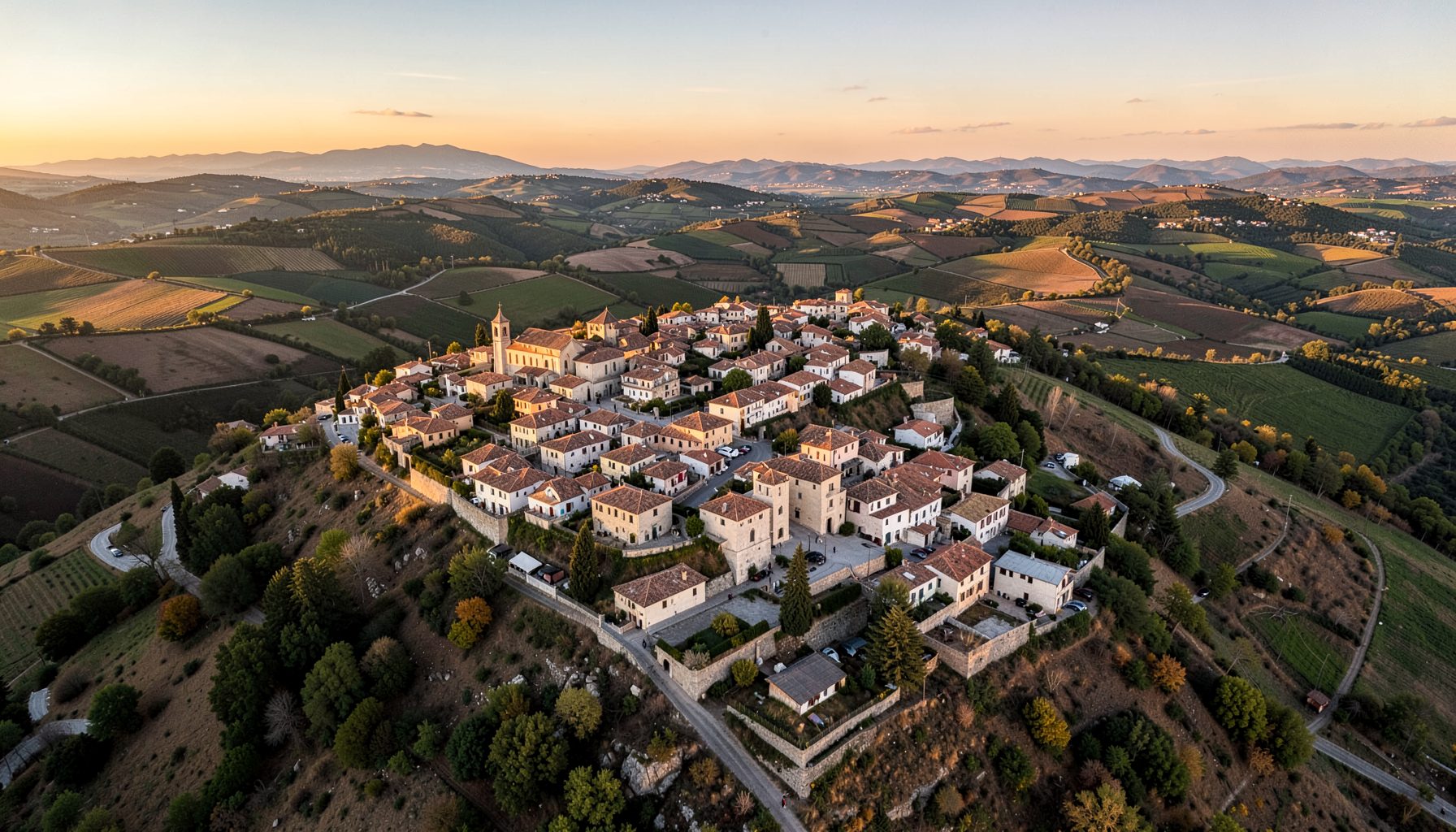
A new radar-style feedback device has appeared on the road winding out toward Bodega del Prado, greeting drivers with a bright digital readout of their current speed in kilometres per hour. The unit sits at the entrance of a curve that locals have long flagged as a place where visitors tend to carry too much momentum, especially after the long straight stretch that runs past the olive groves on the southern edge of the municipality.
Anyone who has driven through a suburban school zone in Melbourne, braked for a flashing sign in Brisbane, or eased off the accelerator on one of Perth's long arterial roads will recognise the technology immediately. It reads your speed and displays it back at you, plain and large, in the same kilometres per hour that Australian drivers read on their own dashboards. For travellers crossing from the Tablelands or for residents returning from a shift, the message is simple: slow down before the sign does the slowing for you.
The sign combines a small radar antenna with a high-contrast LED display mounted inside a yellow frame that matches the regional road authority's standard. As a vehicle approaches, the sensor measures its speed and shows the number in real time, updating several times per second so the reading feels alive. When the car is travelling at or below the posted limit, the digits appear in green or amber. Once the threshold is crossed, the same numbers switch to red and begin to pulse, creating a clear visual nudge without any sudden flash that could distract the driver.
The unit is solar-powered, which is why the council selected this particular stretch. There is no mains cabling nearby, and trenching across agricultural land would have required negotiating with several landowners whose plots back onto the road. A modest battery pack stores enough charge to keep the sign running through the long overcast stretches that roll in from the Sierra during autumn, and the whole installation cost a fraction of what a fixed camera system would have demanded.
Core elements of the installation:
The route toward Bodega del Prado is short, only a few kilometres from the centre of Agudo, but it carries a mix of traffic that the original road design never quite anticipated. Tractors pulling trailers of grapes during the vendimia season share the asphalt with delivery vans, cyclists training along the valley, and families walking to the picnic area beside the old winery. The road narrows around a bend just past the last cluster of farmhouses, and visibility around the curve is limited by a low stone wall that has been repaired many times.
Local accounts of minor bumps and near misses have circulated at neighbourhood gatherings for years, and the council's road safety working group took the matter up earlier this year. The same residents who recently gathered to run free mending workshops for older neighbours had been raising the issue at association meetings since the spring, which gave the working group both the data and the political cover to act. A full rebuild of the curve was discussed but ruled out for the moment due to cost and the disruption it would cause during the tourist season. The feedback sign was seen as a quicker, less invasive way to gather data and to give drivers a gentle reminder before they reach the most confined section.
Behavioural studies from road safety bodies in Australia, including work published by the Transport Accident Commission in Victoria, have repeatedly shown that feedback signs cut average speeds by a few kilometres per hour in the weeks after installation. The effect softens over time as the novelty wears off, but a steady reduction of three to five kilometres per hour typically persists, particularly when the signs are paired with painted road markings and occasional enforcement.
Perth drivers encounter similar installations on long stretches of road leading into new housing estates, where unfamiliar visitors tend to misjudge the 60 zones. Hobart's winding approaches to suburban schools use the same principle, with flashing units at the start of each school day. Brisbane City Council has rolled out dozens of these signs near primary schools, and follow-up surveys have shown that parents feel noticeably more comfortable letting children walk or cycle once the devices go in. None of these examples involve automatic fines, which is the model Agudo has adopted as well.
The first weekend after the sign was switched on brought a steady stream of curious residents to the bend, many slowing down deliberately to watch the numbers climb and drop. A few joked that it was like the speed display they remembered from a holiday on the Murray, where the approach to a river crossing used a similar unit in the early 2000s. Others saw a practical benefit, especially parents whose teenagers are just beginning to drive the back roads on their own.
Conversation at the local bakery soon turned to other community projects that have quietly taken root in recent months. Earlier in the summer, volunteers gathered Seville oranges from the plaza trees and turned them into marmalade through the local co-op, an effort that keeps the fruit out of waste streams and stocks the school fair. The speed sign has slotted into the same pattern of small, visible improvements that residents can see and weigh in on, sitting alongside the kind of volunteer-led initiatives that have started to define the year.
The council has indicated that the data collected by the new sign will be reviewed after ninety days to see how average speeds shift across the day and the week. If the early results match those seen in comparable Spanish municipalities and the patterns reported by road safety researchers overseas, similar units could be placed near the schools on the outskirts of town and at the entrance to the industrial estate.
Candidate sites already on the working list:
For now, the immediate feedback from drivers has been positive, and the local police have not reported any need for additional enforcement in the area. Residents who want to comment on the installation, or suggest other locations that could benefit from a similar approach, can do so through the municipal website or at the next open council session in the town hall.
If you live near the road to Bodega del Prado, or if you regularly use the back routes through the vineyards, share your impressions with the council or post them on the community forum so that the next round of decisions reflects the experience of the people who drive the road every day. Your observations about peak times, problem vehicles and pedestrian activity will help shape where the next feedback sign goes.
Stay informed with local news updates covering Agudo and the surrounding region. Browse the Hemeroteca for past articles and keep up with what matters in the community.
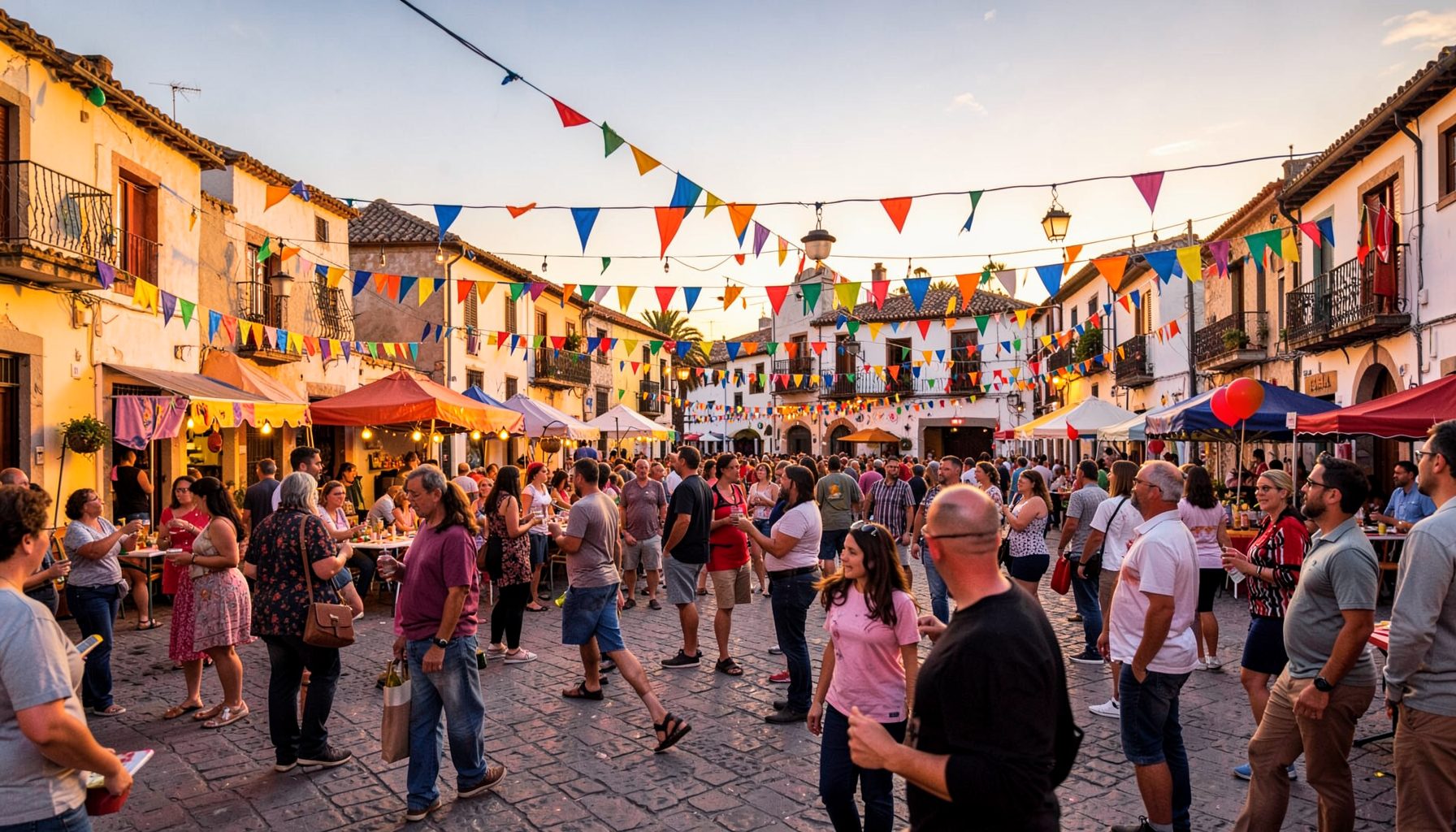
Join the conversation in the Agudo community forums. Access the Foro antiguo archive and participate in discussions with fellow residents and visitors.
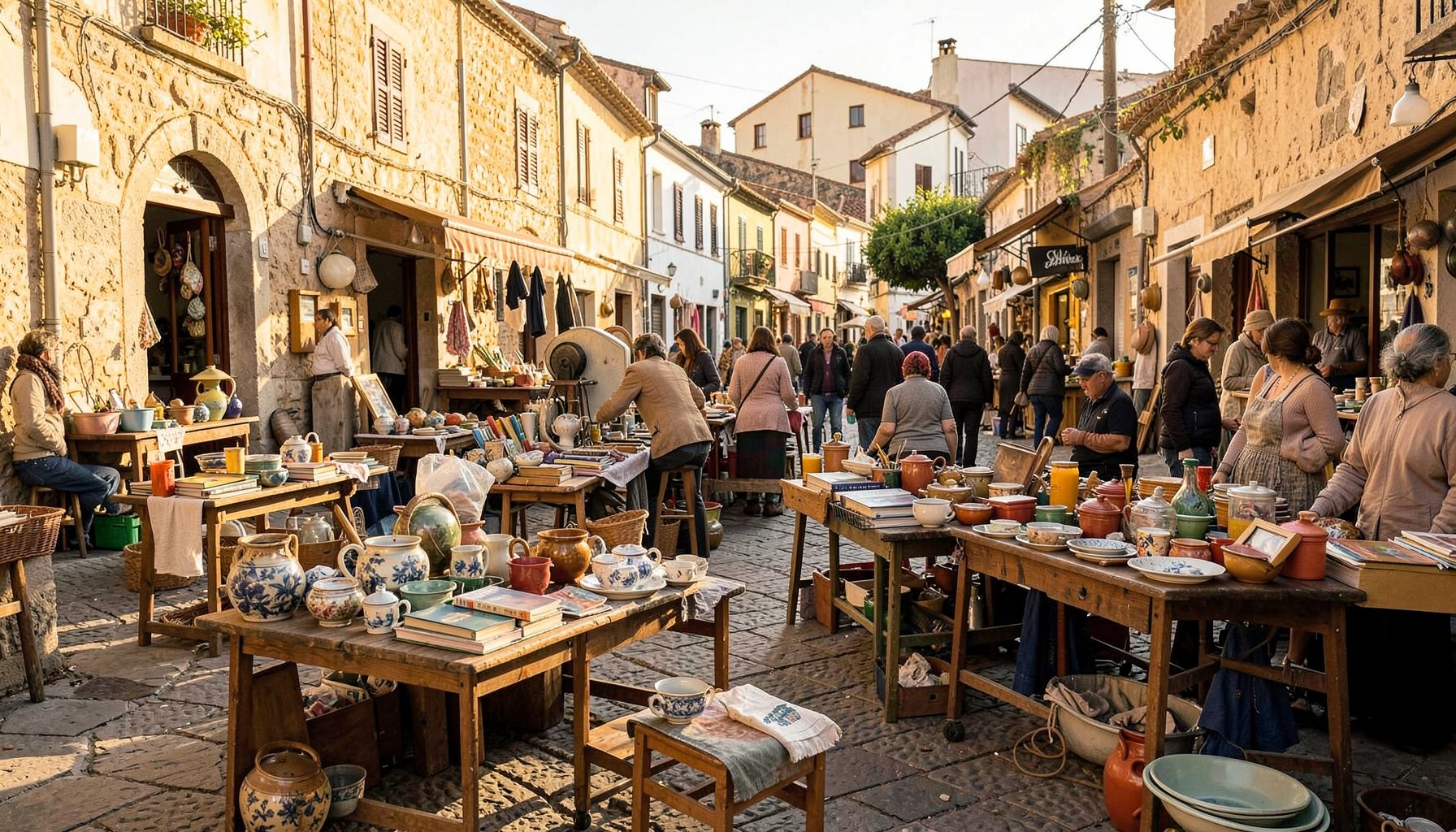
Browse local second-hand listings in the Agudo area. A convenient marketplace for buying and selling within the community.
Explore our directory of recommended links, including the Ayuntamiento de Ciudad Real, Lagunas de Ruidera, Parque de Cabañeros, Agudo Joven, and Balneario Cervantes.
Access practical tools including Prensa links, radio, horóscopo, Loterías results, a leisure guide, recipes, a dictionary, and Street View integration.
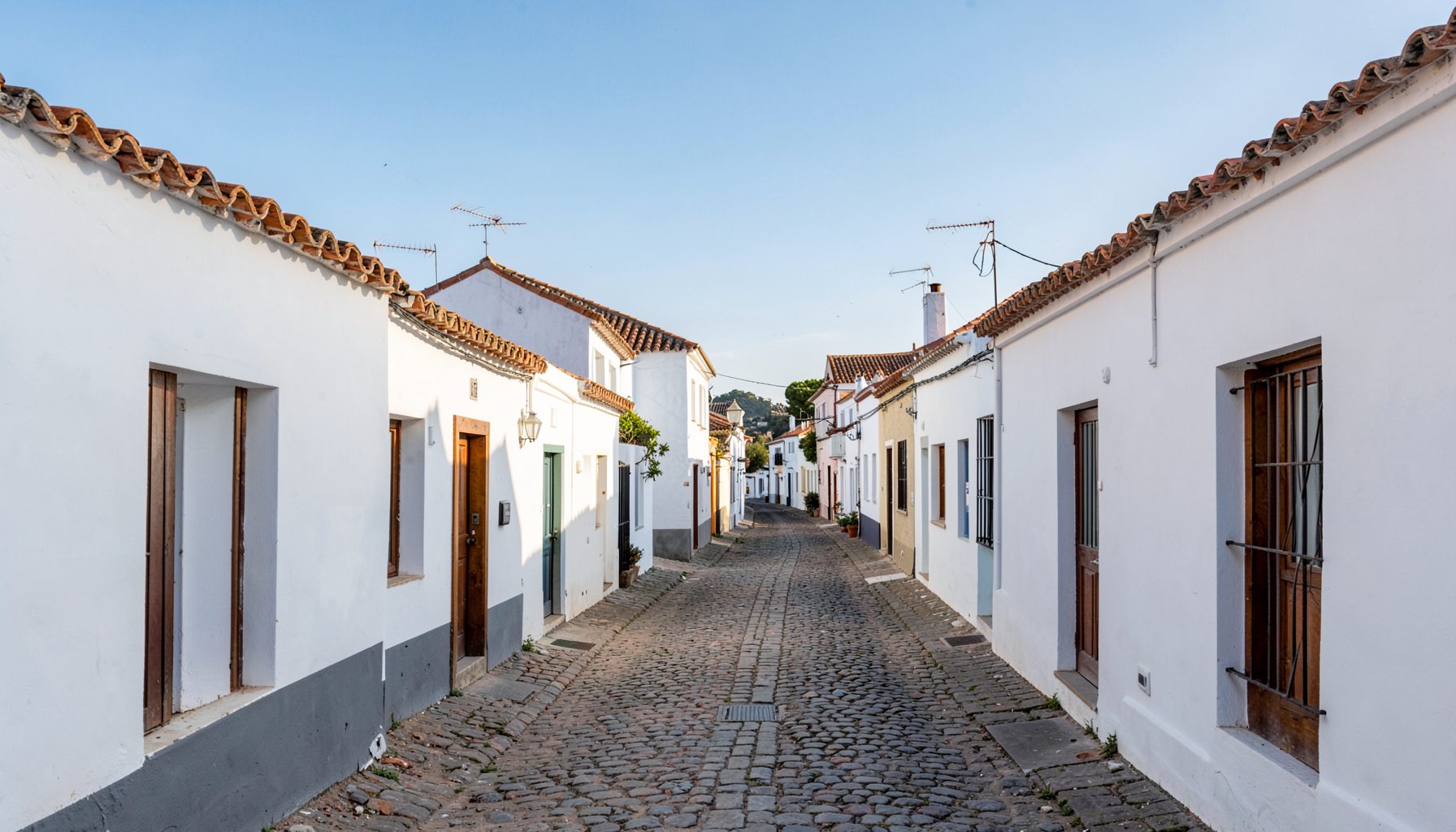
Watch videos showcasing Agudo and the surrounding region. A visual tour of local life, landscapes, and community events.