Stay informed with local news updates covering Agudo and the surrounding region. Browse the Hemeroteca for past articles and keep up with what matters in the community.
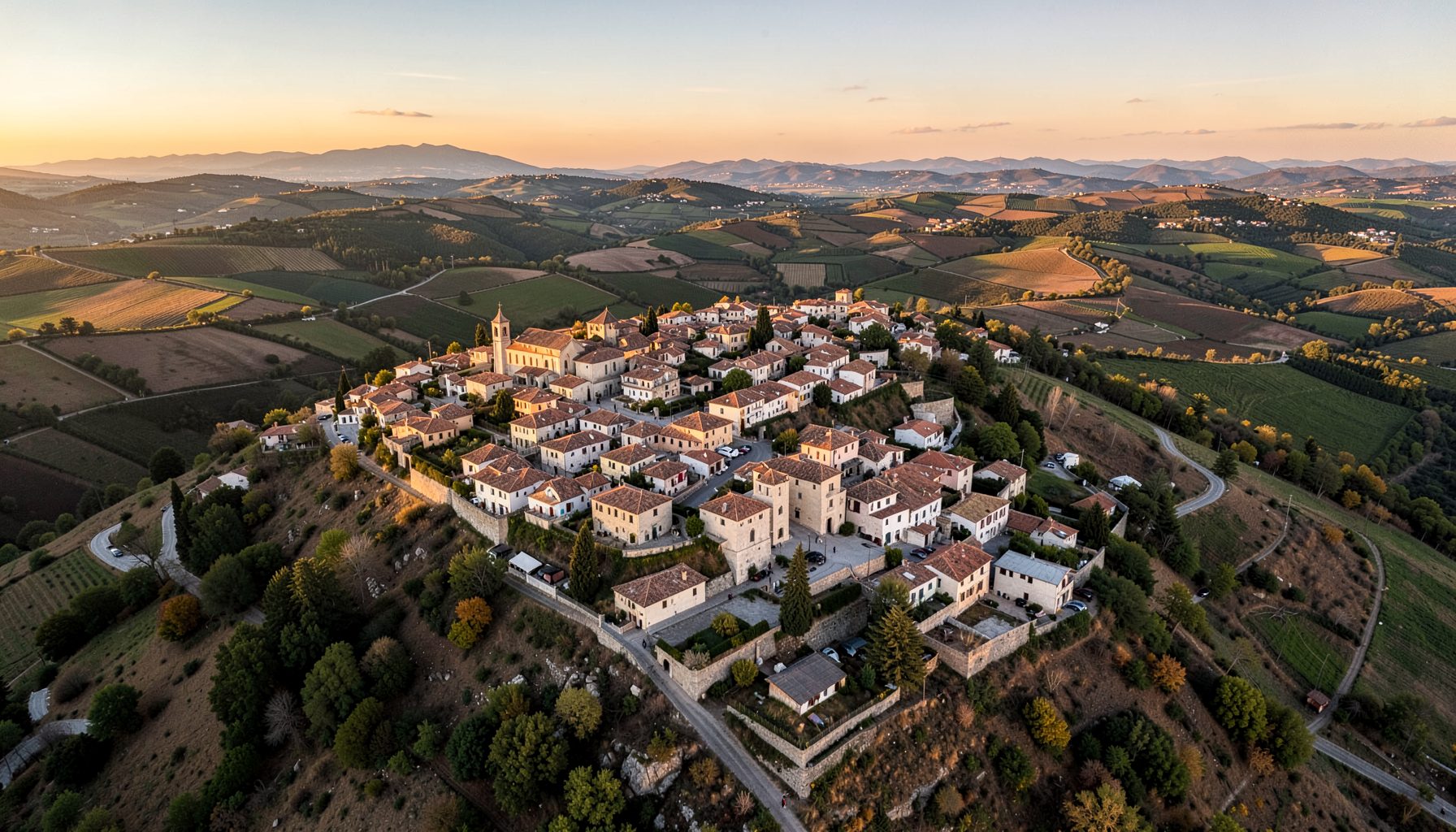
The bitter orange trees that shade Agudo’s central plaza have gained a second purpose this season. Once their bright fruit began to fall, members of a local cooperative collected the seville oranges for a small-batch marmalade project rooted in the town’s food traditions and community spirit.
The initiative brings together growers, volunteers, municipal staff, and residents who remember using citrus from nearby gardens in winter preserves. Rather than leaving the fruit to spoil beneath the trees, the cooperative is turning it into jars of fragrant marmalade for local households, community events, and possible regional distribution.
For Agudo, the harvest is a modest but meaningful example of how public spaces, local knowledge, and cooperative work can create value close to home. The project also gives residents an opportunity to talk about responsible harvesting, food safety, and the character of the town’s plazas.
The oranges growing in Agudo’s plaza trees are bitter oranges, also known as Seville oranges or Citrus aurantium. Their thick, aromatic peel and sharp, acidic flesh make them unsuitable for eating like sweet oranges, yet those same qualities give marmalade its distinctive flavour, colour, and natural pectin.
Cooperative members began gathering the fruit once it reached full colour. The collection was carried out selectively, leaving damaged fruit and allowing birds and insects to continue using parts of the trees. Volunteers placed the sound oranges into ventilated crates so the peels would remain firm until washing and preparation.
The process has connected everyday town life with a familiar seasonal rhythm. People passing through the plaza have stopped to watch the collection, share recipes, and recall older methods of preserving citrus. Some families use lemon or quince for homemade preserves, while others see the bitter orange as a particularly local ingredient.
The project is being coordinated by a local food cooperative that works with small producers and community volunteers. Its members are handling the initial sorting, cleaning, and preparation, while also recording the approximate amount gathered from each area of the plaza. This information will help establish a practical model for future seasonal collections.
Municipal collaboration has been important because the trees stand in public spaces. Collection times, access, cleanliness, and protection of the trees all require careful coordination. The cooperative has stressed that residents should not remove fruit independently or climb trees, since public harvesting needs clear permission and safe working practices.
The initiative reflects the same community-minded energy seen in other local activities. Agudo residents regularly support educational, cultural, and civic projects, including events that celebrate people who represent the town beyond its boundaries. The community recently followed the achievement of a young local who graduated top of his class at the Ciudad Real police academy, another example of local pride extending well beyond the plaza.
Bitter orange marmalade depends on balance. The fruit provides intense citrus oils and acidity, while sugar softens the bitterness and helps the mixture reach a firm, spreadable consistency. Thinly sliced peel contributes texture, and the seeds and inner membranes can provide additional natural pectin when handled correctly.
The cooperative’s preparation begins with thorough washing and inspection. The oranges are then cut, with the peel sliced finely enough to soften during cooking. Some recipes soak the fruit overnight to reduce excessive bitterness; others boil the peel separately before combining it with juice and sugar. The chosen method will influence the final colour, aroma, and texture.
Small-batch cooking allows the group to adjust the recipe gradually. A more traditional preserve may retain a pronounced bitter edge, while a gentler version may appeal to children and visitors unfamiliar with Seville orange. Each batch can be labelled with its ingredients, preparation date, and recommended storage instructions.
| Stage | Main task | Community value |
|---|---|---|
| Collection | Gather ripe, undamaged fruit with permission | Protects public trees and reduces waste |
| Sorting | Separate sound oranges from damaged fruit | Improves quality and food safety |
| Preparation | Wash, slice, soak, and measure ingredients | Preserves traditional kitchen knowledge |
| Cooking | Combine peel, juice, sugar, and pectin | Creates a distinctive local product |
| Distribution | Share jars through cooperative channels | Supports local connections and small producers |
Publicly grown fruit must be treated with particular care. The cooperative is checking whether the plaza trees have been exposed to any products that would make the fruit unsuitable for consumption. Fruit collected from ornamental trees should never be assumed safe without confirming its maintenance history, even when it looks clean and healthy.
Washing removes surface dirt, but it does not eliminate every possible residue. For that reason, the project is keeping collection areas separate from fruit intended for cooking until the relevant checks are complete. Clean equipment, accurate measurements, controlled cooking temperatures, and sterilised jars are also essential parts of the process.
Once sealed, the marmalade will need clear storage guidance. Unopened jars can be kept in a cool, dark place when properly processed, while opened jars should be refrigerated and consumed within a reasonable period. The cooperative is expected to explain these precautions when jars are distributed at local gatherings.
The marmalade project has a cultural dimension as well as a culinary one. Older residents can pass on techniques that are rarely written down, including how to judge the setting point, how to reduce bitterness, and how to use the peel without losing its fragrance. Younger volunteers bring organisational skills, digital communication, and interest in presenting the product to new audiences.
This exchange gives the harvest a place in Agudo’s community archive. Photographs of the trees, collection baskets, kitchen work, and finished jars can document a short seasonal activity that might otherwise disappear. The images may also help former residents remain connected with the town and recognise familiar public spaces from afar.
The project could eventually support workshops on preserves, local biodiversity, and responsible use of municipal resources. It also highlights the importance of identifying edible plants carefully. A town plaza can offer unexpected resources, but those resources should be used through cooperation rather than casual or unregulated collection.
The first production run is deliberately limited. The cooperative is using it to assess how much fruit the trees provide, how many volunteers are available, and which marmalade recipe best represents Agudo. Any future expansion will depend on food-safety requirements, municipal approval, equipment, and the time members can contribute.
If the response is positive, the jars could appear at local fairs, cultural days, or fundraising activities. Labels might include the harvest season, the name of the cooperative, and a short note about the plaza trees that supplied the oranges. Such details would make the preserve a tangible reminder of Agudo rather than a generic citrus product.
The project also demonstrates a practical approach to reducing organic waste. Fruit that once fell unused can become a carefully prepared food, while the cooperative creates opportunities for learning and neighbourly participation. Its success will be measured less by the number of jars than by the relationships and knowledge strengthened along the way.
Residents can follow collection updates, preparation sessions, photographs, and distribution details through Agudo’s local information channels. Sharing the news, attending an authorised activity, or supporting the cooperative’s next community event will help this seasonal idea grow into a lasting part of life in Agudo.
Stay informed with local news updates covering Agudo and the surrounding region. Browse the Hemeroteca for past articles and keep up with what matters in the community.
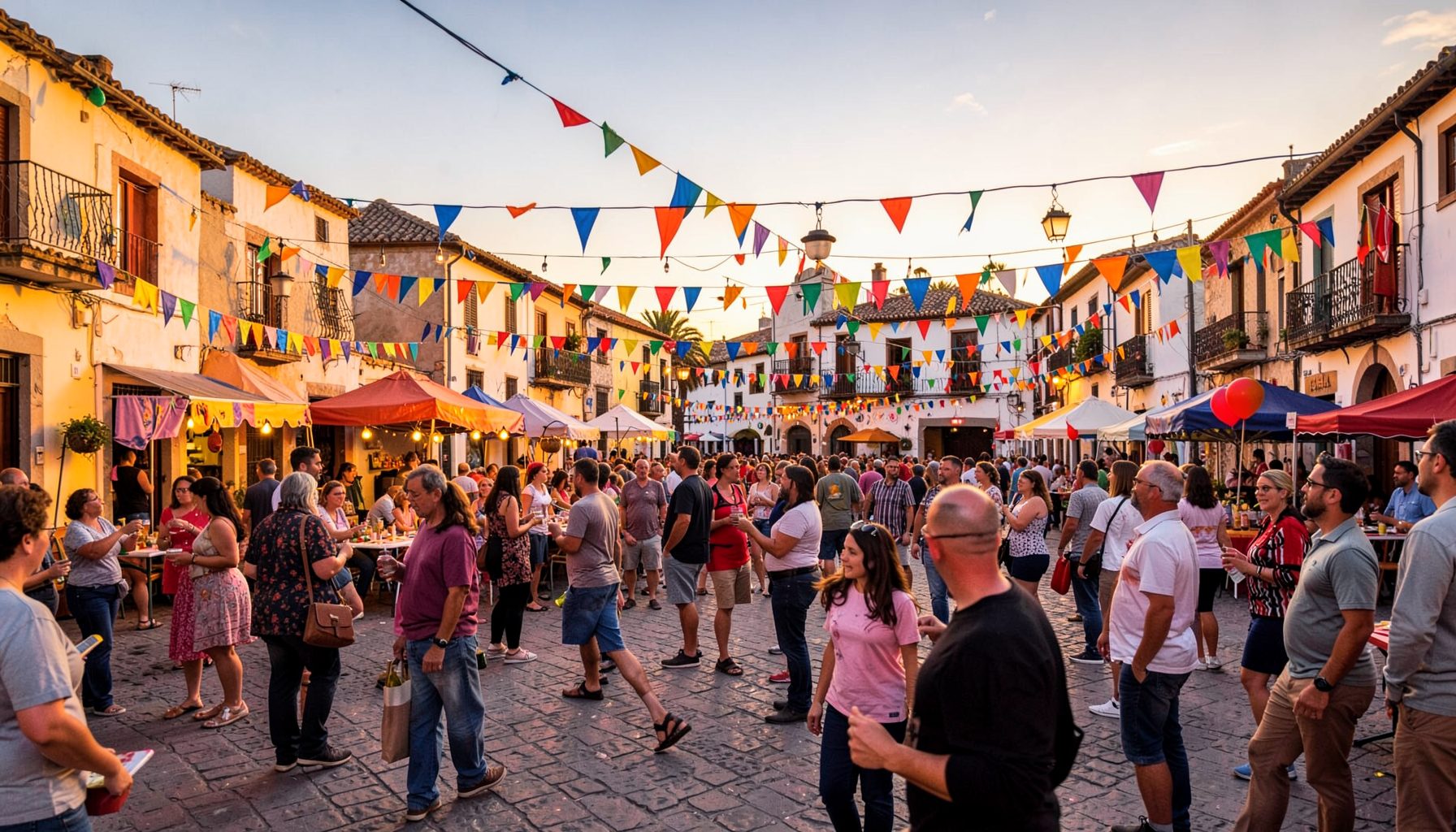
Join the conversation in the Agudo community forums. Access the Foro antiguo archive and participate in discussions with fellow residents and visitors.
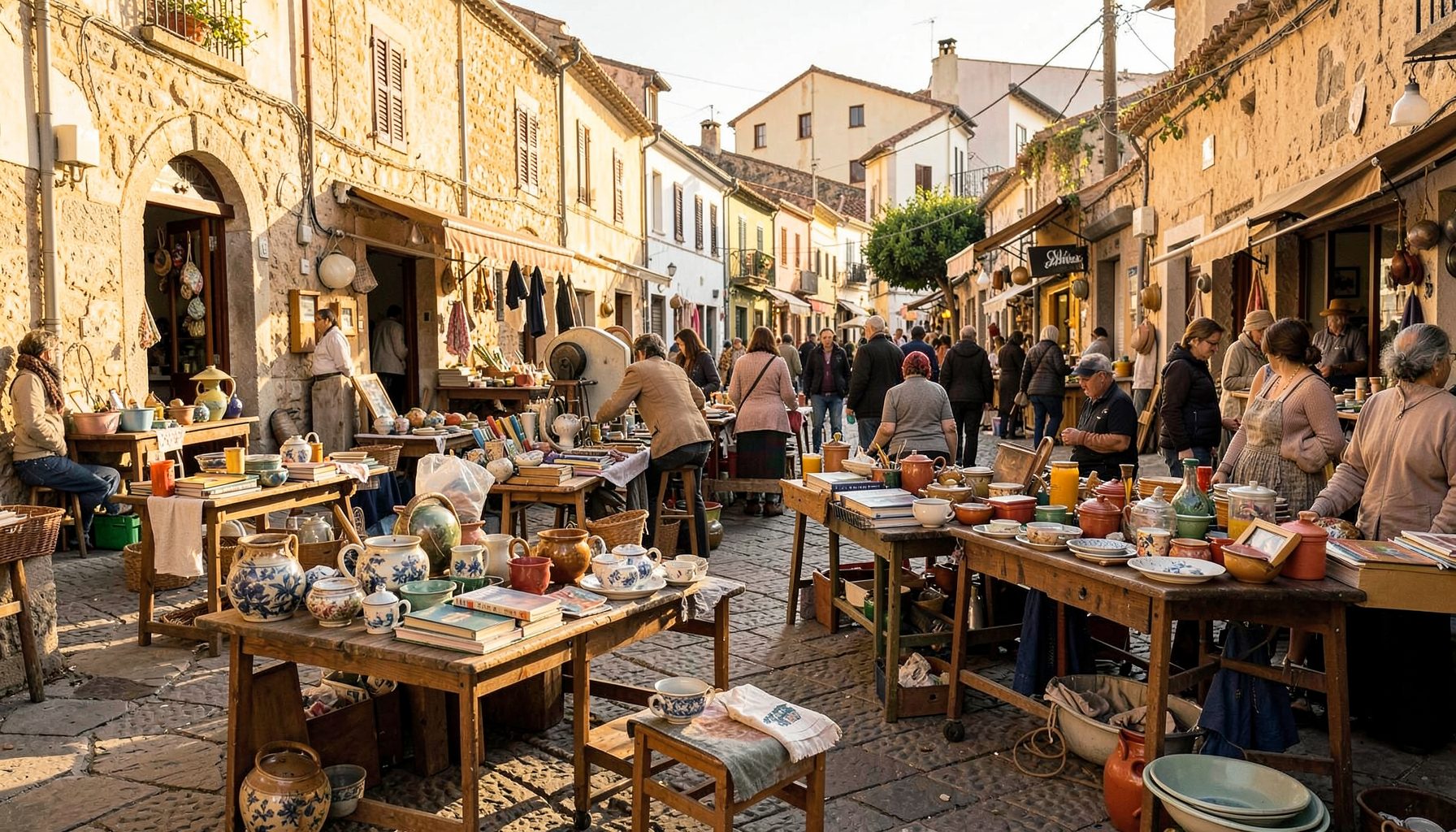
Browse local second-hand listings in the Agudo area. A convenient marketplace for buying and selling within the community.
Explore our directory of recommended links, including the Ayuntamiento de Ciudad Real, Lagunas de Ruidera, Parque de Cabañeros, Agudo Joven, and Balneario Cervantes.
Access practical tools including Prensa links, radio, horóscopo, Loterías results, a leisure guide, recipes, a dictionary, and Street View integration.
Watch videos showcasing Agudo and the surrounding region. A visual tour of local life, landscapes, and community events.