
Stay informed with local news updates covering Agudo and the surrounding region. Browse the Hemeroteca for past articles and keep up with what matters in the community.
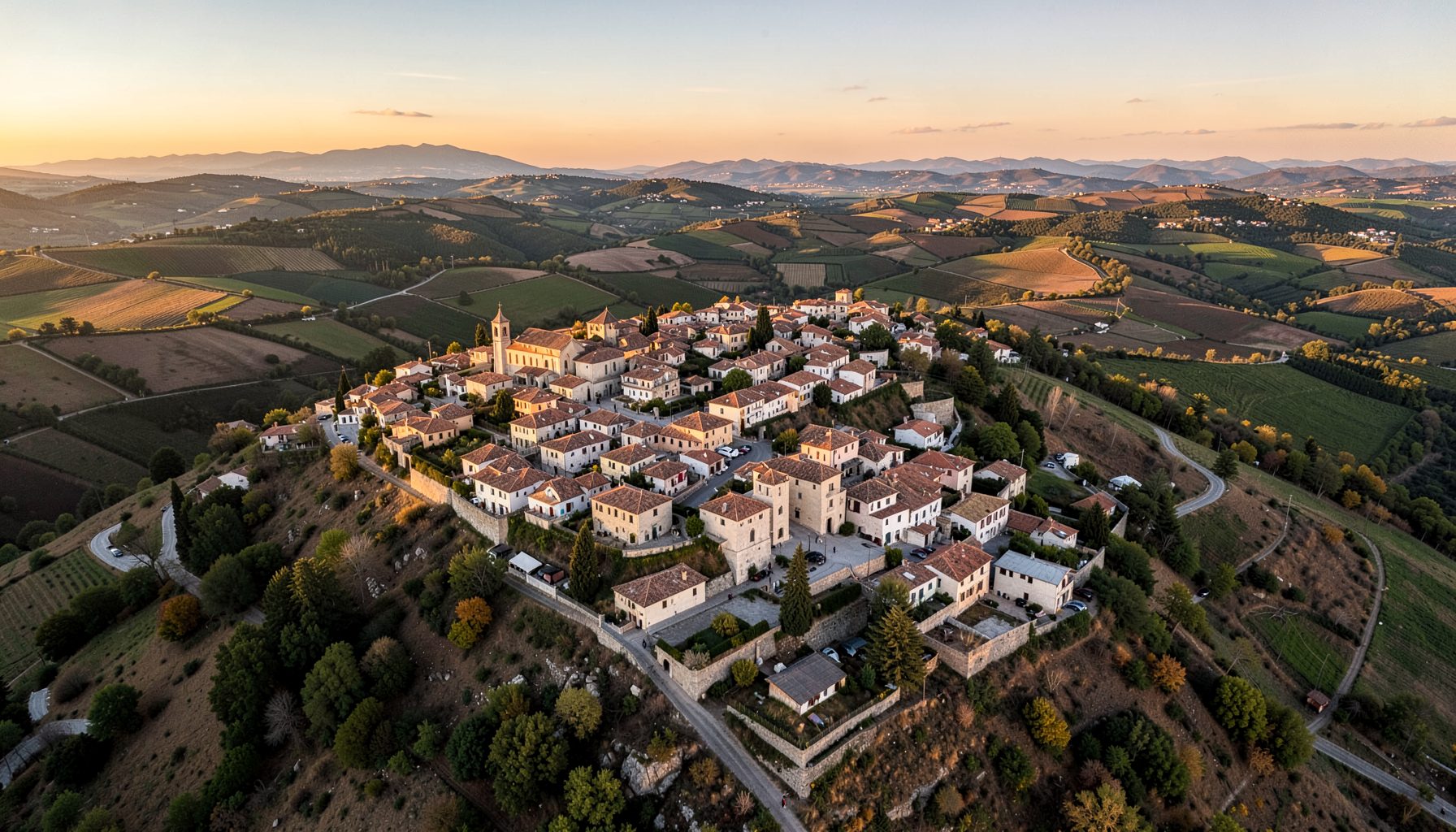
Agudo’s council has begun a census of abandoned and neglected buildings across the town, creating a clearer picture of properties that may pose safety risks or offer opportunities for community use. The work is expected to cover empty homes, unused commercial premises, unfinished structures and buildings showing signs of structural decline.
For residents, the survey is about more than counting vacant properties. It may help the Ayuntamiento identify dangerous facades, coordinate with owners, protect heritage and decide whether some spaces can be restored for housing, small business, cultural activity or public services. Former residents and nearby communities will also have an interest as Agudo considers how empty buildings affect the town’s future.
An empty property can deteriorate quickly. Roof tiles loosen, windows break, water enters through damaged walls and vegetation takes hold in courtyards. A building that appeared stable a few years ago may become a hazard for pedestrians, neighbours and emergency crews, particularly after heavy rain or long periods of hot weather.
A formal register gives the council a practical starting point. Instead of responding only when masonry falls or a complaint arrives, officials can rank properties according to urgency, location and condition. Buildings close to a school, busy street or public square may need attention sooner than an isolated rural structure.
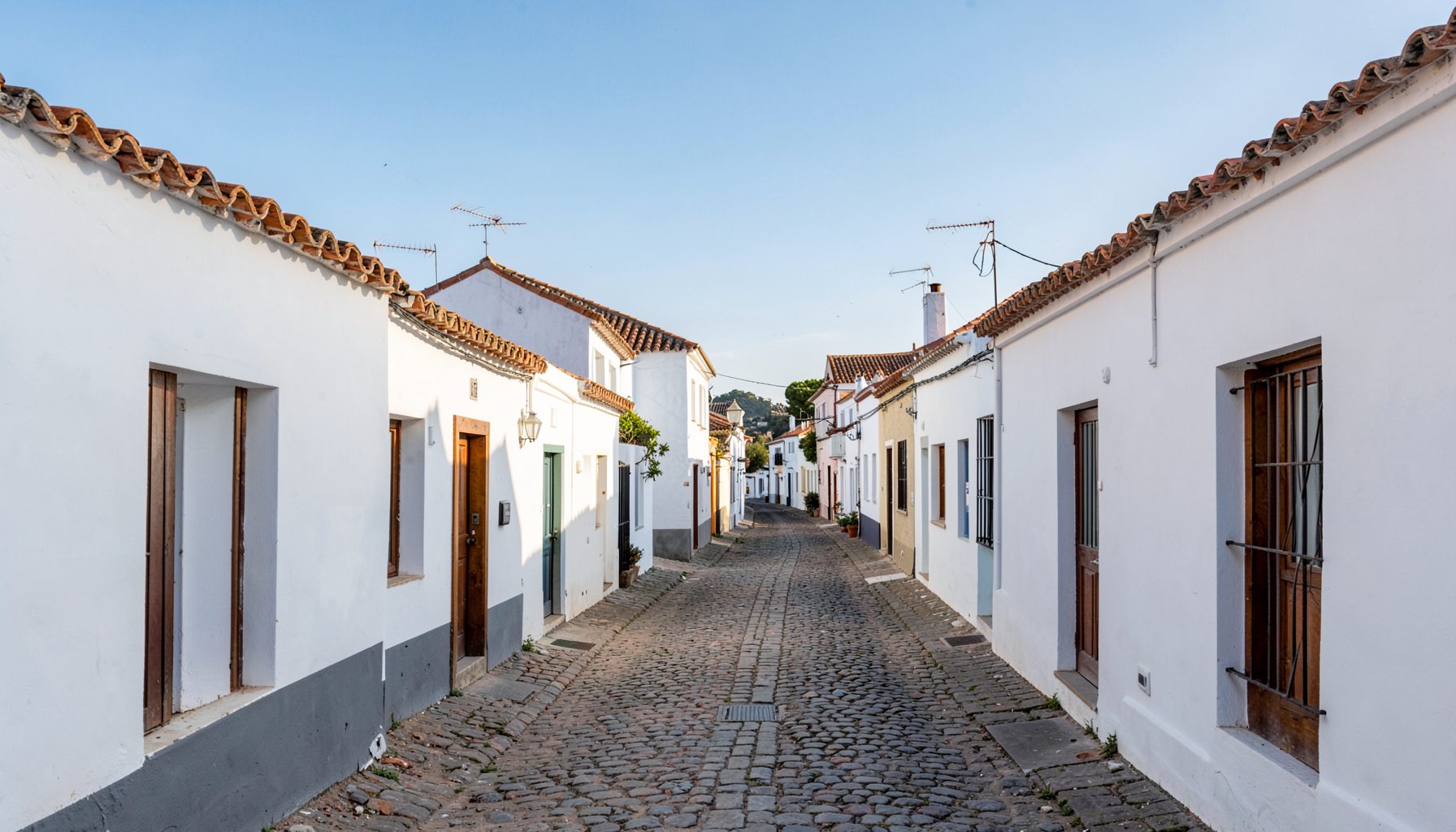
The register can also reveal patterns. Several vacant premises in the same street may indicate a need for wider improvements, better lighting, traffic changes or incentives for renovation. In a small town, a run of shuttered buildings can affect local confidence as strongly as it affects the appearance of the streetscape.
A building census normally gathers basic information about ownership, occupancy, construction, visible damage and planning status. Inspectors may record cracked walls, unstable balconies, damaged roofs, blocked entrances, exposed wiring, accumulated rubbish and signs of unauthorised access. Photographs and location data can help create a consistent record.
The council may also distinguish between a property that is genuinely abandoned and one that is vacant for a short period. An elderly owner may be living elsewhere while arranging repairs, while an inherited house may remain empty during a lengthy legal process. Treating every unoccupied building as the same could create unnecessary conflict.
Clear communication will be important. Owners should know how information is collected, what action may follow and how they can provide documents or explain their circumstances. Residents can assist by reporting visible risks, though reports should focus on observable facts rather than speculation about a neighbour’s private affairs.
The first purpose of the census is public safety. Council officers may need to arrange inspections, temporary barriers or urgent repairs where a facade, roof or balcony presents an immediate danger. Fire access, electrical hazards and the presence of asbestos-containing materials should also be considered before anyone enters or begins work.
Agudo’s dry climate makes neglected vegetation and rubbish an additional concern during the hotter months. A broken window or unsecured door can turn an empty property into a place for illegal dumping, informal storage or trespassing. Quick action can reduce these risks without waiting for a major incident.
The survey should work alongside existing building and heritage rules. Some old properties may contain valuable stonework, timber details or traditional layouts that should be retained. Safety improvements do not have to erase local character, but repairs need qualified professionals and proper approval rather than improvised fixes.
Once urgent hazards are addressed, some buildings may be suitable for a second life. A former shop could become a studio, workshop or small enterprise. An unused house might return to the rental market after renovation, while a larger premises could support training, community meetings or cultural displays.
Reuse is especially valuable in regional towns because it keeps activity close to existing streets and services. Restoring an older building can strengthen nearby businesses, reduce the need for new construction and preserve familiar landmarks. It can also create work for local builders, electricians, painters and other trades.
Community identity can guide those decisions. Agudo’s young people have already shown an interest in local stories and the natural environment through a wildlife mural story connected with the sports centre. A vacant building might eventually provide space for similar creative projects, exhibitions or youth activities.
Property owners may face repair notices or other legal obligations if a building is found to be dangerous. Early contact with the council could make the process more manageable, especially when owners need time to obtain quotes, settle an estate or apply for planning permission. Keeping title, insurance and maintenance records up to date will help avoid delays.
Residents can contribute useful information without entering private property. A photograph of a damaged roof taken from a public place, the location of a blocked footpath or a report of repeated dumping may help officers verify conditions. People should avoid confronting trespassers or attempting repairs themselves when structural damage is suspected.
The local property market will also influence what happens next. A refurbished building may attract a new tenant, but renovation costs, financing, heritage requirements and demand from customers all matter. Councils can support realistic projects through clear advice, grants where available and partnerships with owners rather than assuming every empty building can quickly become profitable.
The issue will sound familiar to people in regional Australia. In places such as Broken Hill or inland New South Wales, empty shopfronts and ageing houses can be exposed to intense sun, dust and sharp temperature changes. Local councils often have to balance urgent safety work with limited budgets, heritage concerns and the practical shortage of available trades.
In Ballarat and other Victorian towns, an old building may sit within a heritage streetscape where replacing a window or repairing a facade requires careful approval. In Queensland communities, heavy rain and cyclones can accelerate damage to roofs and drainage systems. These examples show why a reliable property inventory is more useful than a once-off visual sweep.
The language and process may differ from Australia, where residents commonly talk about council rates, planning schemes, compliance notices and the local tradie. The underlying concern is much the same: who is responsible for a deteriorating building, what can the council legally require, and how can a vacant site return to productive use? Australian readers will also recognise the insurance pressure attached to unsecured properties and the importance of checking for asbestos before renovation.
Local markets can shape the outcome in both countries. A small town may have plenty of buildings but too few buyers, tenants or builders able to fund restoration. Adaptive reuse therefore needs to match real demand, whether that means a café, storage facility, affordable home, office, makerspace or community room rather than a grand project with no operator.
The census can become a living planning tool if it is updated regularly. A building should move through stages such as inspection, owner contact, urgent works, repair, reuse or demolition where restoration is impossible. Publishing general progress, while protecting personal information, would help residents see whether the programme is producing safer streets.
Community groups, local businesses and former residents may bring valuable knowledge. Someone who grew up in Agudo may remember the history of a former workshop, bakery or meeting place, while a current neighbour may know when a roof began to fail. Combining official records with local memory can support better decisions about heritage and future use.
The council’s work is therefore a chance to connect safety policy with renewal. Each repaired facade, cleared entrance or reopened premises can improve daily life, support economic activity and reinforce the sense that neglected spaces are not beyond recovery. The recent attention around rooftop honey harvest also shows how familiar civic places can gain fresh community value when people find practical, creative uses for them.
Residents can follow updates through Agudo Ciudad Real, share responsible reports about visible hazards and take part in local discussions about suitable reuse. Owners should contact the Ayuntamiento early when a property needs attention, while community organisations can help identify projects that are safe, affordable and genuinely useful. A careful register is the first step; sustained local involvement can turn it into safer streets and renewed buildings.
Stay informed with local news updates covering Agudo and the surrounding region. Browse the Hemeroteca for past articles and keep up with what matters in the community.
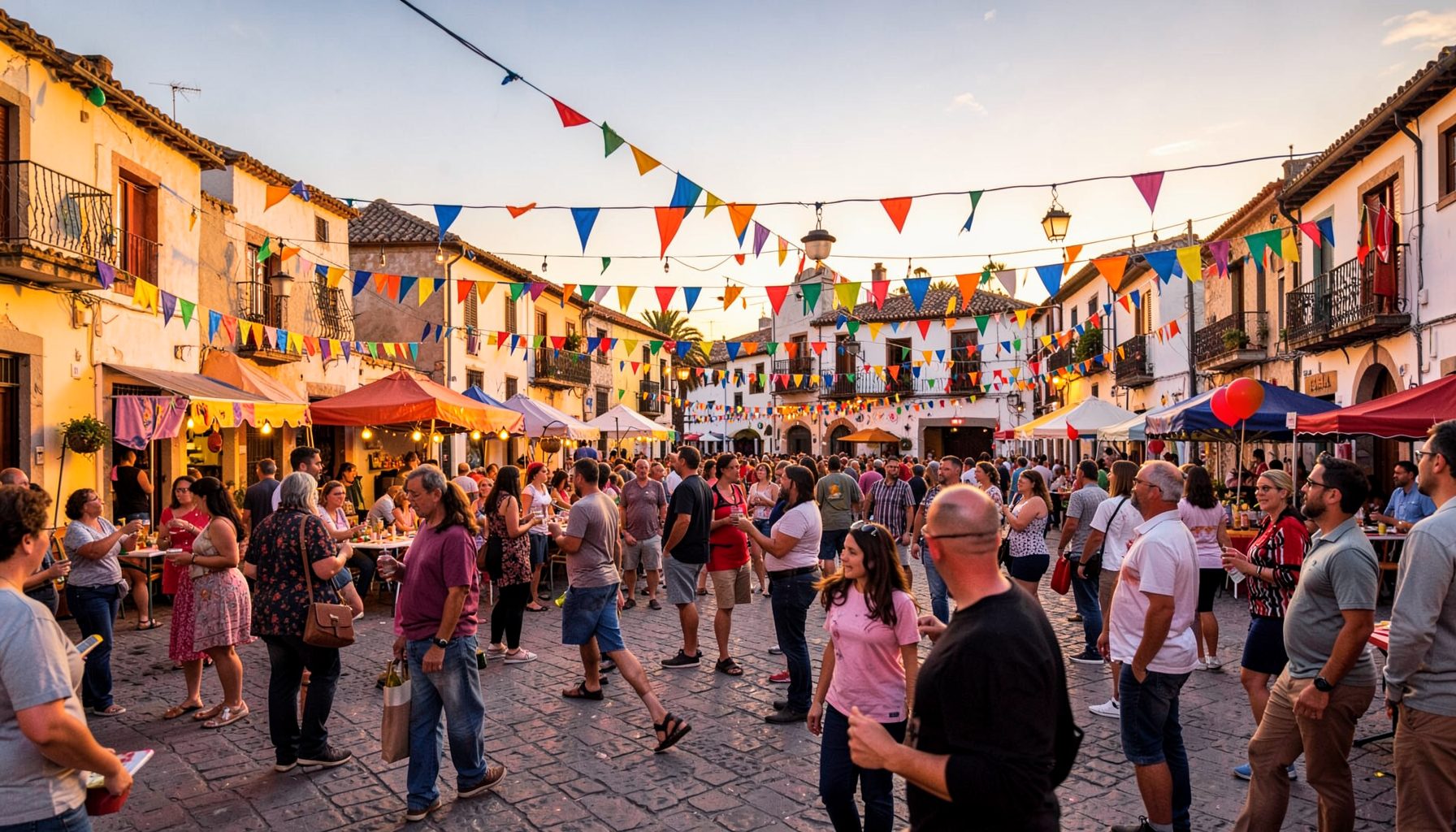
Join the conversation in the Agudo community forums. Access the Foro antiguo archive and participate in discussions with fellow residents and visitors.
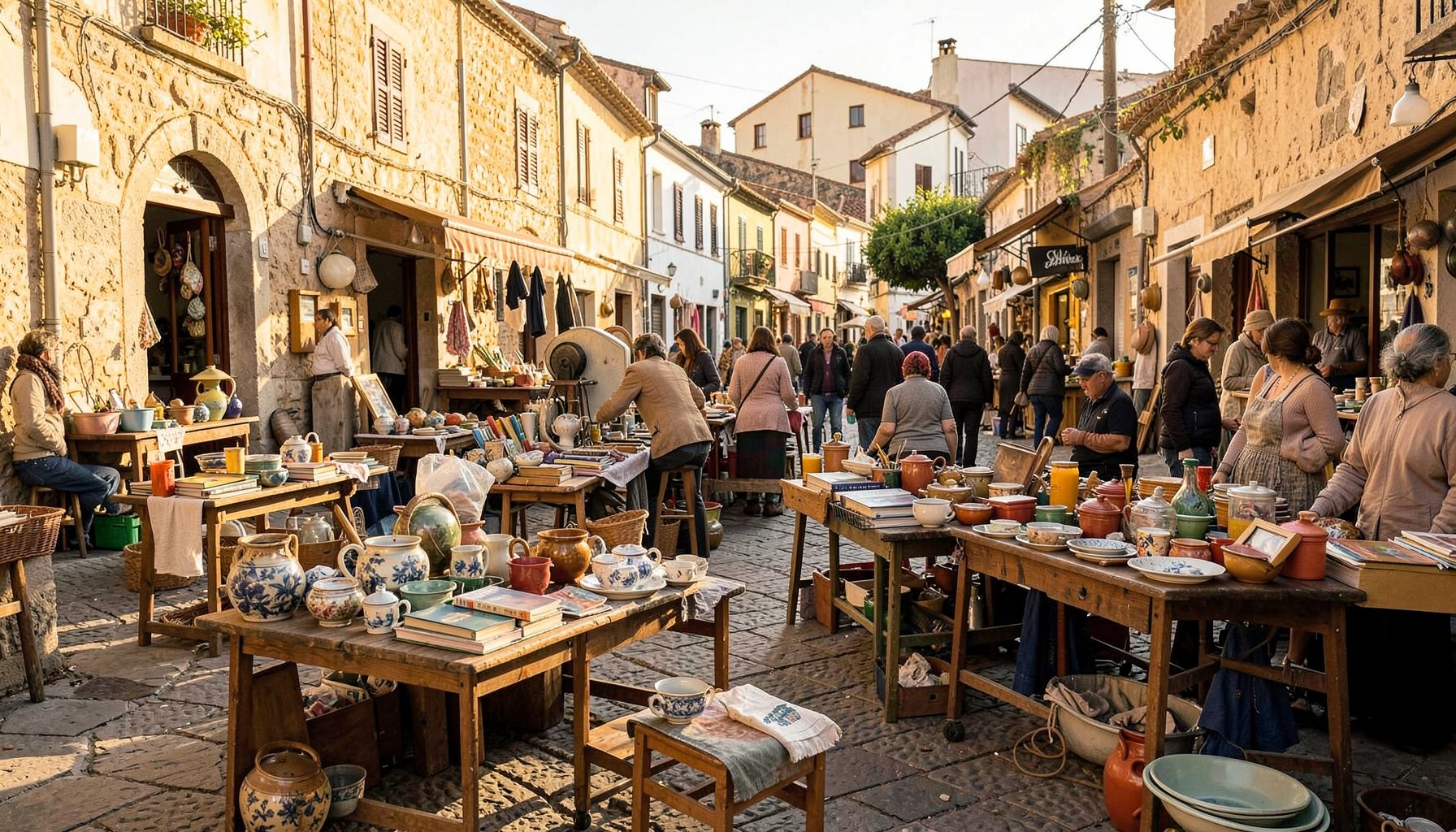
Browse local second-hand listings in the Agudo area. A convenient marketplace for buying and selling within the community.
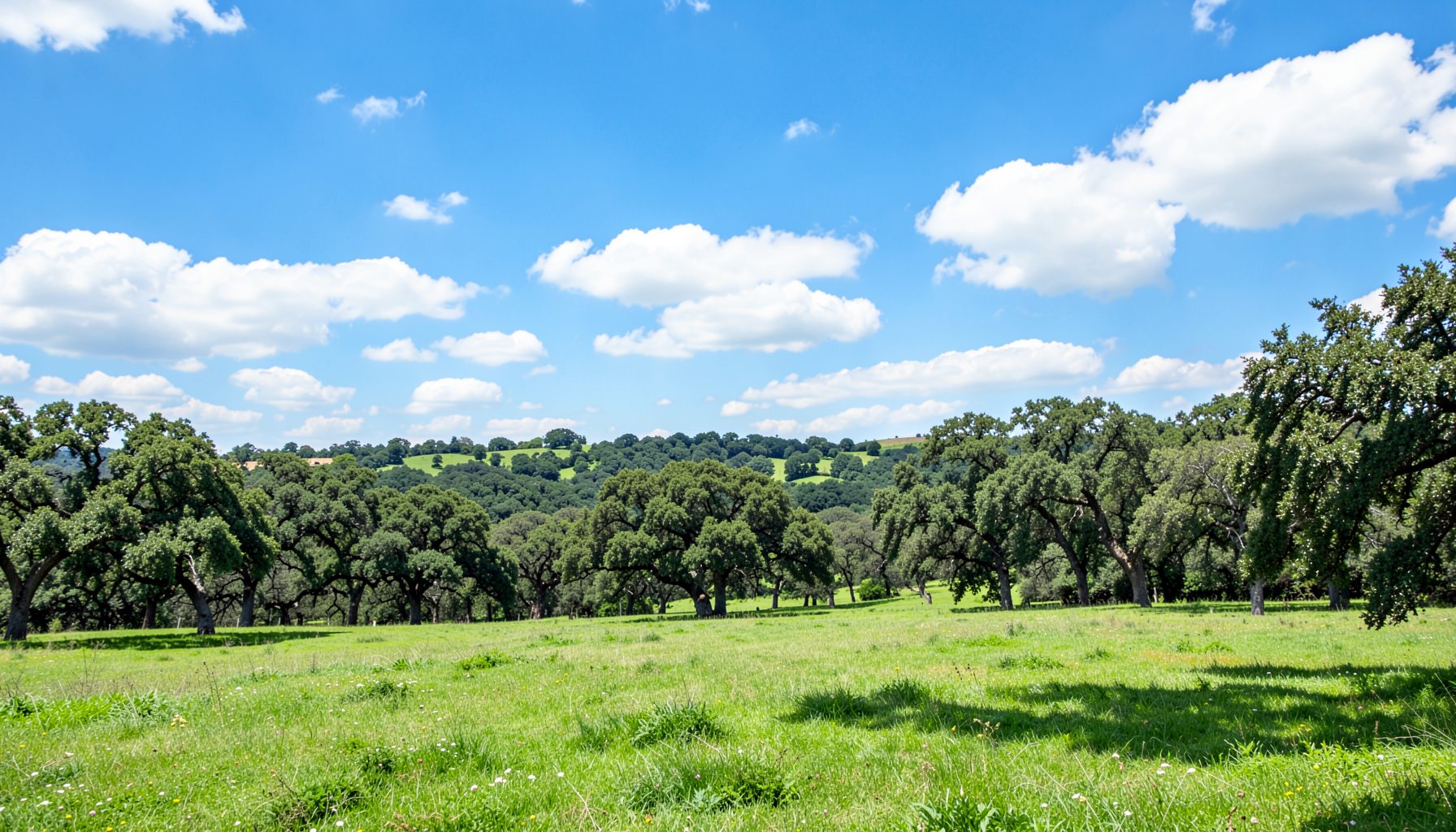
Explore our directory of recommended links, including the Ayuntamiento de Ciudad Real, Lagunas de Ruidera, Parque de Cabañeros, Agudo Joven, and Balneario Cervantes.
Access practical tools including Prensa links, radio, horóscopo, Loterías results, a leisure guide, recipes, a dictionary, and Street View integration.
Watch videos showcasing Agudo and the surrounding region. A visual tour of local life, landscapes, and community events.