Stay informed with local news updates covering Agudo and the surrounding region. Browse the Hemeroteca for past articles and keep up with what matters in the community.
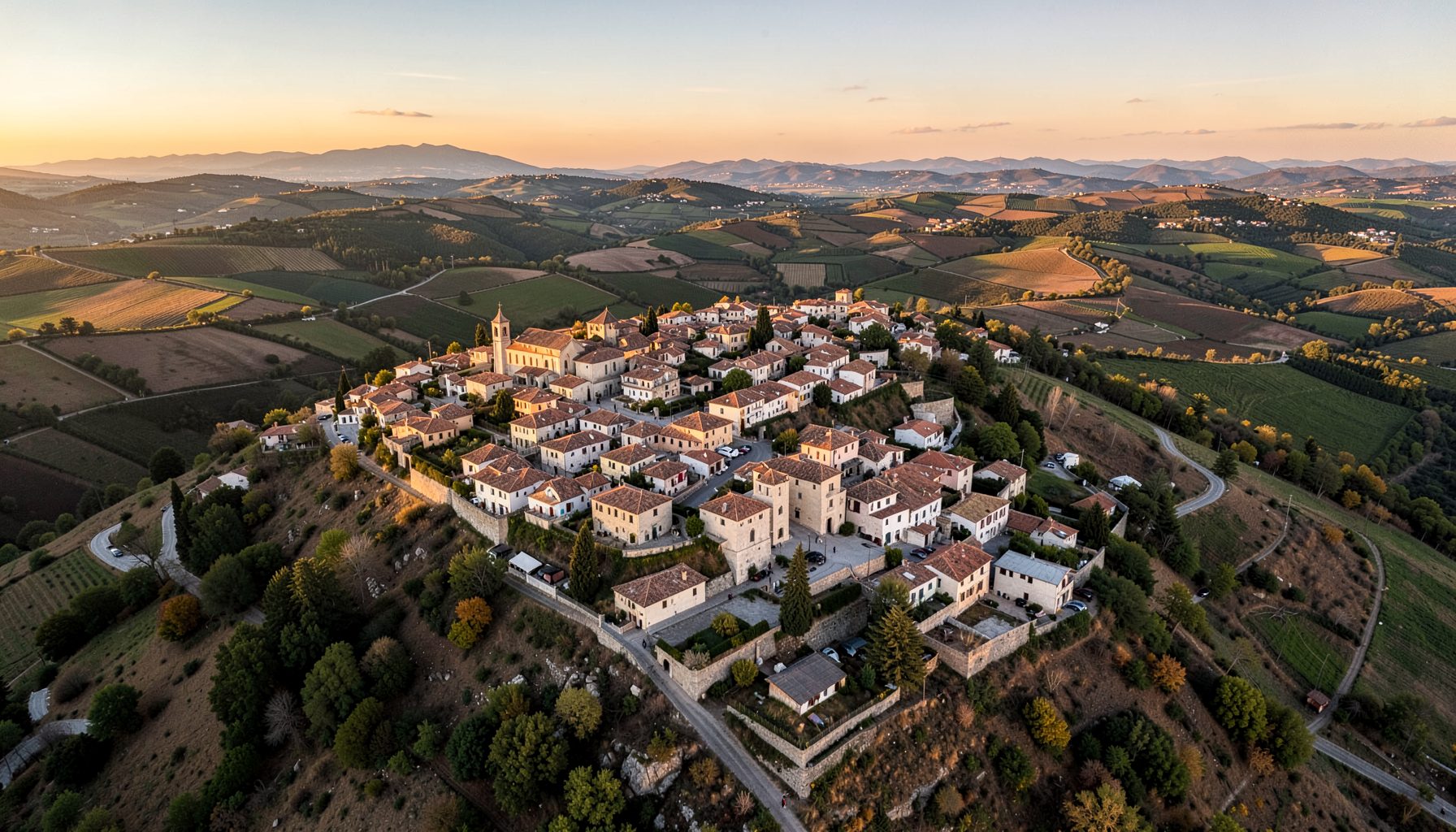
A blank wall at Agudo’s sports centre has become a vivid celebration of the natural world surrounding the town. High school students have designed and painted a large mural inspired by local wildlife, transforming an everyday public space into an open-air lesson in biodiversity, creativity, and community identity.
The project brings together art, environmental education, and the students’ knowledge of the countryside around Agudo. Its images reflect the animals and landscapes that residents may encounter in nearby fields, scrubland, woodland, and river areas, giving the sports centre a stronger connection with its surroundings.
The mural is also a visible example of how young people can contribute to the appearance and character of their municipality. Rather than treating the wall as a simple backdrop, the students have used it to tell a local story through colour, movement, and familiar species.
The idea grew from classroom conversations about the wildlife found in and around Agudo. Students considered which animals best represent the area and how each one could be shown in a way that was accurate, attractive, and easy for passers-by to recognise. Their work required research as well as artistic ability.
Teachers helped guide the process, encouraging pupils to think about habitats, food chains, and the importance of protecting native species. The mural therefore extends beyond visual decoration. Every painted figure can prompt a conversation about how animals live, where they find shelter, and why healthy landscapes matter to the entire community.
Working on a public wall also gave students a practical experience that differs from a conventional classroom assignment. They had to plan a large composition, share responsibilities, adapt to the surface, and make decisions collectively. The result reflects many individual contributions while presenting one coherent image.
The mural’s animal figures evoke the rich variety of the surrounding countryside. Birds of prey appear alongside smaller mammals, while scenes of open land and vegetation create a setting that connects the different species. The composition suggests that local wildlife is part of an interconnected environment rather than a collection of isolated images.
Species such as the fox, Iberian hare, wild boar, deer, and golden eagle are familiar symbols of the Castilian landscape. Other animals, including storks, owls, and smaller songbirds, remind viewers that biodiversity is present close to homes, roads, and cultivated land. By selecting recognisable species, the students have created an artwork that speaks to residents of different ages.
The colours and forms also give the wall a sense of movement. Wings stretch across the surface, animals emerge from vegetation, and natural shapes link one painted scene to the next. This approach helps turn the sports centre into a place where recreation and environmental awareness meet.
For the students who took part, the mural offers a lasting record of their time at the high school. School projects often disappear when a term ends, but this artwork will remain visible to classmates, families, sports groups, and visitors. Its permanence gives the students a direct connection with the town’s public spaces.
The project may also strengthen a sense of belonging among young people. Seeing their ideas represented on a prominent wall shows that their observations and creativity have a place in Agudo’s shared environment. The mural belongs to the students who made it, but it also becomes part of the town’s visual identity.
Public artworks can create useful meeting points between generations. Older residents may recognise animals from their own experiences in the countryside, while younger children can discover the species through the students’ interpretation. A walk past the sports centre can therefore become an informal opportunity to talk about nature, memory, and local life.
| Element | Contribution to the mural project |
|---|---|
| High school students | Research, design, painting, and teamwork |
| Teachers | Guidance on art, habitats, and native species |
| Sports centre wall | A visible public setting for the finished work |
| Local wildlife | The central subject and connection to the landscape |
| Residents | Viewers, supporters, and caretakers of the shared space |
| Schools and community groups | Potential partners for future environmental activities |
The sports centre is an appropriate location because it attracts people throughout the week. Children and teenagers pass through for training, competitions, and other activities, while families and local clubs gather around the facilities. The mural reaches an audience that might not visit a gallery or attend a formal environmental event.
Its position also creates a contrast between built space and natural imagery. Concrete, fences, playing areas, and changing rooms are now accompanied by painted woodland, skies, and wildlife. That contrast makes the message particularly clear: nature is not separate from daily life, even in the centre of a populated area.
The artwork can support future activities organised by schools or community groups. Teachers might use it as the starting point for a local species guide, a photography walk, or a lesson about responsible behaviour in the countryside. Sports clubs could also connect the mural with messages about teamwork, care, and respect for shared facilities.
Agudo’s landscape is part of the town’s identity, and the mural gives that identity a contemporary form. Instead of relying only on written descriptions or historic images, the students have created a visual statement that reflects how a new generation sees its surroundings.
The work also demonstrates the value of local participation. Community life depends on more than municipal buildings and organised events; it is shaped by the small projects that make public places feel distinctive. A painted wall may appear modest compared with a major construction project, yet it can have a strong daily presence.
That spirit of participation is especially important when local services and public spaces face changing circumstances. During periods of severe weather, for example, residents rely on clear information and community coordination, as shown by the weekend rain warning and the opening of an emergency shelter. The mural represents the brighter, creative side of the same communal connection.
The finished artwork could become the first step in a wider programme linking education, nature, and public spaces. Several simple activities would help maintain interest in the mural and deepen its environmental message:
These ideas would give the students’ work a continuing role instead of treating the painting as a completed, isolated assignment. They could also encourage residents to notice wildlife more carefully and to discuss how everyday decisions affect the countryside.
The wildlife mural has changed more than the appearance of the sports centre wall. It has created a meeting point between education, art, recreation, and the natural heritage of Agudo. Its colours will greet people arriving for training or an event, while its animals will keep the surrounding landscape present in an increasingly built environment.
The project shows what can happen when young people are trusted with a visible community task. Through research, design, and shared effort, the students have produced an artwork that reflects local knowledge and gives residents something to value together.
Residents, families, and visitors can help preserve the mural by treating it as a shared piece of Agudo’s identity and by supporting future school projects that celebrate the town’s wildlife, culture, and community life.
Stay informed with local news updates covering Agudo and the surrounding region. Browse the Hemeroteca for past articles and keep up with what matters in the community.
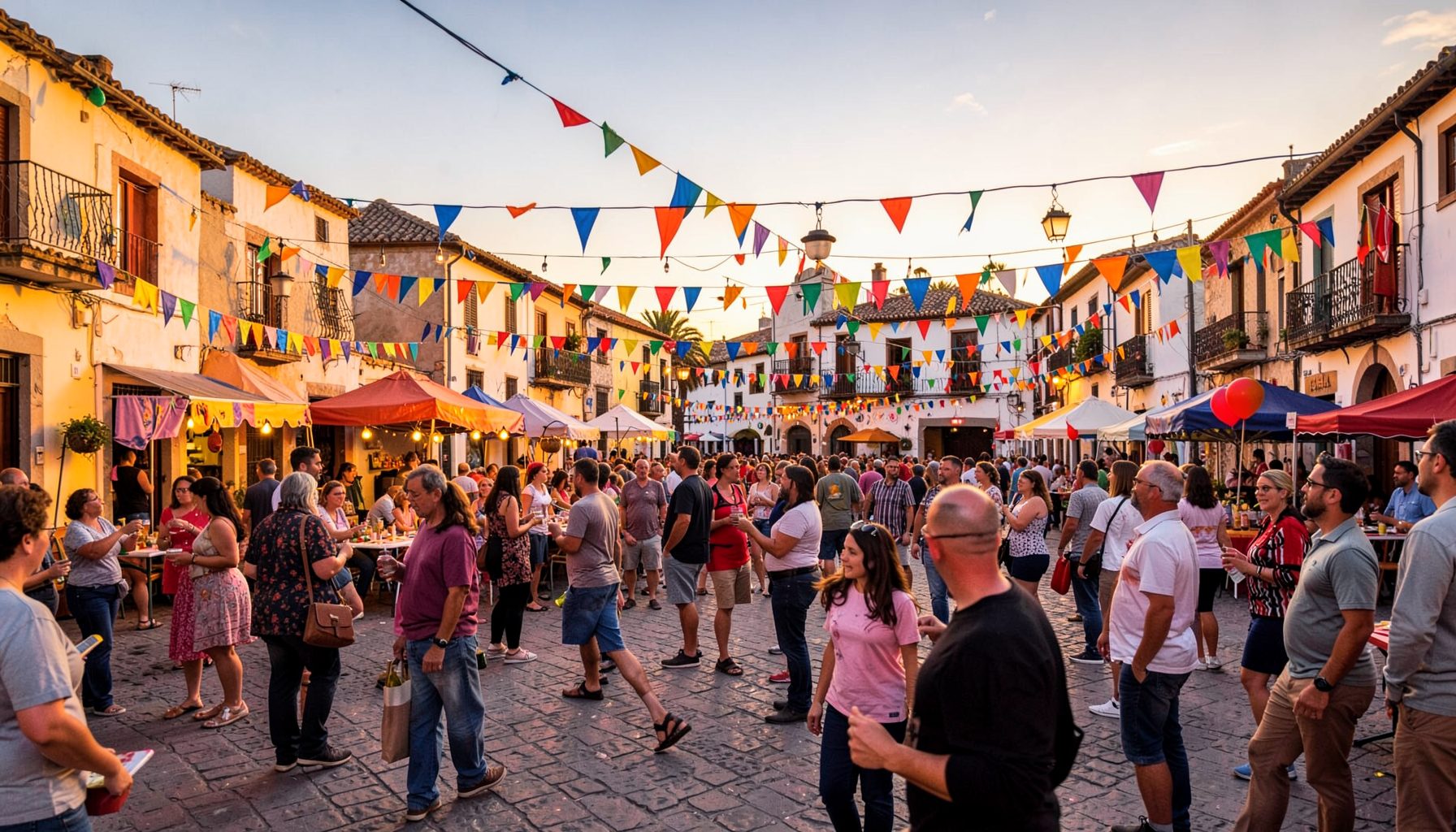
Join the conversation in the Agudo community forums. Access the Foro antiguo archive and participate in discussions with fellow residents and visitors.
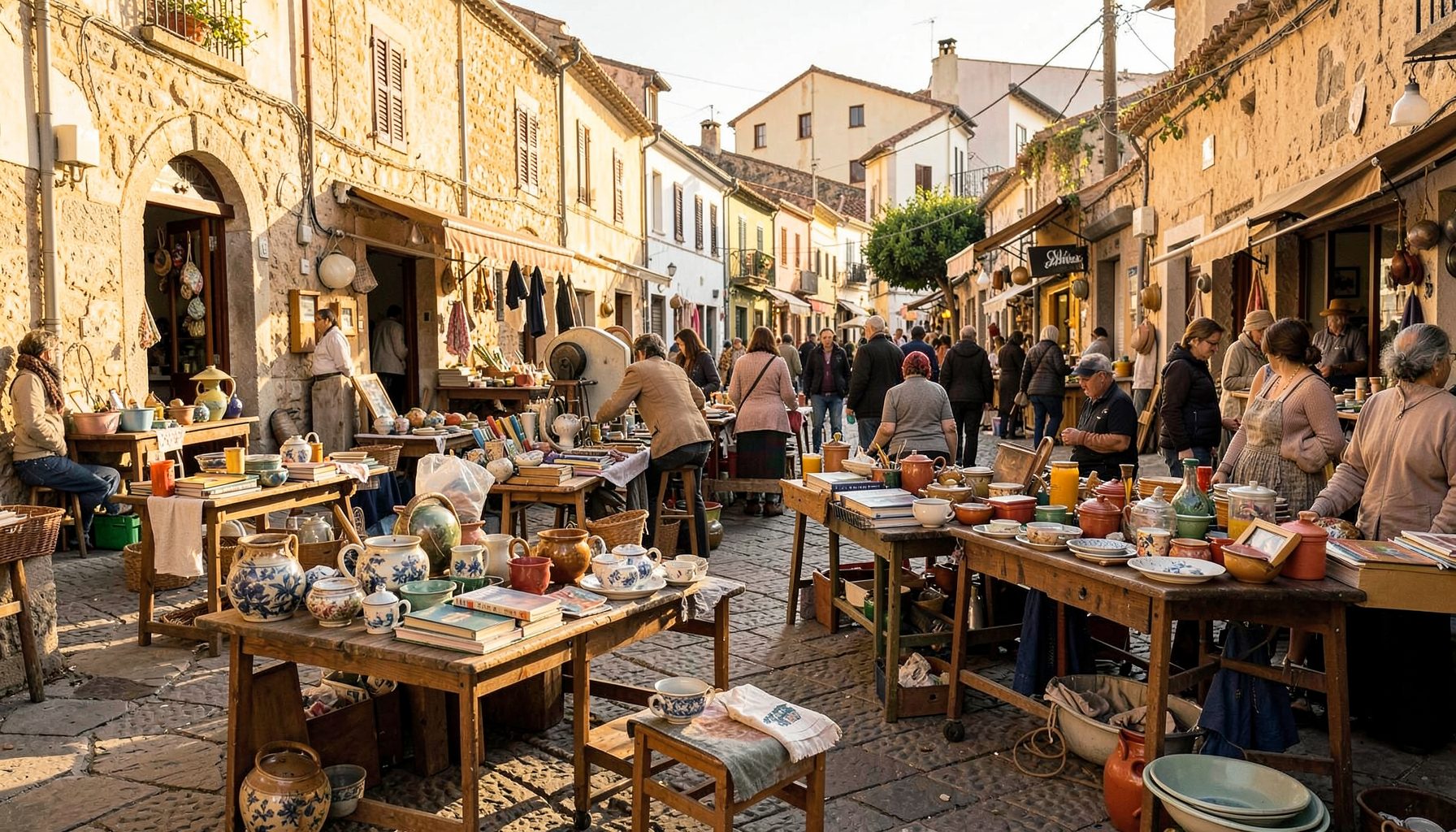
Browse local second-hand listings in the Agudo area. A convenient marketplace for buying and selling within the community.
Explore our directory of recommended links, including the Ayuntamiento de Ciudad Real, Lagunas de Ruidera, Parque de Cabañeros, Agudo Joven, and Balneario Cervantes.
Access practical tools including Prensa links, radio, horóscopo, Loterías results, a leisure guide, recipes, a dictionary, and Street View integration.
Watch videos showcasing Agudo and the surrounding region. A visual tour of local life, landscapes, and community events.