

Stay informed with local news updates covering Agudo and the surrounding region. Browse the Hemeroteca for past articles and keep up with what matters in the community.
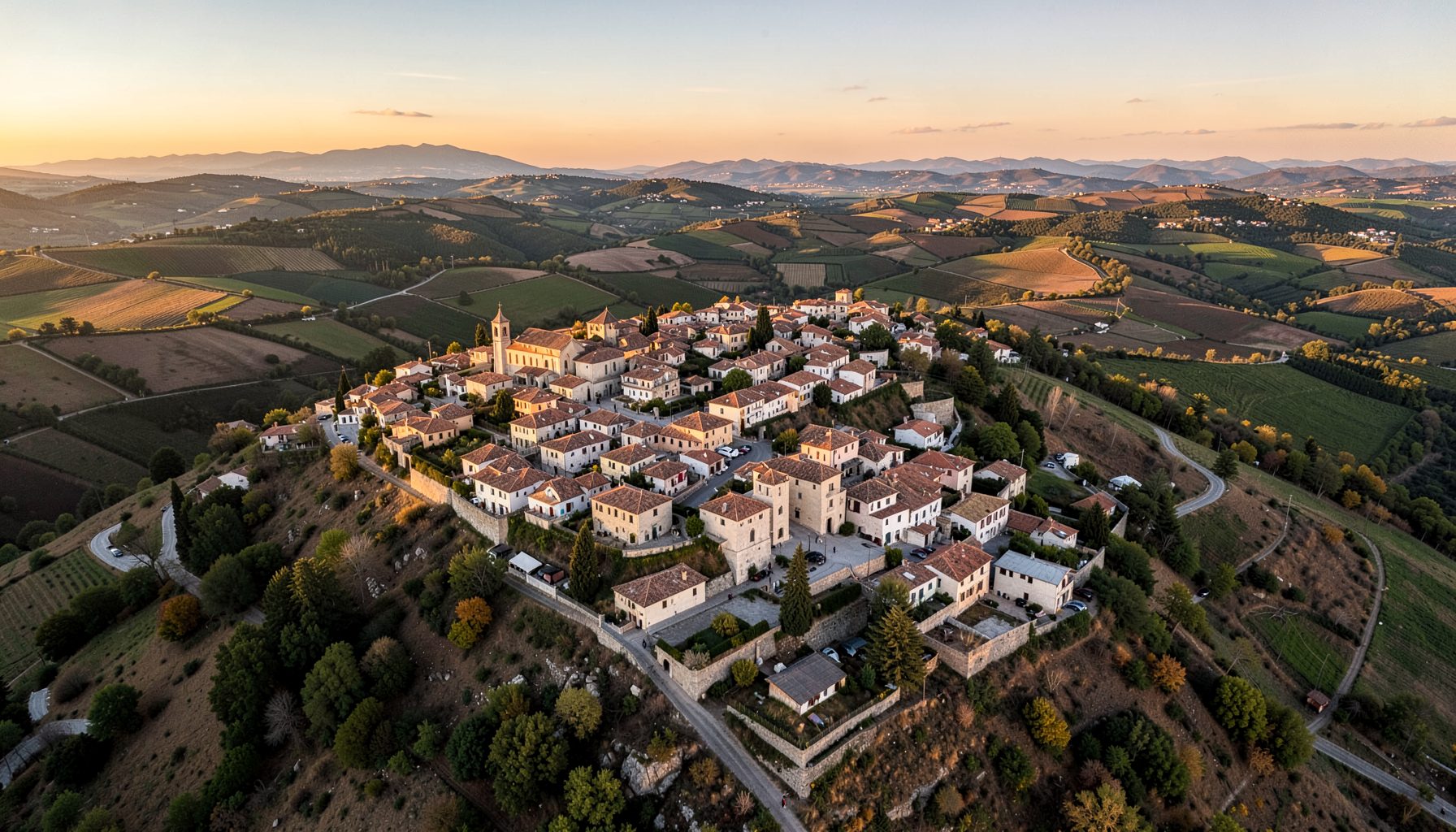
Agudo’s council has installed dog waste bag dispensers at the four main entrances to the town’s parks, adding a simple public amenity where residents begin and end many daily walks. The new stations are intended to make it easier for owners to pick up after their pets and to keep paths, play areas and green spaces more pleasant for everyone.
For residents who have moved away from Ciudad Real, and for Australian readers following local life in Spain, the measure offers a useful glimpse of how small council decisions shape a community. Agudo is a compact town, so a handful of well-placed dispensers can serve a large share of regular park users without requiring a major construction project.
The dispensers are part of a broader conversation about shared responsibility. Dog ownership brings companionship and exercise, but it also creates a clear public duty: waste should be collected promptly, sealed securely and placed in a rubbish bin rather than left beside a path or under a shrub.
That expectation will feel familiar in Australia, where council dog parks, leash rules and waste-bag stations are common in places such as Melbourne, Sydney and Brisbane. The local setting is different, yet the practical goal is the same: protect public spaces while making responsible behaviour straightforward.
Placing bags at the main entrances addresses a common moment of forgetfulness. An owner may leave home without supplies, use the last bag on an earlier walk or decide to take a different route through the park. A dispenser near the entry removes one of those excuses before it becomes a problem.
The locations also give the initiative a visible presence. People arriving for a morning walk, taking children to play or meeting neighbours can see that pet hygiene is part of caring for the park. The message is quiet rather than punitive, encouraging good habits through convenience instead of relying only on warnings or fines.
For an Australian comparison, the arrangement is similar to the bag dispensers found beside off-leash areas around Melbourne’s outer suburbs or near walking reserves in Brisbane. The best stations are easy to spot, simple to operate and close enough to a bin that owners do not have to carry waste across an entire reserve.
The local climate matters as well. During hot, dry weather in central Spain, organic waste left on paths can become unpleasant quickly, while dust and wind may spread small pieces into surrounding areas. Regular collection protects the appearance of the parks and supports a healthier environment for children, walkers and animals.
A dispenser can provide the bag, but it cannot complete the job. Owners still need to watch their dogs, collect waste immediately and use the nearest rubbish bin. Leaving a filled bag on a low wall, tree branch or park edge simply transfers the problem from the ground to another part of the public space.
Clear habits are especially important around children’s play areas and benches. Families may sit close to the ground, and older residents can be more sensitive to unpleasant smells or slippery surfaces. Keeping entrances and paths clean makes parks more welcoming for people who use them for quiet time, exercise or social contact.
The council’s decision also complements other public-space work in Agudo. The recent cycle lane project shows how movement through the town is being considered across different forms of transport. Cyclists, pedestrians and dog walkers often share connecting routes, so cleaner verges and crossings benefit more than one group.
Australian councils face the same overlap on shared trails. A dog walker in Sydney may meet a runner, scooter rider or family using a foreshore path, while in Adelaide the same mix can appear around a creek corridor. Courtesy becomes easier when public infrastructure supports it and users understand that the space belongs to the whole community.
The long-term value of the dispensers will depend on regular maintenance. Bags need to be replaced before a station is empty, and the units themselves should remain clean, weather-resistant and easy to access. A broken latch or jammed dispenser can quickly undermine confidence in the scheme.
Bins also need to be available nearby and emptied often enough to prevent overflowing. When a full bin sits beside a dispenser, some users may carry their waste home, while others may leave it in an unsuitable place. Coordinating bag supplies, bin collection and routine inspections will give the project a much better chance of lasting.
This practical detail is familiar to Australian pet owners who buy rolls of compostable or standard dog bags from supermarkets, independent pet shops and large chains. Local councils may provide bags in parks, but households generally still carry their own supply, particularly when walking beyond a formal reserve or travelling between suburbs.
For Agudo, the new stations should be treated as a useful backup rather than a replacement for personal preparation. Keeping spare bags in a coat pocket, car, bicycle basket or lead holder remains sensible, especially for longer walks outside the four principal park entrances.
Parks are more than exercise areas. They are informal meeting places where neighbours exchange news, children play and seasonal activities bring people together. Clean paths and tidy entrances improve the experience of attending a local event just as much as they improve a routine dog walk.
The appearance of public furniture matters too. Volunteers have recently helped refresh parts of the promenade, with summer bench painting giving shared areas a brighter, better-maintained appearance. Waste control and care for benches, railings, paths and planting all contribute to the same sense of civic pride.
That connection is easy to recognise in Australian communities. A well-kept dog park in Perth, a clean foreshore reserve in Newcastle or a maintained suburban oval in Canberra feels more inviting because residents can see that public facilities are valued. The standard is created through both council service and everyday conduct.
The initiative may also help reduce friction between dog owners and people who do not have pets. Not everyone is comfortable around dogs, and some residents may worry about contamination near play spaces. Visible access to bags sends a clear signal that responsible ownership is expected and supported.
The new dispensers will work best when residents use them thoughtfully and report problems early. A short message to the council about an empty station, damaged fitting or overflowing bin can help staff respond before the issue becomes a wider complaint. Neighbours can also remind one another politely when a bag has been missed.
Dog owners visiting from outside Agudo should follow the same approach as local residents. Visitors may arrive for family occasions, local markets or a day trip through the surrounding area, and they should bring supplies where possible. Good park etiquette helps the town present a positive welcome to guests and protects spaces used by residents year-round.
For readers in Australia, the broader lesson is familiar: convenient infrastructure works when it is matched by consistent community habits. Whether the setting is a Spanish park, a Melbourne reserve or a Brisbane neighbourhood green, clean public space depends on thousands of small decisions repeated every day.
Agudo’s four new stations are modest additions, but they answer a real need at the points where park use begins. Residents can help turn them into a lasting success by taking responsibility for their dogs, caring for shared facilities and reporting maintenance issues promptly. That combination will keep the town’s parks cleaner, friendlier and more enjoyable for people and pets alike.
Stay informed with local news updates covering Agudo and the surrounding region. Browse the Hemeroteca for past articles and keep up with what matters in the community.
Join the conversation in the Agudo community forums. Access the Foro antiguo archive and participate in discussions with fellow residents and visitors.
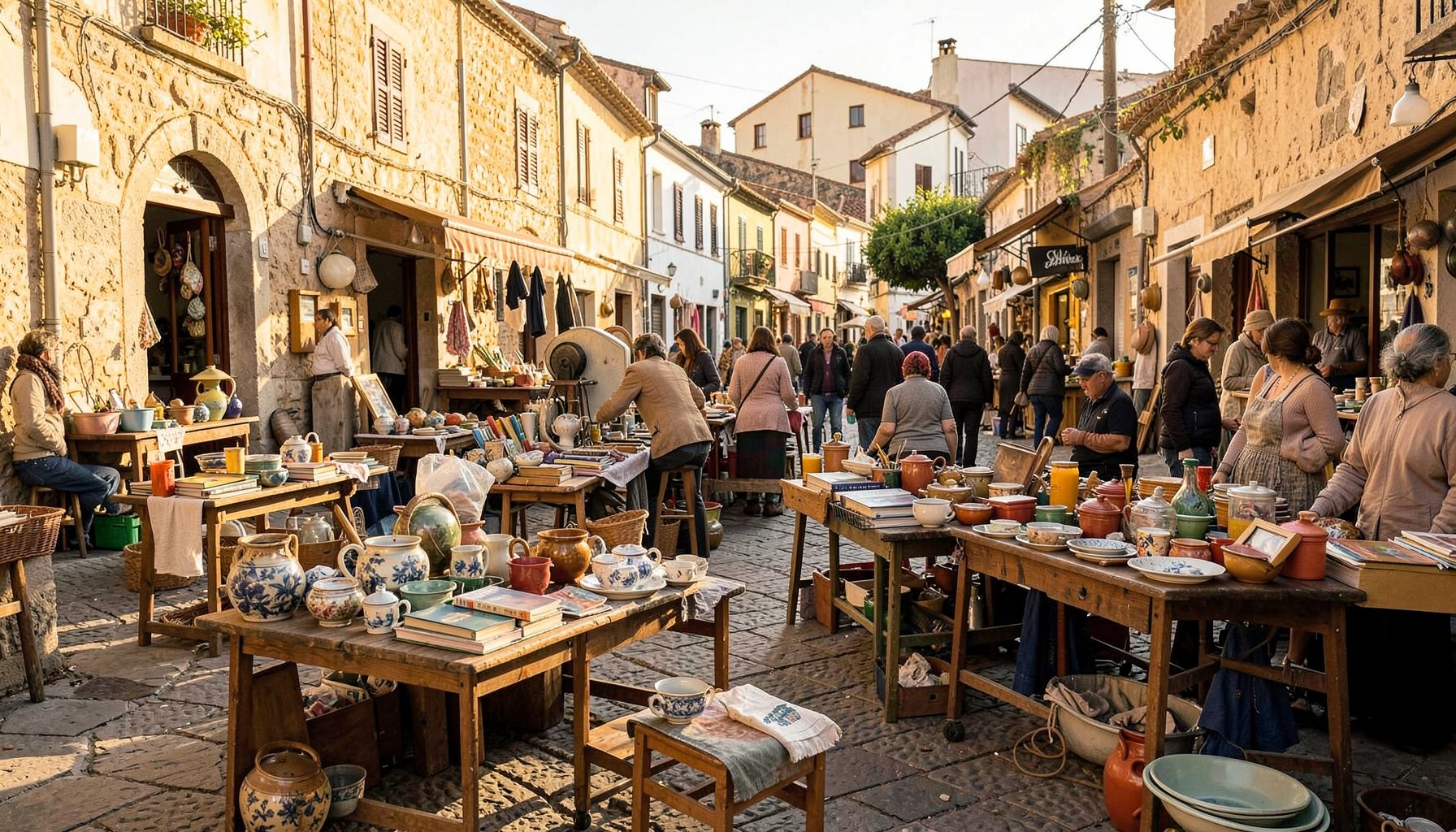
Browse local second-hand listings in the Agudo area. A convenient marketplace for buying and selling within the community.
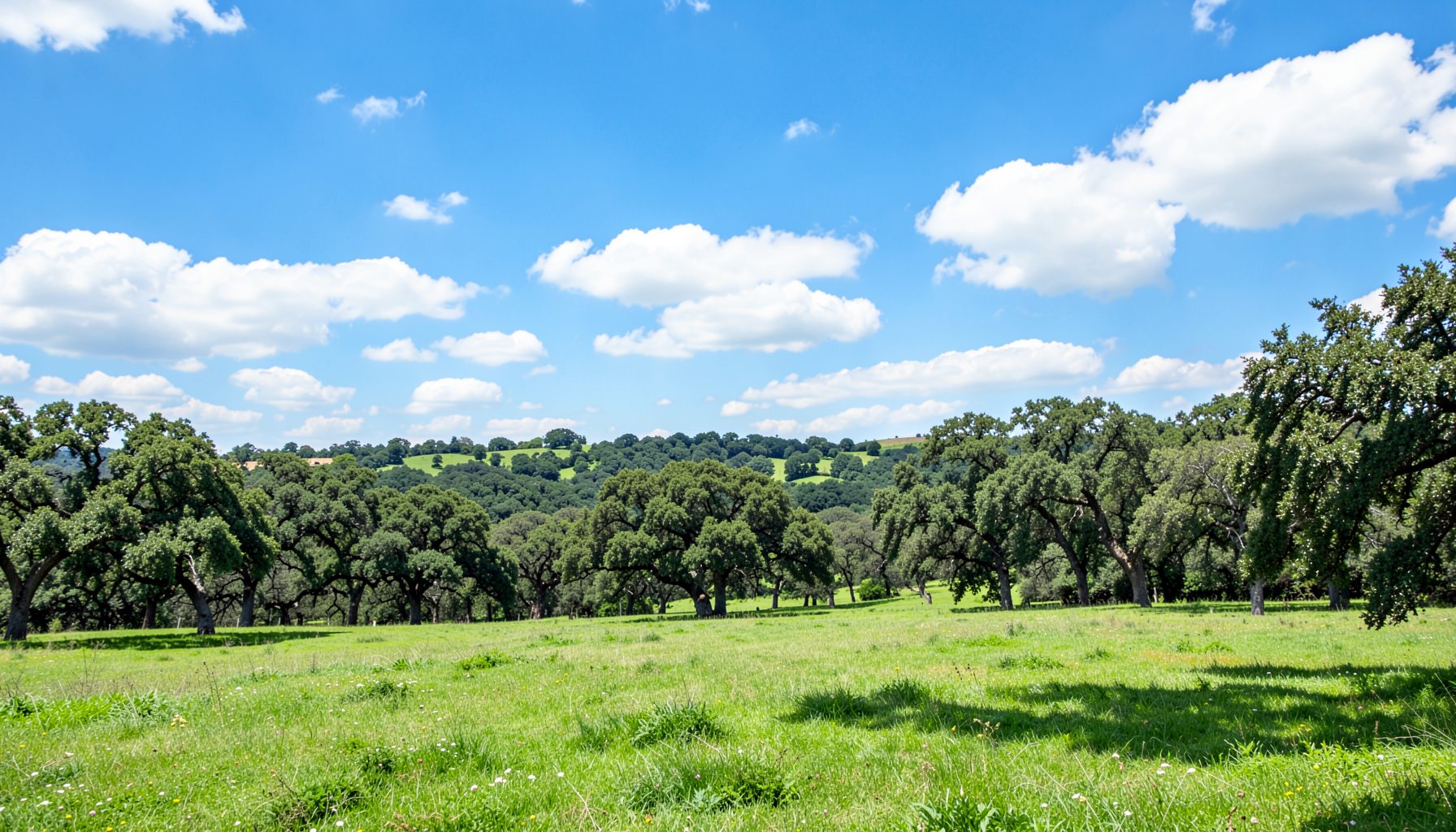
Explore our directory of recommended links, including the Ayuntamiento de Ciudad Real, Lagunas de Ruidera, Parque de Cabañeros, Agudo Joven, and Balneario Cervantes.
Access practical tools including Prensa links, radio, horóscopo, Loterías results, a leisure guide, recipes, a dictionary, and Street View integration.
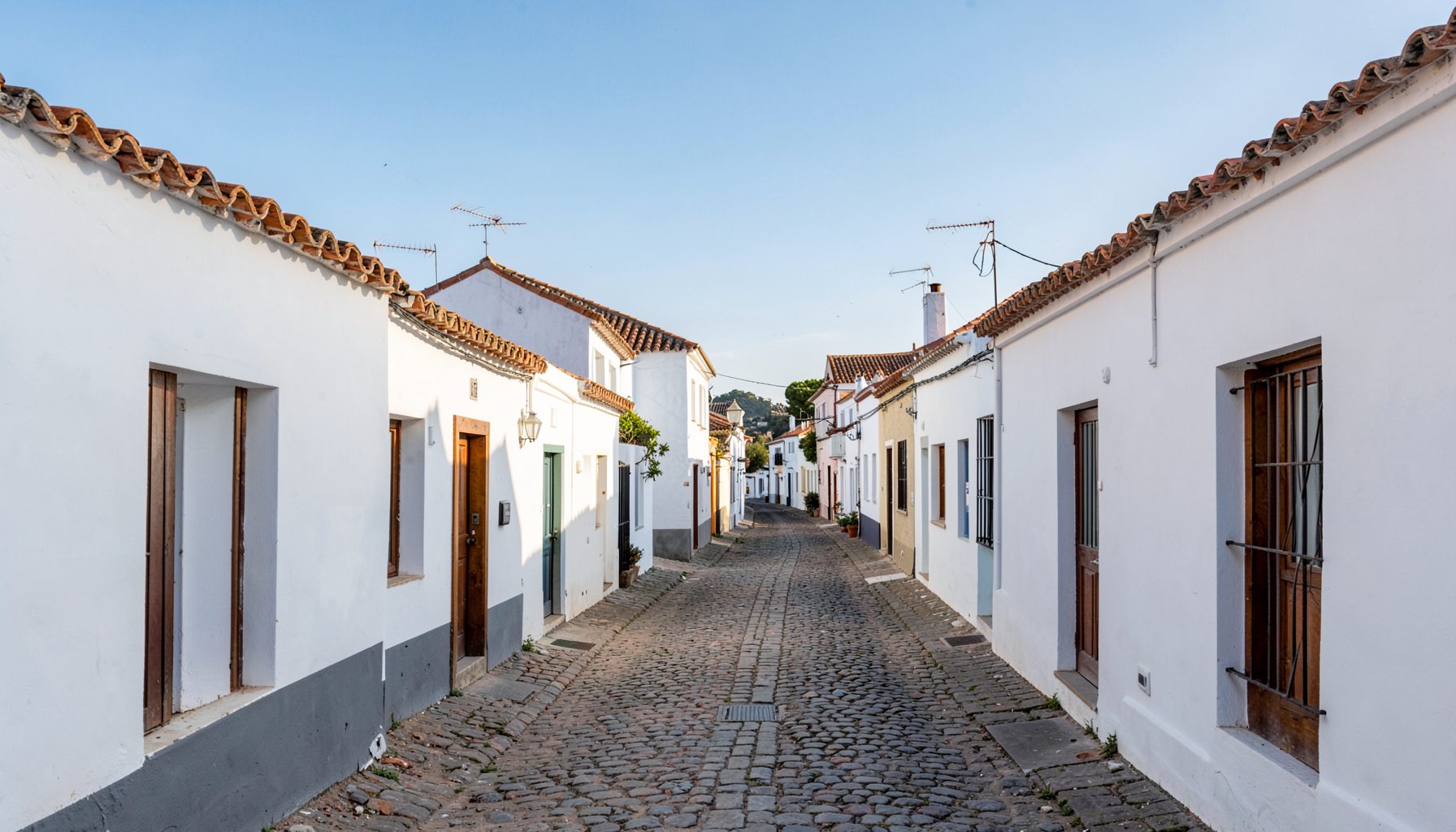
Watch videos showcasing Agudo and the surrounding region. A visual tour of local life, landscapes, and community events.