Stay informed with local news updates covering Agudo and the surrounding region. Browse the Hemeroteca for past articles and keep up with what matters in the community.
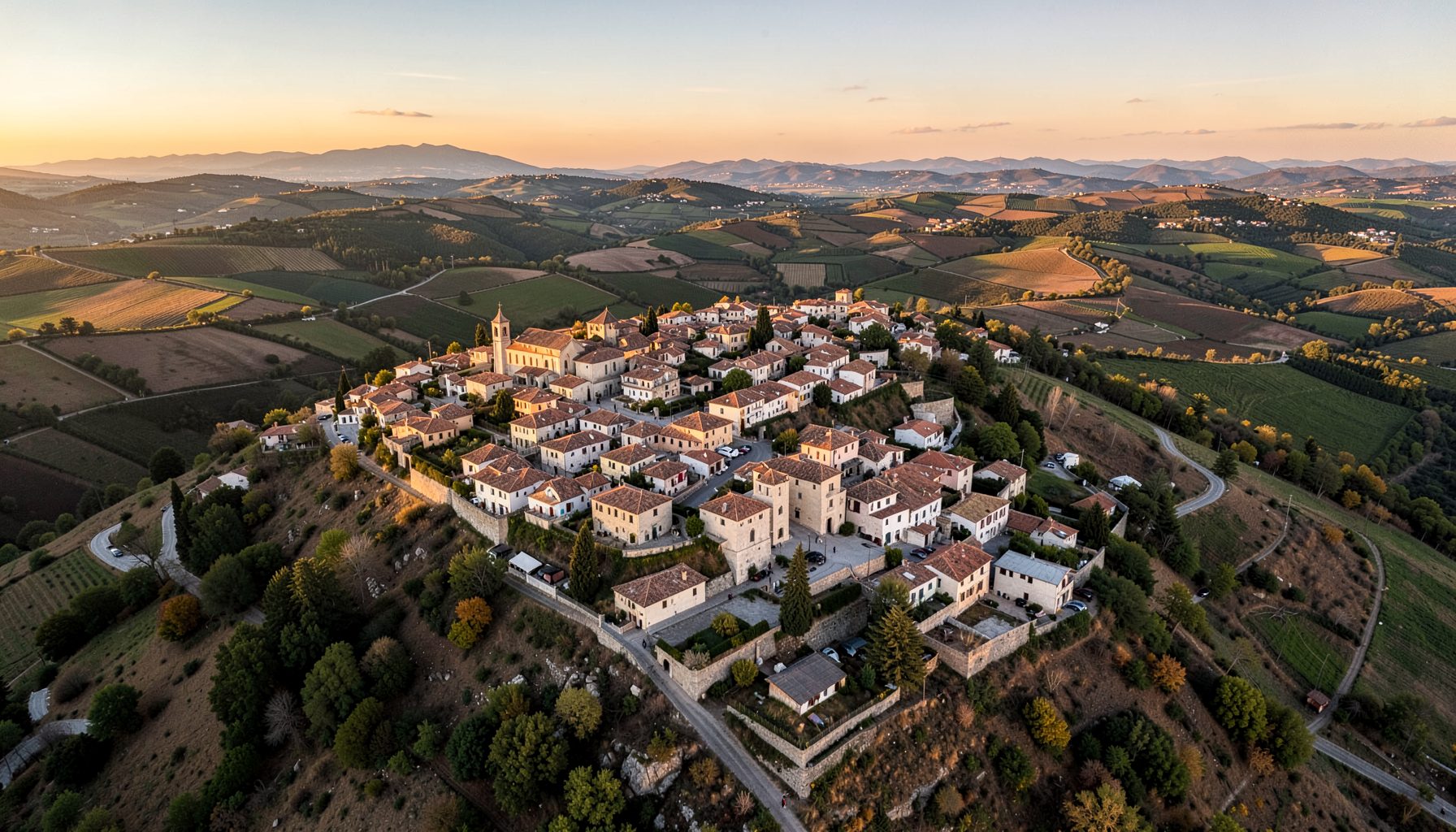
Agudo is taking a practical step toward safer, cleaner and more active travel with a new cycle lane connecting the town center to the local sports complex. The route creates a clearer link between everyday services, residential streets and the facilities used for football, athletics, training and community activities.
For residents, the project is more than a painted strip beside the road. A continuous cycling connection can make short journeys easier for children, teenagers, families and visitors who want to reach the sports area without relying on a car. It also gives pedestrians and drivers a clearer idea of how different types of traffic should share the route.
The new infrastructure adds to the local conversation about mobility, public space and quality of life in Agudo. Residents, former residents and nearby communities can follow updates, images and community information through Agudo Ciudad Real, alongside news about municipal and neighborhood developments.
The sports complex is an important destination for the town, especially during training sessions, matches and organized activities. Until now, people cycling there may have had to combine busy streets with less clearly defined sections of road. The new cycle route provides a more recognizable connection from the central area.
A direct route also supports the routine of families. Parents taking children to practice, young people meeting friends before a match and adults attending recreational activities can all benefit from a safer alternative to short car journeys. When a destination is easy to reach by bicycle, it becomes more closely integrated with the rest of the community.
The route may also be useful during local events, when traffic increases around the sports facilities. Clearer movement patterns can help reduce confusion and allow the area to function more comfortably for cyclists, walkers and motorists.
A cycle lane can be especially valuable for school-age residents and teenagers who are beginning to travel independently. A defined route gives them a practical way to reach training sessions and social activities while reducing their exposure to vehicle traffic. Its effectiveness will depend on good visibility, sensible crossings and respectful behavior from everyone using the street.
Families will also need to understand how the connection works at junctions and access points. Drivers should expect cyclists near the lane, while cyclists must pay attention when entering or leaving the route. Pedestrians may encounter the infrastructure at crossings, entrances or shared sections, making clear signs and considerate use essential.
Safety is created by the complete journey rather than by the cycle lane alone. Lighting, pavement condition, drainage and the treatment of intersections all influence whether people feel confident using the route after school, in winter or during evening activities.
The most immediate benefit is improved accessibility. Residents who already cycle will have a more convenient connection, while people who rarely use a bicycle may be encouraged to try it for short trips. The route can also support walking by making the relationship between the town center and the sports complex easier to understand.
A cycling connection can bring environmental benefits as well. Replacing some short vehicle journeys may reduce local emissions, traffic noise and pressure on parking near the sports facilities. These effects are likely to be gradual, but they become more meaningful when cycling is linked to places people visit regularly.
The project also represents a broader approach to local planning. A small town does not need large-scale transport infrastructure to improve mobility. Well-positioned routes between homes, public facilities and activity centers can make a noticeable difference when they respond to everyday patterns of movement.
| Aspect | Before the connection | With the new route |
|---|---|---|
| Access to sports facilities | Cycling may require less defined street sections | A clearer, more direct link is available |
| Family travel | Short car trips may be the simplest option | Cycling can become a practical alternative |
| Road awareness | Cyclists and drivers may share space with less guidance | Marked infrastructure helps clarify movement |
| Local activity | Sports visits are more dependent on transport choices | More residents can reach facilities independently |
| Public space | The center and sports area feel more separate | The two destinations are better connected |
The success of the cycle lane will depend on regular maintenance and consistent use. Surface damage, faded markings, blocked drainage or vegetation can quickly reduce the comfort and safety of a cycling route. Keeping the connection clean and visible should therefore be part of its long-term management.
Signs and road markings will help users understand where the cycle lane begins, where it ends and how it interacts with crossings. The entrances to the sports complex deserve particular attention because bicycles, cars and pedestrians may arrive at the same point during busy periods.
The route should also be observed after opening. Feedback from residents can reveal practical issues that are not always apparent during construction, such as a difficult corner, an unclear junction or a location where parked vehicles obstruct visibility. Local experience is a valuable part of improving public infrastructure.
Regular cycling supports physical activity without requiring a special trip or membership. A journey to football practice, a community event or a sports class can become part of a healthier daily routine. For children and young people, the ability to travel actively can also encourage confidence and independence.
The connection may benefit older residents and occasional cyclists as well, provided the route is comfortable and easy to navigate. Electric bicycles can extend the practical distance for people who find hills or longer journeys difficult, while family bikes and adapted cycles may make the route useful to a wider range of residents.
Sustainable mobility works best when it is convenient rather than merely encouraged. A route connecting the center with a well-used public facility gives people a clear reason to choose a bicycle. Over time, that regular use can strengthen the case for additional links to schools, residential areas, parks or nearby roads.
Public cooperation will determine how comfortable the new connection becomes. Drivers should avoid stopping or parking on the cycle lane, particularly near crossings and the sports complex entrance. Cyclists should use appropriate speeds, give way where required and remain alert around pedestrians.
The route can also become part of local events and community activities. Sports clubs, schools and neighborhood groups might promote cycling days, organized rides or safety campaigns that help residents become familiar with the connection. Practical awareness is often more effective than relying on signs alone.
Residents can help by reporting damaged surfaces, blocked sections or confusing traffic points through the appropriate municipal channels. Photos and precise descriptions can make it easier to identify problems and keep the infrastructure in good condition.
The new route gives Agudo a visible example of how local infrastructure can support health, access and community life at the same time. Linking the town center with the sports complex makes an important destination easier to reach while encouraging residents to consider walking or cycling for short journeys.
Its value will grow as people use it regularly and as the town continues to review how streets serve residents. A cycle lane is most successful when it is connected to real destinations, maintained carefully and respected by every road user. This link provides a useful foundation for that broader mobility network.
Residents can share local observations, follow related municipal news and keep up with community developments through Agudo’s local information channels. Use the new connection safely, support responsible street use and help make active travel a lasting part of daily life in Agudo.
Stay informed with local news updates covering Agudo and the surrounding region. Browse the Hemeroteca for past articles and keep up with what matters in the community.
Join the conversation in the Agudo community forums. Access the Foro antiguo archive and participate in discussions with fellow residents and visitors.
Browse local second-hand listings in the Agudo area. A convenient marketplace for buying and selling within the community.
Explore our directory of recommended links, including the Ayuntamiento de Ciudad Real, Lagunas de Ruidera, Parque de Cabañeros, Agudo Joven, and Balneario Cervantes.
Access practical tools including Prensa links, radio, horóscopo, Loterías results, a leisure guide, recipes, a dictionary, and Street View integration.
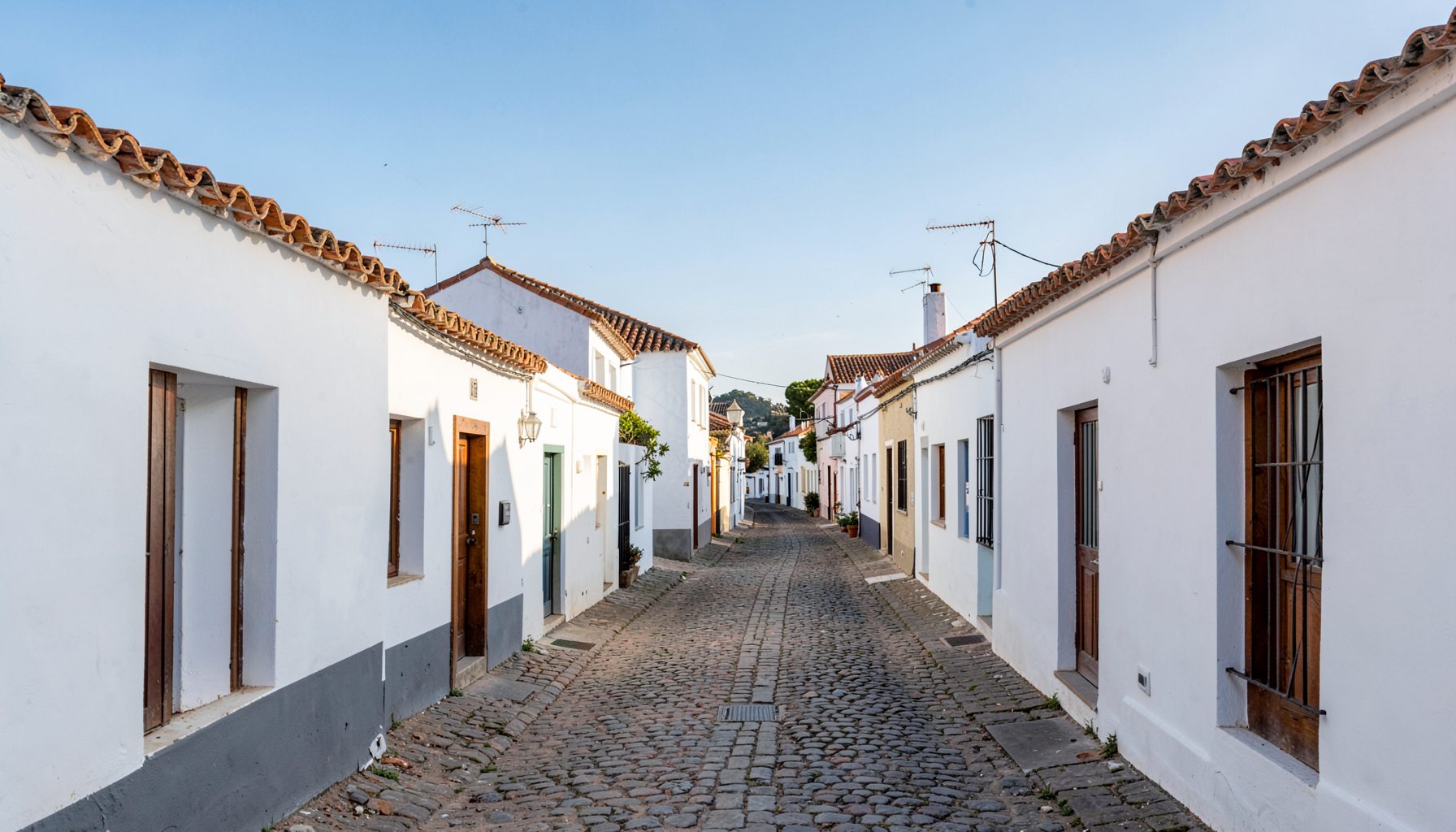
Watch videos showcasing Agudo and the surrounding region. A visual tour of local life, landscapes, and community events.