Stay informed with local news updates covering Agudo and the surrounding region. Browse the Hemeroteca for past articles and keep up with what matters in the community.
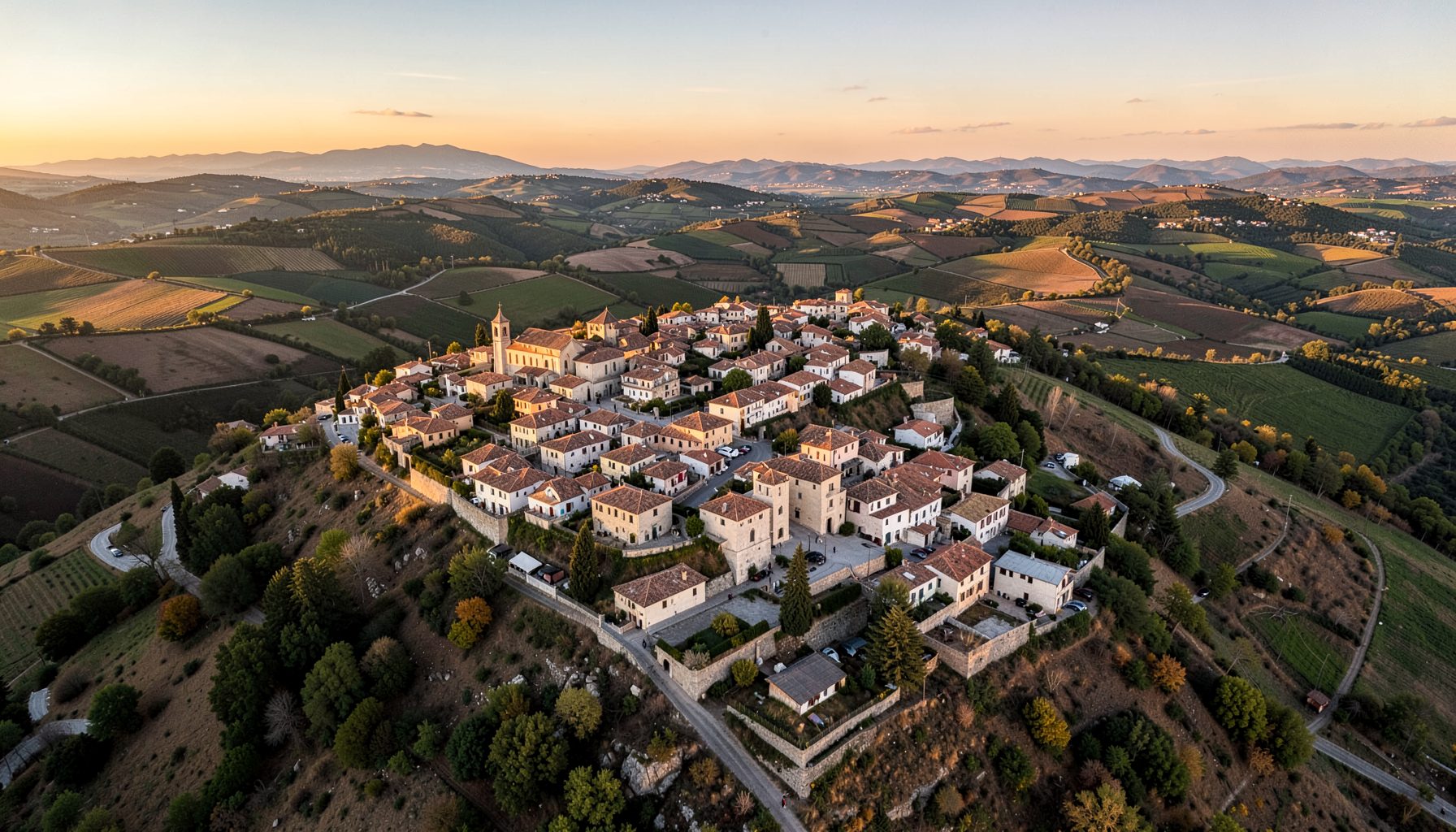
A bakery in Agudo, in the province of Ciudad Real, is preparing a monumental loaf of bread to mark the town's annual historical fair. The bake is set to feed crowds gathered for the festivities, which honour centuries of rural tradition along the southern stretches of the Guadiana basin.
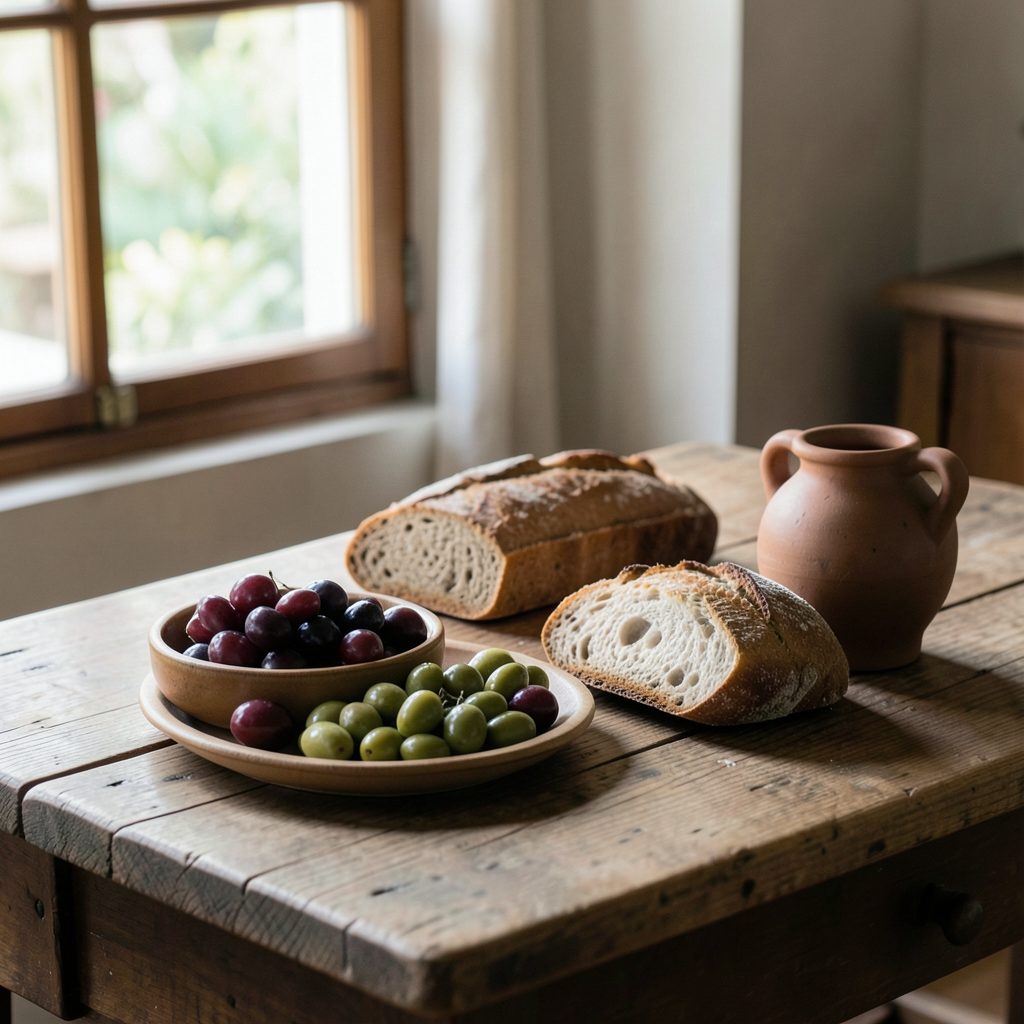
Head baker Mateo Ruiz and his team at Horno La Encina began shaping the dough in the small hours of Tuesday morning, using a recipe that blends locally milled wheat with a sourdough starter kept alive in the bakery since 1987. The finished piece is expected to weigh in at over 28 kilograms and stretch more than two metres along its base.
Residents compare the event to a community Christmas in July, and visiting Australians will find parallels with the way country towns across Victoria and South Australia stage their own harvest celebrations. For those following Agudo from cities like Melbourne, Sydney, or Adelaide, the story offers a glimpse of how a small Spanish town turns flour and water into shared memory.
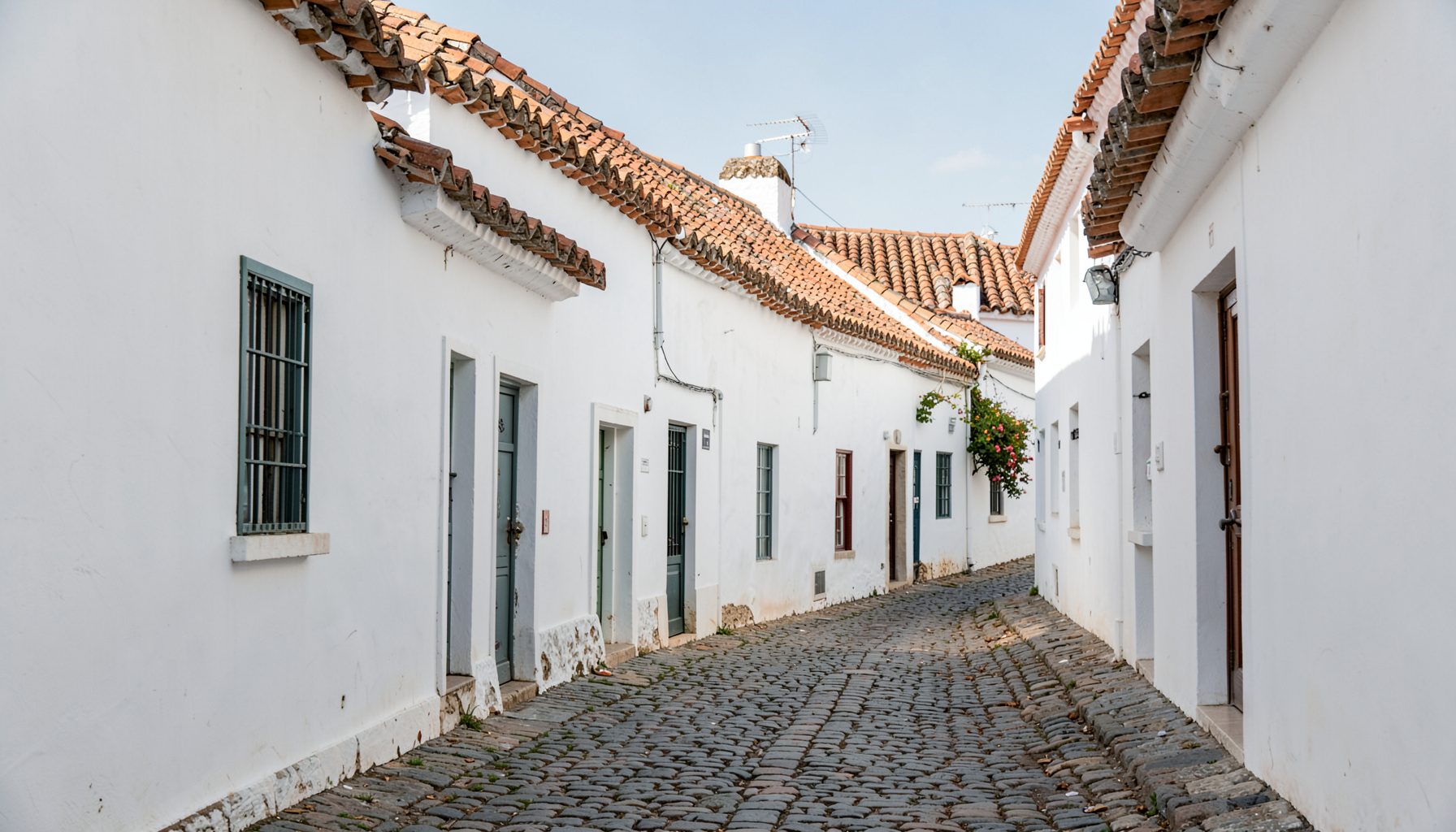
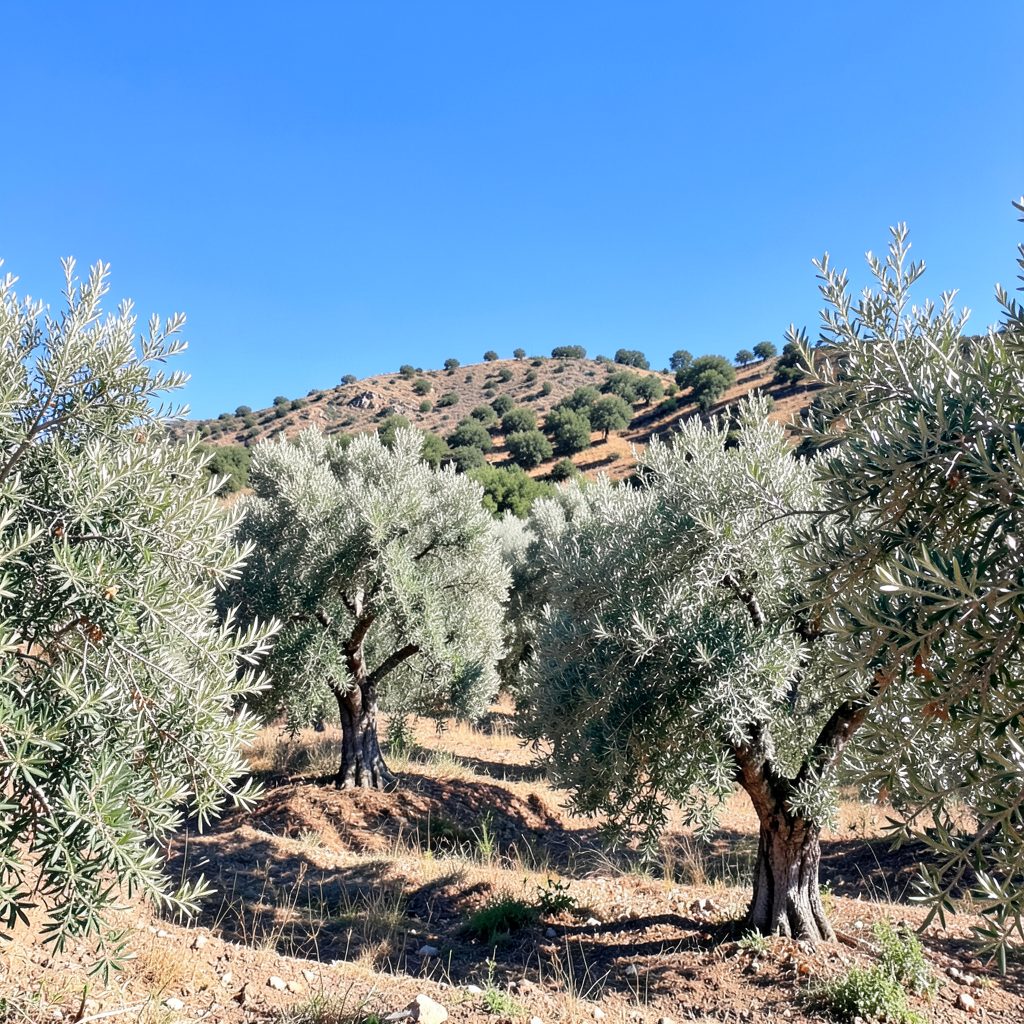
Horno La Encina sits on Calle del Río, three streets back from the riverbank, where a recent scout troop riverbank cleanup added new picnic tables. The shop front is narrow, painted a sun-bleached yellow, and smells permanently of toasted crust. Inside, a wood-fired dome oven built in 1962 still does most of the work, fuelled by pruned olive wood from groves outside town.
The bakery has been in the Ruiz family for three generations. Mateo's grandmother Encarna learned the trade from her father, who served villagers during the lean years after the Civil War. Today the business employs seven people, including two apprentices from the local vocational college, and supplies bread to nine surrounding villages. The extra-large loaf is its biggest single commission of the year, and the only one that requires closing the shop for a full morning.
Like many small artisan bakeries in rural Spain, Horno La Encina balances tradition with quiet innovation. The team mills some of its own flour in a stone grinder installed in 2019, and the sourdough starter is refreshed twice daily. The giant loaf, however, follows a strict traditional formula: no commercial yeast, no shortcuts, and a slow cold ferment that lasts nearly a day.
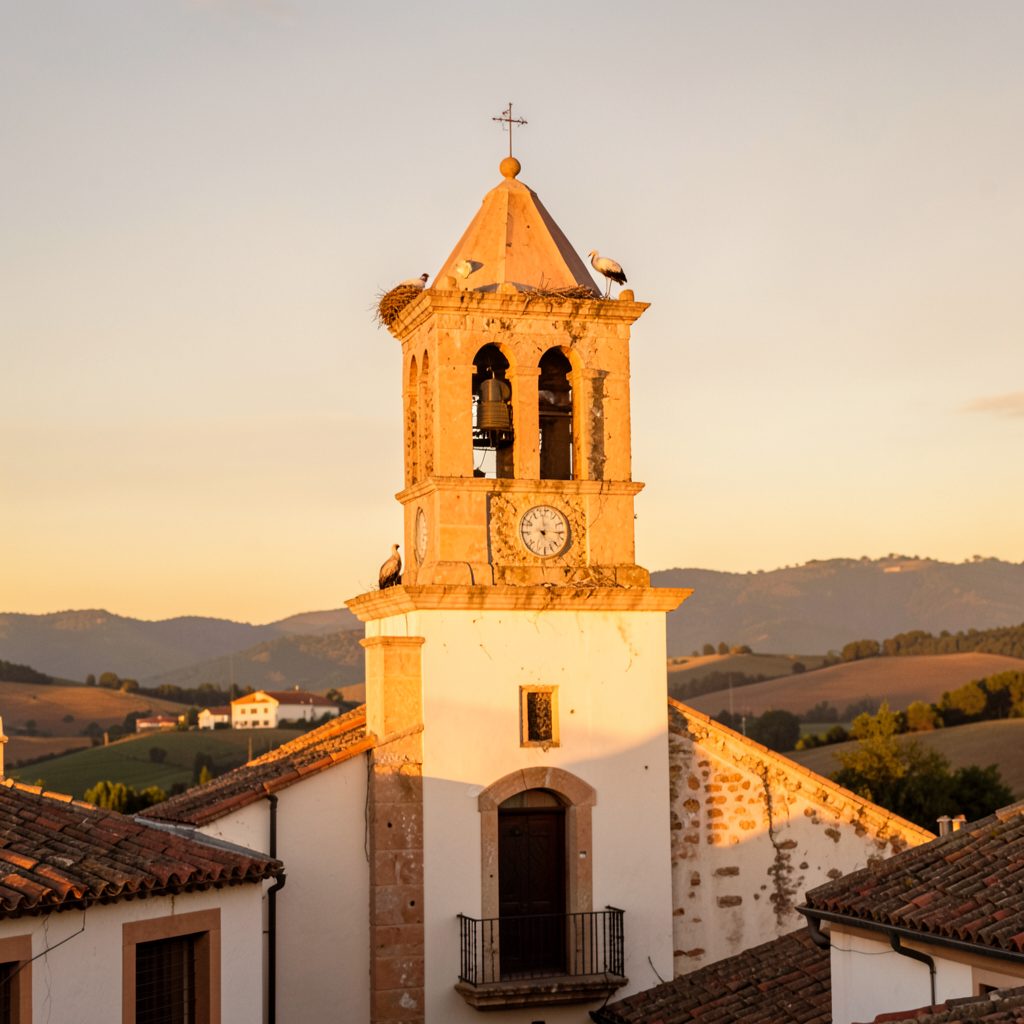
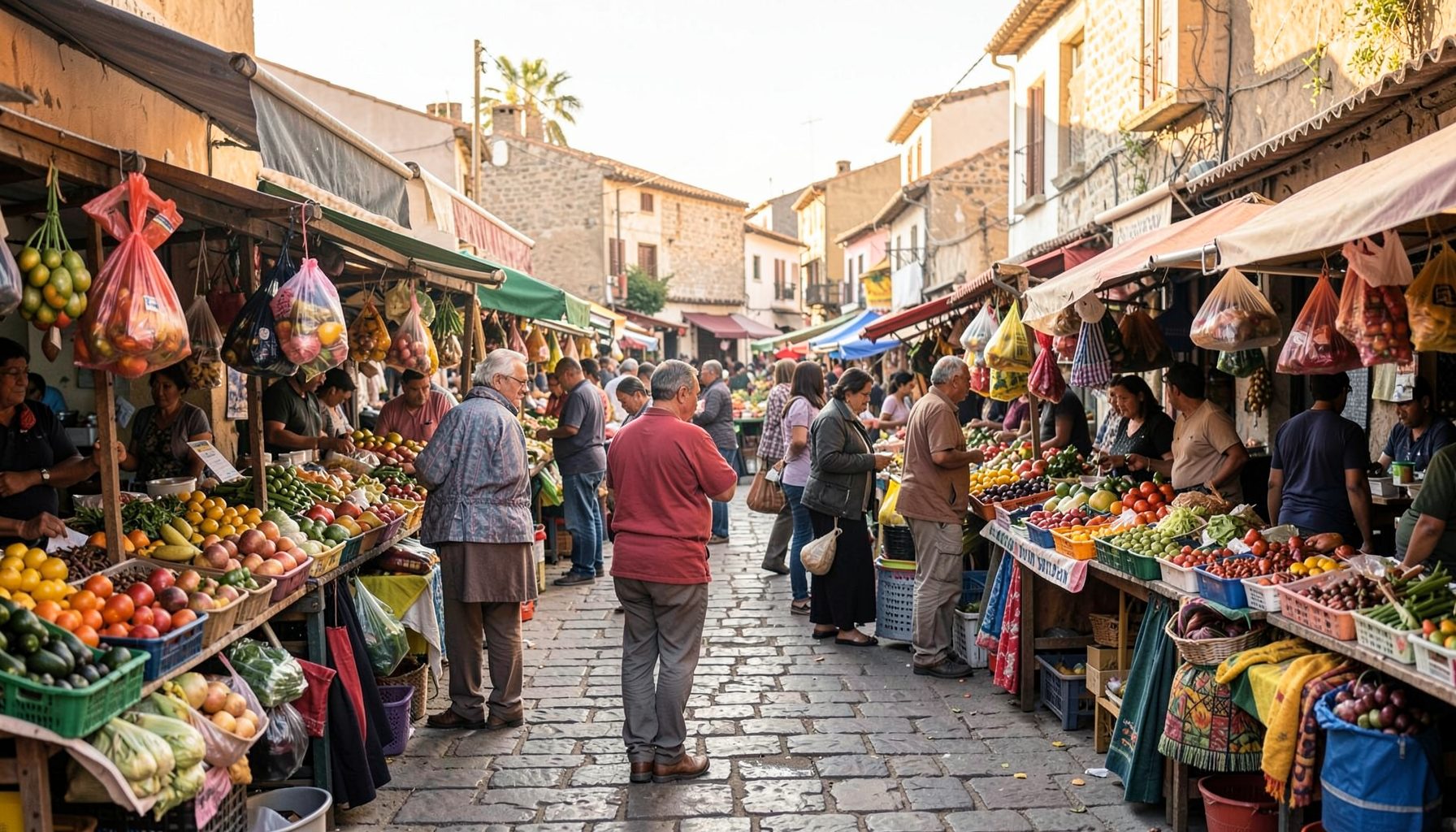
The Feria Histórica de Agudo dates back to 1624, when local shepherds won the right to hold a weekly market after a long dispute with the nearby monastery of Piedrabuena. Over four centuries the market grew into a three-day fair that takes place every August, filling the plaza with livestock judges, textile traders, musicians, and food stalls.
This year's programme includes a medieval archery display, a donkey parade through the old quarter, and the return of the "pan grande" tradition, which translates roughly as "big bread". The loaf is carried from the bakery to the plaza on a wooden stretcher, blessed by the parish priest, and then sliced with a long bread knife handed down through the brotherhood of San Sebastián.
Australian visitors may notice similarities with events such as the Hahndorf festival in the Adelaide Hills or the Beechworth old-school celebrations in Victoria, where a single ceremonial cake or pudding anchors the programme. The reasoning is similar: a community marks its continuity by sharing food at a public table.
Producing the loaf begins with 35 kilograms of stone-milled flour, 22 litres of water, 800 grams of salt, and the entire contents of the bakery's sourdough starter. The dough is mixed in a refurbished Hobart mixer from the 1970s, which Mateo's father bought secondhand from a convent bakery in Córdoba. After an initial rest of 40 minutes, the dough is folded four times across two hours.
The mass is then divided, rested, and recombined into a single shape on a floured linen cloth. Scoring the top requires a razor blade on a wooden handle, since ordinary knives would tear the wet surface. The bake itself runs for 95 minutes in the dome oven, with steam added through a small iron pipe during the first quarter of an hour.
Once the crust has cooled, the loaf is brushed with olive oil from the cooperative mill at Castuera, which gives the surface its deep amber sheen. Volunteers from the local co-op, the same group that produces plaza oranges for marmalade from local Seville oranges, help carry the bread to the plaza on the morning of the fair.
Oversized ceremonial loaves are baked in several Mediterranean and Latin American regions, but each has its own character. The table below sets Agudo's pan grande alongside a few well-known examples, including one that Australian readers may have encountered at multicultural festivals in Sydney or Melbourne.
| Bread | Region | Typical weight | Shape | Ritual role |
|---|---|---|---|---|
| Pan grande de Agudo | Castilla-La Mancha, Spain | 28 kg | Long oval, scored in wheat sheaf pattern | Shared at the opening of the Feria Histórica |
| Roscón de Reyes extra | Various Spanish regions | 4–6 kg | Ring with candied fruit | Served at Epiphany family gatherings |
| Pane di Altamura gigante | Puglia, Italy | 15–20 kg | Round domed boule | Displayed at the Altamura bread festival |
| Pan de muerto monumental | Oaxaca, Mexico | 10 kg | Round, bone-shaped scored cross | Placed on Day of the Dead altars |
| Damper mega-loaf | Australian outback events | 12 kg | Round flat loaf | Cooked in a pit oven for stockmen's gatherings |
The Agudo loaf stands out for its sheer length and the way the village economy revolves around it for a single morning. Where the Mexican and Italian examples are baked repeatedly through their festival seasons, Agudo's pan grande happens once a year, and missing it means missing the fair's emotional core.
Beyond the spectacle, the bread carries a quiet economic weight. The bakery buys grain from six farms within fifteen kilometres of town, paying a premium that helps keep younger generations interested in cereal farming. During fair week, three of those farms open their barns for visits, an arrangement that has begun to attract small-group tourism from as far away as Madrid and, occasionally, Brisbane and Perth.
The loaf has also become a teaching moment. The local primary school brings children to watch the bake, and each class gets a small piece of the final crust to take home. In a country like Australia, where sourdough has enjoyed a revival in cities such as Melbourne and Adelaide over the past fifteen years, such a school visit would feel familiar to many readers who grew up with bakery-based learning programmes.
Volunteers also use the occasion to highlight local supply chains. The same cooperative that helps carry the bread also harvests Seville oranges for marmalade, presses olive oil for the brushing, and organises the scout-led riverbank clean-up that prepared the picnic area for fair-goers.
The bake can be summarised in two short lists, one practical and one cultural. Both are worth keeping handy for readers who bake at home or who organise community events of their own.
Ingredients and process highlights
Australian parallels and everyday bread habits
If you are following the news from Agudo or planning a visit to southern Castilla-La Mancha, you can keep up with further coverage, photographs, and community announcements through the Agudo Ciudad Real portal, where each year's pan grande is documented alongside the riverbank clean-ups, the Seville orange co-op, and the wider programme of the Feria Histórica. Share your own bread stories in the forums, drop into the town hall in August to taste a slice for yourself, and subscribe to the weekly newsletter so that next year's bake does not pass you by.
Stay informed with local news updates covering Agudo and the surrounding region. Browse the Hemeroteca for past articles and keep up with what matters in the community.
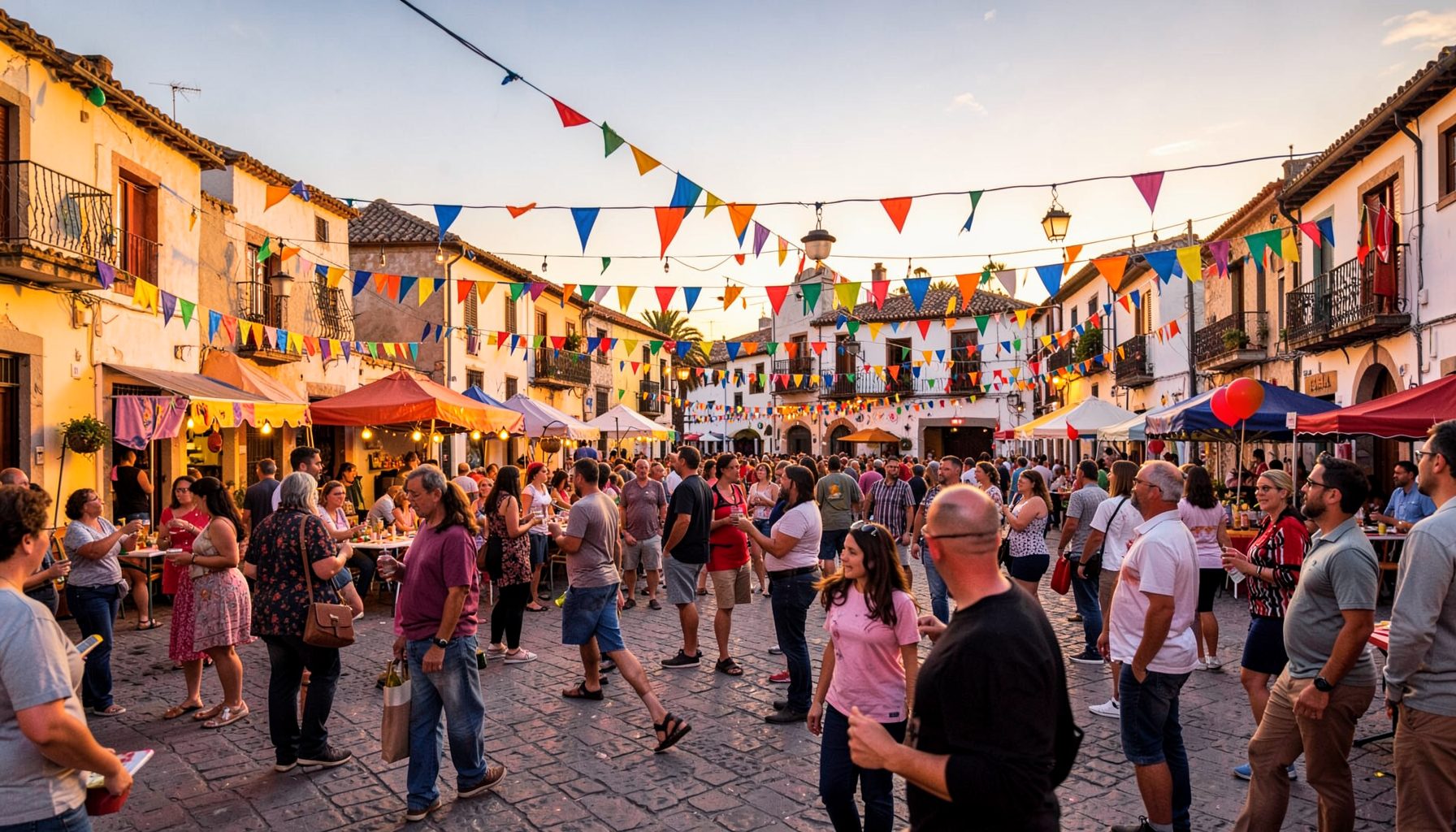
Join the conversation in the Agudo community forums. Access the Foro antiguo archive and participate in discussions with fellow residents and visitors.
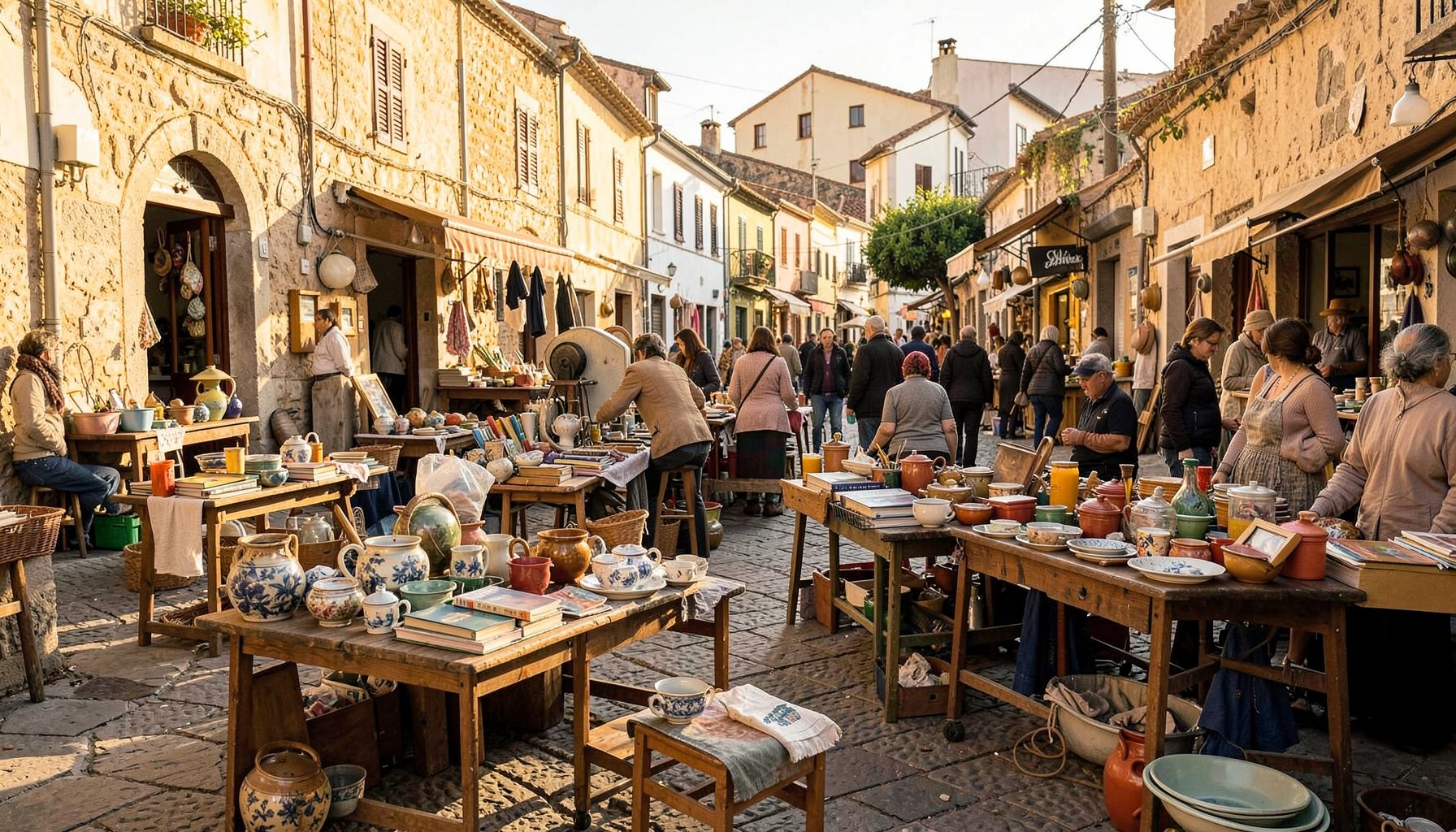
Browse local second-hand listings in the Agudo area. A convenient marketplace for buying and selling within the community.
Explore our directory of recommended links, including the Ayuntamiento de Ciudad Real, Lagunas de Ruidera, Parque de Cabañeros, Agudo Joven, and Balneario Cervantes.
Access practical tools including Prensa links, radio, horóscopo, Loterías results, a leisure guide, recipes, a dictionary, and Street View integration.
Watch videos showcasing Agudo and the surrounding region. A visual tour of local life, landscapes, and community events.