
Stay informed with local news updates covering Agudo and the surrounding region. Browse the Hemeroteca for past articles and keep up with what matters in the community.
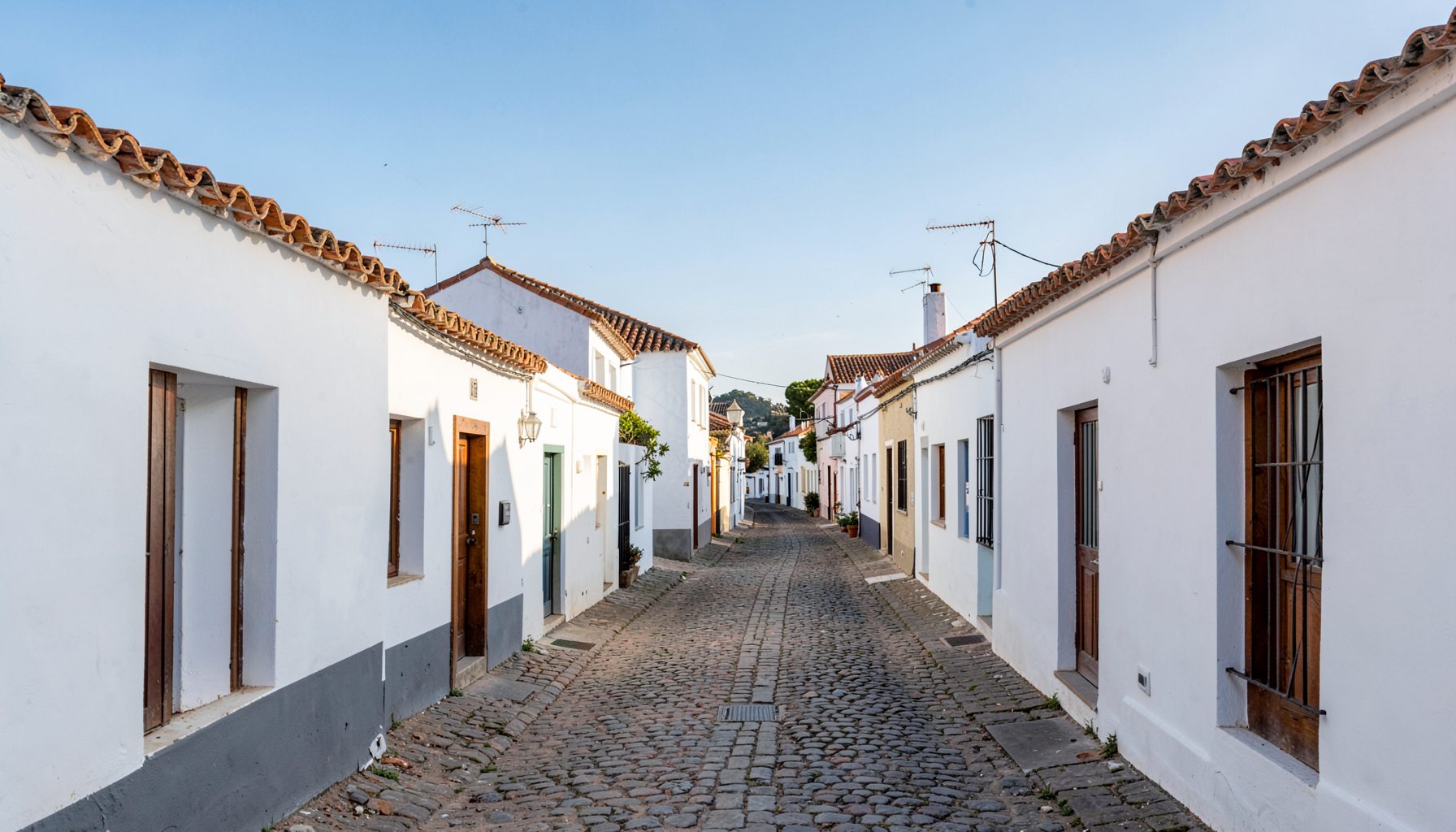
Agudo Town Hall is planting jacaranda trees along the avenue leading to the school, adding a long-term greening project to one of the town’s most familiar daily routes. The initiative will change the appearance of the street while creating more shade for children, families, teachers and residents who walk through the area.
The flowering trees are expected to become a seasonal landmark as they mature, with purple blooms offering a distinctive sight in late spring and early summer. For a rural community in Ciudad Real, the work also raises practical questions about water use, pavement protection, accessibility and the best way to care for young trees through hot, dry months.
The avenue is used every weekday during the school run, when parents accompany younger children and older pupils make their way on foot. Planting trees there can make the route feel calmer and more welcoming, particularly during warm weather when exposed pavements absorb heat. A line of established jacarandas may eventually provide a continuous canopy over parts of the walkway.
The project also gives Agudo a stronger visual connection between its residential streets and educational facilities. Many small towns use public planting to mark important civic routes, and the school avenue is an especially visible place to invest. Residents returning to Agudo after time away may notice the change immediately, while nearby communities can see how a modest municipal scheme improves an everyday space.
Local authorities will need to consider the complete route rather than simply placing trees wherever there is spare soil. Clear sightlines near crossings, gates and junctions are essential. The design should also leave enough room for prams, wheelchairs, bicycles and groups of children walking together.
Jacarandas are valued for their airy foliage and vivid purple flowers, yet they require suitable conditions to thrive. Young specimens need regular watering while their root systems develop, especially during the dry season. Once established, they can tolerate periods of heat, but a waterwise maintenance plan will still be important in a region where summer temperatures are high and rainfall is limited.
Tree pits should allow roots to expand without lifting paving or interfering with underground services. A suitable soil mixture, protective supports and mulch can help reduce evaporation and improve early growth. Regular inspections will also be needed after strong winds, heavy rain or accidental damage from vehicles.
The planting scheme may be compared with streets in Australian cities such as Canberra, where urban trees are planned for shade, habitat and heat reduction. Australian councils often balance these benefits with concerns about drought, bushfire conditions and infrastructure damage. Agudo faces different climate and regulatory settings, but the underlying lesson is similar: a successful avenue depends on ongoing care, not just planting day.
A school street must remain practical throughout the year. Branches should be managed so they do not block signs, lamps or drivers’ views, while fallen flowers and leaves should be cleared before they make surfaces slippery. The council may also need to review parking behaviour and stopping points during busy arrival and collection periods.
Accessibility is another important consideration. Spain’s public-space rules require municipalities to account for inclusive access, and the route should maintain a sufficiently wide, even passage. A well-designed tree line can guide pedestrians without creating obstacles, but poorly positioned trunks, raised roots or narrow tree pits could make the footpath harder to use.
Australian readers will recognise similar concerns around school zones, where reduced speed limits, crossing supervisors and careful separation of pedestrians and vehicles are part of the morning routine. In Agudo, the new planting should support safe walking rather than narrow the route. Short-term works barriers and delivery vehicles will need clear management while the avenue is being transformed.
The jacarandas can become part of Agudo’s local identity. Their flowering period could provide a natural marker for photographs, school projects or community walks, while pupils may learn about seasonal change, pollinators and responsible water use. Teachers could use the avenue as an outdoor classroom, linking the planting to science, art and civic participation.
A greener public route can also encourage healthier everyday habits. Families who feel comfortable walking to school may rely less on short car trips, reducing congestion at the gate. That does not mean every household can abandon the car, particularly in hot weather or for residents living outside town, but a pleasant pedestrian connection gives people another practical choice.
The town’s wider community network can help the project succeed. Residents can report damaged stakes, broken irrigation lines or stressed trees through municipal channels. Local health and service information also helps build a more connected community; for example, the news about a pharmacy service expansion shows how practical initiatives can support residents beyond the headline event.
The project can deliver these everyday benefits:
Residents can support the avenue by:
The council’s most important task will begin after the planting ceremony. Each tree should have a maintenance record covering watering, pruning, health checks and replacement requirements. A simple public update at the end of each season could tell residents how many trees survived, which sections need attention and whether additional planting is planned.
The project should also be assessed against practical measures. The council might monitor canopy growth, footpath condition, water consumption and pedestrian comfort. Feedback from the school, nearby households and people with mobility needs would provide useful information that a technical inspection alone might miss.
A comparison with familiar urban planting approaches helps clarify the choices facing Agudo:
| Feature | Agudo school avenue | Typical Australian urban approach |
|---|---|---|
| Main climate concern | Hot, dry summers and limited rainfall | Heat, drought and, in some regions, bushfire risk |
| Tree priority | Shade, flowering character and school-route appeal | Shade, resilience, habitat and cooling |
| Water strategy | Establishment watering, mulch and efficient irrigation | Waterwise planting and drought-tolerant maintenance |
| Public-space focus | Safe access to school and attractive town identity | School-zone safety, accessibility and heat reduction |
| Community role | Reporting damage and caring for a visible local landmark | Council programs, resident groups and environmental education |
Australian councils also work within legal frameworks that protect access and safety in public places, including obligations associated with disability discrimination law. Agudo’s planning can draw on the same principle: beautiful streets work best when everyone can use them comfortably. The avenue should serve children, older residents, visitors, people using mobility aids and families with prams.
The jacarandas will take years to reach their full effect, so patience will be part of the project. Their value will grow gradually through shade, colour and familiarity. A short message of appreciation to the workers and volunteers involved can also strengthen civic pride; guidance on writing a genuine thank-you note offers a simple way to recognise that contribution.
Agudo’s new school avenue is therefore more than a landscaping exercise. It is an investment in a safer walking route, a cooler public space and a distinctive piece of the town’s future. Residents can follow the work, share photographs and help protect the young trees so that the purple canopy promised by the planting becomes a lasting part of local life.
Stay informed with local news updates covering Agudo and the surrounding region. Browse the Hemeroteca for past articles and keep up with what matters in the community.
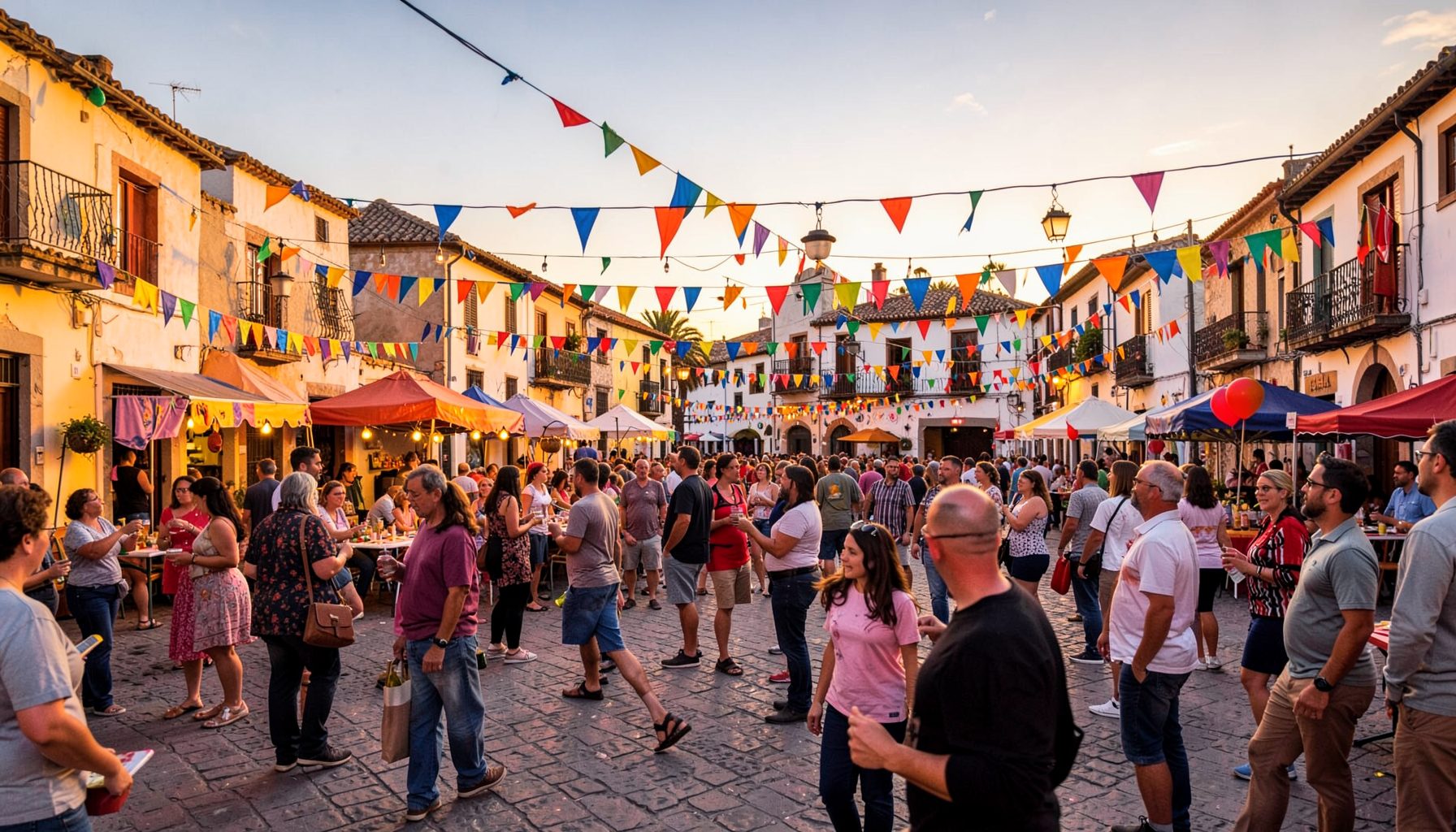
Join the conversation in the Agudo community forums. Access the Foro antiguo archive and participate in discussions with fellow residents and visitors.
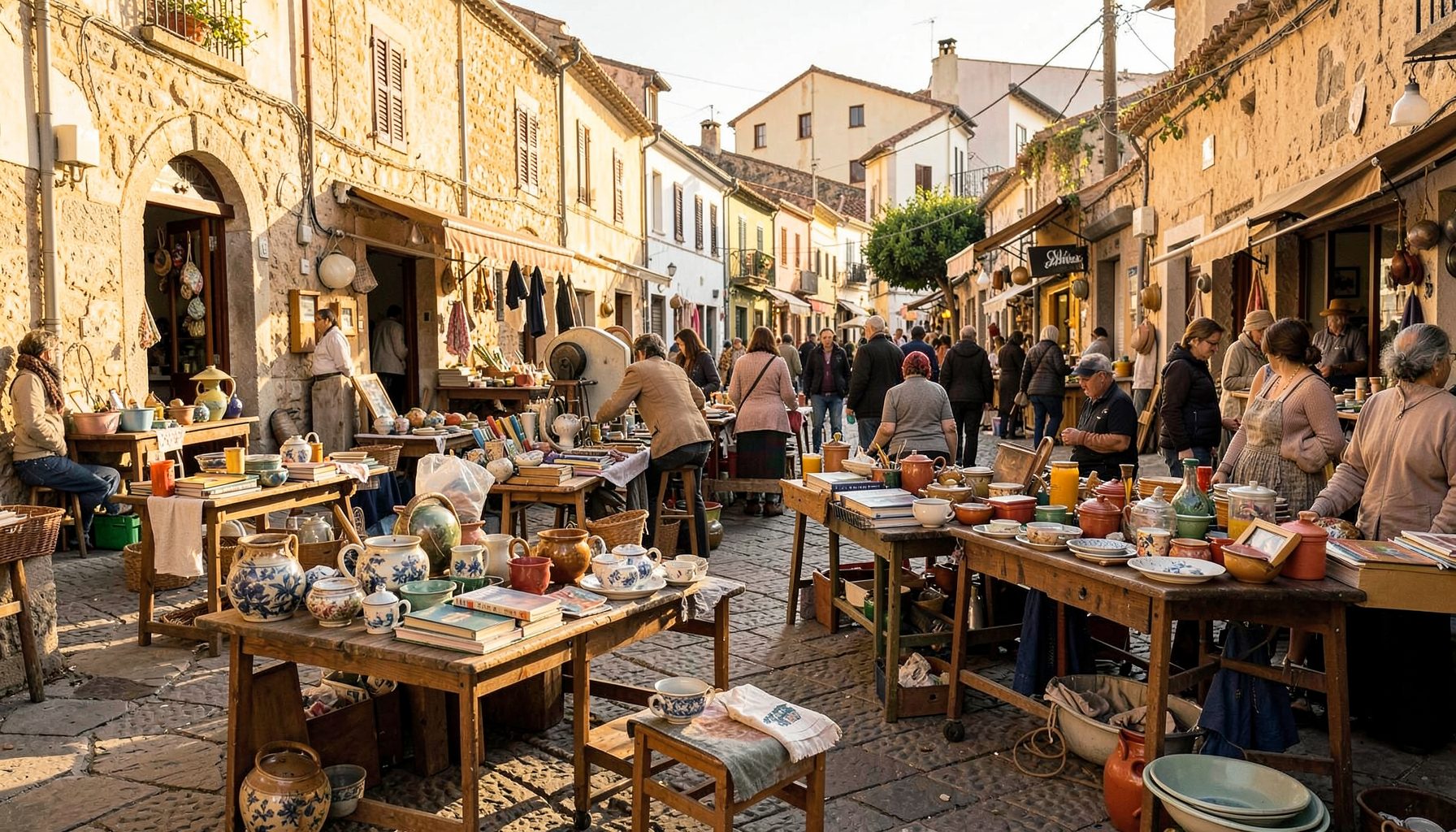
Browse local second-hand listings in the Agudo area. A convenient marketplace for buying and selling within the community.
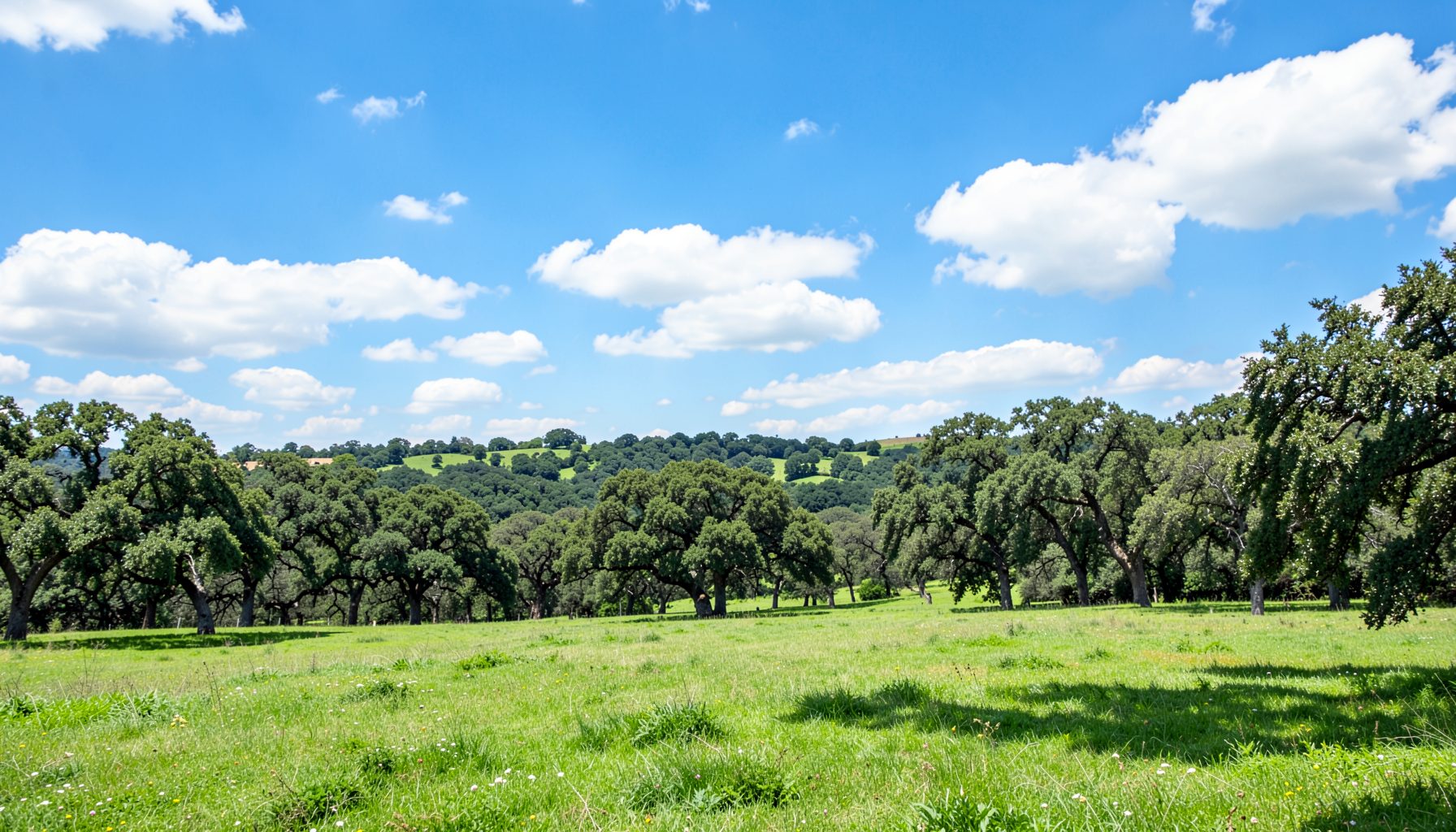
Explore our directory of recommended links, including the Ayuntamiento de Ciudad Real, Lagunas de Ruidera, Parque de Cabañeros, Agudo Joven, and Balneario Cervantes.
Access practical tools including Prensa links, radio, horóscopo, Loterías results, a leisure guide, recipes, a dictionary, and Street View integration.
Watch videos showcasing Agudo and the surrounding region. A visual tour of local life, landscapes, and community events.