

Stay informed with local news updates covering Agudo and the surrounding region. Browse the Hemeroteca for past articles and keep up with what matters in the community.
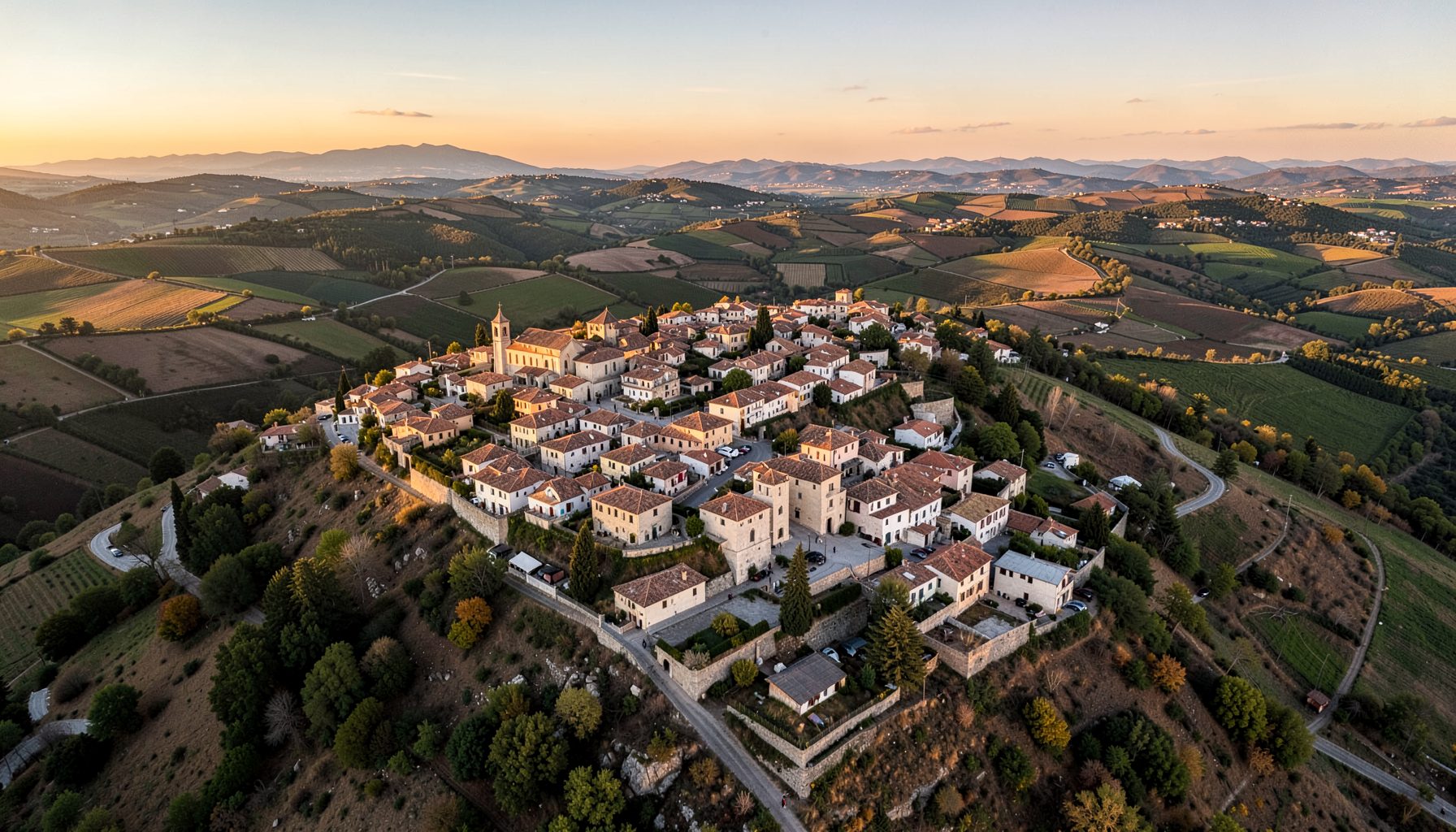
Neighbours living beside Carril de los Huertos in Agudo are calling for a proper pavement after years of walking along an uneven roadside with limited protection from traffic. The complaint concerns a basic piece of public infrastructure, yet it affects school journeys, access to homes, deliveries and everyday movement through this part of the town.
Residents say the road becomes especially difficult after rain, when mud and puddles narrow the space available for pedestrians. Older people, parents with prams and anyone using a mobility aid face the greatest difficulty. The issue has also drawn attention from former residents who continue to follow local affairs through Agudo’s digital community channels.
Neighbours of the Carril de los Huertos complain about the lack of pavement. They describe a route where people must share the edge of the carriageway with vehicles rather than use a defined pedestrian path. In some stretches, the ground is uneven, and parked cars or overgrown verges can make the usable space even narrower.
The concern is not limited to comfort. Without a kerb, drainage channel or continuous footpath, pedestrians can be forced closer to moving traffic. Rainwater can wash soil onto the road, while loose stones create a slipping risk. For residents carrying shopping, walking children or travelling between homes and the town centre, a short distance can become an uncomfortable daily obstacle.
The request is familiar to Australian readers, who generally say “footpath” rather than “pavement”. In places such as Ballarat or Wagga Wagga, a missing footpath beside a residential road can quickly become a council issue because it affects accessibility, school routes and the connection between a neighbourhood and local shops.
| Issue | Current concern | Practical improvement |
|---|---|---|
| Pedestrian safety | People walk beside vehicles | A separated, continuous footpath |
| Wet weather | Mud, puddles and runoff affect access | Kerbing and suitable drainage |
| Accessibility | Uneven ground restricts prams and mobility aids | A firm, level surface with safe crossings |
| Night-time movement | Limited definition of the walking route | Clear edges and adequate lighting |
| Maintenance | Weeds and loose material reduce usable width | A regular inspection and maintenance programme |
Carril de los Huertos is more than a road serving a few individual properties. Routes on the edge of a small town often connect residential areas, agricultural plots, garages and walking routes used by people who know the district well. A lack of formal infrastructure can remain overlooked until a fall, a near miss or a serious access problem brings it into public view.
A properly designed pavement would need to respond to the character of the area. The solution may not require a large urban boulevard. A modest path with a stable surface, defined drainage and safe points where pedestrians can cross could make a significant difference. The design should also account for gates, driveways, rainwater flow and the movement of farm or service vehicles.
Australian councils face similar questions around “nature strips”, the grassed area between a kerb and private property. A footpath cannot simply be laid without considering trees, driveways, underground services and stormwater. The same practical approach would help Agudo avoid creating a path that is difficult to maintain or that shifts the problem from pedestrians to property owners.
The wider principle is straightforward: a public route should be usable by people with different ages and abilities. Accessibility is not only relevant in the centre of town. It also matters on residential approaches, where a person may need to reach a bus stop, medical appointment, neighbour’s home or community event without depending on a car.
Residents are likely to look for a clear response from the Ayuntamiento: whether the route has been inspected, whether a technical report exists and how the work could be financed. A transparent explanation would help clarify whether the council is considering a full pavement, a lower-cost temporary treatment or a staged project completed in separate sections.
The first step should be an on-site assessment after wet weather as well as during dry conditions. Engineers can identify the points where water collects, measure the available width and establish how a path would interact with driveways and road traffic. Residents’ knowledge is valuable here because they see the route at different times of day and know which sections become impassable.
Funding may determine the pace of action. Municipal budgets are limited, particularly in smaller communities, so the project could potentially be linked to road maintenance, accessibility works, drainage improvements or regional infrastructure programmes. A published timetable, even if it begins with design and costing rather than construction, would give neighbours a more reliable basis for planning.
For readers who follow road design and access questions beyond Spain, a Route 22 resource offers a broader example of how busy transport corridors raise concerns about safety, crossings and connections between neighbourhoods. Carril de los Huertos is a very different setting, but the underlying expectation is similar: people need a predictable and protected way to move around their community.
Residents’ complaints should not be dismissed as a request for cosmetic improvement. A footpath can determine whether someone walks independently or has to ask for a lift. It can decide whether a parent feels comfortable taking a child along the route, and whether an older neighbour can remain connected to local life.
The problem becomes sharper during winter rain and in the darker hours of the day. Even where traffic volumes are modest, a driver may have little room to react when a pedestrian steps around a puddle or an obstruction. A continuous surface would reduce uncertainty for both walkers and motorists.
The Australian experience shows why small gaps in pedestrian networks receive sustained attention. In suburban Adelaide, Newcastle or regional Queensland, residents often raise missing links through council consultation, community Facebook groups and local “walkability” campaigns. They may call a council customer service line, quote the road name and document the problem with photographs. Similar evidence from Agudo could help turn a general complaint into a well-defined public works case.
Community reporting also has a role. Dated photographs showing the route in dry and wet conditions, notes about near misses and information about who uses the road can help establish the pattern. Such material should be shared responsibly, without identifying private individuals or creating conflict with property owners.
A constructive campaign can keep attention on the public benefit while giving the council useful information. Residents, local groups and municipal staff could consider the following actions:
These steps would also make it easier to compare alternatives. A permanent paved footpath may be the best long-term answer, while an interim compacted surface or improved drainage could reduce risk during the planning period. Any temporary measure should have a maintenance commitment and a date for review, rather than becoming an indefinite substitute.
The discussion belongs within Agudo’s broader community life. Local residents rely on roads and paths to reach shops, public buildings, schools and cultural activities, while people living elsewhere often stay connected through the town’s images, videos and archive. Recent local interest in public places, including the church bell restoration, shows how improvements to shared spaces can carry significance beyond the immediate construction work.
A response to Carril de los Huertos would demonstrate how local government handles a practical concern before it becomes an emergency. Neighbours are asking for a route that is safer, more accessible and appropriate for the town’s future. Agudo residents can send clear reports, photographs and updates to the local portal so the condition of the road remains visible and the request for action continues to receive public attention.
Stay informed with local news updates covering Agudo and the surrounding region. Browse the Hemeroteca for past articles and keep up with what matters in the community.
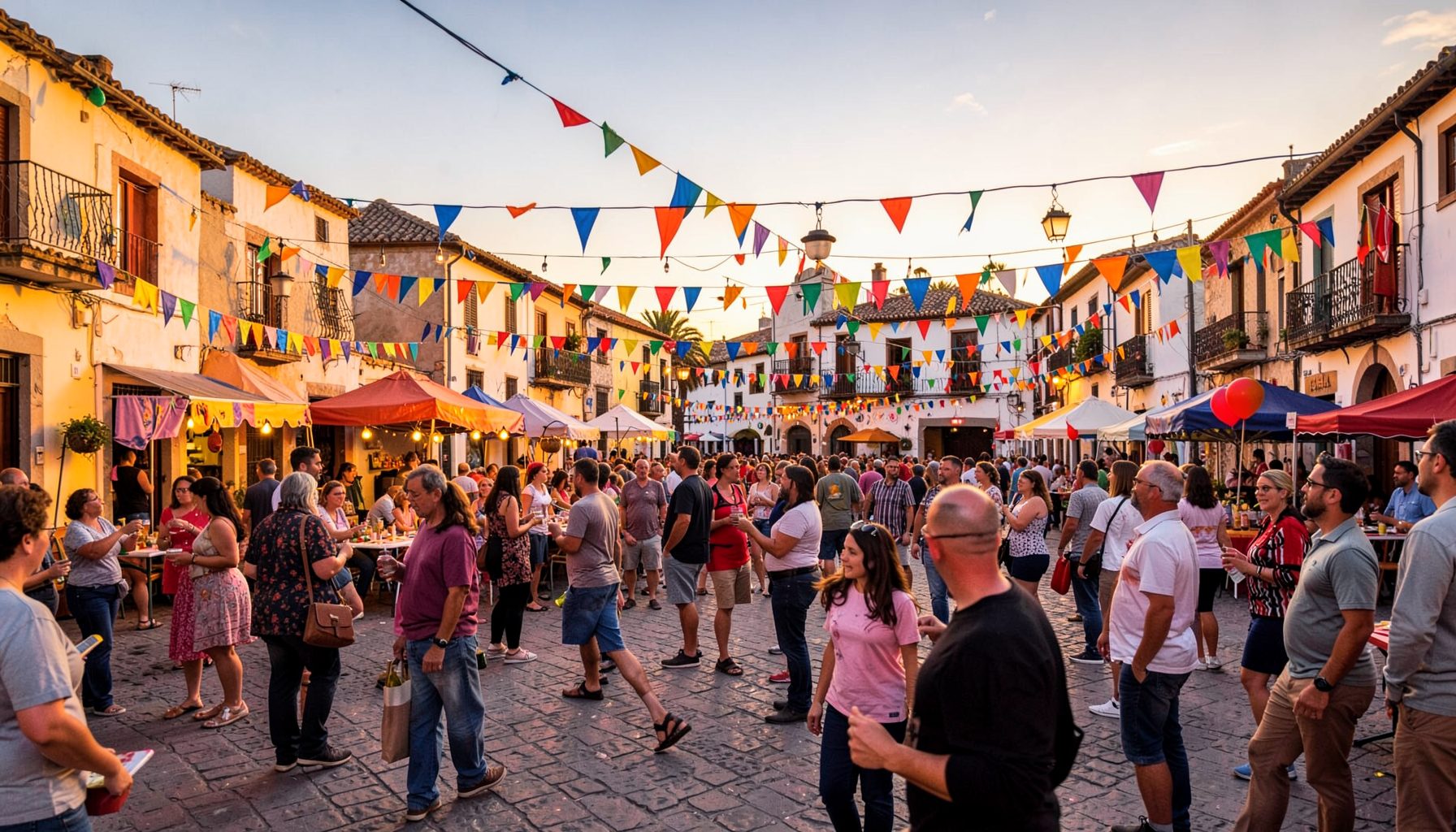
Join the conversation in the Agudo community forums. Access the Foro antiguo archive and participate in discussions with fellow residents and visitors.
Browse local second-hand listings in the Agudo area. A convenient marketplace for buying and selling within the community.

Explore our directory of recommended links, including the Ayuntamiento de Ciudad Real, Lagunas de Ruidera, Parque de Cabañeros, Agudo Joven, and Balneario Cervantes.

Access practical tools including Prensa links, radio, horóscopo, Loterías results, a leisure guide, recipes, a dictionary, and Street View integration.
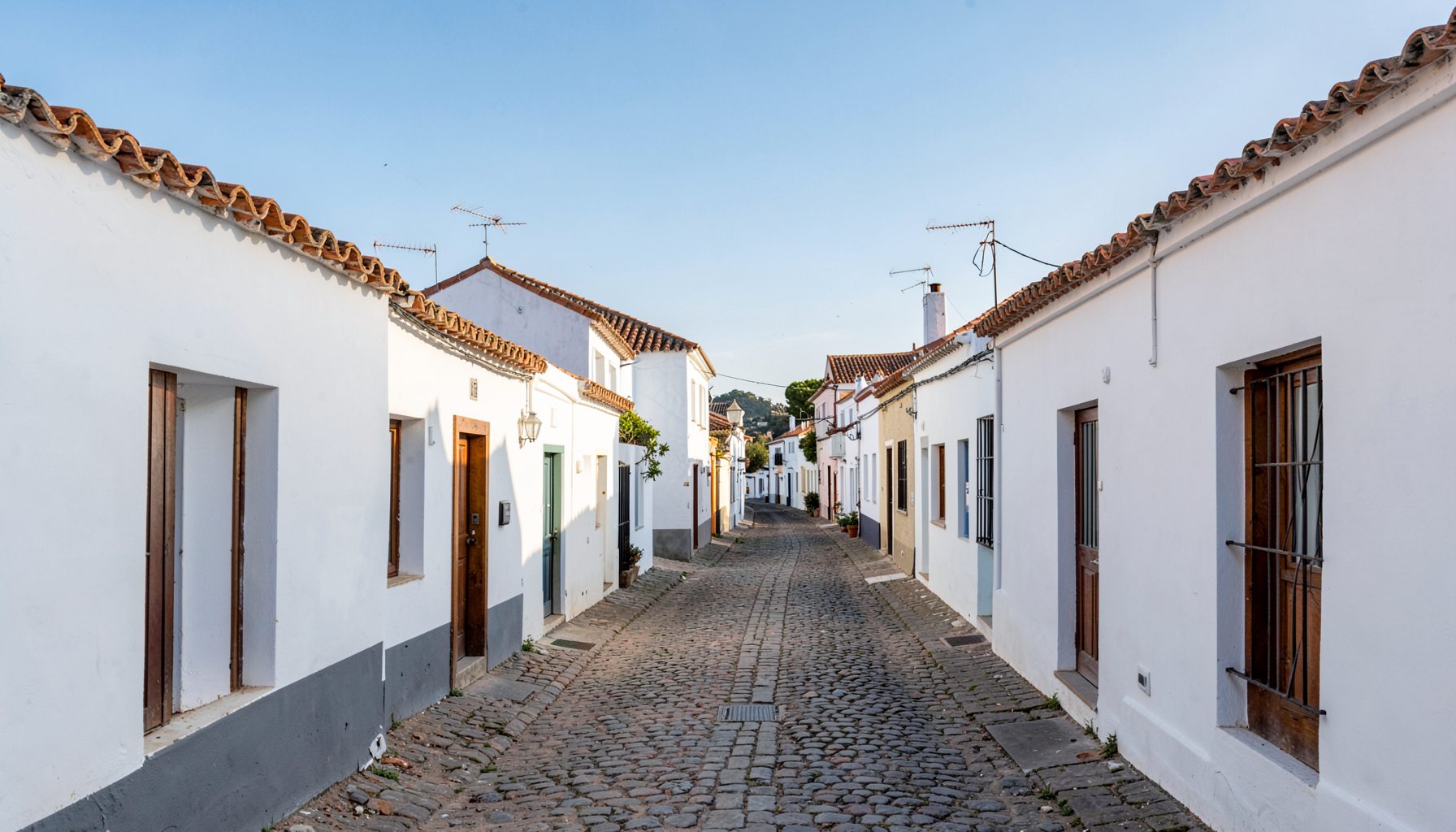
Watch videos showcasing Agudo and the surrounding region. A visual tour of local life, landscapes, and community events.