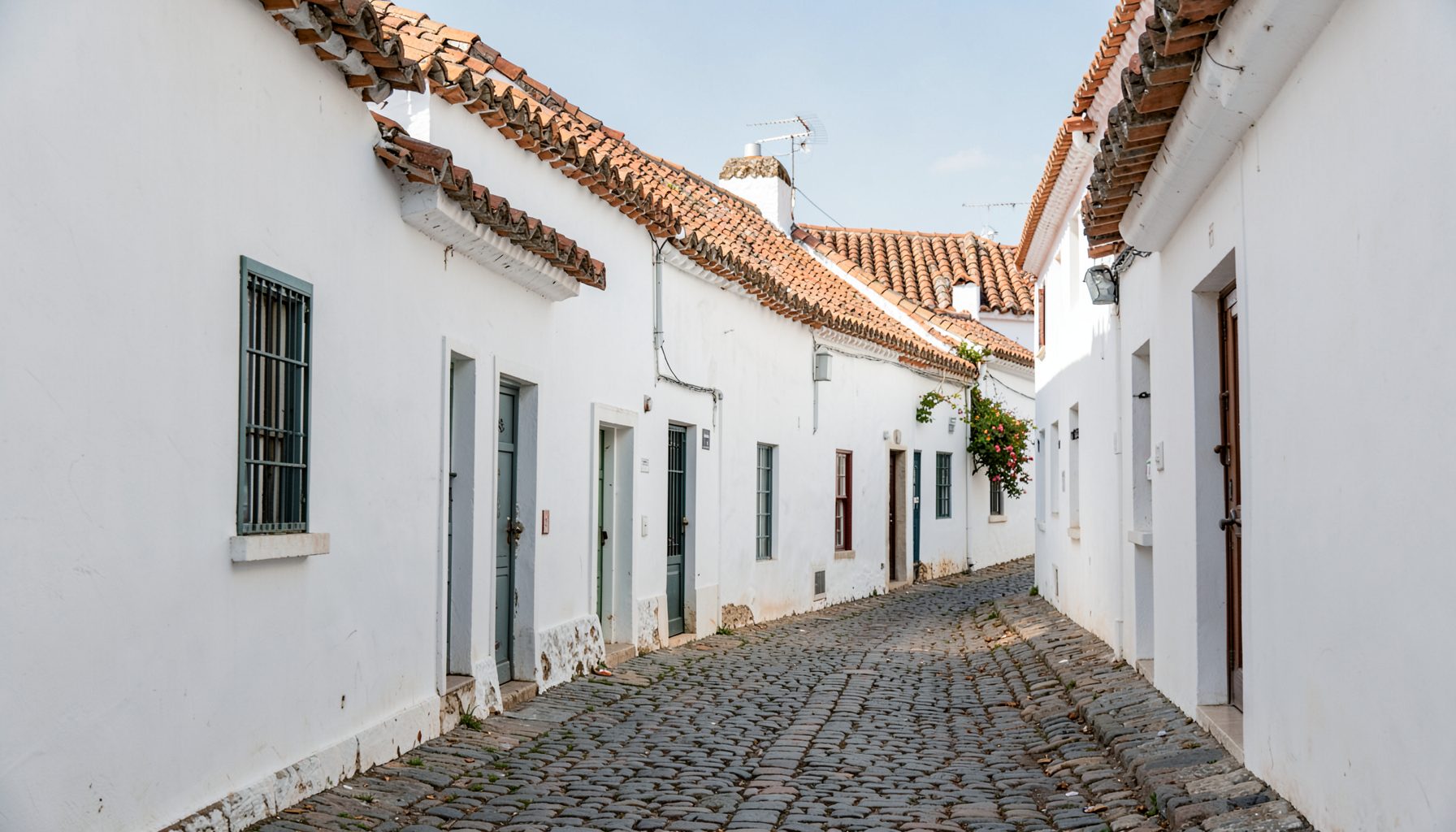


Stay informed with local news updates covering Agudo and the surrounding region. Browse the Hemeroteca for past articles and keep up with what matters in the community.
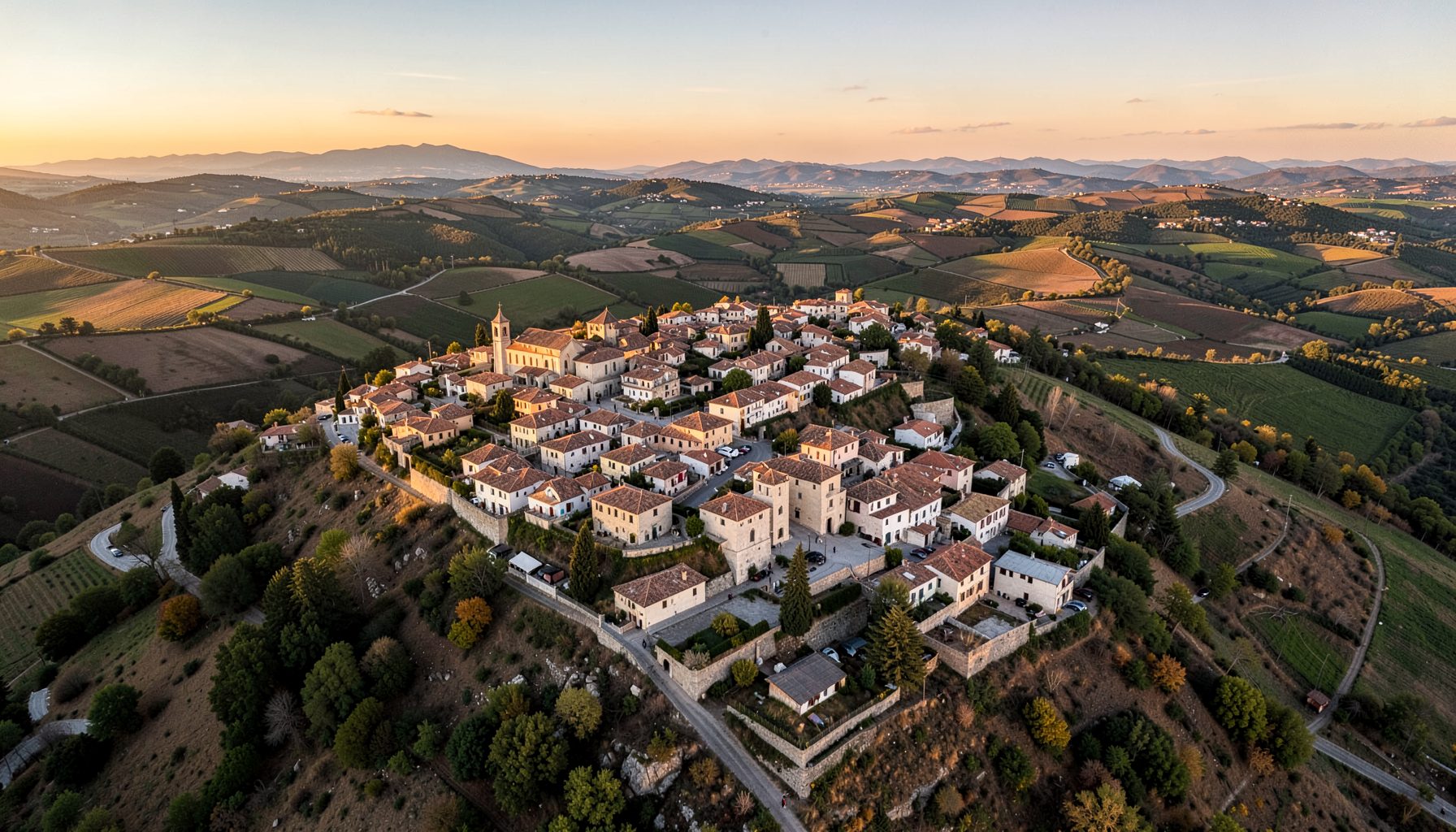
A schoolgirl from Agudo, in Ciudad Real, has qualified to represent her area at a regional spelling bee. Her place in the competition follows school-level word work, careful listening and steady practice, turning a classroom skill into a moment of local pride. She will now meet other successful pupils from across the wider Castilla-La Mancha region of Spain.
For families in Australia, the story will feel familiar. Spelling contests reward patience, memory and courage, and schools, parents and local media often share in the excitement when a young reader earns a place at the next level. The recognition celebrates more than memorised vocabulary.
Agudo's success also deserves to stand on its own. The pupil still needs curiosity, resilience and enjoyment in the next round, while her community gains a positive example of persistence. That balance between support and genuine encouragement is central to the achievement.
The milestone gives a small municipality in Ciudad Real a reason to celebrate education beyond exam results and attendance figures. A pupil who qualifies for a regional event becomes a familiar source of pride for classmates, teachers, relatives and neighbours. It also gives local news outlets something constructive to report: the steady development of a young person's confidence.
| Agudo competition setting | Australian school parallel |
|---|---|
| Qualification for a regional Spanish-language contest | Advancement from school or local rounds to a state or national spelling event |
| Classroom dictionaries, accent practice and close listening | Similar preparation using Australian spelling conventions and an agreed school dictionary |
| Praise from family, school and the local portal | Assembly announcements, parent newsletters, community papers and sponsor messages |
| A young reader represents her hometown | A pupil represents her school, district or wider community |
That local scale is part of the appeal. A regional success is significant without making the story feel distant from daily life in Agudo. The pupil still lives, studies and learns among the same families and businesses that support local activities. Her advancement connects the classroom with the wider community, turning individual effort into a shared occasion.
Spelling competitions can look like tests of instant recall, yet successful preparation is usually built through ordinary routines. Words are read aloud, checked in a dictionary, used in context and revisited after a pause. This process strengthens spelling, listening and expression at the same time. It also teaches a pupil to trust close attention rather than guessing from a familiar-looking word.
Her advancement suggests she has handled that discipline with care. At regional level, the margin for error may be narrow, and the sound of a word can change how listeners judge it. Clear pronunciation and steady pacing help, as does familiarity with the contest's expected dictionary and rules. The competition rewards preparation that can be applied under pressure.
Australian families often approach similar tasks with a practical mix of encouragement and good humour. A child might practise with a sibling, rehearse with an old dictionary or join a library spelling session before the school contest. Such routines feel manageable because they fit around homework, sport and other commitments. A short session followed by a proper break can be more useful than a long final push.
Spelling contests offer a public way to celebrate a skill that is often developed quietly. The pupil has learned to notice small differences between words, a habit that supports reading and written communication beyond the contest hall. Accuracy becomes visible, while expression and confidence grow alongside it.
Recognition can also help a school community see the value of persistence. The result is easy to announce, but the habits behind it require patience over weeks and months. Teachers can point to a pupil's willingness to keep correcting, listening and trying again. That is a more useful model of achievement than a single winning answer.
The strongest message is to treat the competition as an opportunity rather than a verdict. A regional appearance offers new experience, and the student can meet peers who share the same interests. Whether she advances again is only one measure of the day. Enjoyment, composure and the ability to learn from mistakes all remain valuable long-term outcomes.
Agudo sits in the province of Ciudad Real in south-central Spain, and its compact community makes public achievements especially noticeable. Local schools, families and community organisations form much of the daily network around a child. News about a pupil's success therefore travels easily through conversations, school assemblies and neighbourhood groups. It is a distinctly local story with an audience that extends well beyond the town.
Australian readers will recognise the basic rhythm of school life: competitions run by teachers and parent volunteers, preparation sessions in school rooms or public libraries, and results shared in newsletters and local papers. In smaller places such as Bendigo, Tamworth and Wagga Wagga, community halls and district libraries can serve as useful meeting spaces. Local businesses often sponsor prizes or publicise student successes through shop windows and social media.
Spelling also has a different home-language setting in Australia. Students may use British-based spellings such as colour, favourite and organised, while some dictionaries accept -ize forms, so schools often specify a preferred dictionary and house style. Australian families may speak more than one language at home, adding another layer to pronunciation and vocabulary. The shared lesson is that fairness comes from clear rules, suitable materials and respect for every pupil's background.
The common ground is community participation. A school event becomes a local occasion when families attend, local media recognise achievement and volunteers lend time. Australian encouragement often arrives in familiar, informal language, from a quick “good luck” at the school gate to “well done” in the local paper. In Agudo, community support can follow the pupil through local coverage; in an Australian town, it might mean helping at an assembly or sponsoring a book prize.
Families can support a young speller without turning the experience into a full-time project. The most helpful approach is calm, regular practice built around books the pupil already enjoys. Aiming for progress rather than perfection also keeps the contest in proportion with sleep, friendships and unstructured time.
Support works best when adults coordinate instead of correcting every mistake from several directions. One shared dictionary, a clear practice schedule and a single point of contact with the school can prevent confusion. Families in Agudo can also use the portal's broader community information when they need a dependable local reference. For everyday health questions, its medication information guide is one such resource, alongside the need to follow product labels and advice from qualified professionals.
Schools create much of the confidence behind a pupil's performance, but community participation widens the benefit. In Agudo, a local portal can connect families with school notices, cultural activities, archived news, radio, weather updates and discussion forums. These services help residents stay informed without relying on scattered social posts. They also give local organisations a visible way to support young people.
Agudo Ciudad Real's reporting on a teen tech-help network that pairs tech-savvy teenagers with older residents for device support shows another side of community participation. Digital skills can become a service to neighbours, while young volunteers gain communication and responsibility. Young people develop useful experience, older residents receive practical assistance, and the relationship between generations becomes more connected.
Follow Agudo Ciudad Real as the pupil prepares for the regional round, and share the achievement with school families, former residents and community groups. Local coverage can keep supporters informed about travel arrangements, public recognition and the wider value of taking part. A consistent message from home is to enjoy the words, trust the preparation and meet the next challenge with composure.
Make room in the next round for the pupil to experience the competition on her own terms, surrounded by people who value effort as well as results. The community can celebrate Agudo through public recognition, messages of encouragement and interest in her progress. Her advancement has already given the town a notable moment; the next chapter belongs to the confident reader stepping forward from the local stage.
Stay informed with local news updates covering Agudo and the surrounding region. Browse the Hemeroteca for past articles and keep up with what matters in the community.

Join the conversation in the Agudo community forums. Access the Foro antiguo archive and participate in discussions with fellow residents and visitors.
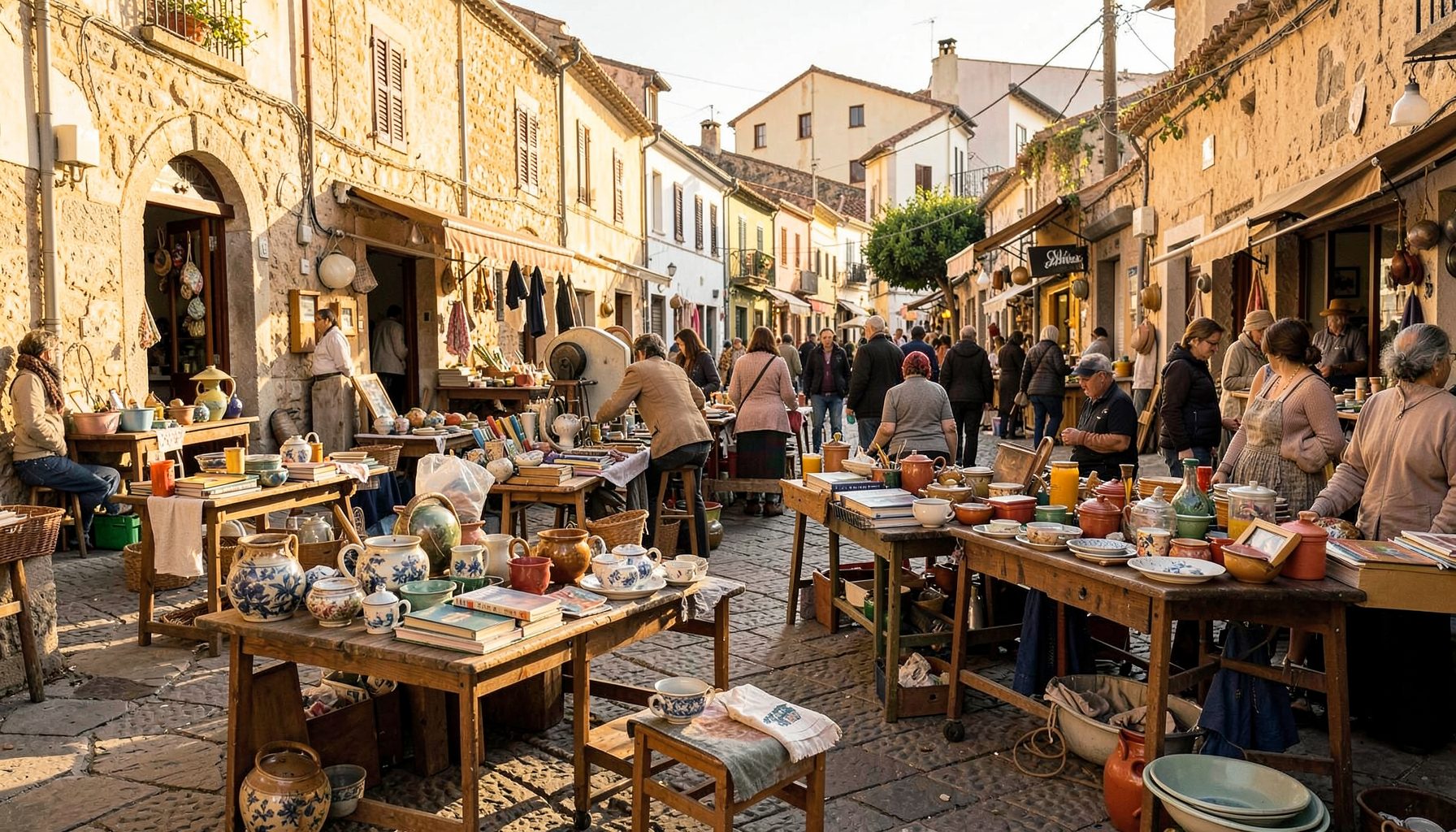
Browse local second-hand listings in the Agudo area. A convenient marketplace for buying and selling within the community.
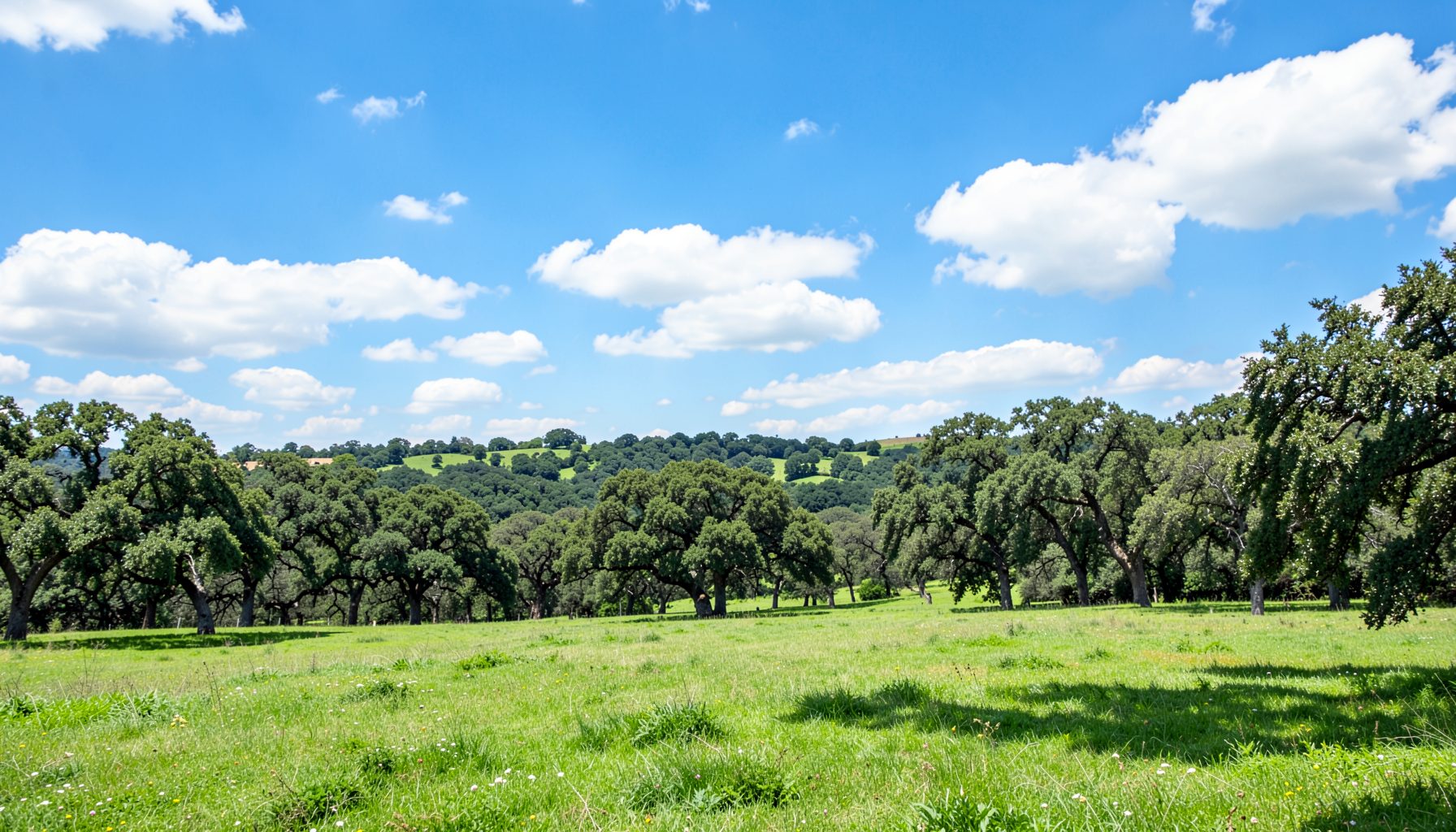
Explore our directory of recommended links, including the Ayuntamiento de Ciudad Real, Lagunas de Ruidera, Parque de Cabañeros, Agudo Joven, and Balneario Cervantes.
Access practical tools including Prensa links, radio, horóscopo, Loterías results, a leisure guide, recipes, a dictionary, and Street View integration.

Watch videos showcasing Agudo and the surrounding region. A visual tour of local life, landscapes, and community events.