Stay informed with local news updates covering Agudo and the surrounding region. Browse the Hemeroteca for past articles and keep up with what matters in the community.
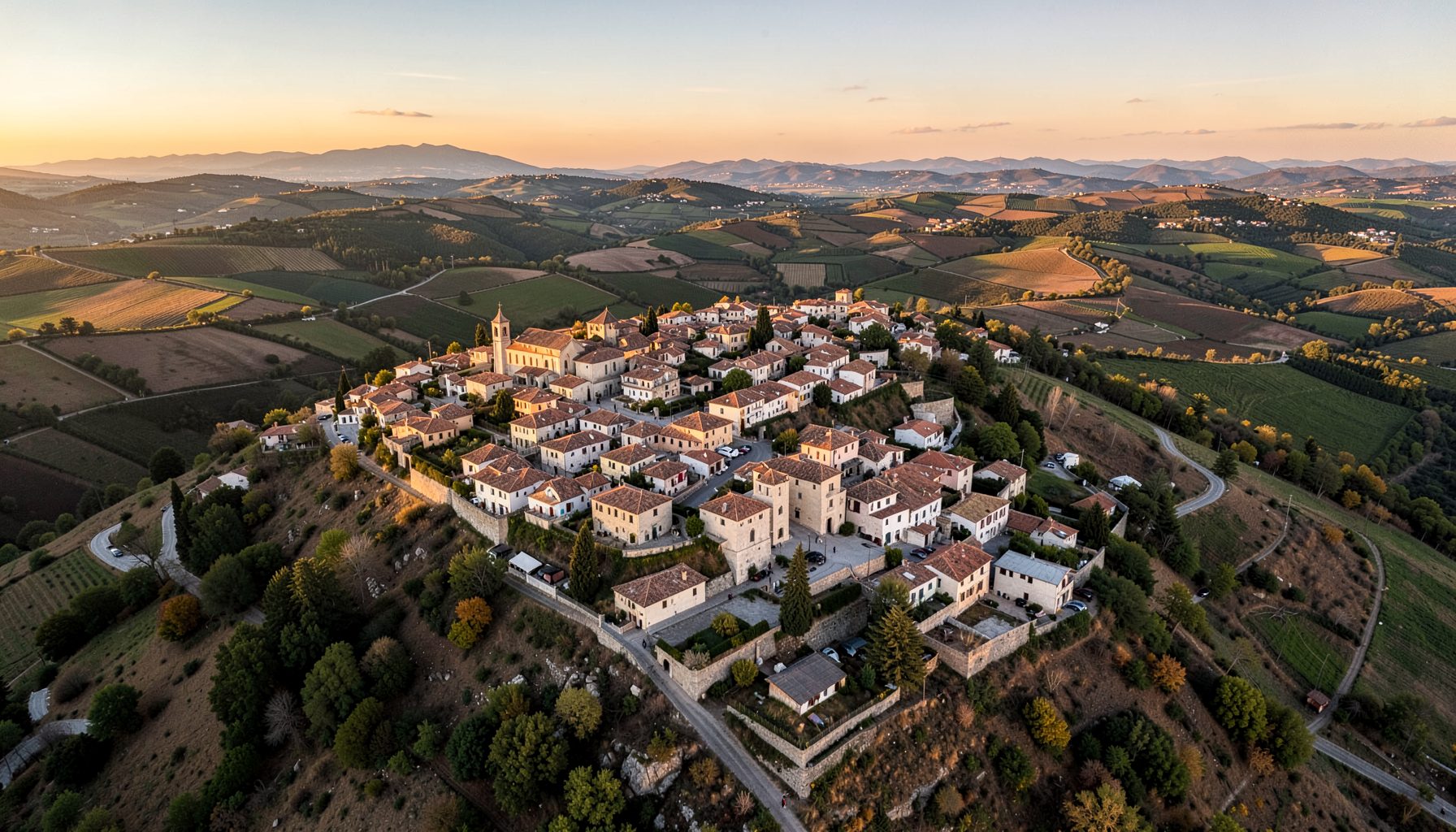
After 35 years of carrying letters, parcels and personal news across Agudo and the surrounding comarca, a local postwoman has completed her final rounds. Her retirement marks the end of a working life built around familiar streets, trusted routines and thousands of brief conversations at gates, doorways and village counters.
For many residents, the postal service has been far more than a way to move envelopes. It has connected families living in different provinces, delivered official documents, brought birthday cards from overseas and provided a reassuring daily presence in an area where personal relationships still matter.
The farewell has also prompted former residents to remember the role she played in their own lives. In a rural community, the person delivering the mail often knows which households are waiting for medical appointments, exam results, family photographs or news from relatives who moved away.
Over three and a half decades, the postwoman’s route changed with the seasons, the weather and the needs of the community. Some mornings brought a modest bundle of letters; others involved parcels, registered deliveries and documents that could not be left unattended.
The work demanded patience and consistency. Summer heat, winter cold and long stretches between addresses were part of the routine, as were the small delays created by a neighbour needing help with a form or an older resident wanting to exchange a few words.
That familiarity made the service personal. People often recognised the sound of the vehicle before seeing who had arrived, while the postwoman could identify many homes by the names of several generations who had lived there.
In Agudo, a delivery could carry emotional weight far beyond its size. A handwritten letter from a son or daughter living in Madrid, Valencia or abroad might be read and reread. A parcel could contain medication, a gift from a grandchild or something ordered from a business too far away for a quick visit.
The role was especially significant for older residents and people living alone. A regular delivery offered a moment of contact and a practical check-in. The exchange might last only a minute, yet it formed part of the social fabric of the town and nearby rural areas.
This is a familiar pattern in regional Australia, where a local postie may cover wide distances between properties and become a dependable link for residents. In places where people say “good on ya” to acknowledge a job well done, a farewell to a long-serving postal worker can feel like a community occasion rather than a private employment milestone.
Knowing the comarca meant understanding more than addresses. It meant recognising farm entrances, seasonal access problems and the difference between a town delivery and a remote rural stop. It also meant remembering which homes had changed occupants and which families preferred parcels to be collected at a central point.
That knowledge cannot be replaced quickly by a printed route sheet. It is accumulated through observation: a gate that is difficult to open after rain, a household that needs an extra knock, or a neighbour who can safely accept a delivery when someone is away.
Australian readers will recognise the same value in regional towns from the Riverina to North Queensland. A postie working from a local depot may navigate unsealed roads, cattle grids and vast distances, while still knowing which customers prefer a parcel left in a particular safe place. The scale differs, but the trust is similar.
The farewell arrives as Agudo continues to invest in community life and education. Local projects give younger residents reasons to learn, participate and imagine a future linked to their home region. A recent greenhouse and hydroponics project at the secondary school is one example of practical learning with a strong environmental focus.
Projects like this show how rural communities preserve continuity while adapting to new needs. The postal route belongs to an older form of connection, but students working with water-saving systems, technology and sustainable food production are building a different kind of local network.
Educational resources can also connect communities beyond their immediate geography. Sites such as education resource platforms demonstrate how learning materials and ideas can travel digitally, even when the people using them live far from major centres.
Postal work has changed considerably since the postwoman began. Letters remain important, but online shopping has increased parcel traffic, while government and business communication has moved towards email and digital portals. Tracking numbers, delivery notifications and collection points are now part of ordinary postal life.
For customers, the shift can be convenient, yet it can also remove some of the human contact once built into everyday services. A parcel locker or automated message is efficient, but it cannot recognise a resident by name or notice that a neighbour may need a little extra assistance.
| Earlier Postal Routine | Current Postal Reality |
|---|---|
| Letters formed much of the daily workload | Parcels and online shopping deliveries are increasingly prominent |
| Many updates arrived on paper | Notifications often arrive by phone or email |
| Local knowledge guided nearly every stop | Digital tracking and route systems support delivery work |
| The postwoman was a familiar community contact | Customers may use lockers, collection points and counters |
| News travelled at the pace of the route | Messages can cross the world instantly |
Australia has experienced a similar transition through Australia Post, parcel lockers and home delivery growth. In a regional Australian market, convenience competes with distance: a customer may order online in seconds but still depend on a local depot, a reliable driver and a practical collection arrangement.
The strongest tributes are likely to come from people who received mail at different stages of life. Children who once waited for birthday cards may now be adults with families of their own. Residents who met the postwoman as teenagers may have later relied on her for work correspondence, household bills or important official letters.
Her retirement also closes a chapter for colleagues and local businesses. Shops, schools, associations and municipal offices depend on dependable delivery, even when the work remains mostly unseen. The daily route quietly supports administration, commerce and family life.
There is a particular poignancy in retirement after such a long period of service. The final round is not simply the last day of a job; it is the point at which a recurring part of the town’s rhythm changes. Another person will take over the route, but the memories attached to the previous one will remain with the people she served.
Community archives are valuable because ordinary working lives can disappear from the record unless residents preserve them. Photographs, short recollections and details about familiar routes can help future generations understand how Agudo functioned before many services moved online.
Residents and former residents can help protect that history by:
This kind of participation suits the character of a community portal. News reports capture the farewell, while photographs, video and personal accounts preserve the feeling of the occasion. For former residents now living in Australia or elsewhere, those records can provide a meaningful connection to home.
The postwoman’s retirement deserves recognition because it reflects the value of steady service. Her work brought information to doorsteps, but it also carried reassurance, familiarity and a sense that even distant households remained connected.
Agudo residents, former neighbours and families across the comarca can honour that contribution by sharing memories, photographs and messages through local community channels. A long postal route may have ended, yet the stories carried along it still belong to everyone who received them.
Stay informed with local news updates covering Agudo and the surrounding region. Browse the Hemeroteca for past articles and keep up with what matters in the community.
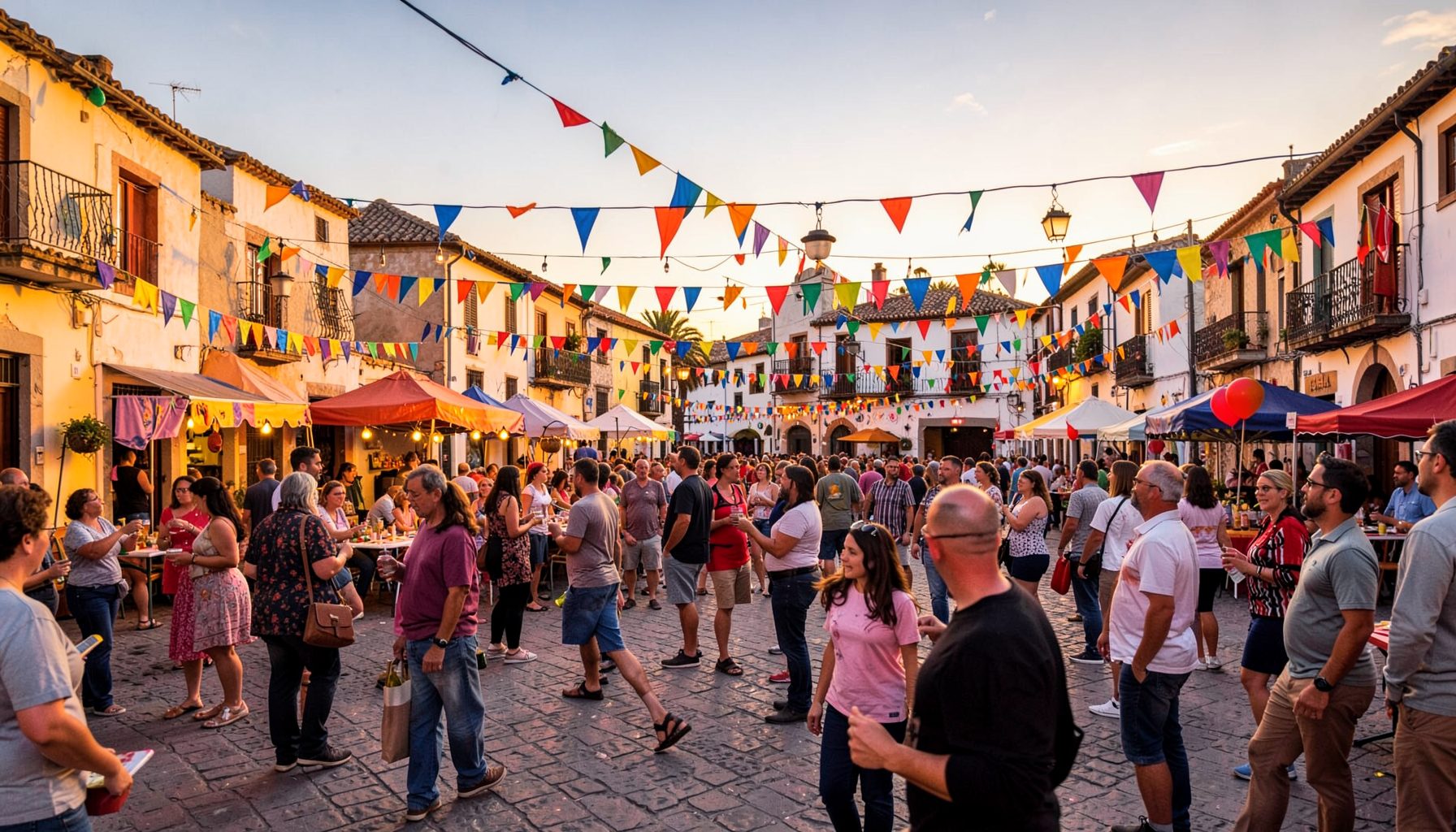
Join the conversation in the Agudo community forums. Access the Foro antiguo archive and participate in discussions with fellow residents and visitors.
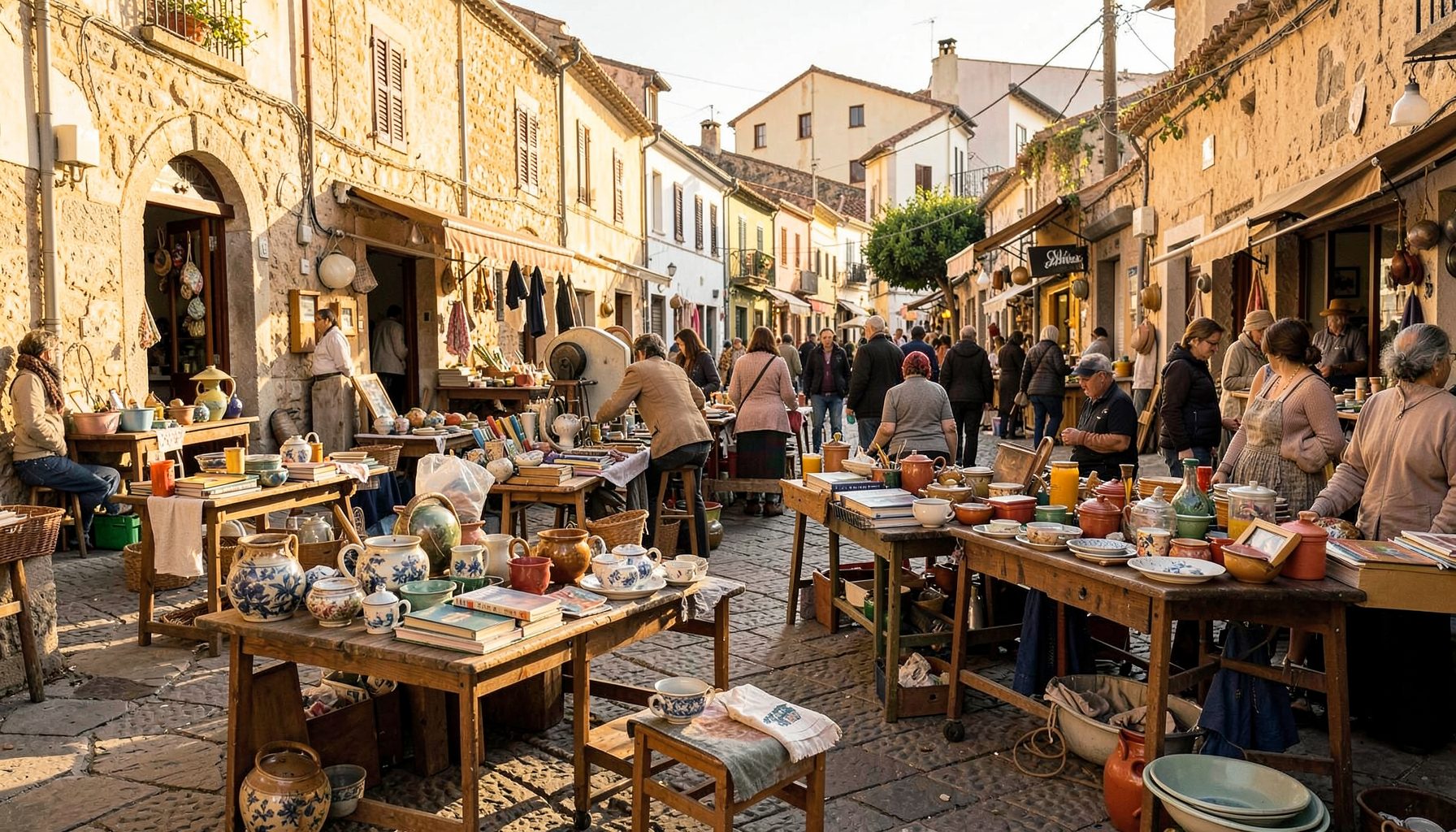
Browse local second-hand listings in the Agudo area. A convenient marketplace for buying and selling within the community.
Explore our directory of recommended links, including the Ayuntamiento de Ciudad Real, Lagunas de Ruidera, Parque de Cabañeros, Agudo Joven, and Balneario Cervantes.
Access practical tools including Prensa links, radio, horóscopo, Loterías results, a leisure guide, recipes, a dictionary, and Street View integration.
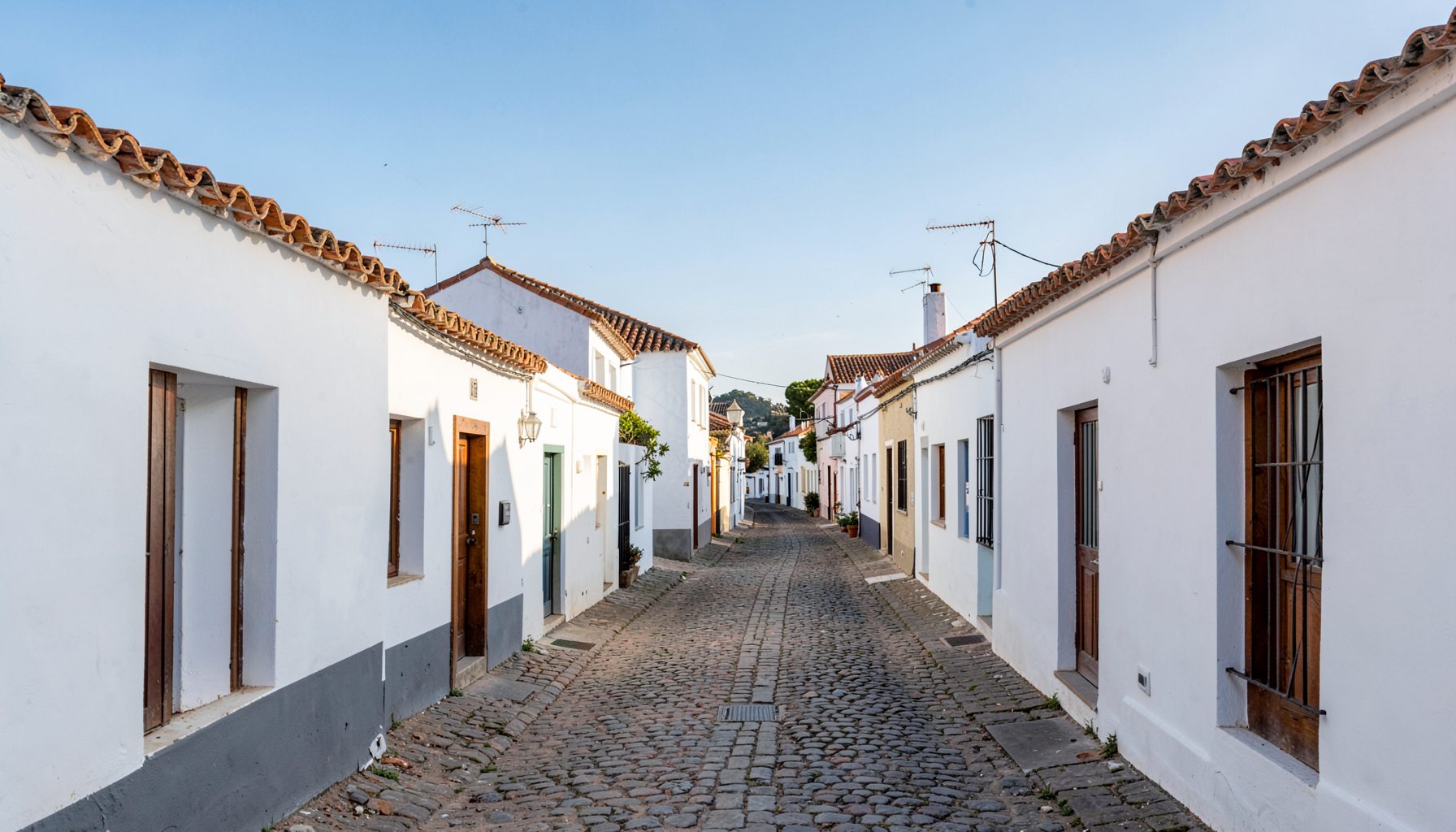
Watch videos showcasing Agudo and the surrounding region. A visual tour of local life, landscapes, and community events.