Stay informed with local news updates covering Agudo and the surrounding region. Browse the Hemeroteca for past articles and keep up with what matters in the community.
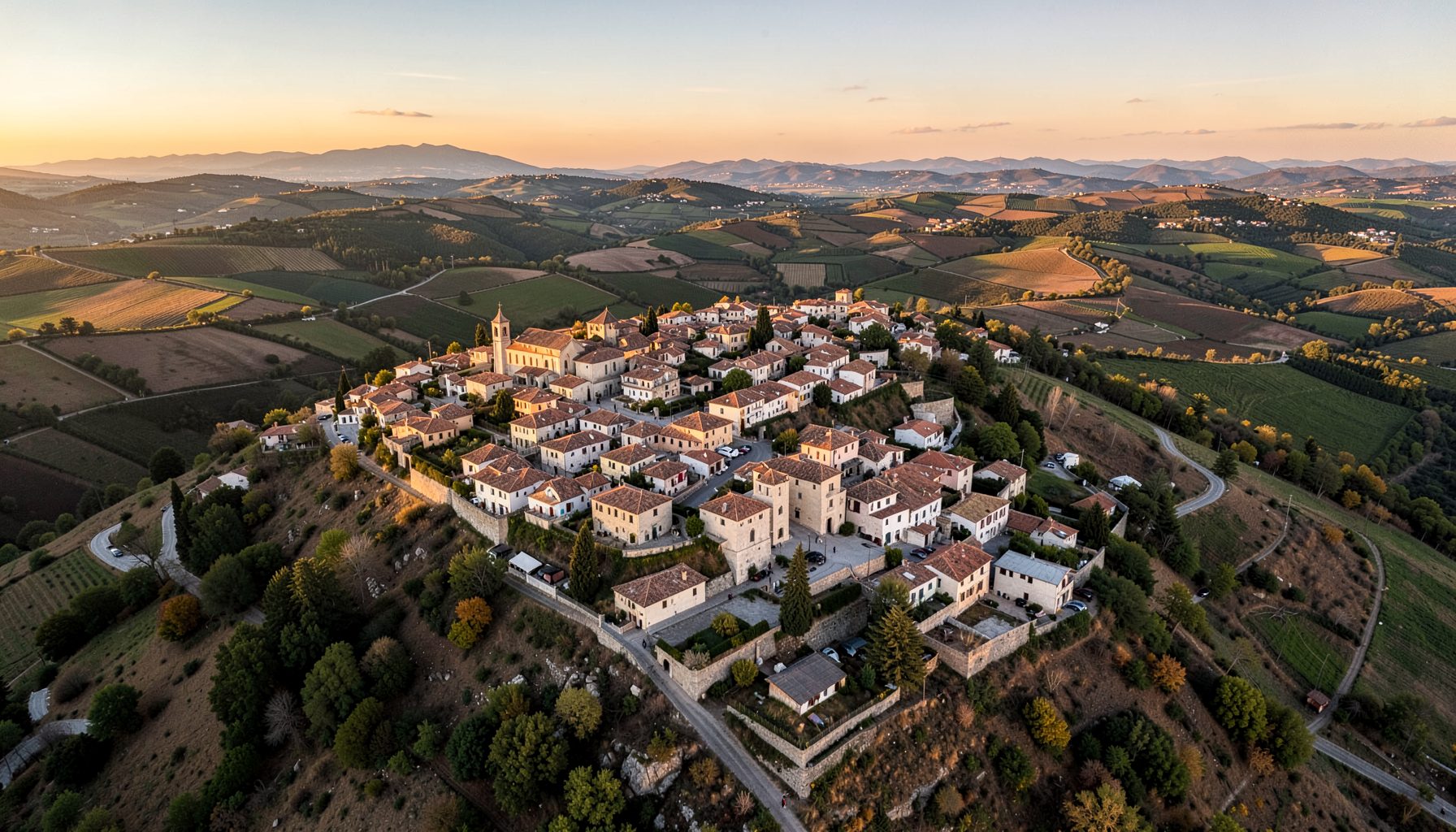
A local beekeeper's honey wins gold at the national competition, bringing a distinctly Agudo story to the Spanish honey table. The award recognises honey produced in the municipality’s rural setting and gives a local enterprise national visibility. For residents of Agudo, the result is a shared moment of pride; for honey drinkers elsewhere, it is an invitation to notice the relationship between a place, its flowers and the flavour inside the jar.
Agudo sits amid the agricultural landscapes of Ciudad Real, where cultivated fields, scrub, gardens and flowering margins provide seasonal forage for bees. The winning lot therefore represents more than a competition entry. It reflects careful hive placement, attentive colony care, timely extraction and the work of preserving a clean, characterful product after the bees have done their part.
The medal also travels well beyond the apiary. Local cafés, shops and event organisers can use it to explain why Agudo belongs on maps of Spanish food and culture. Former residents learning about the result through local news may rediscover the countryside they know, while visitors gain a reason to seek out honey from inland Castilla-La Mancha rather than choosing only by familiar label.
Australian readers already have strong examples of regional honey from places such as Byron Bay, the Hunter Valley, the Adelaide Hills and Margaret River. The comparison is useful but imperfect: Australian honeys often carry distinctive eucalyptus or Manuka notes, while Spanish flowers create different aromas and colours. Both markets reward provenance, careful production and a good match between flavour, place and use.
National honey competitions bring together producers from across Spain, allowing judges to compare colour, aroma, texture, purity and consistency. Agudo’s gold award demonstrates that an inland local product can stand beside entries from renowned Spanish honey regions. It gives the winning beekeeper an achievement that belongs in Agudo’s history as well as in the wider story of Spanish apiculture.
The landscape around Agudo plays an essential part in that success. Fields, uncultivated areas, garden flowers and aromatic plants offer different nectar flows at different times of year. The beekeeper’s skill lies in reading those changes, maintaining strong colonies and extracting each lot at the right stage. The result is a honey shaped by both the surrounding environment and the producer’s decisions.
A medal does not mean every jar will taste identical. Honey varies with rainfall, temperature, plant growth and harvest timing, so the gold-winning batch remains a particular expression of its season. Its real value is the attention it brings to a producer who has demonstrated consistency, technical care and a close understanding of the land around Agudo.
Competition judging combines sensory evaluation with careful examination. Panels may assess whether a honey has a clean aroma, balanced sweetness, an attractive colour and a texture suited to its floral origin. They also look for signs of fermentation, excessive moisture or unwanted flavours. Natural crystallisation is generally treated as a normal property of honey rather than a defect.
Processing can influence the final character. Honey extracted from fully capped comb, allowed to settle and stored at a stable temperature will retain more of its original aroma and texture. Raw honey is processed with minimal heat and filtration, although terms such as “raw” do not guarantee identical practices across every producer. A varietal label such as rosemary, thyme or orange-blossom honey is meaningful only when the floral source can be properly verified.
Clean handling is equally important. Hives, extraction equipment, containers and storage conditions all affect safety and consistency. Traceable information about the apiary and harvest helps buyers understand the product, while a batch or lot number can support accountability. The competition result strengthens confidence in the producer’s methods, but consumers should still look for clear labelling and avoid treating award-winning honey as a substitute for established food-safety standards.
For local shops and food producers, the gold medal can become a point of difference in a crowded market. A jar with a clear Agudo origin invites customers to discover inland Castilla-La Mancha rather than reaching for a generic Spanish label. Cafés can feature it with regional food, while hotels and visitor attractions can use the producer’s story to add substance to their own local guides.
Agudo Ciudad Real’s community forums give residents and former residents somewhere useful to discuss the award, the apiary and the season’s flowering conditions. Conversations about local harvests, recipes and producers can turn a competition result into something more useful: a continuing connection between people who know the area and those discovering it for the first time.
The story also has economic value beyond the winning jar. Recognition can encourage seasonal buying, direct sales and wider distribution while helping consumers understand why origin matters. That matters particularly for a family-run operation, where a medal may lead to new markets without requiring the producer to become a large-scale brand. The most durable growth would connect the honey to Agudo itself, ensuring that the place receives recognition alongside the producer.
Australian honey shoppers are familiar with the idea that a jar can be tied to a particular landscape. Producers around the Hunter Valley often highlight regional sources, Margaret River sellers sell floral varieties at weekend markets, and specialist stores in Adelaide or Melbourne stock honey directly from beekeepers. Many jars are sold by the kilogram, with buyers asking whether they are “raw,” “local” or unblended. Sellers might call a particularly fragrant batch a “beaut,” while shoppers searching for the “proper stuff” tend to value provenance over polished branding.
Spanish honey requires a different tasting frame for many Australian consumers. Eucalyptus and Manuka may provide familiar benchmarks of intensity, while honeys from Agudo can offer floral, herbal or malty notes associated with the plants and climate of Castilla-La Mancha. The colours, crystal patterns and serving qualities can differ too, making a tasting or side-by-side comparison more informative than judging from the label alone.
For an Australian importer or retailer, the market opportunity depends on reliable supply and clear communication. Freight, exchange rates, seasonal availability and compliance with Australian food-labelling requirements all influence the final price. A competition medal provides a strong promotional hook, but the product still needs consistent quality and an honest explanation of where it was produced, how it was processed and why its flavour is worth seeking out.
Regional products become easier to understand when a journey, rather than a supermarket aisle, explains their origin. The Route 22 guide offers a useful example of how a road can become a thread between towns, food and local identity, a principle that fits Agudo’s honey story well.
Check the origin and look for details naming Agudo, Ciudad Real or Castilla-La Mancha. A specific producer, harvest season and floral description provide more confidence than a vague claim of being Spanish.
Compare the texture and aroma with a familiar Australian honey. Notice whether it is fluid, crystallised or spoonable, and identify flavours that might work with tea, bread, yoghurt, cheese or desserts rather than assuming it should taste like Manuka.
Ask how the honey was processed and whether the jar contains a single origin. Raw, unheated, unfiltered and varietal are useful descriptions, but they are not interchangeable and should be supported by clear producer information.
Read the complete label, including net weight, ingredients, lot details, storage instructions and the name of any Australian supplier or importer. A reputable label connects the product to someone accountable for bringing it to the market.
Buy through a channel that supports the producer fairly. A specialist grocer, regional food store, farmers’ market or direct importer can preserve the connection between the apiary and the customer more effectively than an anonymous blend.
A gold award is a reason to taste the honey, not a reason to pay any price. The strongest response is to seek out a producer with a clear story, check that the jar matches that story and enjoy it as a distinctly regional food. Sharing the jar at a tasting or adding it to a weekly shop can also introduce other customers to the landscapes and skills behind Spanish honey.
Anyone following the producer’s progress can use the portal’s local services for practical weather, radio and community updates before visiting a rural producer or attending an Agudo event. Weather affects flowering, hive activity and harvest conditions, making local information relevant to anyone arranging a visit or keeping abreast of the apiary’s season.
Look for the gold-winning honey through a reputable importer or specialist grocer, ask the retailer to tell the Agudo story, and share the jar with someone who values food made close to the land. Every purchase keeps the beekeeper’s work, the surrounding countryside and the distinctive flavour of Agudo on the table.
Stay informed with local news updates covering Agudo and the surrounding region. Browse the Hemeroteca for past articles and keep up with what matters in the community.
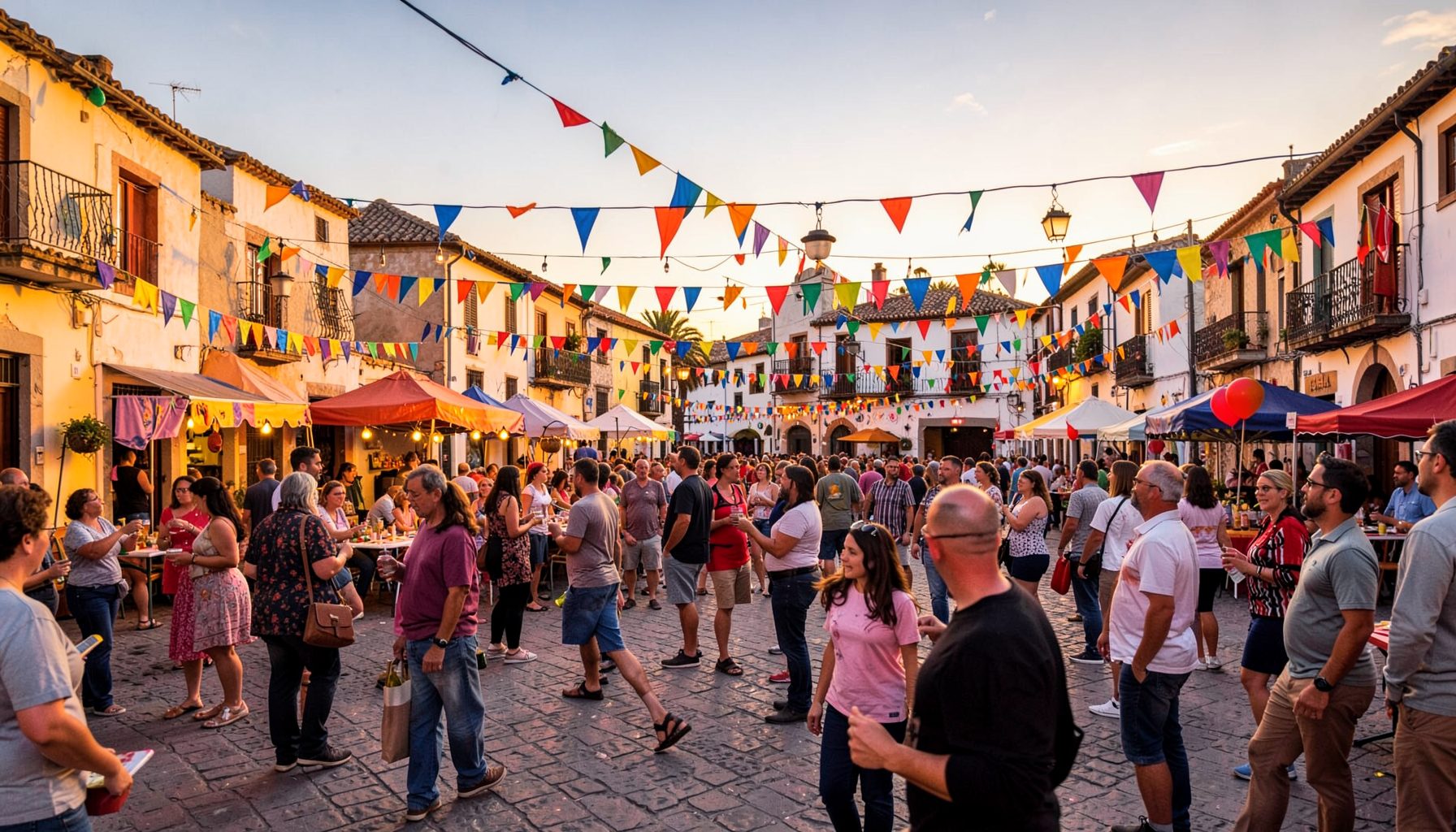
Join the conversation in the Agudo community forums. Access the Foro antiguo archive and participate in discussions with fellow residents and visitors.
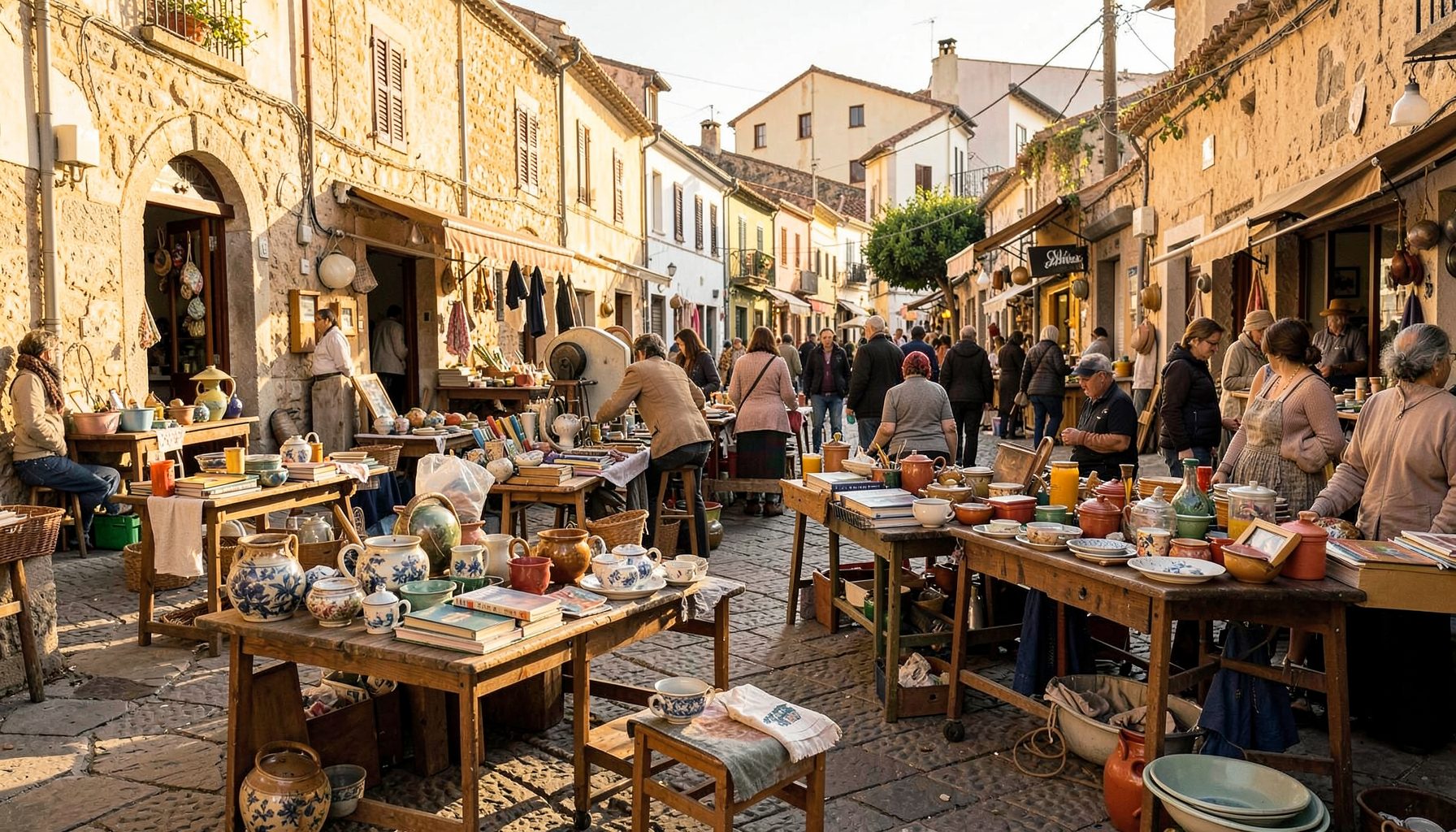
Browse local second-hand listings in the Agudo area. A convenient marketplace for buying and selling within the community.
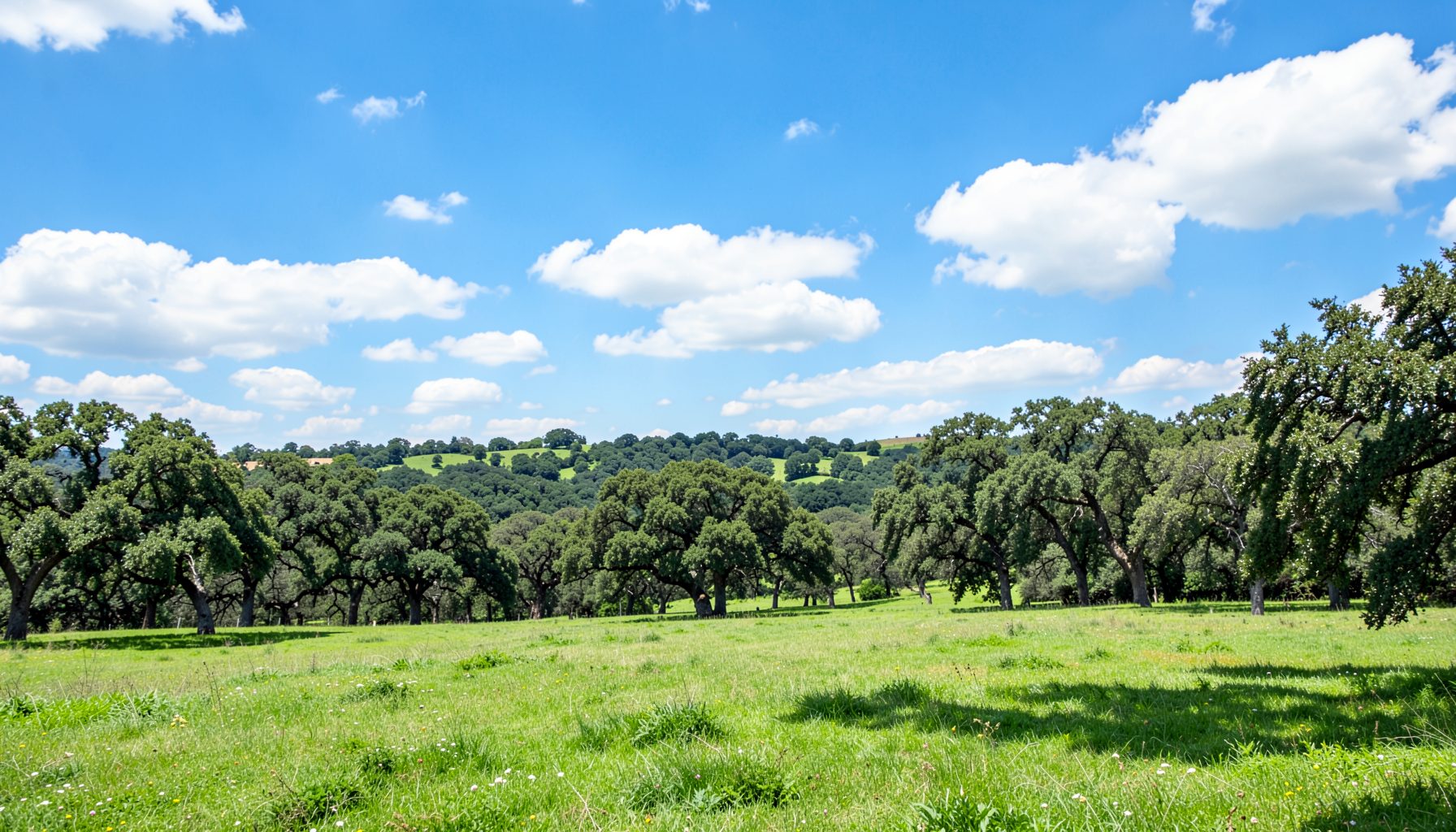
Explore our directory of recommended links, including the Ayuntamiento de Ciudad Real, Lagunas de Ruidera, Parque de Cabañeros, Agudo Joven, and Balneario Cervantes.
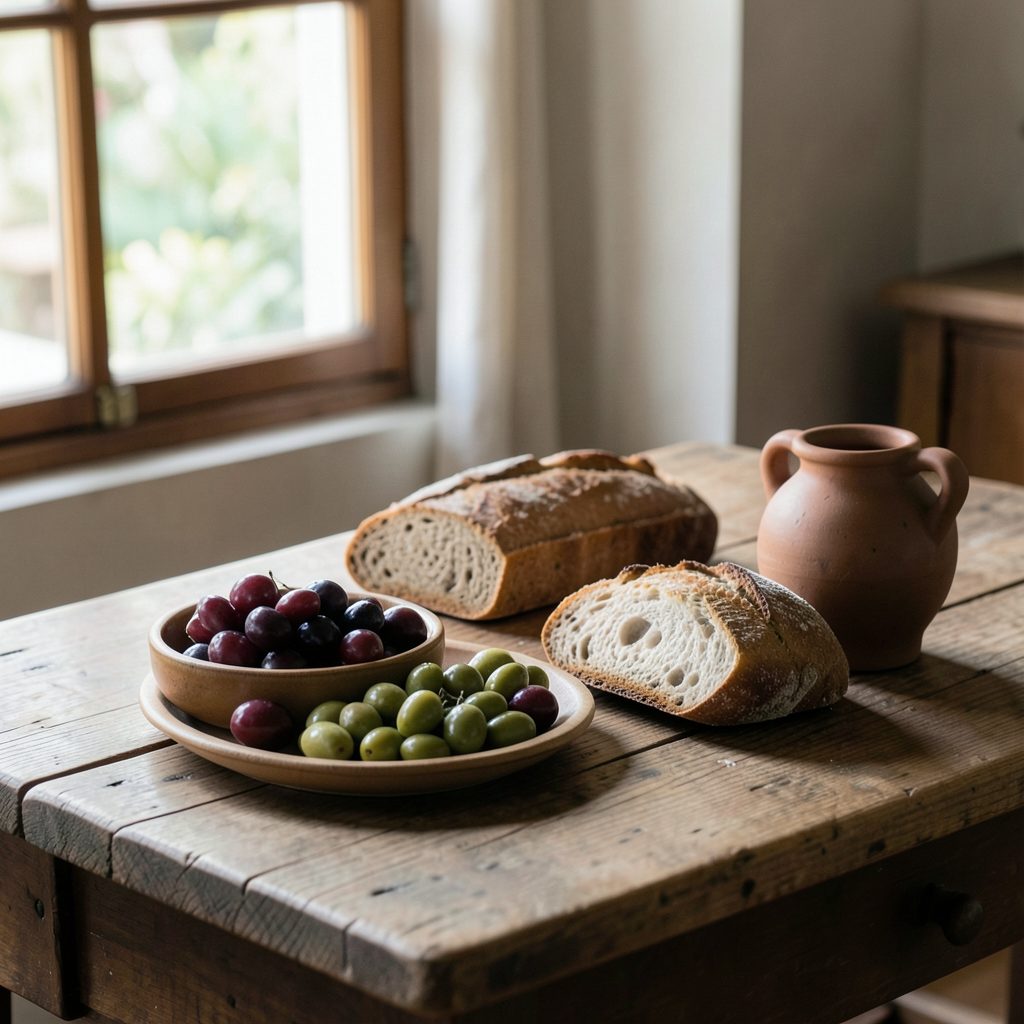
Access practical tools including Prensa links, radio, horóscopo, Loterías results, a leisure guide, recipes, a dictionary, and Street View integration.
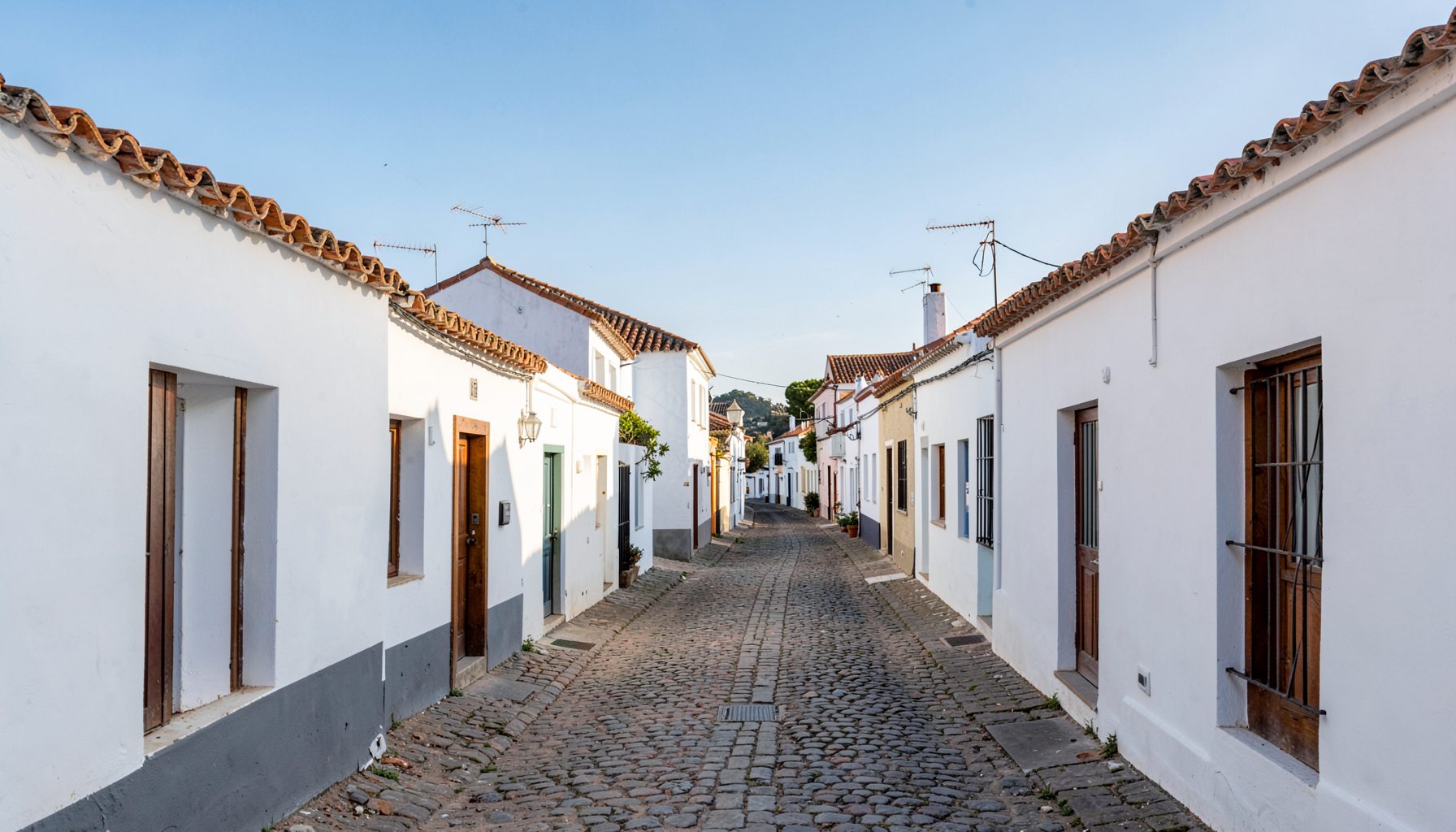
Watch videos showcasing Agudo and the surrounding region. A visual tour of local life, landscapes, and community events.