Stay informed with local news updates covering Agudo and the surrounding region. Browse the Hemeroteca for past articles and keep up with what matters in the community.
In a small workshop in Agudo, Ciudad Real, a local artisan transforms esparto grass into sturdy, useful baskets. Pale strands arrive in loose bundles before becoming braided cords, rounded bases and textured walls. Each piece carries the quiet evidence of handwork: small changes in thickness, firm joins and a shape formed by the maker’s hands rather than a factory mould.
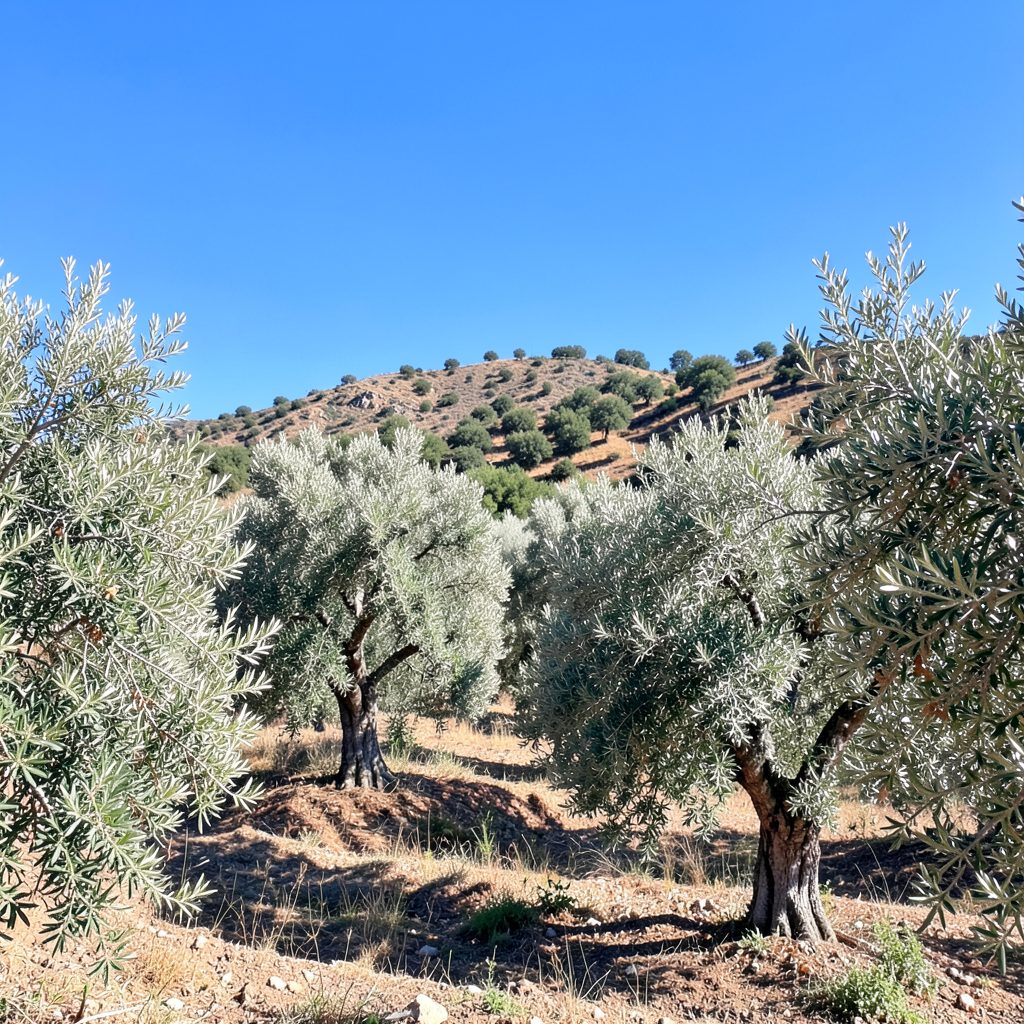
The grass is more than rustic decoration. Esparto, a tough Mediterranean fibre used for centuries in Spain, is valued for resisting wear while remaining light enough to weave. In the wider Ciudad Real countryside, gathering and preparing the plant has long belonged to rural craft traditions. Today, that inherited knowledge survives in workshops where one material can become many useful forms.
No two baskets need to be identical. Fibre colour shifts with the season and drying process, while the maker’s choices determine whether a basket has a broad rim, a close handle or a simple, open form. Shopping at the market therefore means choosing from small variations rather than from a fixed catalogue of colours and sizes.
For Australian readers, the Agudo stall offers a useful contrast with familiar craft markets while remaining easy to appreciate. Natural fibres, sturdy construction and prices displayed by hand appear at events from Adelaide to Melbourne. What is distinctive here is the close connection between the object, the landscape around Agudo and the person who has spent hours forming it.
Esparto grows as long, narrow leaves that must be selected and prepared with care. After cutting, the leaves are dried so that they become flexible without losing their strength. The maker sorts the strands according to length and thickness, separating them into useful grades before twisting small groups into stronger cords.
Preparation takes patience because the fibre reacts to moisture and handling. Damp material bends more readily, whereas dry esparto keeps its shape and produces a crisp finish. Much of the maker’s work happens before weaving begins: sorting, trimming, arranging and testing the cords ensures that each part of the basket will handle stress without breaking.
The base of a basket is often braided or coiled in a tight spiral. From there, prepared fibres are stitched upward in rows, creating walls that become stronger as the work rises. Handles may be formed separately and attached at reinforced points, while decorative details can be woven into the surface with contrasting directions and textures.
This method depends on judgement that is difficult to express through written instructions alone. The artisan learns how quickly the fibre will tighten, where to vary the pressure and how to preserve an even edge. Such knowledge often passes informally through repeated practice, observation and advice from experienced makers rather than through formal lessons alone.
For a visitor, the important difference lies in the pace of production. A basket may contain dozens of small decisions about tension, placement and proportion. Its slight irregularities are not defects; they reveal the sequence of movements that brought the raw grass into a finished, functional object.
Natural colouring gives each piece a subtle individuality. Some esparto retains a warm beige tone, while other strands appear lighter or more golden. The maker can use those variations deliberately, bringing darker fibres into a handle or leaving the changing shades visible across the body of the basket.
Shape is another important choice. Some designs stand upright for storage, others tilt slightly as waste baskets, and smaller pieces are woven for carrying fruit, bread or household odds and ends. A useful conversation with the artisan can reveal the intended purpose of each form, as well as the time required to make it and the care it will need over the years.
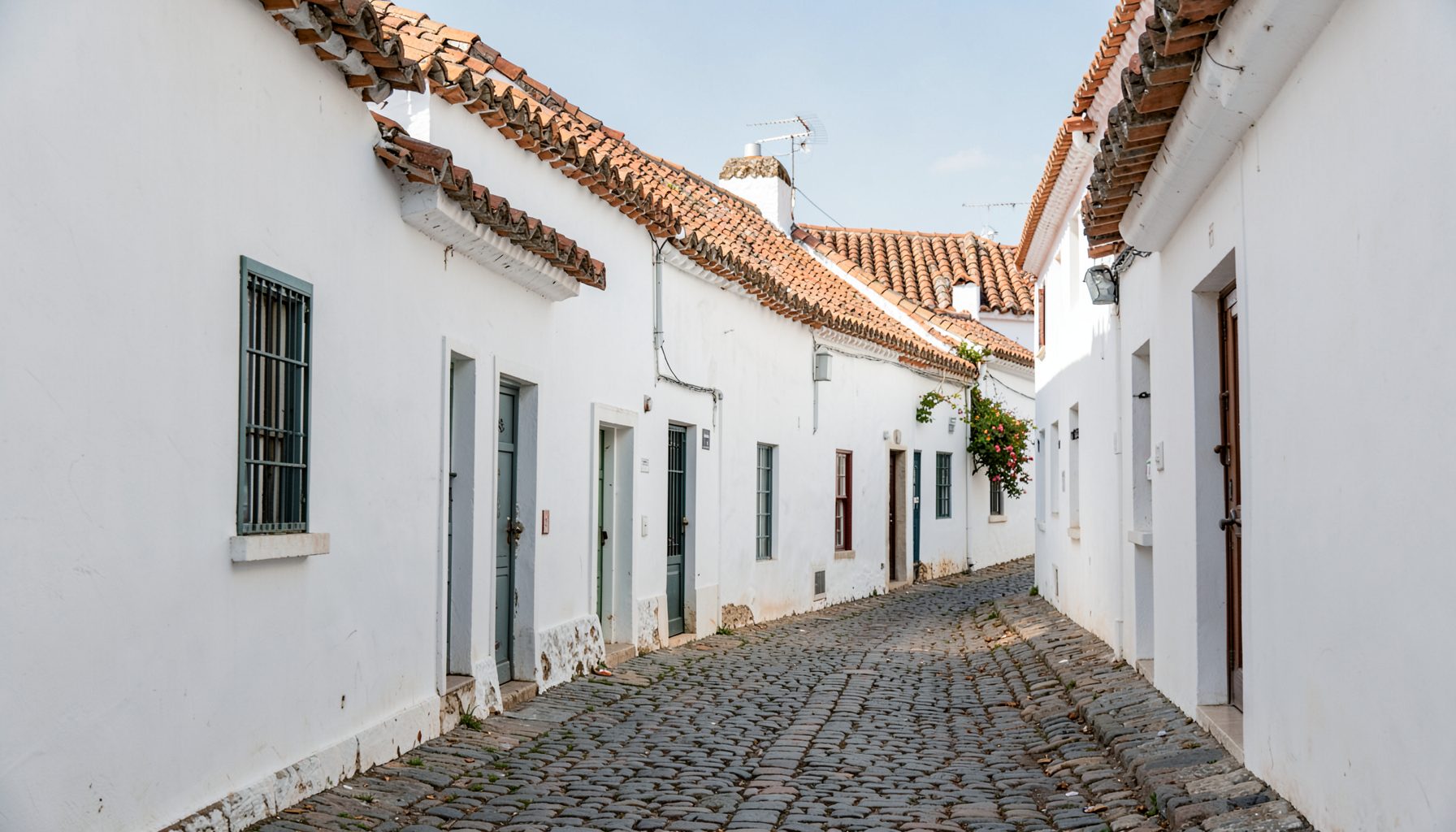
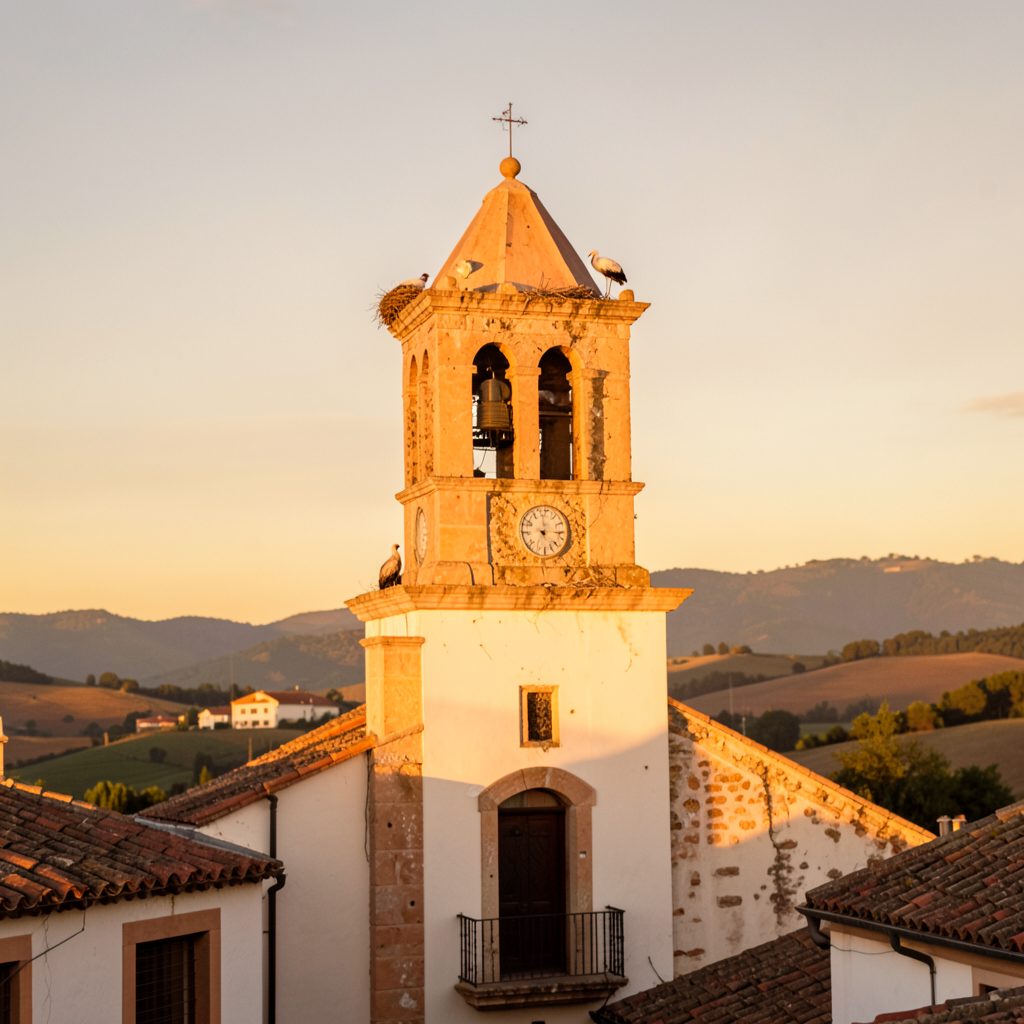
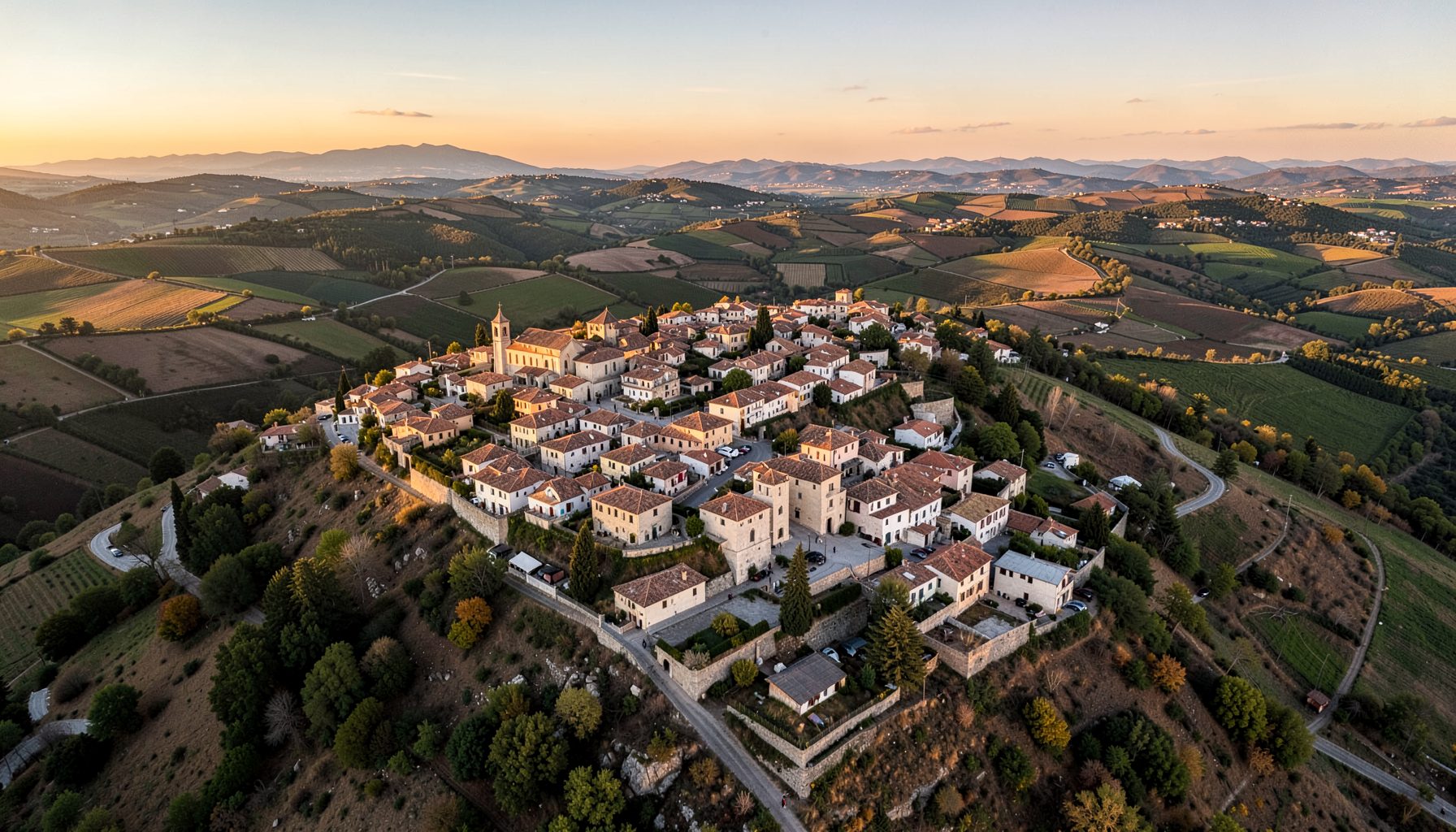
The Agudo Ciudad Real portal’s local image gallery offers a broader visual introduction to the town and its surroundings. Seeing the local streets, neighbourhood character and rural setting helps place the basketry within Agudo’s wider identity rather than treating it as an isolated market attraction.
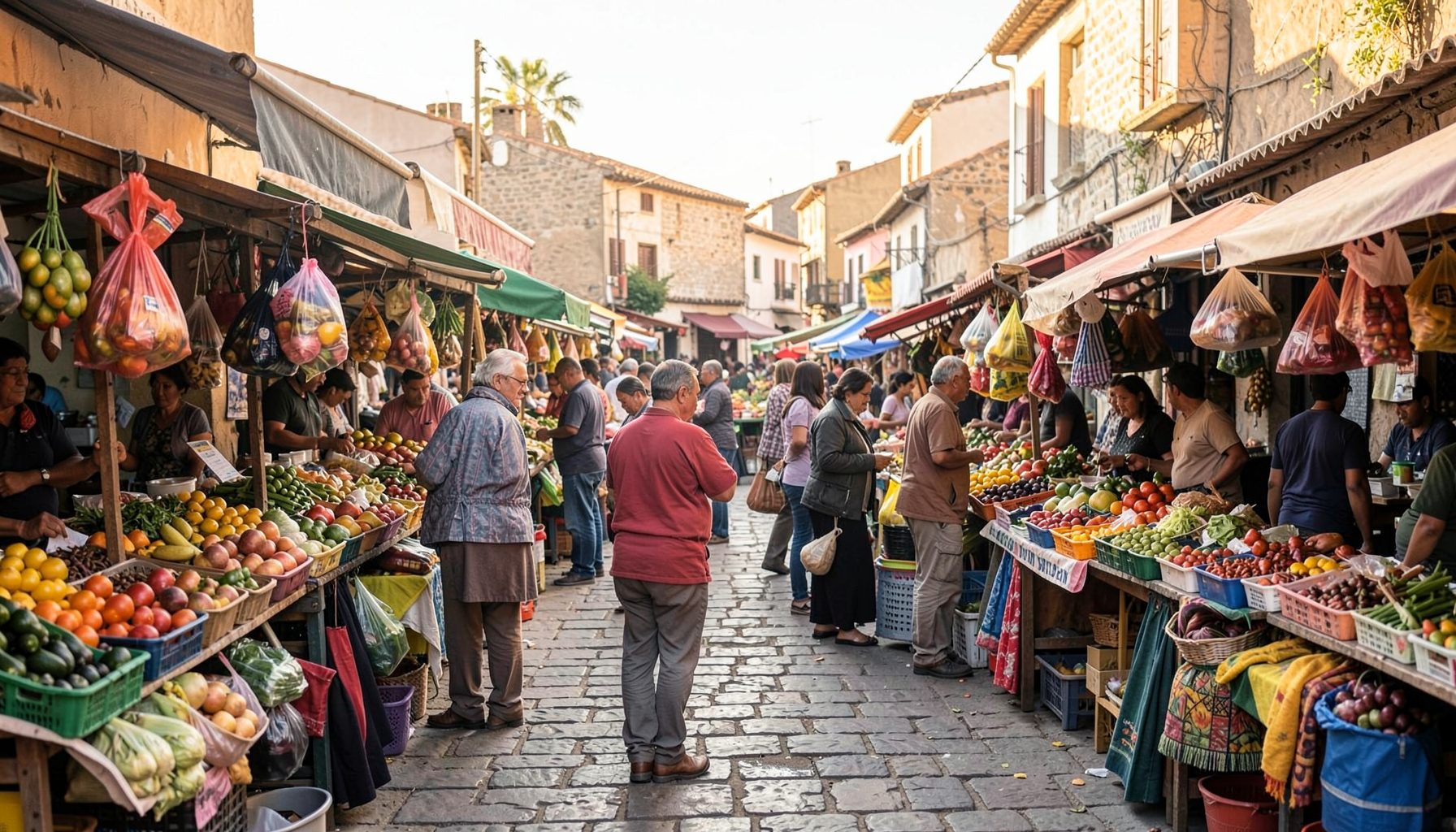
At the craft market, the artisan sells directly to visitors and local residents. The display allows shoppers to see the different shapes, compare their sizes and handle the texture of the woven fibre. Close contact with the maker also makes it possible to understand which examples are strongest, which are intended for decorative use and which would suit an active kitchen.
Direct sales benefit the maker by keeping the value of the work in the hands of the person who produced it. They also give buyers a more meaningful connection than a mass-produced alternative. A customer can learn where the material came from, how the pieces were made and why each one differs from the next, turning a purchase into a record of local craftsmanship.
The market setting supports the story as much as the sale. People browsing nearby stalls can see how craftspeople use the materials and histories of the region, while the artisan gains direct feedback about shapes, colours and practical features that local users value. Regular customers may also return as the collection changes with each production cycle.
Australian market-goers will recognise the trestle tables, handwritten price cards and close-set rows of stalls seen at places such as Melbourne’s Queen Victoria Market and Adelaide’s Central Market. The atmosphere may be smaller and less commercial, but the combination of handmade goods, personal service and visible prices feels immediately familiar.
They may also expect flexibility over payment. Australian stalls commonly accept cash, cards and EFTPOS, so anyone planning to buy a basket in Agudo should carry a payment method suited to the seller’s setup. Asking before purchasing is a practical way to avoid inconvenience, particularly at a smaller community event.
The informal way people greet one another provides another point of familiarity. Expressions such as “no worries” and “fair dinkum” carry the same relaxed courtesy as a Spanish greeting offered across a market table. Community events in Australia also often include a fundraiser or sausage sizzle beside the craft stalls, reflecting a shared habit of combining shopping with neighbourhood life.
Australians’ interest in reusable homewares and natural materials makes esparto particularly approachable. A woven basket can offer the same visual warmth associated with wicker or bamboo pieces at home, but its grass fibres and hand-built structure give it a distinct Spanish identity.
Buying well-made basketry helps sustain a craft that depends on time, skill and access to suitable fibres. Shoppers can make that support more valuable by treating the market as a meeting point with a maker, not simply as a place to acquire an object.
The same exchange of practical knowledge that supports craft groups can be seen in community discussions hosted by Mormon women stand. These spaces demonstrate how shared interests and local participation can strengthen community life beyond the boundaries of a single event.
Visitors to Ciudad Real can add Agudo’s craft market to an itinerary and spend time with the artisan in person. Handle the different examples, learn how the esparto was prepared and select a basket that suits a home, garden or travelling collection. Direct contact preserves the connection between the object and the maker.
After returning to Australia, share the basket’s origin with family, friends and fellow craft enthusiasts. A photograph of the woven detail and a short account of the Agudo market can introduce others to a Spanish craft tradition rooted in local grass, patient preparation and skilled hands. Visit the Agudo craft market, meet the maker and take home a basket woven from local esparto.
Stay informed with local news updates covering Agudo and the surrounding region. Browse the Hemeroteca for past articles and keep up with what matters in the community.
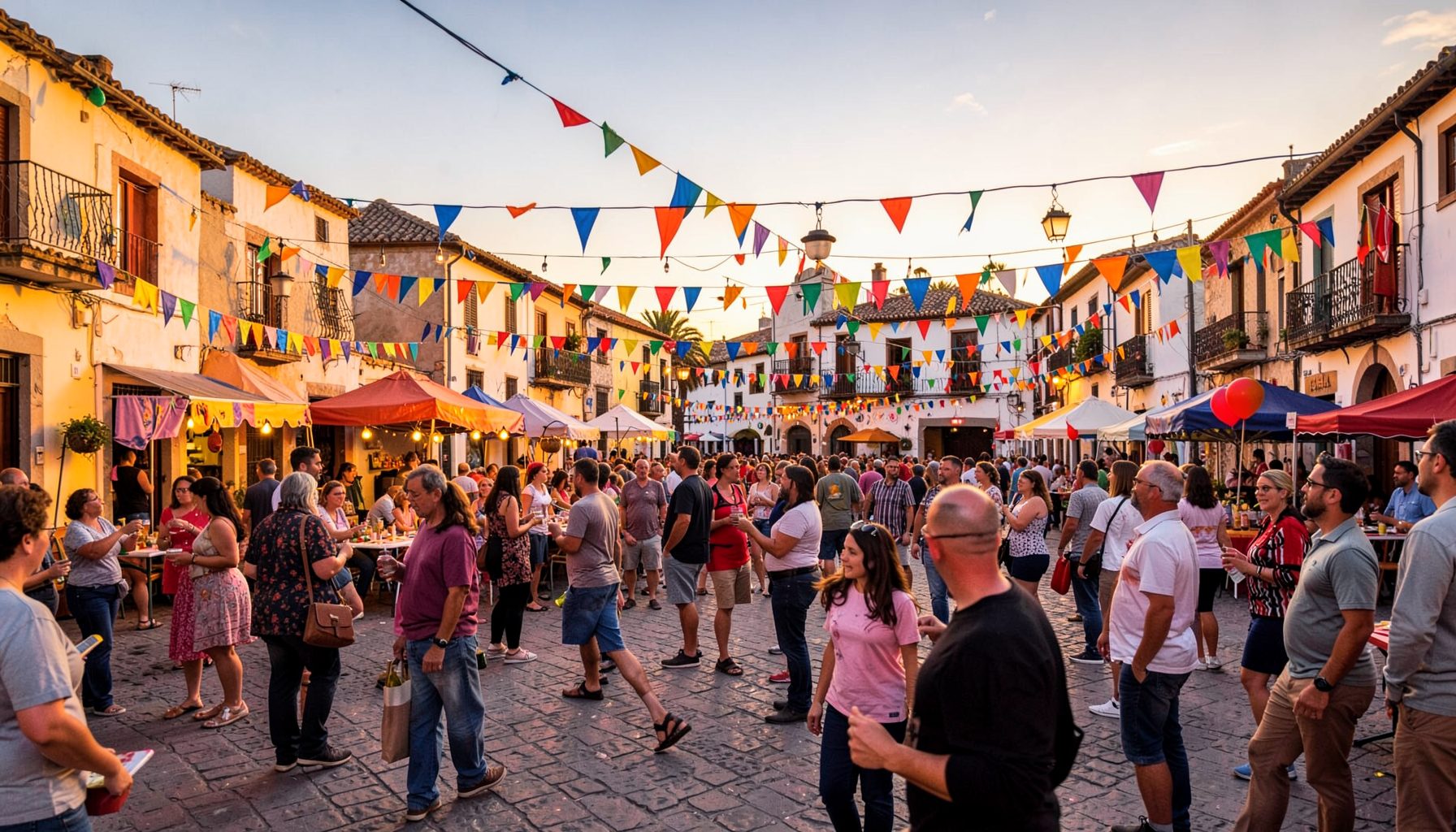
Join the conversation in the Agudo community forums. Access the Foro antiguo archive and participate in discussions with fellow residents and visitors.
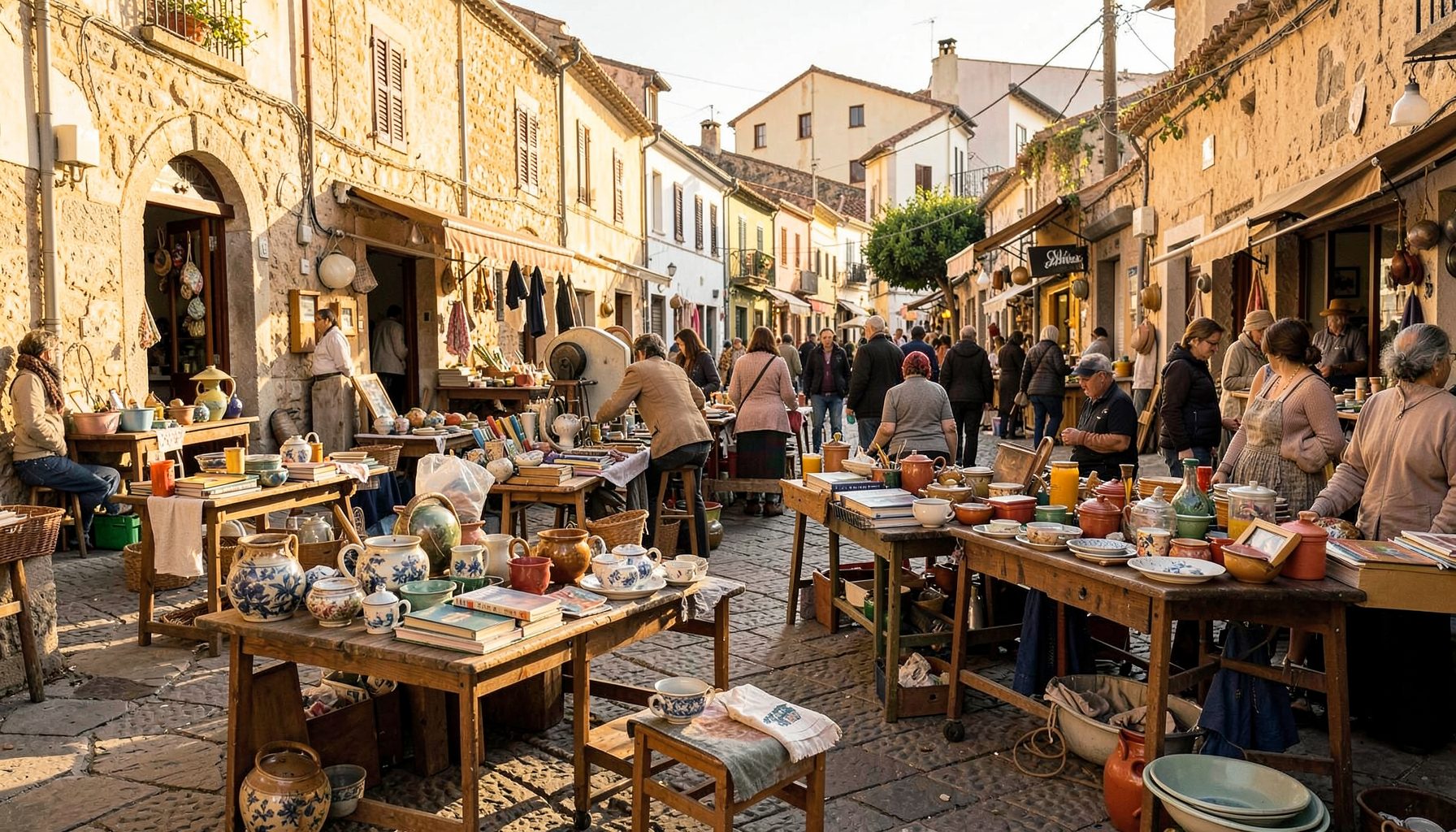
Browse local second-hand listings in the Agudo area. A convenient marketplace for buying and selling within the community.
Explore our directory of recommended links, including the Ayuntamiento de Ciudad Real, Lagunas de Ruidera, Parque de Cabañeros, Agudo Joven, and Balneario Cervantes.
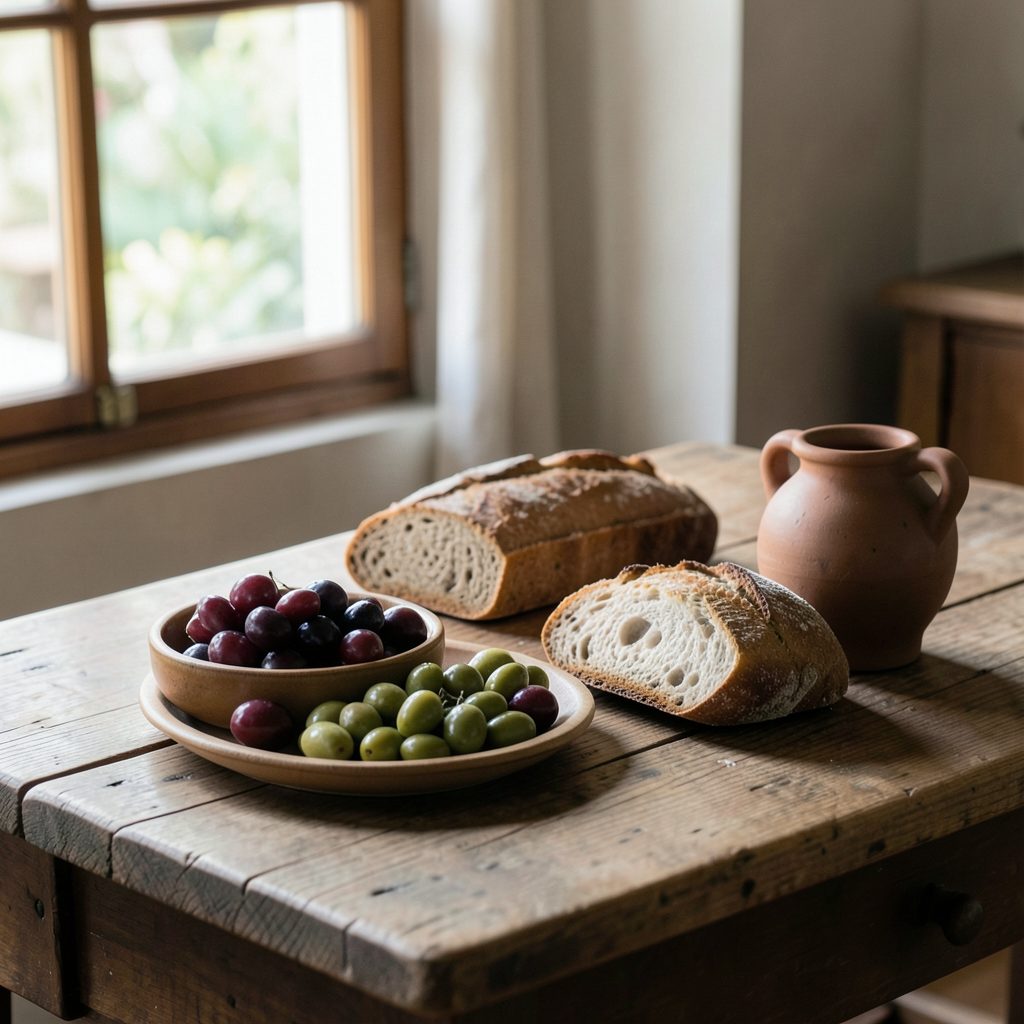
Access practical tools including Prensa links, radio, horóscopo, Loterías results, a leisure guide, recipes, a dictionary, and Street View integration.
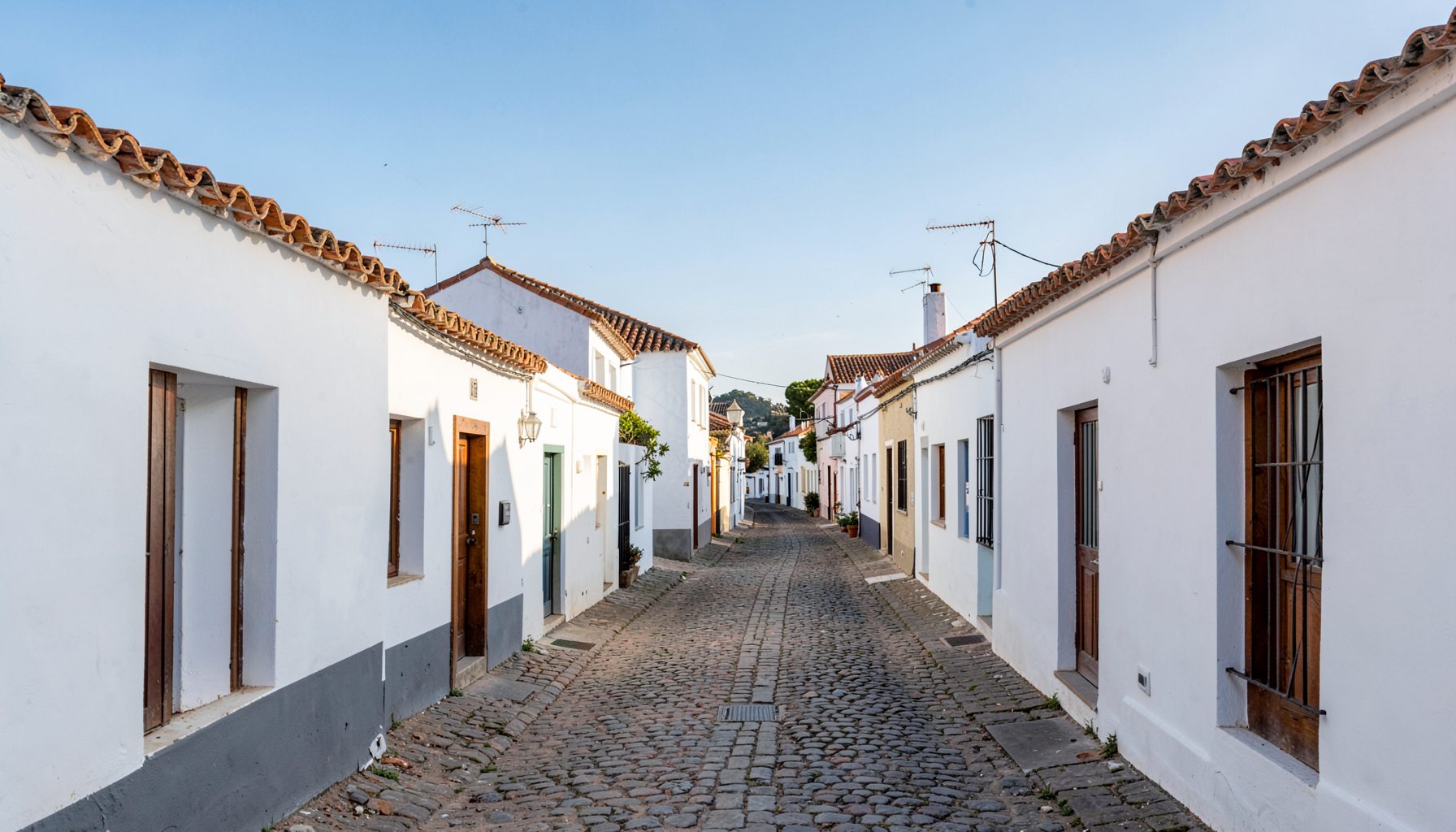
Watch videos showcasing Agudo and the surrounding region. A visual tour of local life, landscapes, and community events.