Stay informed with local news updates covering Agudo and the surrounding region. Browse the Hemeroteca for past articles and keep up with what matters in the community.
By the time the final school bell rings, the children of Agudo will already know every corridor of the country-house drawing room in The Mousetrap. The Agudo children's theatre workshop presents the mystery at the end of the course, with the suspects, the detective and the caretaker all under fifteen, and families, former residents and visitors from Ciudad Real expected to fill the hall. Learn more about Njroute22.com.
The choice is daring for a town of roughly 1,600 people. A full-length whodunit needs a large cast, a convincing drawing room and the patience to let a dozen children hold a stage for two hours. The workshop trims where it must and keeps the comedy intact, so the show reads as a community production with a real puzzle at its centre.
For Australian travellers, the evening is also an accidental lesson in rural Spain: hot pavements at seven in the evening, the whole family out after dinner, neighbours who know everyone by first name, and a raffle run by the local committee. What follows covers the production, the town behind it and the details worth knowing before setting off.
The workshop takes about two dozen children aged eight to fourteen and rehearses them on weekday evenings in the town's social hall, with Saturdays given over to the set and the costumes. A drama teacher visits from the provincial capital, but parents do most of the building: painted panels, a door frame made by a local carpenter, a wardrobe assembled from lace curtains, school uniforms and whatever hung at the back of a wardrobe in 1994.
The performance doubles as the fundraiser for the following year. Raffle tickets circulate through the shop on the square and the agricultural co-op, sponsors take programme space, and the takings cover new scripts, paint and a short trip to a neighbouring village's festival.
The evening runs two acts with a short break, accompanied by a pianist and a violinist. During the interval, organisers project old photographs of Agudo's mine workers onto the back wall, tying a West End drawing room neatly to a town with its own taste for locked rooms and hidden secrets.
The Mousetrap has run since 1952 and remains the West End's longest continuous production: guests snowed in at a country house, a body in the library, a policeman with an unreliable theory and a caretaker whose secret explains everything. The Agudo version keeps that spine, casting the youngest children as narrators, scene-shifters and messengers who appear in almost every scene.
That suits young performers. Children relish the physical comedy and the business of the drawing room, and they can genuinely follow a plot they are allowed to solve. The fear element stays mild by design: the body in the library is a dummy dressed for the part, so nothing gruesome is asked of a nine-year-old, and the final shock lands as a joke rather than a horror.
Performances are given in Spanish, as one expects in the province, but the printed programme carries a short English synopsis of the plot and a glossary of the suspects' names. Regulars pick up the running order quickly, and newcomers can manage the evening with the synopsis in one hand.
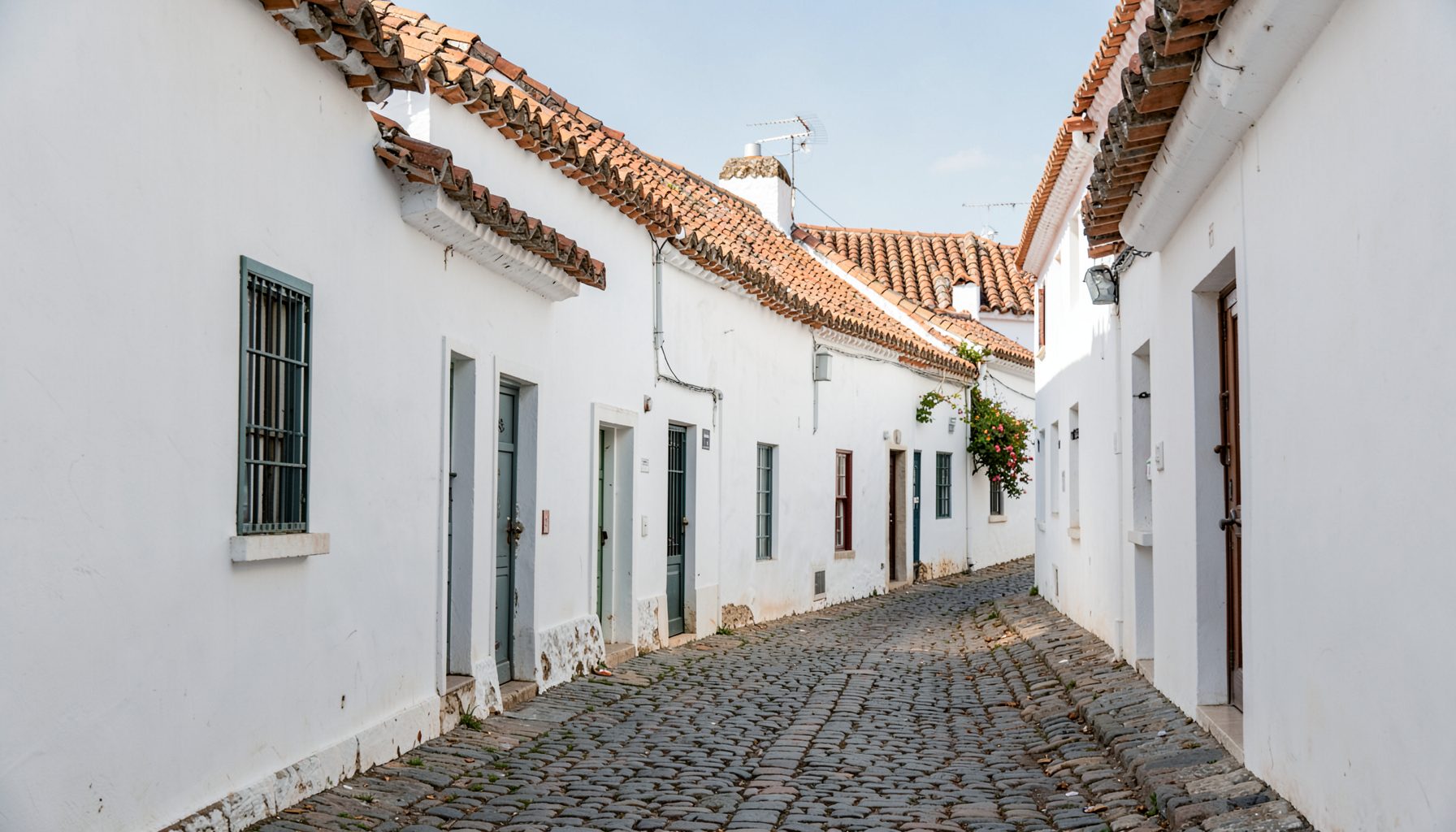
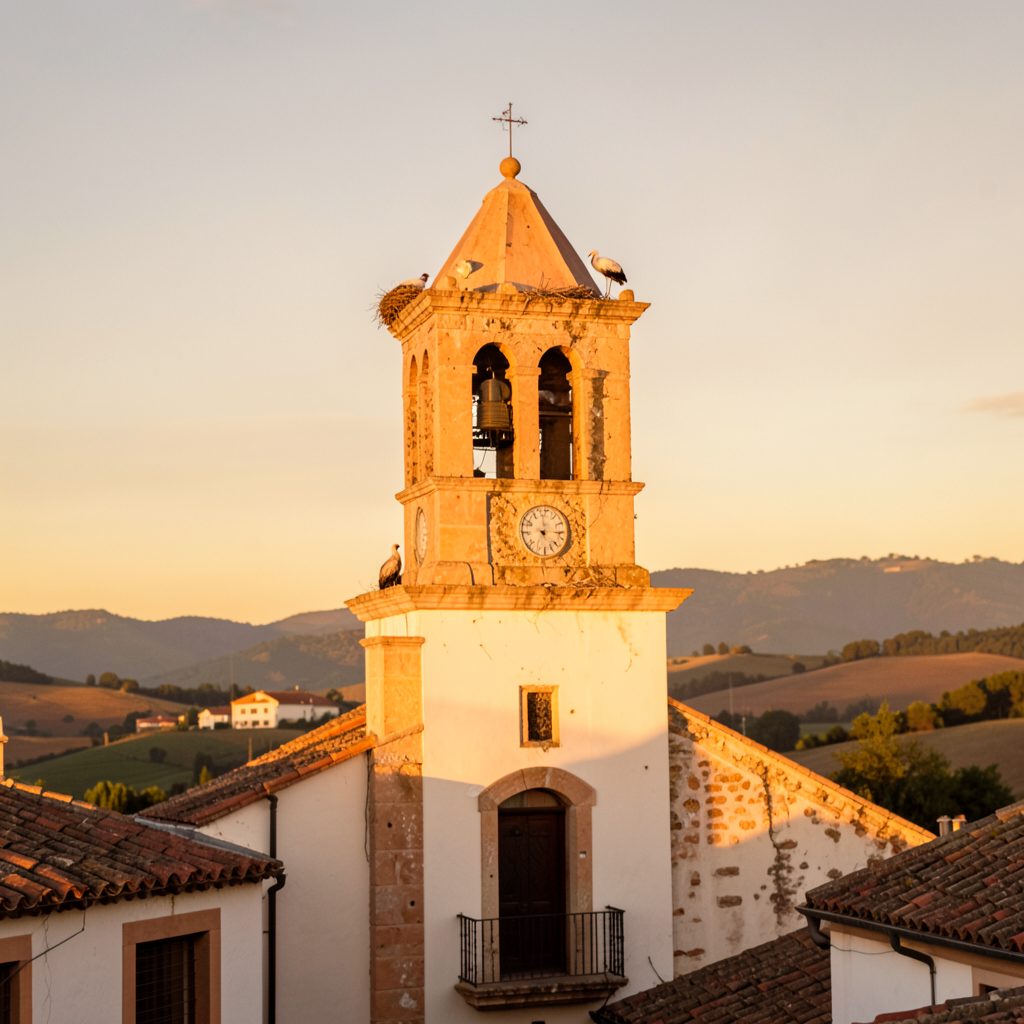
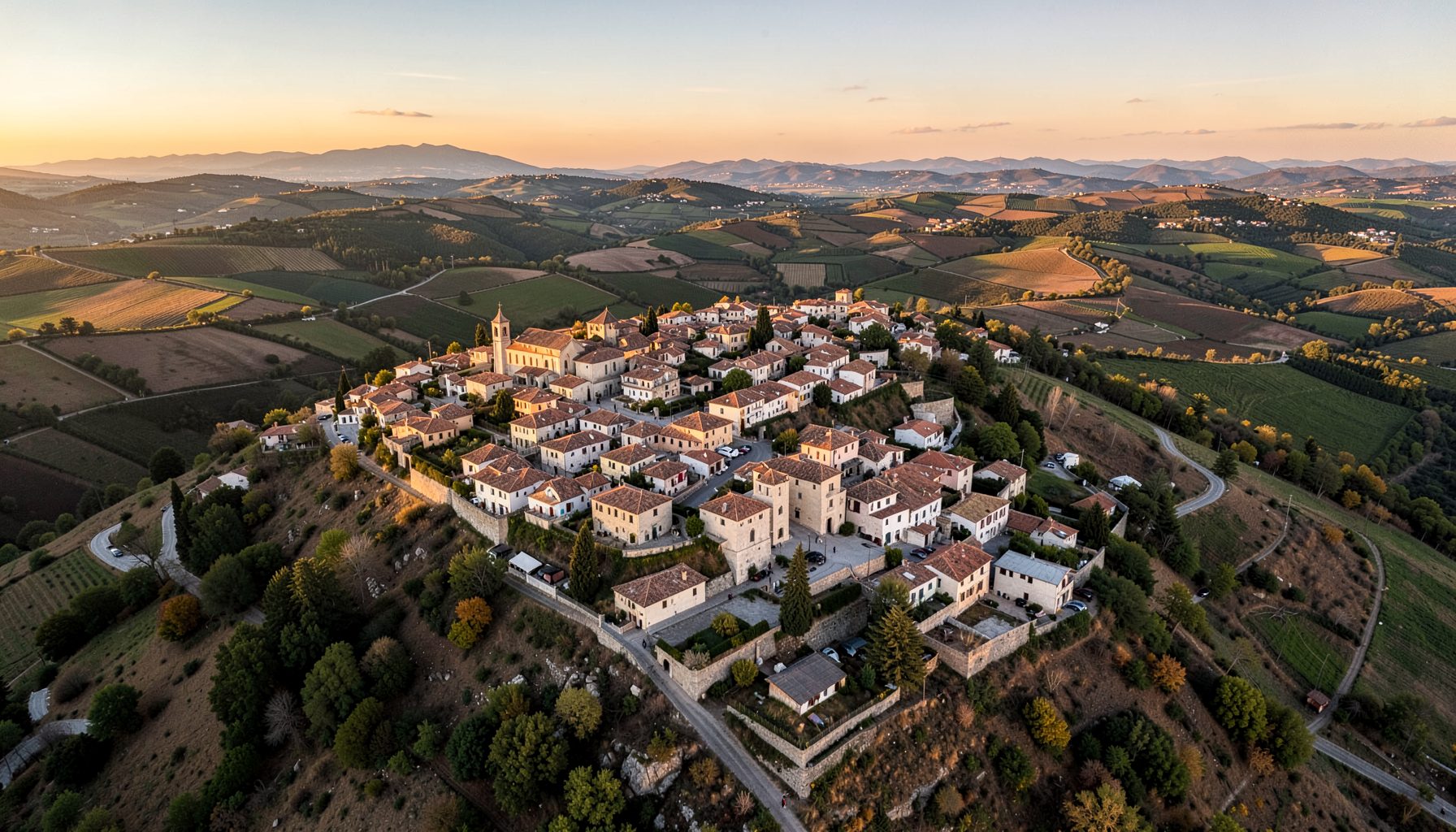
Agudo sits in the province of Ciudad Real, on the wide plains of Castilla-La Mancha, on the road between the provincial capital and the southern Manchego villages. Its name is also the name of a Mediterranean shrub, alkanna, whose juice once dyed cloth a deep red; the plant appears on the municipal coat of arms. The town's identity is agricultural at one end and industrial at the other.
The industrial end was iron. Nineteenth-century hematite mines and the Real Compañía Minera de Hierros de Agudo made the place known for red ore, and the railway that hauled it away still curves past the old industrial estate, where a fraction of the former workforce remains. Above the town, the Cerro del Castillo holds the remains of a medieval fortification and a small hermitage, while the Parque de la Villa and its lake offer shade when the June heat turns unreasonable.
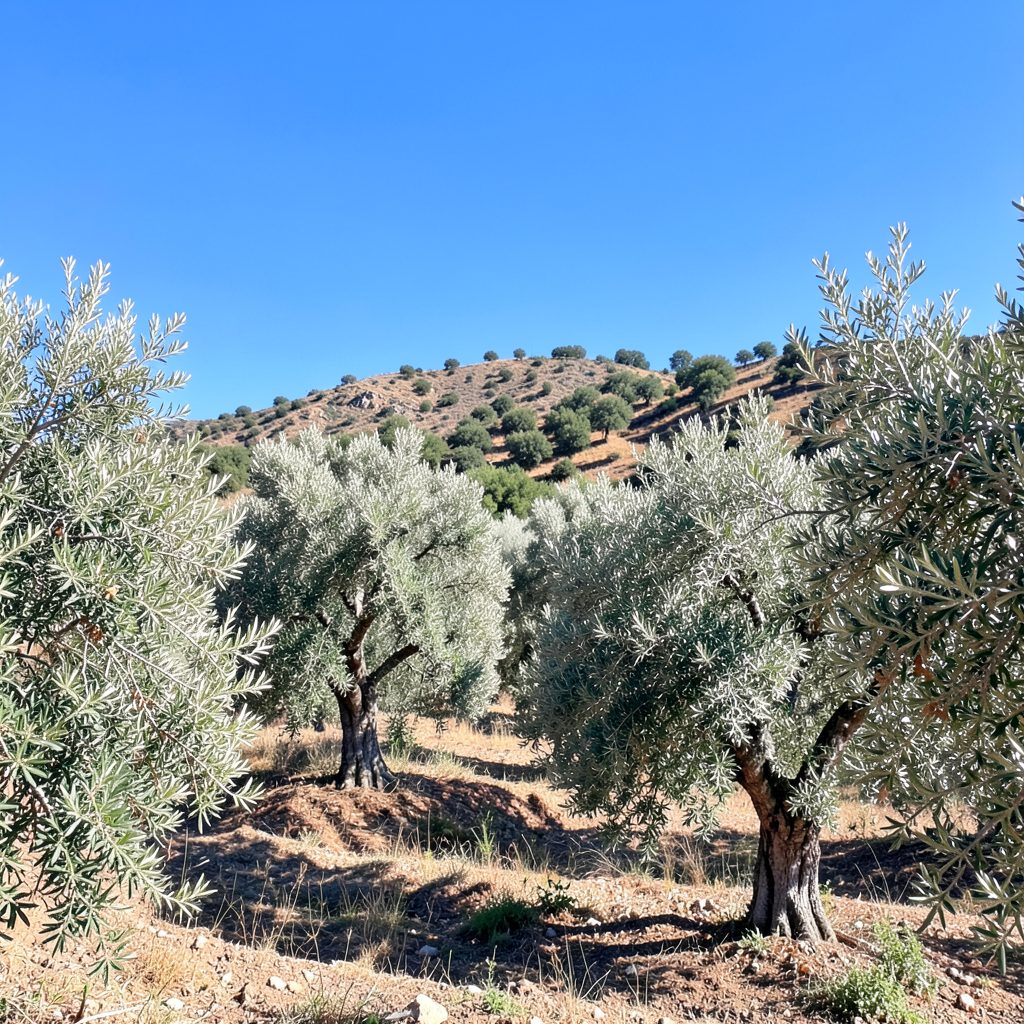
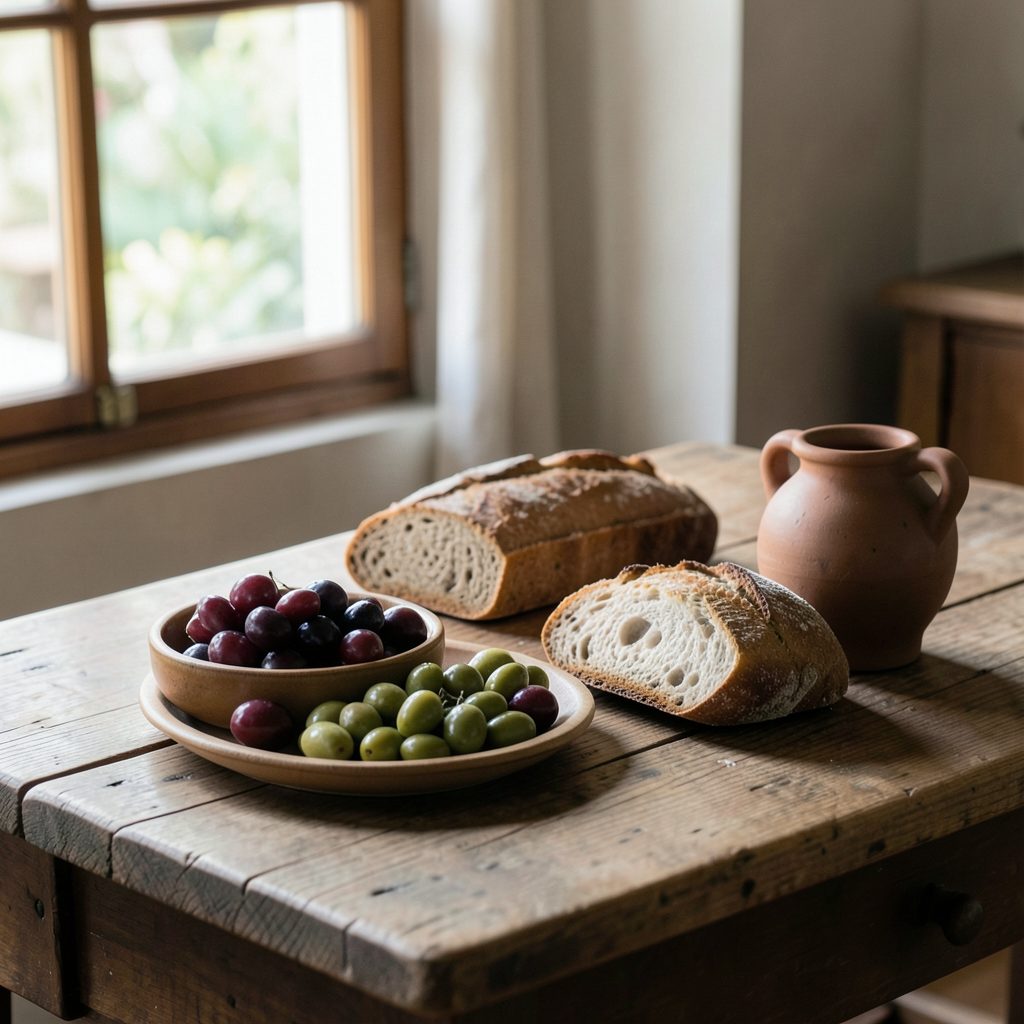
Around it all are olive groves and vineyards producing the region's oil and pale La Mancha wines, with Manchego cheese and cured chorizo arriving from neighbouring villages for the raffle prizes. At nine o'clock on a late June evening the temperature can still be in the mid-thirties, which is why the doors open late and the walk back to the square is taken slowly.
Start with the hall. Across country Victoria and New South Wales, one building hosts the netball team, the indoor bowls club and the annual pantomime; Agudo's parish hall hosts rehearsals, and the theatre becomes a communal duty rather than a night bought at a box office. Even the seat etiquette translates: a village audience arrives early and settles in.
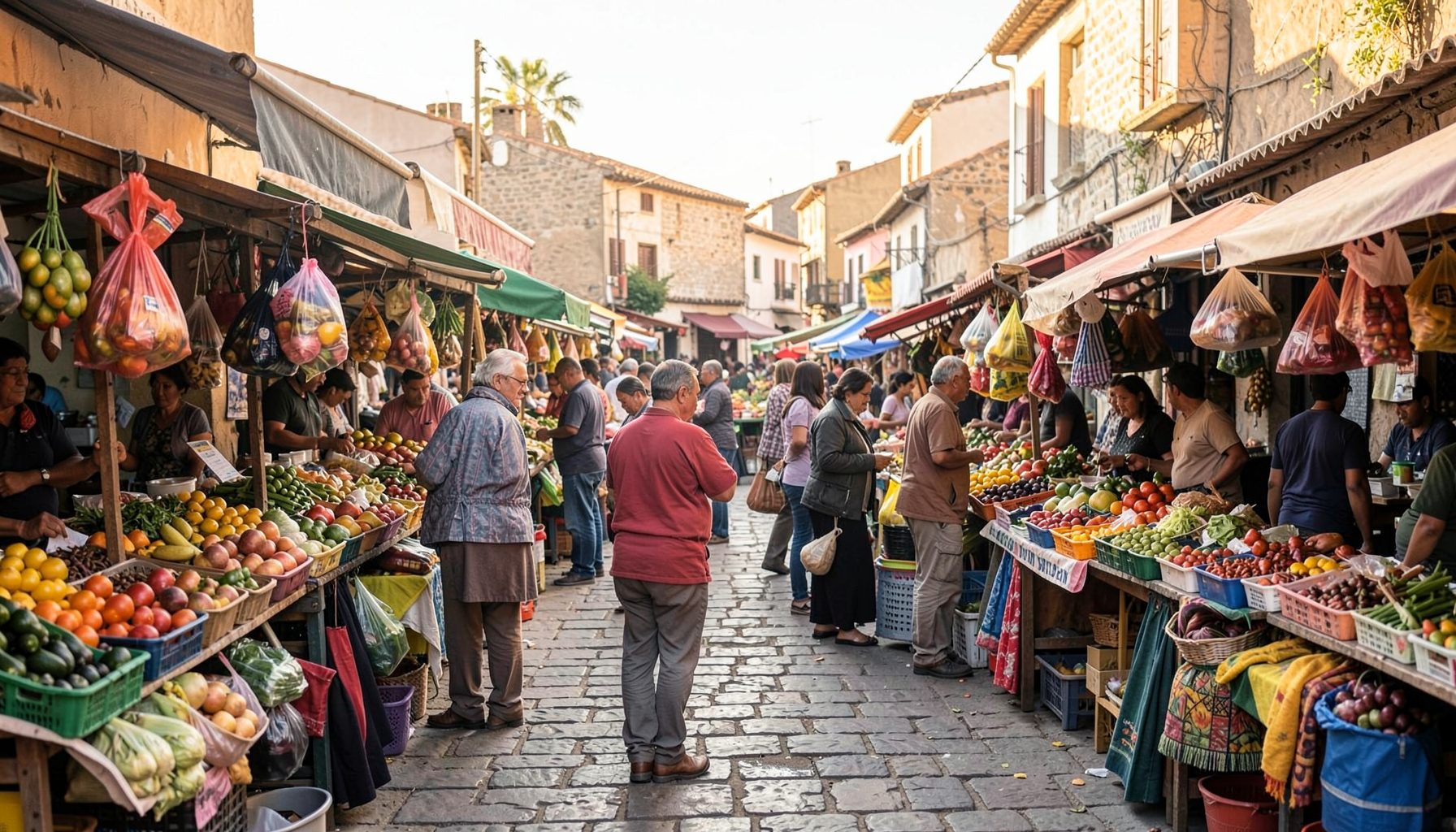
The raffle works the same way as a club draw or a Melbourne Cup sweepstake, with numbered tickets for Manchego wheels, chorizo and bottles of local wine sold at the door and at the shop on the square. The woman taking your money usually sits in the front row with her sister by the interval.
The calendar needs adjusting too. Spanish term ends in late June and Australian term in December, so the premiere lands in the middle of both the local school holidays and an Australian winter break. Traffic keeps right and gives way on the left here, the opposite of the habits most Australians bring with them.
Practical pages cover the rest. Agudo Ciudad Real keeps weather, radio and horoscope panels running for local households, and its medication notes are a sensible reference for anyone travelling with children who depends on a prescription or a familiar remedy for a summer rash. Five minutes on those pages before a long drive home is well spent.
Small towns keep their social life in a handful of rooms, and those rooms reveal what a community values. A parish hall in La Mancha fills with families, folding chairs and raffle tickets for a murder mystery. The Route 22 strip through Union and Linden, New Jersey, is lined instead with chrome-fronted diners and motels that have fed late-shift drivers, commuters and weekend families for decades.
| Agudo's theatre night | A Route 22 roadside stop | |
|---|---|---|
| The room | A parish hall of folding chairs, hot at the edges, loud with families | A chrome-fronted diner booth under a neon sign |
| What keeps it going | Raffle tickets, a coffee bar at the interval, a programme to sell | Coffee, egg sandwiches, a jukebox and a clean bathroom |
| Who turns up | Grandparents, families with babies, former residents, a visiting teacher | Long-haul drivers, weekend families, travellers heading between cities |
| Cost to the visitor | A few euros at the door, small children free | Pocket change for coffee, motels charged by the hour |
| What you take home | Photographs of the cast, a raffle prize if you are lucky | A city route by night and the memory of a lit-up strip |
| What it says about the town | The workshop is the village's cultural engine | The roadside preserves a slice of mid-century America |
The contrast is instructive. The American strip is built for people passing through, so comfort comes from a booth, a coffee and a clean bathroom. Agudo's hall is built for people who will be back next year, so comfort comes from a familiar face and a reprinted programme, with the same painted panel returning to the stage under a fresh coat of paint.
Two performances close the course, at night in the hall on the square, with tickets sold at the cultural centre and posted on the portal's local notices. The evening is deliberately informal: the dress is whatever you arrived in, the good chairs go early, and the bar beside the square stays open afterwards for a discussion that usually outlasts the play.
If you would rather help than simply attend, the workshop's needs are modest and specific.
Ways to help the company this season:
What to bring on the night:
Whether you come for the mystery or for the evening itself, the invitation is straightforward: put the date in the family's calendar, bring friends who have not seen the play since school, and support a workshop that keeps a village of 1,600 people in the business of making theatre. Tickets, raffle details and the archive are all reachable through the Agudo Ciudad Real portal and the municipal cultural office, and the children who rehearsed this story through the winter will play it out with the confidence of people who know exactly how the plot ends.
Stay informed with local news updates covering Agudo and the surrounding region. Browse the Hemeroteca for past articles and keep up with what matters in the community.
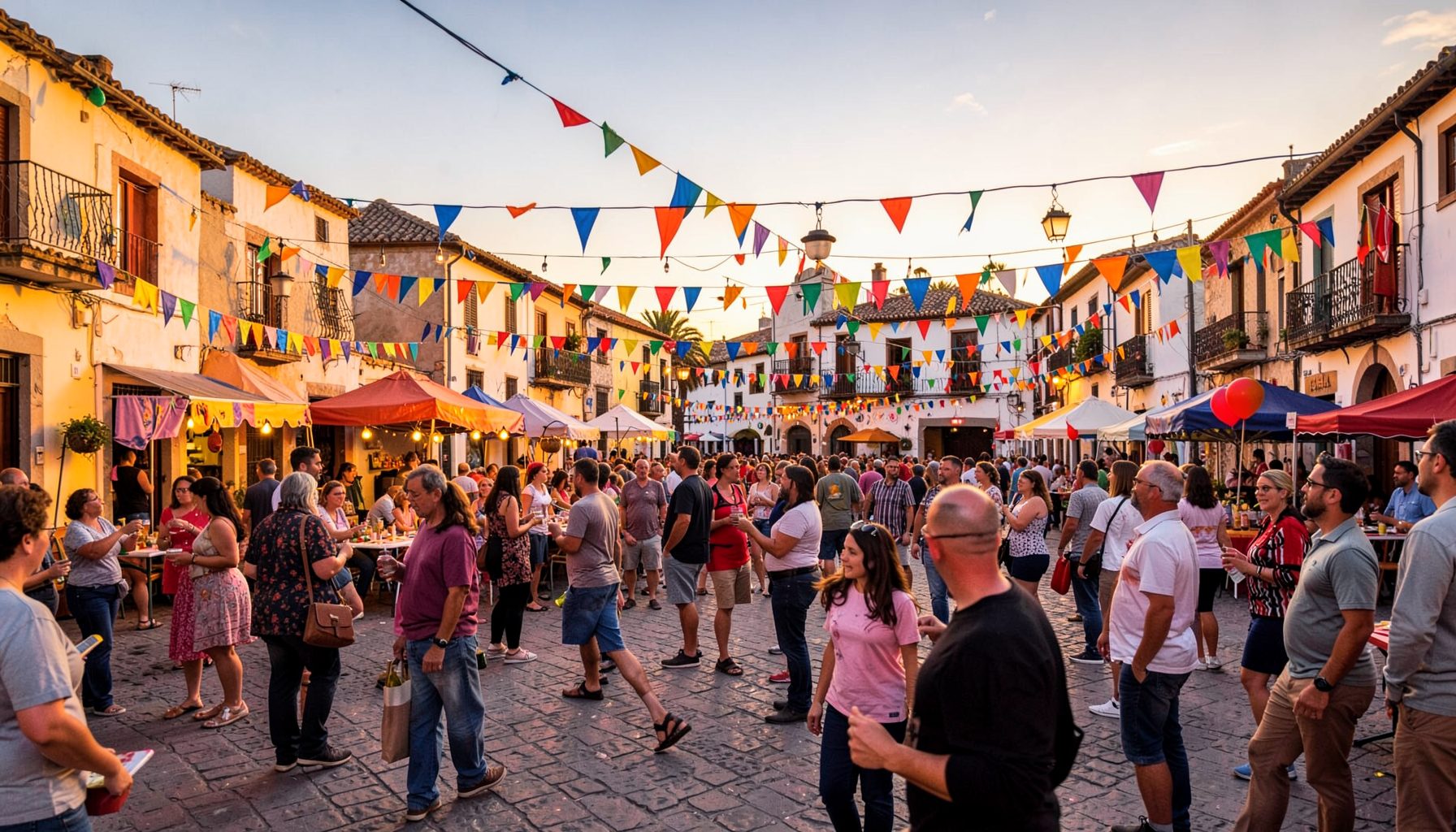
Join the conversation in the Agudo community forums. Access the Foro antiguo archive and participate in discussions with fellow residents and visitors.
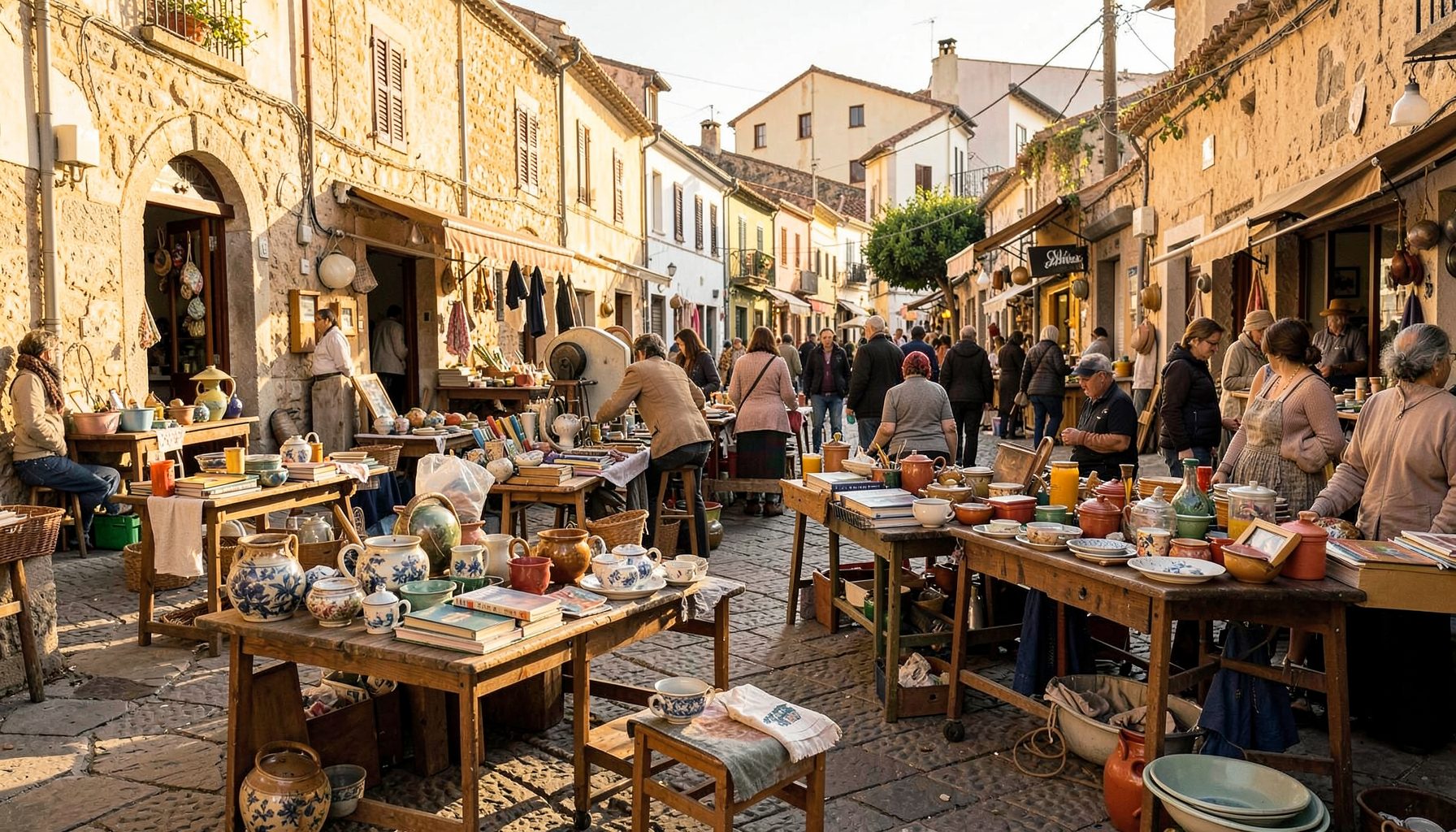
Browse local second-hand listings in the Agudo area. A convenient marketplace for buying and selling within the community.
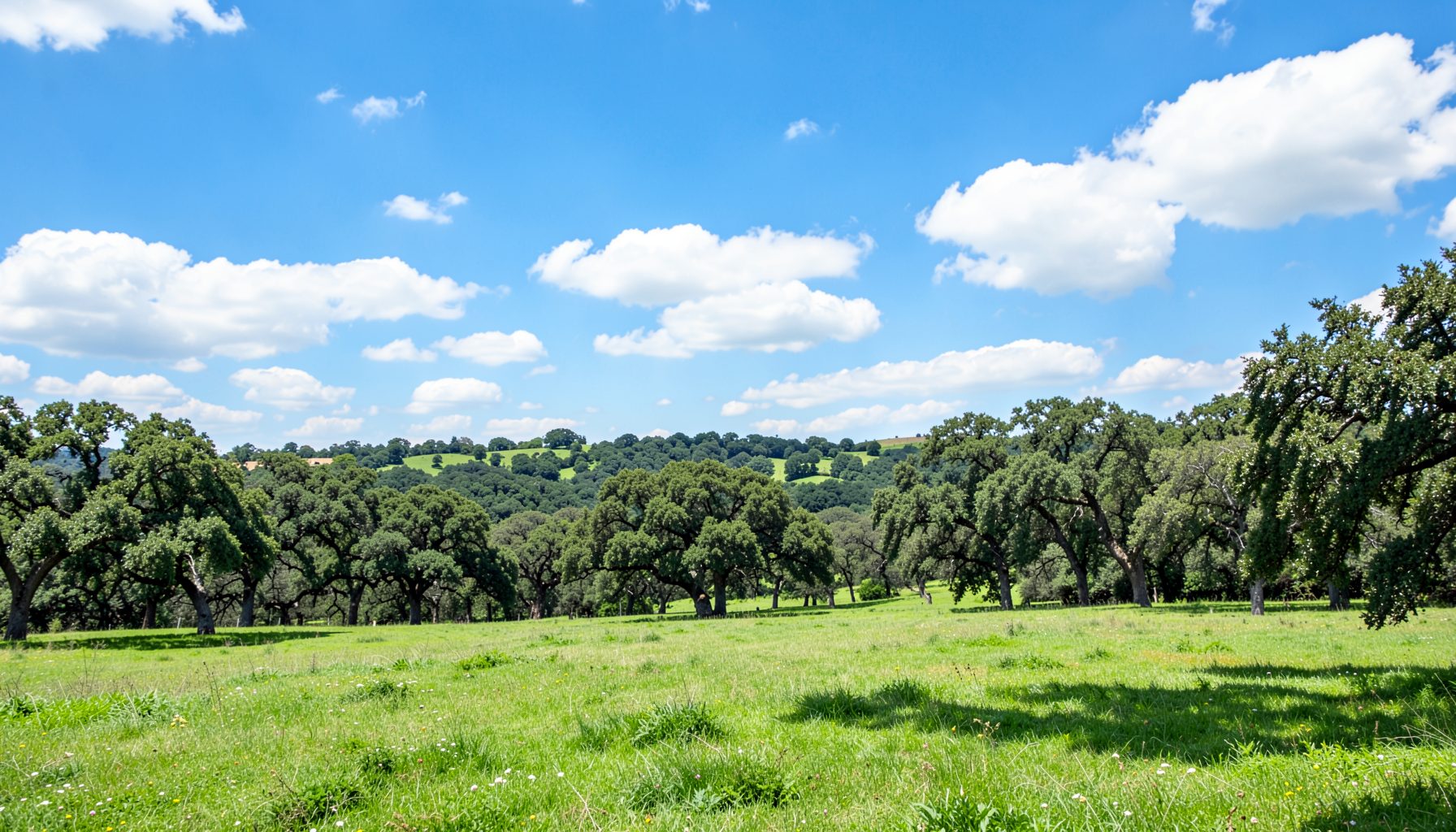
Explore our directory of recommended links, including the Ayuntamiento de Ciudad Real, Lagunas de Ruidera, Parque de Cabañeros, Agudo Joven, and Balneario Cervantes.
Access practical tools including Prensa links, radio, horóscopo, Loterías results, a leisure guide, recipes, a dictionary, and Street View integration.
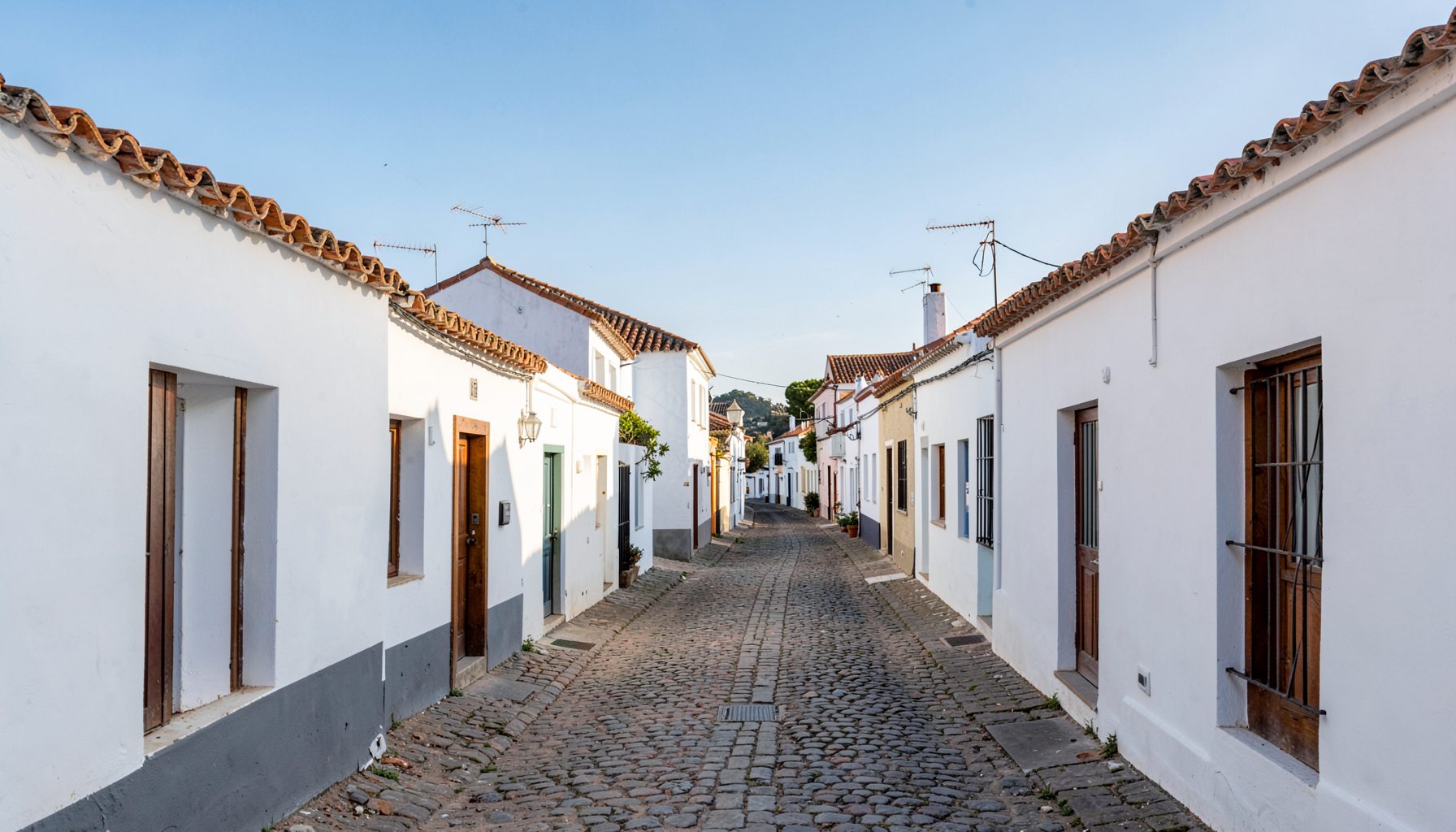
Watch videos showcasing Agudo and the surrounding region. A visual tour of local life, landscapes, and community events.