Stay informed with local news updates covering Agudo and the surrounding region. Browse the Hemeroteca for past articles and keep up with what matters in the community.
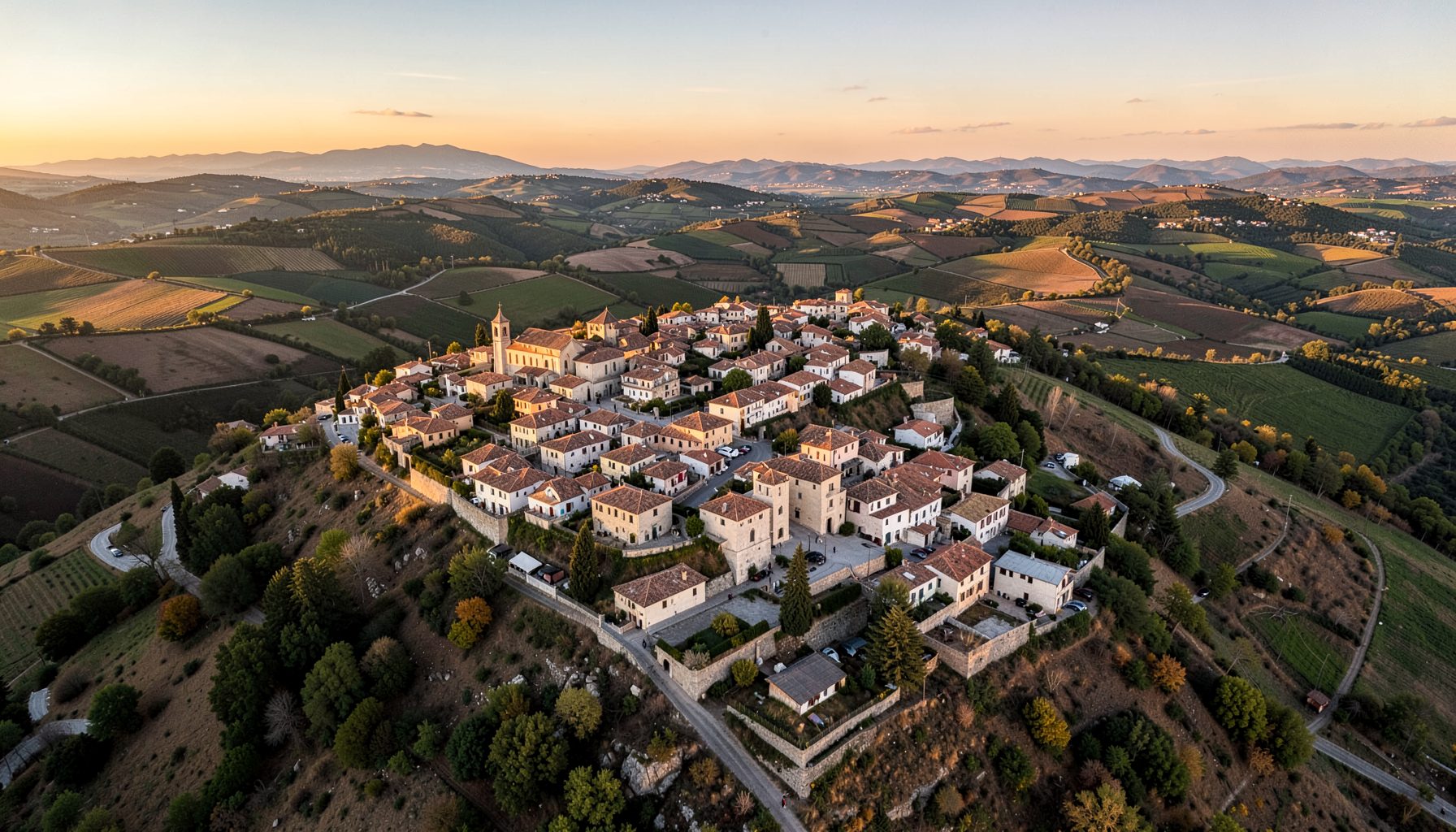
Agudo Town Hall has installed heritage signs at the old olive press and beside the church’s Baroque doorway, giving residents and visitors a clearer way to understand two distinctive parts of the town’s built history. The project turns familiar streets and façades into an open-air history lesson, linking everyday places with the work, faith and craftsmanship that shaped Agudo.
For people following news from Ciudad Real, the signs are a small but meaningful addition. They can help former residents reconnect with the town, give school groups useful material for local learning and make a short visit more rewarding. For Australian readers, it is the kind of practical heritage project familiar in regional towns where a restored building, a historical marker or an old main street can become a point of community pride.
Heritage signage does more than identify a building. It gives context to structures that people may pass every day without knowing their purpose, age or cultural value. At the old olive press, a sign can explain how olive production fitted into rural life and how agricultural work supported households across the area.
The installation also gives Agudo a permanent way to share local knowledge. Oral histories can be lost when older residents move away or when buildings change use, while a well-placed panel keeps key information available in Spanish and, where appropriate, for visitors from outside the region. It creates a bridge between the physical site and the digital archive maintained by local information services.
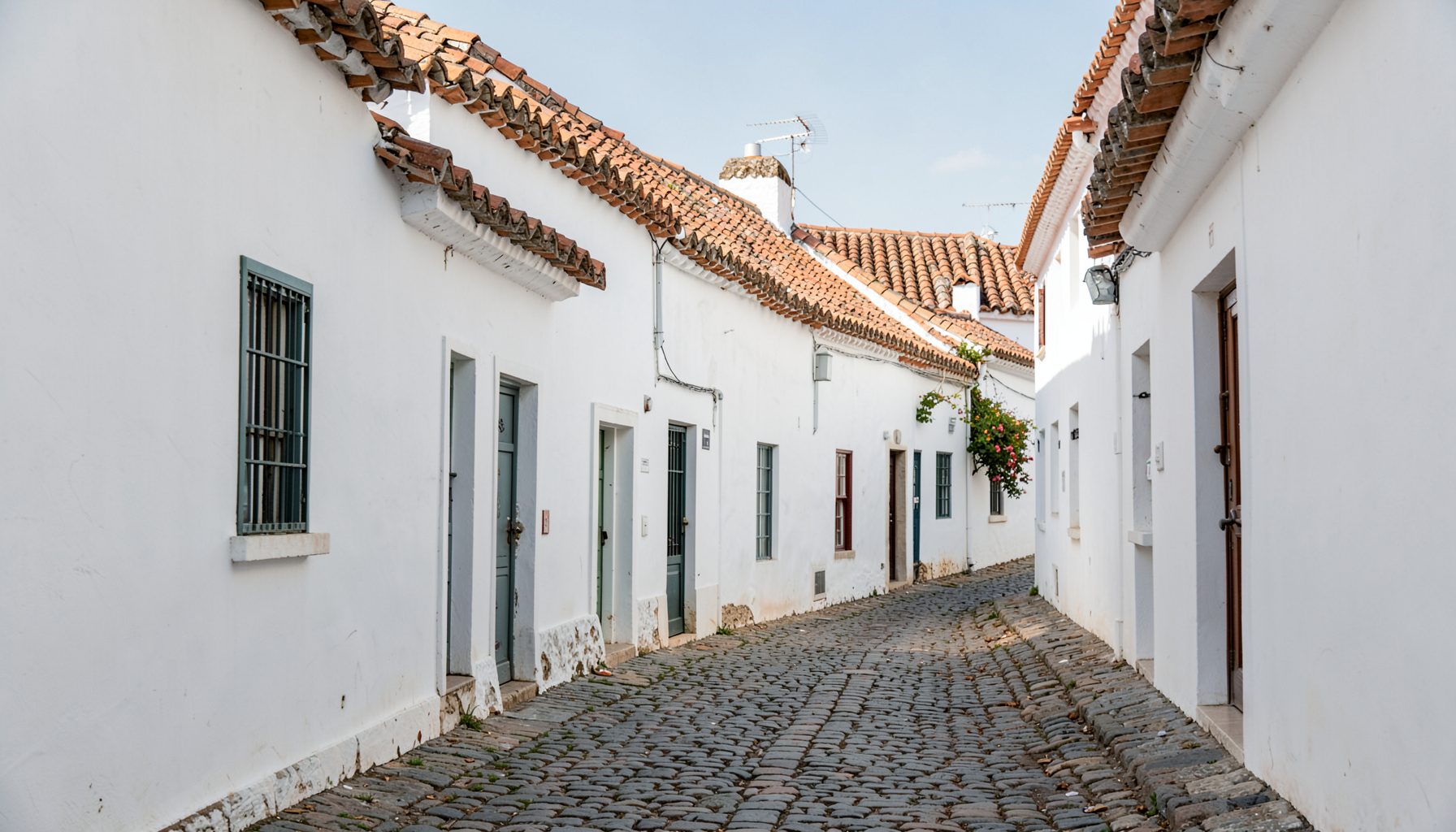
This approach is especially useful in smaller municipalities. A major museum may attract visitors for a full day, but a historic doorway or former press can add meaning to a walk through town. The signs encourage people to slow down, look closely and recognise that heritage includes working places and streetscapes, not only grand monuments.
The old olive press represents the practical side of Agudo’s history. Olive oil production depended on seasonal labour, local crops, pressing equipment and knowledge passed between generations. Even when the machinery is no longer operating, the building can reveal how agricultural communities organised work and transformed produce into a valuable household and commercial product.
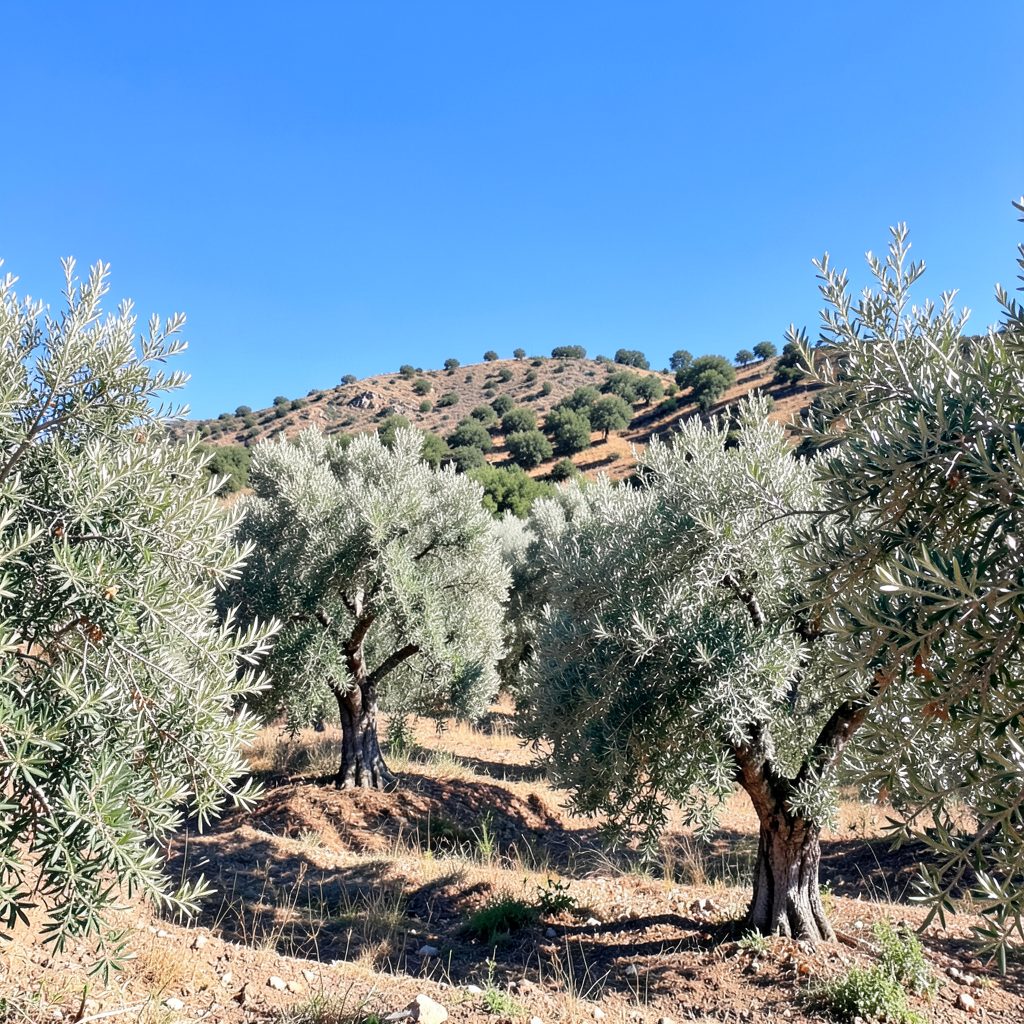
Interpretation at the site may also help visitors understand the relationship between the town and its surrounding landscape. Olive groves are part of the visual identity of much of inland Spain, and the press connects those fields with the economic life of the settlement. For Australian visitors, there is a useful comparison with historic shearing sheds, former dairies and old wheat silos: buildings valued because they explain how a region worked.
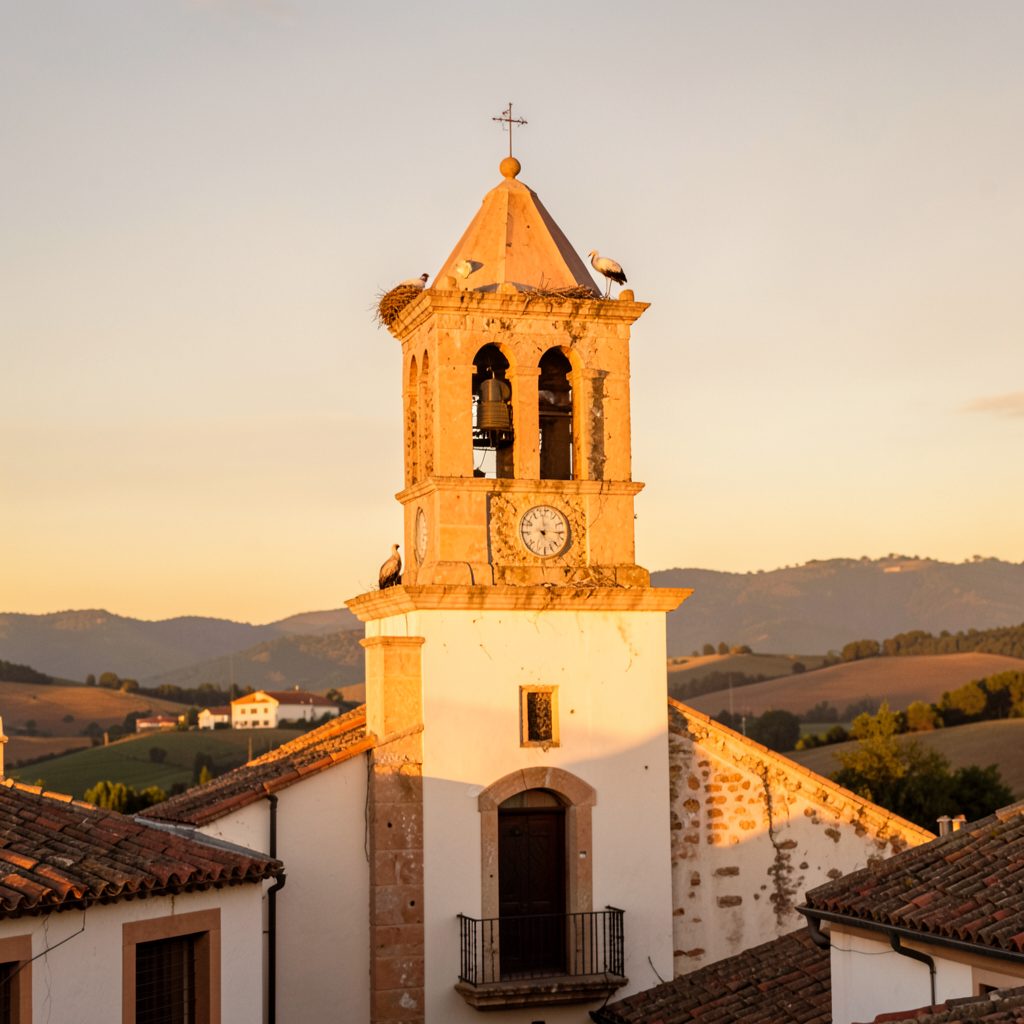
The church doorway tells a different story. Its Baroque character points towards decoration, religious expression and skilled stonework rather than production. Architectural details around an entrance can communicate the period’s preference for movement, ornament and visual drama. A heritage panel allows visitors to notice those elements instead of treating the doorway as simply another entrance.
Together, the two locations present a broader picture of Agudo. One reflects agricultural labour and local industry; the other reflects religious life, artistic taste and the town’s architectural development. Their proximity in the public realm makes the heritage walk more varied and easier to follow.
Interpretation can support conservation because people are more likely to value a place once they understand its importance. A sign cannot repair stonework or protect an unused building by itself, yet it can encourage residents to report damage, discourage careless behaviour and give public discussion a shared point of reference.
That purpose is particularly relevant after incidents affecting public spaces. Agudo has also reported the installation of new security cameras in the main square to deter vandalism. Security measures and heritage interpretation serve different purposes, but together they show how a municipality can protect both the physical environment and the meaning attached to it.
Community involvement will remain important. Residents who remember the olive press in operation, know stories about the church or have family photographs can add depth that official descriptions may miss. Local associations, teachers and cultural groups can help keep that knowledge active through talks, walking tours, exhibitions and online posts.
For former residents now living in Madrid, Valencia or overseas, the signs also offer a fixed reference point. A familiar building becomes easier to explain to children and grandchildren, especially when a visit is combined with photographs, archived material and a story about family connections to the town.
Australian readers often approach Spanish regional travel as part of a larger itinerary rather than a single-destination holiday. A visit to Agudo could fit into a road trip through inland Castilla-La Mancha, with time set aside for a town walk, a meal and a look at local architecture. Checking distances, opening arrangements and transport options in advance is sensible because smaller municipalities may have fewer daily services than major Spanish cities.
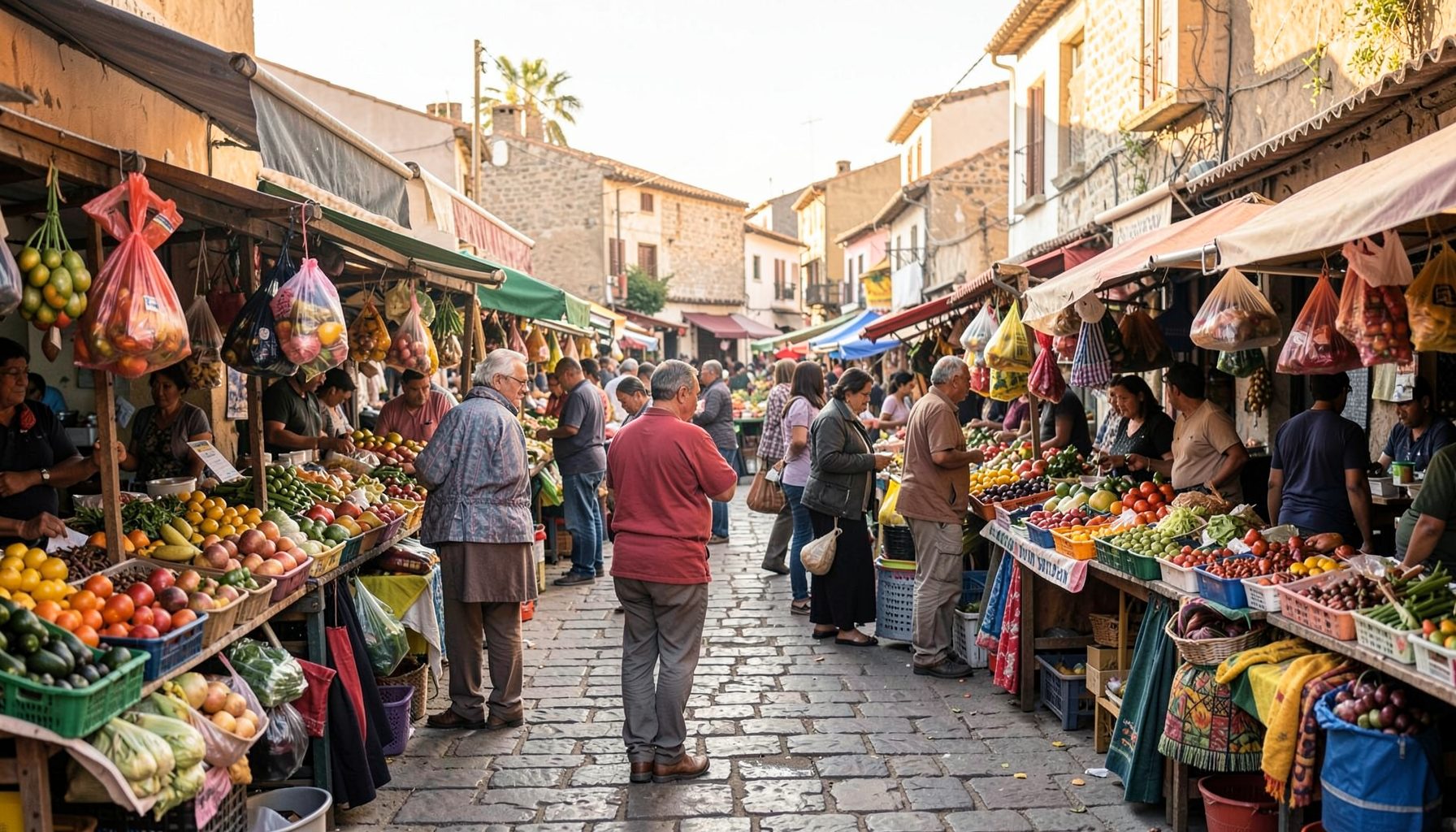
The experience will feel familiar to anyone who has explored a country town in regional New South Wales, Victoria or South Australia. The pace is quieter, the useful information may be spread between council notices and local businesses, and a bakery, bar or weekly market can be as important to the visit as a formal attraction. Australians might describe it as a good “stop-off” rather than a packed sightseeing day.
Road-trip planning also benefits from allowing extra time for smaller roads and unexpected stops. Readers comparing route ideas can use a general travel route guide as a planning reference, while checking official Spanish sources for the most accurate local information. The heritage signs themselves may take only a few minutes to read, but their value increases when visitors connect them with the streets, landscape and people around them.
Weather matters too. Summers in inland Spain can be intensely hot, so an early morning or late afternoon walk is often more comfortable. Comfortable footwear, water and respect for residential spaces are practical basics, particularly when visiting a quiet neighbourhood where local life continues around the historic sites.
A thoughtful visit does not require a long checklist. Reading the panels carefully, looking for architectural details and considering how the two sites relate to one another can turn a brief walk into a richer account of Agudo’s past. Visitors should avoid touching old stonework, blocking entrances or photographing people without permission.
The following habits help protect the sites while supporting the town’s local economy:
The municipality’s wider online material can help visitors find related news, community information and archived content; the Agudo site archive is a useful starting point for exploring those resources. Digital coverage is valuable because it extends the life of a physical sign, allowing people who cannot travel to learn about the town and giving residents a place to preserve updates, images and local memories.
| Heritage site | Main story | Details visitors may notice | Community value |
|---|---|---|---|
| Old olive press | Agriculture, olive growing and rural industry | Building layout, working surfaces and links to the surrounding landscape | Explains how local production supported families and trade |
| Church’s Baroque doorway | Religious life, architecture and craftsmanship | Ornament, stonework and the dramatic character of the entrance | Connects faith, art and the town’s historic identity |
| Main square and nearby streets | Present-day civic life and public space | Everyday movement, municipal activity and local gathering places | Shows how heritage remains part of a living town |
The new signs give Agudo a clear invitation to look again at places that may have become ordinary through familiarity. Residents, former residents and visitors can help that effort by reading, sharing and respecting the information now placed in the town’s historic setting. For Australian travellers planning a Castilla-La Mancha road trip, the old olive press and Baroque doorway offer a grounded, memorable way to experience Agudo beyond the usual tourist route.
Stay informed with local news updates covering Agudo and the surrounding region. Browse the Hemeroteca for past articles and keep up with what matters in the community.
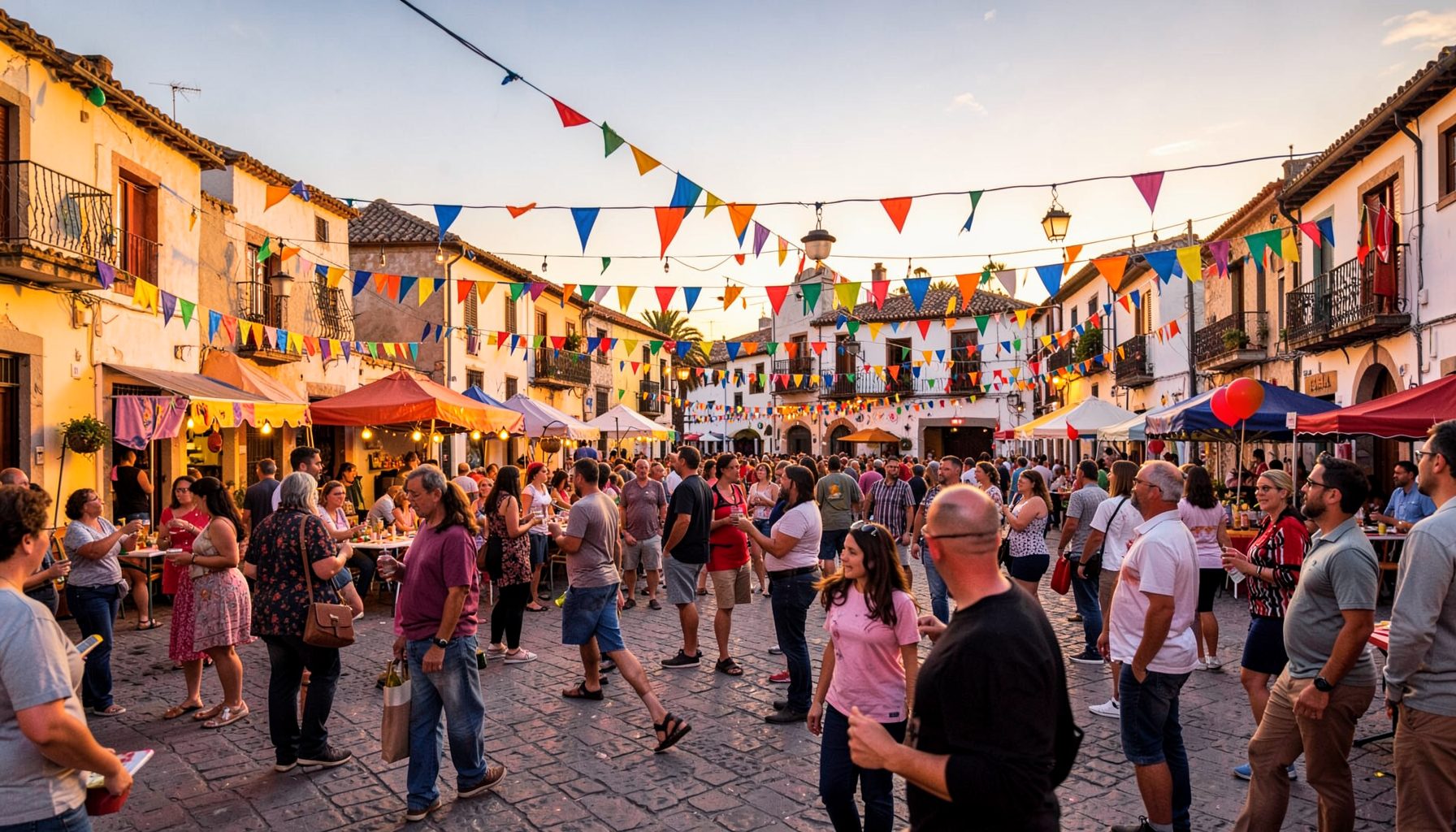
Join the conversation in the Agudo community forums. Access the Foro antiguo archive and participate in discussions with fellow residents and visitors.
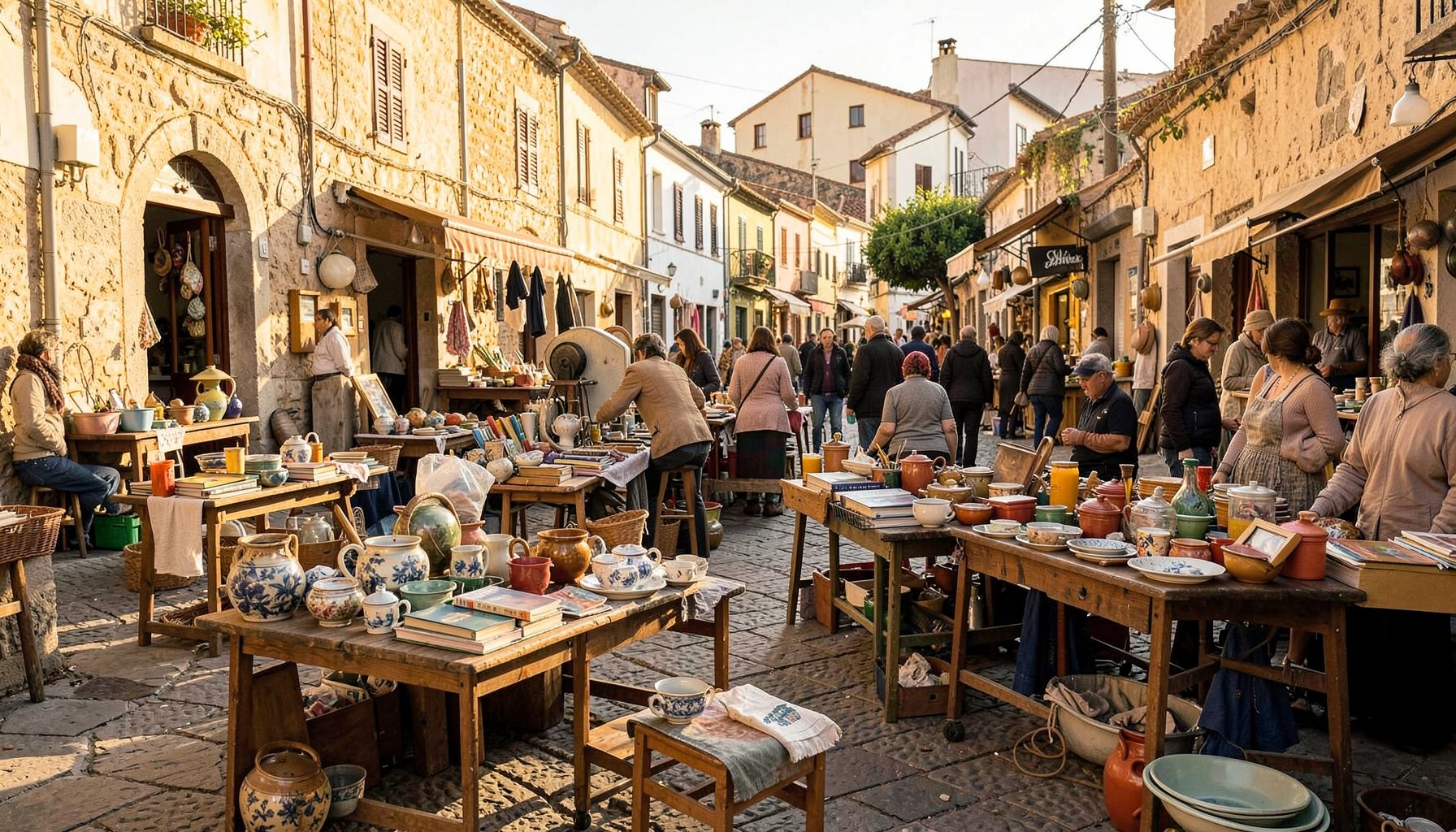
Browse local second-hand listings in the Agudo area. A convenient marketplace for buying and selling within the community.
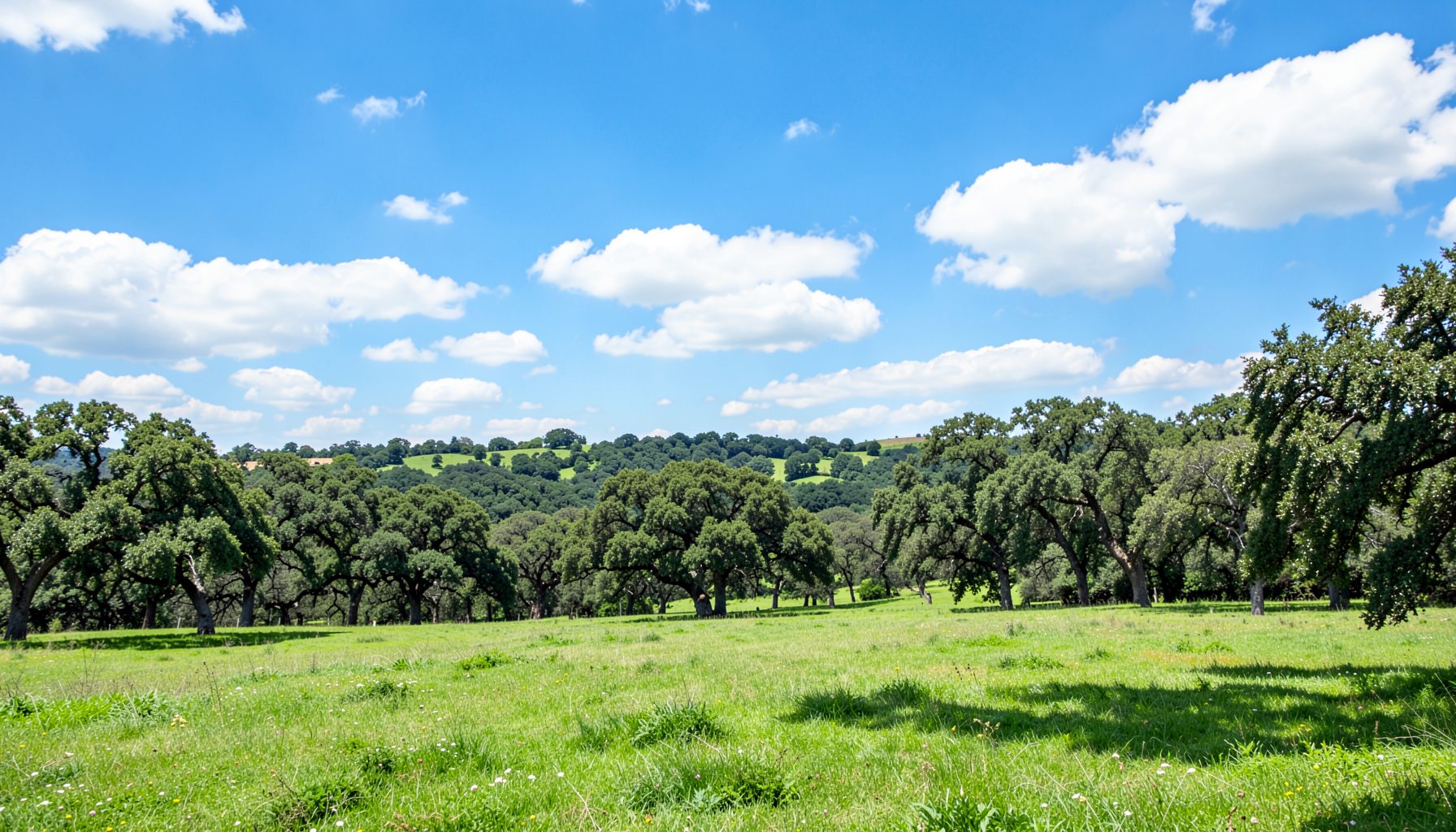
Explore our directory of recommended links, including the Ayuntamiento de Ciudad Real, Lagunas de Ruidera, Parque de Cabañeros, Agudo Joven, and Balneario Cervantes.
Access practical tools including Prensa links, radio, horóscopo, Loterías results, a leisure guide, recipes, a dictionary, and Street View integration.
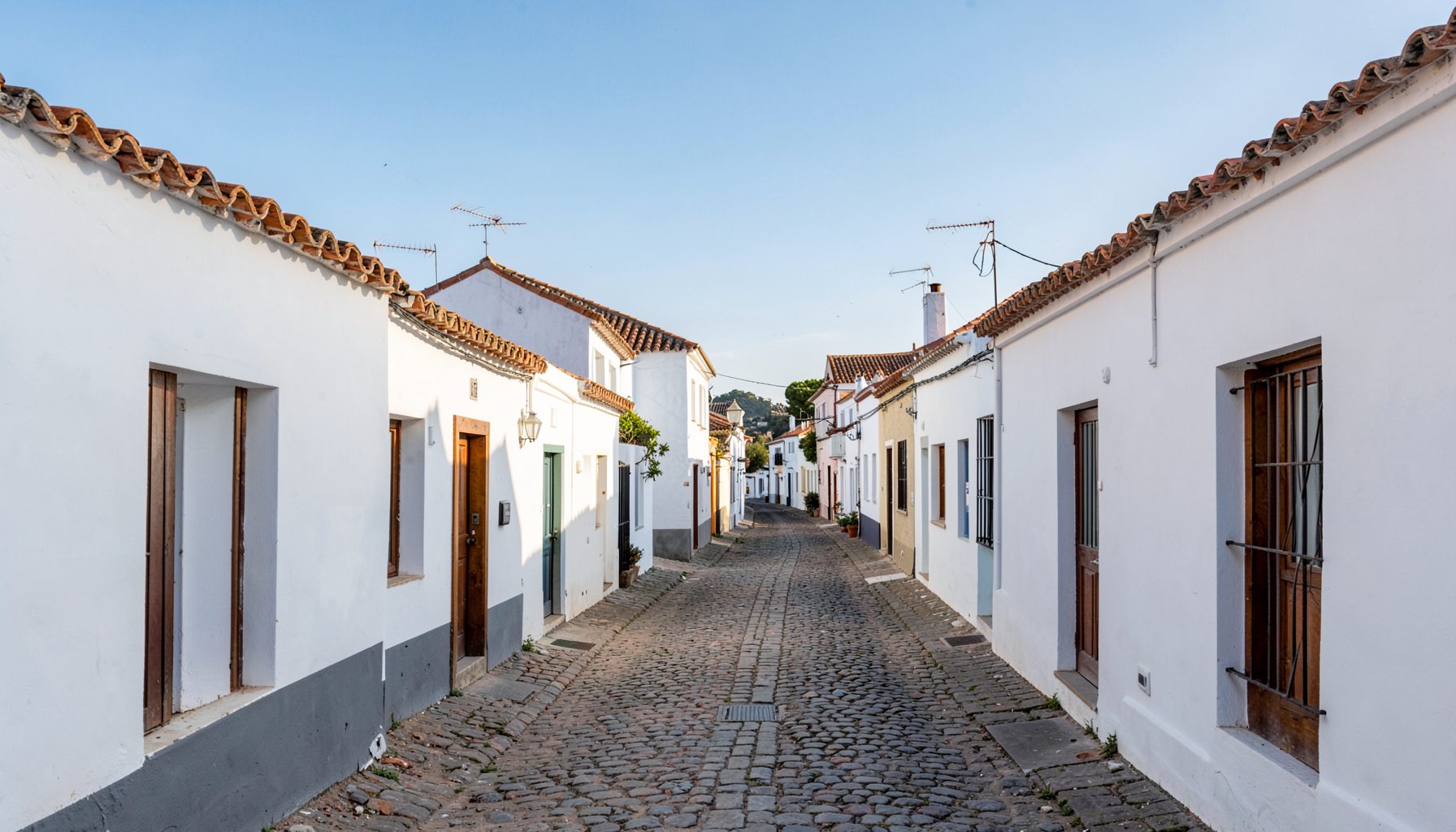
Watch videos showcasing Agudo and the surrounding region. A visual tour of local life, landscapes, and community events.