Stay informed with local news updates covering Agudo and the surrounding region. Browse the Hemeroteca for past articles and keep up with what matters in the community.
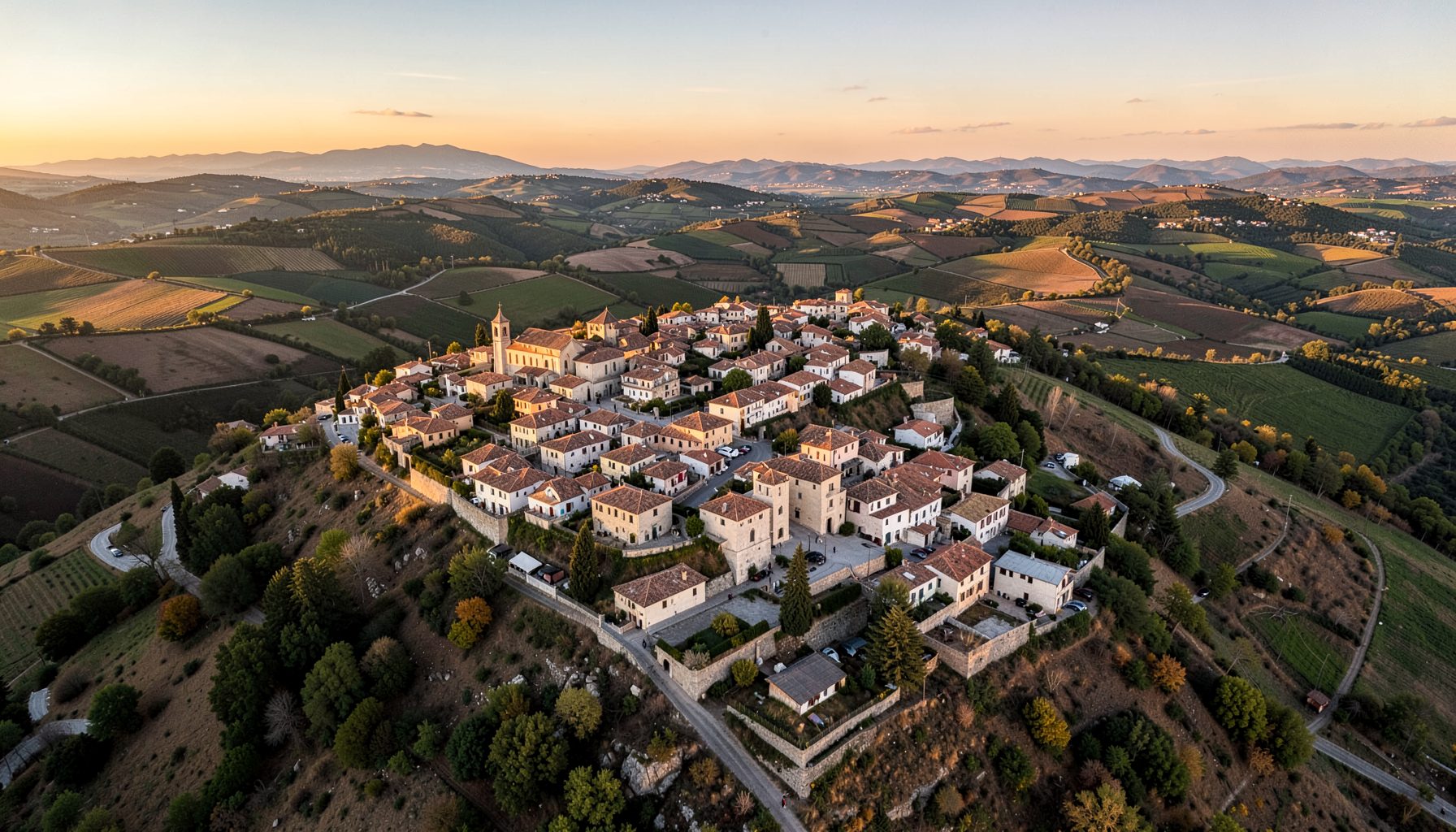
Agudo Town Hall has commissioned a technical study into connecting the municipal swimming pool to the town’s thermal water circuit, opening a new discussion about public facilities, energy use and the future of local bathing services. The proposal would examine whether naturally warm water can be safely transferred, treated and managed for pool operations.
The study is an early planning step rather than a final construction decision. Engineers will need to assess the condition of existing pipes, the distance between the thermal source and the pool, water chemistry, operating costs and the permits required by Spanish health and environmental authorities.
For residents, the idea could mean a longer swimming season and a more distinctive public amenity for Agudo and nearby communities. It may also create a practical link between the town’s natural resources and its municipal infrastructure, provided the technical and financial conditions are favourable.
Australian readers will recognise the broader question. Councils from Brisbane to Melbourne regularly weigh the cost of upgrading aquatic centres against energy efficiency, seasonal demand and long-term maintenance. Agudo’s project is smaller in scale, but the basic decision is familiar: how can a community facility deliver greater value without creating an unsustainable bill?
| Area of assessment | Key question for the study | Possible local benefit |
|---|---|---|
| Water quality | Can thermal water meet pool health standards after treatment? | Safe, reliable bathing conditions |
| Infrastructure | Can the current circuit support a new connection? | Better use of existing assets |
| Energy | How much heating could the system provide? | Lower dependence on conventional energy |
| Cost | What would construction and annual operation require? | Clearer budget planning |
| Community use | Would opening hours or the season expand? | More access for residents and visitors |
| Environment | What effects could extraction and discharge create? | Protection of the thermal resource |
The technical report is expected to define the engineering route between the thermal water circuit and the municipal pool. This could include a feasibility survey, hydraulic calculations, water sampling and a review of filtration, storage and temperature-control equipment. The exact approach will depend on the characteristics of the existing thermal system.
Thermal water is not automatically suitable for direct use in a public swimming pool. Mineral content, temperature, bacteria, corrosion risks and possible interaction with disinfectants all need careful attention. A heat exchanger could allow the natural warmth to contribute to pool heating without mixing two water systems, while separate treatment may be required if the thermal water itself is to enter the bathing area.
The study should also identify which parts of the project can use existing infrastructure. Reusing pumps, plant rooms or pipe corridors may reduce the capital cost, although older equipment can bring hidden maintenance risks. A clear asset inspection will help the council distinguish between a modest connection project and a larger redevelopment of the aquatic centre.
If the connection proves viable, the municipal pool could become useful beyond the hottest part of the year. A warmer water supply might support earlier opening in spring, later operations in autumn or more consistent temperatures for swimming lessons, rehabilitation activities and community programs.
That possibility should be tested against actual demand. Agudo’s population, school calendar, tourism patterns and surrounding villages will influence whether extended hours justify the investment. In Australia, public pools often balance learn-to-swim programs, lap swimming, school carnivals and casual recreation; a similar mix of uses could help determine whether a warmer pool produces meaningful community value.
Operating costs will remain important even if thermal energy reduces conventional heating needs. Staff, water treatment, cleaning, electricity for pumps, insurance and repairs will continue to require annual funding. The report should therefore compare several scenarios, including the current arrangement, a limited seasonal connection and a full year-round operating model.
The council will need a realistic estimate covering design, permits, civil works, mechanical equipment and contingencies. Construction inflation and specialist contractors can significantly alter the final figure. Local procurement could support businesses in Ciudad Real, but a small town may need to bring in contractors with experience in thermal systems and public aquatic facilities.
Environmental safeguards must sit alongside the financial assessment. The thermal circuit should be managed so that extraction rates remain sustainable and nearby groundwater or habitats are not adversely affected. The study may also need to examine how used water is discharged and whether changes in temperature or mineral composition could affect local drainage.
Energy savings could strengthen the case, particularly as European municipalities face pressure to reduce consumption and operating emissions. The council should request measured estimates rather than broad promises: expected kilowatt-hour reductions, peak demand changes, annual maintenance requirements and the likely payback period. Those figures would give residents a firmer basis for judging the proposal.
A successful connection could add to Agudo’s identity as a place where natural resources, public services and local heritage work together. It might attract visitors from nearby parts of Ciudad Real, especially if the pool is presented as a family-friendly aquatic facility rather than a purely seasonal service.
The project could also sit alongside other civic improvements designed to make the town easier to navigate. Residents and visitors can already see how practical changes shape the local experience through the new bilingual signs installed around key locations. Clear information, accessible facilities and reliable opening hours would matter if the pool is to serve people from outside Agudo.
Promotion should remain grounded in the town’s existing economy. A visitor attending the pool may also use local cafés, shops, accommodation and seasonal services. That kind of small-scale visitor spending is familiar in Australian regional centres such as Bendigo or Toowoomba, where community facilities can support a broader day-trip economy without becoming mass-tourism projects.
Residents will expect the council to explain what is being studied, how much the report costs and when its findings will be published. Public confidence is easier to maintain when technical uncertainty is acknowledged early. A feasibility study should be presented as a decision-making tool, not as a promise that construction will automatically follow.
Local media and community forums can help translate specialist information into practical terms. Coverage should include water testing, projected costs, possible disruption and the expected effect on pool prices or opening times. Cultural content also has a place in community communication: audiences who value films with a strong civic perspective may appreciate socially aware Punjabi cinema as an example of how media can connect everyday issues with wider social concerns.
The council could publish a simple project timeline with milestones for sampling, engineering design, budget review, public consultation and the final decision. That approach would be useful to former residents following developments online, as well as people in neighbouring municipalities who may eventually use the facility.
Before committing to construction, the study and subsequent consultation should address several points:
A staged approach may be the most prudent option. The council could begin with monitoring and engineering design, then consider a pilot heating arrangement before approving major civil works. Clear performance targets would allow the community to see whether the system delivers the promised temperature, reliability and cost control.
The proposal also arrives at a useful moment for the local economy. Agricultural activity, hospitality and community events all depend on clear seasonal planning. The outlook for nearby producers is another part of that picture, with a recent grape harvest forecast pointing to average yields and excellent quality for red wines. A well-planned pool project could complement that wider calendar by giving residents and visitors another reason to spend time in Agudo.
Residents can follow the study through Agudo Ciudad Real’s local news, archive, images, videos and community information channels. As the technical findings emerge, those updates will help the town assess whether thermal water can become a safe, efficient and valuable part of the municipal pool’s future.
Stay informed with local news updates covering Agudo and the surrounding region. Browse the Hemeroteca for past articles and keep up with what matters in the community.
Join the conversation in the Agudo community forums. Access the Foro antiguo archive and participate in discussions with fellow residents and visitors.
Browse local second-hand listings in the Agudo area. A convenient marketplace for buying and selling within the community.
Explore our directory of recommended links, including the Ayuntamiento de Ciudad Real, Lagunas de Ruidera, Parque de Cabañeros, Agudo Joven, and Balneario Cervantes.
Access practical tools including Prensa links, radio, horóscopo, Loterías results, a leisure guide, recipes, a dictionary, and Street View integration.
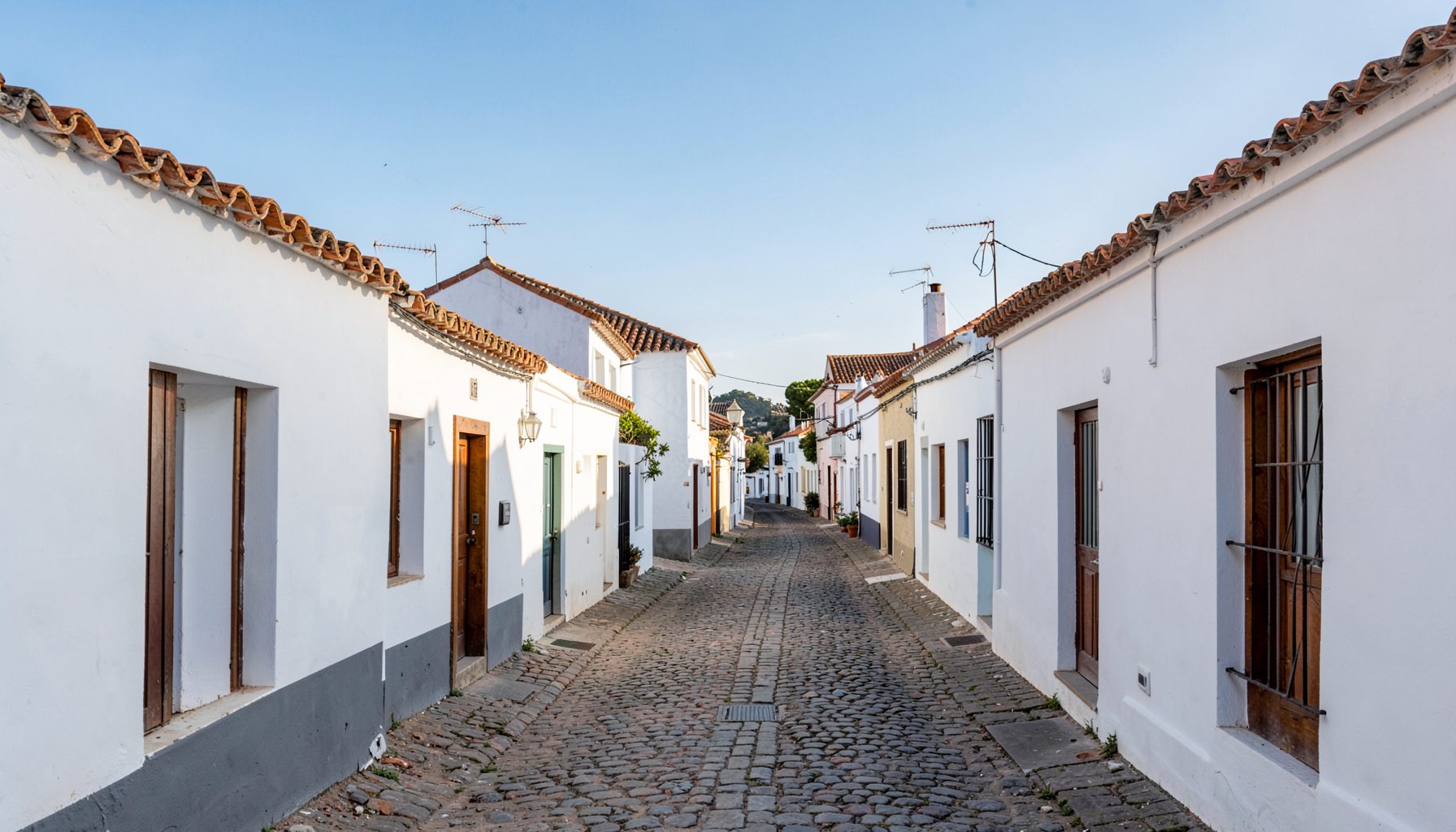
Watch videos showcasing Agudo and the surrounding region. A visual tour of local life, landscapes, and community events.