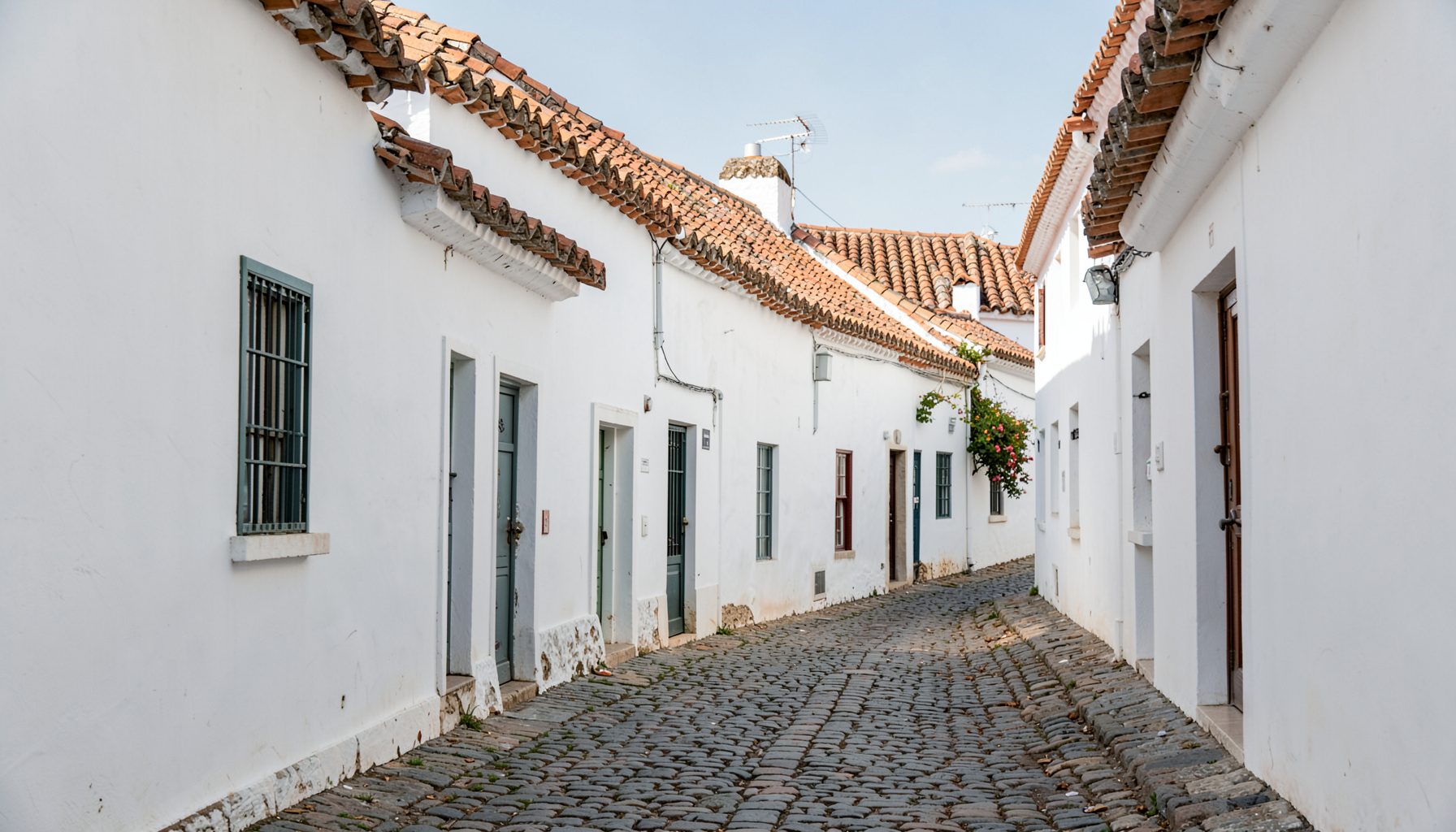

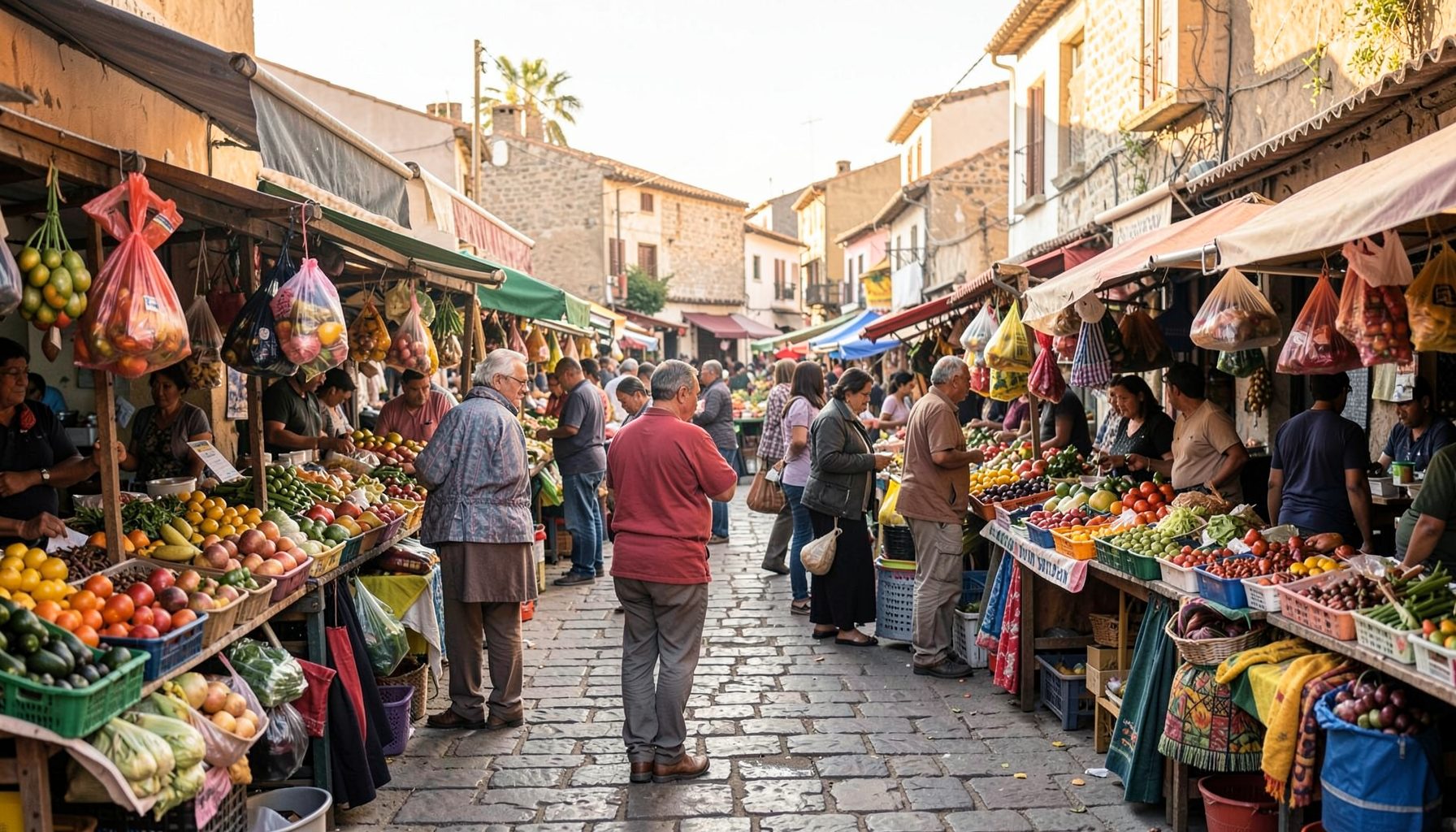
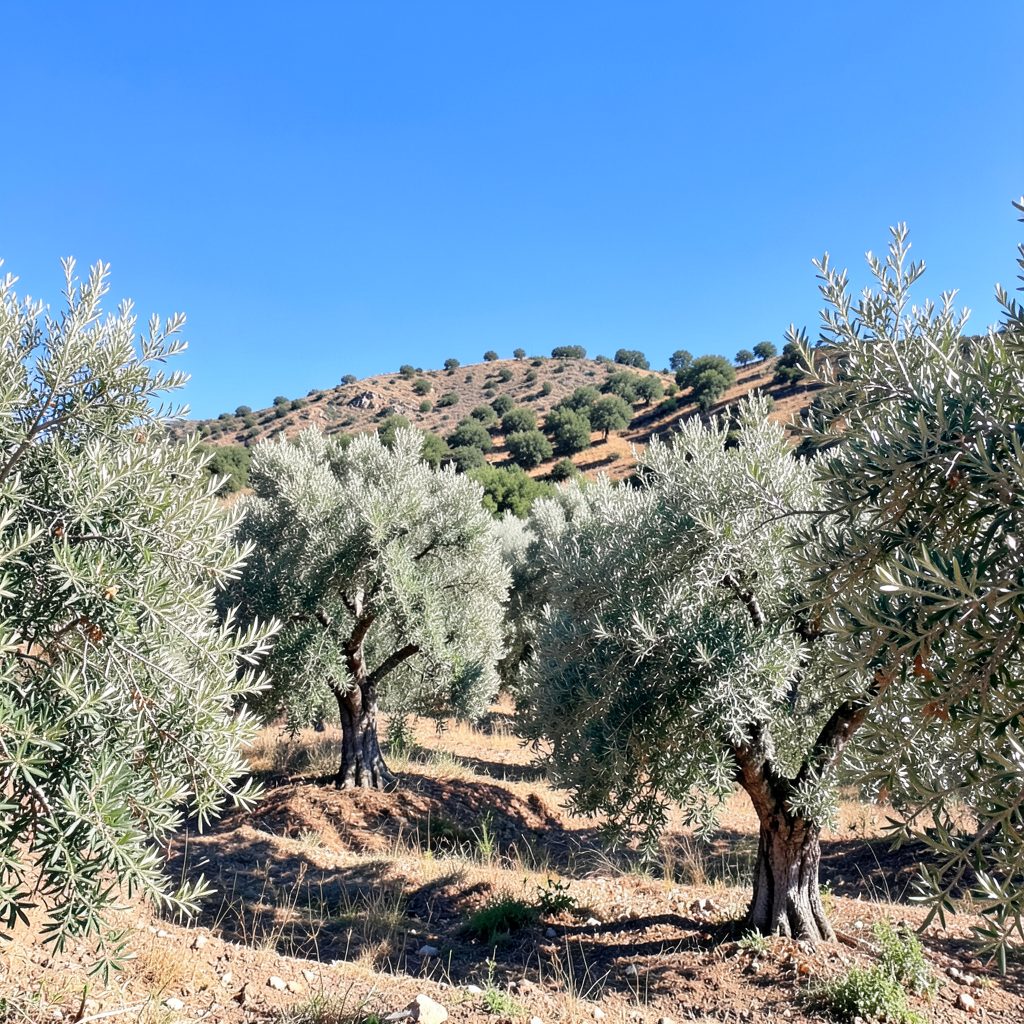
Stay informed with local news updates covering Agudo and the surrounding region. Browse the Hemeroteca for past articles and keep up with what matters in the community.
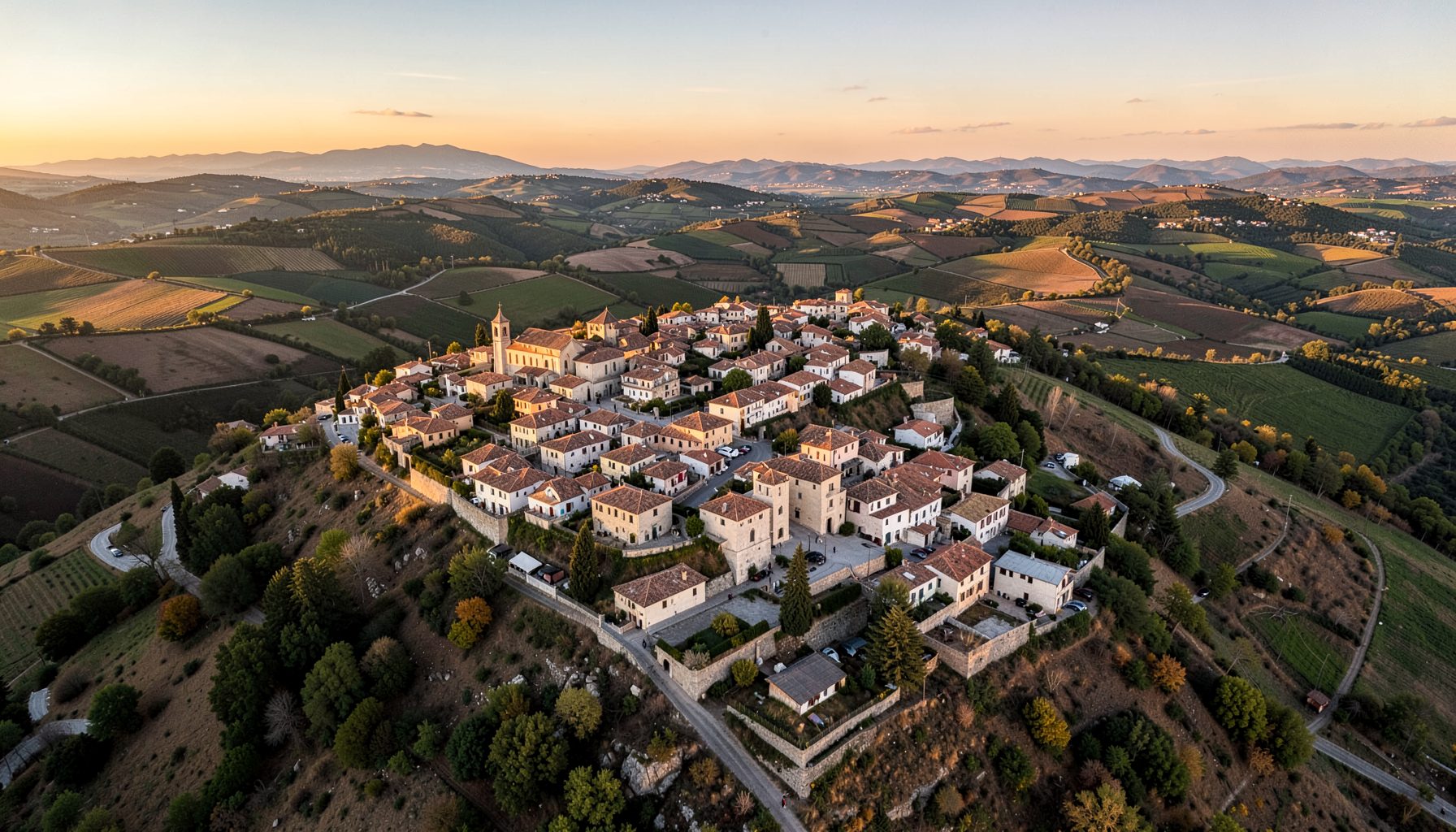
Residents living near the cereal co-operative road in Agudo are asking for a marked pedestrian crossing close to the silos. Their concern centres on a route used by people walking between homes, agricultural workplaces and the town, where large grain trucks and other vehicles can make crossing difficult.
The request has a familiar ring for Australian readers. Around grain centres such as Wagga Wagga, Toowoomba and rural South Australia, harvest traffic can quickly change the character of a quiet road. In Agudo, residents want a practical safety measure that recognises daily walking patterns while allowing the co-operative and freight operators to continue working efficiently.
| Issue | Current situation | Requested response | Likely benefit |
|---|---|---|---|
| Pedestrian movement | People cross near the cereal silos without a clearly marked crossing | Install a formal pedestrian crossing | More visible and predictable road use |
| Heavy vehicles | Grain lorries use the access road, particularly during busy periods | Review traffic speeds, sightlines and signage | Greater reaction time for drivers |
| Visibility | The crossing point may be difficult to identify at different times of day | Add road markings, signs and lighting where needed | Better awareness for walkers and motorists |
| Local access | Residents need to reach homes, workplaces and community areas on foot | Design a route around actual walking patterns | Safer, more convenient daily travel |
The road beside the silos is part of ordinary local movement, not simply an industrial access lane. Residents may use it to reach nearby properties, agricultural jobs or the town centre, while children, older people and visitors can be less confident when faced with heavy vehicles.
A marked crossing would give pedestrians a recognised place to wait and cross. It would also tell drivers that people are expected to be there. That distinction matters on roads where traffic behaviour is shaped by harvest schedules, loading operations and changing vehicle sizes.
The request does not necessarily mean stopping the work of the cereal co-operative. Instead, it points towards better separation between walking and freight movements. A carefully selected crossing could support both road safety and the continued operation of an important rural business.
Grain traffic is rarely constant across the year. During planting, harvesting and delivery periods, the road may carry more trucks, tractors and utility vehicles than residents experience in quieter months. Long vehicles can obscure a person waiting to cross, while dust, glare or early morning darkness can reduce visibility.
The issue is comparable to conditions around Wagga Wagga’s grain facilities or Western Australia’s CBH network, where seasonal freight is a normal part of regional life. Australian drivers are used to slowing near stock, machinery and school zones, yet even experienced motorists need clear markings and advance warning when pedestrian activity takes place beside a heavy-vehicle route.
For Agudo, a traffic assessment during a busy delivery period would provide more useful information than a survey conducted only on a quiet weekday. Counts of pedestrians, truck movements, vehicle speeds and crossing times could help determine the most suitable treatment.
A crossing should be positioned where drivers have enough distance to see pedestrians and stop safely. The assessment would need to consider bends, entrances to the silos, parked vehicles, drainage, lighting and the points residents actually use. Placing a crossing in a convenient but poorly visible location would leave the central problem unresolved.
Road markings and signs may be enough in some settings, while other locations could require raised paving, flashing beacons, refuge space or improved footpath connections. The correct choice depends on the road width, traffic volume and access requirements of agricultural vehicles.
Australian communities often use high-visibility clothing around farms, depots and construction areas, especially at dawn or dusk. That habit can help, but visibility aids should complement infrastructure rather than replace it. Pedestrians should not be expected to manage an unsafe crossing alone.
The cereal co-operative is part of Agudo’s local economy, so any change must account for truck turning paths, loading access and peak delivery times. A crossing that blocks vehicle manoeuvres or creates confusion at a gate could introduce new risks. Consultation with operators, residents and municipal technicians would help produce a workable layout.
A possible solution could combine a formal crossing with a short pedestrian path, warning signs before the silos and a lower approach speed. If a single crossing cannot cover every movement, the council could examine a safer walking corridor linking residential areas with the crossing point.
This balance has parallels in Adelaide’s outer grain areas, where farming traffic shares roads with commuters, cyclists and pedestrians. Good design starts by acknowledging that freight is essential, while making sure economic activity does not erase the needs of people who live beside it.
The municipality can begin with a site inspection at different times of day and in different seasons. A morning visit could reveal school or work journeys, while an afternoon assessment might show the effect of deliveries and changing sunlight. Night-time visibility should also be considered, particularly in winter.
Residents’ observations are valuable because they identify near misses, informal crossing points and periods of greatest concern. Photographs, location notes and clear descriptions of traffic conditions can support a formal request. The Agudo local coverage portal can also help keep the community informed about public discussion, municipal activity and related local developments.
Any decision should be communicated in plain language. Residents need to know whether a technical report has been requested, which authority controls the road, whether funding is available and what interim measures will apply while the assessment is under way.
Until a permanent measure is installed, pedestrians should avoid crossing between parked vehicles or close to silo entrances. Waiting until a truck has fully passed is safer than assuming its driver has seen someone at the roadside. Children and older pedestrians may need an adult companion during busy periods.
Drivers should approach the co-operative road at a controlled speed, keep sightlines clear and expect people to cross near homes and work entrances. Truck operators have limited visibility around cabs and trailers, making early braking and patience especially important.
These habits are familiar to people in Australian regional towns, where a farmers’ market, footy event or school pick-up can temporarily increase pedestrian traffic near roads that are normally quiet. The same principle applies in Agudo: everyday conditions can change quickly, and road users need to adapt.
A clear community request can help the council compare this crossing with other road-safety needs. Residents might gather signatures, record peak traffic periods and nominate representatives to speak with municipal officials and the cereal co-operative. A concise proposal is more useful than scattered complaints because it connects the safety concern with a practical location and design.
People who enjoy rural walking, local history or outdoor travel can also find useful route-planning and safety ideas through regional outdoor resources, while remembering that an industrial road requires more caution than a recreational trail. Local knowledge remains the most important source for identifying where a crossing would genuinely serve residents.
Recommended actions include:
A pedestrian crossing near the silos would be a modest piece of infrastructure with a meaningful effect on daily life. It could make walking safer, give drivers clearer expectations and demonstrate that Agudo’s agricultural economy and residential needs can be planned together. Residents can help move the request forward by reporting specific risks, attending local meetings and supporting a well-evidenced proposal for action.
Stay informed with local news updates covering Agudo and the surrounding region. Browse the Hemeroteca for past articles and keep up with what matters in the community.
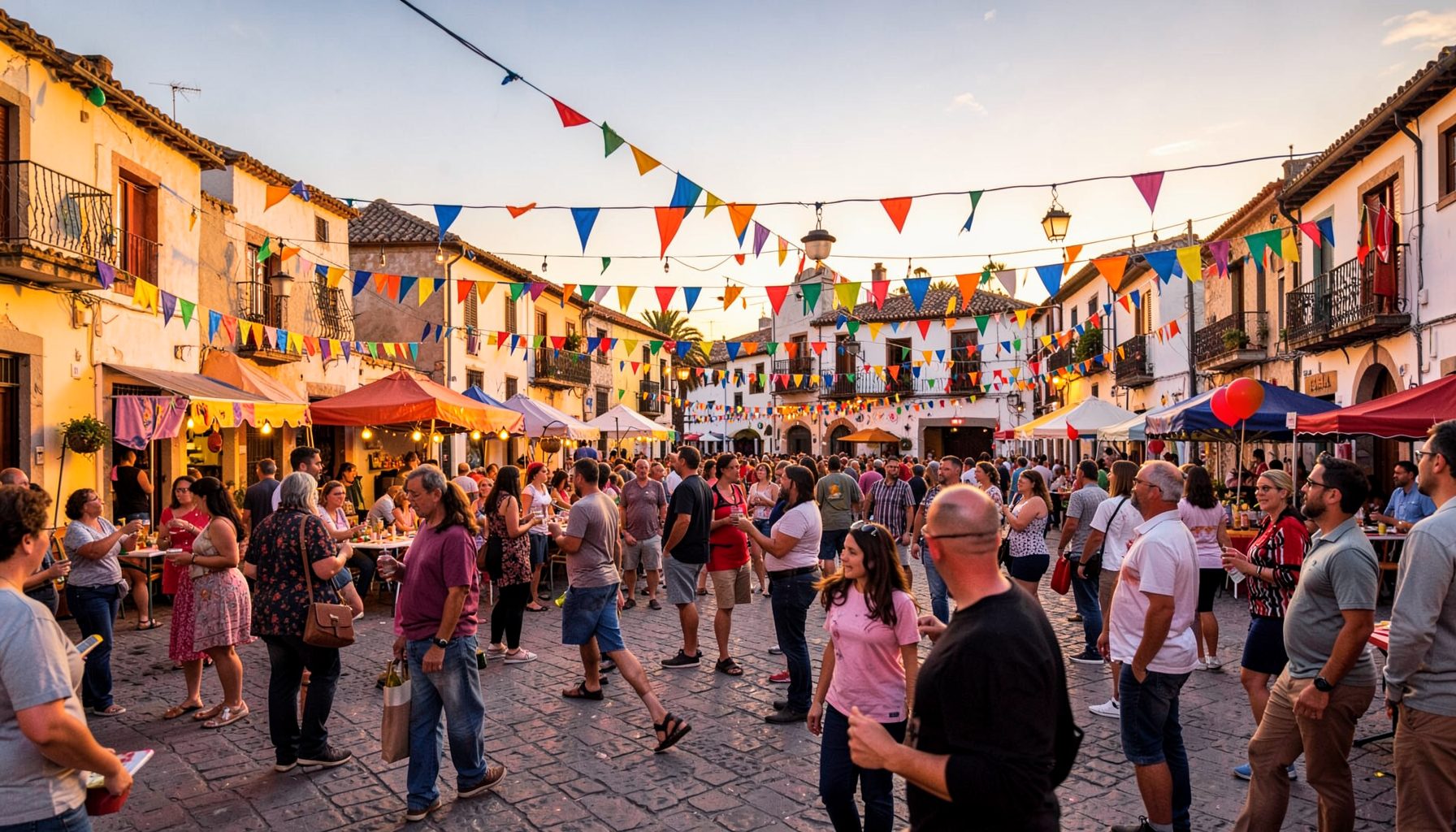
Join the conversation in the Agudo community forums. Access the Foro antiguo archive and participate in discussions with fellow residents and visitors.
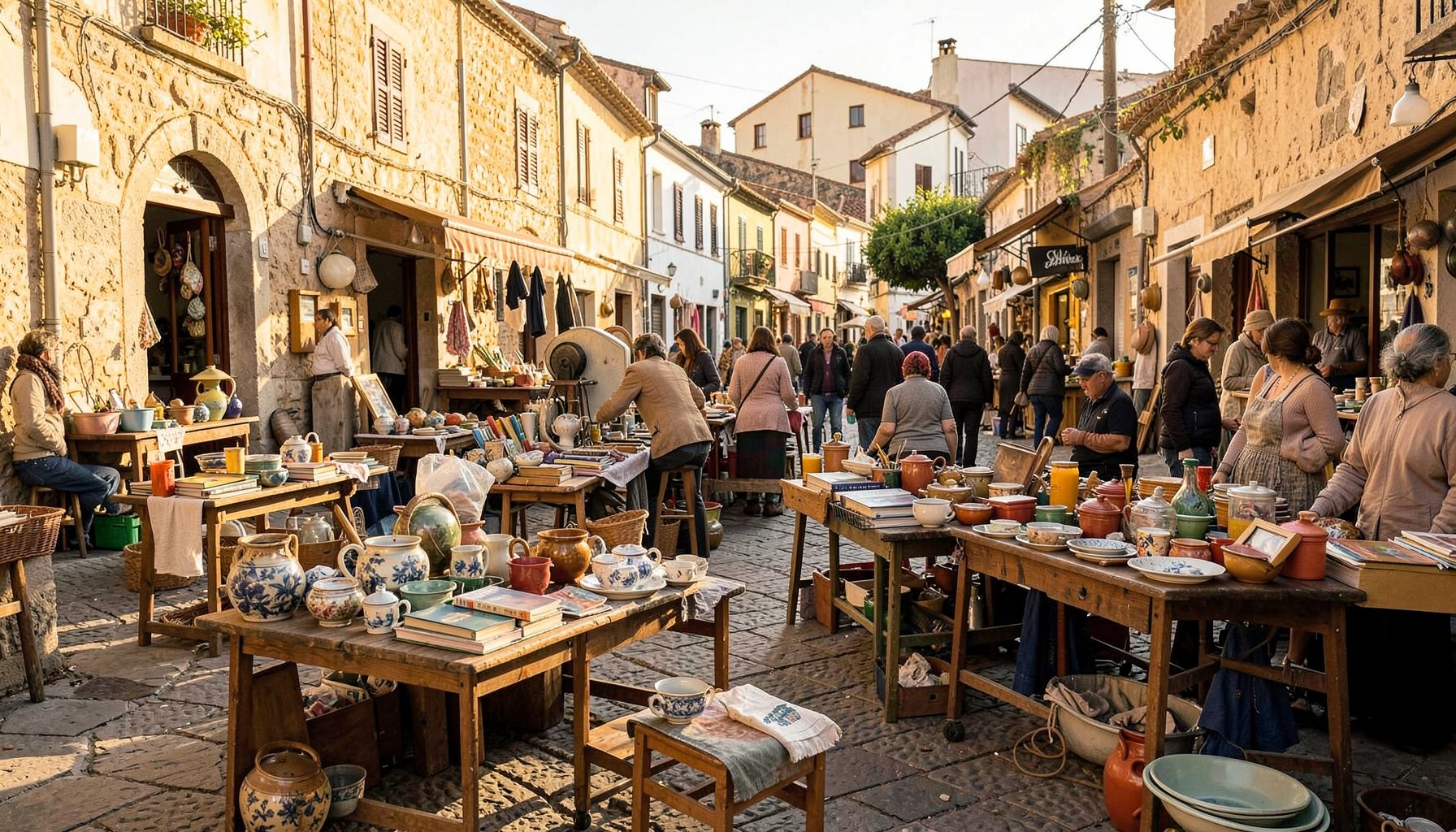
Browse local second-hand listings in the Agudo area. A convenient marketplace for buying and selling within the community.
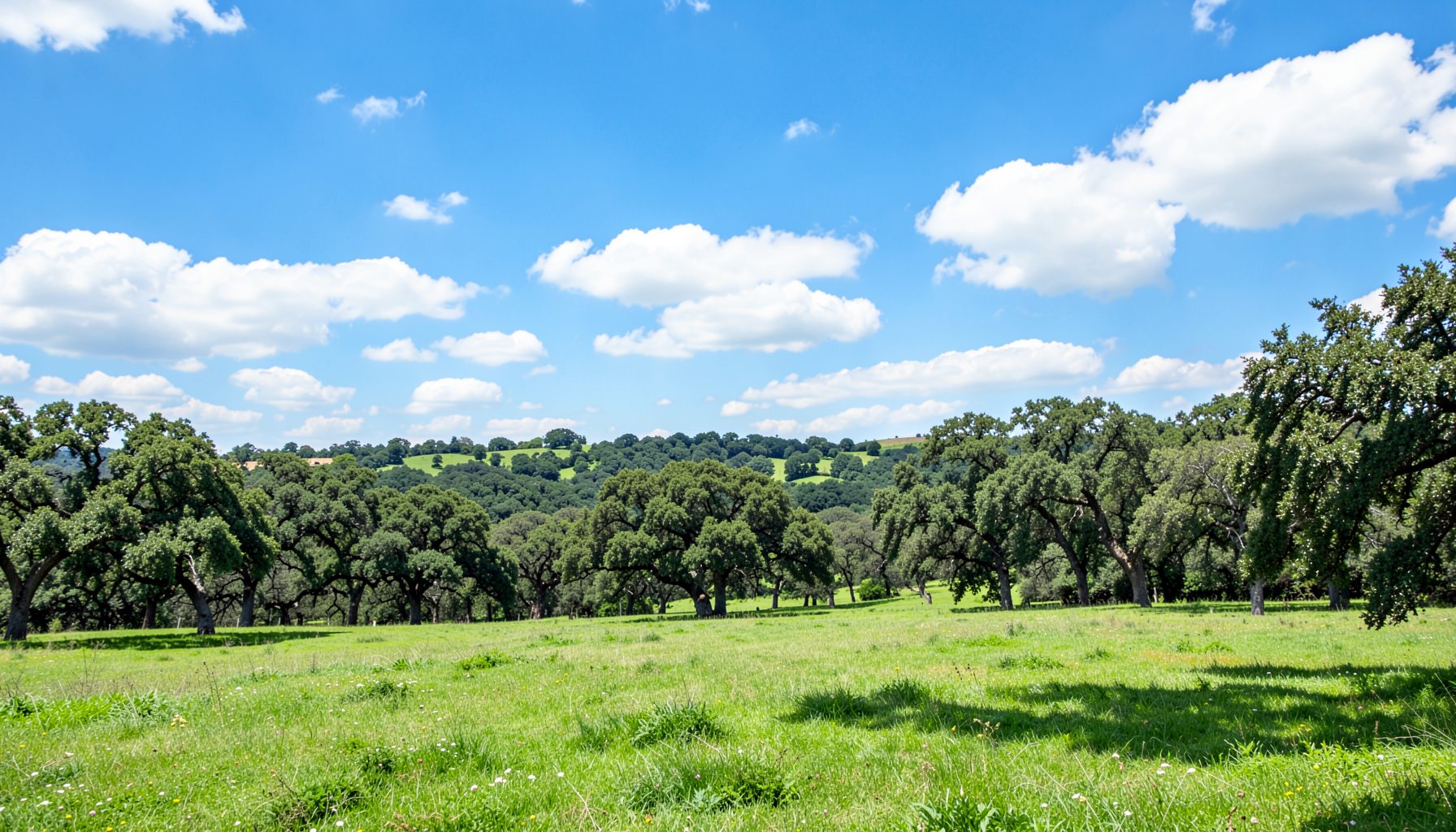
Explore our directory of recommended links, including the Ayuntamiento de Ciudad Real, Lagunas de Ruidera, Parque de Cabañeros, Agudo Joven, and Balneario Cervantes.
Access practical tools including Prensa links, radio, horóscopo, Loterías results, a leisure guide, recipes, a dictionary, and Street View integration.
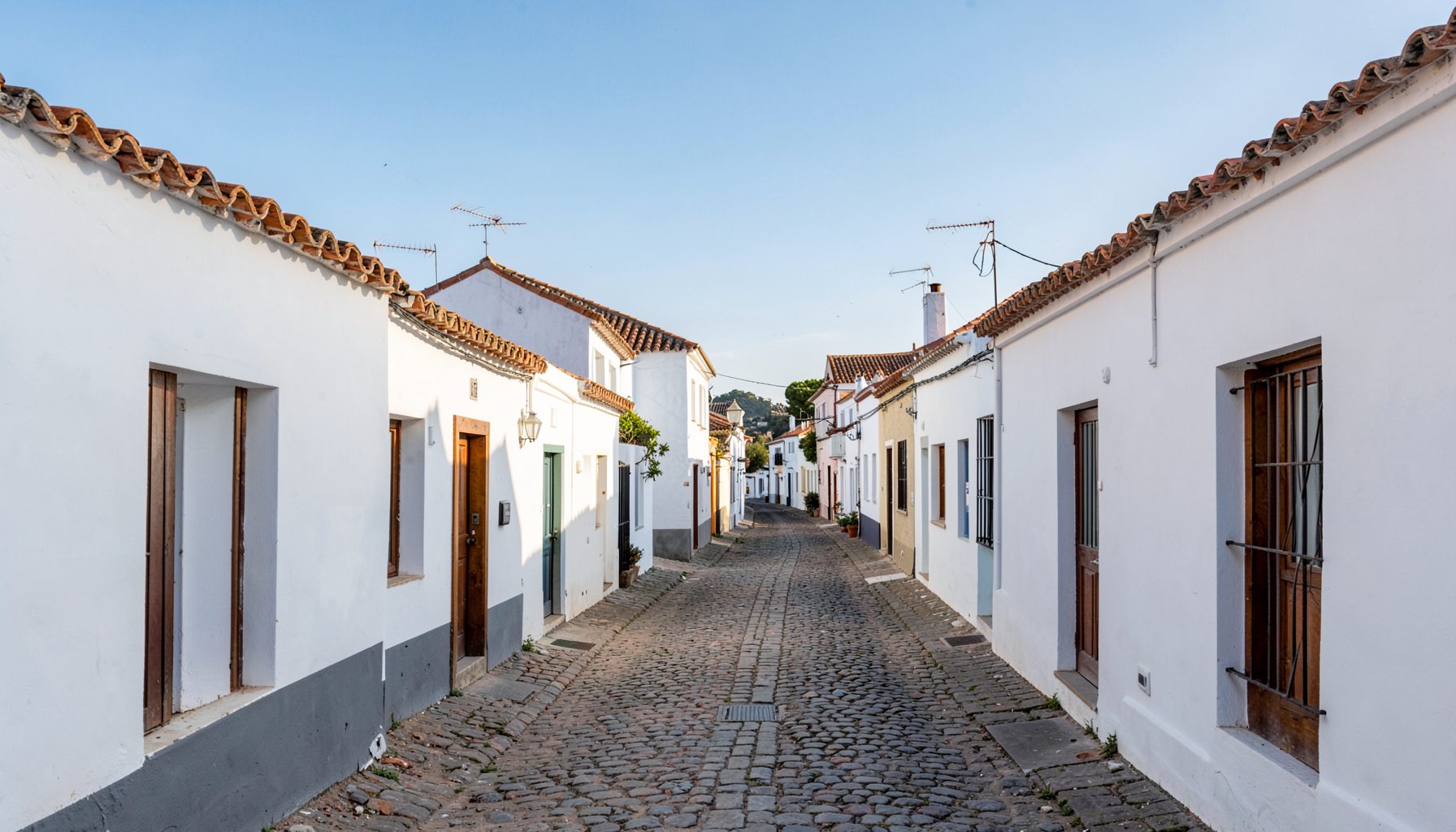
Watch videos showcasing Agudo and the surrounding region. A visual tour of local life, landscapes, and community events.