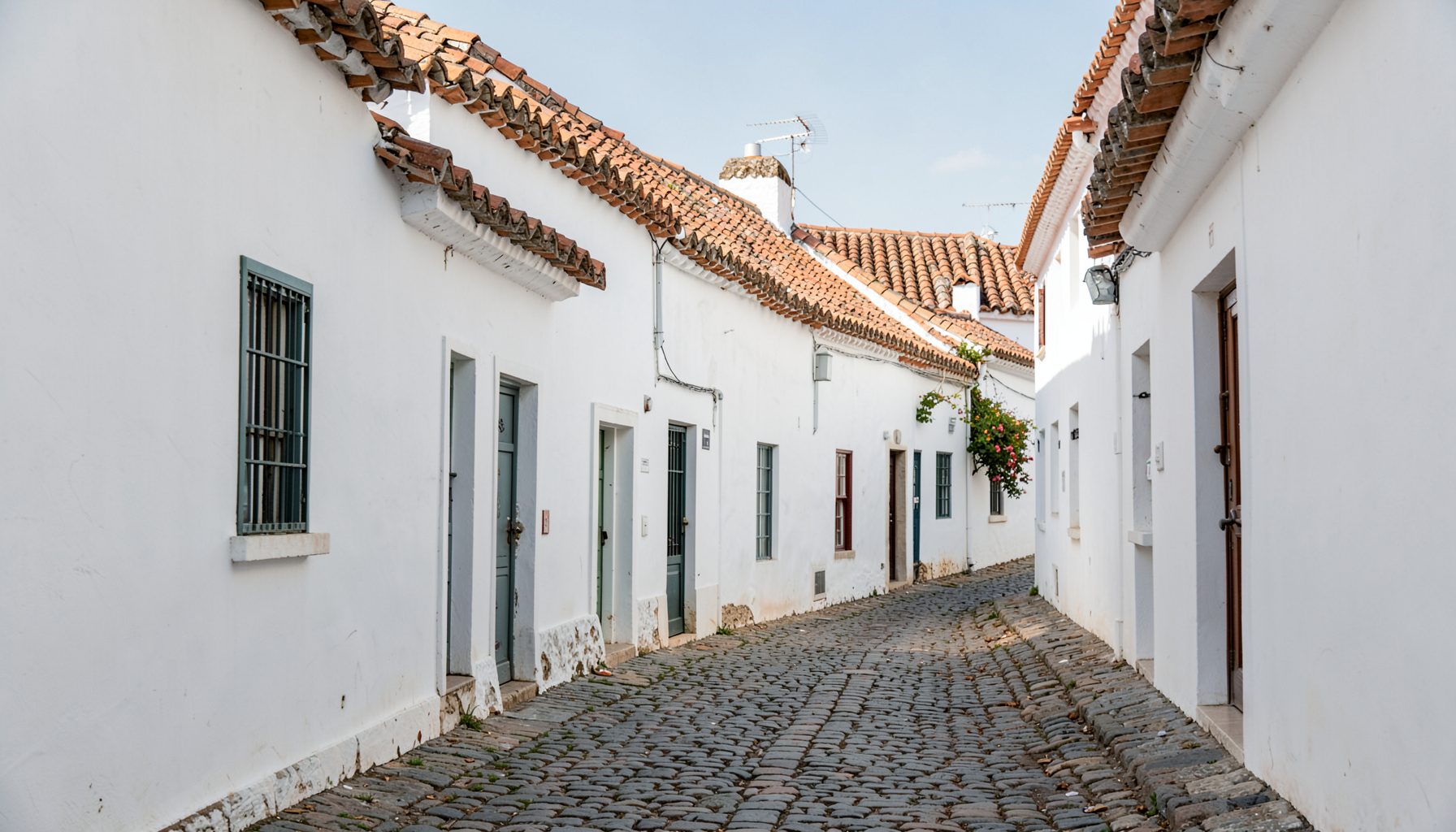


Stay informed with local news updates covering Agudo and the surrounding region. Browse the Hemeroteca for past articles and keep up with what matters in the community.
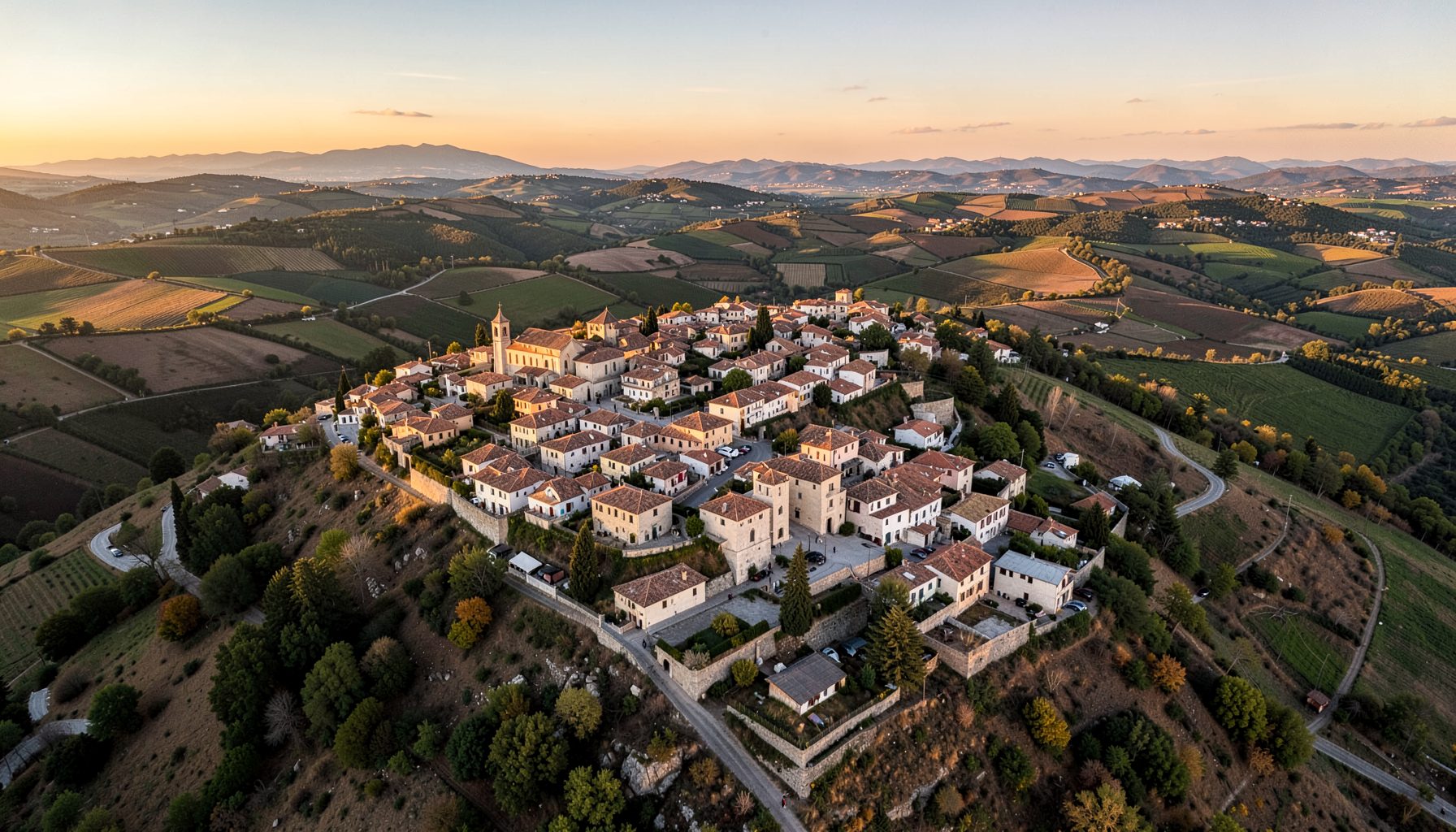
The town of Agudo in Ciudad Real has expanded its inclusive playground with new climbing frames designed specifically for disabled children. The equipment, installed over recent weeks, represents a significant investment in accessible public infrastructure for the small municipality in central Spain. Local families and disability advocates have welcomed the addition as a long-awaited resource for the region.
The project forms part of a broader municipal strategy to ensure that children of all abilities can play together in a safe, stimulating environment. Officials confirm the new structures meet the latest European safety and accessibility standards while offering the kind of adventurous play that supports physical and cognitive development. The installation reflects a growing recognition across rural Spain that inclusive design benefits entire communities, not just those with specific needs.
Families from Agudo and surrounding villages have already begun visiting the upgraded site, with many praising the thoughtful layout that allows siblings and friends of different abilities to share the same play experiences. The equipment has also drawn interest from disability groups across Castilla-La Mancha, several of which are now exploring similar projects in their own municipalities.
The new equipment includes three distinct structures: a low-level rope climber with ramped access, a sensory-integrated tower with tactile panels, and a swing set with supportive harnesses suitable for children with limited trunk control. Each piece is finished in high-contrast colours to assist children with visual impairments, and the ground surface has been replaced with poured rubber that absorbs impact and accommodates wheelchairs and walking frames.
Manufacturers worked closely with occupational therapists to ensure the equipment supports a range of motor skills, from climbing and balancing to social interaction. The climbing frames are rated for children aged three to twelve, with adjustable components that adapt to different users throughout the day. This flexibility is particularly valued by families whose children have varying needs on different visits.
Local families have noted that the equipment fills a long-standing gap in the region. Until now, parents of disabled children in rural Ciudad Real often had to travel more than an hour to find a playground with adequate accessible features. The Agudo site now provides a nearby option that reduces travel time and encourages regular outdoor activity.
The project reflects universal design principles that have gained traction across Europe and beyond. Rather than separating accessible equipment into a corner of the playground, designers integrated the new climbing frames into the main play area, allowing all children to move freely between features. This approach aligns with the social model of disability, which emphasises removing environmental barriers rather than focusing on individual limitations.
In practice, this means the ramps leading to the climbing tower are wide enough for two wheelchairs to pass, the transfer platforms are at a height suitable for most assisted transfers, and the pathways connecting different play zones are free of steps or loose gravel. Such details are often overlooked but make the difference between a playground that is technically accessible and one that is genuinely welcoming for everyday use.
Australia's National Disability Insurance Scheme has encouraged the development of inclusive community spaces, though the focus there tends to be on individualised funding for therapy and equipment. Spanish municipalities, by contrast, often concentrate on communal infrastructure that benefits entire neighbourhoods, a model that has produced some of Europe's most ambitious accessible playgrounds.
Australian cities such as Sydney and Melbourne have invested heavily in inclusive play spaces over the past decade, with projects like the playspace at Darling Harbour and the newly expanded facility in Melbourne's Docklands setting benchmarks for design. These sites typically comply with the Australian Standard AS 4685, which covers playground equipment and surfacing, and many go further to incorporate sensory gardens and quiet retreat areas for children who experience sensory overload.
The new equipment in Agudo adheres to the European standard EN 1176, which is broadly comparable to AS 4685 in scope but differs in certain impact-attenuation requirements. Playground consultants note that both standards aim to minimise the risk of serious head injury, though European norms tend to prescribe specific test methods for rotating and swinging elements.
For Australian readers familiar with the Disability Discrimination Act 1992, which requires reasonable adjustments to public spaces, the Agudo project offers an interesting example of how smaller Spanish councils are meeting similar obligations. The municipality consulted with the regional disability office and involved parents of disabled children in the planning process, a participatory approach that is becoming standard practice in accessible design.
All climbing frames are installed over impact-absorbing rubber surfacing tested to a critical fall height of three metres, well above the maximum fall height of the equipment itself. The playground is fenced on all sides, with self-closing gates that comply with European child safety regulations. Information panels at the entrance provide guidance on age suitability, supervision recommendations, and emergency contact details for carers.
The town council has scheduled regular maintenance checks every six months, with daily visual inspections carried out by municipal staff. Vandalism and wear are common challenges for any public playground, and rural councils in particular must balance tight budgets with the need to keep equipment in safe condition. Agudo has allocated funds in its 2026 budget for repairs and eventual replacement of high-wear components.
Visitors are reminded that the equipment is designed for use with adult supervision, particularly for younger children or those with complex needs. The site includes shaded seating areas for carers and a water fountain accessible to wheelchair users, small details that often determine whether families feel comfortable staying for an extended visit.
The inclusive playground is located in the Parque Municipal de Agudo, within walking distance of the town centre and accessible by local bus. Parking is available nearby, with two designated accessible spaces close to the main entrance. The site is open daily from dawn to dusk, and entry is free for all visitors.
Families planning a visit can find updated information on opening times, special events, and accessibility features through the municipal website. The council has also partnered with local associations to offer occasional weekend workshops on inclusive play, where occupational therapists and playworkers guide families through the equipment and suggest activities suited to different needs. These sessions have proven popular with weekend visitors who often combine the trip with other family outings.
For parents seeking further guidance on inclusive recreation, the education portal offers resources on play-based learning and developmental milestones, while local schools have begun incorporating visits to the playground into their accessibility awareness programmes. These partnerships help embed the playground into the wider educational and social life of the community.
The Agudo town hall continues to expand its range of services for residents, recognising that accessible infrastructure works best when supported by clear information and responsive administration. Recent additions include improved street lighting along the route to the playground and the installation of tactile paving at nearby pedestrian crossings, helping visually impaired residents travel to and from the site safely.
Among the council's regular offerings are free legal advice sessions held every second Tuesday at the civic centre, where residents can consult with a solicitor on issues ranging from property matters to disability rights. These sessions complement the physical accessibility improvements by addressing the legal and administrative needs that often accompany family care responsibilities.
The municipality has also streamlined the process for applying for accessible parking permits and home adaptation grants, reducing paperwork for families already managing significant care responsibilities. Such administrative reforms are rarely visible but are essential to ensuring that infrastructure investments translate into real improvements in daily life.
Looking ahead, the council has indicated that the success of the Agudo installation will inform similar projects in neighbouring villages. Smaller municipalities in the comarca often lack the population base to justify dedicated inclusive facilities, but shared or mobile play units could extend the benefits without requiring each town to build from scratch.
Disability advocacy groups have welcomed the Agudo project and are calling for a regional strategy that links accessible playgrounds with accessible transport, so that families are not limited to facilities within their own municipality. Such coordination would require cooperation between several councils and the regional government of Castilla-La Mancha, but the groundwork is being laid through informal networks of parents and professionals.
For now, the new climbing frames in Agudo stand as a tangible sign of what can be achieved when a small community commits to inclusive design. Children who previously had limited options for adventurous play now have a place to climb, swing, and explore alongside their friends, a reminder that the right equipment can open up the simple joy of childhood for everyone.
Visit the Agudo municipal website to see photos of the new climbing frames, check upcoming inclusive play workshops, and learn more about accessible facilities across the region. Residents are encouraged to share feedback on the new equipment through the council's online portal, helping shape future investments in inclusive public spaces. Subscribers to the Agudo Ciudad Real newsletter receive regular updates on community projects, local events, and services designed to make daily life easier for all families.
Stay informed with local news updates covering Agudo and the surrounding region. Browse the Hemeroteca for past articles and keep up with what matters in the community.
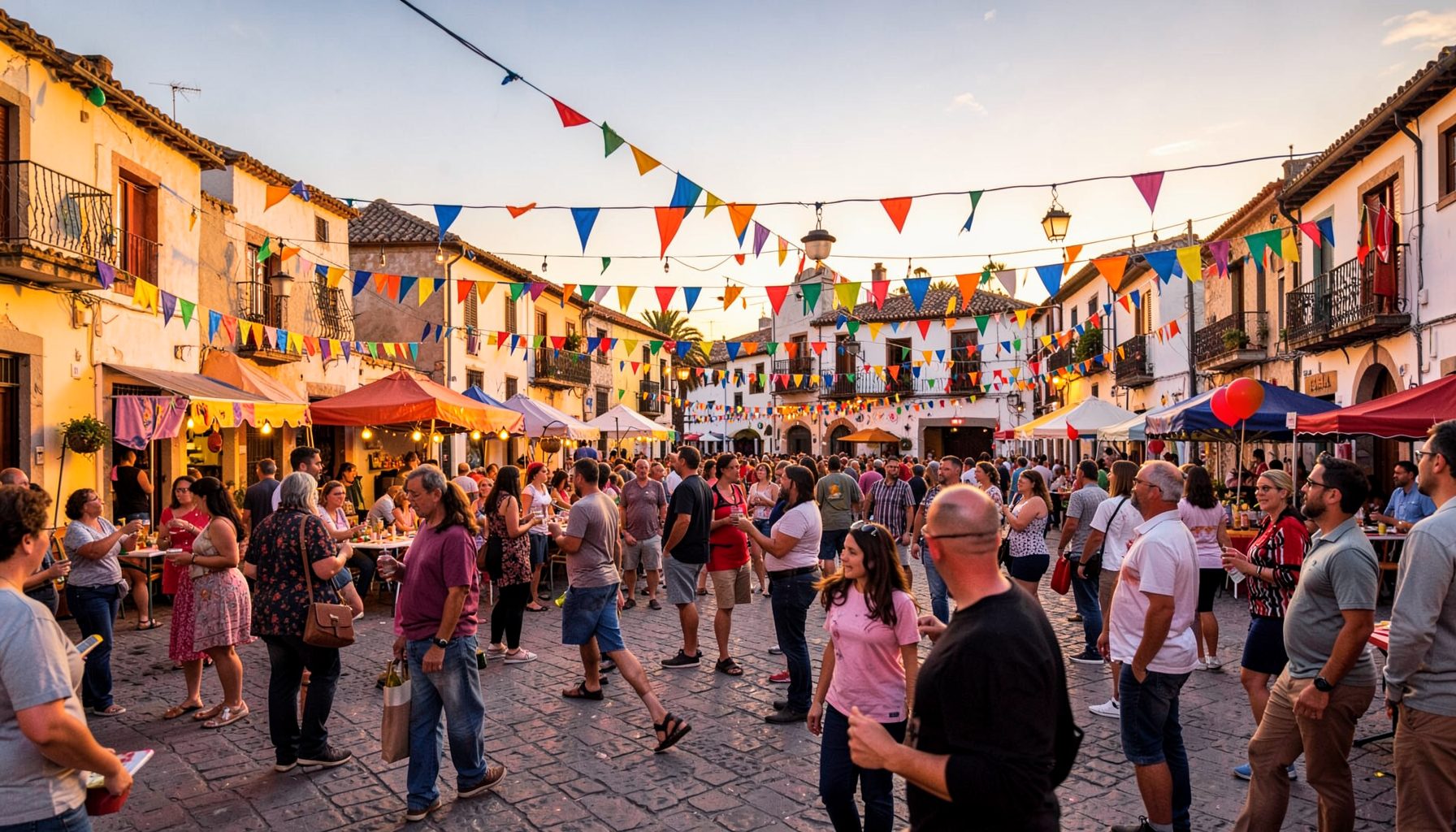
Join the conversation in the Agudo community forums. Access the Foro antiguo archive and participate in discussions with fellow residents and visitors.
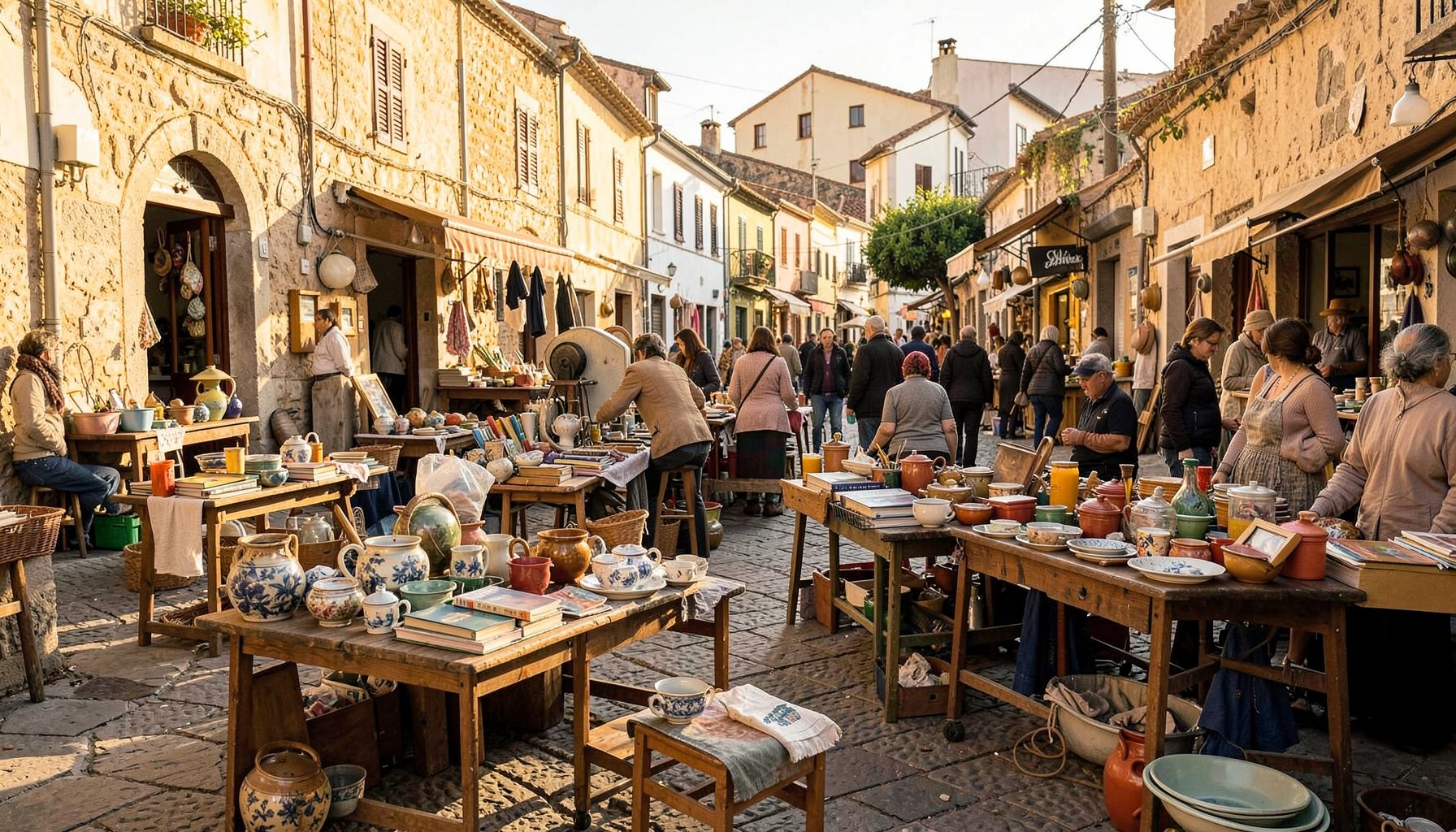
Browse local second-hand listings in the Agudo area. A convenient marketplace for buying and selling within the community.
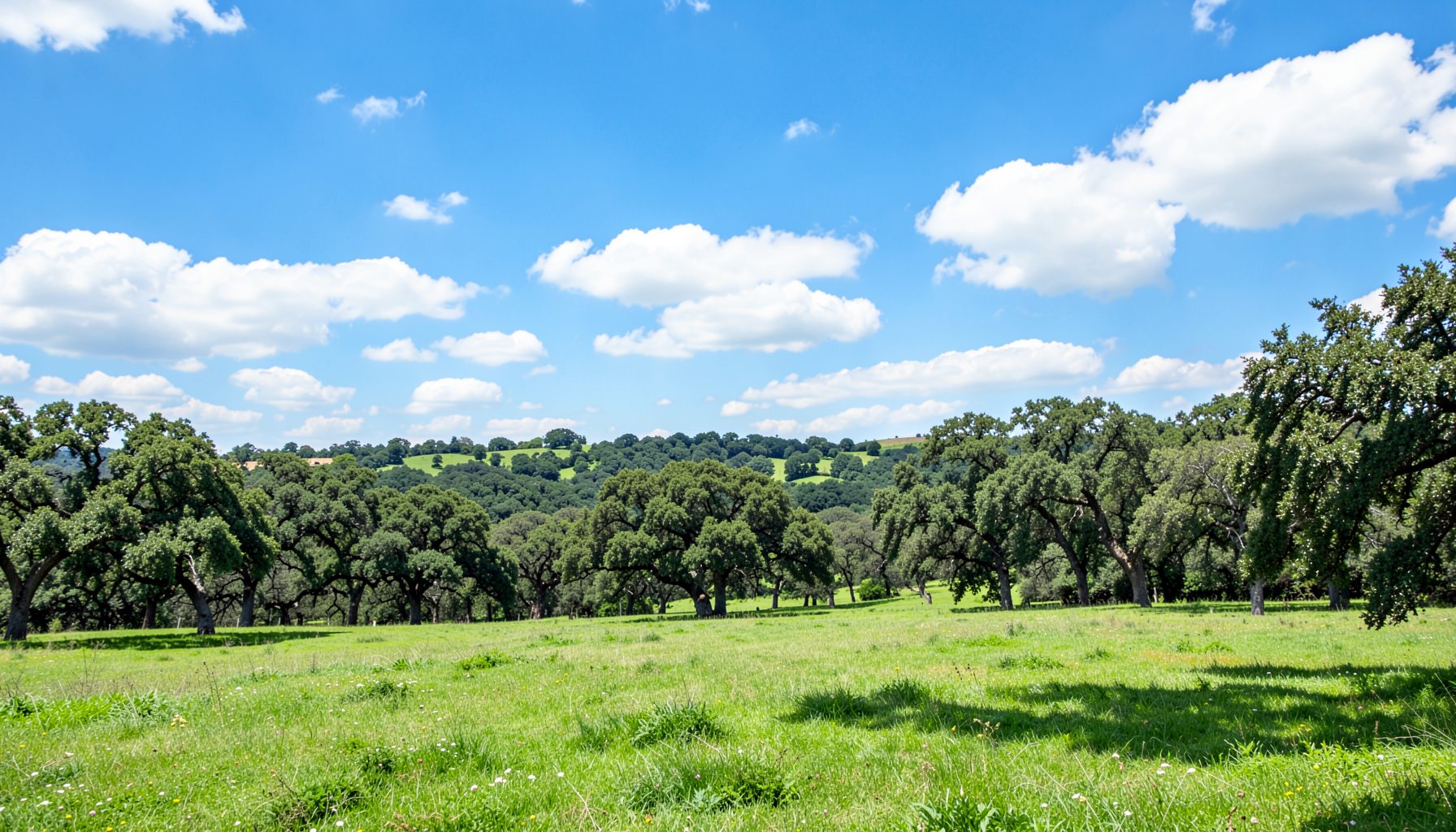
Explore our directory of recommended links, including the Ayuntamiento de Ciudad Real, Lagunas de Ruidera, Parque de Cabañeros, Agudo Joven, and Balneario Cervantes.
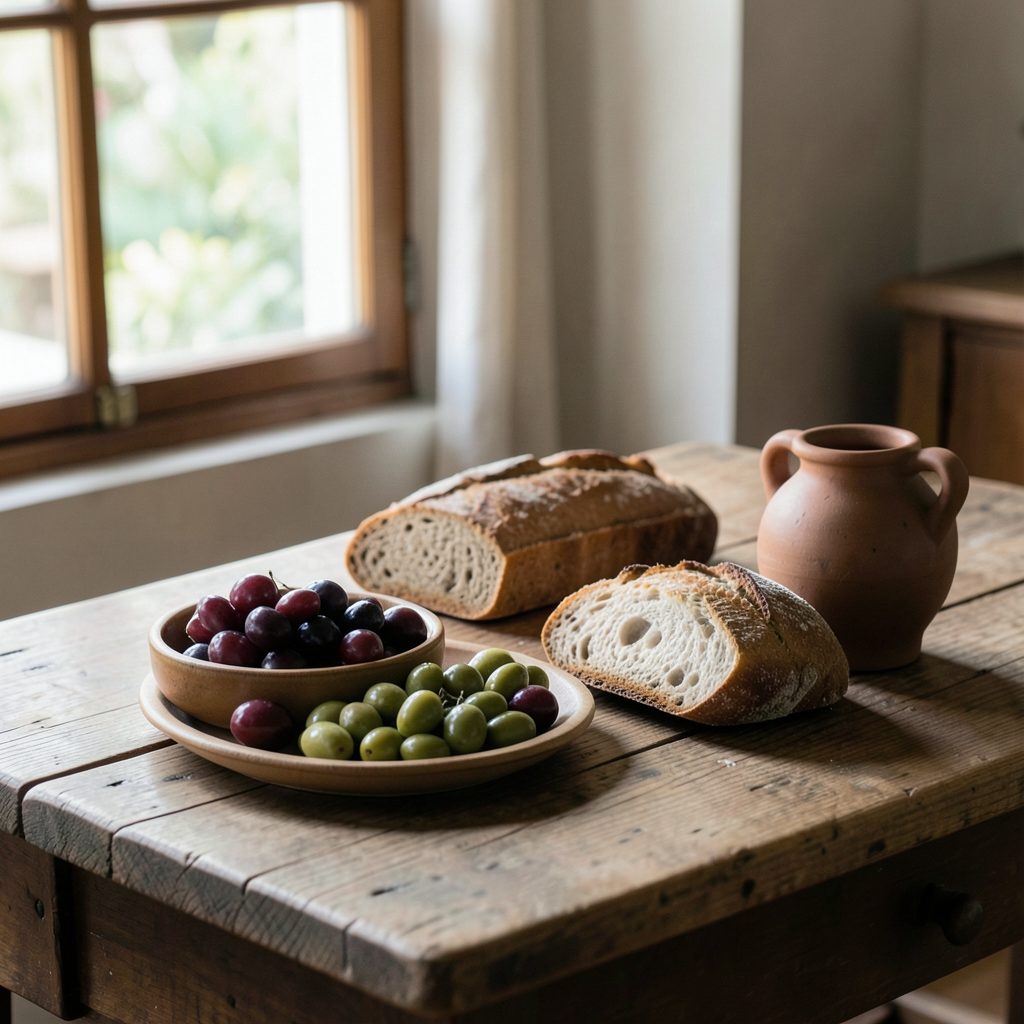
Access practical tools including Prensa links, radio, horóscopo, Loterías results, a leisure guide, recipes, a dictionary, and Street View integration.
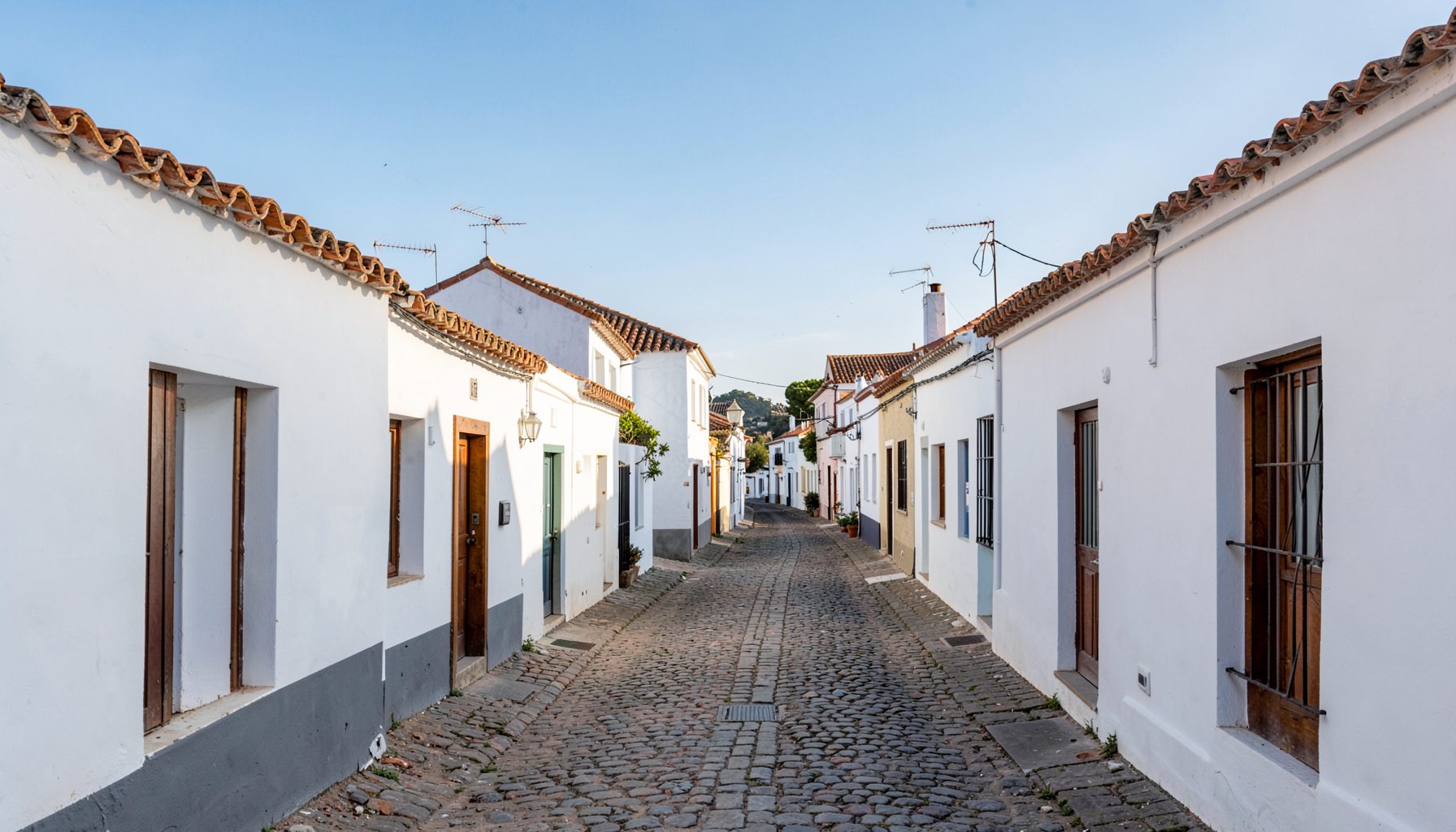
Watch videos showcasing Agudo and the surrounding region. A visual tour of local life, landscapes, and community events.