Stay informed with local news updates covering Agudo and the surrounding region. Browse the Hemeroteca for past articles and keep up with what matters in the community.
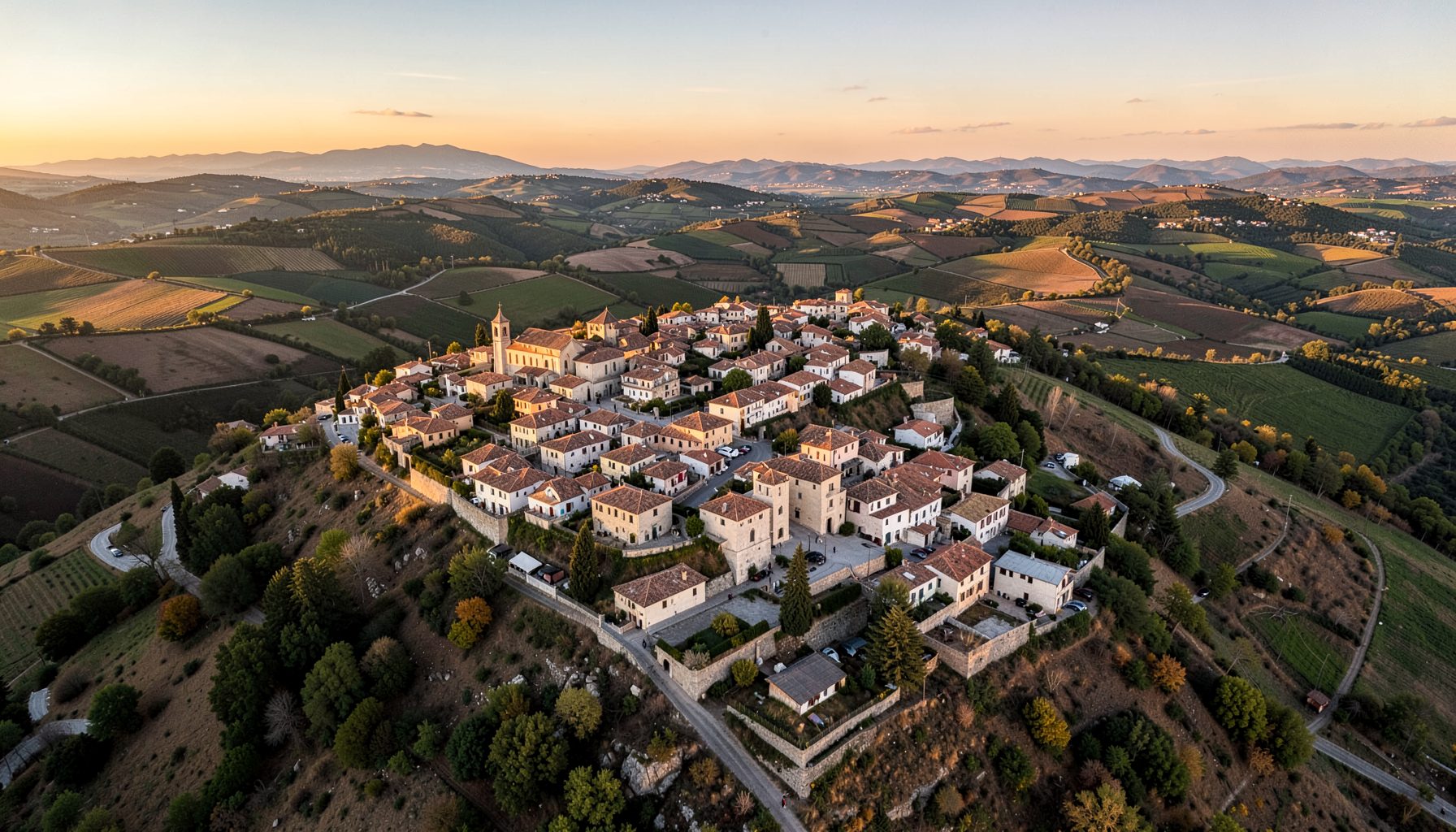
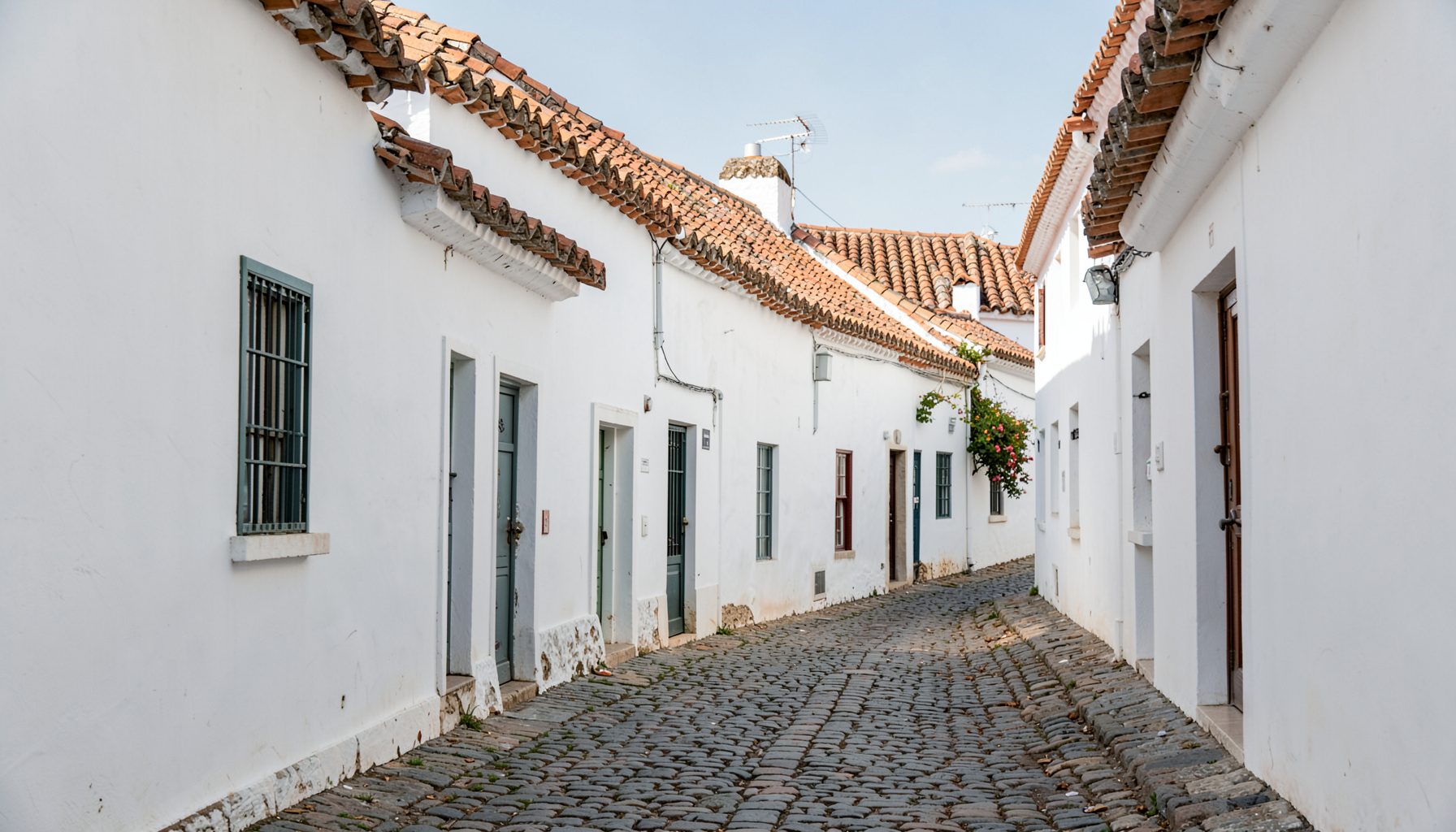
Residents near Mancha Alta are asking for action on a road stretch that becomes difficult to use after sunset. The lack of streetlights has raised concerns for people walking, cycling, driving and returning home from activities in Agudo and nearby communities.
The complaint reflects a familiar rural problem: a short unlit section can feel much more hazardous than its distance suggests. Visibility drops quickly in winter, pedestrians are harder to spot and drivers may encounter farm vehicles, animals or cyclists with little warning.
Neighbours say the road is used regularly by people travelling between homes, agricultural areas and local services. During daylight, the route appears straightforward, yet darkness changes the conditions completely. Those walking along the verge must share limited space with passing traffic, while motorists have less time to react to movement near the carriageway.
The concern is especially relevant for families, older residents and workers whose schedules extend beyond daylight hours. A road connecting a small community is part of everyday life, rather than simply a link on a map. When lighting is missing, residents may feel forced to use a car for short journeys or avoid the route altogether.
The complaint also highlights the value of documenting local concerns carefully. Community photos, first-hand accounts and a clear map can help distinguish between a general request and a specific safety problem. Local reporting through Agudo Ciudad Real gives residents a place to follow the discussion and keep the issue visible.
Streetlights cannot solve every road risk, but appropriate lighting can improve the visibility of pedestrians, bends, driveways, intersections and roadside obstacles. It can also make drivers more aware that a built-up or residential area is approaching. For people on foot, the psychological effect matters as well: a lit path usually feels more predictable and secure than an unlit verge.
The issue has a practical parallel in Australia. In outer Melbourne, Brisbane or regional centres such as Wagga Wagga, people often plan evening trips around school pick-up, sport, supermarket visits and the last bus. High-visibility clothing and reflective accessories are common advice, but these measures do not remove the responsibility to provide safe infrastructure where a route is routinely used.
Australian road users are also accustomed to different rules and standards across states and territories. The Australian Road Rules provide a national model, while councils and state agencies manage local roads under their own legislation and policies. In Spain, Agudo’s municipal authorities and the relevant provincial or regional bodies likewise need to establish which agency controls the road, maintains the verge and can approve new lighting.
Residents may therefore want the request to include more than “install lamps”. A site inspection could assess traffic speed, pedestrian numbers, road width, drainage, existing power connections and the safest position for poles. Shielded, energy-efficient fittings could provide useful illumination without unnecessarily disturbing nearby homes or farmland.
The following comparison shows why a small rural road requires a tailored response rather than a standard urban solution. The aim is to balance safety, cost, maintenance and the character of the surrounding landscape.
| Consideration | Mancha Alta area | Regional Australia | Suitable response |
|---|---|---|---|
| Main travel pattern | Short trips between homes, local services and agricultural areas | Car-based journeys, school runs, sport and evening shopping | Measure actual use at different times |
| Visibility risks | Unlit verges, farm machinery, cyclists and pedestrians | Long distances, wildlife, bicycles and roadside shoulders | Improve lighting at conflict points |
| Authority | Municipal, provincial or regional responsibilities may overlap | Council and state or territory responsibilities can overlap | Confirm the road owner before funding works |
| Lighting approach | Targeted poles or fittings may suit a rural setting | Council standards often favour efficient, shielded lighting | Use low-glare fixtures with limited spill |
| Community evidence | Resident reports, images and local archives | Service requests, council meetings and local petitions | Record dates, locations and near misses |
Australian councils frequently weigh lighting proposals against dark-sky concerns, electricity costs and maintenance budgets. A similar conversation is relevant around Mancha Alta, where excessive brightness could affect homes, wildlife or the rural appearance of the area. Targeted illumination at crossings, bends and access points may be more realistic than lighting the entire route.
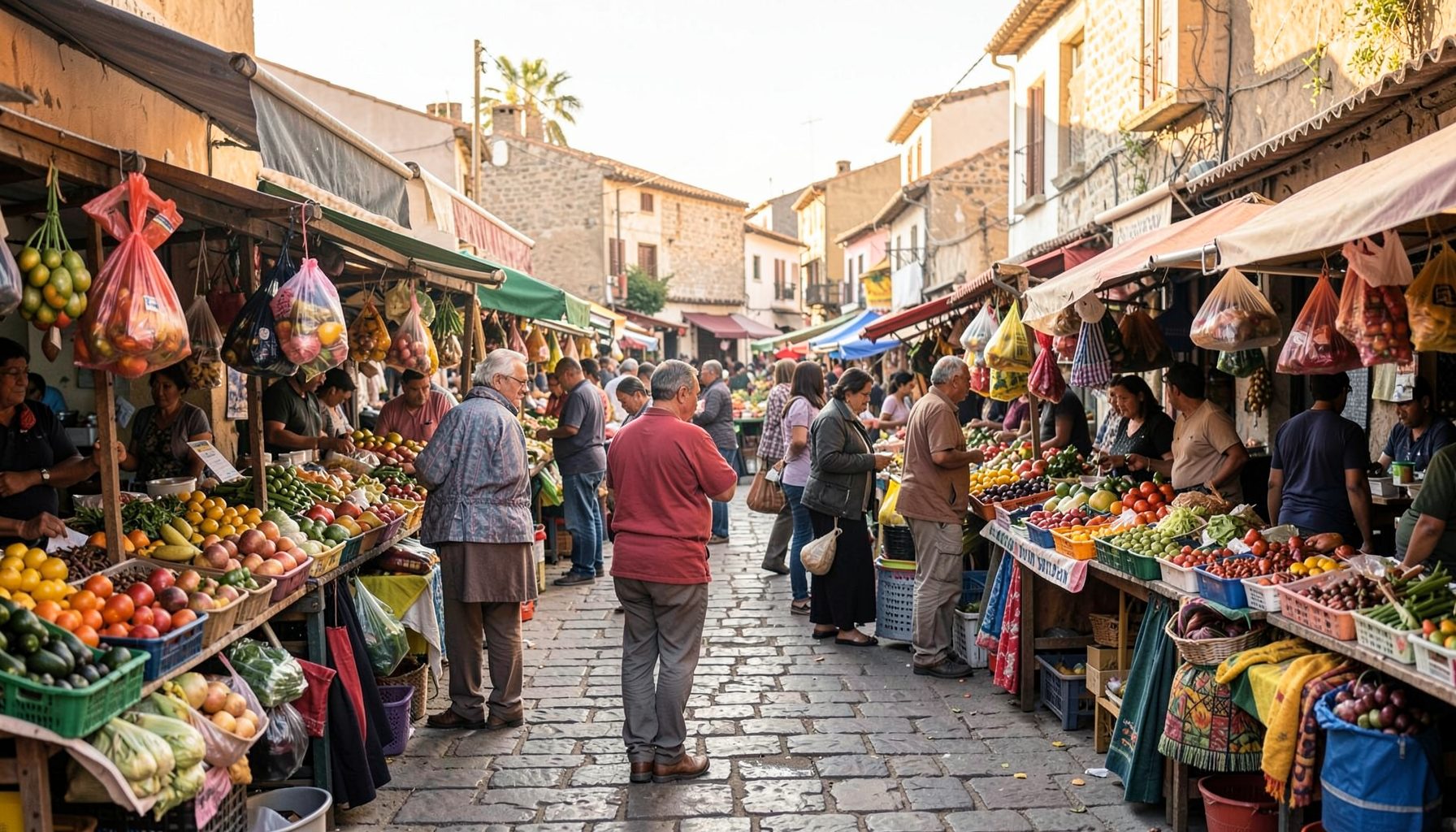
The local market also matters. More visitors may travel after sunset when community events, seasonal stalls or expanded produce trading attract people from surrounding villages. Agudo’s report on an organic produce section shows how local commerce can grow around regular community activity. Better access and safer evening movement can support that activity without turning a rural road into an over-lit urban corridor.
Residents can help authorities assess the problem by presenting consistent, specific information. A short record collected over several weeks may be more persuasive than isolated comments, especially when it identifies patterns rather than relying on general impressions.
Useful details to gather include:
A formal request can then focus on reasonable options instead of a single predetermined design. Residents might ask for a technical inspection, temporary speed controls, warning signs, reflective markers or a trial installation at the most dangerous point. These steps could provide evidence while a permanent project is assessed.
Options worth examining include:
Any proposal should protect people who already use the road responsibly. Drivers should reduce speed in darkness, keep headlights appropriate to the conditions and allow extra space when passing a person on foot or a bicycle. In Australia, carrying a phone, wearing reflective clothing and planning a route before dusk are familiar habits; the same common-sense precautions can help here while infrastructure decisions are pending.
A useful campaign should connect safety with the everyday identity of Agudo and Mancha Alta. Residents are more likely to gain attention when they explain how the road affects school travel, work, family visits, local trade and access to community events. A clear account also helps officials compare this location with other lighting requests.
Local history and community storytelling can strengthen that record. The area’s cultural memory is preserved through photographs, interviews and shared accounts, much like the historical research behind this feature on a vanished Surabaya fortress. Recording how a road has changed, who uses it and what happens after dark gives a modern infrastructure concern a durable local archive.
Young people can contribute as well by producing interviews, maps or short audio reports. Agudo’s students’ podcast project demonstrates how local stories can be shared in an accessible format. A carefully prepared episode about safe routes could bring together residents, council representatives, drivers and transport specialists without turning the debate into personal criticism.
The next practical step is for neighbours to submit a coordinated request to the authority responsible for the road, supported by dates, images and a precise location. Sharing verified updates through Agudo Ciudad Real can help residents follow inspections, funding decisions and any temporary safety measures. A focused community record gives the complaint its best chance of becoming a funded, well-designed improvement rather than a concern that fades after a few weeks.
Stay informed with local news updates covering Agudo and the surrounding region. Browse the Hemeroteca for past articles and keep up with what matters in the community.
Join the conversation in the Agudo community forums. Access the Foro antiguo archive and participate in discussions with fellow residents and visitors.
Browse local second-hand listings in the Agudo area. A convenient marketplace for buying and selling within the community.
Explore our directory of recommended links, including the Ayuntamiento de Ciudad Real, Lagunas de Ruidera, Parque de Cabañeros, Agudo Joven, and Balneario Cervantes.
Access practical tools including Prensa links, radio, horóscopo, Loterías results, a leisure guide, recipes, a dictionary, and Street View integration.
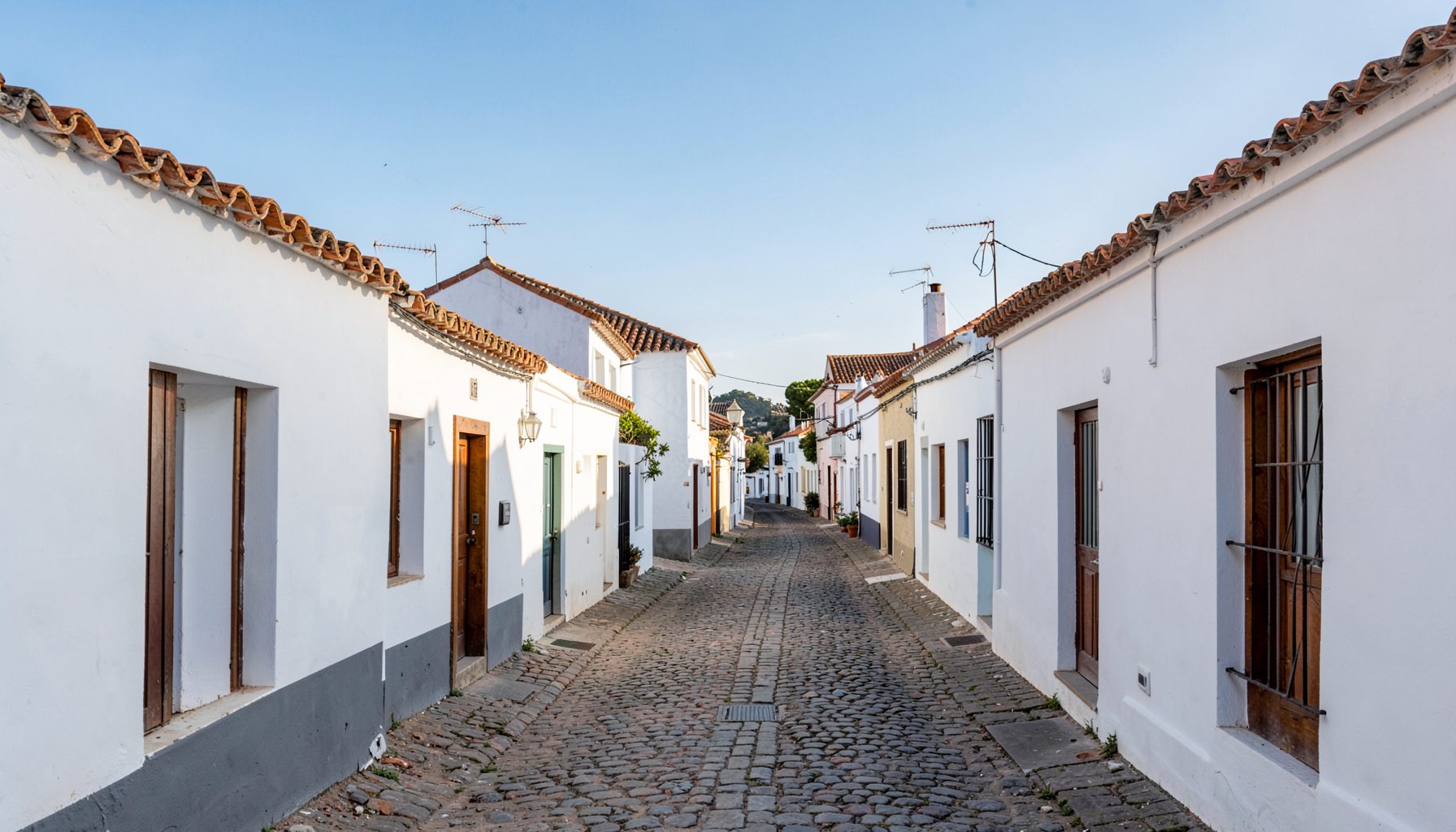
Watch videos showcasing Agudo and the surrounding region. A visual tour of local life, landscapes, and community events.