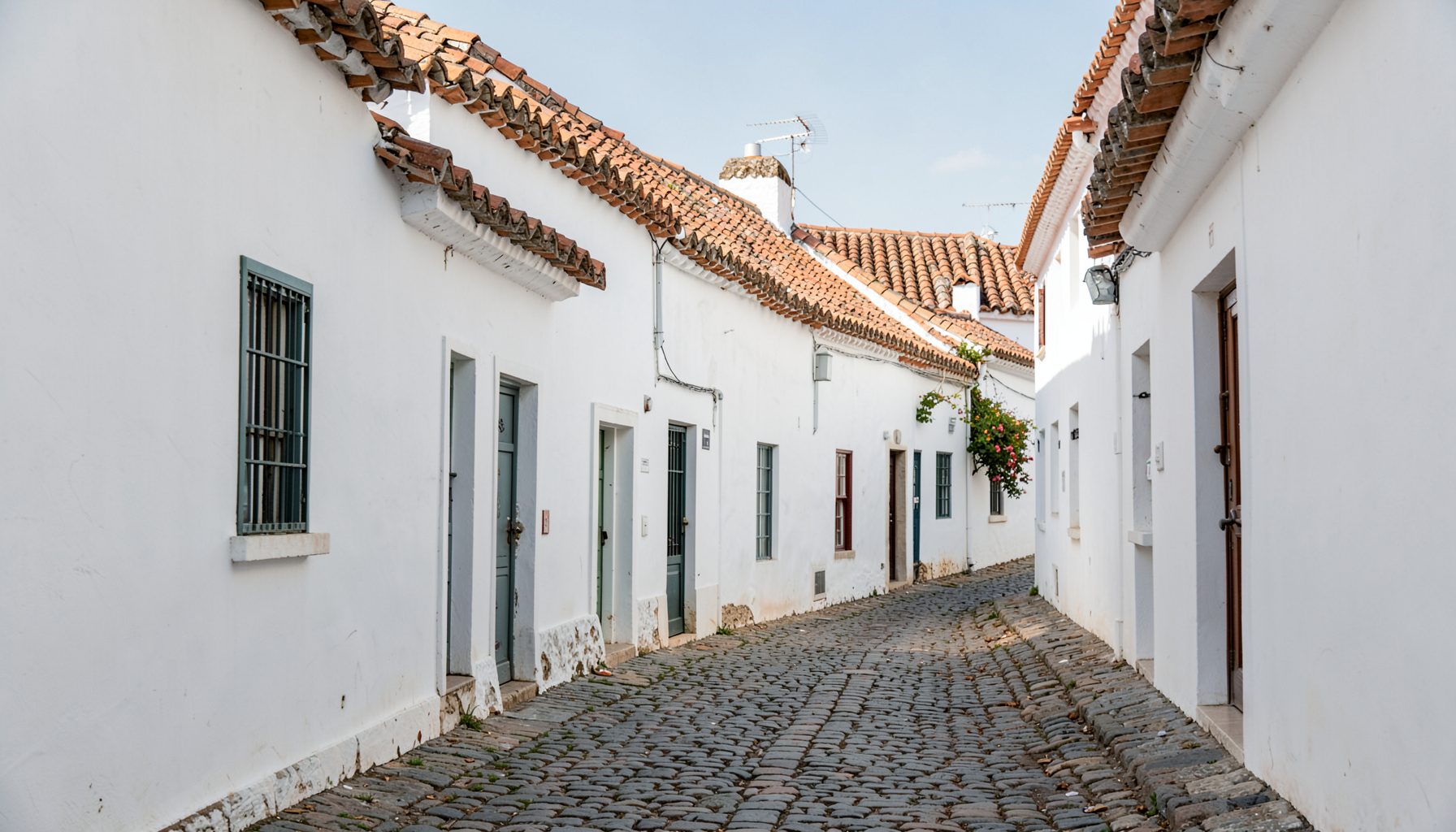

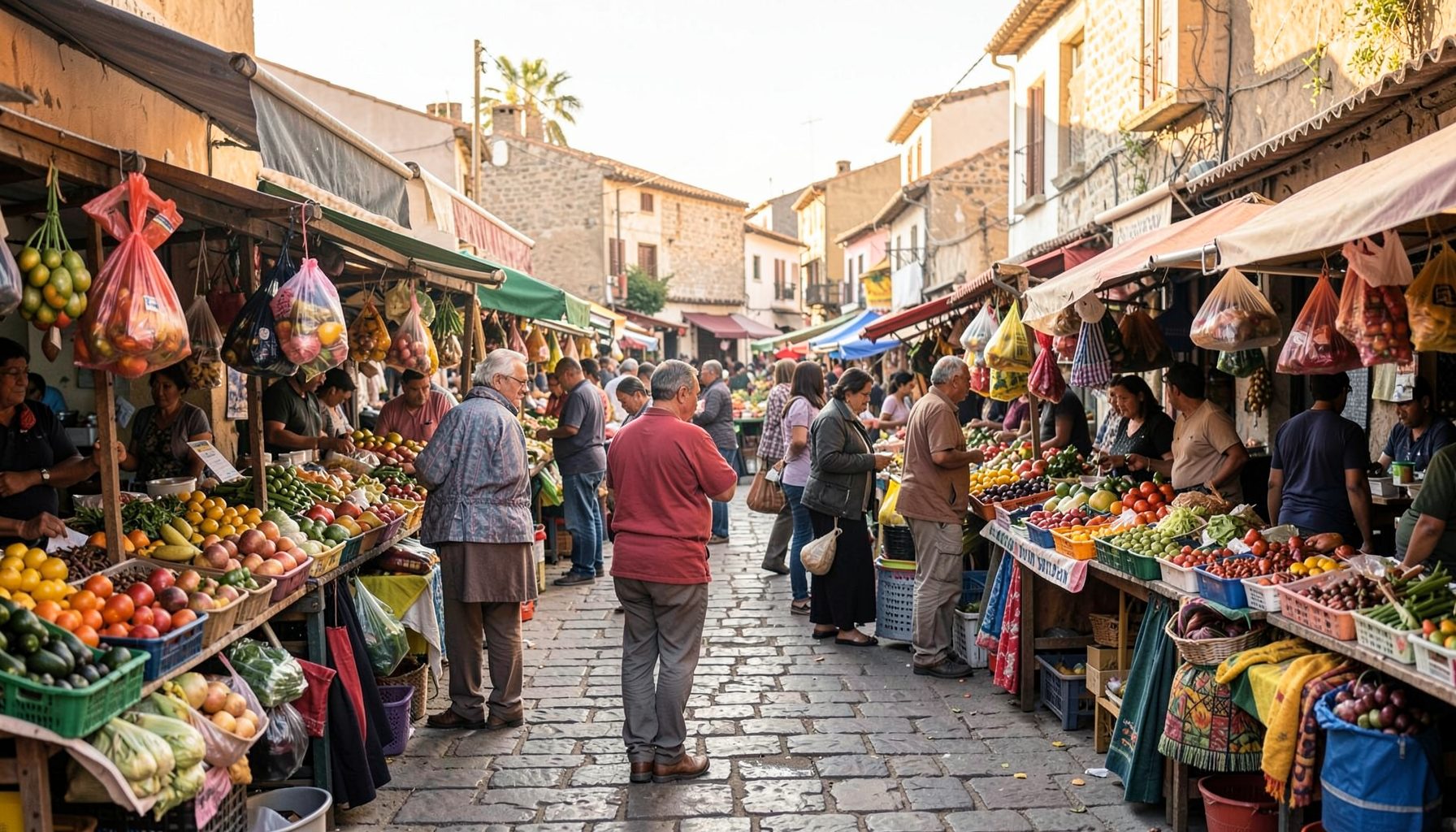
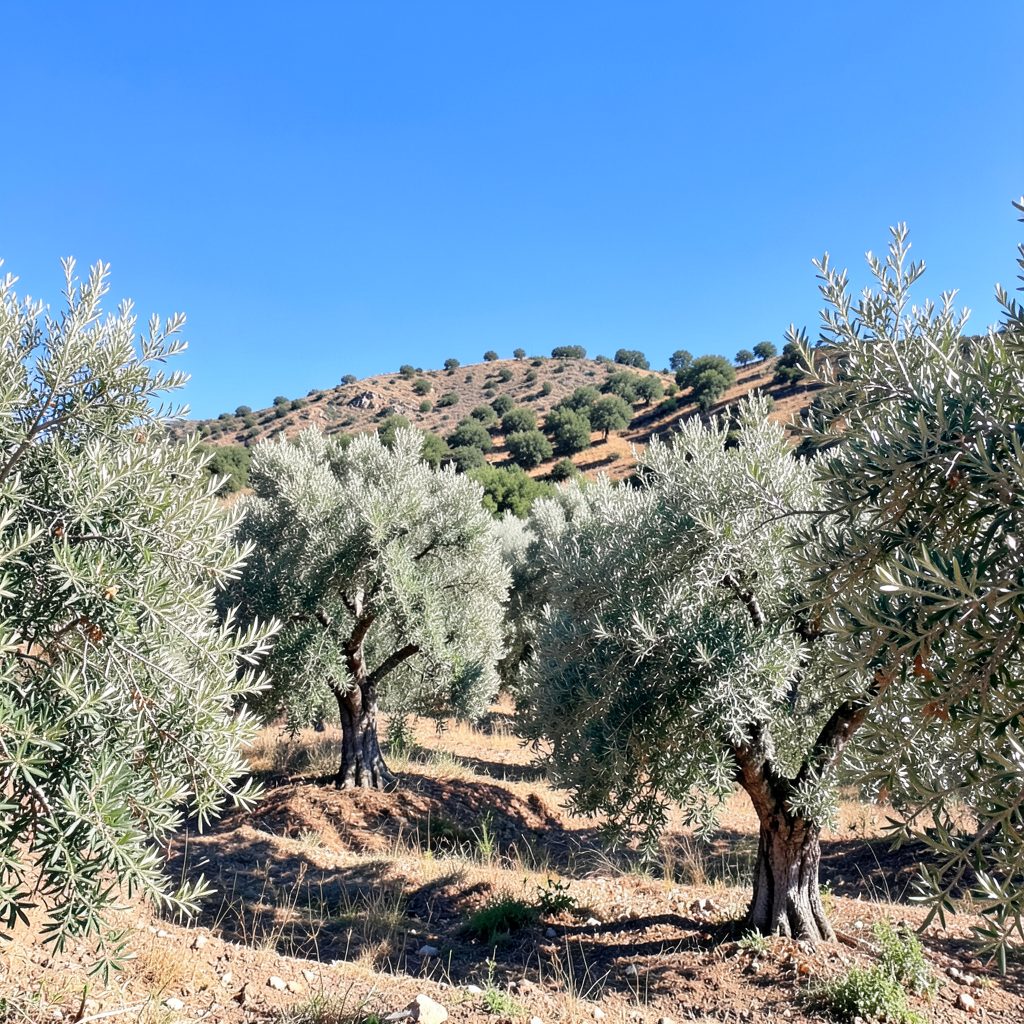
Stay informed with local news updates covering Agudo and the surrounding region. Browse the Hemeroteca for past articles and keep up with what matters in the community.
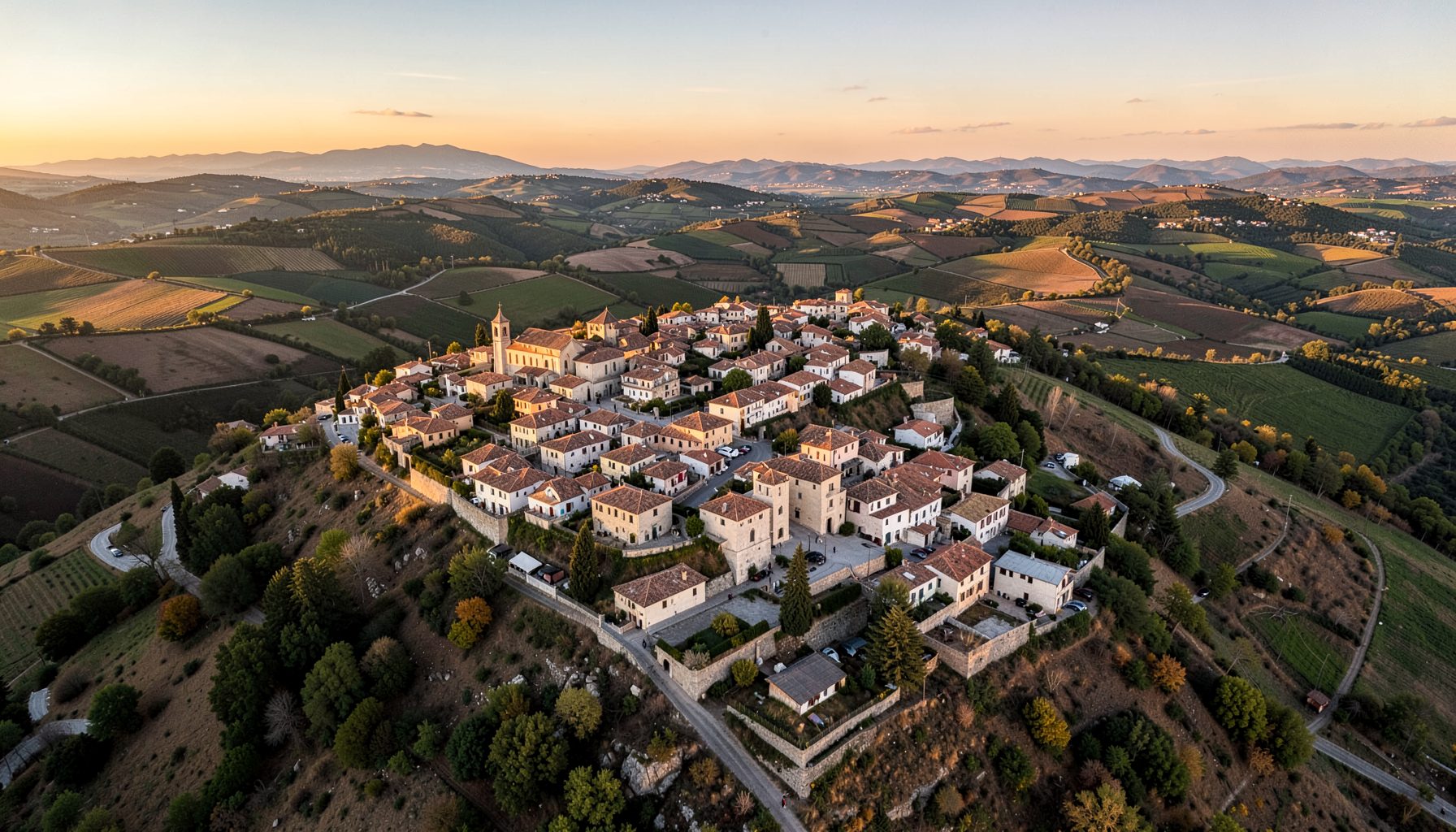
When the olive harvest gathers pace around Agudo, ordinary school mornings can become difficult to manage. Parents may be leaving home before dawn, working longer shifts at farms or pressing facilities, while children still need to reach school at the usual time. A local car-sharing arrangement is helping families adjust without turning every school day into a logistical puzzle.
The scheme is simple: participating households take turns driving a small group of children, following an agreed timetable and clear safety rules. It reduces duplicate trips, gives working parents more flexibility and strengthens the neighbourly connections that are especially important in a rural community.
The olive harvest has a direct effect on family routines. Work may begin early, finish late or change according to weather and the volume of fruit arriving at the mill. Parents who usually handle the morning drive can suddenly be needed in the grove, at a cooperative or on transport duties.
Agudo’s new pressing facility is expected to support local production and create extra activity during the season. That is positive for the local economy, but it can also mean more vehicles on narrow country roads and less predictable working hours for families.
Australian readers will recognise the pressure in regional areas such as the Riverina, the Victorian Mallee or north-west Queensland, where harvest work can reshape household schedules. In Sydney or Melbourne, the equivalent problem may involve traffic congestion and long school drop-off queues rather than farm shifts, but the need for reliable shared transport is much the same.
The Agudo arrangement began with a small group of parents comparing work schedules, school timetables and home locations. Instead of asking one household to provide transport every day, families share responsibility across the week. A parent driving on Tuesday may be covered by another household on Thursday.
A basic rota can be managed through a private messaging group or a shared calendar. Each entry should show the driver, collection points, children travelling, estimated arrival time and a backup contact. Families can also agree on what happens when a driver is delayed, a child is absent or heavy rain makes a rural route unsafe.
The most successful schemes keep collection points simple. A few recognised meeting places are usually safer and faster than stopping at every driveway. Children should be ready before the vehicle arrives, with bags secured and weather-appropriate clothing for the short walk to the pick-up point.
Safety needs to be agreed before the first shared journey. Every child must have an appropriate seat belt or approved child restraint, and no vehicle should carry more passengers than its legally fitted seats. In Spain, families should check current national and regional road rules, especially for younger children and front-seat travel.
Drivers should hold the correct licence, maintain compulsory insurance and ensure the vehicle is roadworthy. A private, unpaid car pool is different from operating a paid passenger service, but parents should still confirm that their insurer accepts regular transport of other children. Written consent from each child’s parent or guardian can prevent misunderstandings.
Australian families face similar obligations under state and territory road rules. Child restraint requirements differ between jurisdictions, and rules in New South Wales may not be identical to those in Victoria or Queensland. School-zone speed limits, mobile-phone restrictions and rules for learner or provisional drivers also matter. A family car pool should never rely on an assumption that “it is only a short trip”.
It is also sensible to protect privacy. The group should share only necessary information, avoid publishing children’s names or home addresses and keep emergency contacts accessible to the approved drivers. If the arrangement grows into a formal community programme, organisers may need additional advice about insurance, child-safety policies and volunteer screening.
A clear operating model makes the rota easier to trust. Parents can start with two or three vehicles and expand only when the arrangements work smoothly. Each family should nominate a primary driver and, where possible, a backup driver for harvest-related changes or unexpected illness.
The following framework can be adapted to the school’s timetable and the distances between nearby villages:
| Part of the arrangement | Practical approach |
|---|---|
| Group size | Two to four families per route |
| Collection points | Safe, visible locations away from busy junctions |
| Driver rotation | One assigned driver per weekday, with a backup |
| Child information | Emergency contact, medical needs and authorised collection details |
| Vehicle check | Seat belts, restraints, tyres, lights and fuel |
| Communication | Private group chat plus a written weekly rota |
| Missed journey | Notify the group early and activate the backup driver |
| Review point | Check the arrangement after the first two weeks |
This kind of shared plan also suits Australian regional communities. Families in Wagga Wagga, Bendigo or Toowoomba may use school gates, community halls or sporting-club car parks as meeting points, provided stopping is permitted and children are not left unsupervised near traffic.
Car sharing reduces the number of individual journeys during a season when roads may already be busy with tractors, trailers, harvest workers and delivery vehicles. Fewer trips can mean lower fuel use and less pressure on parents who are balancing paid work, school preparation and household responsibilities.
There can be a modest financial benefit as well. Australian motorists have become accustomed to watching petrol prices change from week to week, while rural households often travel greater distances for school, shopping and appointments. Sharing fuel costs informally, or simply sharing driving duties without payment, can make a noticeable difference over several weeks.
Children may benefit from the social side of the arrangement. Travelling with classmates can help younger students feel connected, while older children may become more aware of cooperation and punctuality. The car should remain a calm and supervised space, with rules about seat belts, noise, food and respectful behaviour.
A school-run rota can become a starting point for wider local cooperation. Families who meet through transport may later coordinate after-school activities, sports training, library visits or support for older residents who need help reaching appointments. Small practical arrangements often reveal how much useful knowledge already exists within a village.
Community organisations can help without taking control of the scheme. The school may provide a safe information channel, the municipal office may identify suitable stopping areas, and local businesses may offer a covered meeting point in poor weather. A noticeboard or local digital forum can help families find partners while keeping personal information private.
Agudo’s community media can also reinforce that sense of connection. A local station’s weekly sports program could provide a natural place to mention school activities, road-safety reminders or changes affecting families during the harvest, without turning private arrangements into public announcements.
A car pool works best when participation is flexible rather than equal in a rigid mathematical sense. One parent may be able to drive several mornings but have no availability during afternoon collection. Another may have a larger vehicle but work unpredictable shifts. The aim is to share the workload fairly across the season, not to make every family contribute in exactly the same way.
Families should discuss costs and responsibilities openly. If one household drives substantially more, the group might agree on fuel contributions, grocery vouchers or another practical exchange. Payments should be handled carefully so the arrangement remains a community car pool rather than an unlicensed transport business.
It is also important to include families who do not own a car. A neighbour may be able to offer a seat, while another parent can help with communication, supervision at the meeting point or emergency cover. Rural communities are often strongest when contribution is measured by reliability and time, not simply by access to a vehicle.
The immediate purpose is to manage a busy season, but the rota could become a useful annual tradition. At the end of the harvest, parents can review what worked, which collection points were safe, how often backups were needed and whether the schedule suited school hours.
The experience may also encourage a broader conversation about village services and population needs. Families researching how communities organise themselves can find useful ideas in this village planning guide, particularly around shared responsibilities, local decision-making and practical cooperation.
A written record of the arrangement will make it easier to restart next year. It can include contact roles rather than sensitive personal details, a basic safety checklist, a map of approved meeting points and a process for welcoming new families. That preparation matters if seasonal workers, returning residents or nearby households join the scheme.
Parents who want to participate can begin with a short meeting at the school, community centre or another agreed local venue. Set the route, confirm the safety rules, choose a communication channel and trial the arrangement for two weeks. A modest, dependable car pool can give Agudo families a safer school morning and help the whole community move through harvest season with less stress.
Stay informed with local news updates covering Agudo and the surrounding region. Browse the Hemeroteca for past articles and keep up with what matters in the community.
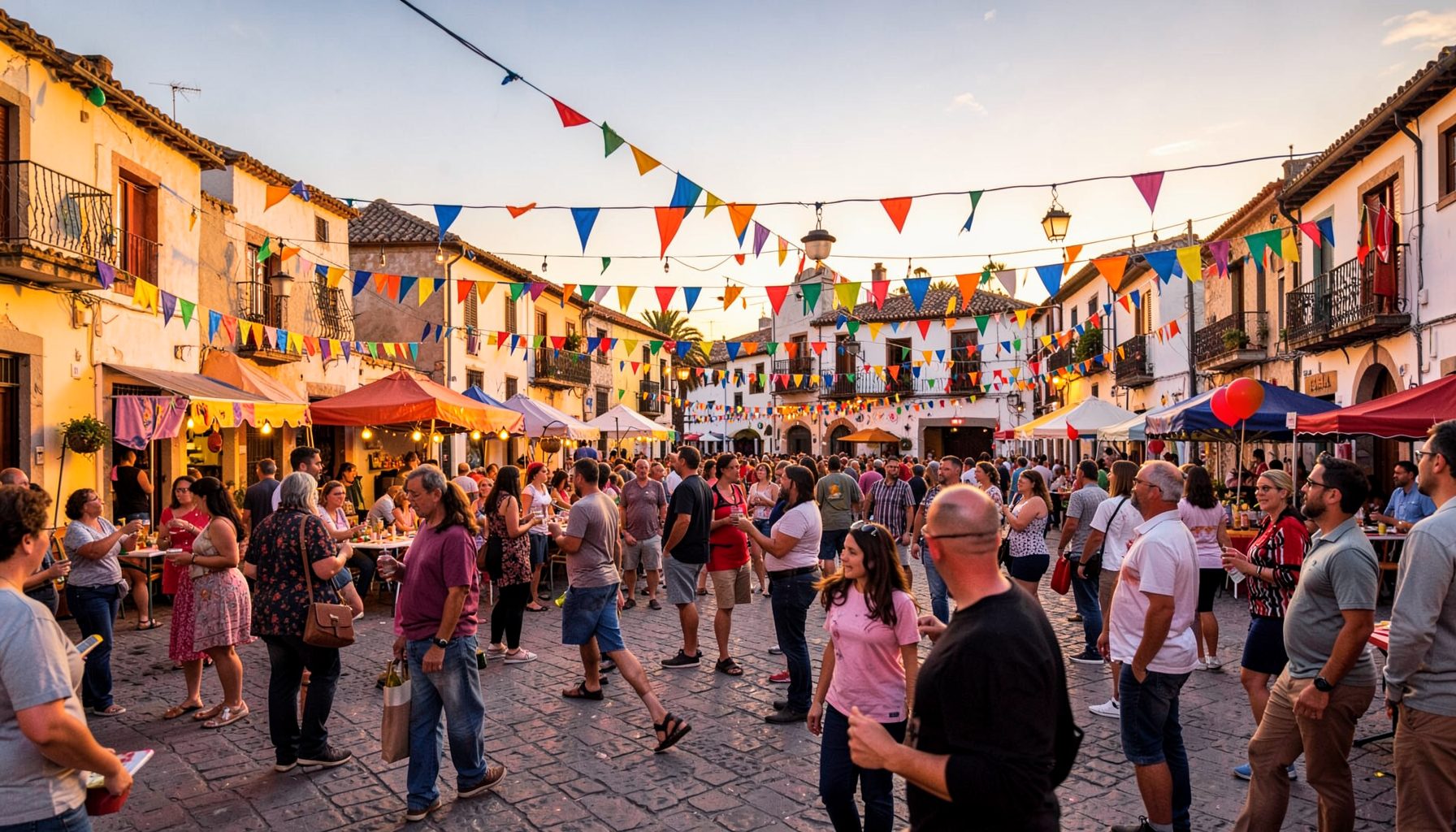
Join the conversation in the Agudo community forums. Access the Foro antiguo archive and participate in discussions with fellow residents and visitors.
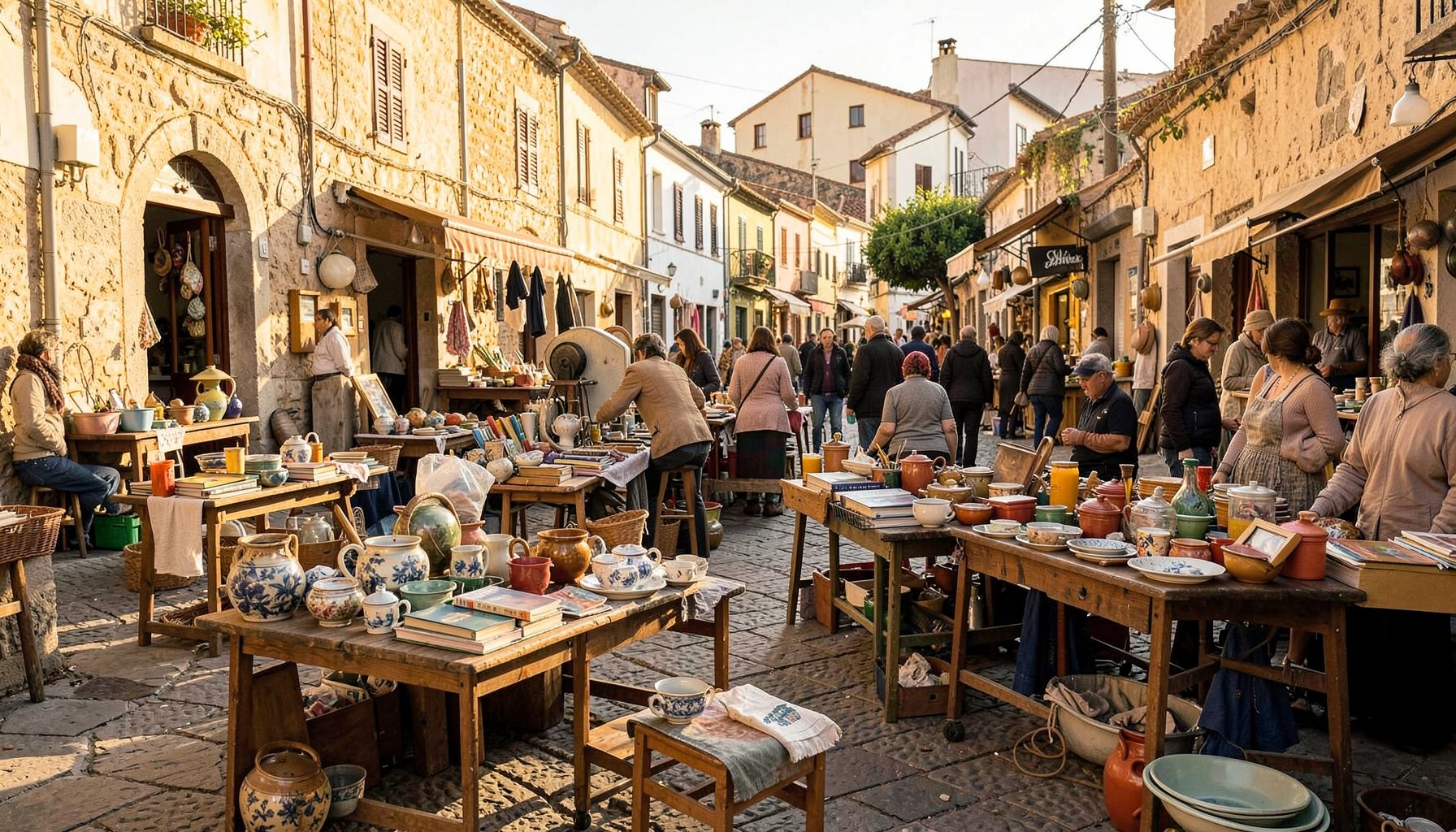
Browse local second-hand listings in the Agudo area. A convenient marketplace for buying and selling within the community.
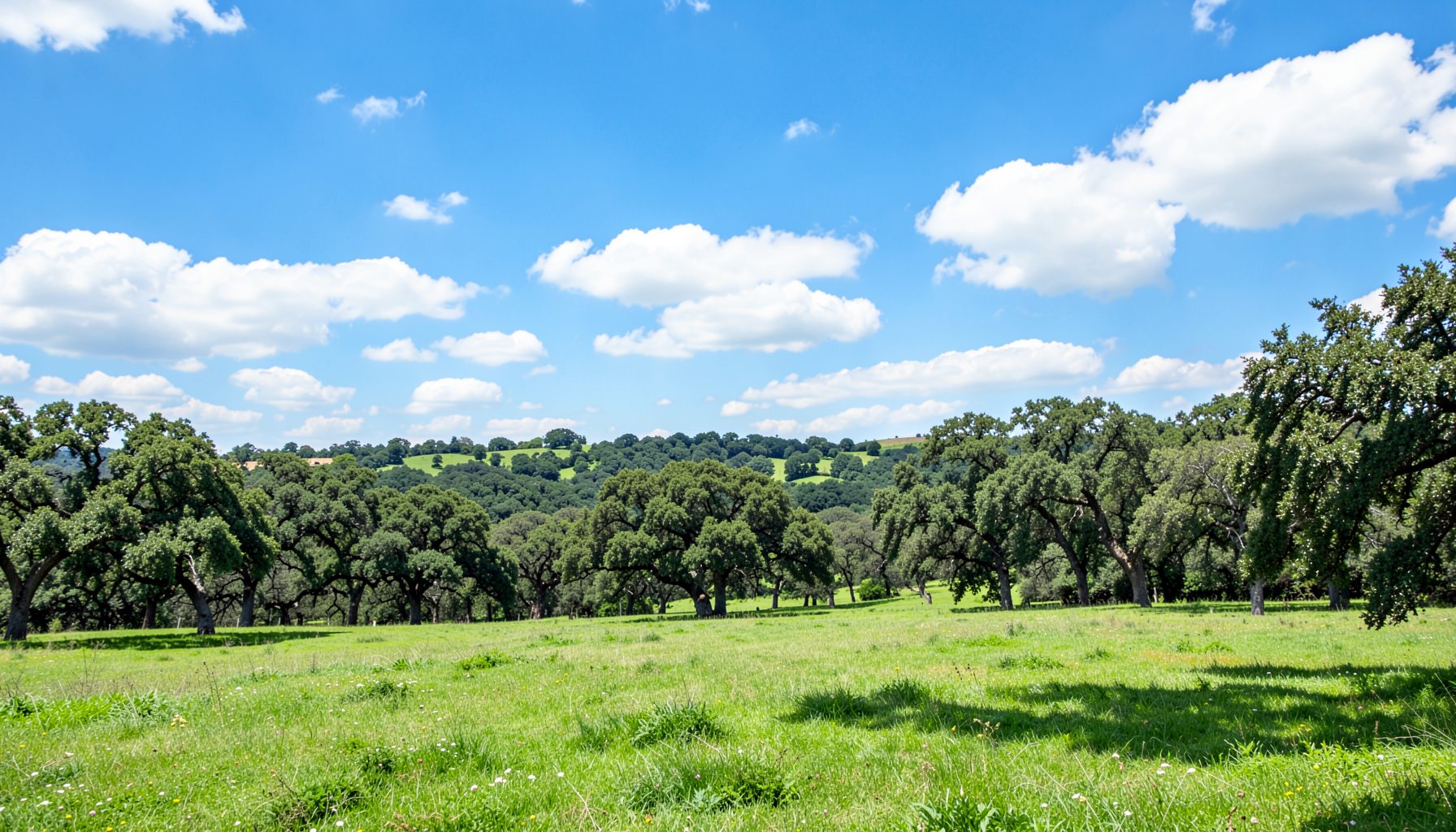
Explore our directory of recommended links, including the Ayuntamiento de Ciudad Real, Lagunas de Ruidera, Parque de Cabañeros, Agudo Joven, and Balneario Cervantes.
Access practical tools including Prensa links, radio, horóscopo, Loterías results, a leisure guide, recipes, a dictionary, and Street View integration.
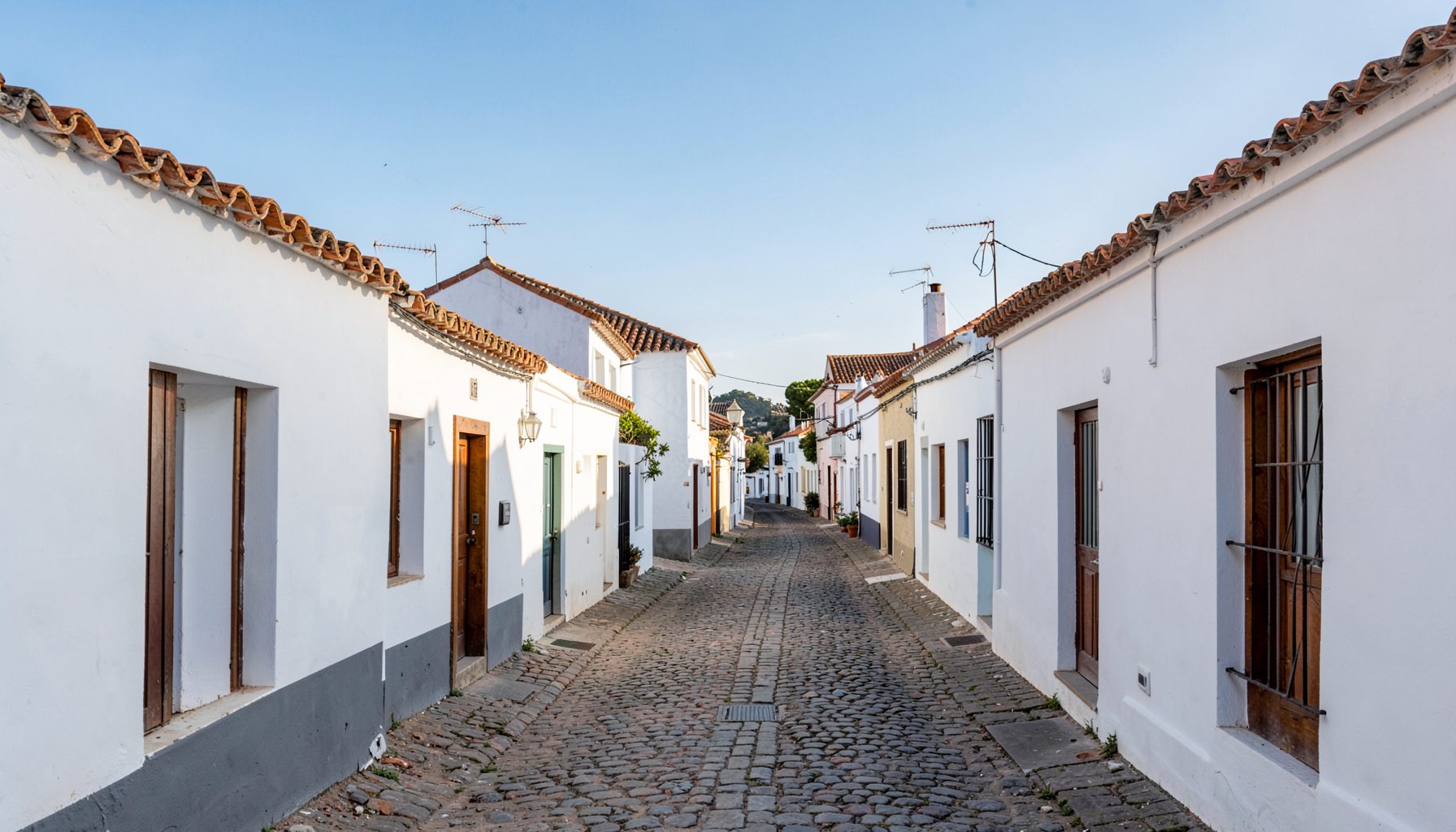
Watch videos showcasing Agudo and the surrounding region. A visual tour of local life, landscapes, and community events.