Stay informed with local news updates covering Agudo and the surrounding region. Browse the Hemeroteca for past articles and keep up with what matters in the community.
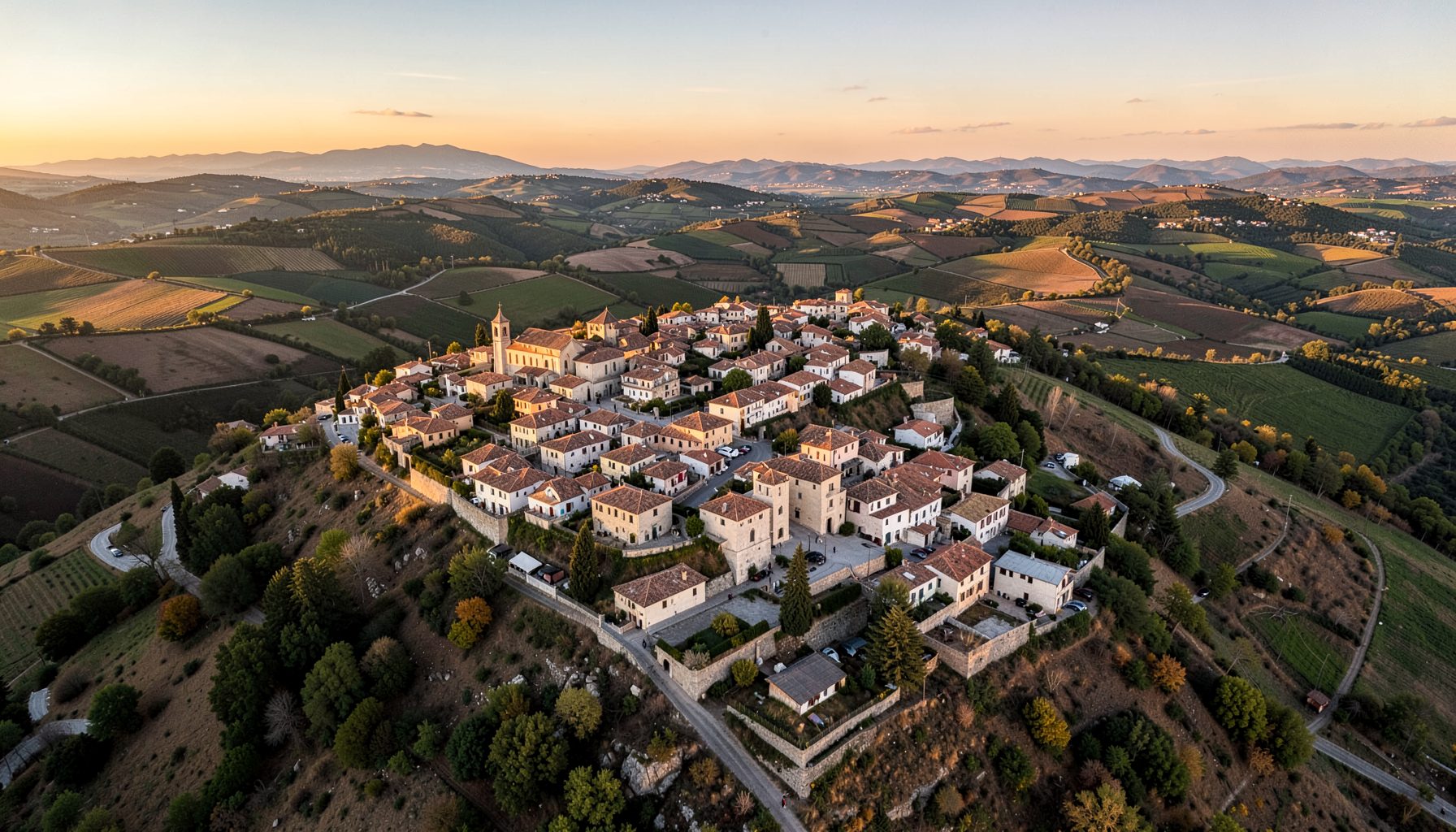
A standing-room-only crowd filled the cultural centre last week to hear Dr. María Teresa Romero speak about the everyday experience of Agudo residents during the Peninsular War. The local heritage researcher spent more than two hours guiding the audience through letters, parish records, and oral testimonies that illuminate how a small La Mancha town navigated occupation, scarcity, and shifting allegiances between 1808 and 1814. Attendees included returning expatriates, secondary school students, and several visitors who had travelled from other parts of Castilla-La Mancha specifically for the event.
Romero, who has published extensively on rural Spanish history, framed her talk around the lived reality of women, farmers, and tradespeople whose names rarely appear in conventional accounts. She drew on baptismal registers, municipal tax ledgers, and a remarkable cache of family correspondence held in private collections. The session combined slide projections of original documents with readings translated into modern Spanish, allowing younger members of the audience to follow passages that might otherwise feel remote.
Romero opened her presentation by walking the audience through parish archives that recorded baptisms, marriages, and deaths throughout the conflict. These documents, often overlooked by military historians, reveal sharp demographic shifts as men were conscripted, displaced, or killed. Birth rates fell noticeably between 1810 and 1812, while mortality among the elderly and very young spiked during the harsh winter of 1811.
She also highlighted municipal accounts that show how local councils requisitioned grain, livestock, and clothing for passing French and allied forces. Tax collectors had to balance competing demands, and in several instances, village elders negotiated directly with officers to prevent the seizure of seed grain needed for the next harvest. Romero read aloud from an 1812 ledger entry describing a delegation of residents who walked twelve kilometres to plead with a garrison commander.
The talk placed particular weight on women's economic roles during the period. Widows took charge of not only family matters but also land, and several women appear in notarial records as guarantors of loans or as purchasers of smallholdings. One particularly striking document, a power of attorney signed in 1810, allowed a woman named Isabel de la Cruz to act on behalf of her absent husband, then serving with the guerrilla bands in Sierra Morena.
Romero wove comparisons that resonated with audience members familiar with more recent conflicts. She referenced how rural communities in New South Wales and Queensland had responded to the shearers' strikes of the 1890s, when solidarity networks and informal couriers carried information across vast distances. The comparison was deliberate, drawing a line between the couriers of the Mancomunidad and the bush telegraph of the Australian outback.
She also mentioned how heritage advocacy in Victoria and South Australia has helped preserve nineteenth-century buildings, much as local efforts have preserved Agudo's eighteenth-century ermita. Romero noted that the Australian Heritage Council operates under legislation that obliges owners of listed places to maintain them, a model she suggested could inform future protection of rural religious architecture in Spain. She briefly touched on strata management laws in New South Wales, where shared buildings require collective upkeep, drawing a parallel with how medieval parishes managed their shared religious infrastructure.
One audience member, a former resident now living in Adelaide, asked how local communities could ensure that such histories continued to be taught. Romero pointed to similar models in Australia, where community history groups in towns like Castlemaine and Beechworth maintain museums and run regular talks. She argued that Agudo could benefit from a structured volunteer programme, perhaps drawing inspiration from the documentation process used to formalise heritage listings.
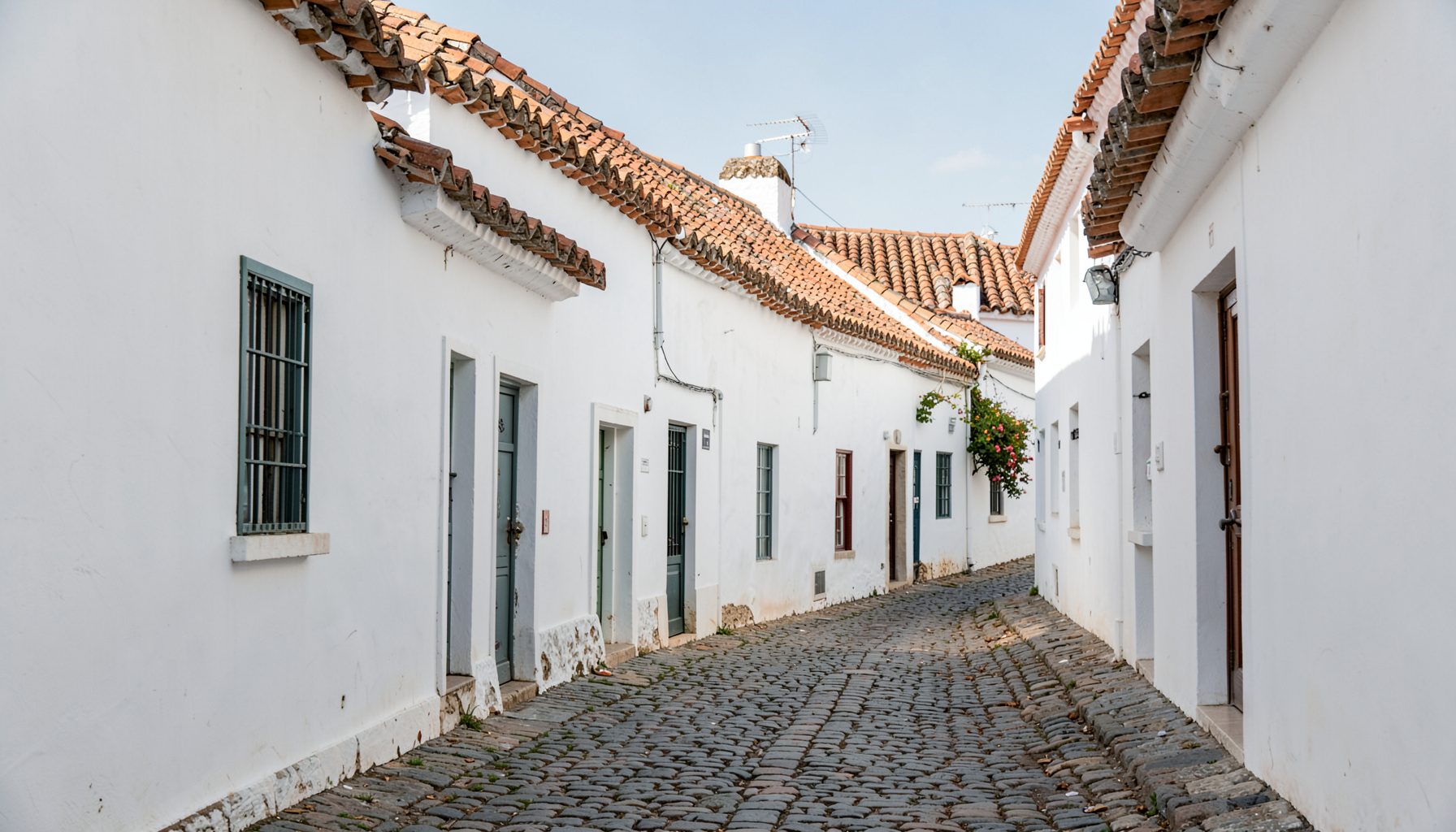
Following the talk, attendees were invited to join a short walking tour of nearby heritage sites. The route began at the parish church, where Romero pointed out bullet marks and repair scars from the early nineteenth century. Many in the group then continued to the hilltop ermita, which offers panoramic views across the valley and remains one of the most photographed landmarks in the area.
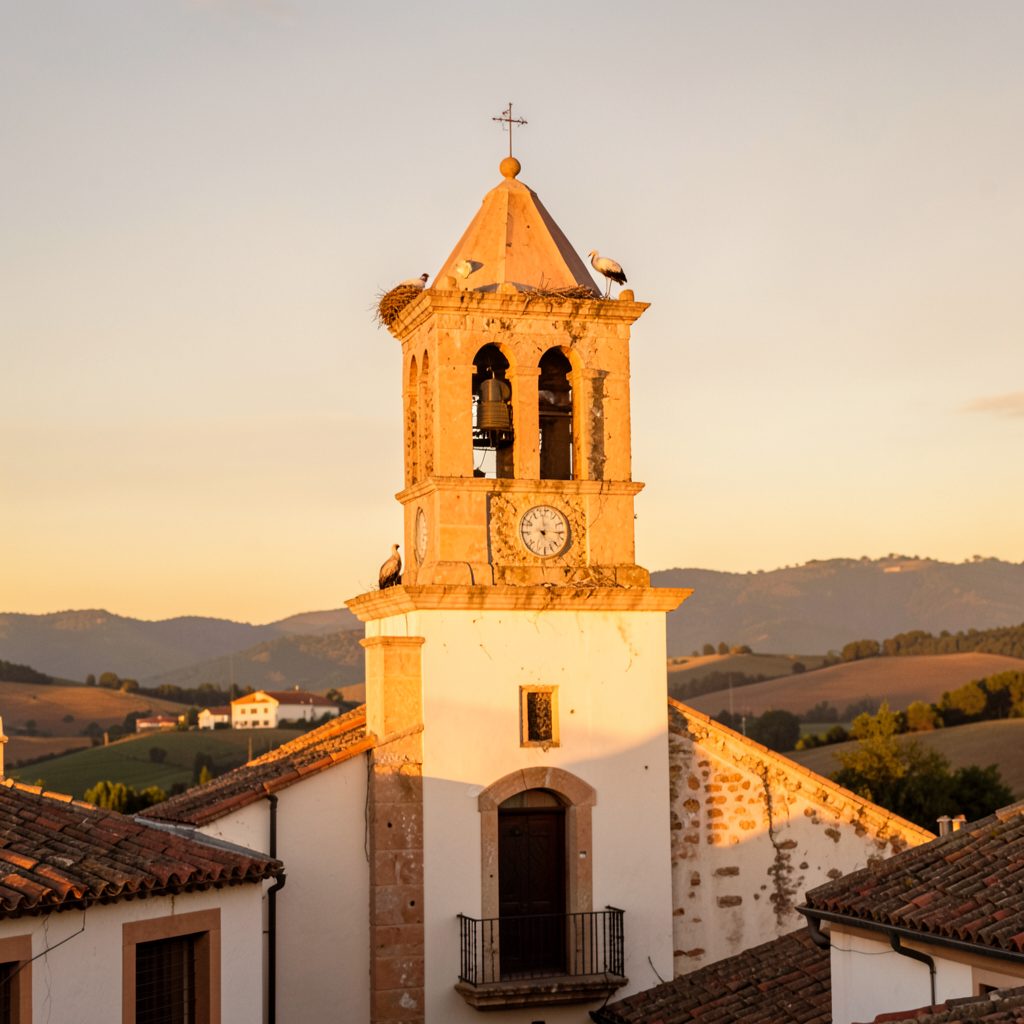
Those interested in climbing historic bell towers will find that Saturday church tower visits have become a regular attraction in Agudo, with a guide on hand each weekend to explain the structure's evolution. The visit complements the historian's talk by giving residents and tourists a tangible connection to the period under discussion. Romero's research indicates that the current tower incorporates stones salvaged from earlier buildings damaged during the fighting.
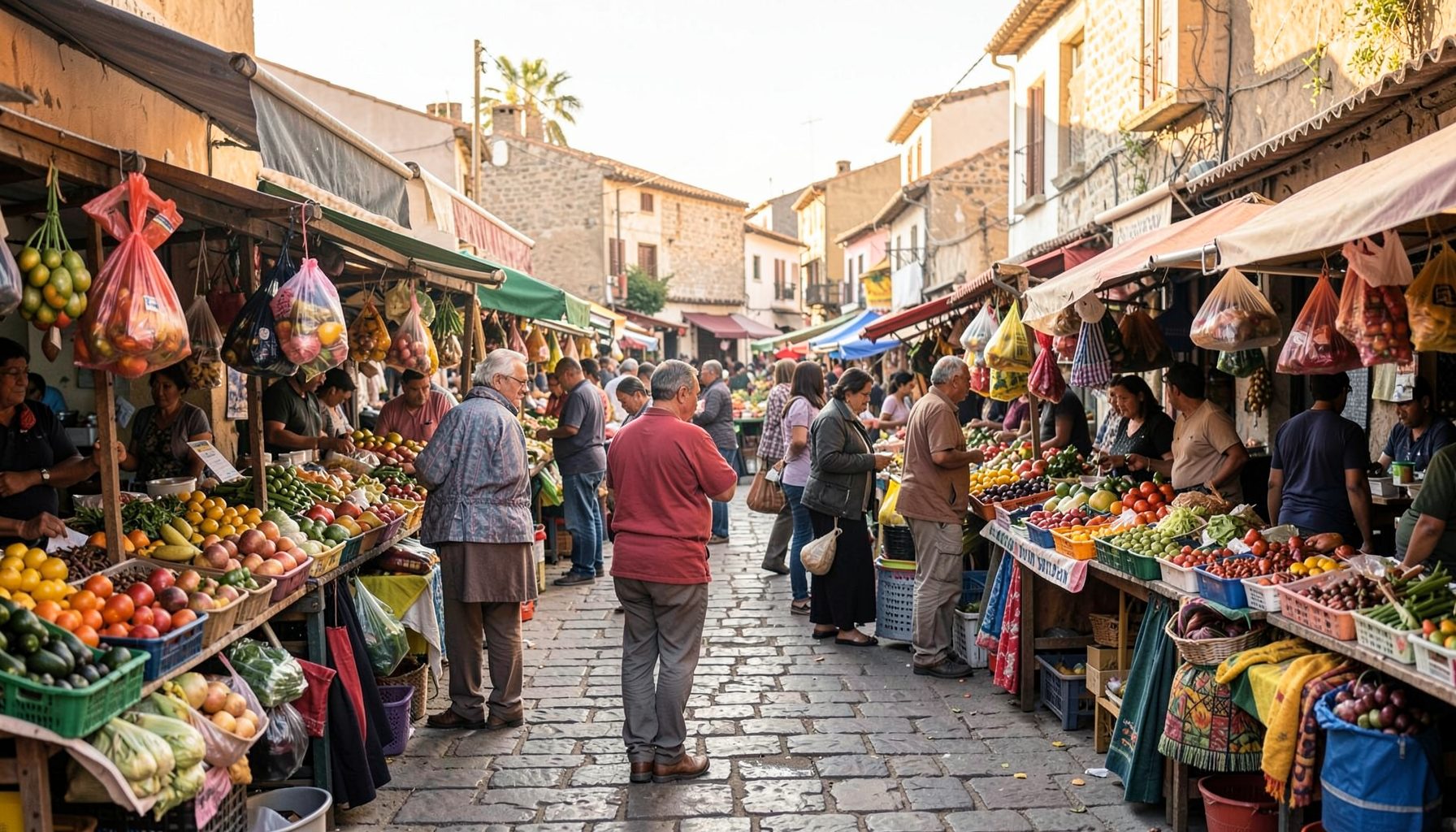
For those planning a heritage trip to rural Spain, the conditions look promising. Spring and early autumn bring mild weather, and local festivals often coincide with cultural programming. Independent travellers and local heritage buffs alike will find that pairing a historical talk with a guided architectural visit offers the richest possible introduction to a town's past, especially when followed by a relaxed meal at one of the village's traditional mesones.
Historians working on the Peninsular War rely on a range of source types, each with strengths and limitations. The summary below captures the most commonly used categories and their value for researchers, students, and curious residents alike.
| Source type | What it reveals | Strengths | Best use |
|---|---|---|---|
| Parish registers | Birth, marriage, death patterns | Continuous, locally controlled, names individuals | Tracking demographic shifts |
| Municipal tax ledgers | Economic pressure on households | Quantitative, dated entries | Studying requisitions and hardship |
| Family correspondence | Personal reactions and daily life | Emotional depth, colloquial language | Illuminating civilian experience |
| Military dispatches | Troop movements and battles | Strategic context, names of officers | Placing local events in wider conflict |
| Oral histories | Living memory of older relatives | Captures atmosphere and folklore | Complementing written records |
| Notarial records | Property transfers, debts, powers of attorney | Legal precision, signatures | Tracing inheritance and agency |
Romero stressed throughout her talk that no single source tells the full story. Parish registers, for instance, show demographic shifts but rarely explain causes. Heirs of soldiers and survivors, she suggested, should treat their own family papers as historical evidence worth preserving, even when the documents seem trivial. The combined weight of all these archives, she argued, is what allows a small village to recover the texture of its past.
For readers keen to deepen their involvement with Agudo's past, several avenues are worth considering. Whether you are a long-time resident, a returning emigrant, or a curious researcher from abroad, the following suggestions can help turn passive interest into active contribution.
Romero thanked those who had opened their homes and filing cabinets to her research, and encouraged attendees to think of themselves as co-authors of the village's history, since every shared document adds another thread to the wider tapestry. Community associations in Australian towns like Bendigo and Ballarat have shown how resident-led preservation can sustain heritage tourism for decades, and Agudo appears ready to follow a similar path.
If you missed the talk, video highlights will be available on the municipal website next month, alongside a full transcript for download. Subscribers to the local newsletter will receive notification when the materials go online, and a follow-up lecture is already planned for the autumn, focusing on the post-war reconstruction of rural life across La Mancha. Make a note in your diary, and consider joining the volunteer team that supports ongoing heritage work in the area.
Stay informed with local news updates covering Agudo and the surrounding region. Browse the Hemeroteca for past articles and keep up with what matters in the community.
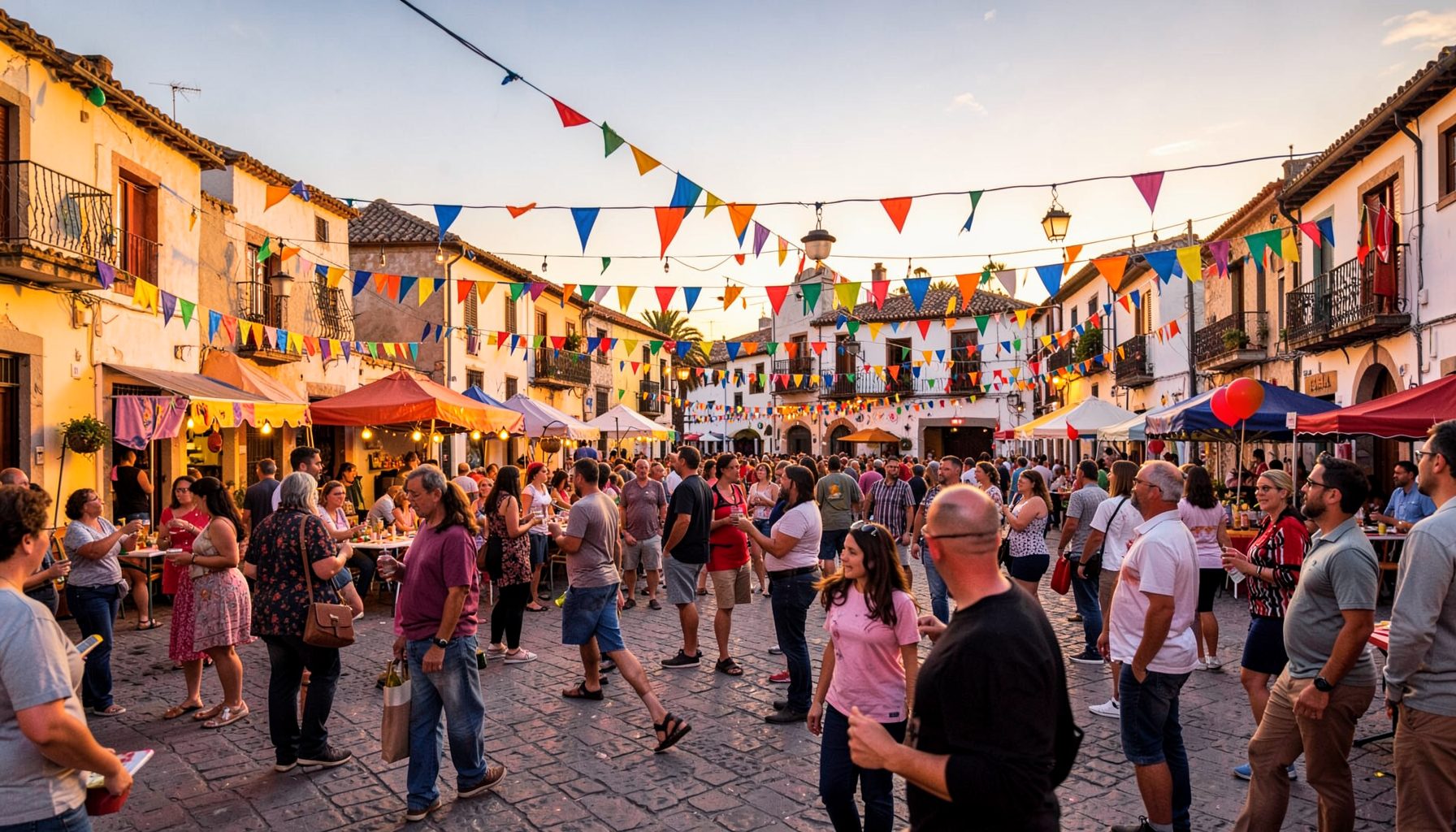
Join the conversation in the Agudo community forums. Access the Foro antiguo archive and participate in discussions with fellow residents and visitors.
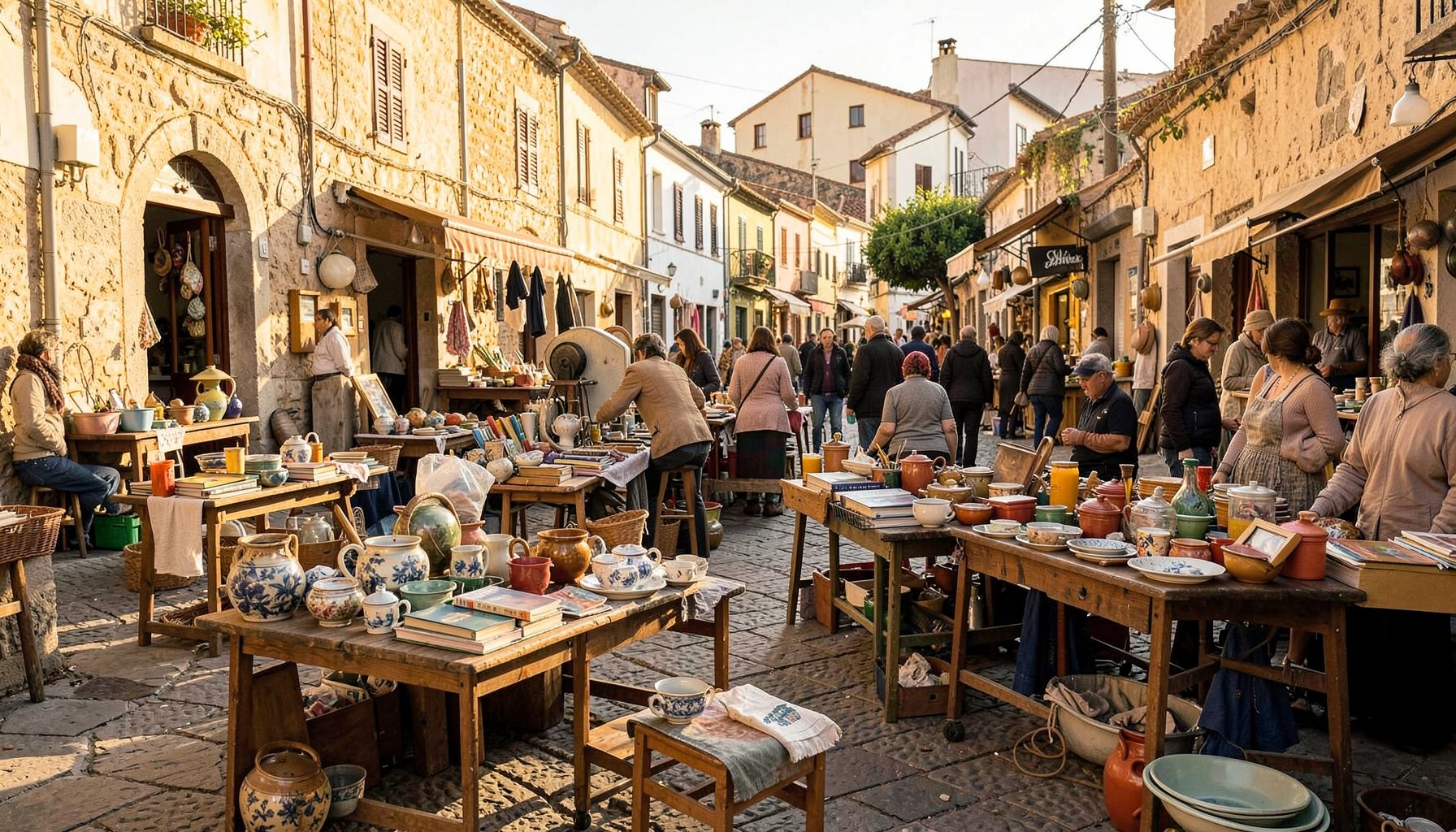
Browse local second-hand listings in the Agudo area. A convenient marketplace for buying and selling within the community.
Explore our directory of recommended links, including the Ayuntamiento de Ciudad Real, Lagunas de Ruidera, Parque de Cabañeros, Agudo Joven, and Balneario Cervantes.
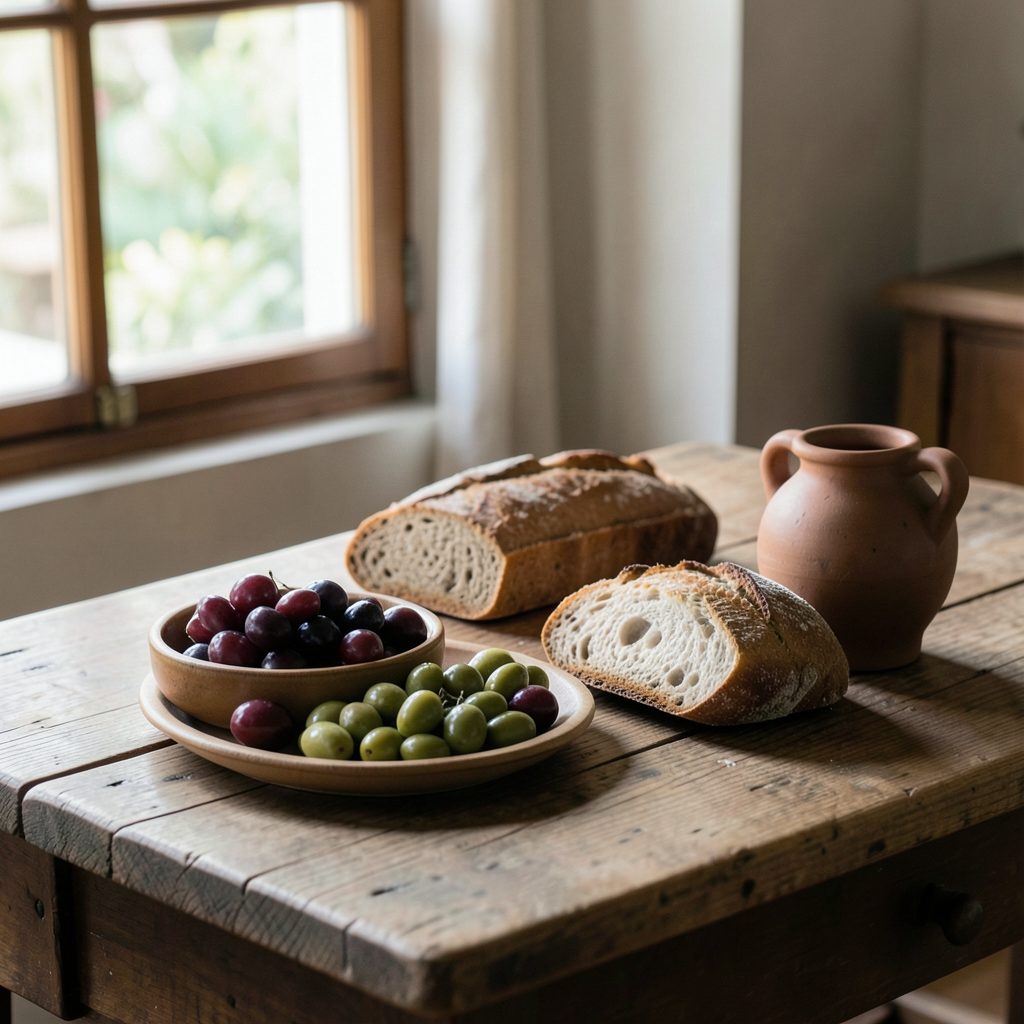
Access practical tools including Prensa links, radio, horóscopo, Loterías results, a leisure guide, recipes, a dictionary, and Street View integration.
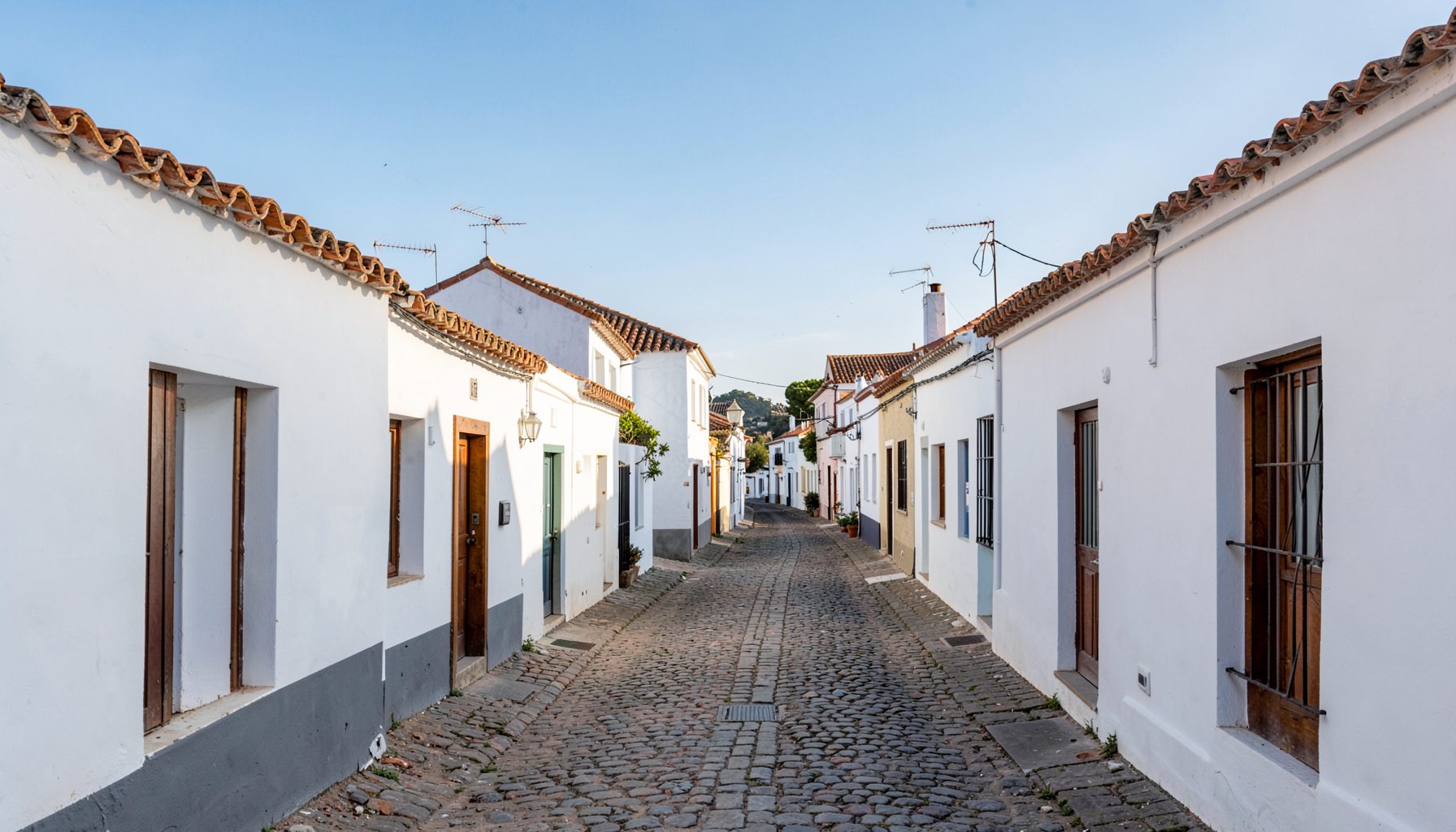
Watch videos showcasing Agudo and the surrounding region. A visual tour of local life, landscapes, and community events.