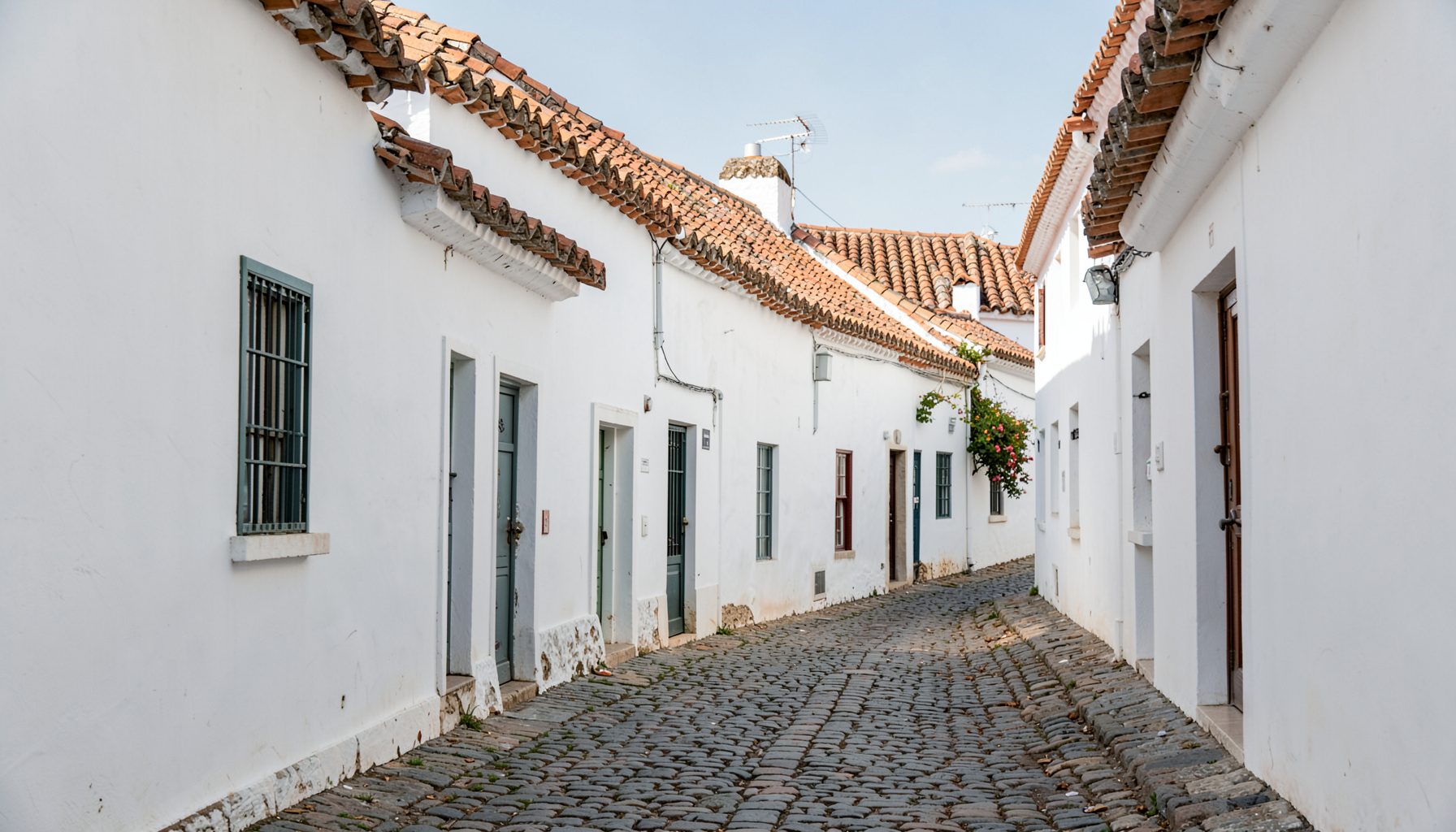


Stay informed with local news updates covering Agudo and the surrounding region. Browse the Hemeroteca for past articles and keep up with what matters in the community.

The small municipality of Agudo, in the province of Ciudad Real, is preparing for a milestone moment in its sporting calendar. The local amateur football club has confirmed it will field a girls' team for the first time, opening registration ahead of the upcoming season. The move reflects a quiet but steady shift in how rural Spanish clubs approach the women's game, and arrives as interest continues to build across the broader region.
For residents, the announcement carries weight beyond the pitch. Parents who once drove their daughters to neighbouring towns for training now have a closer option, and a generation of young players will be able to wear the club colours at home. Club officials say the project has been in planning for more than a year, with trustees working alongside the regional football federation to make sure the new section has the right support from day one.
Club president Tomás Ruiz recalled that conversations about forming a girls' section began as early as 2022, when a handful of parents approached the board with a simple request. Their daughters wanted to play competitive football without travelling to Puertollano or Valdepeño. At the time, the club was already operating three boys' teams across different age groups, and the financial pressures of running a small-town side in a sparsely populated area made expansion risky.
The turning point came last winter, when the regional federation introduced a new subsidy programme aimed at supporting women's football in municipalities with fewer than ten thousand inhabitants. Agudo qualifies comfortably, and the club has used the grant to cover the cost of new training equipment, additional kits, and a part-time coach. The new position has been advertised across Castilla-La Mancha, with preference given to candidates who hold a recognised coaching licence and have experience working with teenage players.
Committee members have also visited similar projects in nearby provinces to learn from their early stumbles. Several clubs in Toledo and Albacete opened girls' teams in recent years and now run them as fully established sections. Their advice, according to Ruiz, was straightforward: keep the first registration window low-pressure, recruit volunteer helpers from the village, and accept that the first season will be as much about community-building as it is about results.
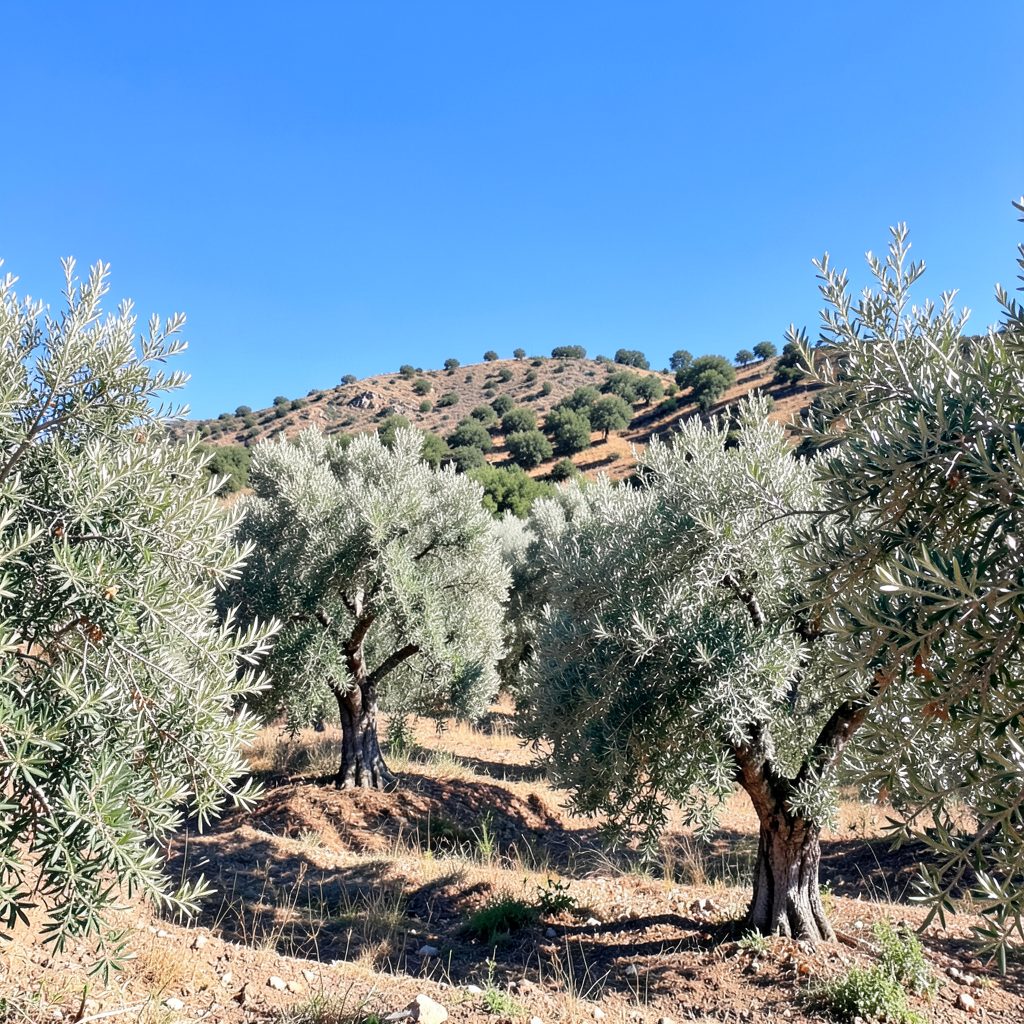
The decision in Agudo echoes a pattern playing out in countries far from the olive groves of central Spain. In Australia, the surge in women's football has been led by the Matildas' run to the 2023 Women's World Cup semi-finals, which lifted national interest to record levels. Across New South Wales and Victoria, community clubs have reported waiting lists for girls' teams, and the A-League Women competition continues to draw healthy crowds in Melbourne and Brisbane.
Spanish football has travelled a similar arc, though the grassroots layer is catching up more gradually. Liga F has grown its audience steadily since 2022, and the national team remains a continental force. What is changing now is the depth of the pyramid. Smaller clubs in places such as Brazatortas and Almadén are beginning to field competitive teams of their own, fed by school programmes and municipal coaching clinics.
The funding ecosystem around the women's game has also expanded considerably, and analyses of Australian entertainment patterns show how digital platforms now court mainstream sports audiences. Similar cross-sector conversations are beginning to filter into Spanish regional clubs, though local boards remain cautious about any partnership that might distract from the core mission of playing football. Cultural ties between the two countries continue to strengthen too, with Spanish coaches having worked at academies in Sydney and Perth, and Australian methodology crossing the other way through coaching exchanges.
Registration opened on the first Monday of August and will run until the first Friday of September. Girls aged ten and older are eligible to join, and the club has set no upper age limit, recognising that teenagers and young adults often arrive at the sport later than boys. Training will take place on Monday and Wednesday evenings from 18:30 to 20:00 on the municipal pitch behind the sports hall, with Sunday mornings reserved for fixtures once the league schedule is released.
The club has chosen to mirror several of the systems already used by its boys' section, while keeping some details distinct. The comparison below shows how the two squads line up for the upcoming season.
| Detail | Boys' team | Girls' team |
|---|---|---|
| Training nights | Tuesday and Thursday | Monday and Wednesday |
| Match day | Saturday morning | Sunday morning |
| Season fee | €45 | €30 |
| Kit colours | Blue and white | Purple and white |
| Age range | Under-8 to senior | Under-12 to senior (first year) |
| Transport | Self-organised by families | Coach-provided for away games |
Fees have been set at €30 for the season, which covers training kit, insurance through the regional federation, and match-day transport for away games within a radius of 60 kilometres. The board has also created a small hardship fund for families experiencing short-term financial pressure, and applications for that fund can be made through the club secretary. Parents do not need to commit to volunteer duties, though many end up helping on match days regardless.
Prospective players and their families are invited to an open training session on the second Saturday of September. This is a free session with no obligation to sign up, designed to let newcomers meet the coaches and understand the rhythm of the week. Two further information evenings will be held at the clubhouse, with dates posted on the village noticeboard and on local social media channels.
The project has drawn support from across the village and a little beyond. The mayor's office has offered the use of training facilities at no cost, and a local physiotherapy clinic has agreed to provide free pre-match taping for any player who needs it. Several small businesses have taken pitchside advertising space for the new section, ensuring that match-day programmes carry a printable record of who helped make the team possible.
A handful of more unusual backers have also stepped in. Village associations representing retired residents and young families have both donated to the equipment fund, and one anonymous donor covered the cost of the new goalkeeper gloves. The club has even received enquiries from community organisations interested in linking the new team to broader social campaigns, including healthy-eating initiatives. The bakery on the high street recently launched a gluten-free line using regional flour, and its owners have offered post-match snacks to the squad every other weekend through the season.
The league draw will be released in mid-September, and the club expects to face established sides from Puertollano, Almagro, and possibly a travelling team from Miguelturra. Realistically, the first season will be a learning curve, and the committee has made clear that league position is not the headline metric for year one. The priority is regular match exposure, healthy participation numbers, and a safe pathway for players who want to continue beyond adolescence.
Coach recruitment remains in progress, with the appointment expected by the end of August. The board is also talking to local schools about lunchtime taster sessions, in the hope of building a steady stream of younger players who will join the team in two or three years' time. Club officials have already discussed a five-year plan that would see the section grow to include a second age-group squad and a women's senior side in the longer term.
For now, attention is focused on the simple things. Confirmed kit colours, transport rotas, a fixture list that does not clash with the village fiestas. If all goes well, the club will turn out for its first competitive fixture in October, in front of supporters who have waited years for this particular match to happen. From the suburbs of Adelaide to the limestone streets of Agudo, the women's game keeps adding rooms to what used to be a much smaller house.
The club's doors are open, the pitch is freshly marked, and the first balls will be pumped up well before the opening fixture. Families who have been waiting for this moment can now register, ask questions, or simply come along to the open day in September to see what the new section looks and feels like. Anyone curious about coaching, sponsorship, or general support can also reach out through the club secretary, whose contact details are posted on the village noticeboard and on the official site.
Stay informed with local news updates covering Agudo and the surrounding region. Browse the Hemeroteca for past articles and keep up with what matters in the community.

Join the conversation in the Agudo community forums. Access the Foro antiguo archive and participate in discussions with fellow residents and visitors.
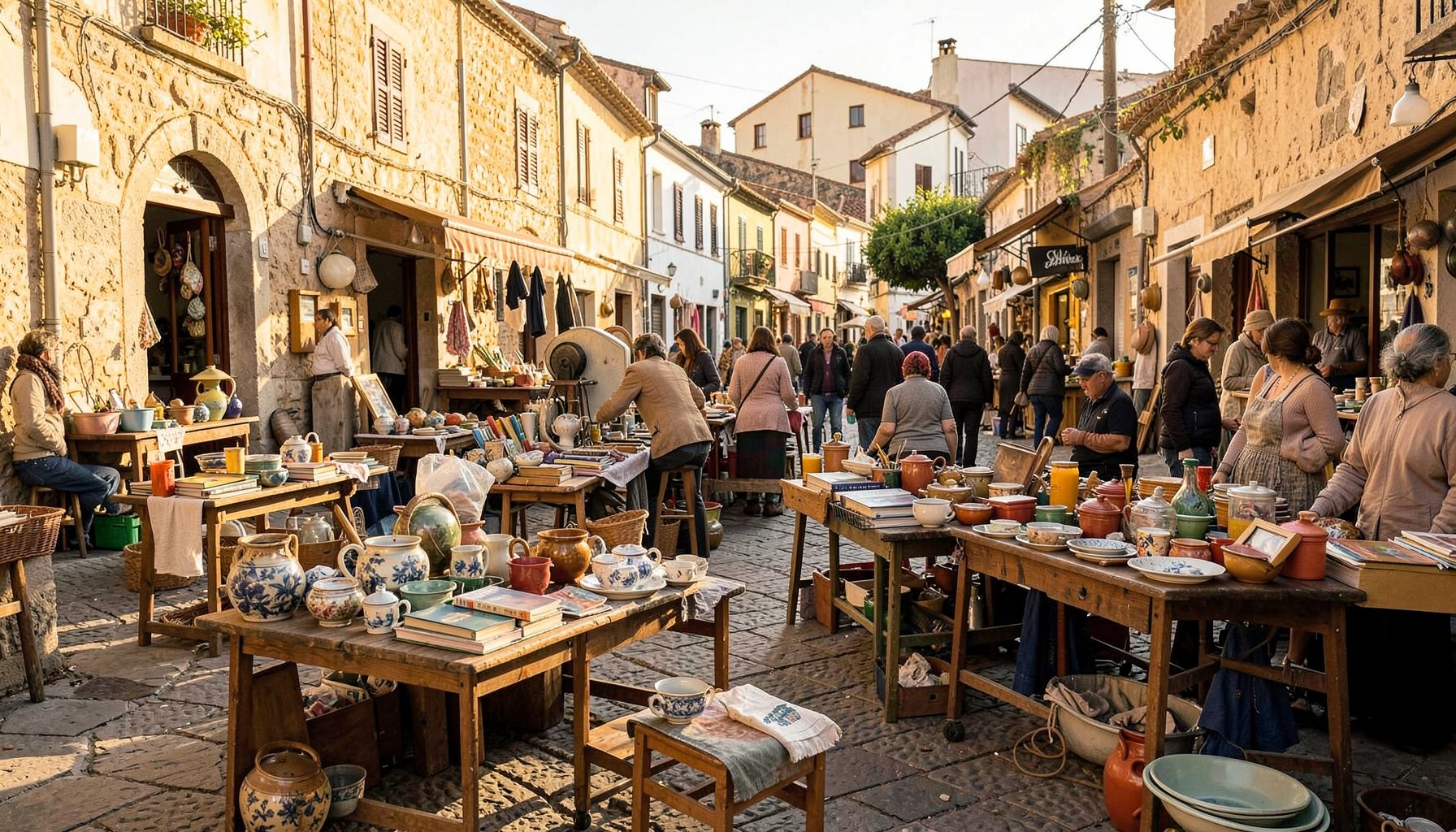
Browse local second-hand listings in the Agudo area. A convenient marketplace for buying and selling within the community.

Explore our directory of recommended links, including the Ayuntamiento de Ciudad Real, Lagunas de Ruidera, Parque de Cabañeros, Agudo Joven, and Balneario Cervantes.
Access practical tools including Prensa links, radio, horóscopo, Loterías results, a leisure guide, recipes, a dictionary, and Street View integration.

Watch videos showcasing Agudo and the surrounding region. A visual tour of local life, landscapes, and community events.