Stay informed with local news updates covering Agudo and the surrounding region. Browse the Hemeroteca for past articles and keep up with what matters in the community.
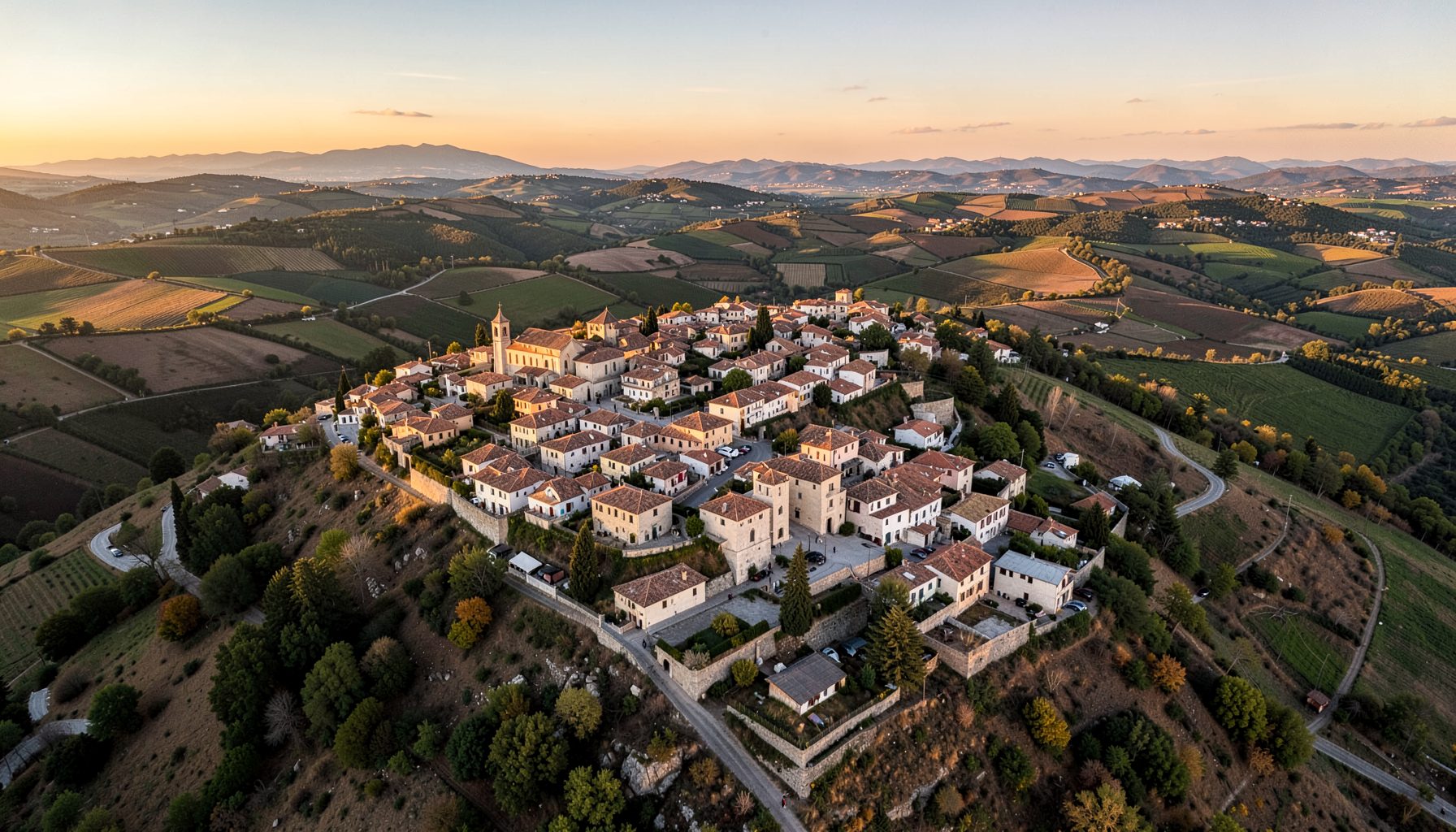
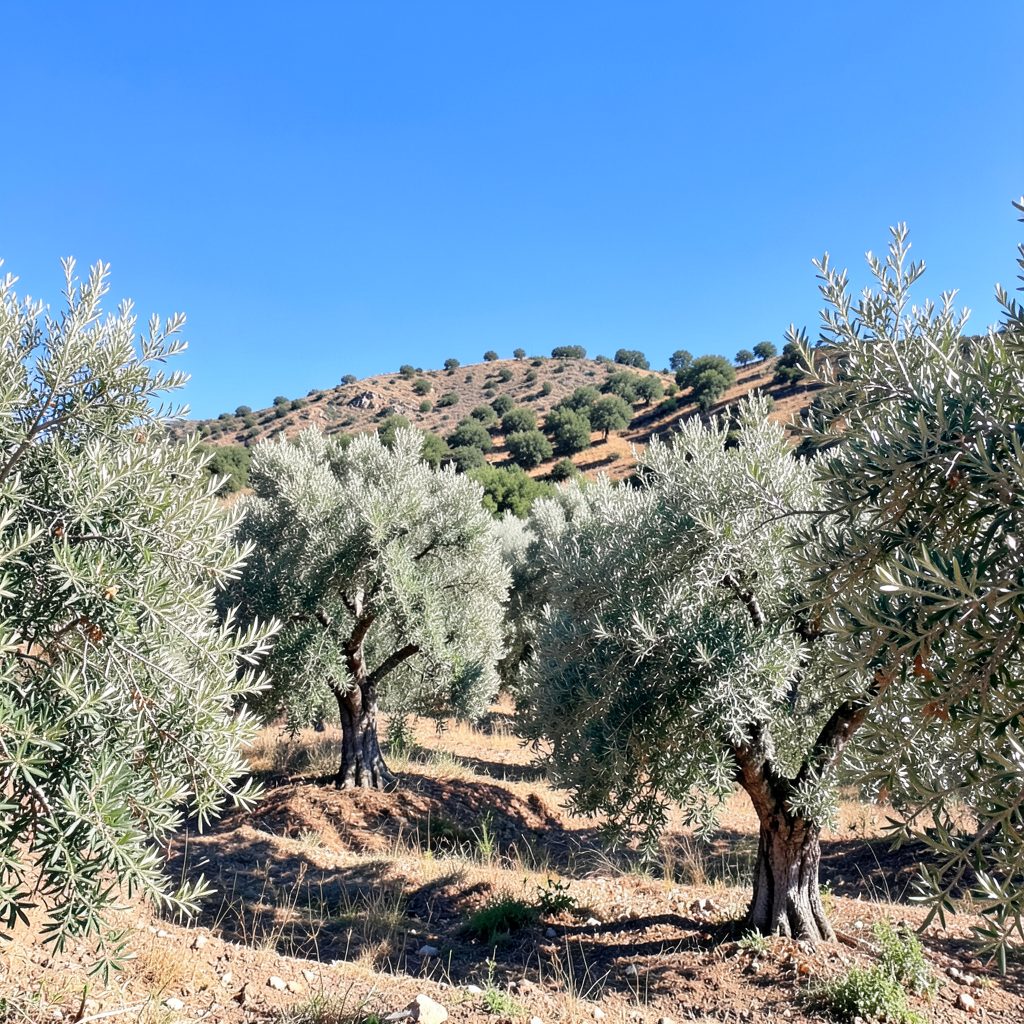
Around the rolling countryside that stretches beyond Agudo, a quiet revolution is taking root among the growers who tend the vines on the old family fincas. What began as informal conversations about the timing of the last frost has turned into a coordinated effort to install a network of connected weather stations, all feeding data into a single platform the growers can read from their phones. The project has turned isolated plots of land into a single, observant community, watching the sky together. Learn more about Gallery.
For many growers, the appeal is practical. The climate across this part of Castilla-La Mancha can swing sharply between scorching midday heat and a cold snap that rolls in off the sierras late in the season. Knowing the exact temperature on a hill three kilometres away, or the wind gusts sweeping across the valley at midnight, helps everyone decide when to spray, when to irrigate and when to hold off. The system is not flashy, but it has changed how decisions are made in the field. Learn more about August Festival Program Includes Live Flamenco Show And A Night Of Folk Dancing.
The project has drawn the eye of visitors from further afield, including Australian winemakers who have watched similar networks reshape their own industry. In regions such as the Barossa Valley and Margaret River, growers have spent the last decade wiring their vineyards with sensors and building regional dashboards that track every degree of humidity. The Spanish growers, accustomed to working with what the sky gives them, have approached their own version with the same patient, hands-on attitude that defines any bush community worth its salt.
There is also a generational dimension. Older growers, who once relied on a quick glance at the sky and the ache in their knees, are finding a renewed role in the project, lending their knowledge of local microclimates. Younger members of the families, many of whom have spent time in other wine regions or studied abroad, bring the technical skills needed to keep the network humming. Together they are quietly rewriting what cooperation looks like on a Spanish finca, one sensor at a time.
The backbone of the project is straightforward but carefully placed. Each participating finca hosts a small weather station that measures temperature, humidity, rainfall, wind speed and solar radiation, sending readings every ten minutes through a low-power mobile connection to a shared online dashboard. The data is open to every member, and the team has marked the map of the area with colour-coded zones so a quick check tells a grower whether the morning fog has lifted from the lower fields or whether rain is on the way from the east.
Installation has been a community effort. Members met on a Saturday at the end of summer with espressos in hand, bolting brackets onto fence posts and running cables into small sheds. The stations are solar-powered, which matters in places where the nearest power line is a long walk across the vines. By the end of the day, six new nodes were live, and the map began to look less like scattered points and more like a connected patchwork, the way local growers like to describe it: a decent stretch of country working as one.
The choice of equipment reflects a desire for reliability over novelty. The growers selected sensors known to handle the dusty, sun-baked conditions of inland Spain, similar to the rugged units used by sheep stations across the Australian outback, where equipment must endure heat, dust and the occasional curious emu. Calibrations are checked every quarter, and the readings are cross-referenced with the readings from the official station at the local airfield to catch any drift early.
| Region | Network Type | Data Shared Publicly | Main Driver | Funding Model |
|---|---|---|---|---|
| Fincas around Agudo | Cooperative, grower-owned | Among members only | Frost and heatwave timing | Shared purchase and grants |
| Barossa Valley | Industry-led consortium | Yes, anonymised | Vintage quality and fire risk | Wine association levies |
| Margaret River | Cooperative with research partner | Partial | Disease pressure and irrigation | Mixed grants and fees |
| Hunter Valley | Private, some shared | Limited | Storm and harvest rain | Individual grower cost |
What stands out across these regions is that no two networks look the same. The Australian examples tend to focus on vintage quality and fire risk, both real and present concerns in a country where a bushfire can change a season in an afternoon. The Spanish project, by contrast, leans heavily into frost alerts and the timing of bud break, which speaks to the particular rhythm of a continental climate far from the moderating influence of the sea.
The shared thread is trust. In every region, growers have to agree on what data to share, how to interpret it and who pays when a sensor fails. The Spanish cooperatives are quietly solving the same puzzles their counterparts tackle over a cold beer at the local pub in towns like Tanunda or Busselton. The conversations may sound different, but the underlying maths is familiar.
A single night of frost at the wrong moment can undo a year's work on a parcel of vines. Growers around Agudo know this intimately, and they remember particular years when the losses stretched across whole valleys. With shared data, the decision to light smudge pots or run frost fans can be coordinated, saving fuel and ensuring that growers are not fighting the same cold snap in isolation. The result is a quieter, more efficient kind of neighbourliness.
Heat is the other side of the same coin. A spike in temperature during véraison can scorch berries and leave a bitter note in the wine. Knowing precisely where the hot air settles, and how long it lingers, helps growers plan irrigation and canopy management. Several members have already started comparing their harvest results against the season's data, looking for patterns that might explain a stronger or weaker parcel in a given year.
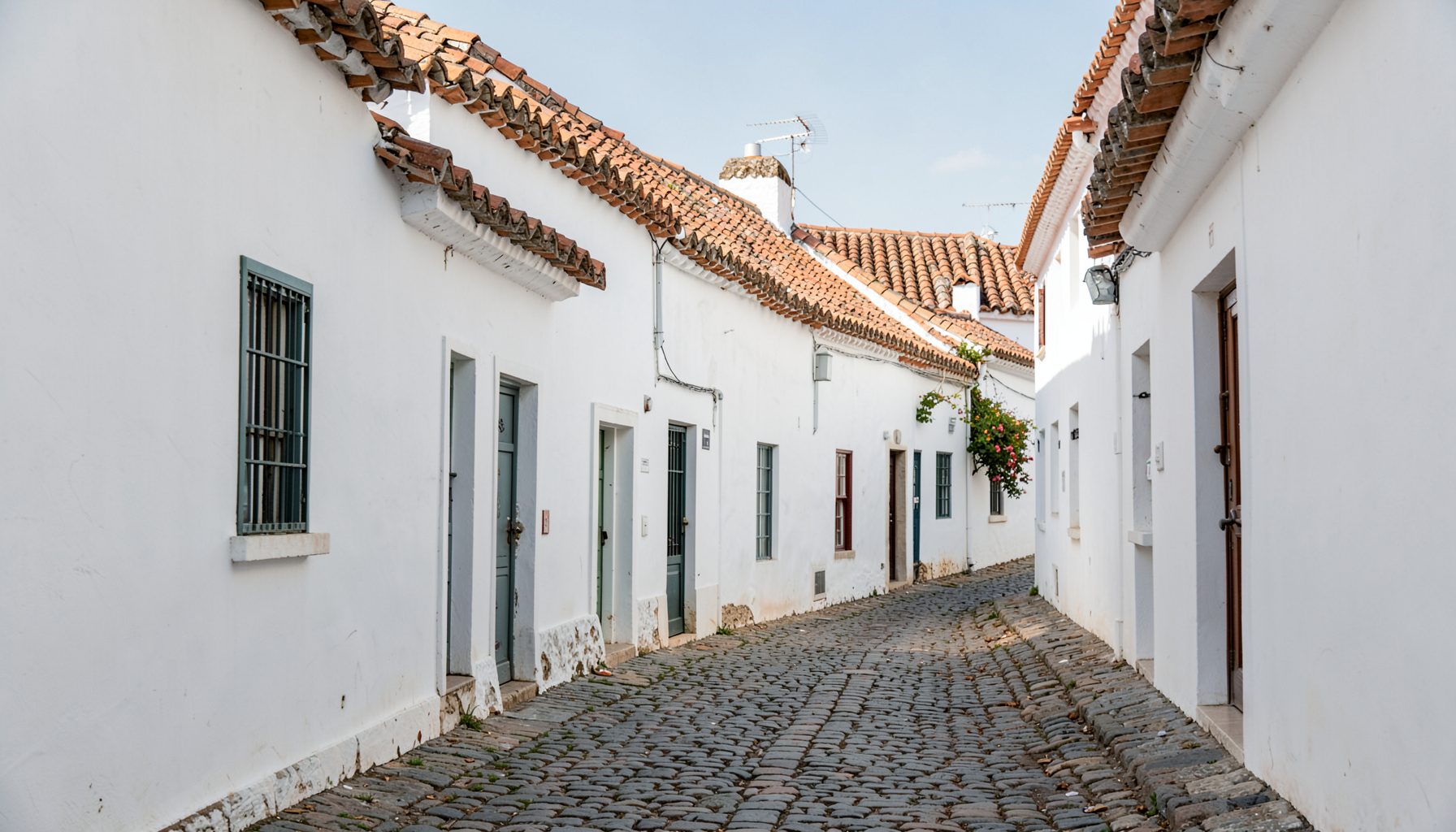
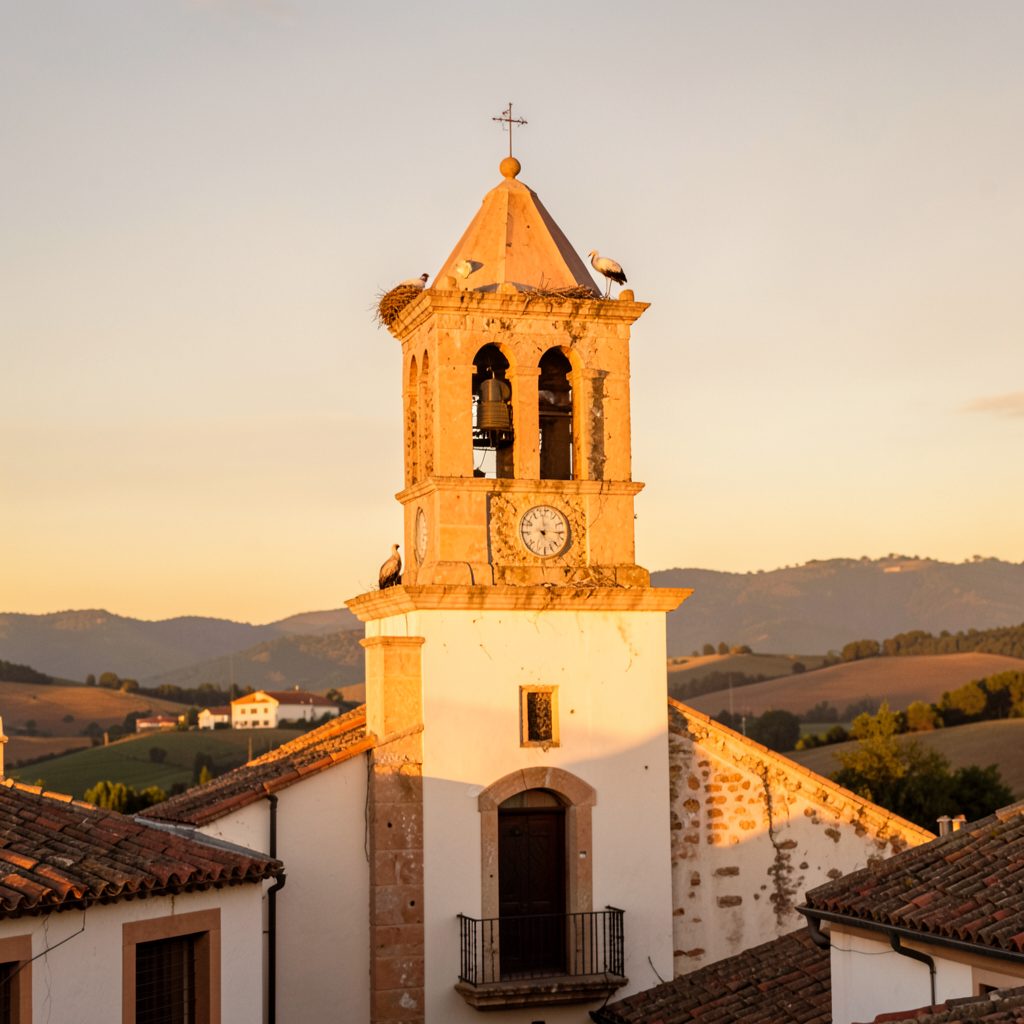
Beyond the practical, there is a quieter pride in the project. Members speak of being able to check the weather on their phone while attending a wedding in Melbourne or while working a harvest in McLaren Vale, and feeling connected to the family vines back home. That sense of attachment, familiar to anyone who has left the farm for the bright lights of the city, is part of what keeps the network alive. Anyone curious about the visual side of the project, including images from the installation weekends, can browse the community gallery for a closer look at the stations in place.
The first full season of readings has produced a few surprises. The temperature differences between the higher fincas and the low-lying plots turned out to be larger than expected, with gaps of up to four degrees on clear nights. Wind patterns have also emerged, showing how gusts channel through the quebradas in ways that older growers suspected but could never confirm without instruments.
Rainfall, predictably, has been the most variable reading. Some stations recorded nearly twice the rain of others during the autumn storms, a reminder of how localised weather can be in this part of the province. The shared data has already changed how a couple of growers plan their cover crops, since they now know which fields are most likely to hold moisture deep into the dry months.
There have also been lighter moments. When a particularly strong gust toppled a sensor pole at the edge of one finca, the group treated it with the good humour of any farming community. A few of the younger growers sent photos around with messages along the lines of "bit windy today, mate," and the station was back online within a day. The mix of serious science and dry humour has helped the project feel like a shared endeavour rather than another technical chore.
The fincas have learned a handful of lessons that any new network could borrow:
These are not grand ideas. They are the kind of plain, practical steps that suit a rural community where everyone knows each other and where trust is earned slowly. The Spanish growers have applied them with the same patience you might find among cane growers in Queensland or pastoralists in the Top End, where the work is steady and the results arrive in their own good time.
The next phase of the project will focus on adding soil moisture probes to a handful of fincas, giving the growers an even clearer picture of what is happening beneath the vines. There is also talk of linking the network to the regional agricultural office, which would broaden the data pool and help with long-term planning. Members expect the network to keep growing as neighbours see the benefits and ask to join.
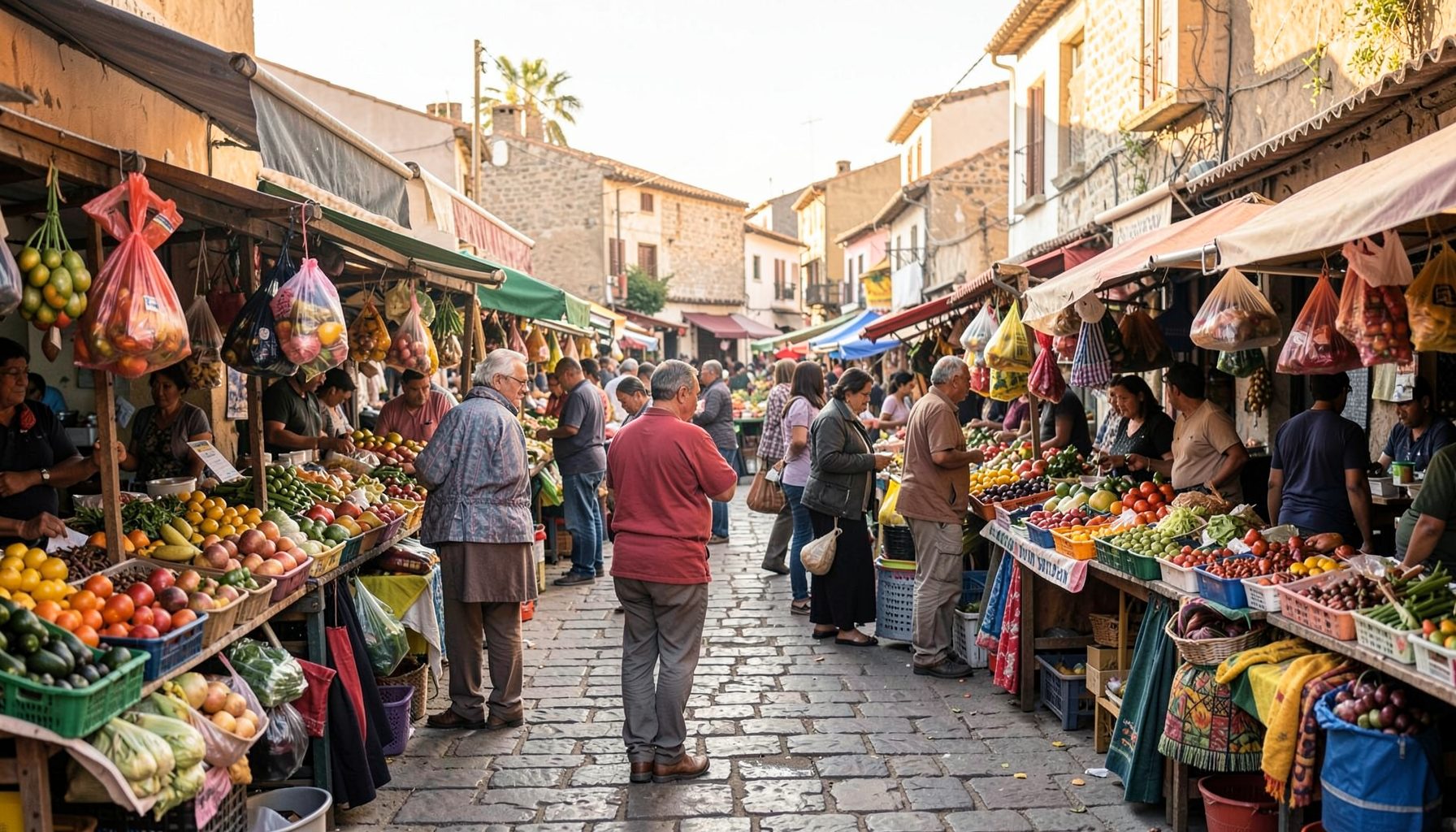
Visitors to the area who want to see the project in action, and to get a feel for the broader community life that surrounds it, can find upcoming gatherings listed on the local news portal. The August festival programme, which includes a live flamenco show and a night of folk dancing, will draw many of the network's members back to the village square, where the conversation is as likely to turn to soil moisture as to the music on stage.
For now, the growers are content with what they have built. A shared eye on the sky, a few well-placed sensors and a community willing to look after them: it is a quiet kind of progress, and one that fits the rhythm of life on the fincas. Anyone with an interest in how local communities adapt to a changing climate, or simply in how a region looks after its vines, can follow the project through the coming seasons.
Stay informed with local news updates covering Agudo and the surrounding region. Browse the Hemeroteca for past articles and keep up with what matters in the community.
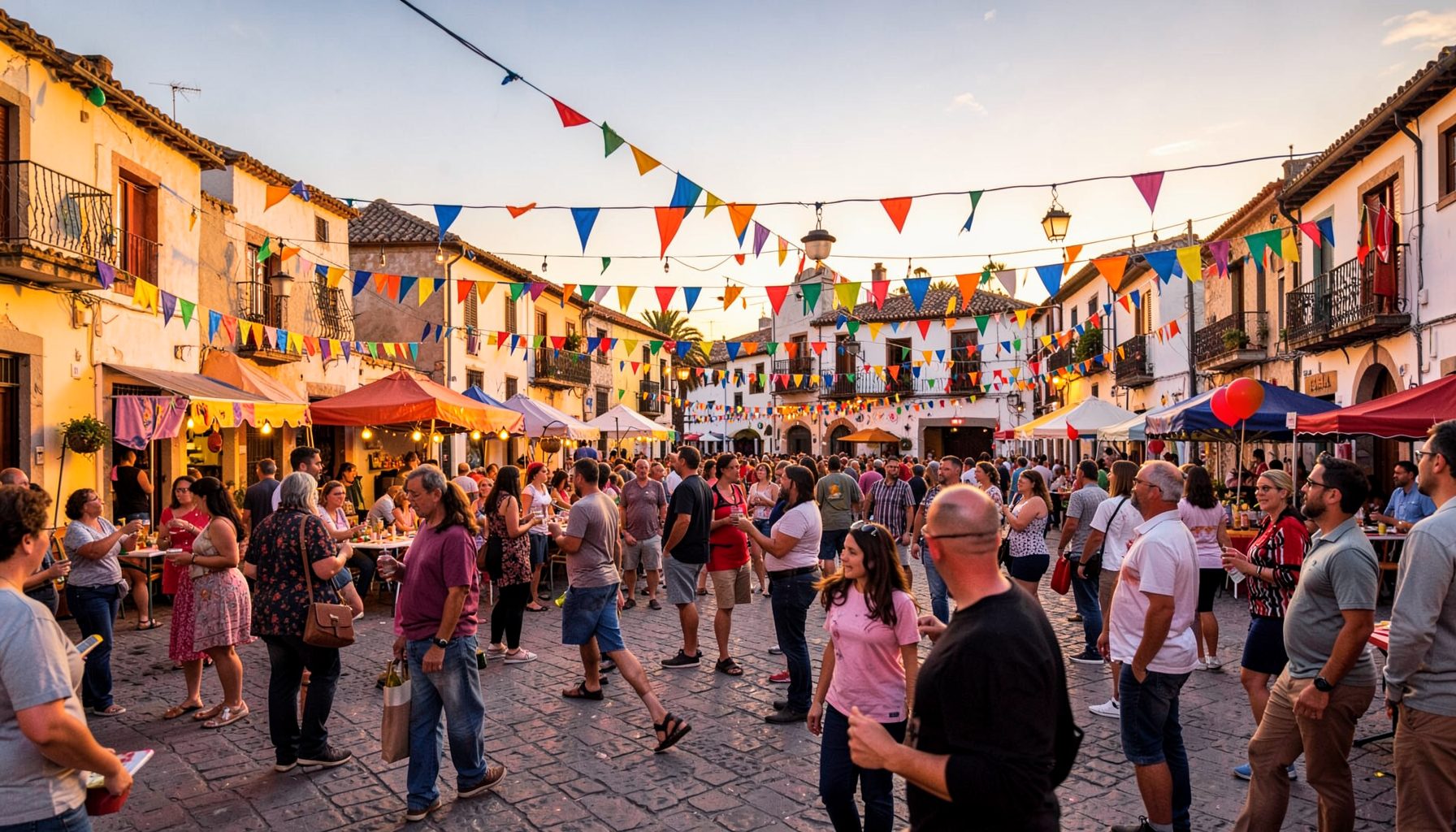
Join the conversation in the Agudo community forums. Access the Foro antiguo archive and participate in discussions with fellow residents and visitors.
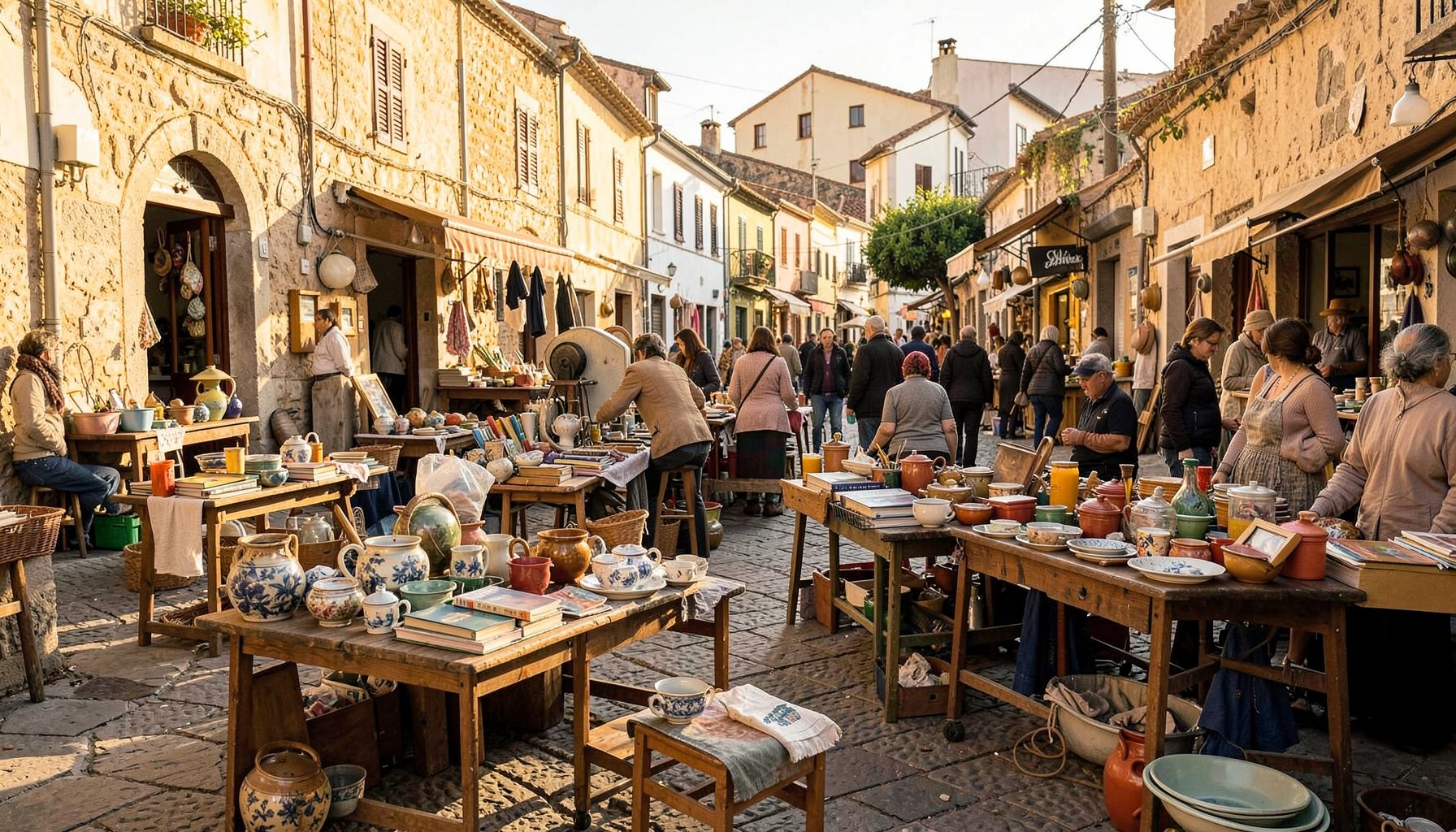
Browse local second-hand listings in the Agudo area. A convenient marketplace for buying and selling within the community.
Explore our directory of recommended links, including the Ayuntamiento de Ciudad Real, Lagunas de Ruidera, Parque de Cabañeros, Agudo Joven, and Balneario Cervantes.
Access practical tools including Prensa links, radio, horóscopo, Loterías results, a leisure guide, recipes, a dictionary, and Street View integration.
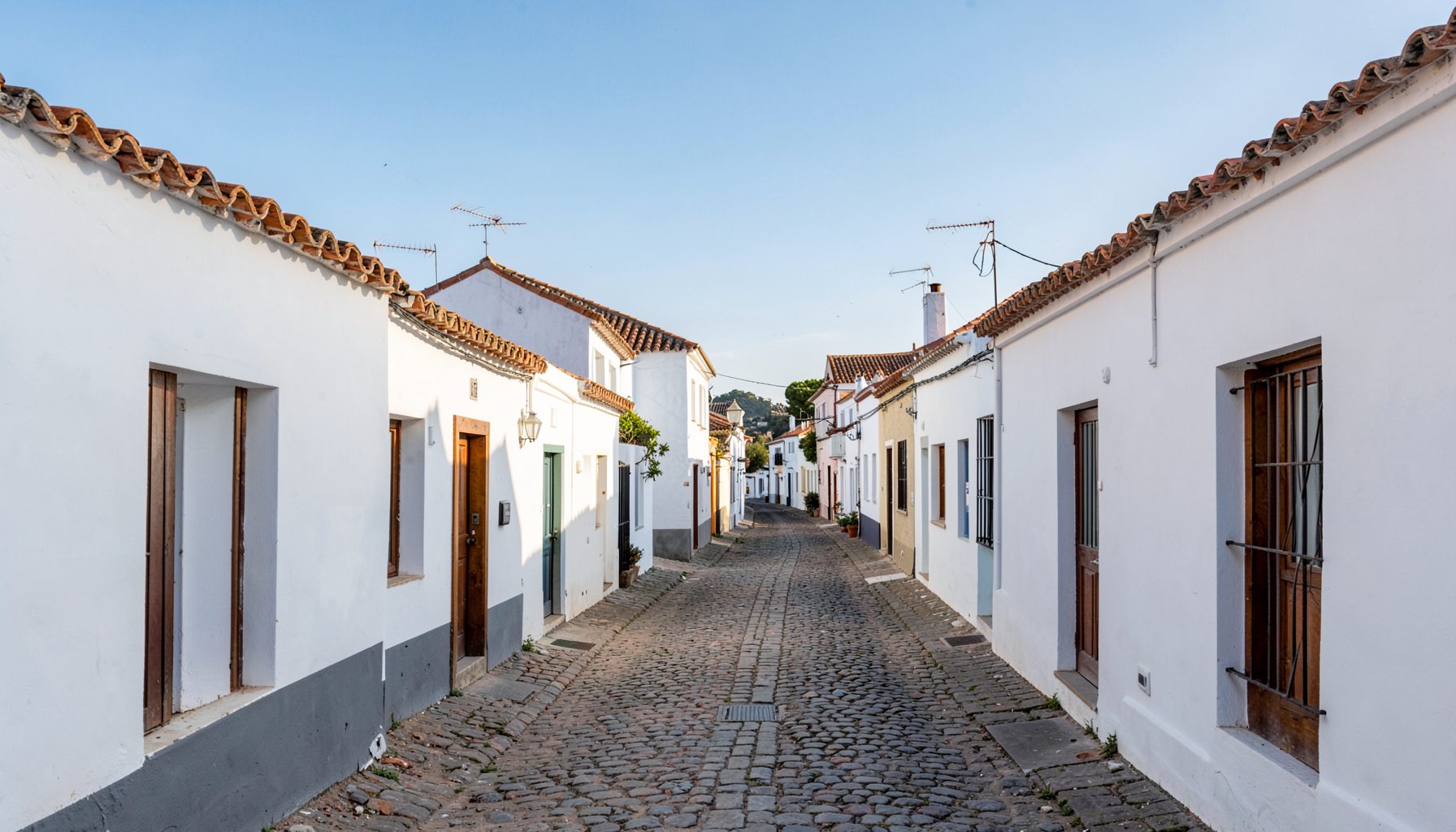
Watch videos showcasing Agudo and the surrounding region. A visual tour of local life, landscapes, and community events.