Stay informed with local news updates covering Agudo and the surrounding region. Browse the Hemeroteca for past articles and keep up with what matters in the community.
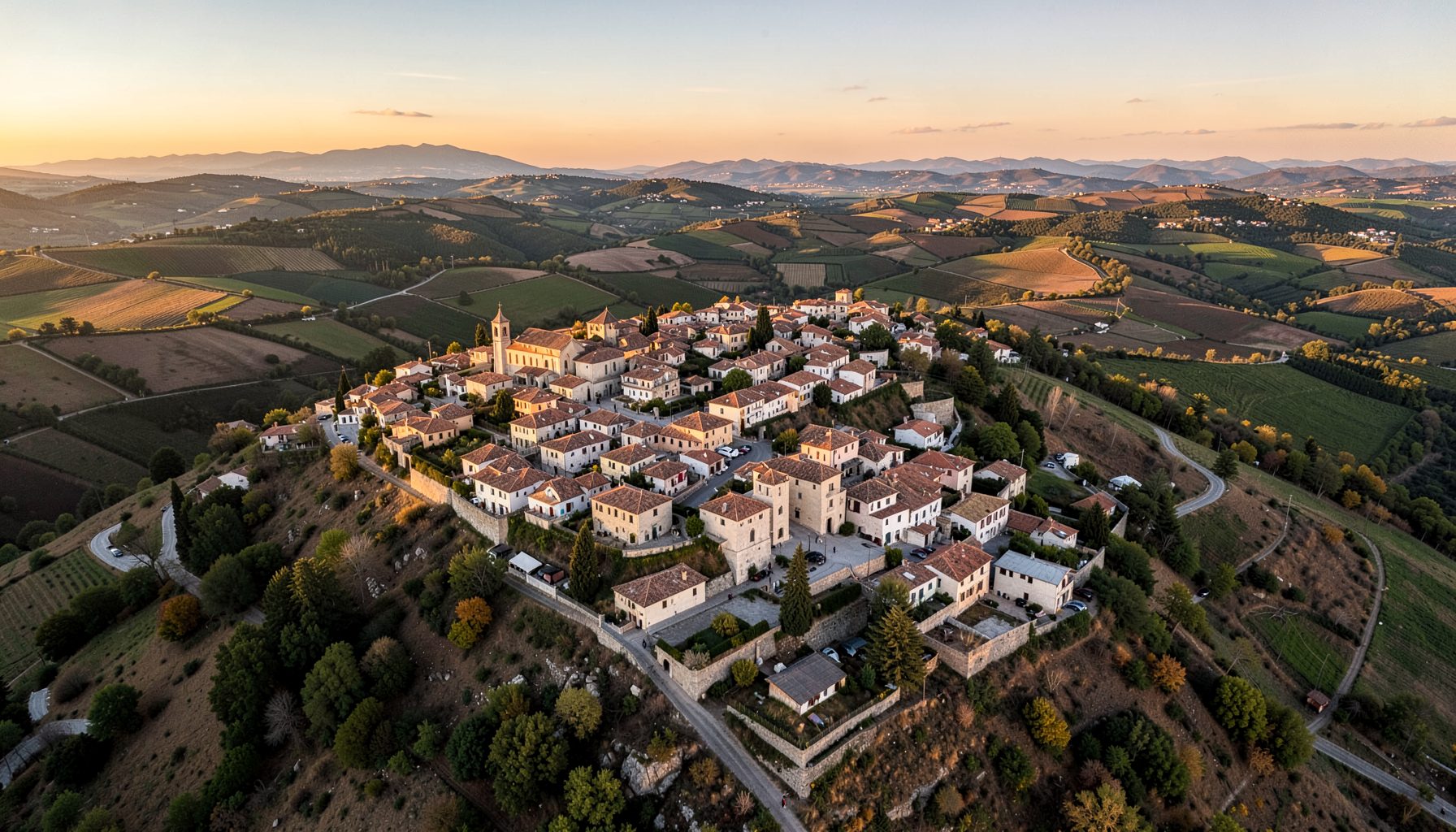
The mayor of Agudo has confirmed that the local council will hold an open public meeting next month to decide what happens to the long-disused municipal abattoir on the edge of town. The gathering, set for the council chamber behind the Plaza de España, aims to give residents, former townsfolk and neighbouring villages a direct say in the redevelopment of a site many locals still associate with the smell of livestock and the bustle of butchers from decades past.
For a small municipality of around 1,800 inhabitants, the conversation carries unusual weight. Vacant industrial plots rarely come up for redevelopment in rural Ciudad Real, and the abattoir building, with its thick brick walls and oversized ventilation shafts, has become an unofficial landmark since closing in the late 1990s. Council records show that informal proposals have circulated for years, but the upcoming session will be the first formal attempt to weigh competing visions side by side.
The push for a structured public meeting reflects a wider trend across small Spanish towns, where dormant infrastructure is being reimagined as community space. Similar consultations in regions from Asturias to Murcia have converted old granaries, railway sheds and water tanks into cultural hubs, co-working spaces and weekend markets. In Agudo, the council says it wants a comparable outcome, but only if residents actively engage with the process rather than leaving decisions to officials behind closed doors.
Anyone unable to attend in person will be able to follow the meeting through the municipal website, which has published the agenda, supporting documents and the proposed timeline for community submissions. The site also collects feedback through an online form, allowing former residents now living in cities like Madrid, Barcelona or even as far as Brisbane and Melbourne to share their views without travelling to the Sierra Morena foothills.
The abattoir opened in the 1960s during a period when livestock farming formed the backbone of the local economy. Goats, sheep and pigs from family farms across the comarca were processed there every week, and the wages paid to the small crew of butchers, cleaners and drivers supported dozens of households. Schoolchildren walking past on their way to lessons would hear the metallic clang of gates and the lowing of animals queued in holding pens.
By the late 1980s, stricter European hygiene standards and rising operating costs had begun to squeeze the facility. A handful of private operators ran the site briefly before it closed for good in 1997, and the building has been empty ever since. Council assessments describe the structure as structurally sound but in need of significant investment to meet modern building, accessibility and environmental codes. The roof requires repair, the drainage system is outdated and the surrounding yard is overgrown with holm oak saplings.
Local memory, however, treats the site with surprising affection. Photographers and historians have argued that the abattoir represents a piece of working-class heritage that deserves the same kind of care given to churches and plazas. In nearby Almadén, a former mercury processing plant was eventually converted into a mining museum, drawing steady visitor numbers, and Agudo's planners hope a comparable transformation might be possible here.
Several factors have converged to push the council into action. A grant from the Castilla-La Mancha regional government for rural regeneration becomes available later this year, but the application deadline requires a clear community mandate. Councillors also want to head off the kind of informal speculation that has seen similar sites snapped up by outside investors at knockdown prices, then left to deteriorate while plans remain frozen.
The economic climate adds a further push. With young people leaving villages for Valencia, Seville and beyond, Agudo's population has been slowly shrinking, and the council is keen to create a project that can anchor community life. A new use for the abattoir would not reverse demographic decline on its own, but supporters believe it could provide a focal point for festivals, training workshops and small business activity that keeps the town lively outside of the busy summer months.
Across rural Australia, comparable turning points have shaped towns like Castlemaine in Victoria and Goolwa in South Australia, where former industrial buildings were reborn as community centres, and where public meetings played a decisive role. The Agudo session has been loosely modelled on that pattern, with structured time for questions, written submissions and a clear voting mechanism to weigh the competing proposals.
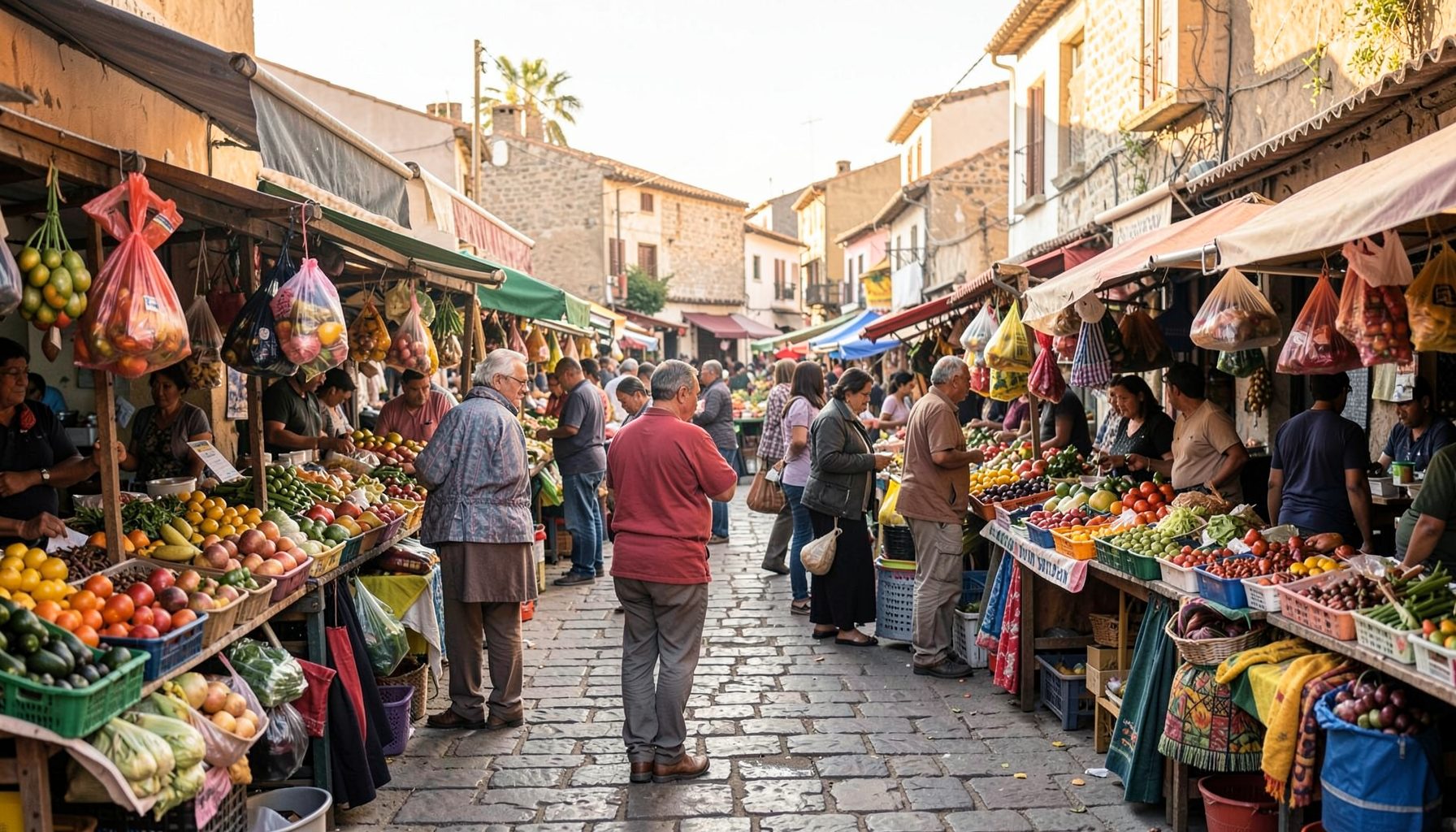
Four main ideas have emerged from preliminary discussions. The first, and the one with the strongest local support according to early canvassing, is to convert the building into a covered market hall for regional produce, including cheeses, olive oil, honey and game meats. Proponents argue this would build on Agudo's reputation at the Feria del Ganado and provide a year-round outlet for producers from neighbouring villages. A second proposal suggests a cultural and exhibition space, drawing on the region's Roman and Visigothic past, alongside rotating displays about rural life. A third option, championed by a small group of younger residents, would see the site transformed into a co-working hub with small studio spaces, a shared kitchen and fibre broadband, aimed at remote workers and creative freelancers who might otherwise settle in larger cities. The fourth proposal, the most ambitious financially, involves a mixed-use development combining a small number of social housing units, ground-floor commercial premises and a public square.
| Proposal | Primary Use | Estimated Investment | Main Benefit | Main Risk |
|---|---|---|---|---|
| Covered market hall | Year-round produce sales | Moderate | Direct support for local farmers | Limited winter foot traffic |
| Cultural and exhibition space | Heritage displays and tourism | Lower | Educational value and visitor appeal | Few permanent jobs |
| Co-working hub | Remote work and creative studios | Higher initial outlay | Attracts younger residents and professionals | Requires reliable broadband |
| Mixed-use development | Housing, retail, public square | Highest | Broadest economic impact | Risk of gentrification and displacement |
Critics of the mixed-use option worry that it could price out the very residents the council wants to retain, echoing debates seen in gentrifying suburbs of Sydney and Melbourne where former industrial land has become flash apartments overnight. Council documents acknowledge the trade-offs and promise a transparent assessment of costs before any vote is taken on the floor.
Not everyone is enthusiastic about the prospect of redevelopment. Some long-time residents fear that any transformation will erase the building's working history, sanding down the rougher edges that make it a place of genuine memory. A retired butcher interviewed last week said he would rather see the abattoir preserved as a teaching museum, with a small display of the original equipment, than turned into something he barely recognises. Heritage groups have offered to help catalogue tools, signage and other artefacts before any work begins, in much the same way that volunteer historians in regional New South Wales have salvaged equipment from old shearing sheds.
Others worry about practicalities, particularly parking, traffic through narrow nearby lanes and the impact on the small cluster of houses within a hundred metres of the site. Council engineers have flagged the need for a new access road if commercial activity is permitted, and that road would pass through land currently used for almond groves. Compensation arrangements, the council admits, will need careful negotiation with the affected landowners, several of whom have already contacted the mayor's office to outline their concerns.
There are also quieter hopes that the project could become a social connector. Community associations have suggested using part of the building for intergenerational activities, where elderly residents could pass on skills in cheese-making, weaving and curing meats to younger people who might otherwise have no exposure to those traditions. Similar programmes in Tasmania and parts of coastal Queensland have shown how hands-on learning spaces can foster pride in small towns while drawing curious visitors from nearby cities.
The session will open at 19:00 on a Thursday evening to allow workers and farmers to attend after their day finishes. Council staff will present a short briefing on the four options, the available funding and the expected timeline for each scenario, after which attendees will be invited to ask questions and submit comments. A written ballot will be circulated before the meeting closes, with the results published within a week.
For those following from elsewhere, the council has arranged a live stream and a dedicated submissions portal on the municipal website. Participants can also post questions in advance, and a small panel of councillors will respond to the most common themes during the open session. The format closely resembles the community consultation sessions common in Australian councils, such as the City of Hobart's regular budget briefings, where residents vote on ranked priorities and watch the count unfold in real time.
Anyone planning to speak is encouraged to register beforehand so the chair can manage the agenda fairly. Registration is free and open to anyone with a connection to Agudo, whether currently resident, former resident, business owner or family member. Children and young people are welcome, and a supervised area will be available for younger attendees during the formal presentations so parents can stay focused on the discussion.
Once the meeting closes and the ballots are counted, the council will publish a summary report and a recommended direction. If the vote is decisive, work on drafting architectural briefs and seeking planning consent can begin within weeks. If the result is split, the council has signalled it will hold a second consultation, possibly focused on a narrower shortlist, before committing public funds to any particular path.
The process is expected to take several months, and residents have been warned that any redevelopment will not happen overnight. Heritage assessments alone can take a year or more in this part of Spain, and grant applications often require multiple stages of approval. Patience, the council says, will be essential, but so will continued engagement. For people interested in following updates, agendas and related events, the official municipal portal is refreshed after each council session and carries the full archive of supporting documents.
In towns across the world, from Castlemaine to Goolwa, the long-term success of projects like this depends less on the original vote and more on the years of community oversight that follow. Agudo's leaders have indicated they will set up a small volunteer committee, drawn from meeting participants, to keep the project honest and visible through every stage of design, construction and operation.
Residents, former residents and friends of Agudo can take part in several ways over the coming weeks:
Key dates to keep in mind as the process unfolds:
The council has stressed that no decision will be taken without a genuine community mandate. Add your voice to the conversation and ensure the future of the old abattoir reflects the values, memories and hopes of everyone who calls this corner of Ciudad Real home.
Stay informed with local news updates covering Agudo and the surrounding region. Browse the Hemeroteca for past articles and keep up with what matters in the community.
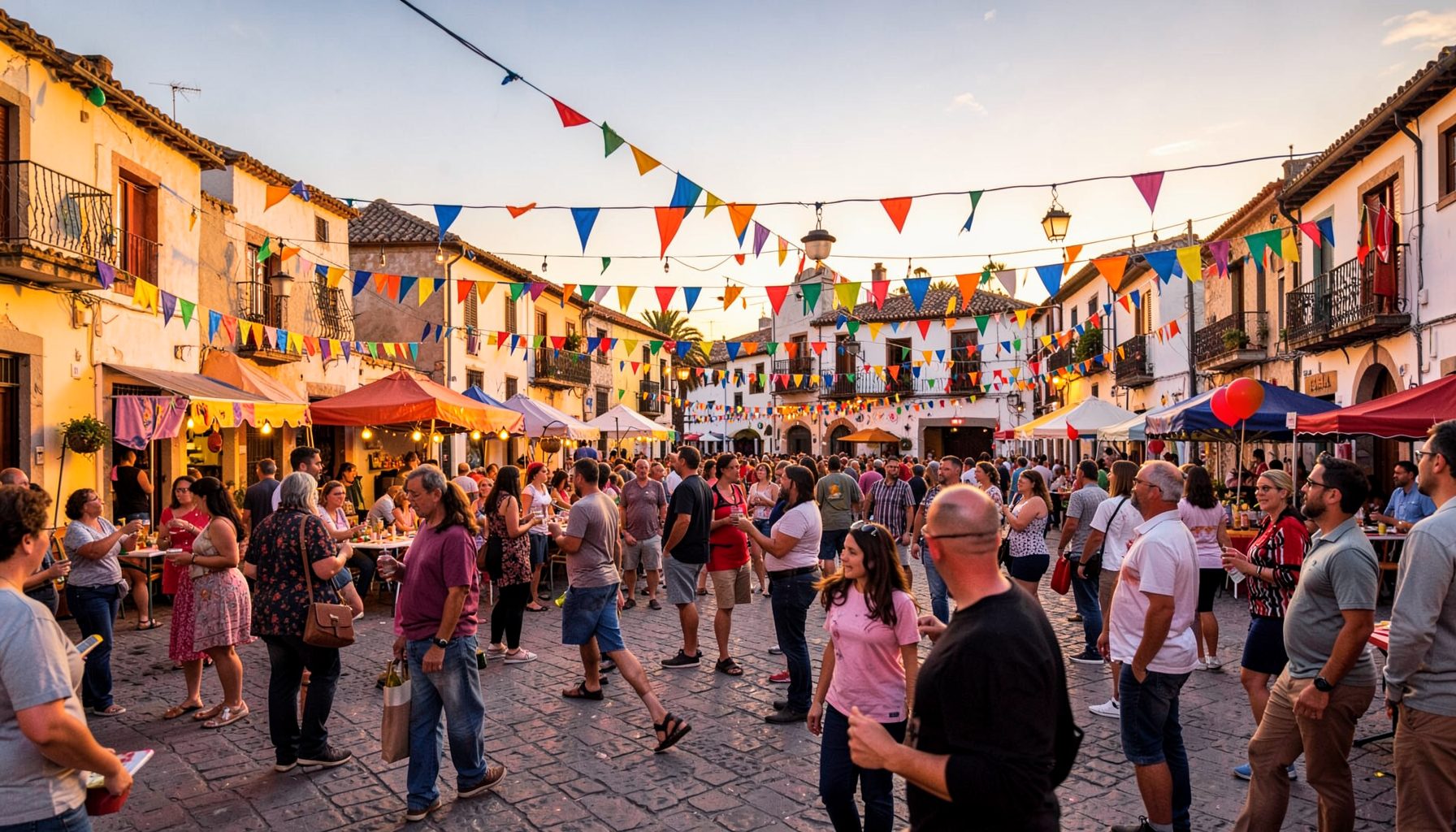
Join the conversation in the Agudo community forums. Access the Foro antiguo archive and participate in discussions with fellow residents and visitors.
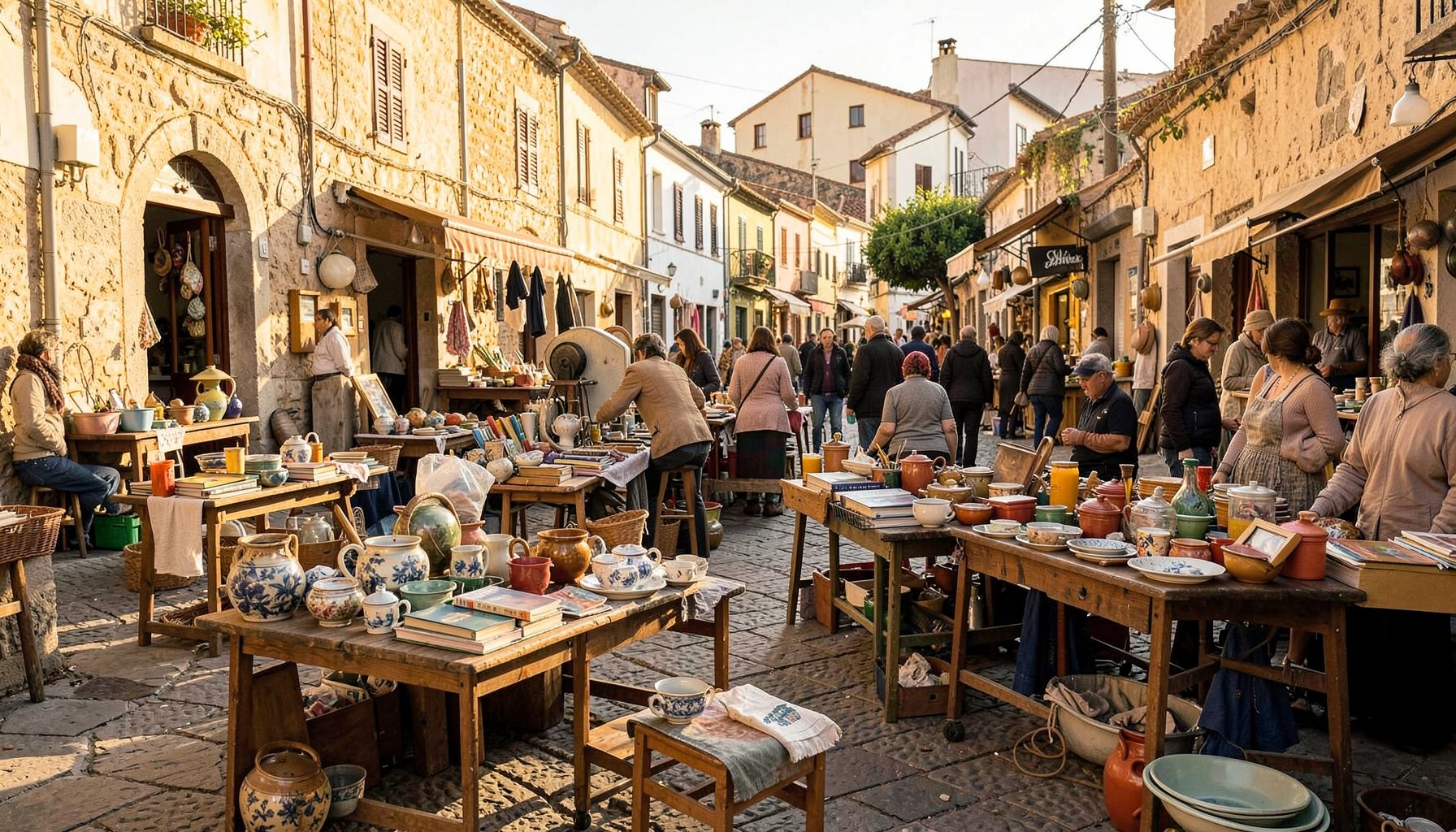
Browse local second-hand listings in the Agudo area. A convenient marketplace for buying and selling within the community.
Explore our directory of recommended links, including the Ayuntamiento de Ciudad Real, Lagunas de Ruidera, Parque de Cabañeros, Agudo Joven, and Balneario Cervantes.
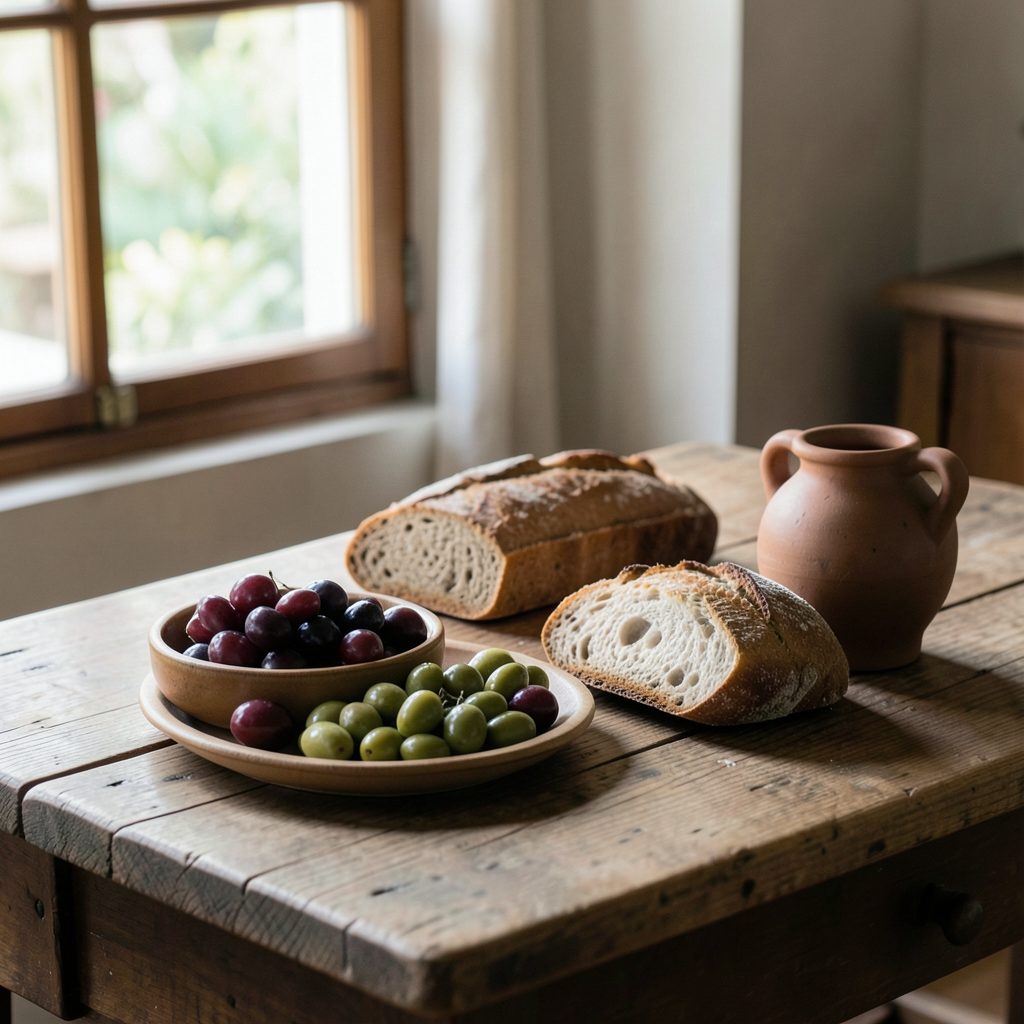
Access practical tools including Prensa links, radio, horóscopo, Loterías results, a leisure guide, recipes, a dictionary, and Street View integration.
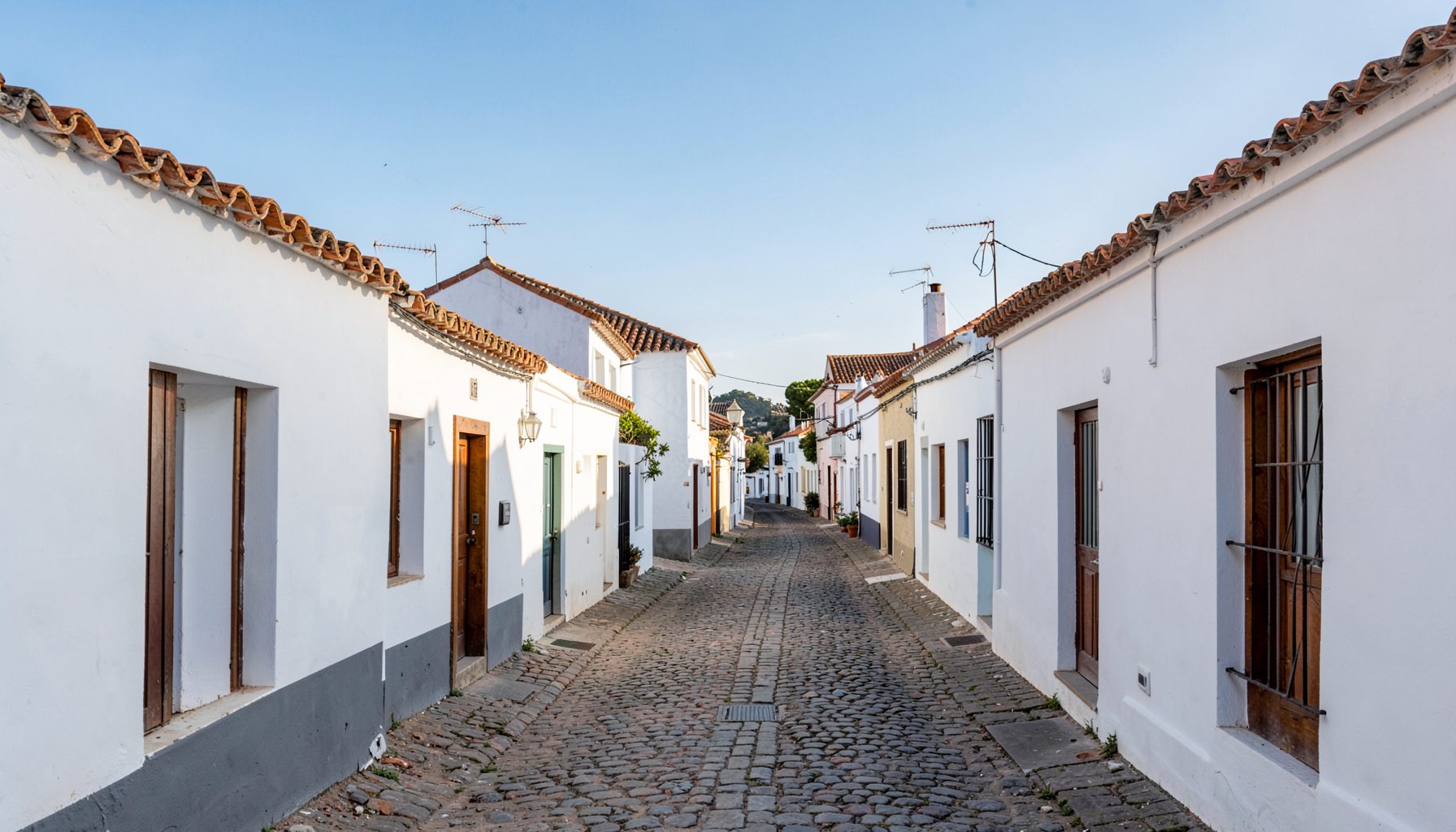
Watch videos showcasing Agudo and the surrounding region. A visual tour of local life, landscapes, and community events.