

Stay informed with local news updates covering Agudo and the surrounding region. Browse the Hemeroteca for past articles and keep up with what matters in the community.
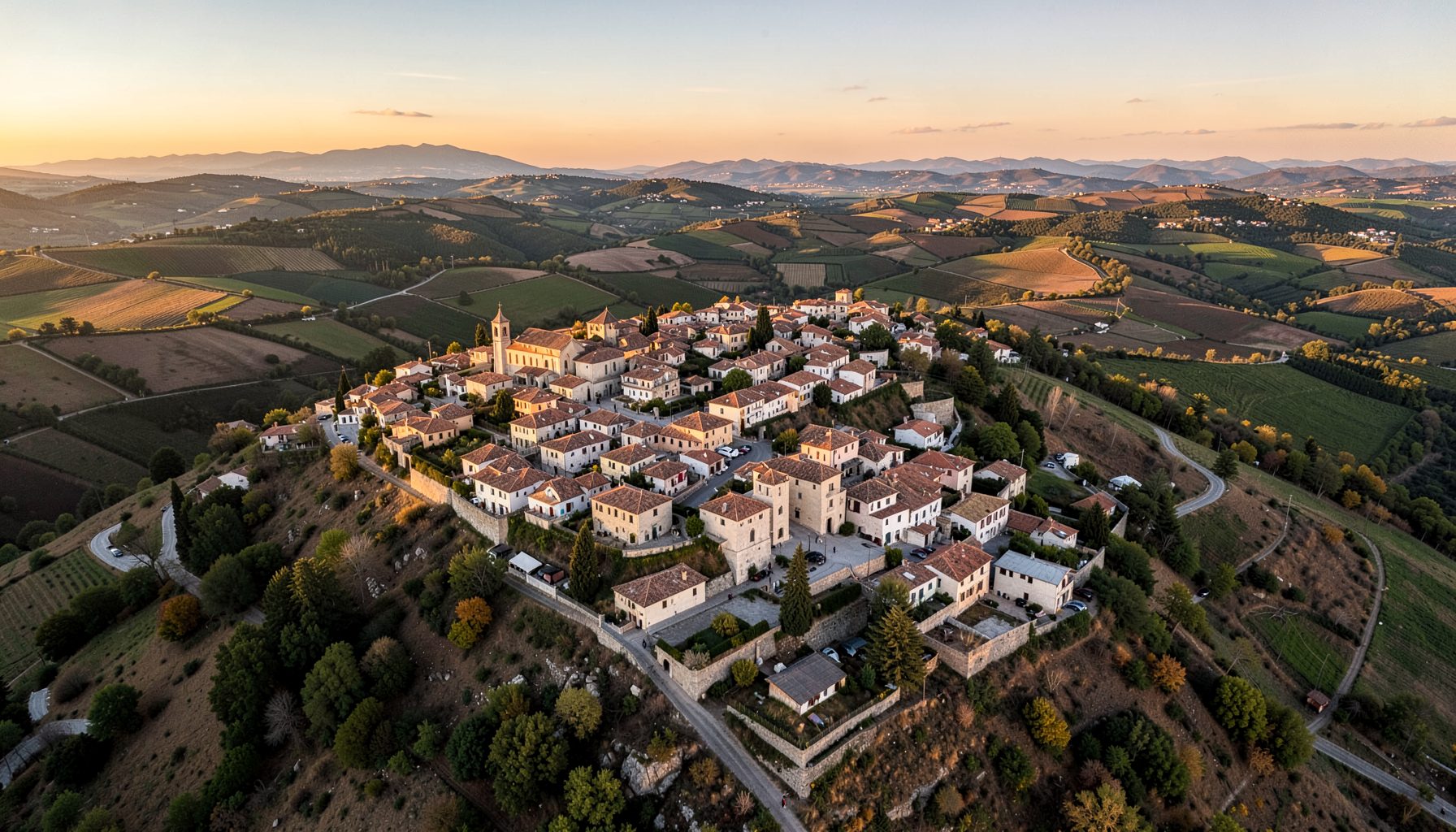
The town hall of Agudo has repaired the clock in the church tower and brought its bells back into a more solemn, dependable rhythm. The work renews one of the most recognisable sounds in the town centre, linking the daily routine of residents with a landmark that has marked religious celebrations, public occasions and the passing hours for generations.
For people from Agudo now living in Madrid, Valencia, Melbourne or Perth, the restored chimes offer a familiar connection with home. A church bell can seem like a small detail when heard every day, yet its absence is quickly noticed. The town hall’s project preserves a practical timepiece, a piece of local heritage and a shared part of community life.
The clock tower is among the features that give Agudo its visual identity. Rising above the surrounding streets, it helps residents orient themselves as they move between homes, shops, schools and public buildings. Its face and bell mechanism are also part of the town’s collective memory, appearing in family photographs and local celebrations.
Repairing the installation means restoring more than an old machine. A properly working tower clock provides a public service that can be read from a distance, while the chimes create a soundmark for the centre of town. Older residents may remember relying on the bells before smartphones and digital watches became routine, while younger people can now experience a tradition that had become quieter or less regular.
The decision also reflects the value of maintaining historic features before small faults become expensive structural problems. Regular attention to a tower clock can identify worn parts, moisture damage and faults in the striking system. It gives the municipality a chance to protect the building and its contents through planned maintenance rather than waiting for a major breakdown.
A tower clock is a compact but demanding piece of public infrastructure. Its visible hands are connected to a movement that must keep time accurately, while a separate system controls the bells. Technicians need to check the gears, supports, cables, hammers and electrical controls, as well as the condition of the clock faces and the tower’s access points.
The restored mechanism should improve the reliability of the hour strikes and any programmed ringing. The work may also reduce irregular noise caused by a poorly adjusted hammer or loose component. In a historic setting, accuracy matters, but so does sensitivity: the aim is to preserve the character of the chimes without placing unnecessary pressure on the old structure.
Residents will notice the results in several practical ways:
That balance is familiar to Australian councils managing heritage halls, memorials and community buildings. A local clock in Ballarat, Bendigo or regional New South Wales may serve the same dual role: a working facility for everyday use and a symbol that requires careful custodianship. Maintenance decisions therefore need to respect both public access and the historic fabric of the site.
The renewed ringing is likely to be heard most clearly during religious festivities and civic moments, when the bells carry a ceremonial role. In Agudo, the sound belongs to the calendar of the town: feast days, processions and other gatherings gain an audible signal that helps bring people towards a shared event.
This connection between sound and community can be seen in other local activities. The town’s cultural life continues through music, performance and informal gatherings, including the summer flamenco festival, where workshops and a live tablao gave residents another opportunity to celebrate local participation. The clock tower belongs to that same network of places and occasions, even when it is not the main stage.
There is also a useful distinction between ordinary timekeeping and ceremonial ringing. The first supports a daily routine; the second gives special events a sense of occasion. Re-solemnising the chimes restores that second dimension, allowing the bells to sound less like background machinery and more like a deliberate public welcome or announcement.
For Australians familiar with the bells of a town hall, a church or a school, the feeling is easy to recognise. The sound may blend into a morning walk, a trip to the shops or a weekend market, then suddenly become prominent when a festival begins. It is a modest form of public communication that does not depend on a mobile signal or a social media account.
Preserving the tower clock also supports local education. Children can learn how mechanical timekeeping works, why buildings require ongoing care and how a community decides which historic objects deserve investment. The machinery can turn an apparently ordinary landmark into a practical lesson in engineering, architecture and social history.
That educational value sits comfortably alongside Agudo’s wider interest in projects for the future. The secondary school’s greenhouse and hydroponics grant shows how local initiatives can combine learning with environmental awareness. The clock repair looks backwards in its materials and traditions, but both projects involve skills, shared responsibility and an investment in the town’s next generation.
Heritage care can also strengthen connections with former residents. People who left for Ciudad Real, Madrid or another country often remember places through sound as much as through images: a familiar bell, a school announcement, a market crowd or the call of a local celebration. Restoring the chimes gives those memories a renewed presence and creates a reason to follow news from Agudo from afar.
For an Australian audience, this is similar to the way expatriate communities keep track of a hometown show, a regional agricultural event or council works in a former suburb. Someone living in Adelaide or Canberra may still check local news from a small town in Spain because public projects reveal what is being preserved, renewed and shared.
The bells are part of public life, but their operation still needs to fit the needs of people living near the tower. Modern towns contain homes, businesses, visitors and people working varied hours. A well-managed schedule can protect the ceremonial importance of the chimes while avoiding unnecessary disturbance during sensitive periods.
This consideration is relevant in Australia, where state and territory environmental protection laws and council regulations commonly address unreasonable noise. Requirements vary between jurisdictions, and heritage status can add another layer of approval, but the underlying principle is familiar: community traditions should be managed with regard for neighbours, public health and the surrounding environment.
Everyday habits have changed since the original clock was installed. Many residents now check the time on a phone, hear alarms through headphones or work shifts outside the traditional timetable. At the same time, local markets and town events still depend on shared meeting points. In Agudo, the restored clock can support that balance by remaining audible and meaningful without becoming an unmanaged source of disruption.
The project also creates a natural reason for residents to take notice of the town centre. Someone heading to a bakery, joining a family gathering or visiting a local market may look up at the repaired clock and hear the renewed chimes. Like a farmers’ market in regional Victoria or a Saturday produce stall in Queensland, such moments connect practical routines with the identity of a place.
The restored clock and renewed ringing deserve attention because they demonstrate how a small municipal project can have a wide cultural reach. Follow Agudo Ciudad Real for updates on the tower, local events, community initiatives and the people who keep the town connected. Share the news with relatives and former residents in Australia and elsewhere so this familiar sound can travel well beyond Agudo’s streets.
Stay informed with local news updates covering Agudo and the surrounding region. Browse the Hemeroteca for past articles and keep up with what matters in the community.
Join the conversation in the Agudo community forums. Access the Foro antiguo archive and participate in discussions with fellow residents and visitors.
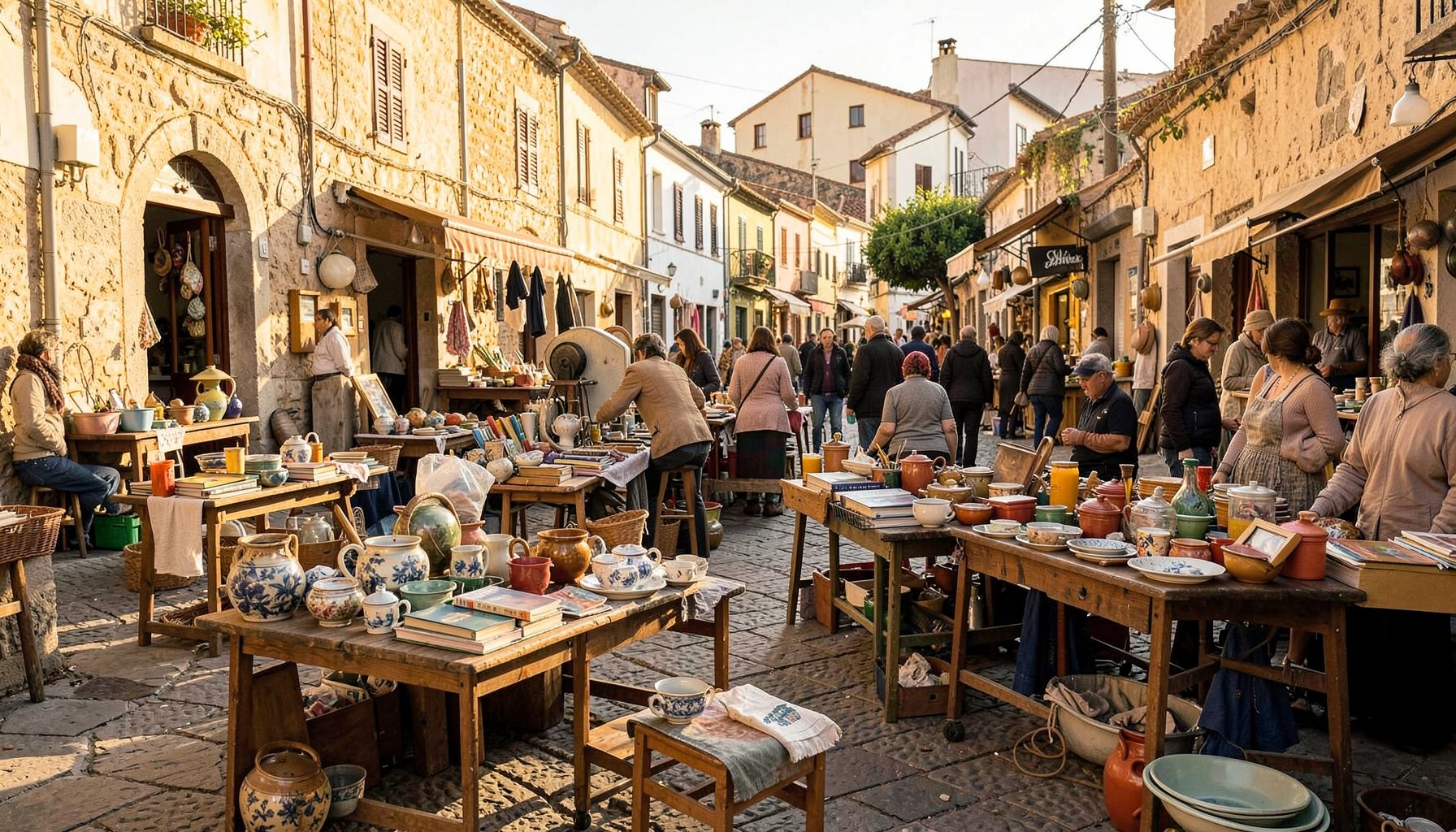
Browse local second-hand listings in the Agudo area. A convenient marketplace for buying and selling within the community.
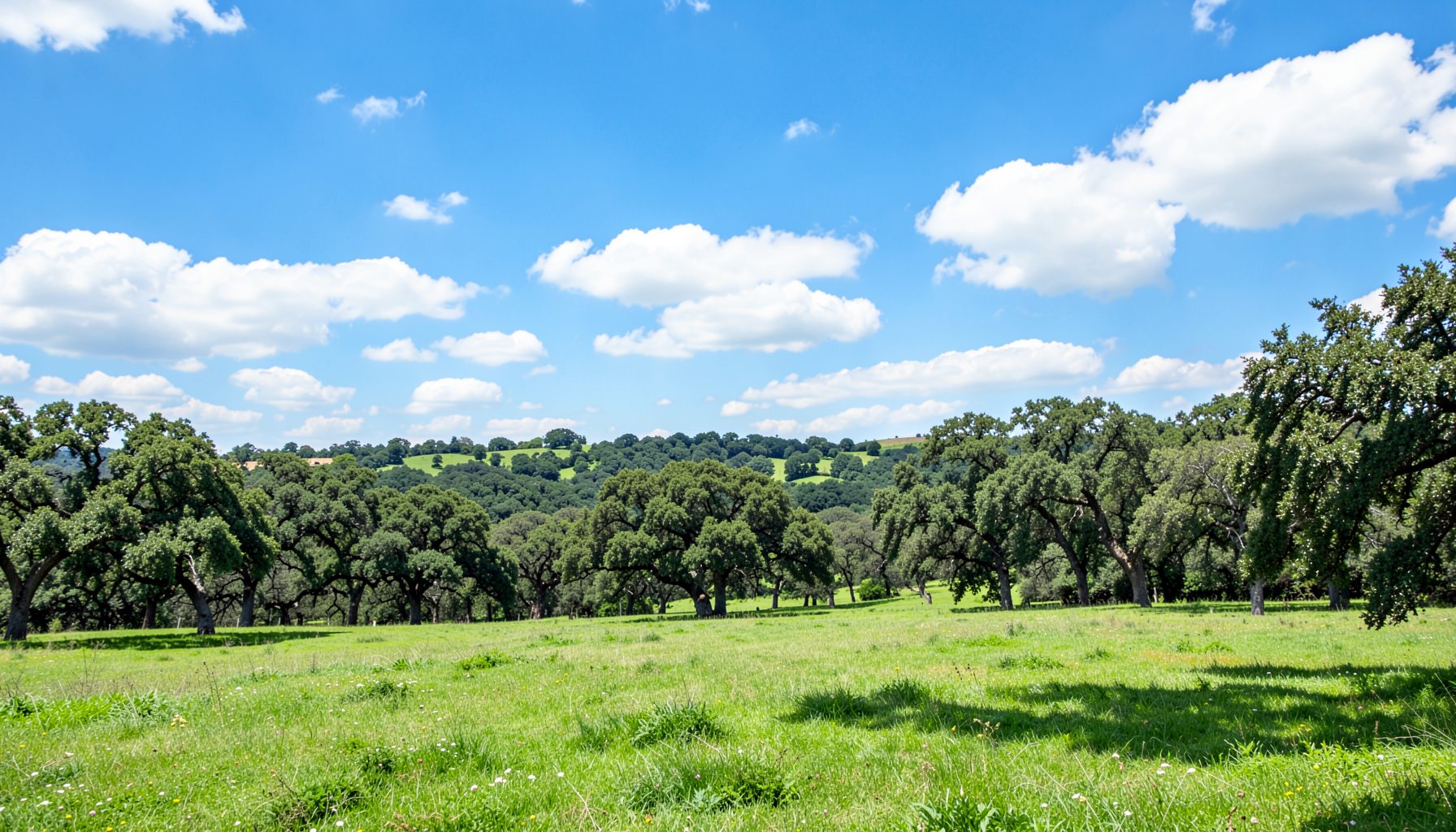
Explore our directory of recommended links, including the Ayuntamiento de Ciudad Real, Lagunas de Ruidera, Parque de Cabañeros, Agudo Joven, and Balneario Cervantes.
Access practical tools including Prensa links, radio, horóscopo, Loterías results, a leisure guide, recipes, a dictionary, and Street View integration.
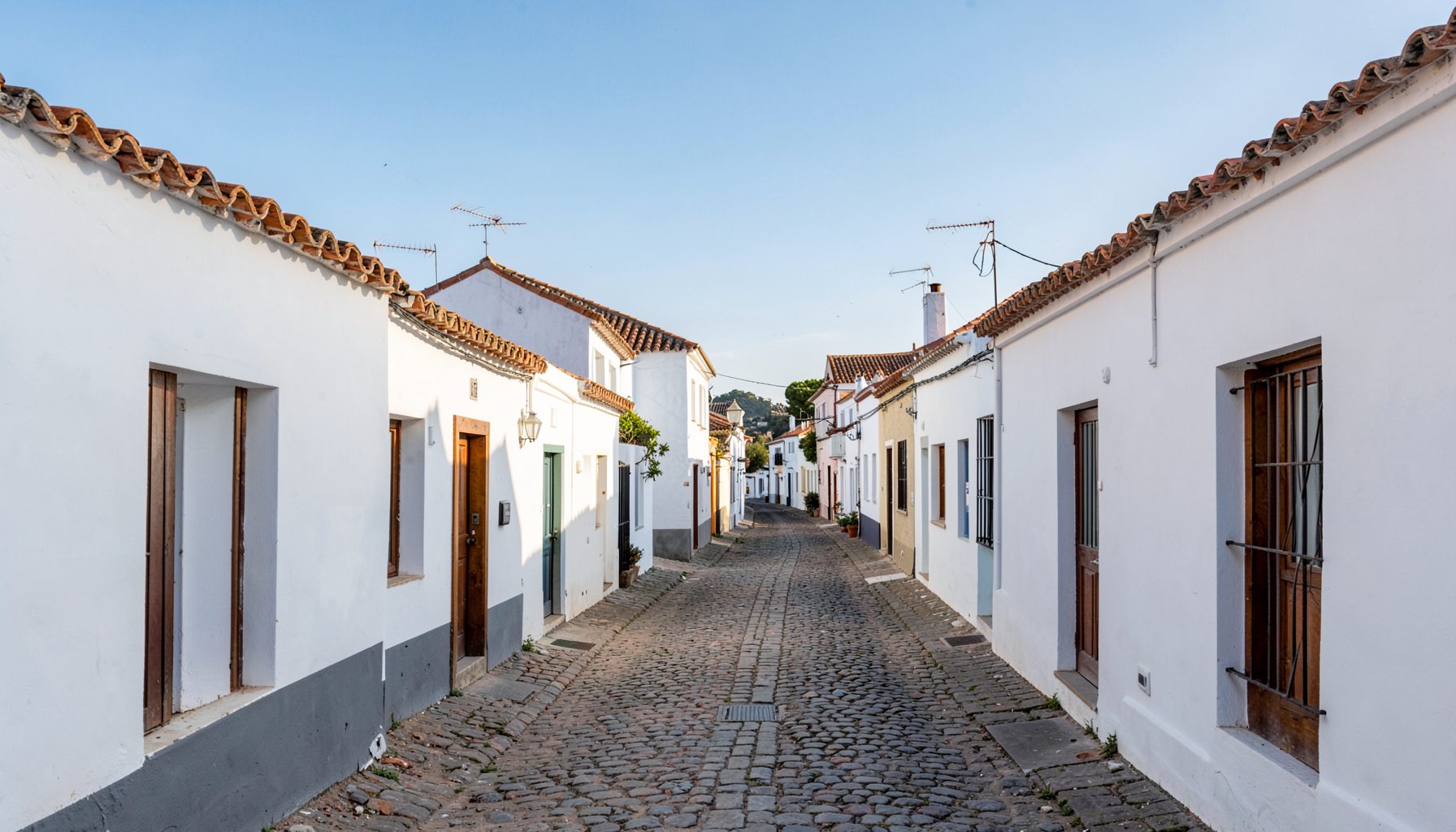
Watch videos showcasing Agudo and the surrounding region. A visual tour of local life, landscapes, and community events.