Stay informed with local news updates covering Agudo and the surrounding region. Browse the Hemeroteca for past articles and keep up with what matters in the community.
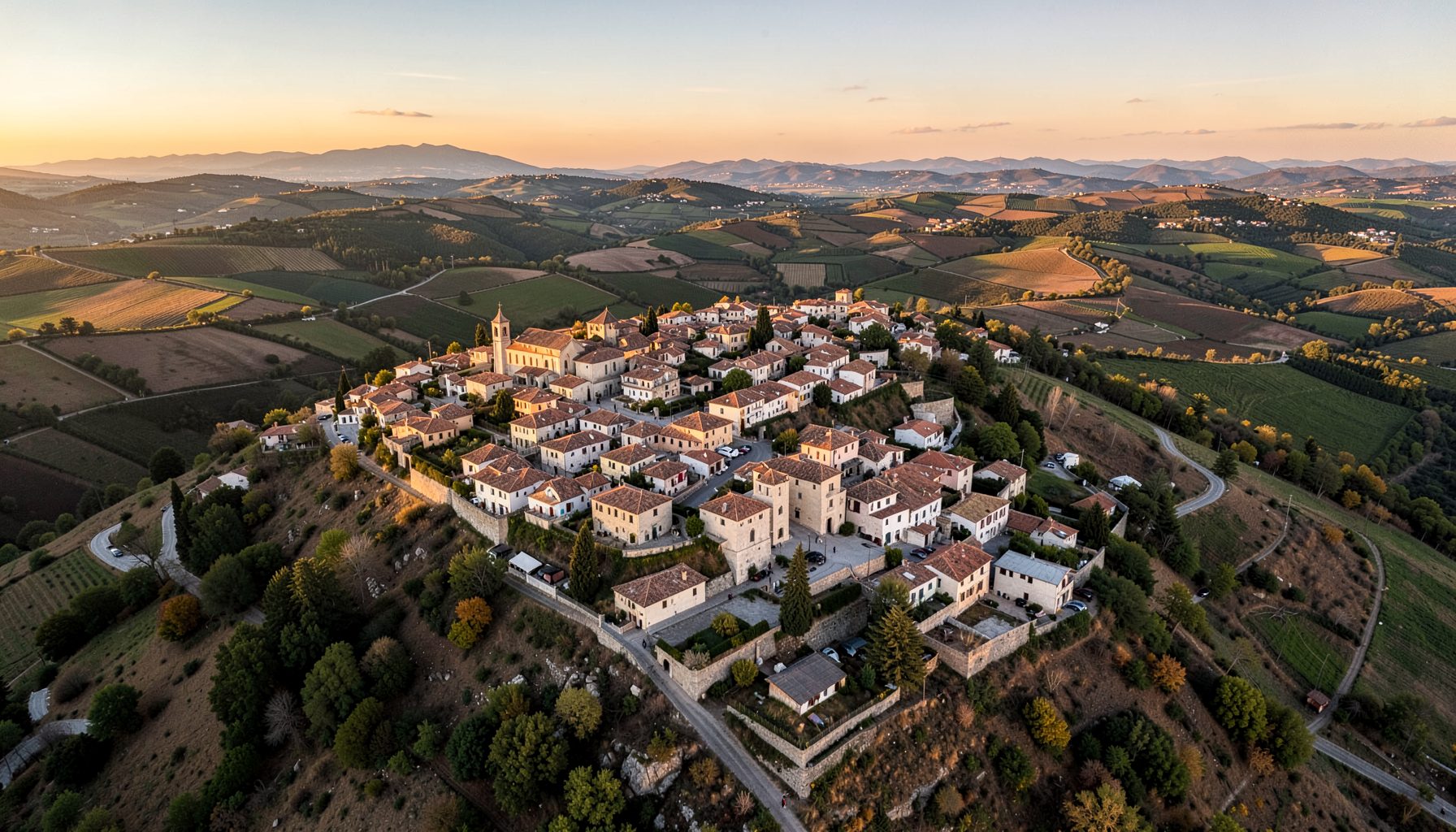
Agudo Town Hall has begun a new green infrastructure project along the town’s main avenue, planting trees selected for their ability to withstand hot, dry conditions. The initiative is designed to improve the appearance of one of the municipality’s busiest public spaces while reducing the amount of water needed for long-term maintenance.
The work responds to a familiar reality in Agudo and across Ciudad Real. Summers are becoming increasingly demanding for urban vegetation, with high temperatures, limited rainfall, and prolonged periods of soil dryness placing pressure on traditional garden species. Choosing hardy trees is therefore an environmental decision as well as a practical one.
The avenue planting forms part of a broader effort to make public spaces more comfortable, attractive, and sustainable. Once established, the trees should provide shade for pedestrians, help soften the visual impact of paved areas, and create a greener route through the centre of town.
Drought-tolerant landscaping uses plants that can survive with limited irrigation once their roots are established. In a semi-arid inland setting such as Agudo, this approach can reduce water consumption and lower the risk of losing trees during periods of extreme heat.
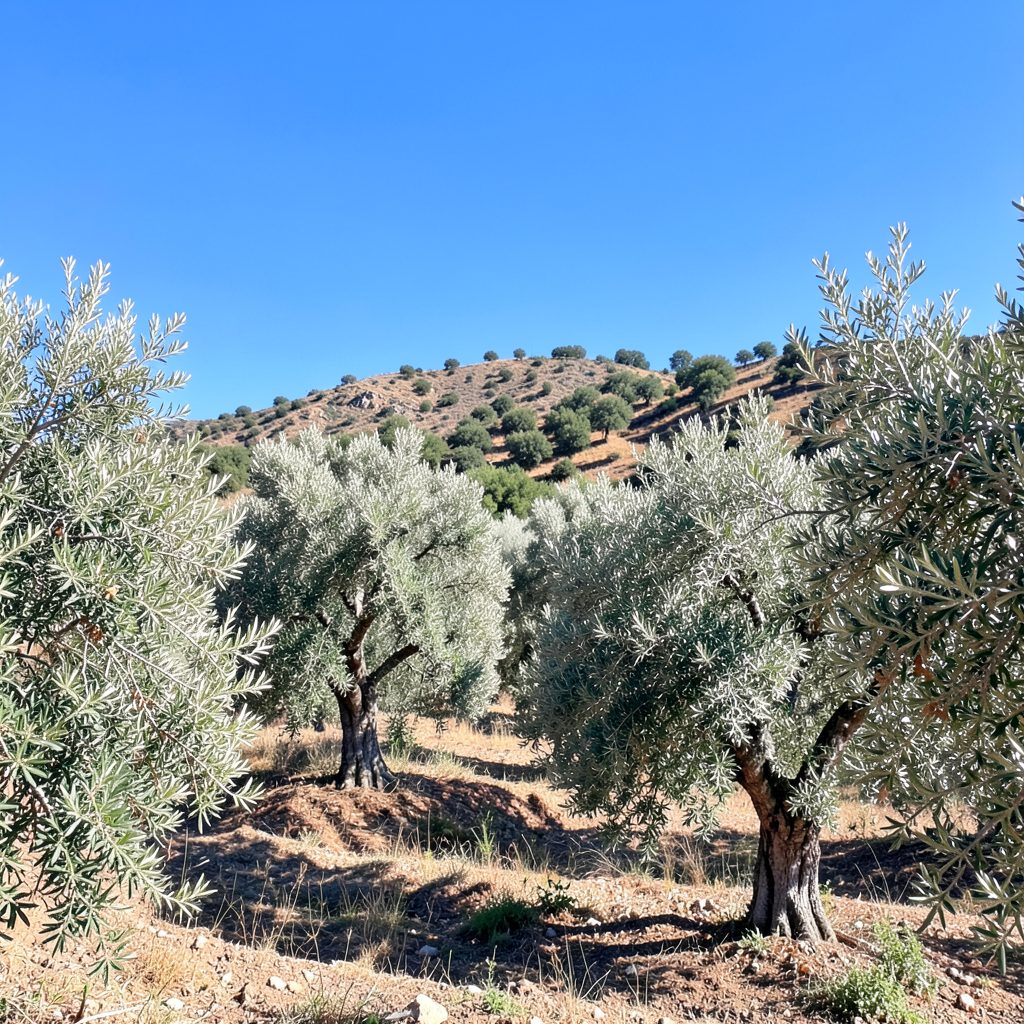
The selected planting strategy is expected to favour species adapted to Mediterranean conditions. Trees such as holm oak, hackberry, carob, or other resilient native and locally suitable varieties can cope better with intense sunlight and irregular rainfall than ornamental species that require frequent watering.
That does not mean the new trees will be left without care. Young specimens need regular watering during their first seasons, when their root systems are still developing. The main saving will come later, as established trees become less dependent on municipal irrigation and more capable of drawing moisture from deeper soil.
Trees along the avenue will gradually change the experience of moving through the town. Their canopies can provide relief for people walking between homes, shops, public buildings, and gathering places, particularly during the hottest hours of the day.
Vegetation also helps reduce the heat retained by asphalt, paving, and building façades. Even a line of individual trees can create cooler pockets along a street, improving pedestrian comfort and making short journeys on foot more pleasant during spring and summer.
The project may also give the avenue a clearer visual identity. Consistent planting can connect different sections of the street, frame public spaces, and add seasonal interest without relying on water-intensive flower beds. As the trees mature, their presence should become a defining feature of the urban landscape.
Successful urban tree planting depends on more than choosing a suitable species. The condition of the soil, the size of planting pits, drainage, protection from vehicles, and the availability of space for roots will all influence how well the trees develop.
A careful watering schedule will be especially important during the first summer. Deep, less frequent watering is generally more useful than small amounts applied often, because it encourages roots to grow downward. Mulch around the base can help retain moisture, moderate soil temperature, and limit competition from weeds.
Maintenance teams will also need to monitor signs of stress, including wilted leaves, damaged bark, poor growth, or standing water after irrigation. Early attention can prevent the loss of young trees and protect the public investment made in the avenue’s renewal.
| Project feature | Local benefit | Longer-term effect |
|---|---|---|
| Drought-resistant trees | Lower water demand | More resilient public landscaping |
| Shade along the avenue | Greater pedestrian comfort | Cooler street conditions |
| Mulched planting areas | Slower evaporation | Healthier soil around roots |
| Regular early monitoring | Faster response to damage | Better survival rates |
| Locally suitable species | Improved adaptation | Reduced replacement costs |
Using trees suited to the climate can support more than water efficiency. Native and Mediterranean-adapted plants provide habitat and food for insects and birds that are already part of the local ecosystem. A greener avenue can therefore contribute to urban biodiversity in a modest but meaningful way.
Species selection should also take account of mature height, canopy width, root behaviour, and the proximity of buildings or utility lines. A tree that performs well in open countryside may need different treatment in a narrow urban corridor, where roots, branches, and falling fruit can affect pavements and access.
A balanced planting design can combine environmental value with everyday usability. Trees should leave room for pedestrians, entrances, visibility at crossings, street lighting, and essential services. Good planning at the start reduces the need for heavy pruning or removal in the future.
The main avenue is more than a traffic route. It is part of the setting for daily errands, informal meetings, local celebrations, and the movement of residents through Agudo. Improvements to this space can strengthen the connection between the town’s public infrastructure and its community life.
Residents living nearby will be the first to notice the practical effects of the planting, from new shade to changes in parking and access during the works. Clear information about the schedule, irrigation, and any temporary restrictions can help people understand how the project will develop over time.
Local communication also plays a role in keeping residents engaged with municipal improvements. Alongside environmental updates, people can follow other aspects of community life through Agudo’s sports radio program, which reflects the continuing importance of local media in connecting neighbours and former residents with the town.
The success of the avenue project should be assessed across several years rather than judged immediately after planting. Young trees often look modest at first, while their environmental and visual benefits increase as they establish and develop a wider canopy.
Useful indicators include the volume of water used for irrigation, the survival rate of the trees, the amount of replacement planting required, and the condition of nearby pavements. The Town Hall could also track shade coverage and gather observations from residents who use the avenue regularly.
Public involvement can support this monitoring. Reports of broken irrigation lines, vandalism, damaged guards, or trees under stress can help municipal staff respond quickly. Local schools, community groups, and neighbourhood associations may also find opportunities to learn about water conservation and urban ecology through the project.
The first months and years will be particularly important for the new planting. Young trees are vulnerable to accidental damage, compacted soil, and irregular watering, so everyday care from residents can make a real difference.
Helpful habits include:
These simple actions complement municipal maintenance and help ensure that the project delivers its intended savings. Protecting each tree also avoids the additional water, labour, and expense required to replace a specimen that failed during its early growth.
As the avenue changes, the planting will become a visible reminder that water conservation can be incorporated into ordinary town planning. Agudo’s approach links climate adaptation with public comfort, urban beauty, and responsible use of municipal resources.
Residents can follow the progress through local news and community channels, share useful observations with the Town Hall, and help protect the new trees as they take root. With steady care, the avenue’s young greenery can grow into a lasting public asset for Agudo and the surrounding Ciudad Real area.
Stay informed with local news updates covering Agudo and the surrounding region. Browse the Hemeroteca for past articles and keep up with what matters in the community.
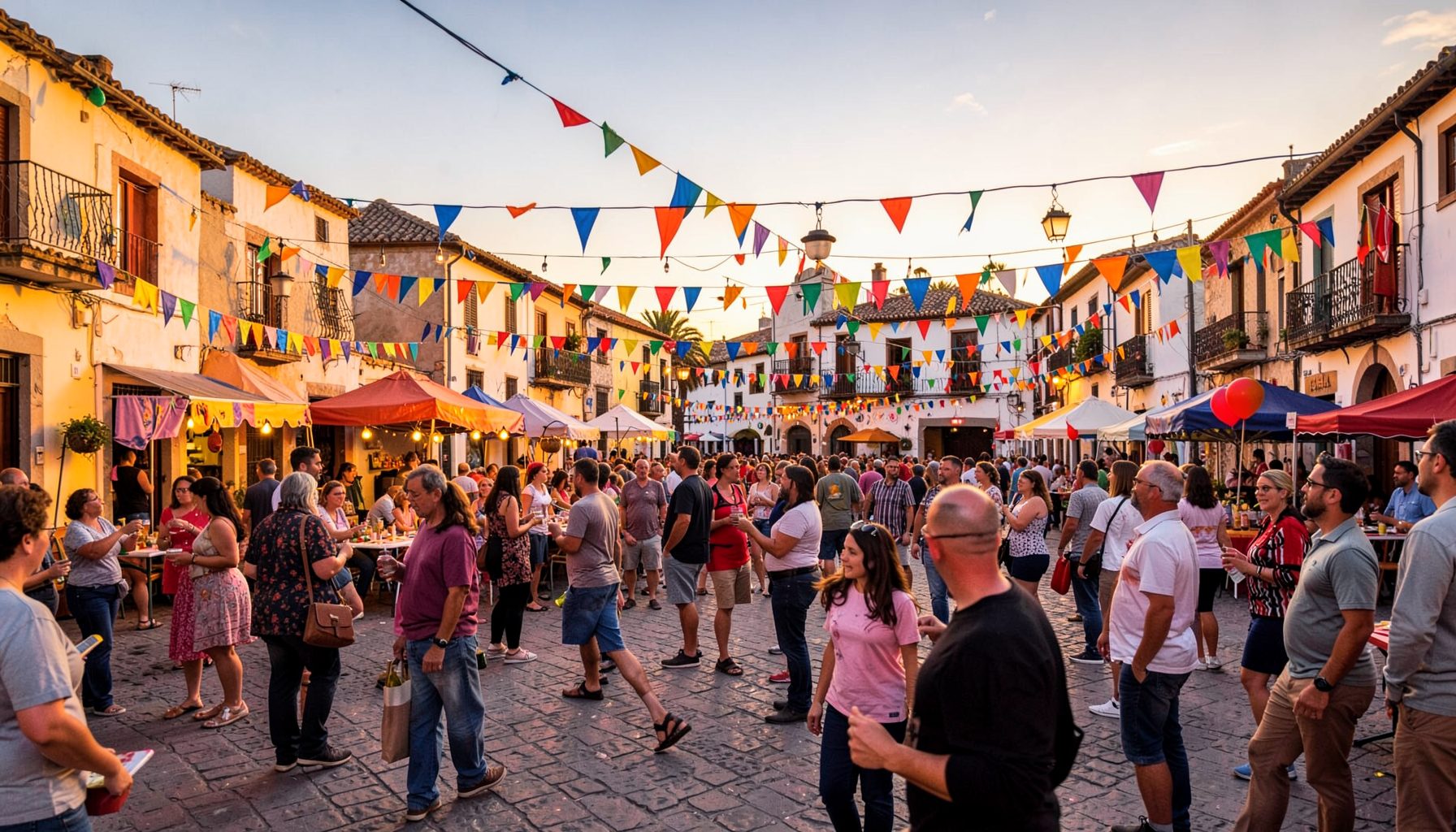
Join the conversation in the Agudo community forums. Access the Foro antiguo archive and participate in discussions with fellow residents and visitors.
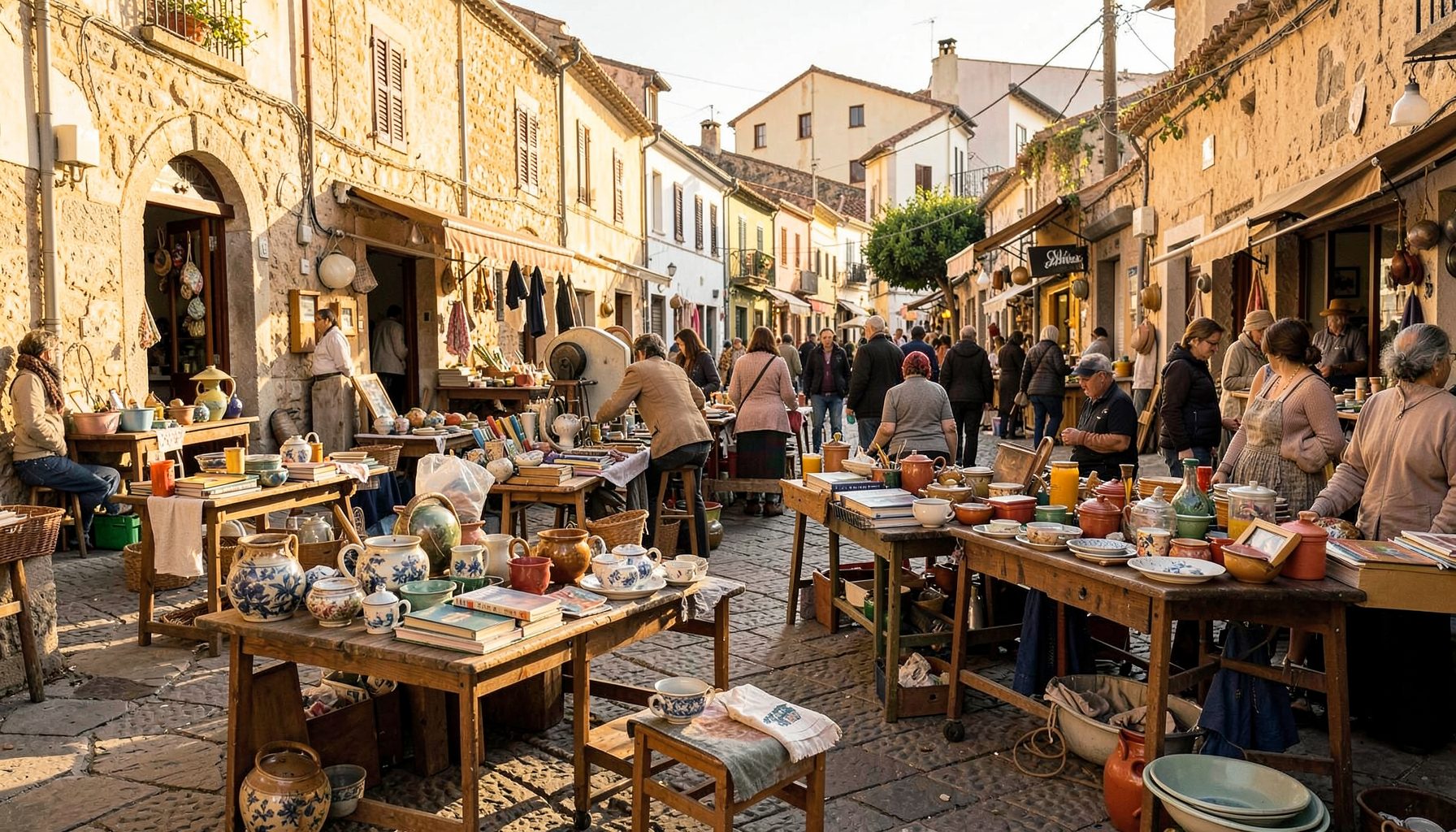
Browse local second-hand listings in the Agudo area. A convenient marketplace for buying and selling within the community.
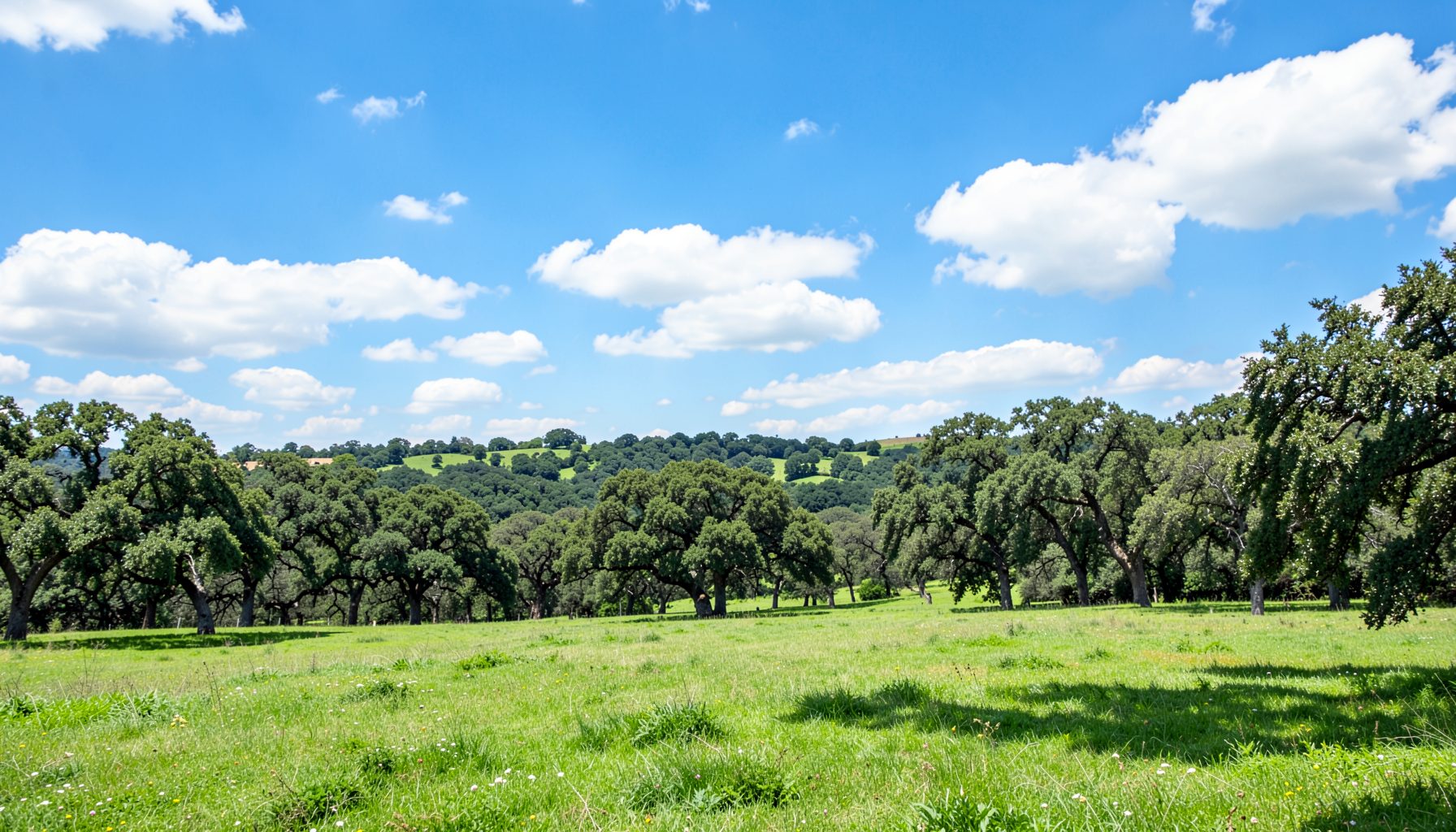
Explore our directory of recommended links, including the Ayuntamiento de Ciudad Real, Lagunas de Ruidera, Parque de Cabañeros, Agudo Joven, and Balneario Cervantes.
Access practical tools including Prensa links, radio, horóscopo, Loterías results, a leisure guide, recipes, a dictionary, and Street View integration.
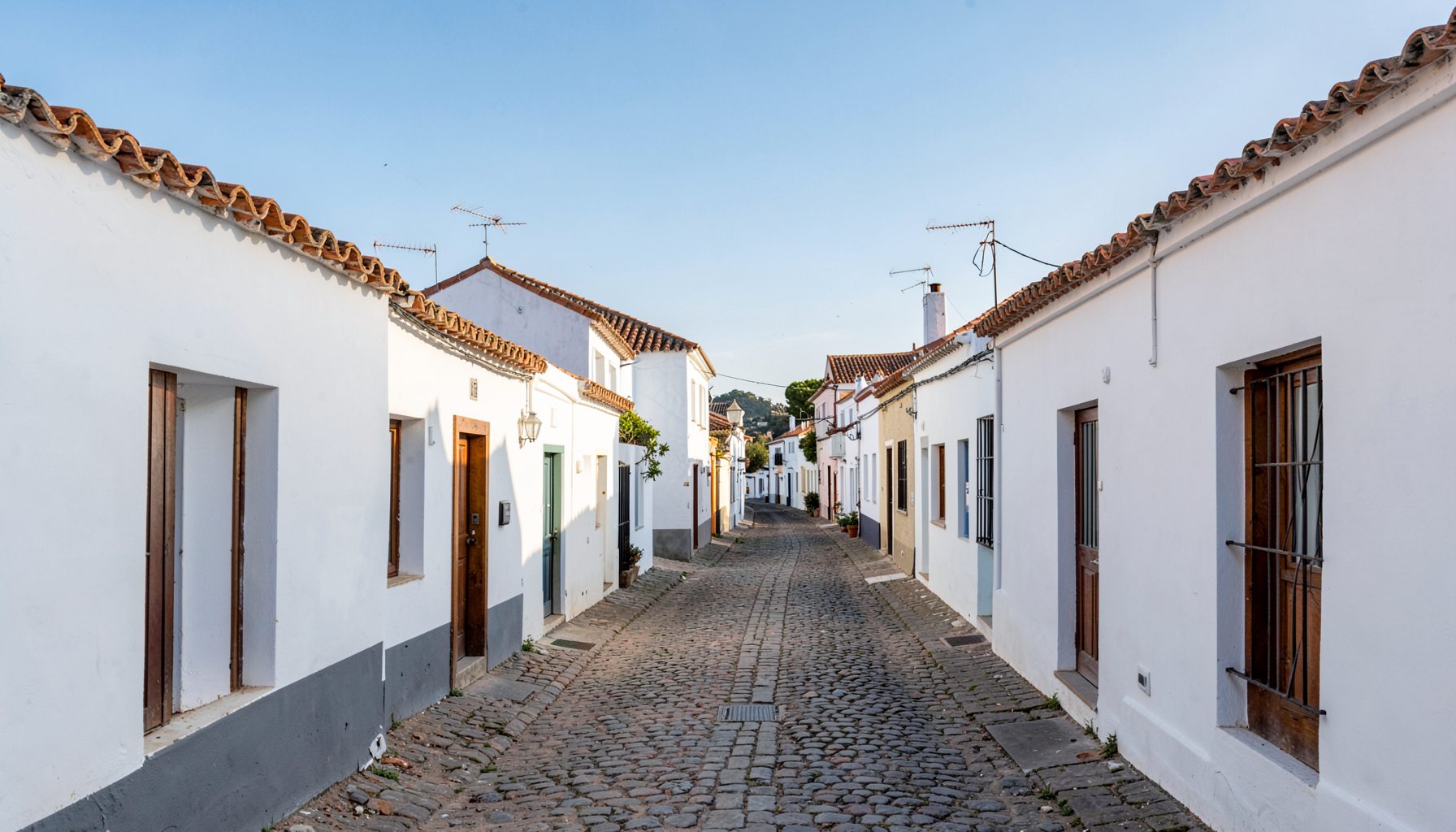
Watch videos showcasing Agudo and the surrounding region. A visual tour of local life, landscapes, and community events.