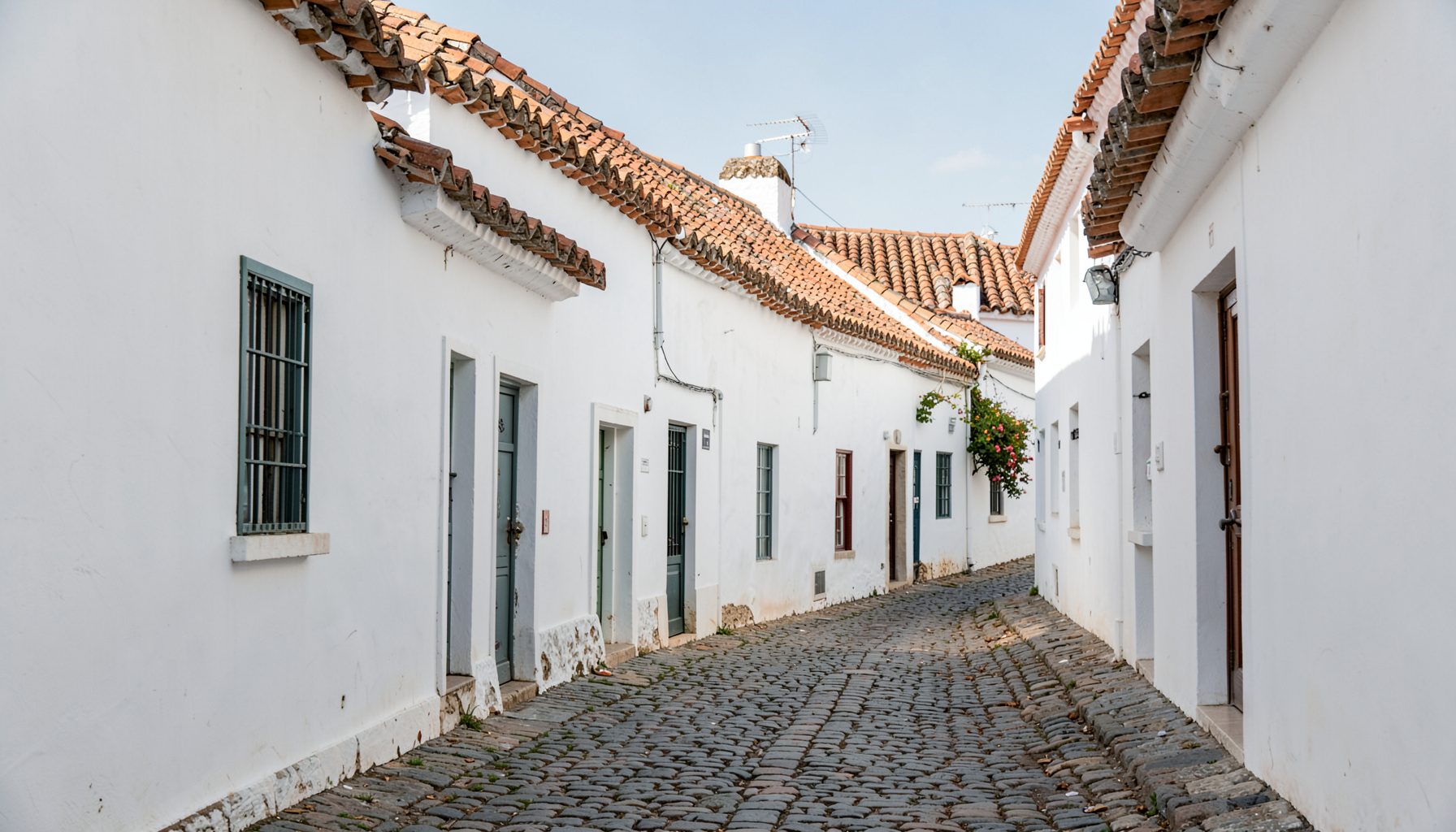


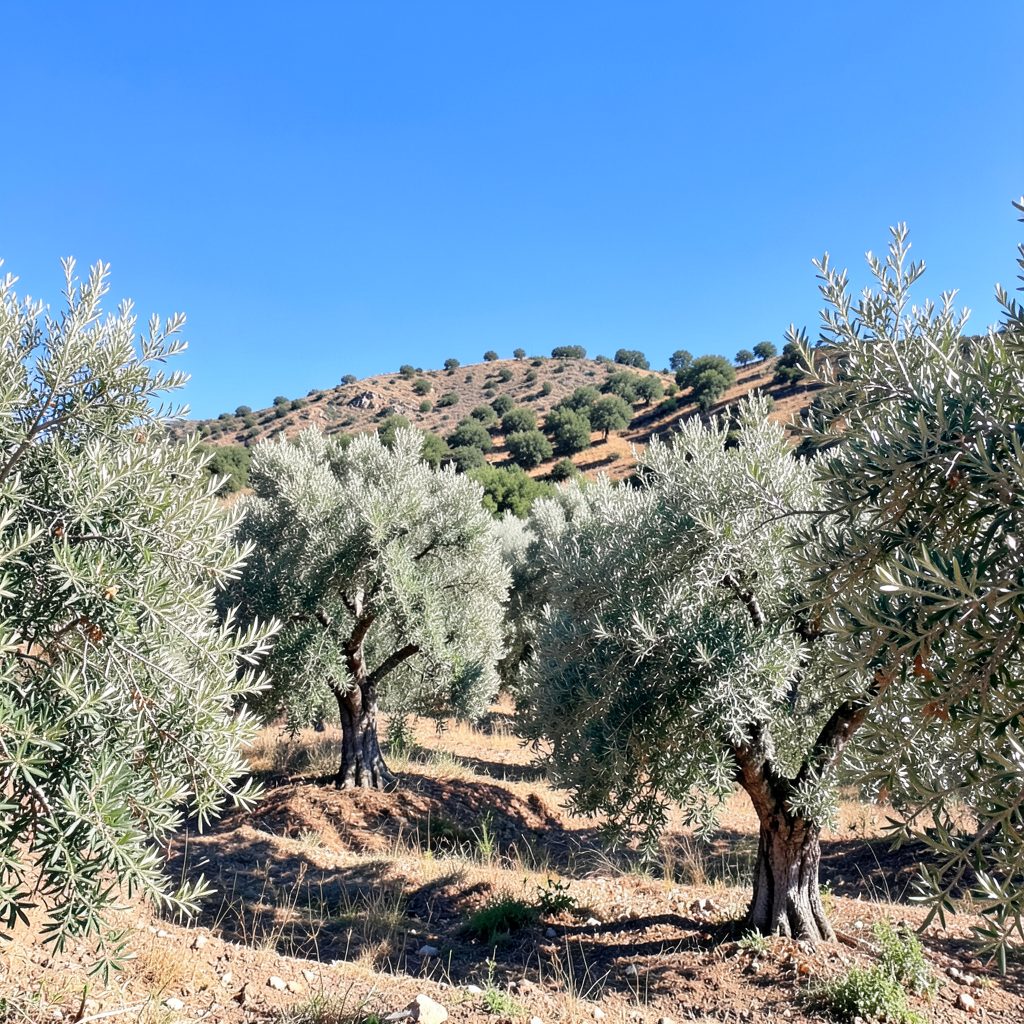
Stay informed with local news updates covering Agudo and the surrounding region. Browse the Hemeroteca for past articles and keep up with what matters in the community.

Residents of Agudo have a fresh reason to clear out old newspapers and flattened cardboard boxes this month, after the local council confirmed it will host a one-day civic paper drive on Saturday the 18th, with a quirky prize awaiting the household that brings in the heaviest single load. The idea is simple enough that anyone from school-age children to retirees can join in, and it slots into a wider push by the municipality to lift household recovery rates for everyday materials.
The Ayuntamiento de Agudo has been working with the provincial waste consortium to make the day easier to attend, with a drop-off point set up in the Plaza de España from ten in the morning until two in the afternoon. Volunteers from a local youth association will help unload vehicles and weigh each contribution on a calibrated platform scale, with the winning family or group receiving a voucher for a regional restaurant and a small trophy.
Behind the light-hearted framing sits a serious point about how a small inland town in the province of Ciudad Real handles the mountains of cardboard that arrive with online shopping, school projects, and seasonal work in the surrounding olive groves. Australians who have watched their own councils wrestle with similar volumes may find the Spanish approach refreshingly direct.
The council published the rules in late October and they have already been pinned up at the town hall noticeboard, the cultural centre, and the primary school entrance. Each load must be tied with twine or packed into paper sacks, with staples, plastic wrapping, and food-stained pizza boxes explicitly ruled out because they contaminate the bales at the recycling mill in Puertollano. Anything glossy, from old magazines to supermarket catalogues, is welcome.
Councillor María José Naranjo, who handles the waste and environment brief, said the inspiration came partly from a Portuguese town newsletter and partly from the "weigh-in" events that Australian country shows are known for, where the heaviest pumpkin or the longest zucchini takes home a ribbon. The Spanish version, she joked, is "a bit more useful than a giant marrow, because at least it ends up as new packaging rather than as compost." As one longtime resident of Agudo put it, "We'll have a go at anything if there's a feed at the end of it," a sentiment any country town in New South Wales or rural Queensland would understand.
Residents are being asked to register their intention to take part ahead of the day through a form available at the ayuntamiento office and on community noticeboards around Agudo. There is no entry fee, no minimum age, and groups of neighbours are welcome to pool their loads and split the prize. Anyone unsure of the exact spot on the day can check the local community listings on the Agudo ciudad real portal, which carries the map and the latest updates.
Clean, dry paper is one of the easiest materials to recover and one of the most consistently profitable for municipal recyclers, which is why it tends to fetch a better price per tonne than mixed plastics at the materials recovery facility. A standard bale of office paper and old newsprint can be pulped and turned back into new copy paper, cardboard, or the moulded pulp packaging that protects eggs and electronics during shipping. Each tonne recycled saves a noticeable amount of water, energy, and tree fibre compared with making the same paper from virgin pulp.
The catch, and the reason councils everywhere keep running awareness campaigns, is contamination. A single greasy chip wrapper or a piece of food-soaked pizza cardboard can downgrade an entire bale and send it to landfill instead, which is why organisers in Agudo are being unusually fussy about what goes into each load. Australians who use the yellow-lid kerbside bin will recognise the same problem, with kerbside audits in cities like Adelaide and Perth regularly showing that around one in ten items placed in the recycling bin is actually garbage that does not belong there.
By turning the day into a competition, the council is hoping that households will put more care into sorting before they turn up, because nobody wants to be the person who gets their load disqualified at the weigh-in. It is a small behavioural nudge dressed up as a bit of fun, and that is often the most reliable kind of nudge a small municipality has.
The headline prize is a dinner voucher for two at Restaurante Las Tablas, a long-established spot in the centre of Agudo that the council has partnered with for the event. There is also a smaller consolation voucher for second place and a "best-decorated load" award for any group that turns up with their paper tied up in a creative or themed arrangement, which the youth association volunteers will judge on the day.
Eligibility is broad: any household or organised group within the municipal district of Agudo can enter, with the only restriction being that the paper must originate from domestic or small-business use within the town. Industrial quantities brought in from outside the municipality are not eligible, both to keep the playing field fair and to avoid overloading the volunteers. Children are welcome, though any prize money or vouchers go to the adult who registers the load. The council has also confirmed that any paper that does not win a prize will still be recycled in the usual way, so no load goes to waste regardless of where it finishes on the leaderboard.
Anyone thinking of entering should start collecting now rather than waiting until the morning of the event, because flattening cardboard boxes and removing plastic tape is much quicker when it is done in batches. A garage corner or a spare room can hold a surprising amount of tied paper, and the council recommends using natural twine rather than plastic strapping so that the whole load stays recyclable. Old magazines, telephone directories, school notebooks, and clean pizza boxes are all acceptable, while shiny thermal till receipts and laminated documents are not.
The drop-off point is a short walk from most parts of the town centre, and there is room for vehicles to pull in and unload without blocking the through-road. Anyone who cannot make it on the day can drop smaller amounts at the punto limpio on the outskirts of town during its regular opening hours. For those who want to find a shared vehicle or advertise a collection run, the local classifieds page keeps a running list of neighbourhood announcements and small ads from across the municipality. Anyone with a trailer-load of paper should let the council know in advance so the platform scale can be calibrated for the heavier vehicle, and volunteers will be on site from nine-thirty to set up.
Across Australia, kerbside recycling is the backbone of household recovery, with most councils running a fortnightly or weekly yellow-bin pickup that accepts mixed paper, cardboard, glass, and certain plastics. There is no direct equivalent to the Agudo drop-off day, partly because the population is more spread out and partly because the privatised waste contracts in states like Victoria and New South Wales already handle paper through the standard bin. The Spanish system, with its closer network of puntos limpios and neighbourhood bring-banks, leaves more room for a town-level event like this one.
Australian councils have, however, experimented with similar incentives. The City of Cockburn in Western Australia has run "Recycle Right" ambassador programs that reward households who consistently sort well, while Brisbane City Council has occasionally offered free plants or movie tickets at transfer stations. In regional New South Wales, the town of Parkes ran a paper-shredding day that doubled as a competition between local schools, and the winning class got to pick where the school's environmental grant was spent. The Spanish twist of awarding the heaviest collector is less common in Australia, although there is a clear cultural fit because Australians love a fair contest with a tangible prize, from a blue ribbon at the Royal Easter Show to a wooden spoon at the local footy club presentation night.
The table below sets out a side-by-side comparison of how the Agudo paper drive lines up against two common Australian approaches, so readers familiar with either system can see where the overlaps and the differences sit.
| Feature | Agudo one-day drive | Typical Australian kerbside bin | Australian transfer station drop-off |
|---|---|---|---|
| How paper is collected | Single-day bring event in the plaza | Fortnightly or weekly kerbside pickup | Drop off at a tip shop or transfer station |
| Who sorts it | Volunteers on the day | Residents, with bin audits by the contractor | Residents at the point of drop-off |
| Incentive to participate | Prize for heaviest load | None, beyond knowing it is collected | Sometimes small vouchers or free plants |
| Common contamination issue | Greasy pizza boxes and food packaging | Soft plastics, nappies, broken glass | Bulky items left in the boot |
| Best suited to | Small towns with a strong plaza culture | Suburban and urban households | Rural households with a car and a trailer |
A few small habits in the run-up to the event will help it run smoothly and will also lift the overall recycling rate of the household long after the prize has been handed out.
Whether or not a household ends up taking home the dinner voucher, the day gives Agudo a tidy win: less paper sitting in garages, a few more tonnes heading toward the pulping mill, and a cheerful excuse for neighbours to pull together. For anyone in Australia wondering whether a similar weigh-in would work back home, the answer from a town of just under two thousand people in inland Spain is a clear yes, and the only equipment really required is a scale, a plaza, and a council willing to give the idea a go.
Stay informed with local news updates covering Agudo and the surrounding region. Browse the Hemeroteca for past articles and keep up with what matters in the community.
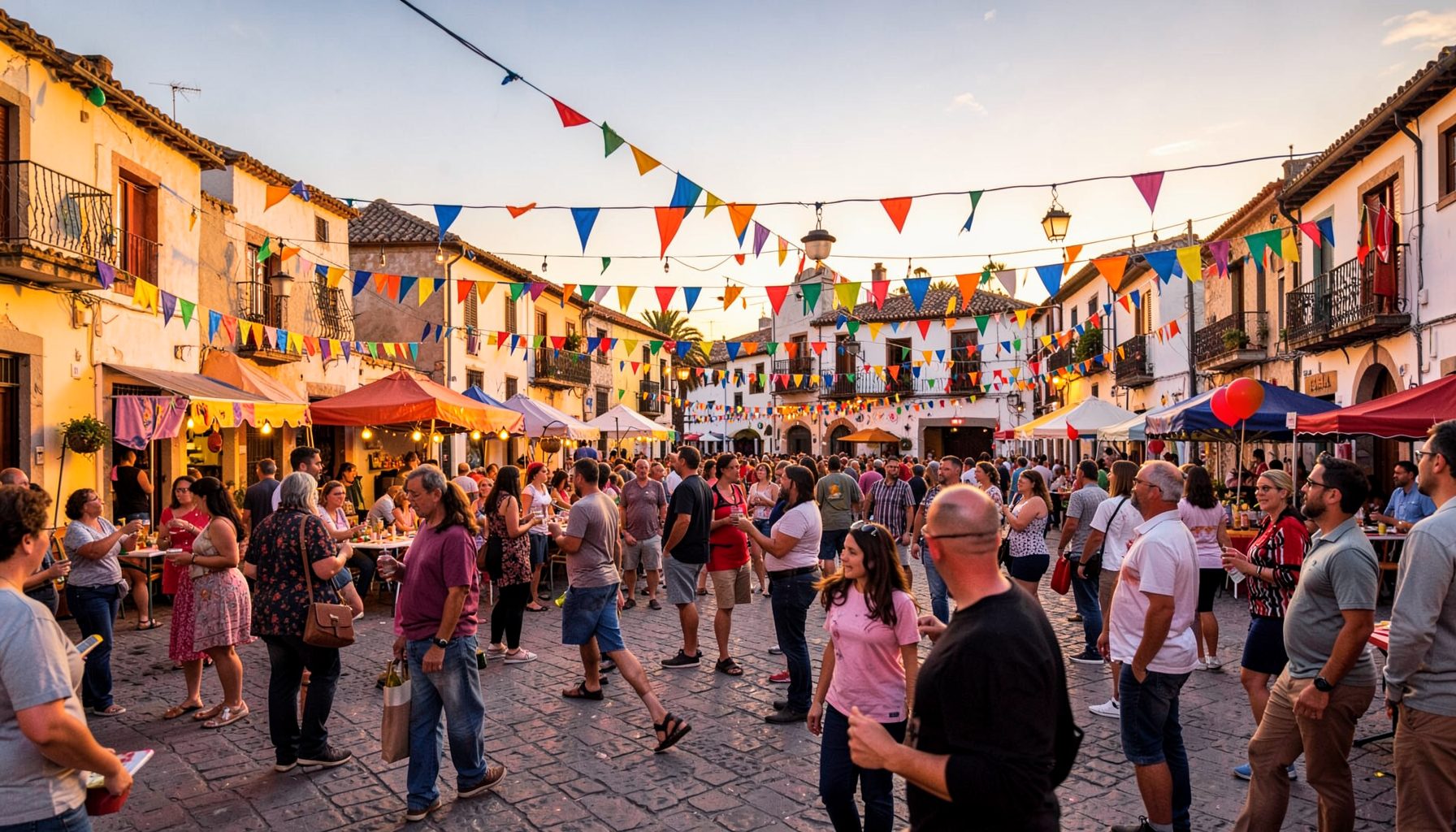
Join the conversation in the Agudo community forums. Access the Foro antiguo archive and participate in discussions with fellow residents and visitors.
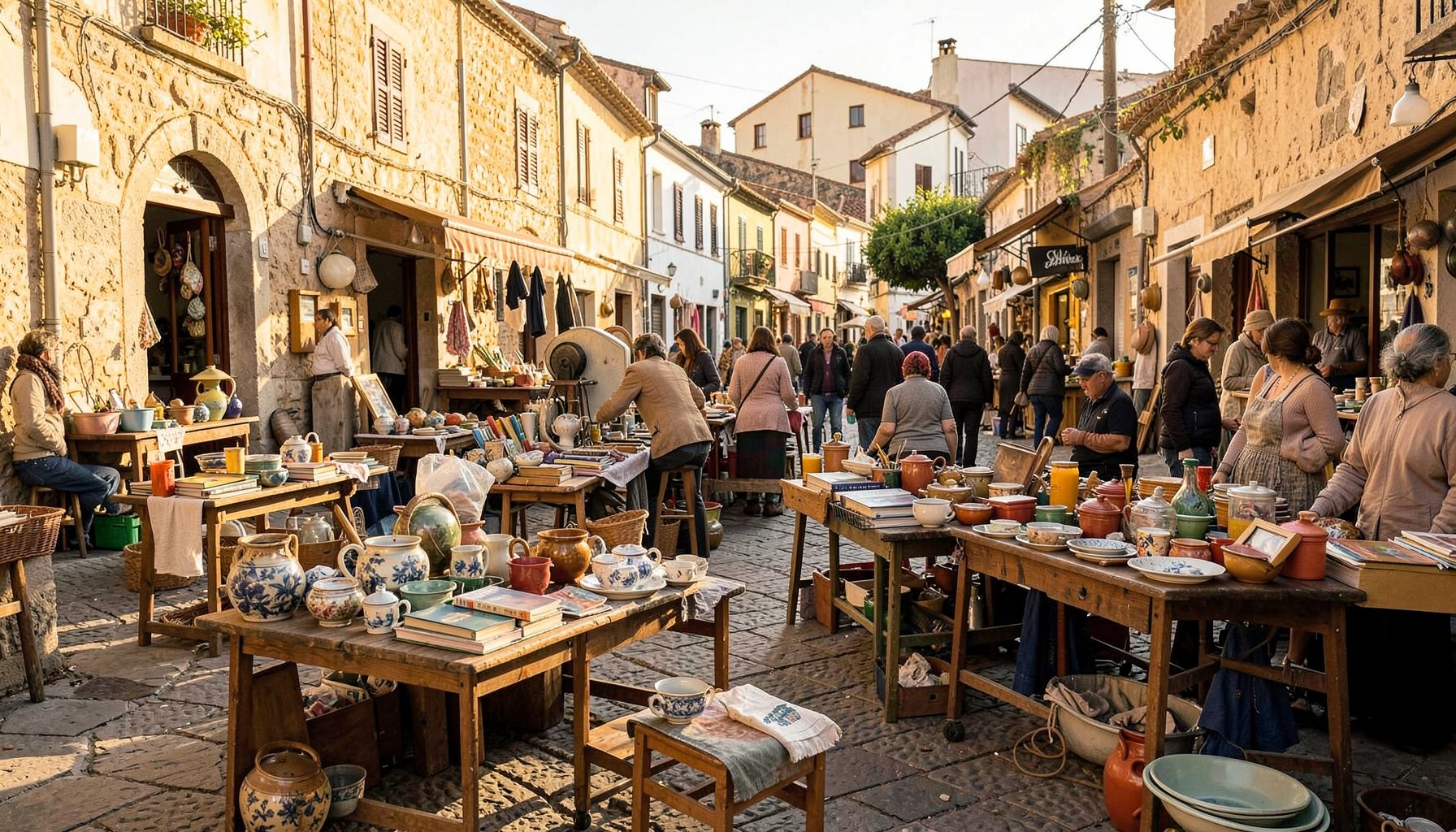
Browse local second-hand listings in the Agudo area. A convenient marketplace for buying and selling within the community.
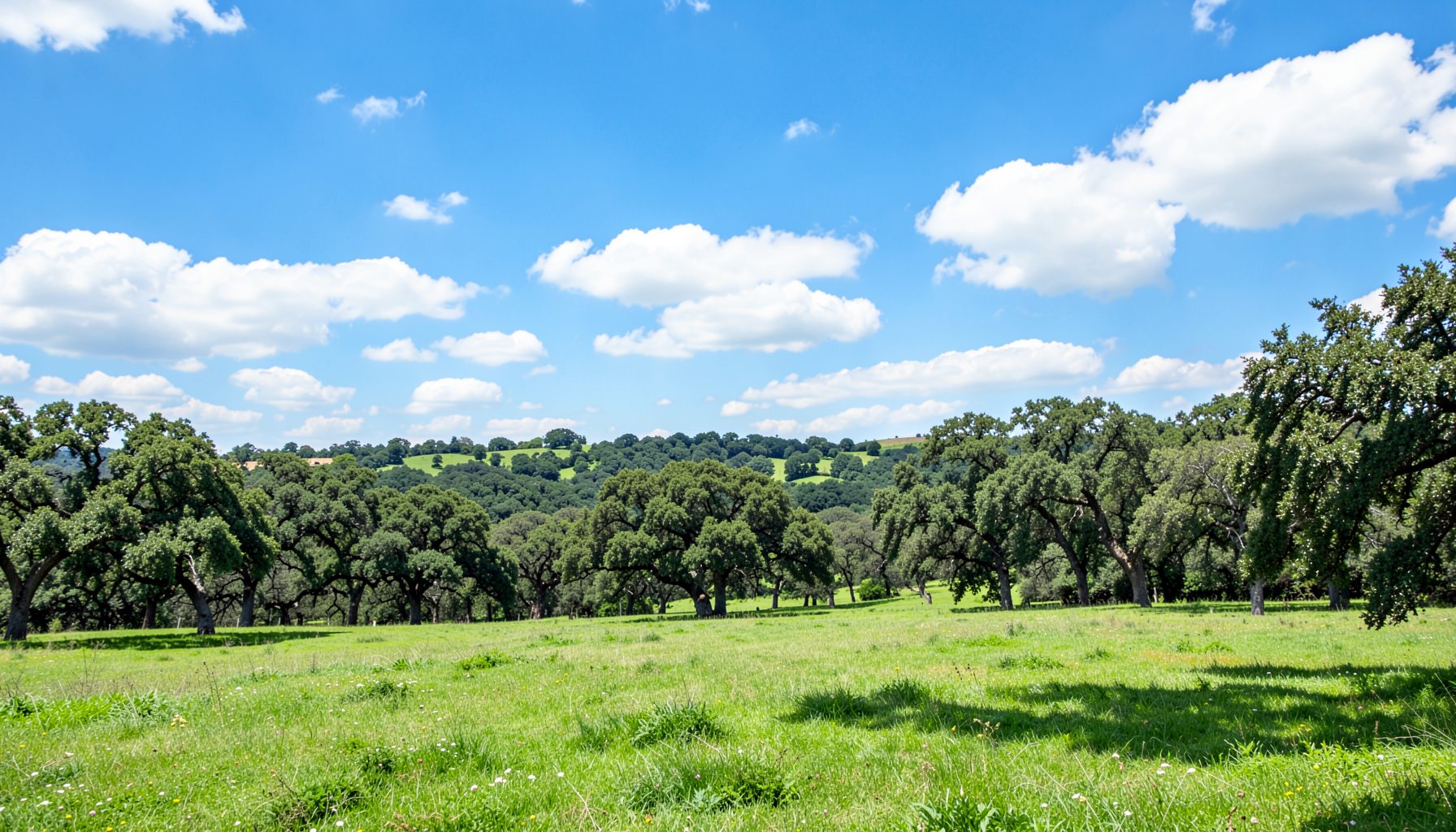
Explore our directory of recommended links, including the Ayuntamiento de Ciudad Real, Lagunas de Ruidera, Parque de Cabañeros, Agudo Joven, and Balneario Cervantes.
Access practical tools including Prensa links, radio, horóscopo, Loterías results, a leisure guide, recipes, a dictionary, and Street View integration.
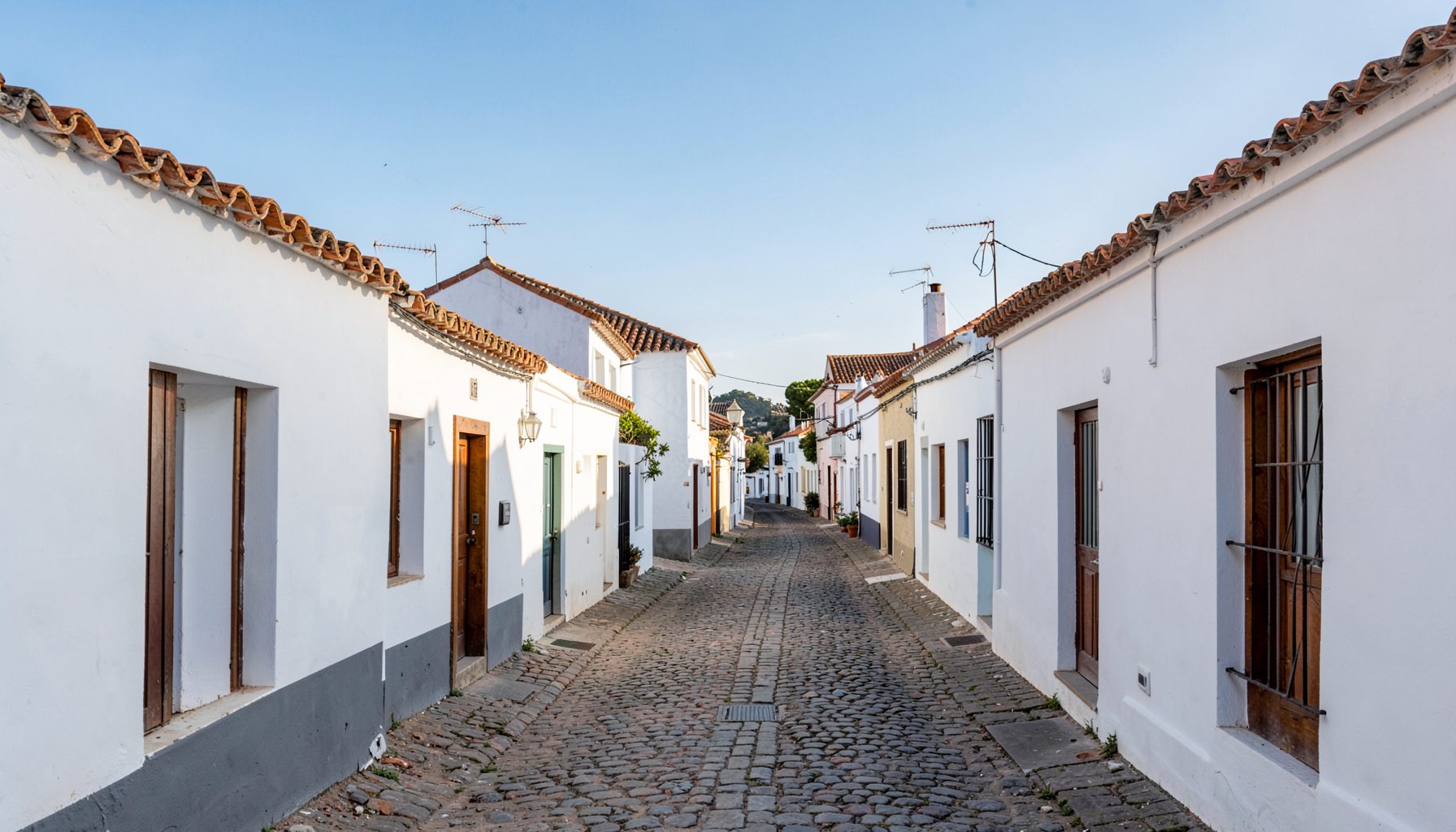
Watch videos showcasing Agudo and the surrounding region. A visual tour of local life, landscapes, and community events.