Stay informed with local news updates covering Agudo and the surrounding region. Browse the Hemeroteca for past articles and keep up with what matters in the community.
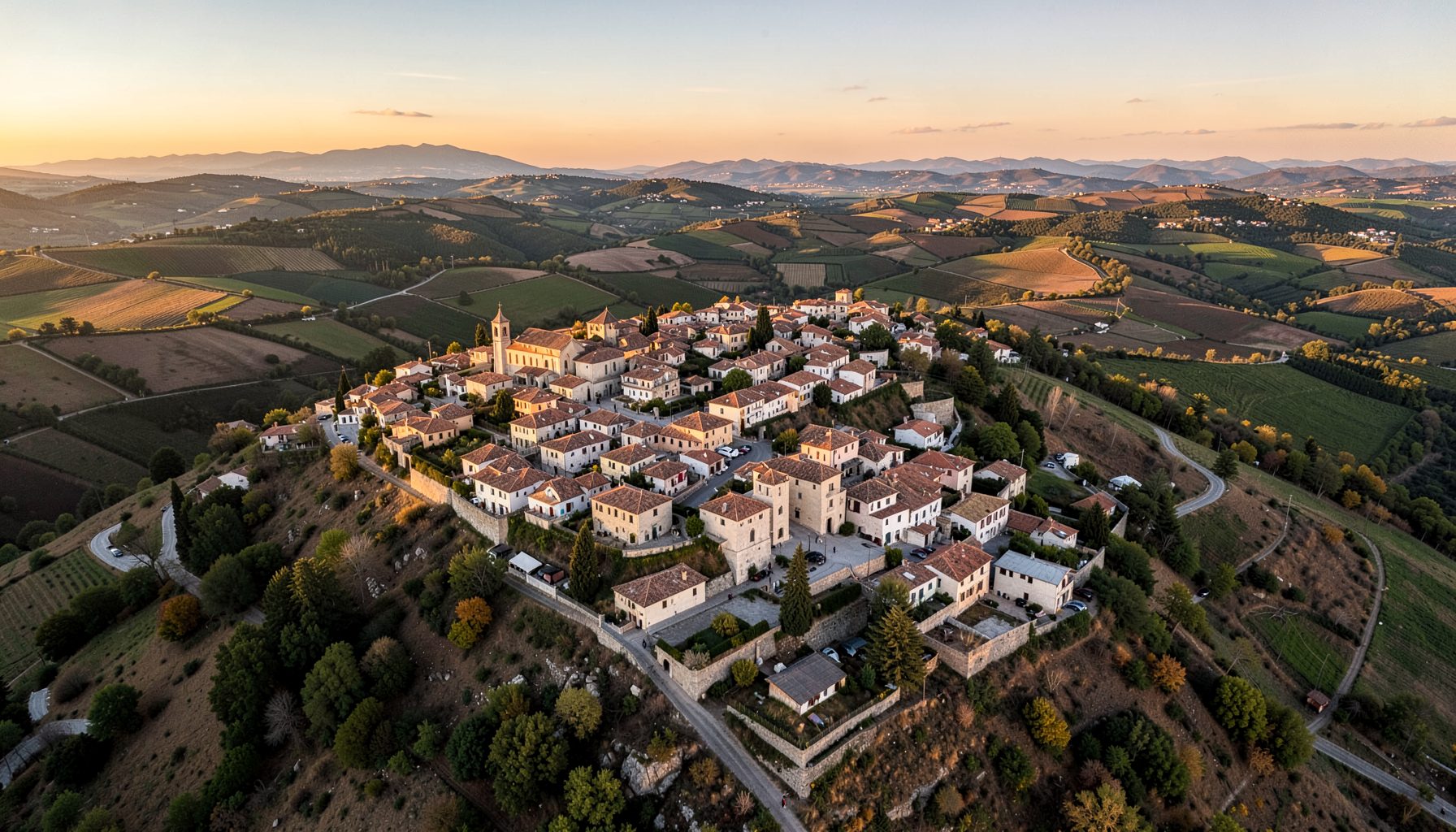
Agudo, a municipality of around 1,800 residents in the province of Ciudad Real, has witnessed a quiet transformation in its rural landscape this autumn. The town hall has officially opened a former grain silo as a small auditorium dedicated to poetry readings, converting a structure that once stored wheat and barley into an intimate cultural space. The project reflects a broader trend across southern Europe of adapting obsolete agricultural infrastructure for community use, while offering a new platform for spoken word in a region where literary gatherings traditionally happened in bars, libraries, or private homes.
The reopening arrives at a time when small Spanish municipalities are investing in cultural amenities to counter rural depopulation and attract visitors. Agudo's initiative has drawn attention from former residents and their descendants abroad, particularly in Australia, where thousands of Spaniards settled during the 1960s and 1970s. Coverage of the event has been carried by local digital portals such as agudociudadreal.org, which provides ongoing reporting on municipal affairs, neighborhood events, and community forums for the area.
The silo in question dates back to the late 1950s, constructed during a period when the Spanish government promoted the modernization of cereal storage in rural Castilla-La Mancha. For decades it served local farmers who delivered grain from the surrounding fields, standing alongside the parish church and the old bullring as a marker of agricultural life. As harvesting consolidated and larger industrial silos took over regional distribution, the facility fell into disuse in the early 2000s, becoming a reminder of a fading way of life.
Town hall archives show that the building stood empty for nearly two decades, subject only to occasional maintenance to prevent structural deterioration. Local associations periodically proposed alternative functions, including a museum of rural tools, a climbing wall, or a storage space for cultural associations. The poetry auditorium idea gained traction after a 2022 participatory budgeting process in which residents voted to prioritize cultural infrastructure over commercial development. The decision aligned with regional cultural plans promoted by the Junta de Comunidades de Castilla-La Mancha.
Converting a cylindrical concrete silo into a functional performance space required careful acoustic planning. Engineers preserved the raw interior walls, treating them to reduce echo while maintaining the building's distinctive texture. The seating area accommodates roughly seventy people on tiered wooden benches, with a small raised platform for readers. Lighting focuses on the performer while allowing the curved walls to remain visible, emphasizing the venue's industrial heritage.
The renovation incorporated energy-efficient climate control, acoustic panels behind the stage, and accessible entry ramps compliant with Spanish technical building codes. A small adjacent room now houses a bar service and a modest bookstore featuring works by local and regional poets. Town officials have emphasized that the project cost significantly less than constructing a new auditorium, partly because the existing structure provided the main shell and foundation. The reuse also aligns with European Union recommendations for circular construction practices that minimize new concrete and steel.
Key features of the converted auditorium:
The auditorium opened its doors with a week-long inaugural season featuring poets from Ciudad Real province, neighbouring Toledo, and Madrid. The program included readings in Spanish, with one evening dedicated to works in Galician and Catalan to highlight Spain's linguistic diversity. Local schools were invited to morning sessions where students attended readings by authors whose textbooks they study, creating a direct link between curriculum and live performance. Organizers reported strong attendance, with several evenings selling out the seventy-seat capacity.
The lineup balanced established voices with emerging talents. Among the featured readers were Antonio Carvajal, a poet from Alcaudete with deep roots in La Mancha, and María Rosal, a younger writer from Valdepeñas known for her work on rural feminism. The town hall has announced plans to continue monthly readings through the spring, with themed evenings exploring migration, agricultural memory, and environmental change. A small recording setup will allow sessions to be archived for the local community archive.
Inaugural season programming highlights:
The conversion carries a particular resonance for Australian audiences with Spanish heritage. During the 1960s and 1970s, significant numbers of Spaniards left rural Castilla-La Mancha seeking opportunities in cities such as Sydney, Melbourne, and Adelaide. Many settled in working-class suburbs like Carlton and Marrickville, where they established Spanish clubs, restaurants, and community organizations. Their children and grandchildren often retain ties to their ancestral villages, following local news and visiting when possible.
For these diaspora communities, news of cultural projects in places like Agudo provides a tangible link to hometowns that have changed substantially since the era of mass emigration. Australian residents with roots in Ciudad Real province can now follow municipal developments through Spanish-language and bilingual platforms. The silo project exemplifies how small towns reinvent themselves in ways that honour the past while offering reasons to visit or reconnect. In Melbourne's Fitzroy or Sydney's Darlinghurst, descendants of Agudo families sometimes gather for poetry evenings featuring Spanish-language verses, creating an unofficial cultural circuit between the two countries.
Australia offers numerous examples of rural communities repurposing industrial structures for cultural purposes. In New South Wales, the silo art trail has transformed grain storage facilities across towns like Weethalle, Thallon, and Merredin into outdoor galleries, attracting tourism and revitalising local economies. While these remain external murals rather than enclosed venues, they demonstrate how agricultural infrastructure can shift from utilitarian function to cultural landmark. Some Australian regional councils have explored interior conversions for performance spaces, particularly in areas affected by mining decline or agricultural restructuring.
Specific Australian examples include community halls in Hobart's hinterland that have adapted former shearing sheds, and pop-up arts spaces in Perth's eastern suburbs that have used disused industrial buildings. The Australian government's Regional Arts Fund has supported similar initiatives, recognising that cultural infrastructure contributes to social cohesion and economic diversification. Comparing these projects highlights a shared challenge: how to make small-scale venues financially sustainable while maintaining authentic community roots. The Agudo silo project may offer a model for Australian towns considering similar conversions, particularly given the relatively low capital cost of adapting an existing shell.
Bringing a former industrial building up to public venue standards involves navigating multiple regulatory frameworks. In Spain, the conversion required compliance with the Código Técnico de la Edificación regarding fire safety, emergency exits, and structural load capacity. The local council coordinated with regional cultural authorities to ensure the auditorium met standards for public assembly, including ventilation, accessibility for people with reduced mobility, and acoustic limits for neighbouring residential areas.
Australian venue conversions face a comparable but distinct regulatory landscape. State-level planning schemes, such as Victoria's Planning and Environment Act or Queensland's Planning Act 2016, govern change-of-use applications for rural structures. Fire safety standards under the National Construction Code require similar attention to egress and materials. Additionally, venues serving food or alcohol must comply with state licensing requirements, which vary between New South Wales, Western Australia, and Tasmania. The Agudo project's modest size and absence of liquor service have simplified its regulatory pathway, though organisers acknowledge that future expansions may involve additional permits if programming expands to include music or theatre.
Residents have welcomed the new auditorium as a symbol of municipal confidence in a region often associated with economic stagnation. Local teachers have proposed integrating visits into literature curricula, while pensioners' associations have requested daytime sessions featuring classic Spanish verse. The town hall has indicated that programming will remain curated by a small cultural committee that includes council representatives, librarians, and two elected resident delegates. The committee will meet quarterly to review audience numbers and adjust upcoming themes.
Digital outreach forms another component of the design. Recordings of selected sessions will be made available through the municipal website and local radio, allowing former residents in Madrid, Barcelona, or Adelaide to listen in. Organisers have also invited submissions from poets across the Spanish-speaking world, with several entries already received from writers in Argentina, Mexico, and Chile. The first international evening is scheduled for early next year, contingent on funding for translator fees.
Readers interested in attending future sessions or contributing to the venue's development are encouraged to contact the town hall's cultural department or participate in upcoming community forums. The transformation of the grain silo stands as an invitation to imagine how rural spaces across Spain and Australia can be renewed through culture, one poem at a time. Community members with suggestions for themed evenings or potential collaborations can reach out through the municipal portal, where updates on the spring schedule and recording releases will be published.
Stay informed with local news updates covering Agudo and the surrounding region. Browse the Hemeroteca for past articles and keep up with what matters in the community.
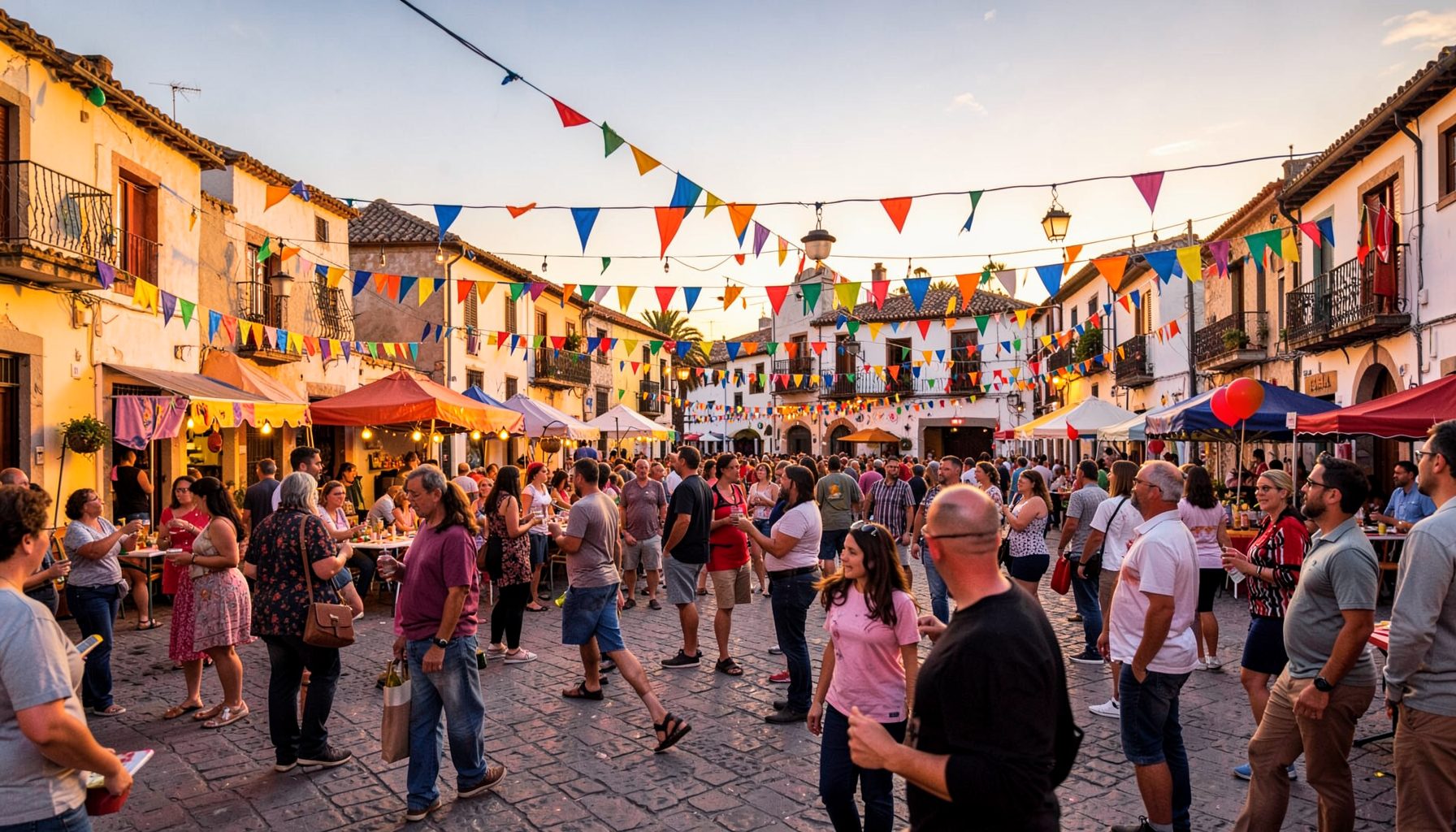
Join the conversation in the Agudo community forums. Access the Foro antiguo archive and participate in discussions with fellow residents and visitors.
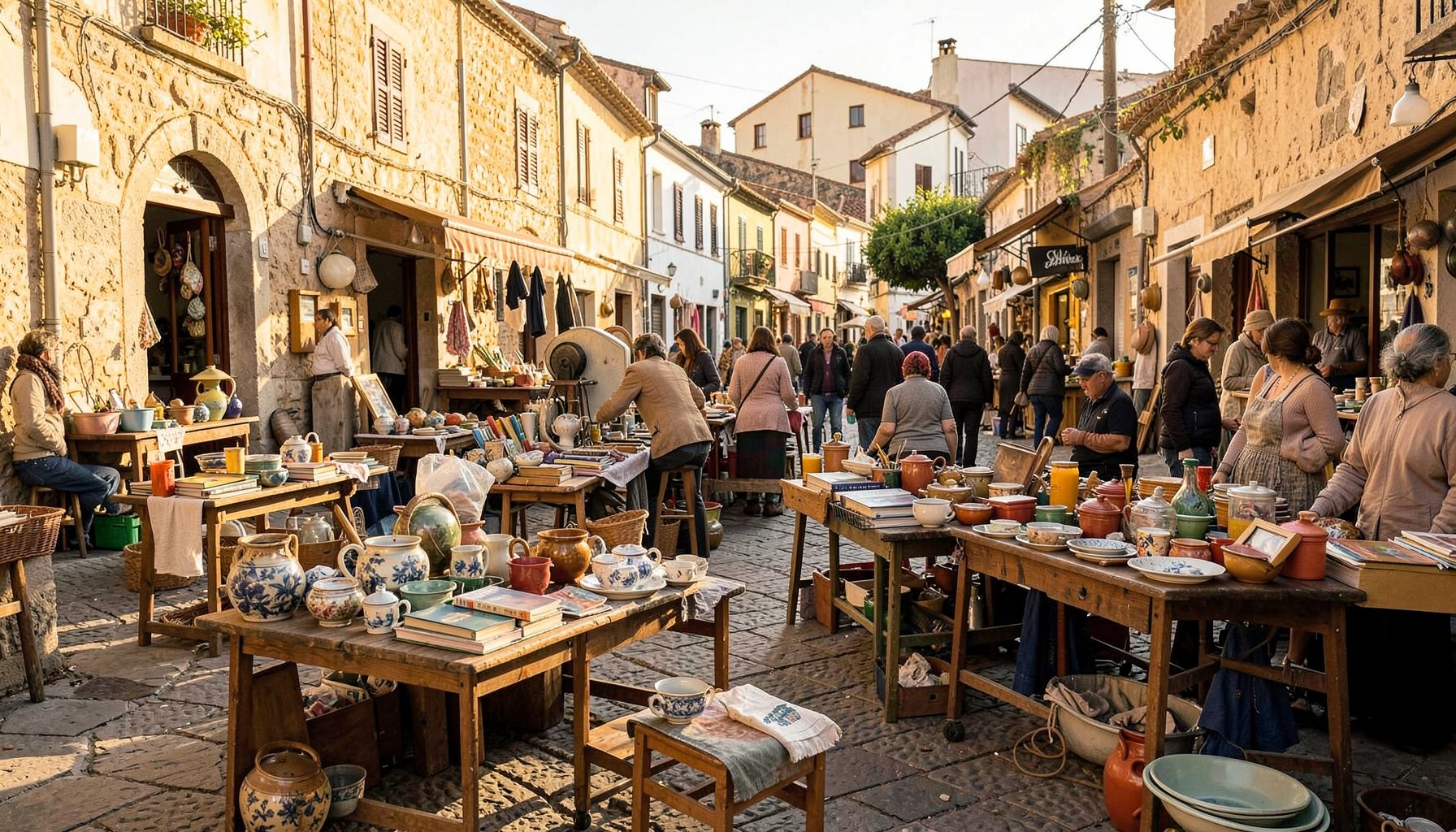
Browse local second-hand listings in the Agudo area. A convenient marketplace for buying and selling within the community.
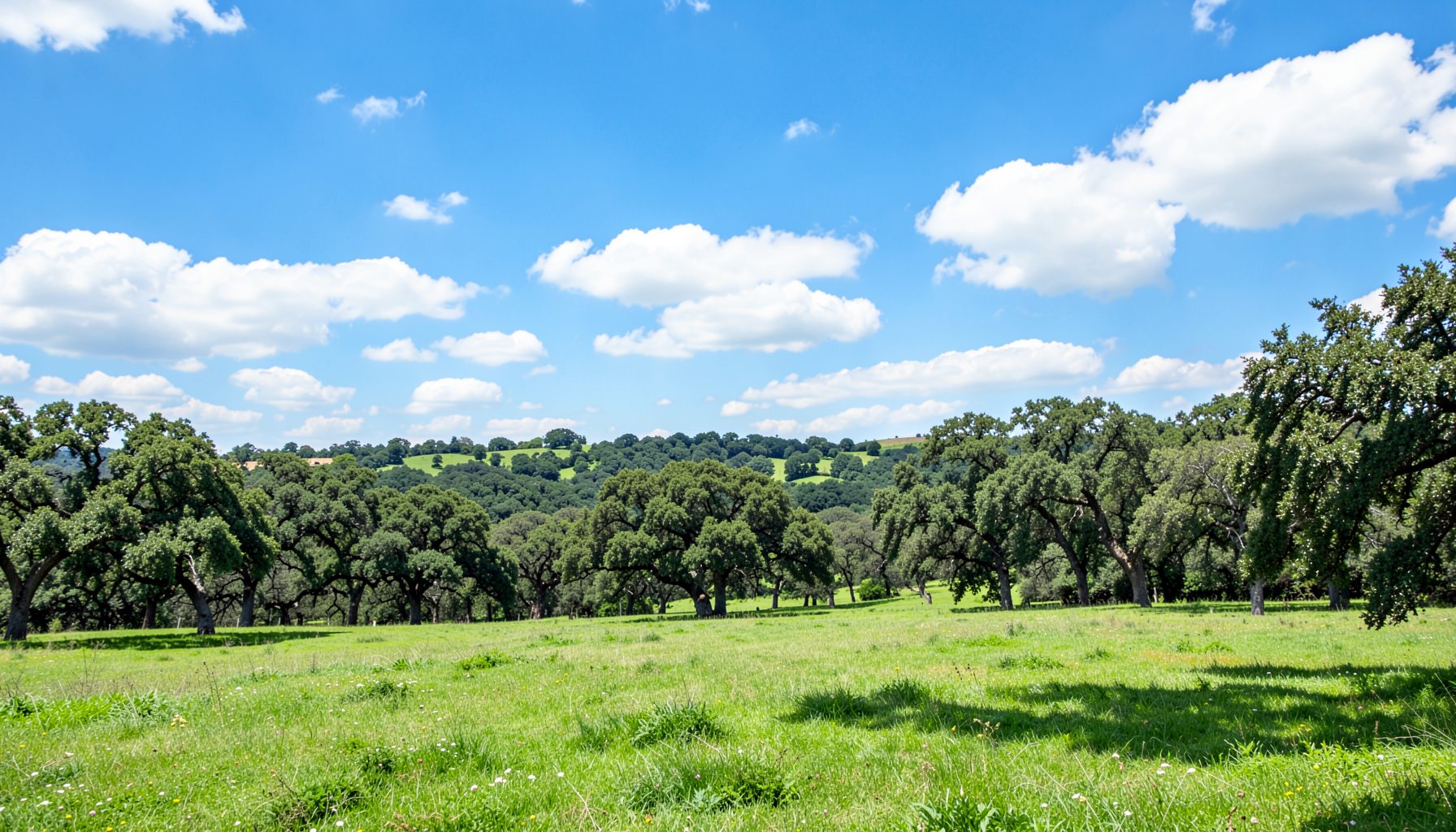
Explore our directory of recommended links, including the Ayuntamiento de Ciudad Real, Lagunas de Ruidera, Parque de Cabañeros, Agudo Joven, and Balneario Cervantes.
Access practical tools including Prensa links, radio, horóscopo, Loterías results, a leisure guide, recipes, a dictionary, and Street View integration.
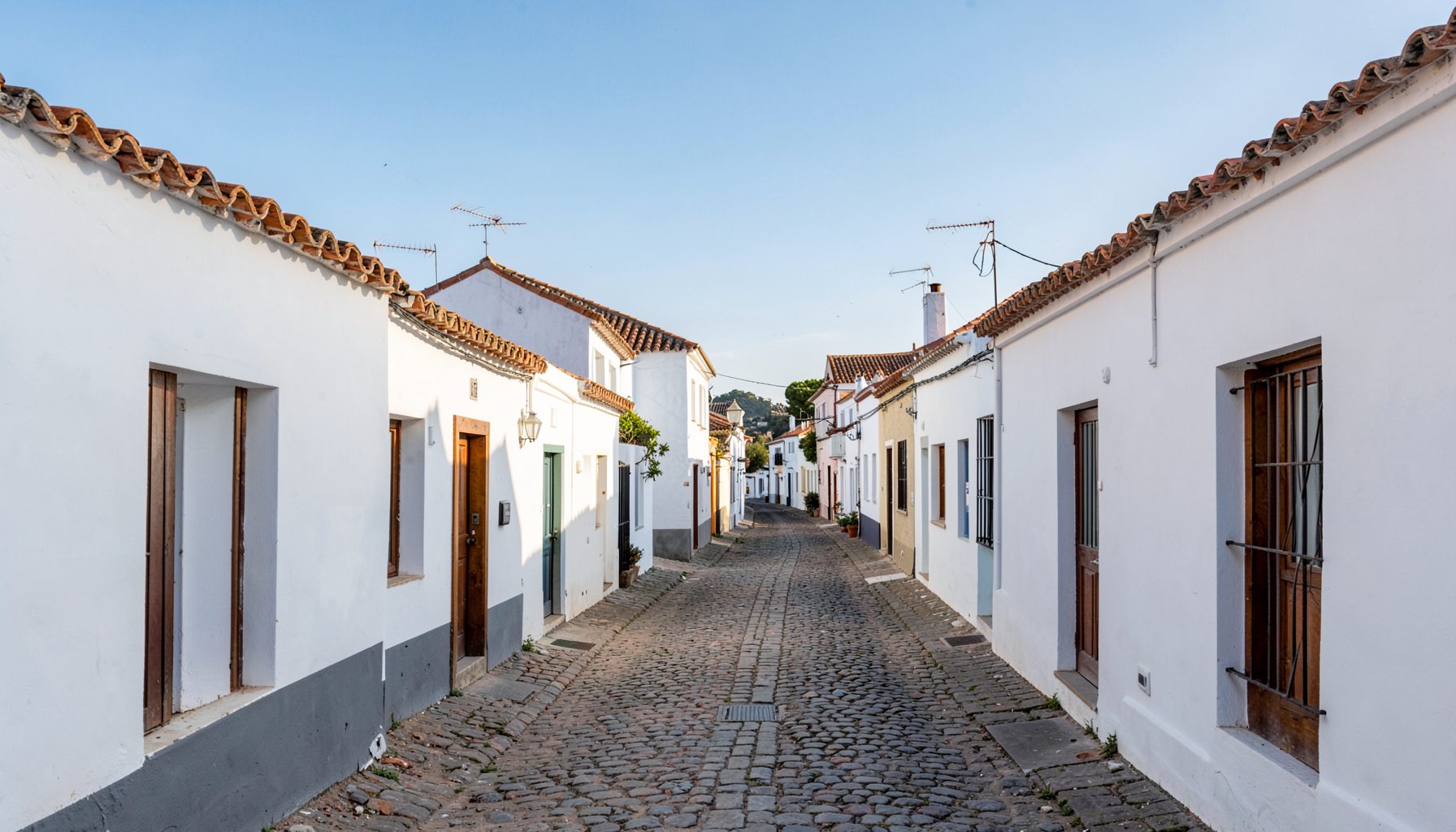
Watch videos showcasing Agudo and the surrounding region. A visual tour of local life, landscapes, and community events.