Stay informed with local news updates covering Agudo and the surrounding region. Browse the Hemeroteca for past articles and keep up with what matters in the community.
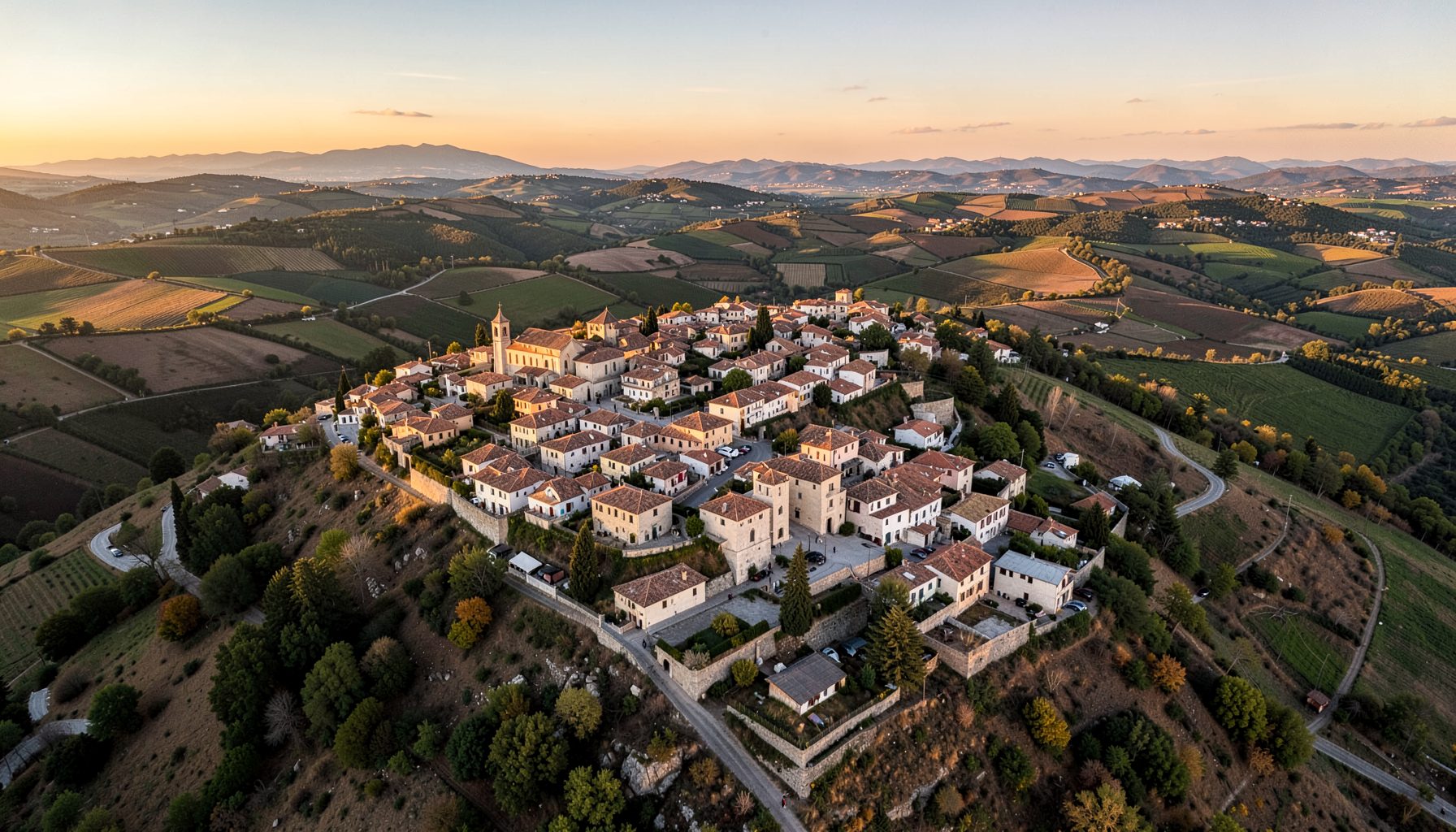
The municipal council of Agudo, in the province of Ciudad Real, has announced the opening of a long-awaited exhibition venue inside the town's former grain store, a stone building that once served as a central hub for the local agricultural community. The initiative aims to give resident artists, craftspeople, and makers a permanent place to showcase their work, replacing the ad-hoc galleries and temporary pop-ups that have struggled to find a stable home in recent years.
For readers familiar with how regional towns breathe new life into heritage buildings, the move echoes similar projects across small Australian communities. From the Bendigo region to the New South Wales south coast, councils have been reimagining old butter factories, shearing sheds, and grain silos as creative precincts. Agudo's latest conversion fits that same spirit of practical reinvention, where the bones of a working building are kept intact and the interior is gently adapted to a new cultural life.
The grain store, known locally as the Antiguo Pósito, sits near the main square of Agudo and dates back to the nineteenth century, when it was used to hold communal grain reserves for villagers during poor harvests. The thick stone walls, high timber ceilings, and arched doorways were designed to keep the harvest cool and dry, and those same qualities, council members say, make the space ideal for displaying paintings, ceramics, photography, and textiles.
The restoration, which took just over a year, kept the original beams and exposed much of the masonry, a deliberate nod to the building's working heritage. New lighting has been installed along the old rafters, and the floor has been levelled and sealed to handle foot traffic during exhibitions. Locals who remember the building from childhood describe it as "the place where the wheat smelled like rain," and many are relieved that it has been preserved rather than demolished.
In regional Victoria, similar adaptive reuse projects have become something of a point of pride. The Castlemaine Art Museum and the Ararat Gallery TAMA have both worked from older civic structures, and the pattern is well understood by Australian audiences who follow regional arts funding. The Agudo project draws on the same logic: keep the shell, change the purpose, and trust the community to fill it.
The exhibition area covers roughly 280 square metres and is divided into three zones: a main gallery for rotating shows, a smaller room dedicated to works by emerging artists, and an open studio where visiting makers can run short workshops. According to the council's culture department, the aim is to provide a venue that feels accessible rather than formal, with low-cost entry fees and a relaxed atmosphere where families feel comfortable dropping in without a booking.
Resident artists will be able to apply for monthly slots, and the space will also host travelling shows from neighbouring municipalities in the comarca of Valle de Alcudia. The council has confirmed that school groups will have free access during weekday mornings, a small but significant detail in a rural area where many families have limited exposure to contemporary art.
The renovation was jointly funded by the regional government of Castilla-La Mancha, the European LEADER programme for rural development, and a modest contribution from the municipal budget, totalling around €420,000. Partnerships have been struck with the University of Castilla-La Mancha, which will loan student works twice a year, and with the local secondary school, whose arts students will use the open studio during term time.
The opening programme includes a mixed-media exhibition by three painters from the local area, a display of traditional embroidery by the women's association of Agudo, and a small retrospective of black-and-white photography taken during the harvest festivals of the 1970s. The inaugural weekend, scheduled for late September, will also include a ceramics demonstration by a potter from nearby Almadén, with free entry for all visitors on the first afternoon.
Local reaction has been broadly warm, with many residents sharing photos of the renovated interior on community forums and messaging groups. The phrase most often repeated, roughly translated, is "ya era hora," which captures the feeling that the project is overdue but welcome. Visitors from neighbouring villages have already begun asking about parking and accessibility, and the council has confirmed that ramps and accessible toilets have been fitted in line with current regulations.
For Australians who have watched similar openings in towns like Daylesford or Stanley, the mood will feel familiar. There is always a healthy mix of curiosity and quiet pride when a regional centre gets a new cultural venue, and locals tend to turn up in good numbers on the first weekend just to have a stickybeak, as the saying goes. Agudo's launch is shaping up to be much the same sort of occasion, with a sausage-sizzle community feel rather than a black-tie affair.
Applications for exhibition slots are open to residents of Agudo and the surrounding villages, with priority given to first-time applicants and to projects that include a public workshop or artist talk. The submission window opens on the first Monday of each month, and the application form, along with the full set of guidelines, is available through the council's website.
The space will be open from Tuesday to Sunday, with extended hours during the summer months to accommodate evening visitors. Entry is free for children under twelve and for holders of the municipal cultural card, a programme similar to the membership schemes offered by regional galleries in places like Warrnambool or Port Fairy. A small café is planned for the courtyard, although it will not be operational until early next year.
Travel to Agudo is reasonably straightforward, with regular coach services from Ciudad Real city and a regional train connection from Madrid. Visitors planning a longer stay might consider combining the trip with the shaded seating project underway in three of the town's main plazas, an initiative worth a look for anyone interested in how small public works shape daily life in regional Spain.
A little planning goes a long way when visiting a new regional venue, and Agudo's exhibition space is no exception. The stone walls keep the interior cool even on warm days, and the acoustics carry well during artist talks, so bring a light layer and settle in for at least an hour or two.
For groups, schools, or anyone wanting to organise a private viewing, the easiest way to get in touch is through the contact page on the Agudo Ciudad Real website, where staff can advise on opening times, accessibility, and guided options.
| Aspect | Agudo exhibition space | Typical Australian regional gallery |
|---|---|---|
| Size | 280 m² across three zones | Often 150–600 m² depending on town |
| Funding sources | EU LEADER, regional government, municipal budget | State arts agencies, council, local foundations |
| Entry fee | Free for children and cultural card holders | Often free, sometimes small donation |
| Workshop space | Dedicated open studio | Usually shared or rotating |
| Building origin | 19th-century grain store | Often a butter factory, bank, or town hall |
| Community governance | Council-led with artist input | Volunteer committee or trust |
If you live in Agudo, used to live there, or simply follow the life of this part of Ciudad Real, the new exhibition space is a chance to see the town's creative side on its own terms. Drop in during opening hours, bring a friend, and keep an eye on the rolling programme of exhibitions and workshops throughout the year.
Stay informed with local news updates covering Agudo and the surrounding region. Browse the Hemeroteca for past articles and keep up with what matters in the community.
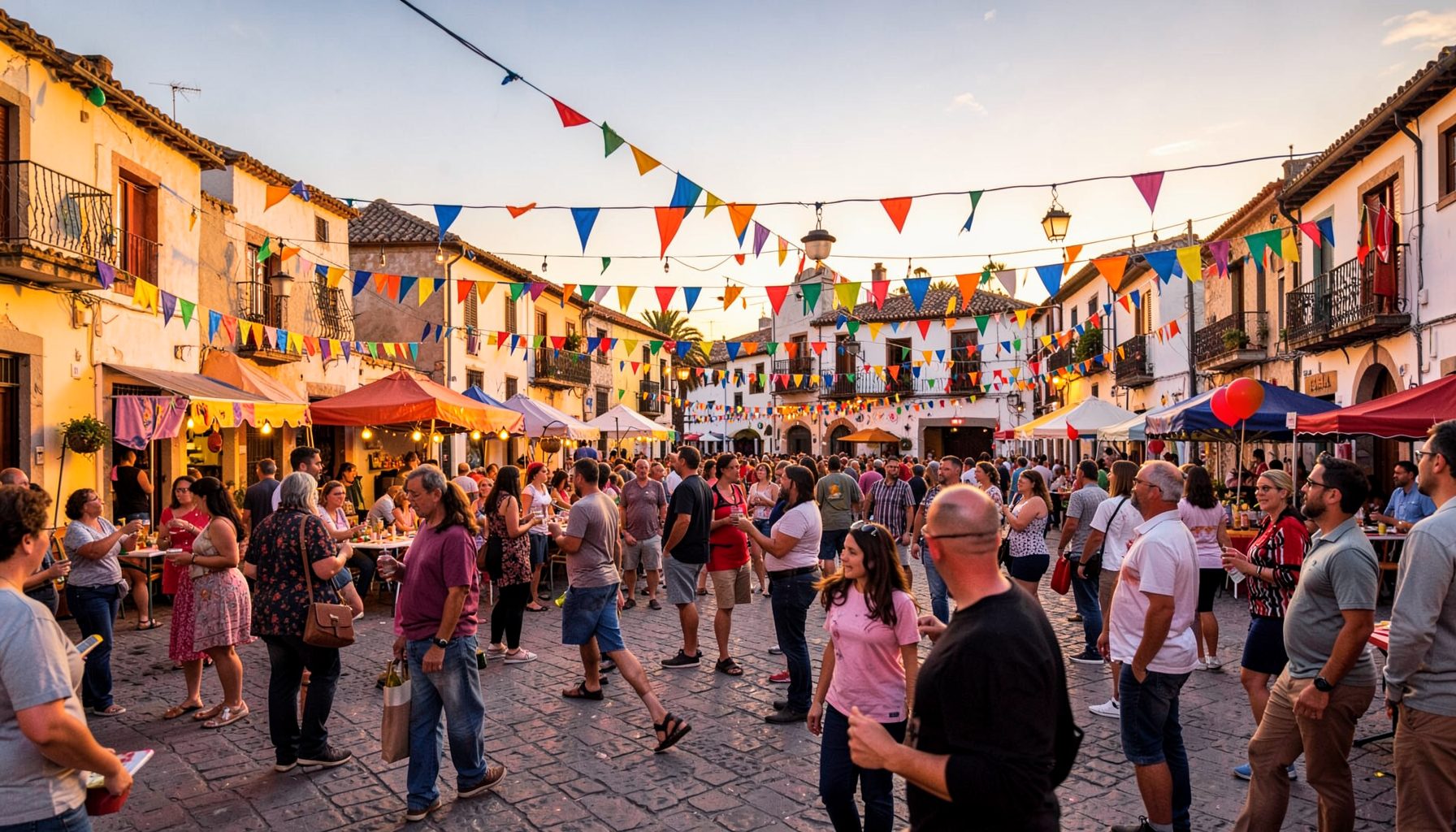
Join the conversation in the Agudo community forums. Access the Foro antiguo archive and participate in discussions with fellow residents and visitors.
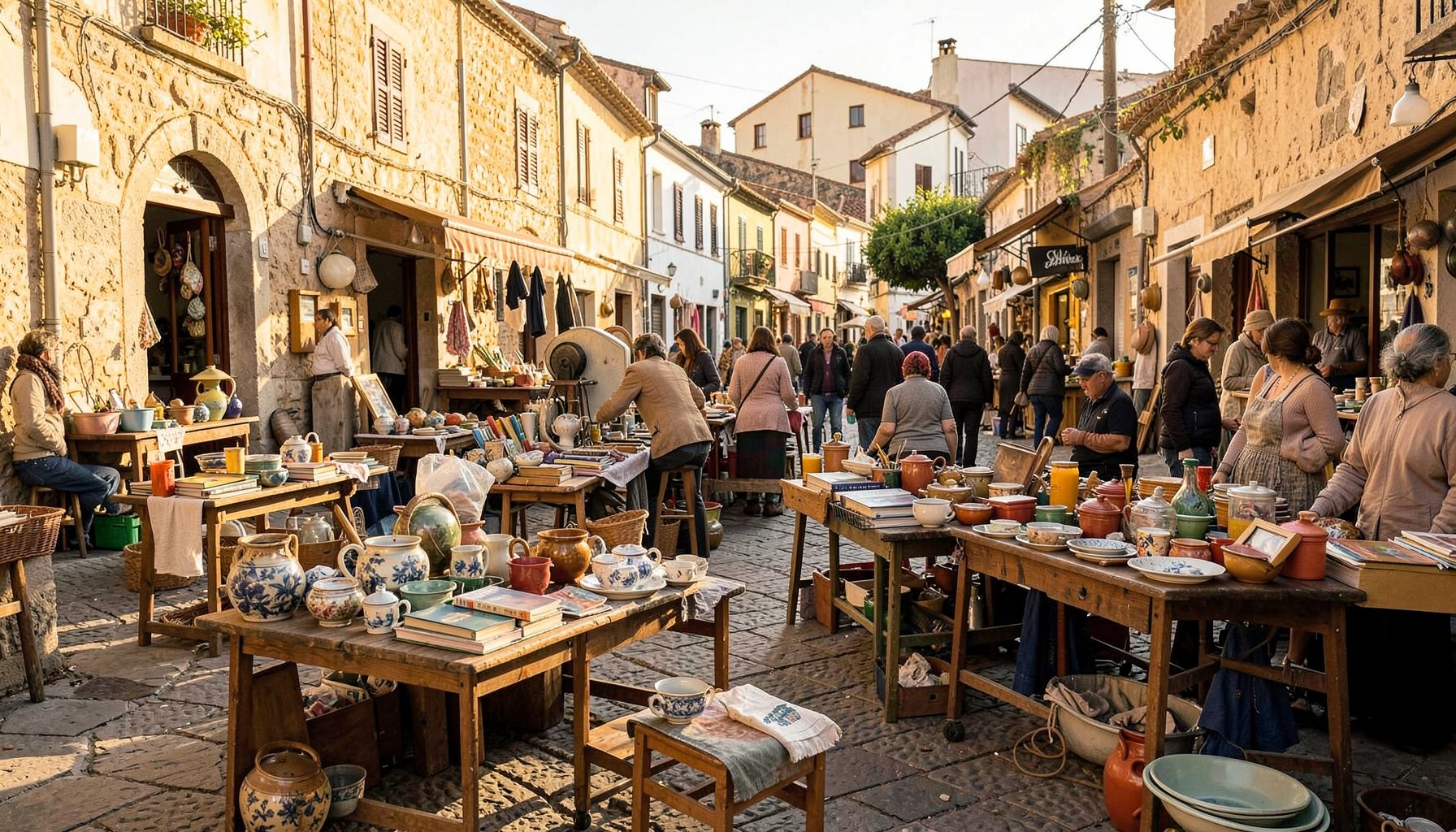
Browse local second-hand listings in the Agudo area. A convenient marketplace for buying and selling within the community.
Explore our directory of recommended links, including the Ayuntamiento de Ciudad Real, Lagunas de Ruidera, Parque de Cabañeros, Agudo Joven, and Balneario Cervantes.
Access practical tools including Prensa links, radio, horóscopo, Loterías results, a leisure guide, recipes, a dictionary, and Street View integration.
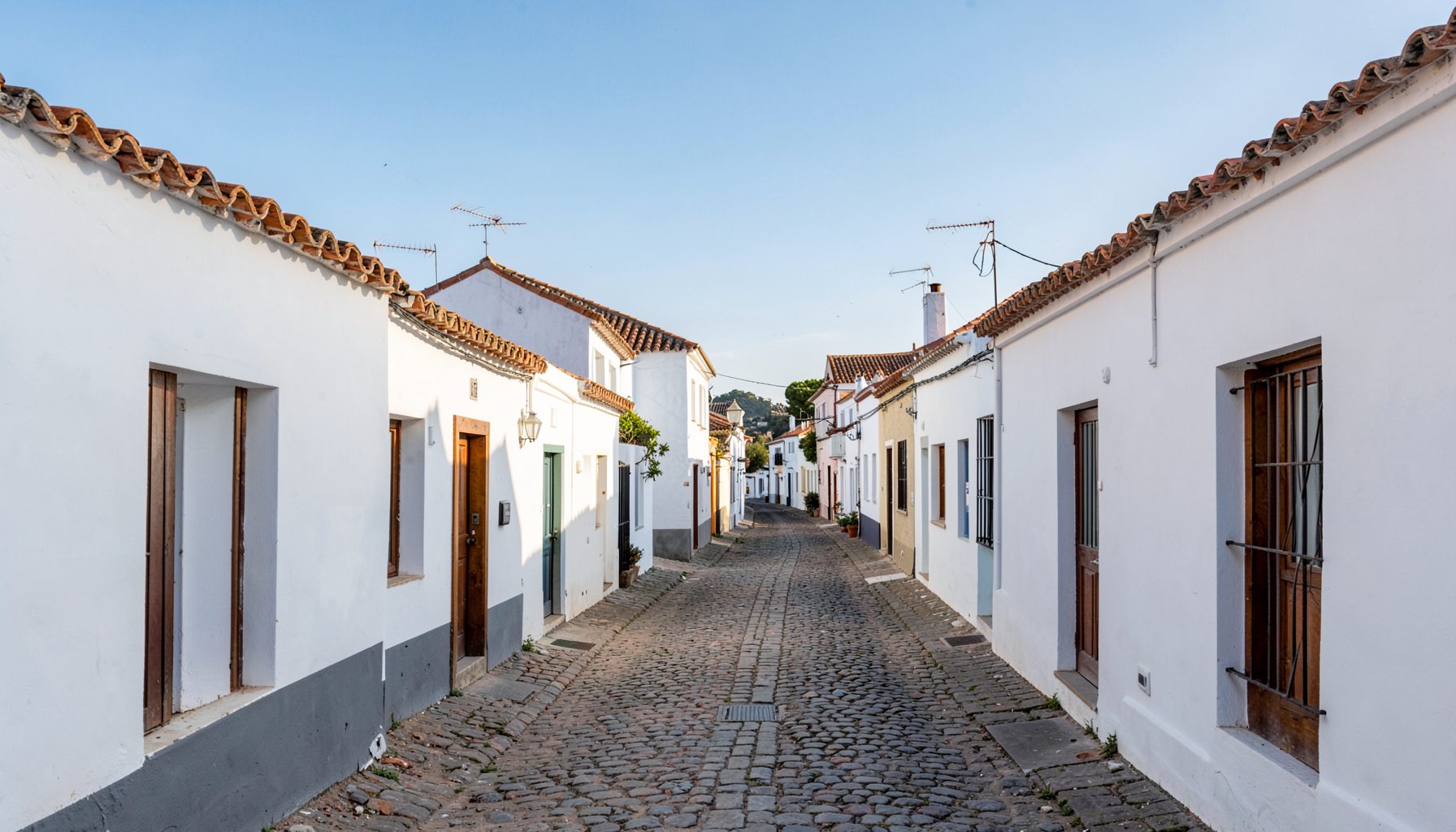
Watch videos showcasing Agudo and the surrounding region. A visual tour of local life, landscapes, and community events.