Stay informed with local news updates covering Agudo and the surrounding region. Browse the Hemeroteca for past articles and keep up with what matters in the community.
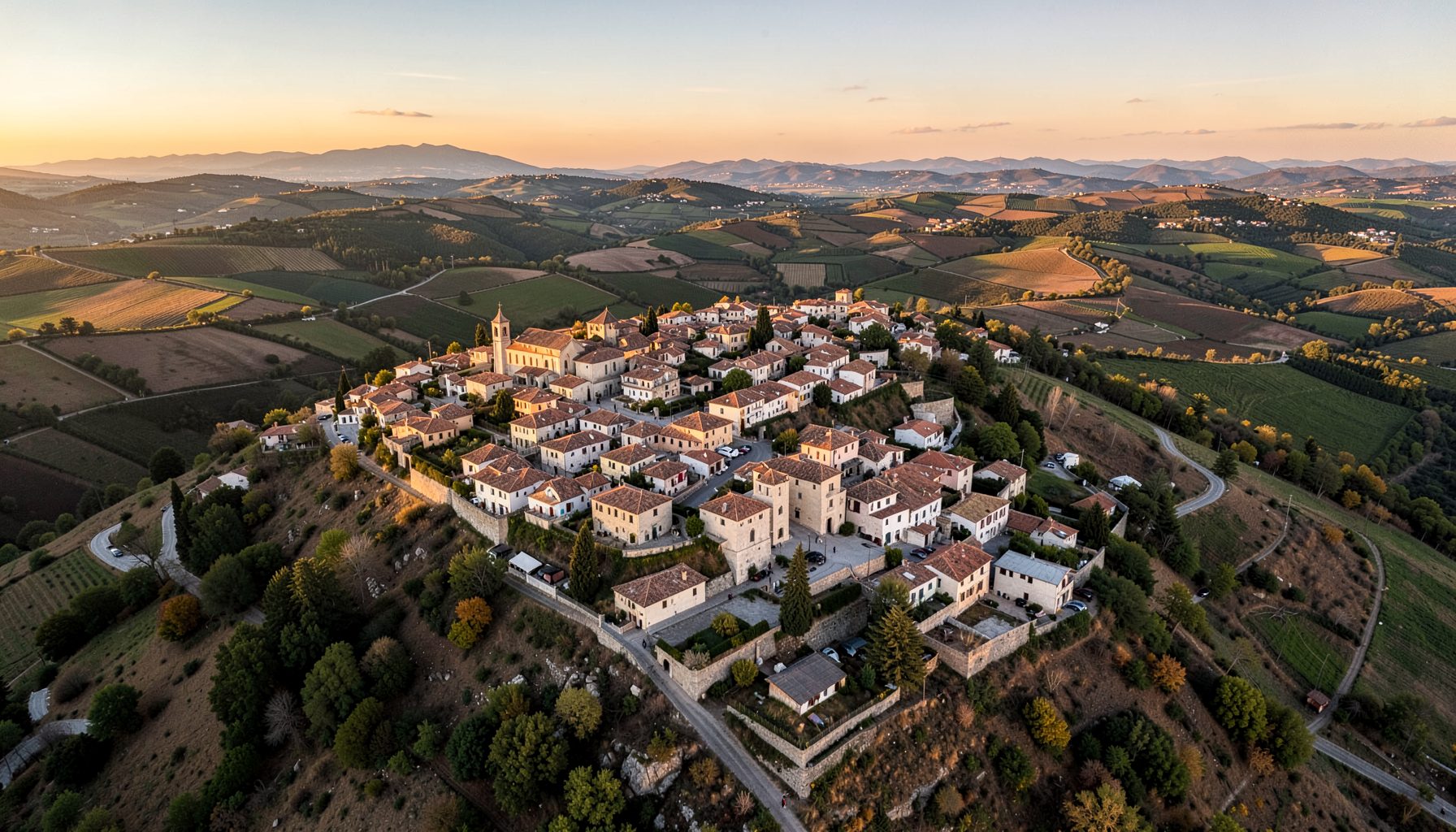
Agudo Town Hall has invited residents to a public meeting focused on the future of the old cinema, a building that has long formed part of the town’s shared cultural landscape. The gathering will give neighbours an opportunity to hear about the municipality’s plans, raise concerns and suggest practical uses for the premises.
The former cinema has attracted renewed attention because of its central location, its memories for several generations and the need to decide whether it should be restored, adapted or given a new purpose. The meeting is expected to bring together local officials, residents, associations and people with an interest in Agudo’s cultural and community life.
For many residents, the discussion goes beyond the condition of an unused building. It is also about how the town can protect its local identity while creating a useful space for education, entertainment, meetings and activities throughout the year.
The cinema is remembered by residents who spent afternoons and evenings there watching films, attending school activities or meeting friends. In smaller towns, venues of this kind often serve as more than entertainment spaces. They become part of the social history of the community, linking personal memories with the wider story of local life.
Its future may also influence the appearance and vitality of the surrounding area. A building that remains closed can contribute to a sense of decline, while a carefully planned renovation could bring regular activity to the town centre. Even modest programming, such as film screenings, talks or exhibitions, could make the site relevant again.
The public meeting gives the community a formal setting to discuss these possibilities. It also allows the town hall to explain what has already been studied, what funding may be available and which limitations could affect the project.
The session is likely to focus on the building’s current condition, possible renovation work and the kind of public service the cinema could provide in the future. Residents may hear about structural needs, accessibility, heating, electrical systems and the cost of bringing the premises back into regular use.
A central issue will be the building’s purpose. Some neighbours may support a traditional cinema, while others may prefer a multipurpose cultural centre with space for theatre, music, workshops, local meetings and community events. A flexible model could allow the venue to serve different age groups and organisations across the year.
The meeting should also clarify how residents can contribute after the initial discussion. Public consultation is most effective when ideas are recorded, assessed and followed by clear information about the next stages, including technical studies, budgets, applications and decisions by the municipal authorities.
| Possible direction | Potential value for the community | Points requiring attention |
|---|---|---|
| Restore the cinema for film screenings | Preserves the building’s original identity and creates a regular leisure activity | Equipment, operating costs and audience demand |
| Convert it into a cultural centre | Supports workshops, exhibitions, theatre and local associations | Renovation design and management arrangements |
| Create a multipurpose venue | Allows different activities to share one accessible space | Scheduling, storage and sound requirements |
| Develop a mixed public and community use | Combines cultural programming with meetings and educational activities | Long-term funding and responsibility for daily operation |
A renewed venue could host local history displays, photography exhibitions, book presentations and talks about the area around Agudo. The building could also provide a home for creative workshops, including painting, music, crafts and activities for children during school holidays.
Schools and youth groups may benefit from a reliable indoor space for performances, film education and collaborative projects. A community venue could support learning outside the classroom while giving young people a reason to participate in local cultural life.
The old cinema might also help local associations coordinate their activities. Groups working in sport, heritage, neighbourhood affairs or social support often need affordable places to meet. A shared venue could reduce duplication and encourage cooperation between organisations.
The success of any future plan will depend on regular use. A restored building needs a realistic programme, clear management and a budget for maintenance. Community enthusiasm can start a project, but long-term viability requires careful planning and a commitment to keeping the space active.
One of the most important questions concerns the scale of investment. Residents will want to know whether the town hall can finance the work alone or whether it will seek support from the provincial government, regional programmes or cultural development funds. The answer may determine how quickly the project can proceed.
Accessibility should also be central to the conversation. Any future public venue should be usable by people with reduced mobility and should provide safe entrances, suitable toilets, clear circulation and comfortable seating. Modernising the building is an opportunity to remove barriers that may have limited participation in the past.
Energy efficiency is another practical consideration. Improvements to insulation, lighting and heating could reduce running costs, particularly if the venue is used throughout the year. Decisions about technical systems should be made alongside the cultural vision rather than treated as a separate matter.
Management is likely to be just as important as construction. The town hall may consider direct municipal operation, cooperation with local associations or a mixed model involving volunteers and professional support. Each option would affect programming, opening hours, ticketing and responsibility for the premises.
The discussion comes at a time when many small municipalities are looking for ways to maintain services and strengthen connections between residents. A public building can contribute to that effort when it is designed around the actual needs of the community rather than a single occasional function.
The old cinema could become a meeting point for long-term residents, younger families, people who have returned to Agudo and those who live nearby. Activities that bring different generations together can help preserve local memories while creating new ones.
Community participation is already visible in other areas of town life. Residents interested in supporting local safety and public service can find opportunities through initiatives such as free firefighter training, showing how volunteering can strengthen practical services as well as social ties.
The future of the cinema should therefore be considered as part of a wider local strategy. Cultural facilities, volunteer groups, schools, sports clubs and neighbourhood organisations can reinforce one another when they have places to meet and a clear way to collaborate.
Residents who attend can make the discussion more productive by arriving with specific ideas and realistic priorities.
People who cannot attend may still be able to send comments through the town hall or follow later announcements about the consultation. Residents should check official municipal communication for the meeting’s confirmed date, time, location and any arrangements for submitting written proposals.
The most useful contributions will connect aspirations with practical details. Suggesting a film club, for example, becomes more valuable when accompanied by ideas about frequency, equipment, volunteers, partnerships and likely audiences. The same applies to proposals for theatre, training or community meetings.
The gathering is an opportunity to establish shared priorities before major decisions are made. A respectful exchange between the town hall and residents can help identify common ground, reveal concerns early and create a stronger basis for any future investment.
Agudo’s old cinema has the potential to become active again, but its next chapter will depend on informed participation and a plan that reflects local realities. Residents, associations and former neighbours who care about the town’s heritage should follow the announcement, attend the public meeting where possible and make their views part of the record.
Stay informed with local news updates covering Agudo and the surrounding region. Browse the Hemeroteca for past articles and keep up with what matters in the community.
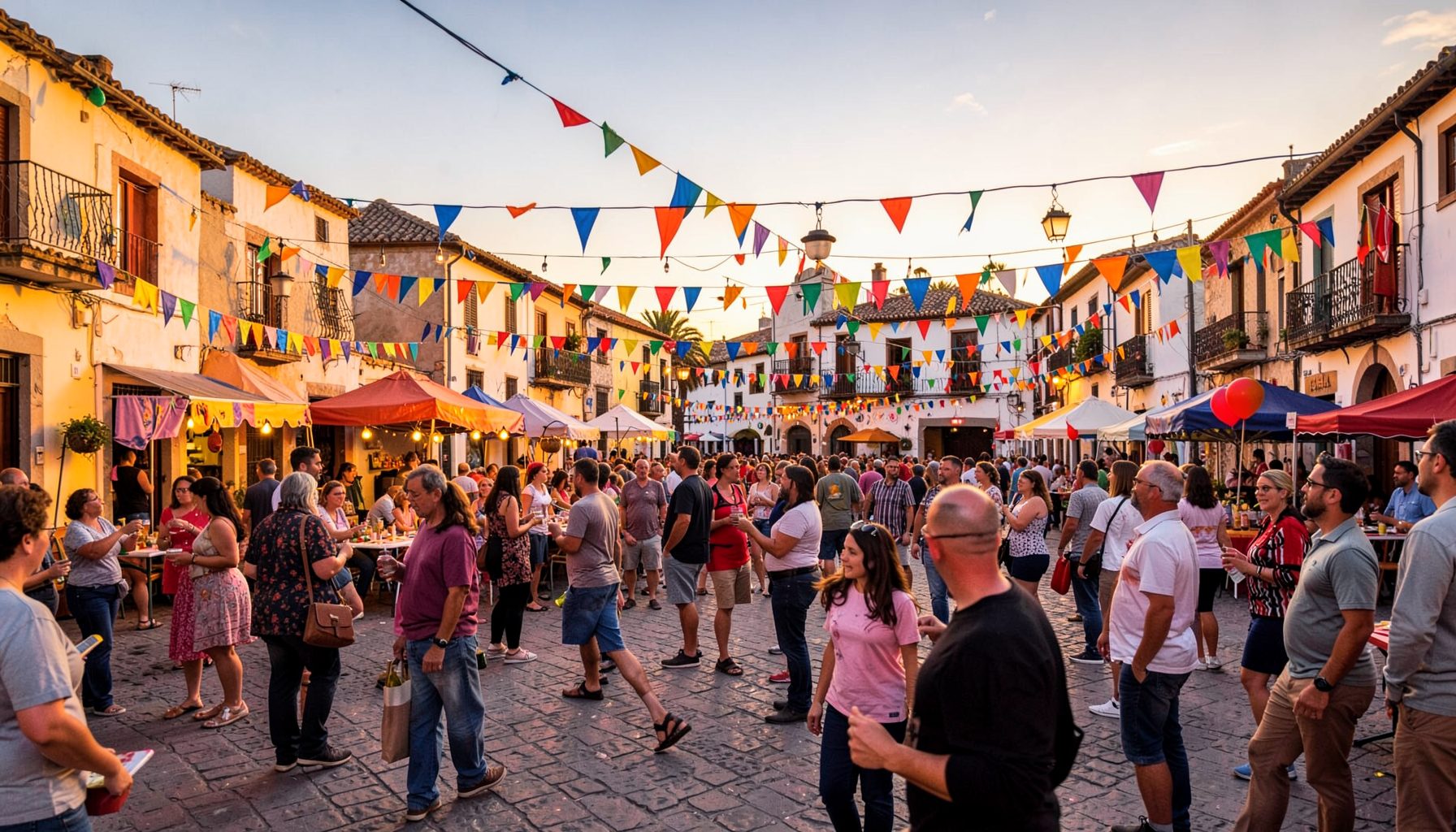
Join the conversation in the Agudo community forums. Access the Foro antiguo archive and participate in discussions with fellow residents and visitors.
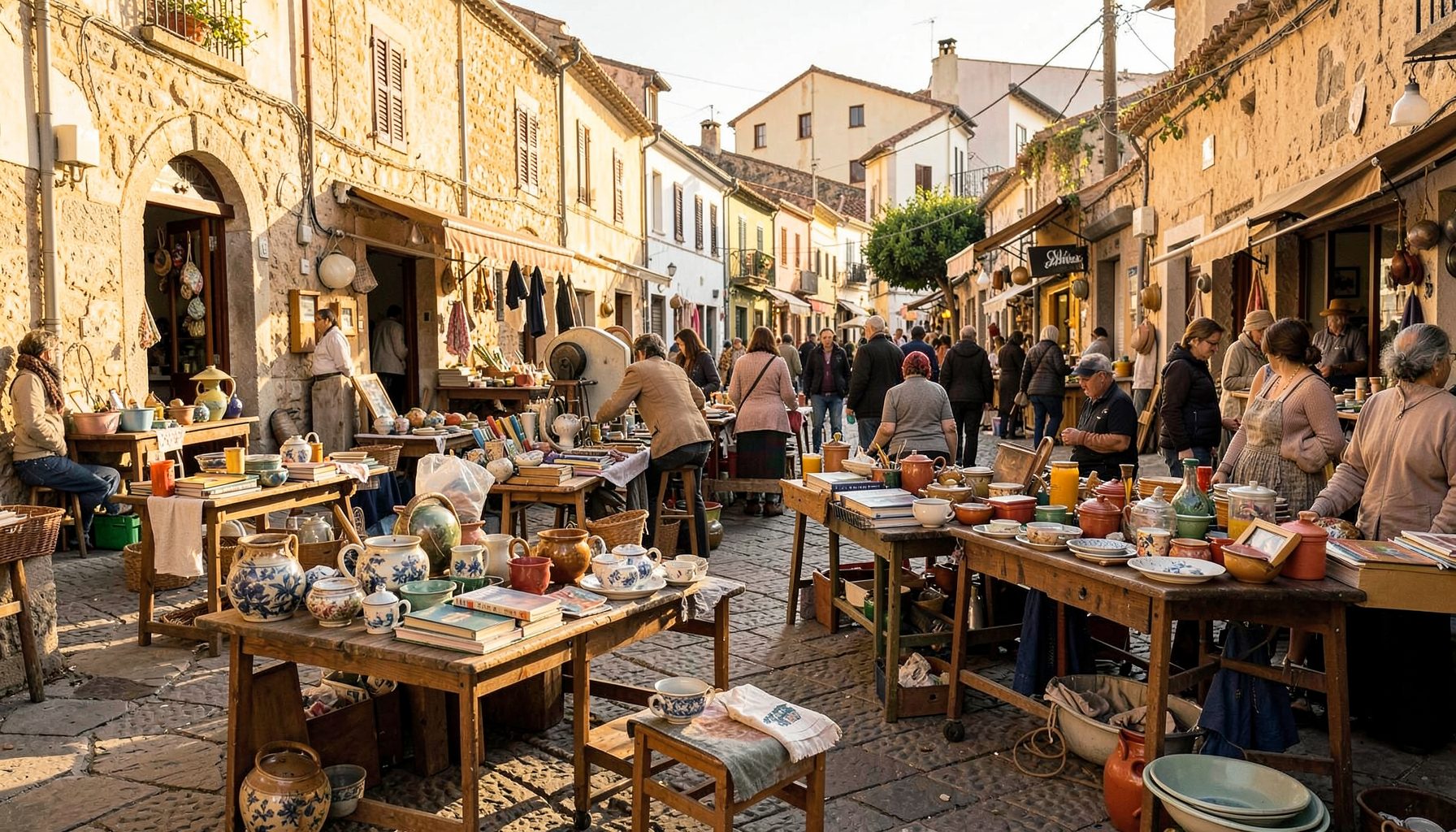
Browse local second-hand listings in the Agudo area. A convenient marketplace for buying and selling within the community.
Explore our directory of recommended links, including the Ayuntamiento de Ciudad Real, Lagunas de Ruidera, Parque de Cabañeros, Agudo Joven, and Balneario Cervantes.
Access practical tools including Prensa links, radio, horóscopo, Loterías results, a leisure guide, recipes, a dictionary, and Street View integration.
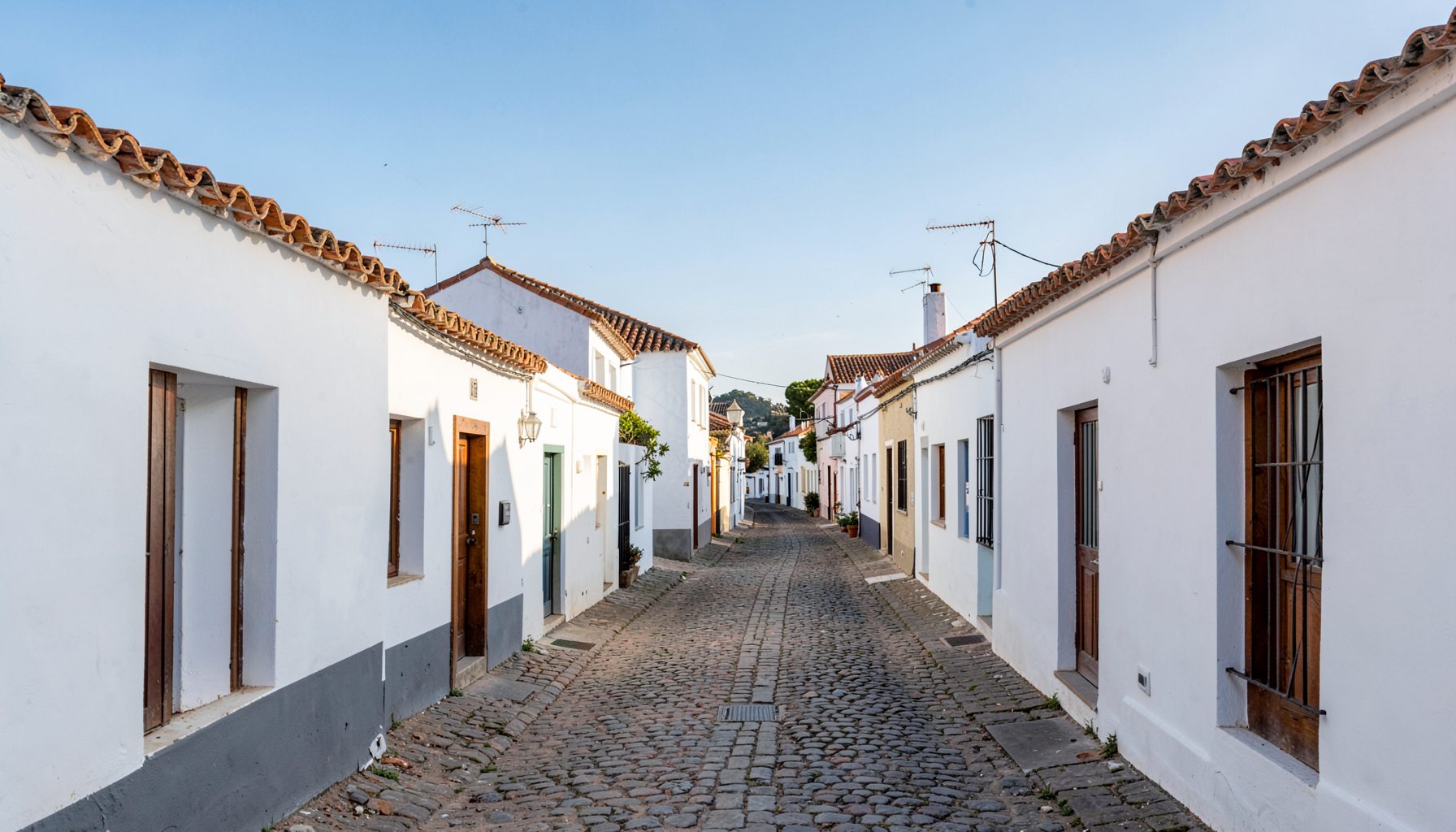
Watch videos showcasing Agudo and the surrounding region. A visual tour of local life, landscapes, and community events.