


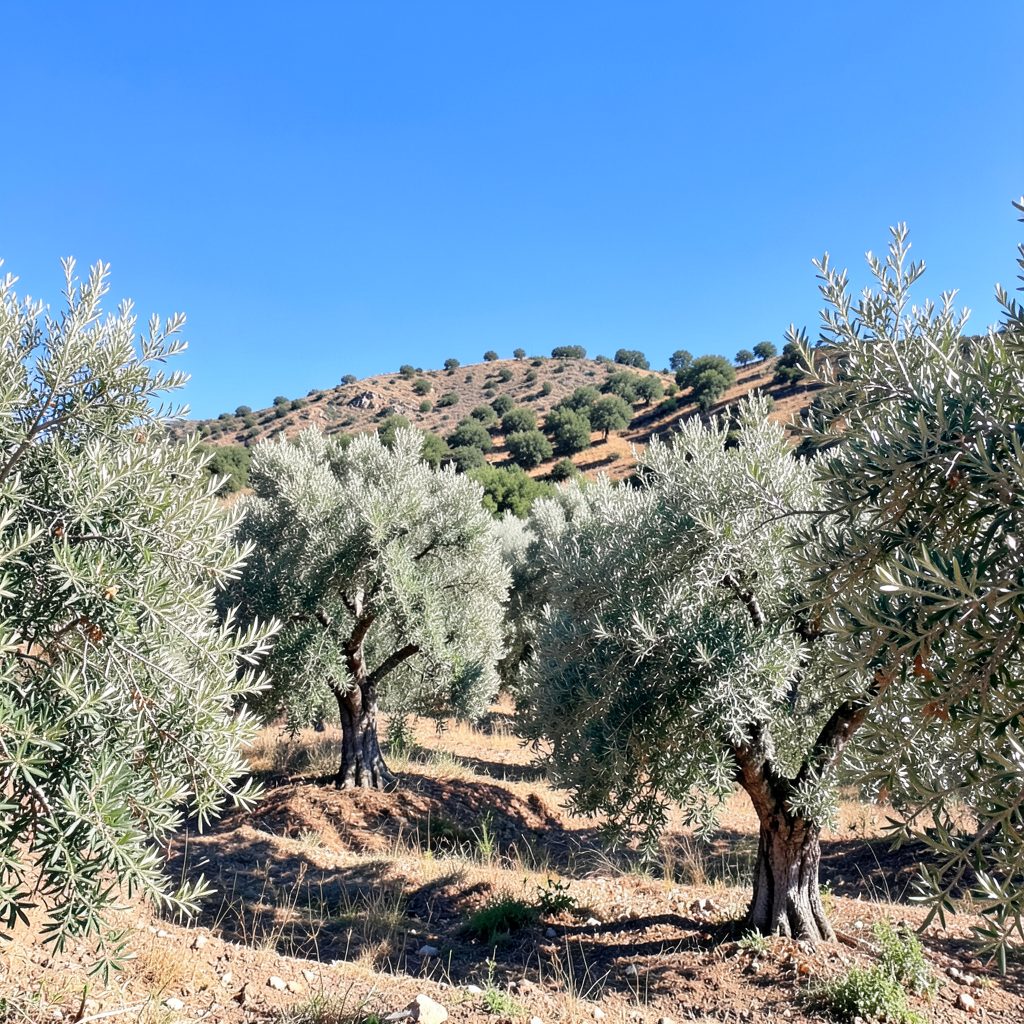
Stay informed with local news updates covering Agudo and the surrounding region. Browse the Hemeroteca for past articles and keep up with what matters in the community.
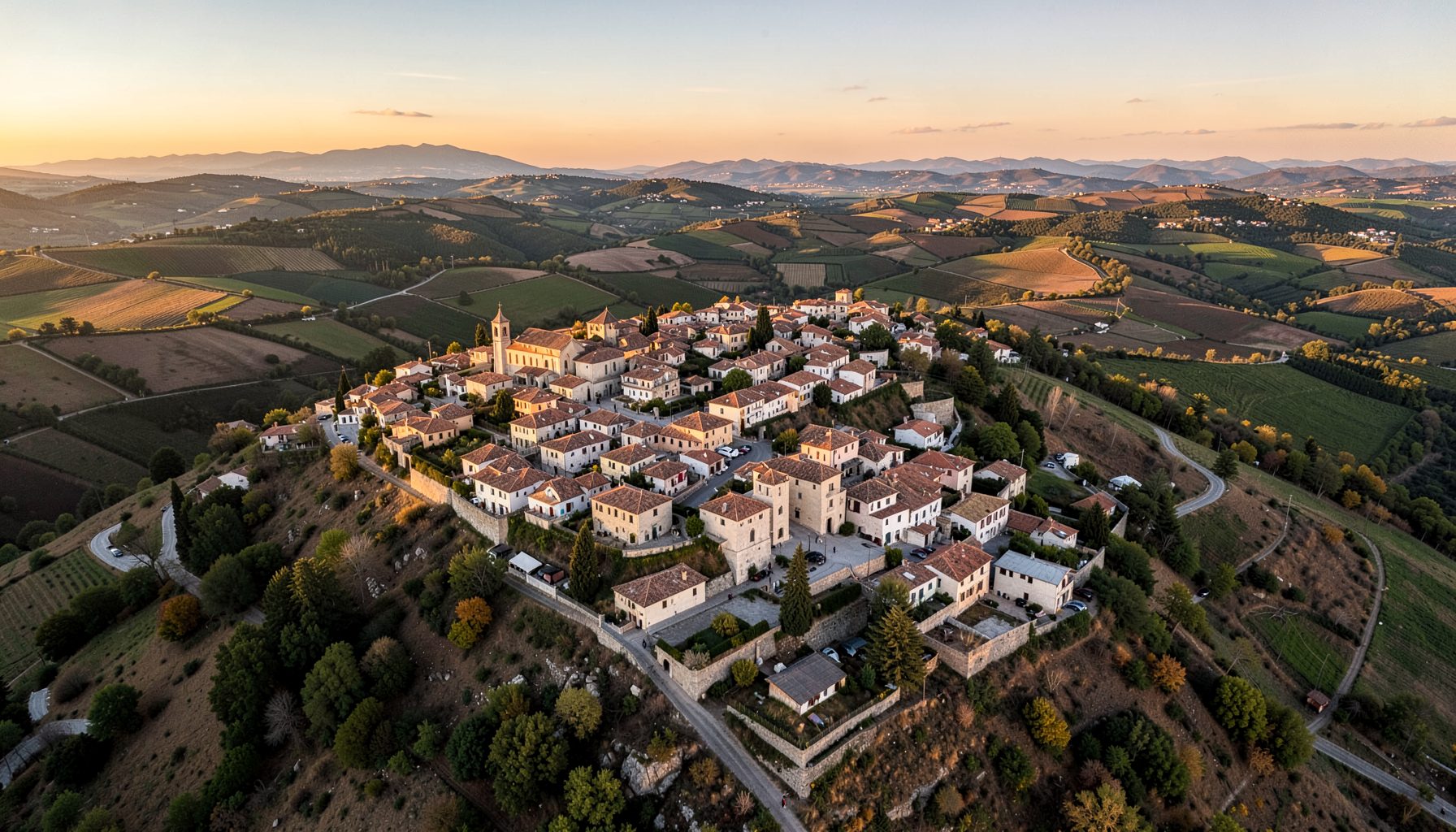
Agudo Town Hall is installing solar panels on the roof of the municipal swimming pool changing rooms, adding a renewable energy system to one of the community’s most heavily used summer facilities. The project is intended to reduce electricity consumption, limit operating costs and make better use of the strong sunlight available across Ciudad Real.
The rooftop array will support the changing rooms and associated pool services during the bathing season, when demand is highest for lighting, water circulation, pumps and hot-water systems. For residents, the work represents a practical municipal investment rather than a distant environmental promise: lower energy use can help protect the budget for maintenance, safety and public recreation.
Municipal swimming pools have a distinctive energy profile. They may be quiet during winter, yet become intensive users of electricity when the weather warms and families spend long afternoons in the water. Changing rooms require lighting, ventilation and hot water, while filtration and pumping equipment must keep running to maintain hygiene standards.
Placing photovoltaic modules on the changing-room roof allows the council to use an existing surface without taking land away from gardens, parking or public activity areas. Solar generation will be greatest during the middle of the day, broadly matching the hours when the pool welcomes swimmers, sports groups and visitors.
That timing is relevant in Agudo, where hot summer conditions can extend the daily operating period. A solar installation can provide useful power when cooling, water treatment and visitor services are under the greatest pressure, while also making the facility less exposed to fluctuations in electricity prices.
The final output will depend on the number and efficiency of the panels, the roof’s orientation, shading, inverter capacity and the pool’s electricity demand. A technical assessment will also need to consider the structure, waterproofing, access for maintenance and the safe routing of cables into the building.
The project may initially operate as a grid-connected system, sending surplus electricity into the municipal network when production exceeds immediate demand. If the council later adds batteries, excess daytime generation could be stored for evening lighting, security systems or early-morning preparation before the pool opens.
For local users, the benefits will be measured over time rather than noticed as a new feature at the entrance. Useful indicators include annual kilowatt-hours generated, the percentage of consumption covered by solar power, avoided emissions and the change in the pool’s electricity bill. Clear reporting would help residents see how a modest public works project performs across several seasons.
An Australian comparison is easy to understand. Councils in places such as Newcastle, Geelong and Logan have made rooftop solar familiar at leisure centres, libraries and sporting pavilions. Australian households often talk about “putting the panels to work” during the middle of the day, and the same principle applies to Agudo’s pool: generate power while the facility is active.
Energy is only one part of a swimming pool’s annual costs, alongside water, chemicals, staffing, repairs, insurance and safety equipment. Savings from the roof will not remove those obligations, but they can create room in the operating budget for essential work. Over the life of the panels, predictable generation may also help the council plan expenditure with greater confidence.
| Area | Likely effect of the rooftop system | Why it matters locally |
|---|---|---|
| Electricity use | More daytime demand covered by on-site generation | Pool operations become less dependent on purchased power |
| Operating costs | Potential reduction in utility bills | Funds may remain available for maintenance and safety |
| Emissions | Lower reliance on electricity from fossil-fuel generation | Supports a cleaner municipal service |
| Public education | A visible example of renewable energy | Gives schools and community groups a practical learning point |
| Long-term planning | Better data on consumption and generation | Helps guide future council energy projects |
The financial result will depend on installation costs, grants, electricity tariffs, export arrangements and maintenance. Spain’s high solar resource gives the project a strong natural advantage, but good performance still requires regular checks of the inverter, wiring, panel surfaces and roof condition.
That long-term view is familiar in the Australian market, where rooftop solar is often assessed through payback periods, feed-in tariffs and household electricity rates. A council project has a wider purpose: the return includes community use, emissions reduction and a more resilient public building, as well as the direct saving on power purchased from the grid.
The new system should not disrupt the ordinary experience of using the pool once construction and commissioning are complete. Visitors will continue to rely on familiar facilities, including changing areas, showers and access arrangements, while the panels quietly generate electricity above them.
The project may also give local schools, youth groups and community organisations a useful way to discuss climate, engineering and public spending. A simple display showing daily generation or yearly savings could connect the infrastructure to everyday life, just as Australian councils sometimes use signs at aquatic centres to explain water recovery or solar performance.
Community facilities work best when they support more than one purpose. The pool is a place for exercise, social contact, swimming lessons and summer relief. Its energy upgrade can sit alongside those roles without changing the character of the site.
The installation also belongs to a broader pattern of community activity in Agudo. Residents who follow local events, sports and municipal updates can see how public investment affects daily life; for example, the town’s youth football progress shows the same community interest in facilities that bring people together.
The council’s communication will be important from the first roof inspection through to final connection. Residents should be able to find basic information about the timetable, any temporary changes to access, the expected capacity and the contractor responsible for the work. Straightforward updates can prevent confusion during the busy bathing season.
Useful public information could include:
The project should also be coordinated with the pool’s opening calendar. In Australia, councils often plan noisy or disruptive works around school holidays, weekend competitions and the busiest summer periods; a similar approach would help Agudo protect swimming lessons, recreational sessions and visitor access.
Once the system is operating, regular monitoring will show whether it is performing as designed. Residents may be interested in a yearly summary published through the town’s information channels, especially if it explains the figures in plain language rather than presenting technical data without context.
For local households, the project can provide a useful reference when considering solar at home. The conditions are different from those in a detached house in Perth, regional Victoria or Queensland, yet the questions are familiar: how much roof space is available, when is electricity used, what maintenance is required and how quickly can the investment repay itself?
The municipal pool’s rooftop upgrade is therefore a small but visible step in Agudo’s energy planning. It links public recreation with responsible resource use and gives the town a chance to turn abundant sunshine into a direct service for residents. Follow the council’s notices and local community coverage to see when the installation is completed, how much power it generates and what it contributes to the next swimming season.
Stay informed with local news updates covering Agudo and the surrounding region. Browse the Hemeroteca for past articles and keep up with what matters in the community.

Join the conversation in the Agudo community forums. Access the Foro antiguo archive and participate in discussions with fellow residents and visitors.
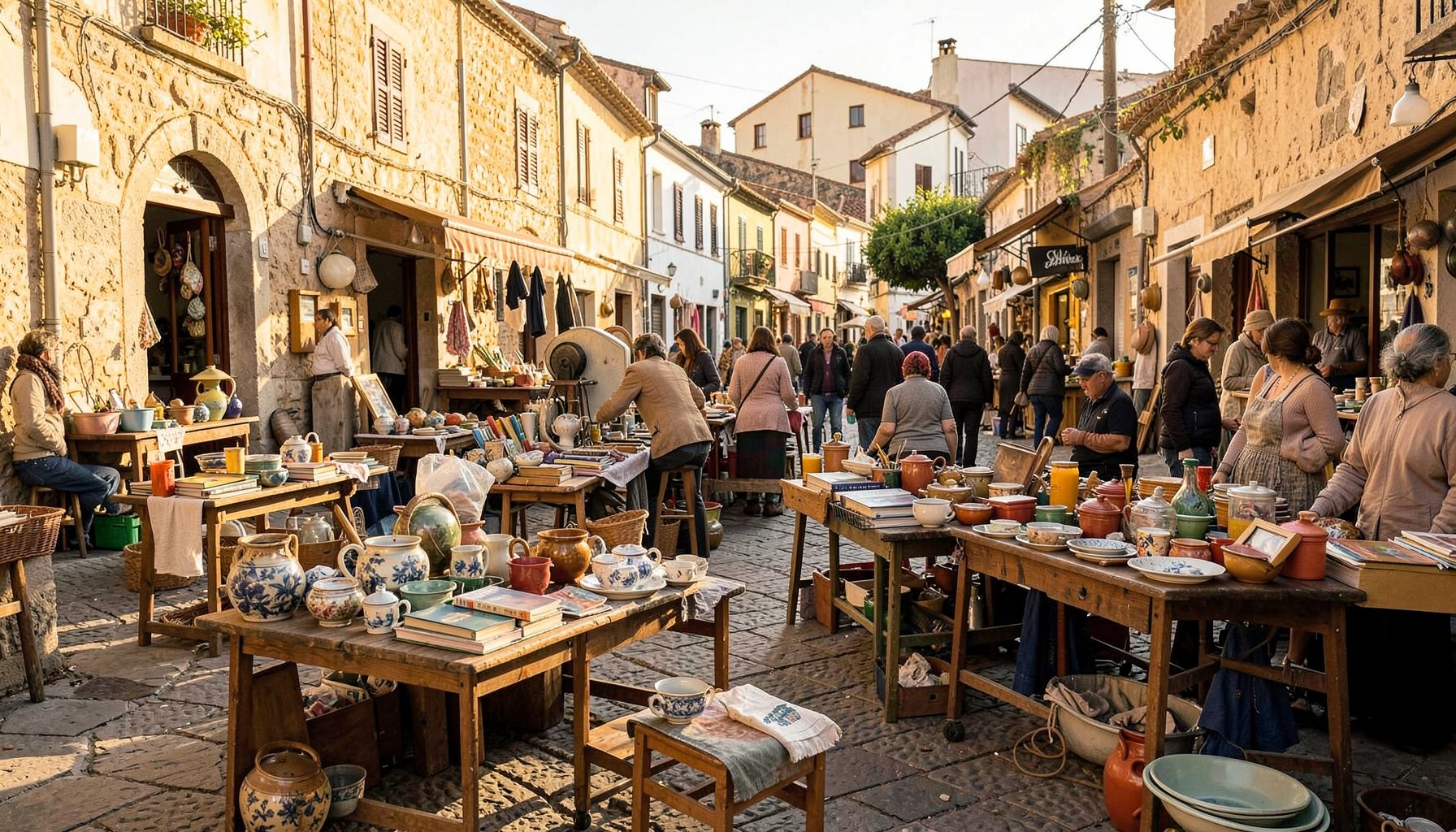
Browse local second-hand listings in the Agudo area. A convenient marketplace for buying and selling within the community.
Explore our directory of recommended links, including the Ayuntamiento de Ciudad Real, Lagunas de Ruidera, Parque de Cabañeros, Agudo Joven, and Balneario Cervantes.
Access practical tools including Prensa links, radio, horóscopo, Loterías results, a leisure guide, recipes, a dictionary, and Street View integration.

Watch videos showcasing Agudo and the surrounding region. A visual tour of local life, landscapes, and community events.