
Stay informed with local news updates covering Agudo and the surrounding region. Browse the Hemeroteca for past articles and keep up with what matters in the community.
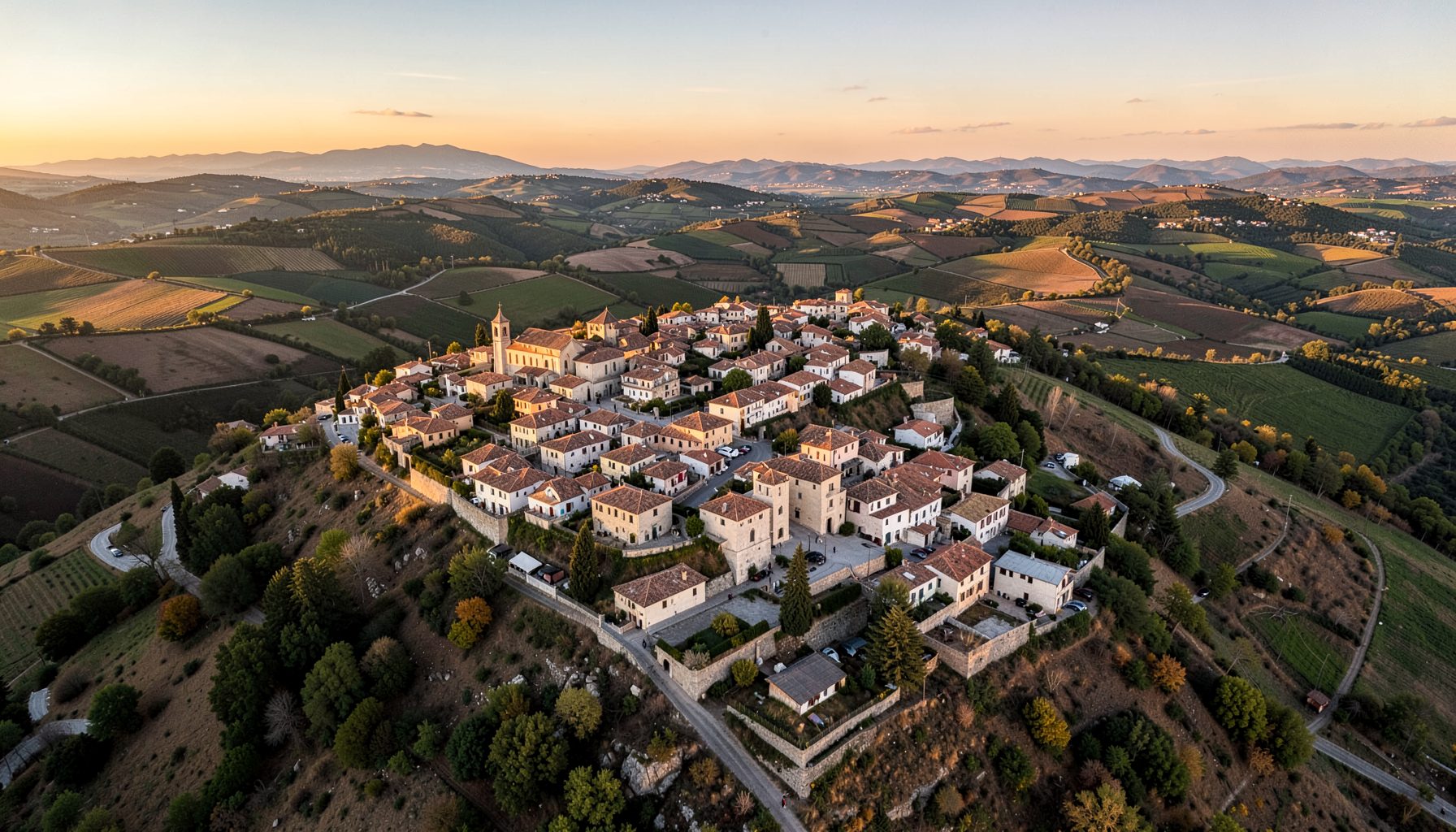
The municipal government of Agudo, in the southern reaches of Ciudad Real province, has finished fitting a water-saving irrigation network in two of the most visited public areas of the town: the rose garden beside the Paseo de la Estación and the natural-grass football pitch used by CD Agudo and the youth academy. The upgrade, completed in late summer, replaces overhead sprinklers that locals had complained about for years because of dry patches, scorched petals and water drifting onto the adjacent pavement. Councillor for public works María Jesús García presented the finished installation to residents at the last pleno and described it as the kind of small but persistent change that compounds over a decade.
Castilla-La Mancha has lived through enough droughts to make water-conscious public works a political as well as an environmental priority. In a region where reservoirs along the Guadiana basin have shrunk to worrying levels, towns of all sizes are looking for savings that do not feel punishing to daily life. Replacing a sprinkler that throws ten litres a minute with a drip line that trickles two litres straight to a plant root is the kind of swap that, across a whole municipality, can keep a council's water budget afloat during a bad August. Australian readers will recognise the thinking: from the Murray-Darling Basin plan to Perth's permanent watering rules, the conversation about how to keep parks green while rivers run low has been part of public life for decades.
The change also matters because the rose garden sits next to the weekly market and the football pitch hosts training on four evenings a week, so the volume of foot traffic that depends on healthy turf is unusually high for a town of around 1,800 people. Keeping both spaces attractive is not just horticultural vanity. It is part of how Agudo presents itself to seasonal visitors and to the families who drive in from nearby Almadén, Abenójar and Valdemanco del Esteras.
For most of the past twenty years the rose garden relied on a single impact sprinkler mounted on a tripod, fed from a hose connected to the mains. The same approach watered the football pitch through a set of popup heads installed in 2009, before drip technology was common in small-town budgets. Councillors heard repeatedly from rosarians that crown fungus had crept into older beds and that newer hybrid teas were losing leaves during July heatwaves. Groundskeepers, for their part, reported that popup heads kept cracking under the weight of maintenance tractors and that the football pitch was either bone dry or waterlogged depending on which day the timer went off.
The decision to move to drip irrigation was accelerated by a 2024 audit of municipal water consumption, which showed that the rose garden alone used nearly a third of the council's non-potable allowance during peak summer. Engineers from a regional supplier proposed a system that filters water through a sand separator, doses it with a simple fertiliser injector and then sends it through pressure-compensating drip lines at a rate chosen to match the soil profile of each bed. The football pitch, where the profile is sandy and the roots shallow, needed a different design altogether.
Drip irrigation is not just slower sprinkling. It moves water through emitters spaced along a polyethylene tube, usually at one to four litres per hour, and lays it directly on the root zone rather than throwing it into the air where wind and evaporation steal half of it before it lands. In a Mediterranean summer like the one Agudo saw in 2025, with daytime temperatures hovering at 38°C and humidity dropping into single digits by mid-afternoon, that difference is not cosmetic. It is the gap between a bed of roses that flowers until November and one that goes dormant in August.
The system installed in Agudo also includes a soil-moisture probe and a smart controller mounted near the changing rooms. The probe reads volumetric water content at fifteen centimetres depth and blocks the next scheduled cycle if moisture is already adequate. Anyone who has dealt with Melbourne's smart gardens rebate scheme, where residents can claim money back on controllers that skip cycles after rain, will recognise the principle. The Agudo controller is simpler and cheaper, but the idea is the same: do not water when the soil already has enough.
The rose garden covers roughly 1,200 square metres and holds around 280 bushes, including a heritage corner planted by the local gardening club in 1998. The old sprinkler left the back row perpetually underwatered while drenching the front path. The new layout splits the garden into four zones, each fed by its own line and each with emitters chosen for the shrubs it serves. Hybrid teas in full sun get two-litre-per-hour emitters; older shrub roses in the partial shade of the holm oaks get one-litre emitters spaced further apart. A thin layer of mulch was added between bushes to slow evaporation from the surface.
Volunteers from the gardening club spent three Saturday mornings helping lay the tubing, which cut labour costs considerably and gave the club a sense of ownership. Members say they are already seeing deeper green foliage and that aphids, which used to explode in the wet-dry cycles of the old system, are easier to control because the leaves stay drier. The next step, council staff say, is to add a small weather station so the controller can delay cycles when humidity is forecast to rise sharply overnight.
For the football pitch the problem was different. CD Agudo plays in a regional league whose rules specify natural turf, and the pitch had become patchy and uneven, raising complaints from visiting teams. Replacing it with synthetic turf was considered and rejected on cost grounds. Drip irrigation under the playing surface, fed by a pumped line from the existing well that serves the changing rooms, was chosen as a compromise. The system uses a grid of drip tapes buried ten centimetres below the surface, with a flush valve at the far end so the lines can be cleaned once a season.
Coaching staff have been asked to keep off the pitch for the first three weeks after each watering cycle to let the roots follow the moisture down, which the agronomist describes as training the grass to drink deeper. The same logic is used by groundstaff at Adelaide Oval and at suburban grounds around Brisbane, where watering is timed to encourage deeper root growth and a more drought-tolerant sward. Early signs are promising: the centre circle, which used to brown out by mid-July, is holding colour into late August for the first time in several years.
The total bill for the rose garden and football pitch installations came in at just under 41,000 euros, of which the council covered 28,000 from its own infrastructure budget and the remainder came from a regional grant aimed at improving water efficiency in public spaces. Maintenance is expected to cost around 1,800 euros a year, compared with 3,400 euros under the old system, mainly because less water is being used and because there are no cracked popup heads to replace. Filter changes and an annual flush are the main ongoing tasks.
The three main approaches considered by the council are laid out below for comparison, with rough figures drawn from the supplier's quotes and the council's own monitoring.
| Feature | Overhead sprinklers | Drip lines | Soaker hoses |
|---|---|---|---|
| Water delivered per hour | High | Very low | Low |
| Targeting of root zone | Poor | Excellent | Good |
| Sensitivity to wind | High | Low | Low |
| Installation cost | Low | Moderate | Low |
| Yearly maintenance | Frequent | Occasional | Moderate |
| Suitability for football turf | Reasonable | Excellent | Limited |
The council has been transparent about the figures, partly because it wants to point to a working example when other small towns in the province ask whether the model is worth replicating. Councillor García has already hosted a visit from colleagues in Puertollano and is scheduled to speak at a meeting of the comarca's environmental officers in October.
Residents cannot operate the new controller, but they can help it succeed in several practical ways. The gardening club is drafting a short guide for anyone who wants to replicate a smaller version at home, and the council has agreed to share the supplier's contact details so that interested households can get a quote without paying for an initial consultation. A few simple habits, applied consistently, will keep both the rose garden and the football pitch looking good through the long, dry months that are now the rule rather than the exception in this part of Spain.
Practical steps for residents who want to support the new system:
Both projects are part of a wider conversation about how a town of Agudo's size can stay attractive without wasting a resource that is only going to become scarcer. The council has committed to publishing monthly water-use figures from the new system on the municipal noticeboard, and residents who want to follow the rollout or check details about other initiatives underway across the town can browse the full sitemap for news updates, event listings and contact information. Anyone curious about how local groups are organising themselves for community events, including the shopkeepers who recently came together to plan a Christmas shopping night event, will find plenty of activity in the news feed throughout the autumn.
Stay informed with local news updates covering Agudo and the surrounding region. Browse the Hemeroteca for past articles and keep up with what matters in the community.

Join the conversation in the Agudo community forums. Access the Foro antiguo archive and participate in discussions with fellow residents and visitors.
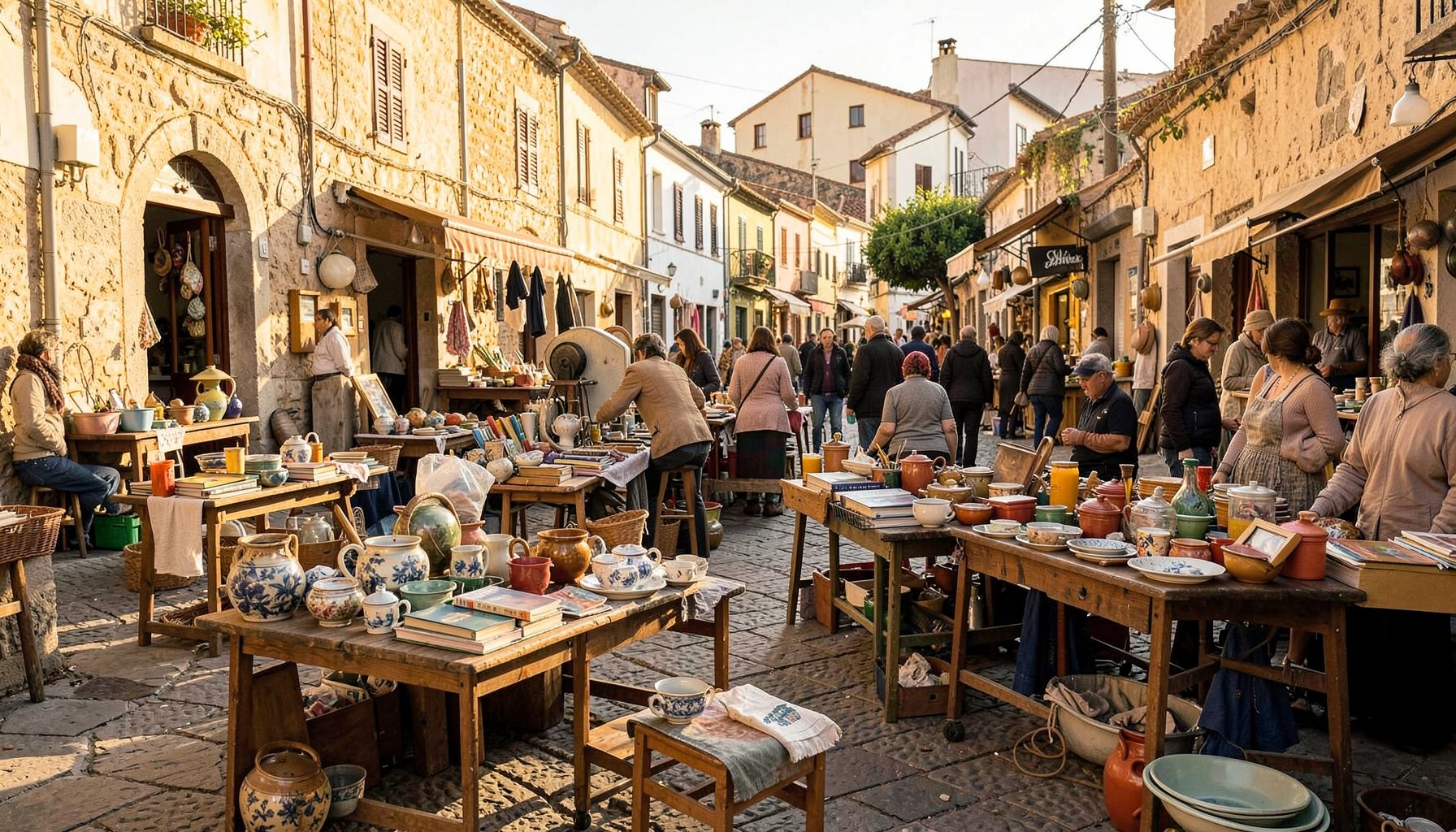
Browse local second-hand listings in the Agudo area. A convenient marketplace for buying and selling within the community.
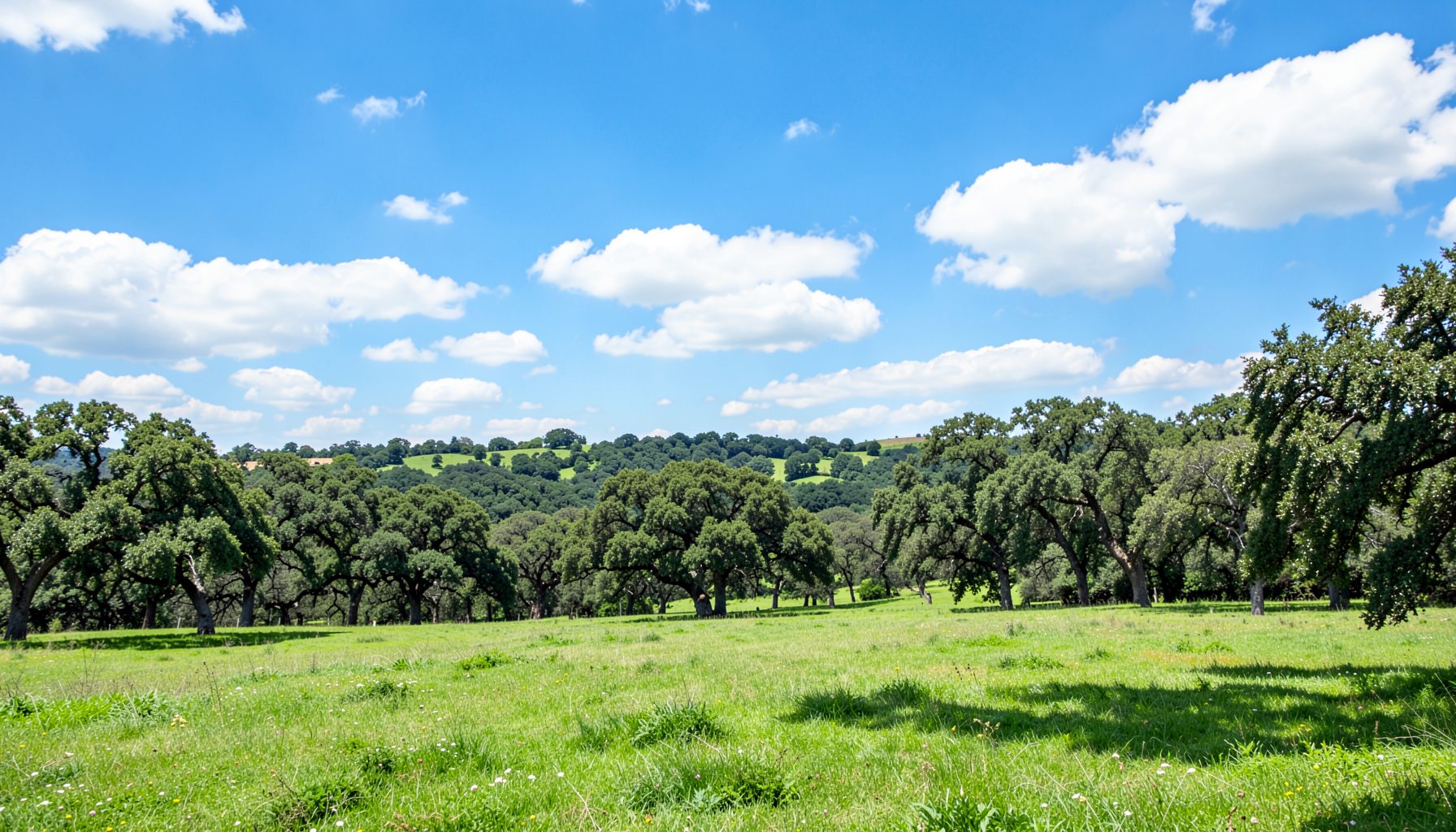
Explore our directory of recommended links, including the Ayuntamiento de Ciudad Real, Lagunas de Ruidera, Parque de Cabañeros, Agudo Joven, and Balneario Cervantes.
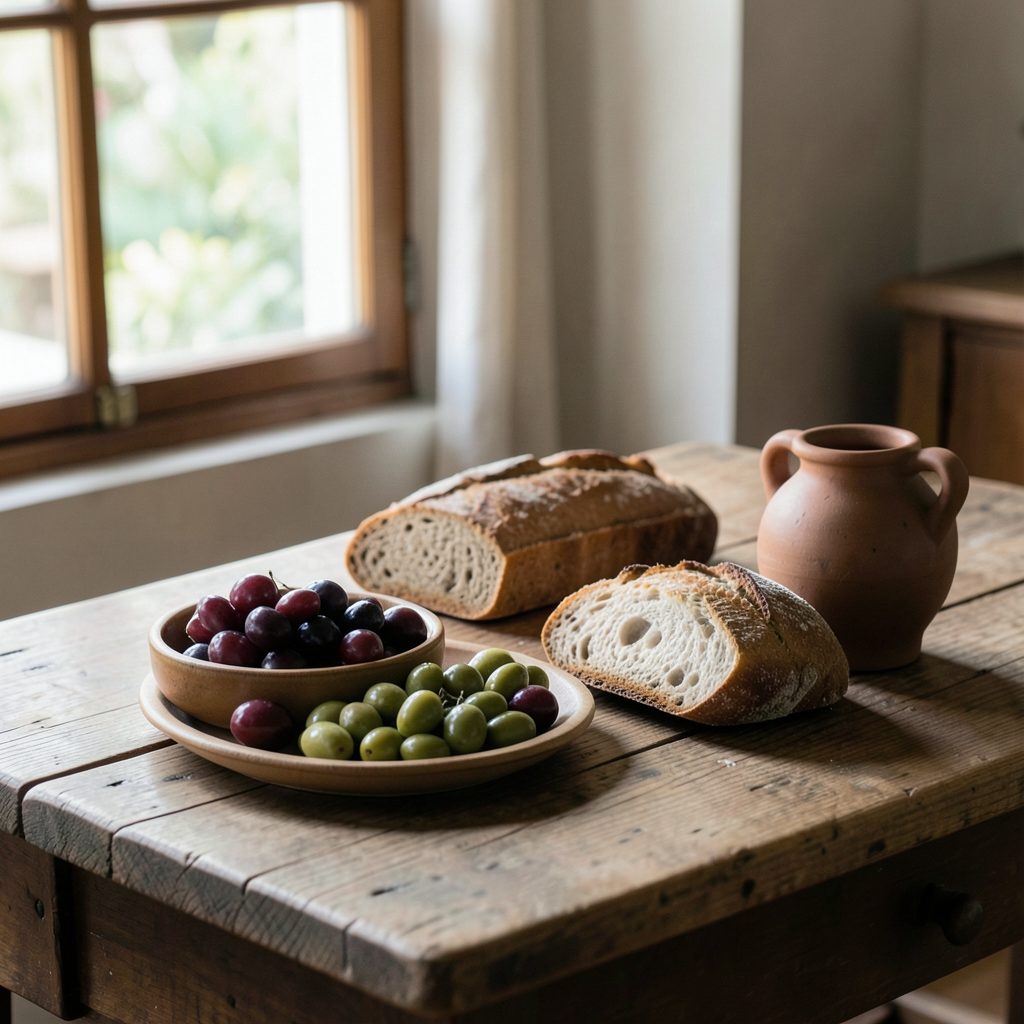
Access practical tools including Prensa links, radio, horóscopo, Loterías results, a leisure guide, recipes, a dictionary, and Street View integration.
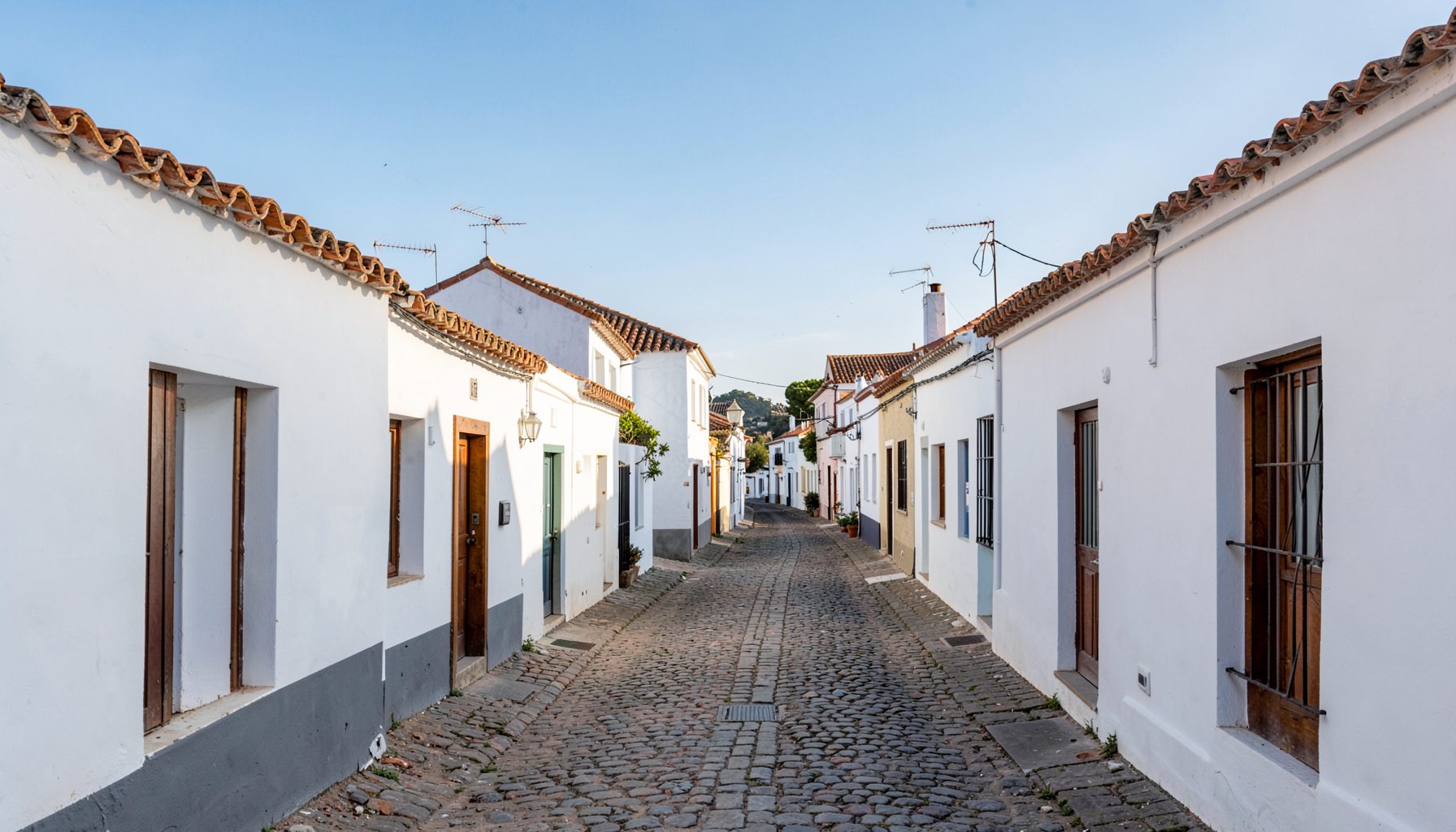
Watch videos showcasing Agudo and the surrounding region. A visual tour of local life, landscapes, and community events.