


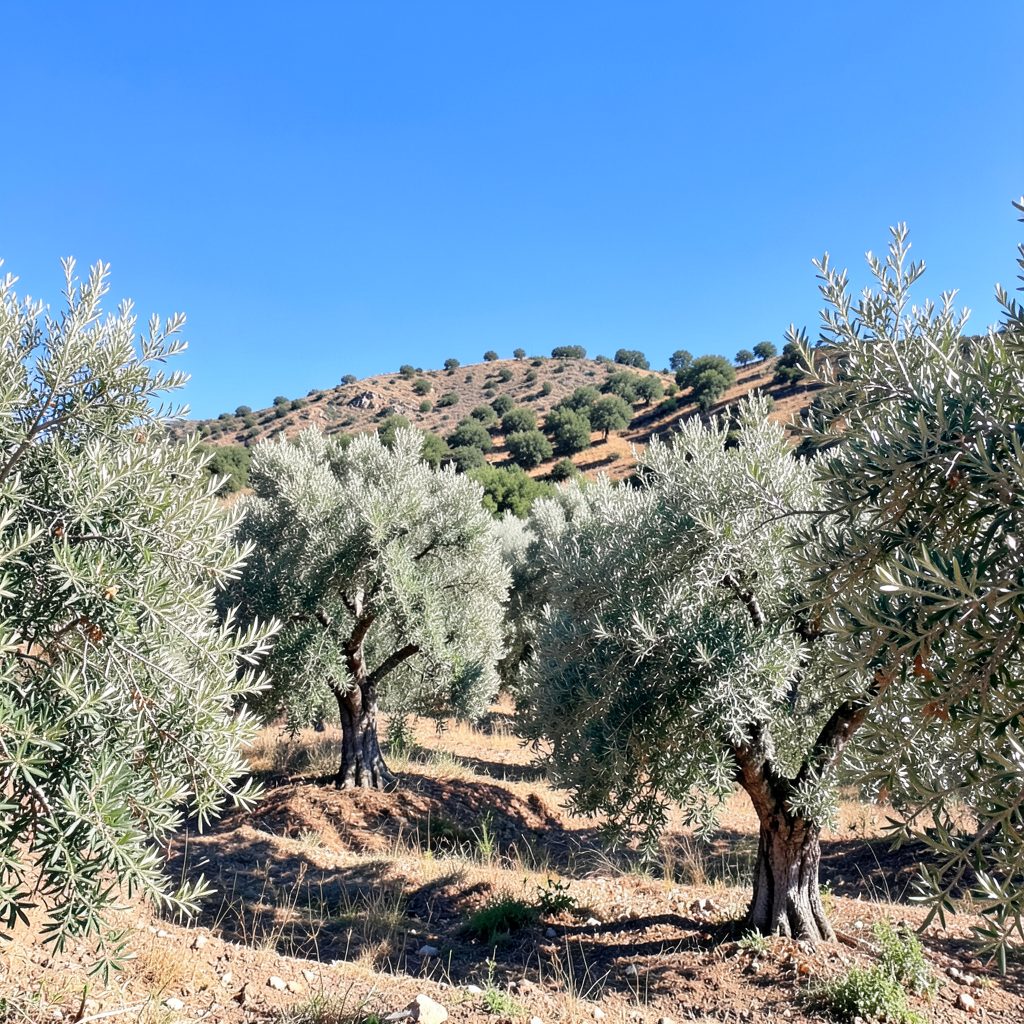
Stay informed with local news updates covering Agudo and the surrounding region. Browse the Hemeroteca for past articles and keep up with what matters in the community.

The council in Agudo has officially granted three new food truck licences for vendors who want to operate around the weekend market on Plaza del Ayuntamiento. The decision, ratified at the latest plenary session, opens the door for a wider range of street food in the area and follows several months of petitioning by residents and travelling cooks who already work the regional fair circuit across Castilla-La Mancha.
Local officials said the new permits respond to a steady increase in foot traffic on Saturday and Sunday mornings, when the market draws shoppers from surrounding hamlets as well as day-trippers from Almadén, Puertollano and even visitors passing through on their way to the sierras. The town hall is framing the expansion as a modest but meaningful step toward diversifying the commercial life of the centre, where many small shops have closed in recent years and where the lively buzz of weekend trading has gradually thinned out.
Below is a summary of the licences that have been authorised, including the proposed cuisine and the days each van intends to trade. The information comes from the council's urban planning office and may be updated once the trucks begin their first weekend rotations in the coming weeks.
| Vendor | Cuisine focus | Proposed trading days | Position on the plaza |
|---|---|---|---|
| La Carreta de Lucía | Slow-cooked regional stews and grilled meats | Saturday and Sunday | North side, near the fountain |
| Wok Garbanzos | Asian-inspired stir fries and bao buns | Friday evening, Saturday and Sunday | South entrance, by the olive tree |
| Dulce Valle | Artisan coffees, churros and pastries | Saturday and Sunday mornings | East corner, opposite the bakery |
The three operators were chosen from a pool of nine applicants, with priority given to those who offered a cuisine not already represented by the permanent stalls inside the market hall. Each licence is valid for twelve months and can be renewed, provided the operator keeps up with hygiene inspections and waste disposal rules set by the regional health authority.
In many ways, the way Agudo's town hall has handled this round of approvals mirrors the permit systems run by Australian local councils. In Melbourne, traders must apply to the City of Melbourne for a mobile food vehicle permit, which sets out where the van can park, how long it can stay and what kind of waste it must remove. Brisbane City Council runs a similar scheme, and trucks that want to operate in busy spots like King George Square or South Bank have to bid for slots during peak events such as Riverfire and the RNA Show.
Sydney's inner west councils, including the City of Sydney and Inner West Council, take a comparable approach, with designated zones around car parks, parks and markets. Vendors at The Rocks Markets and the Eveleigh Farmers Market have to comply with strict food safety plans, and the councils reserve the right to revoke permits if trucks block pedestrian access or leave oil spills on shared surfaces. Agudo's emphasis on keeping emergency exits clear and limiting grease runoff into the plaza's drains reflects the same priorities that food truck operators in beachside suburbs like Bondi, Manly and Glenelg deal with every weekend.
The licences do not come without strings. Operators have agreed to a checklist of conditions that will be reviewed at random intervals by municipal inspectors, often alongside officers from the Junta de Comunidades de Castilla-La Mancha. The rule book is similar in spirit to the food safety codes that Australian state governments enforce through their local councils.
Failure to meet any of these conditions can lead to an on-the-spot fine of up to €1,500 and the immediate suspension of the licence. The penalties are roughly in line with what an operator trading illegally at St Kilda Beach or in Brisbane's West End could expect from Australian authorities, where fines often reach several thousand dollars and trucks can be impounded.
Anyone who has spent a Saturday morning wandering through Queen Victoria Market in Melbourne, the Salamanca Market in Hobart or Mindil Beach Sunset Market in Darwin knows that food trucks thrive where there is a slow, sociable rhythm to the day. Shoppers want to graze, sit on a kerb, chat with the cook and watch the next stall being unpacked. The team behind the Agudo licences is hoping for exactly that kind of unhurried weekend feel.
Residents have already been talking about the change on community forums, and several have suggested that the new vans should rotate their menus with the seasons. One popular idea is for La Carreta de Lucía to swap its winter cocido for lighter summer gazpacho and migas, much the way food truck operators in Adelaide adjust their menus during the December festival season when crowds shift from warm stews to fresh salads and grilled seafood.
Council staff have also pointed out that the trucks could serve visitors using the new hiking route links Agudo with the neighboring village of Garbanzos, which is expected to bring more walkers through the area on autumn weekends. A warm plate of food at the end of the trail could become part of the experience, the way a sausage roll at the finish of a coastal walk in Tasmania or a pie after a hike in the Blue Mountains has become a small tradition of its own.
Beyond the novelty factor, the council sees the new vans as a small economic lever. Food trucks typically operate with lower overheads than fixed premises, which means a wider slice of each euro spent stays with the cook and the local suppliers they buy from. The same logic has powered food truck growth in regional Australian towns like Daylesford, Mudgee and Byron Bay, where travelling vendors often source bread, meat and vegetables from neighbouring farms. The expected knock-on effects in Agudo include:
In Agudo, the three operators have already committed to buying olive oil, bread and seasonal produce from within a thirty-kilometre radius. This kind of supply chain keeps money circulating locally and gives the area's small producers a steady weekend outlet, much the way regional food circuits support farmers in the Adelaide Hills or the Yarra Valley.
Residents who want to comment on the new licences can do so at the next open council meeting, scheduled for the second Tuesday of the month at the Casa Consistorial. Traders interested in joining the rotation for future rounds can register their interest through the urban planning office, and anyone keen to follow the rollout of the food trucks, the weekend market and other local initiatives can keep up with regular updates on the Agudo Ciudad Real portal. Share your thoughts, photos and feedback with the newsroom so the community can keep shaping what the weekend in Agudo looks like.
Stay informed with local news updates covering Agudo and the surrounding region. Browse the Hemeroteca for past articles and keep up with what matters in the community.
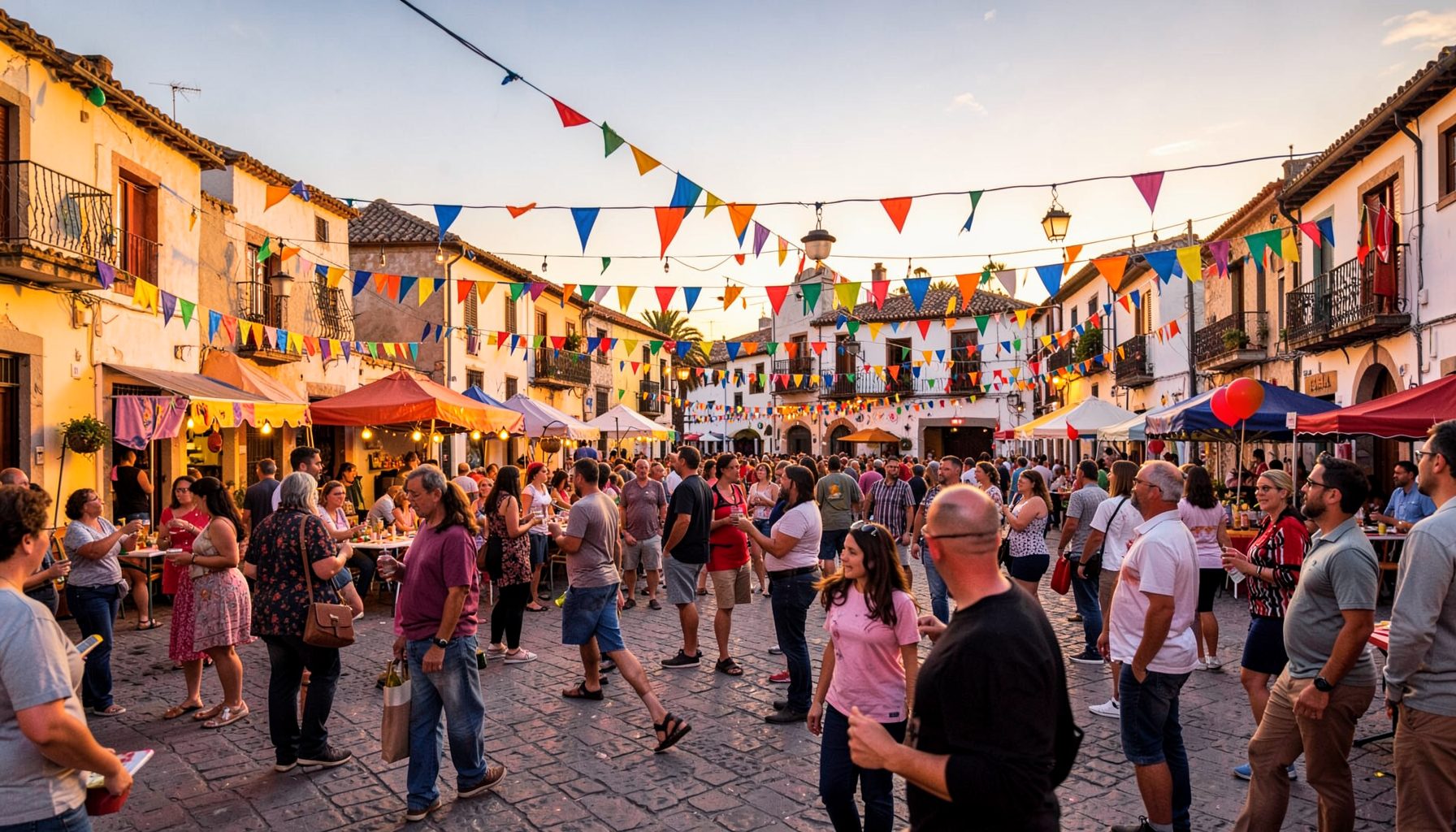
Join the conversation in the Agudo community forums. Access the Foro antiguo archive and participate in discussions with fellow residents and visitors.
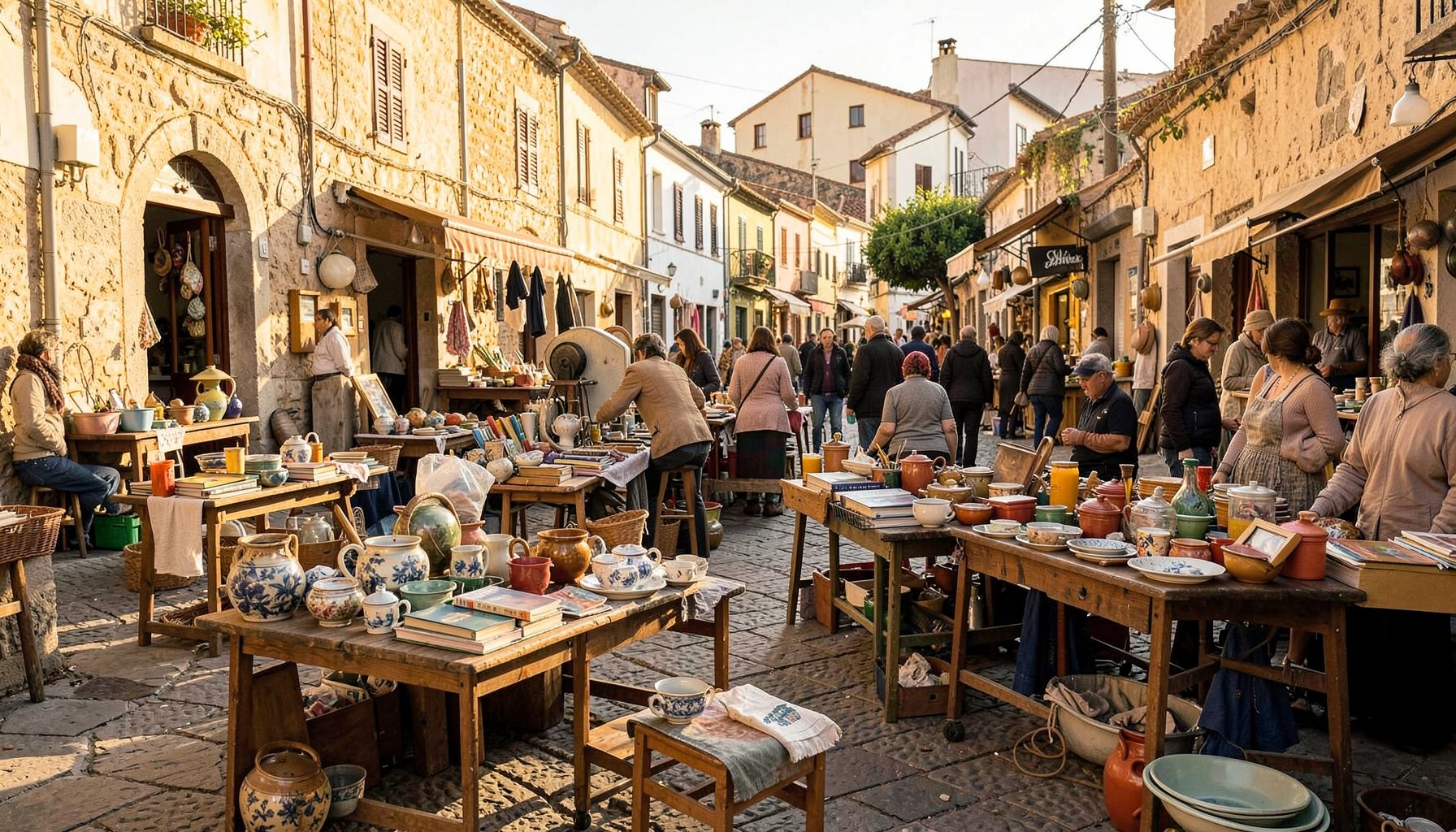
Browse local second-hand listings in the Agudo area. A convenient marketplace for buying and selling within the community.

Explore our directory of recommended links, including the Ayuntamiento de Ciudad Real, Lagunas de Ruidera, Parque de Cabañeros, Agudo Joven, and Balneario Cervantes.

Access practical tools including Prensa links, radio, horóscopo, Loterías results, a leisure guide, recipes, a dictionary, and Street View integration.

Watch videos showcasing Agudo and the surrounding region. A visual tour of local life, landscapes, and community events.