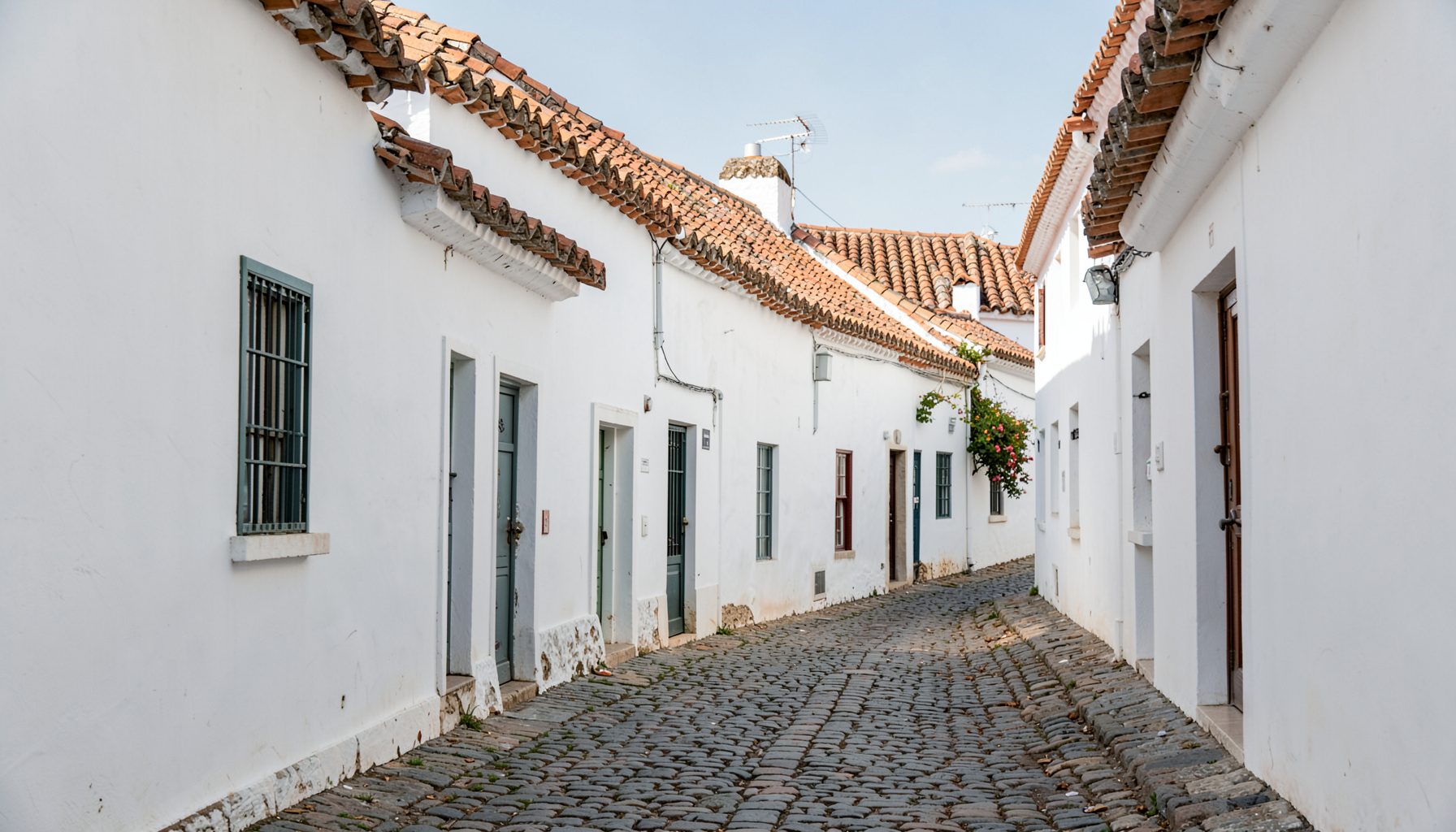


Stay informed with local news updates covering Agudo and the surrounding region. Browse the Hemeroteca for past articles and keep up with what matters in the community.

Agudo Town Hall has revised the operating hours of the town’s street lights after reviewing its monthly electricity bill. The measure is intended to reduce unnecessary consumption while keeping roads, footpaths and public spaces adequately lit during the hours when residents most need visibility.
The change forms part of a wider conversation about municipal energy management in Agudo and the surrounding area of Ciudad Real. Residents, former locals and people following community affairs from abroad can find related local information through the Agudo community portal, which brings together news, public notices, images, videos and practical services.
The monthly bill gave council staff a clearer picture of how much electricity was being used by public lighting. Street lamps operate across the municipality every night, so even a modest adjustment to the daily timetable can produce a measurable reduction over a full billing period. The review considered when lights were switching on, how long they remained active and whether the existing programme matched seasonal daylight.
The revised timer is expected to prevent lamps from operating during parts of the evening or early morning when natural light is already sufficient. The intention is not to leave streets in darkness, but to remove avoidable overlap between daylight and artificial lighting. This approach is common in local energy-saving programmes, particularly where councils are managing tight budgets and rising operating costs.
For households and businesses, the change also reflects a familiar pressure: keeping essential services reliable while controlling expenditure. An electricity invoice may be only one line in a council’s accounts, yet public lighting can run throughout the year and becomes especially significant across a large network of roads, squares and access routes.
The most visible change will be the time at which lights switch on or off. Residents may notice that lamps begin operating slightly later after sunset, or turn off earlier at dawn. The exact effect will vary as the seasons change, since winter nights in central Spain are considerably longer than summer evenings.
Council monitoring remains important after any timer adjustment. A quiet residential street, a road near a school and a route used by pedestrians may have different lighting needs. If a location appears too dark, residents should report it so the schedule or individual fitting can be checked. A timer fault, a damaged lamp and a planned energy-saving period are separate issues and should not be confused.
Safety remains the central condition of the measure. Crossings, junctions, public buildings, bus stops and areas with regular evening activity may require longer lighting periods. The adjustment should therefore be understood as a controlled operational change rather than a blanket reduction across every street at every hour.
Daylight patterns make fixed lighting schedules less efficient. In Agudo, a timer that works well in late spring may be unsuitable in December, when people leave work or local activities after dark. Regular seasonal reviews can help the municipality align public lighting with sunrise and sunset rather than relying on one annual setting.
This is also a useful comparison for Australian readers. Councils in Melbourne and Sydney often work around daylight saving, while Brisbane does not change its clocks. A lighting programme that is suitable in Melbourne during summer cannot simply be copied to Queensland. The same principle applies in Castilla-La Mancha: local conditions should guide the timetable.
The best results usually come from combining timer changes with efficient equipment. LED fittings, dimming controls and remote monitoring can reduce electricity demand while preserving useful illumination. Upgrading every lamp requires investment, however, so adjusting the existing schedule may offer a quicker saving while longer-term improvements are assessed.
Street lighting is part of daily life in a small municipality. It supports people walking home, opening or closing a shop, attending a community activity or travelling between Agudo and nearby areas. A saving that looks straightforward in an invoice can feel different to someone using a poorly lit footpath before sunrise.
That is why communication matters. Clear information about the timing change can prevent confusion and allow residents to identify genuine problems. Local forums and community channels provide a place for people to share observations about specific streets, including whether a lamp is switching off too early or whether an area remains unnecessarily bright.
Residents can follow local discussion through the community forums, where practical observations can complement formal municipal reporting. Comments are most useful when they include the street or landmark, the approximate time and whether the issue affects pedestrians, traffic or a public facility.
There may also be an environmental benefit. Lower electricity consumption reduces the emissions associated with generating power, while reduced light spill can improve the night-time environment for homes and wildlife. The saving will depend on the number of fittings affected and the final operating hours, but the monthly bill review provides a practical basis for measuring progress.
The municipality can assess the result by comparing future invoices with earlier billing periods, while allowing for tariff changes and seasonal variation. Electricity prices can move independently of usage, so a lower bill does not automatically prove that the timer alone caused the saving. Consumption data, operating hours and maintenance records together offer a more reliable picture.
A useful monitoring process would record faults, complaints, emergency call-outs and areas where lighting has been extended for safety reasons. If the new schedule creates repeated problems in one location, a targeted adjustment may be better than abandoning the wider energy-saving programme.
The experience also has relevance beyond Agudo. In Australian cities such as Perth and Adelaide, councils are balancing public safety, energy prices and climate targets across large street-light networks. Local markets are increasingly looking at smart controls and LED replacement programmes, but smaller councils may first focus on low-cost measures that can be introduced through existing systems.
The comparison below shows how the different elements fit together and what residents can reasonably expect from the adjustment.
| Area | Likely effect of the timer change | What residents should watch for |
|---|---|---|
| Energy use | Fewer hours of unnecessary lighting and lower consumption | Whether savings continue across several billing cycles |
| Public safety | Lighting retained during the busiest and most sensitive periods | Dark crossings, school routes or heavily used footpaths |
| Council finances | Potential reduction in recurring electricity expenditure | Difference between lower usage and changing power tariffs |
| Seasonal operation | Timetable may need updates as sunrise and sunset change | Whether winter and summer settings remain appropriate |
| Environmental impact | Less energy demand and reduced light spill | Benefits alongside reliable visibility |
| Community oversight | Local reports can identify problems quickly | Street name, time and precise nature of the issue |
The timer adjustment is a modest operational decision, but it illustrates how local councils can respond to rising costs using information already available in their accounts. For Agudo, the next step is to observe the results, maintain essential lighting and refine the timetable where local conditions require it.
Residents, former residents and people with family connections to the area can keep up with municipal announcements, cultural activity and neighbourhood updates through Agudo’s local information network. Follow the latest reports, share useful observations and help keep the discussion focused on a practical balance between energy savings, safety and everyday community needs.
Stay informed with local news updates covering Agudo and the surrounding region. Browse the Hemeroteca for past articles and keep up with what matters in the community.

Join the conversation in the Agudo community forums. Access the Foro antiguo archive and participate in discussions with fellow residents and visitors.
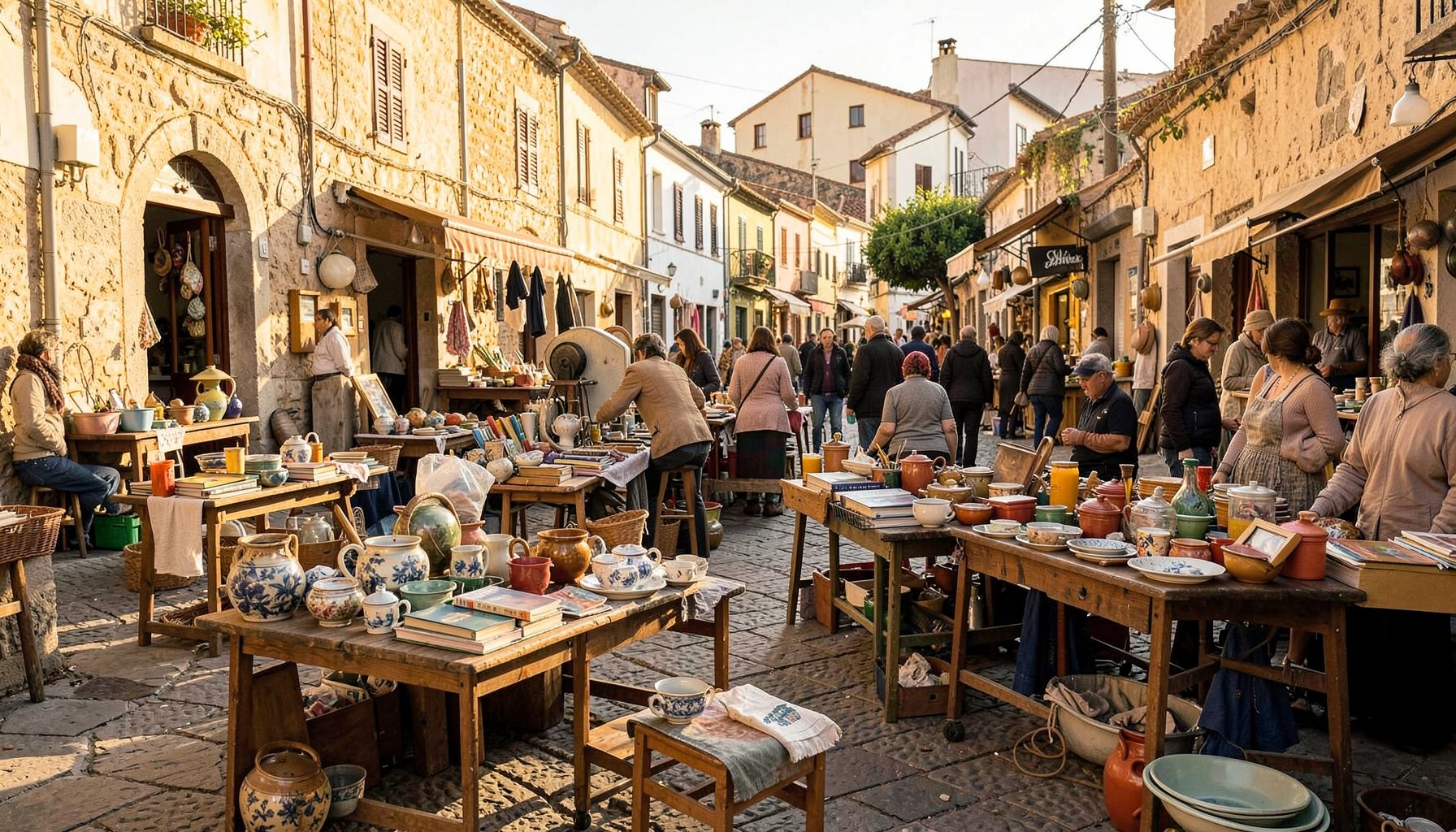
Browse local second-hand listings in the Agudo area. A convenient marketplace for buying and selling within the community.
Explore our directory of recommended links, including the Ayuntamiento de Ciudad Real, Lagunas de Ruidera, Parque de Cabañeros, Agudo Joven, and Balneario Cervantes.

Access practical tools including Prensa links, radio, horóscopo, Loterías results, a leisure guide, recipes, a dictionary, and Street View integration.

Watch videos showcasing Agudo and the surrounding region. A visual tour of local life, landscapes, and community events.