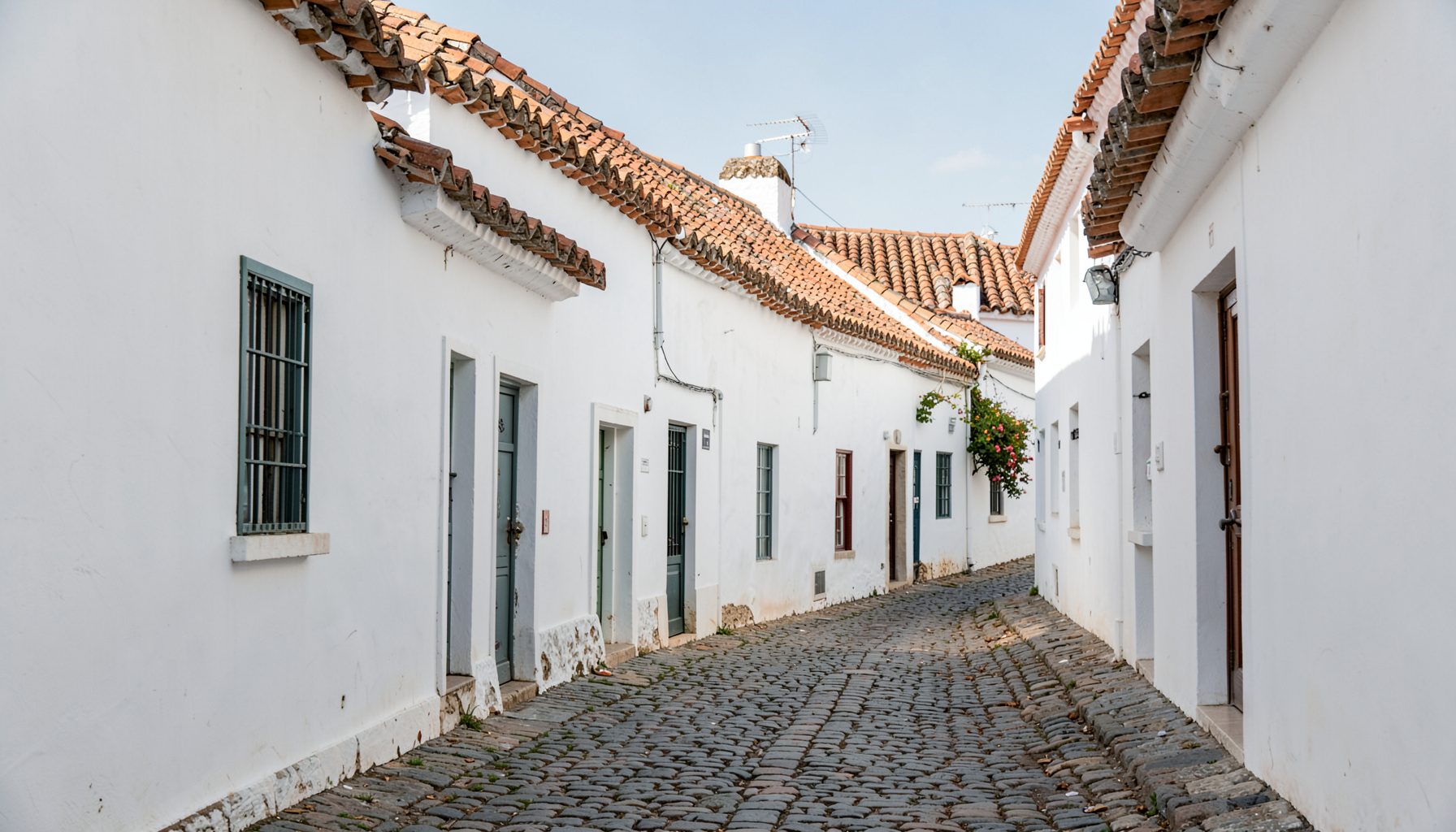


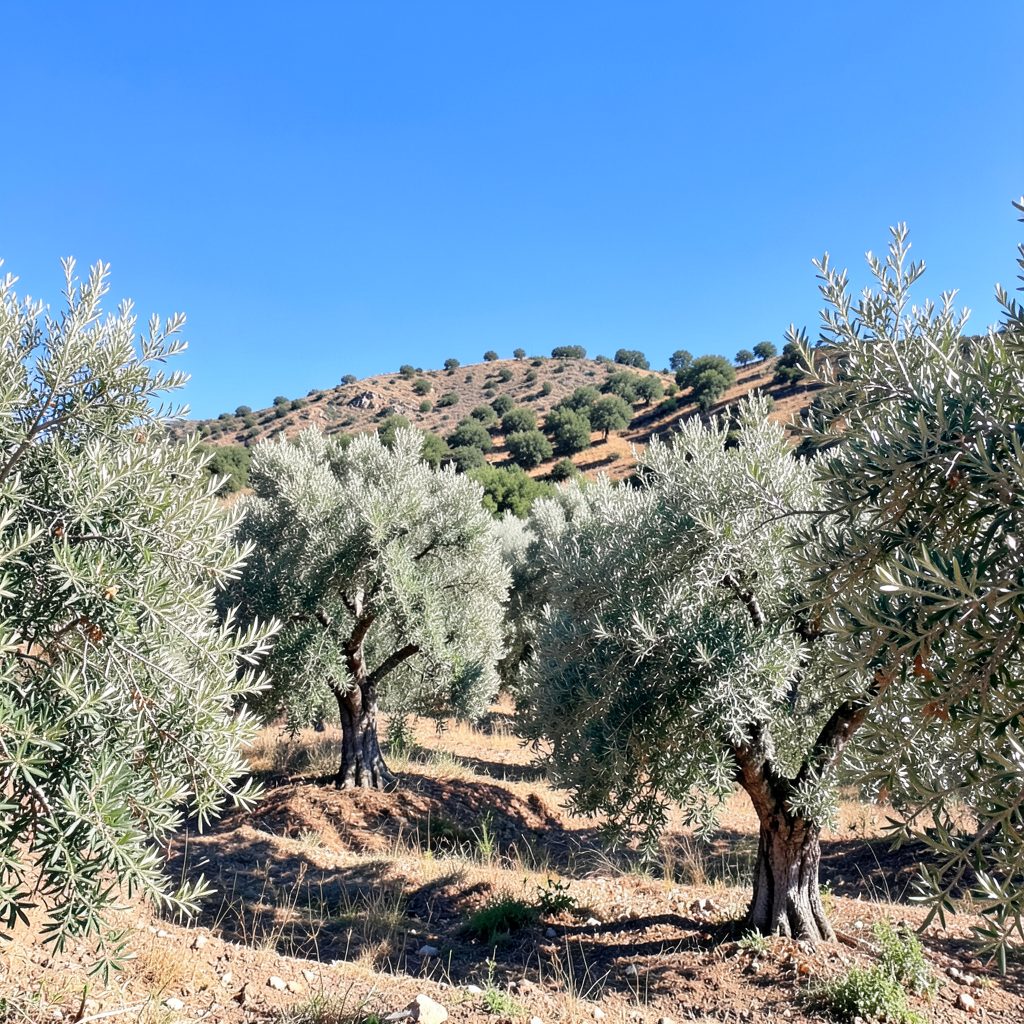
Stay informed with local news updates covering Agudo and the surrounding region. Browse the Hemeroteca for past articles and keep up with what matters in the community.
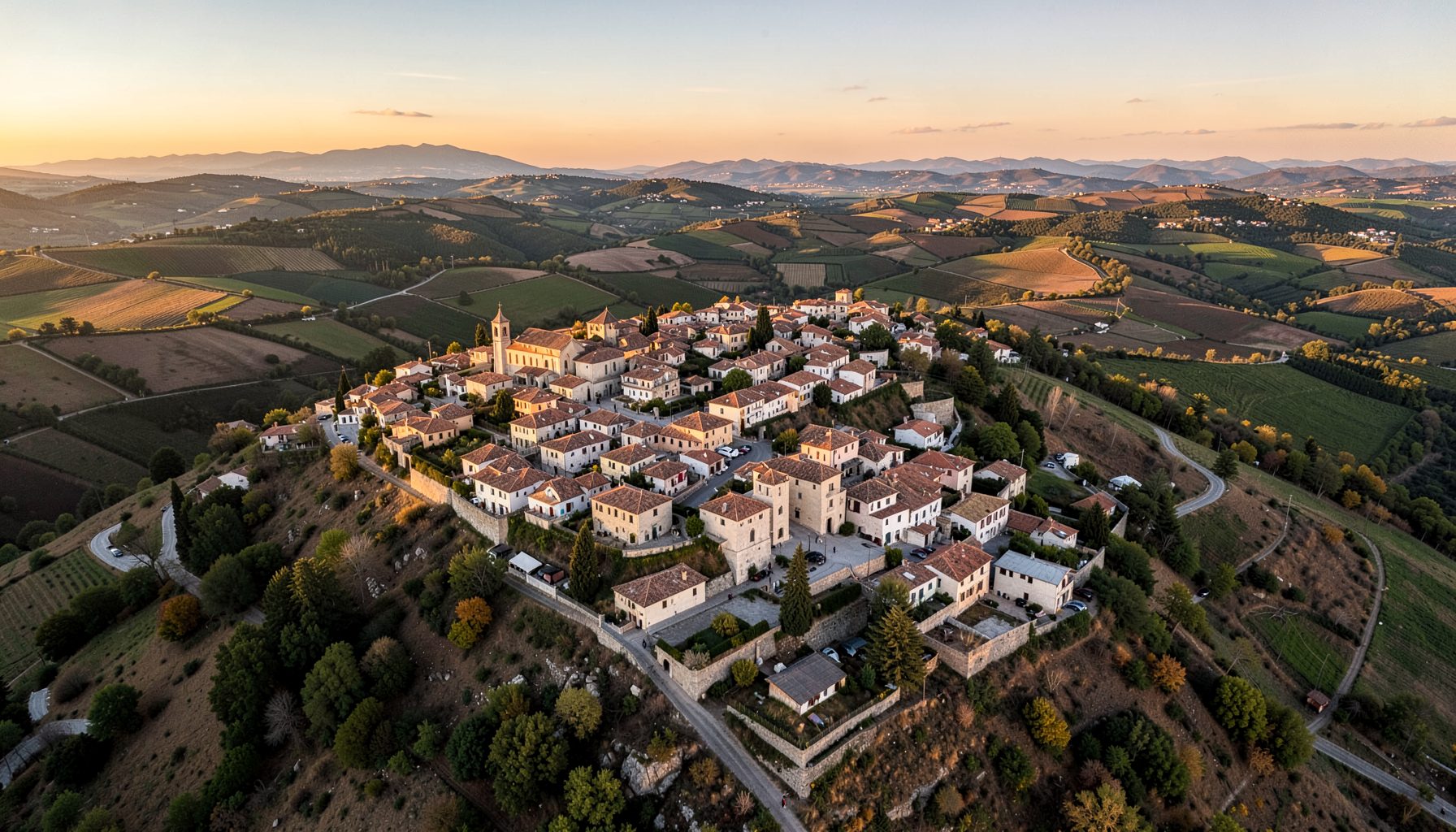
Agudo Town Hall has installed a removable stage and seating in the corral of the cultural centre, creating a more adaptable setting for performances, talks and community gatherings. The work gives the municipality a practical venue that can change with each event while preserving the character of the existing courtyard.
The new arrangement is intended to support cultural programming throughout the year. A compact concert, a school presentation, a neighbourhood meeting or a seasonal celebration can each use the space without requiring a permanent alteration to the building.
For residents, the project brings activity closer to the centre of town. It also offers local groups a defined place to present their work, welcome visitors and build links between generations. Former residents returning to Agudo may find the courtyard especially recognisable, now arranged for shared experiences.
The project reflects a familiar priority in smaller Spanish municipalities: making good use of existing public buildings. Rather than constructing a separate auditorium, the town hall can move the equipment when required and keep the courtyard available for other purposes.
A removable platform gives organisers greater freedom than a fixed installation. It can be positioned for theatre, music, speeches or presentations, then taken down when the courtyard is needed for another activity. The seating can likewise be arranged to suit the expected audience and the shape of the performance.
This flexibility matters in Agudo, where cultural life often follows the seasons. Summer evenings may favour open-air music and film, while cooler months can bring educational sessions, local history events and community meetings. A moveable setup allows the centre to respond without committing every event to the same layout.
The courtyard’s existing atmosphere is also part of its appeal. Its walls and proportions provide a distinctive backdrop, giving local performances a sense of place that a standard hall may lack. The temporary nature of the stage keeps that character visible between events.
The installation can benefit associations, schools, artists and informal community groups. A dance class may use the platform for an end-of-term display, while a reading group could arrange chairs for an author talk. Small organisations gain a venue that feels official without the cost and complexity of hiring a large external space.
It may also strengthen the connection between municipal services and residents. Public information sessions, consultations and cultural workshops can take place in a setting that is central and recognisable. Clear scheduling will help different groups understand when the courtyard is available and what equipment can be requested.
Agudo’s programme can draw on the town’s wider identity as well. Local food, farming, craft and music can be woven into events held at the centre. A recent example of regional enterprise is the local barley beer, which shows how agricultural traditions can connect with contemporary community life.
A stage and rows of seats make an event easier to organise, but safe operation remains essential. Each setup should leave clear circulation routes, protect entrances and exits, and allow people with reduced mobility to reach suitable viewing positions. Cable management, lighting and weather conditions also need attention whenever electrical equipment is used.
Australian audiences will recognise similar concerns from local events in cities such as Melbourne and Brisbane. Community halls, school ovals and laneway festivals often rely on temporary infrastructure, with organisers checking public liability cover, crowd movement and accessibility before doors open. Agudo’s organisers face a different legal framework, yet the practical principles are much the same.
In Australia, the Disability Discrimination Act 1992 and the Disability (Access to Premises—Buildings) Standards 2010 shape expectations around accessible public spaces. Spain has its own accessibility rules and municipal procedures, so the relevant local requirements will govern the cultural centre. The comparison highlights a shared public responsibility: temporary facilities should remain welcoming and usable for everyone.
Visitors will benefit when each event announcement explains the essentials in plain language. Information about start times, seating, access, weather plans and any booking requirement can reduce uncertainty, especially for families, older residents and people travelling from nearby villages.
A simple venue guide could cover the following details:
The courtyard may also suit the everyday habits of visitors from Australia, where people often arrive early for outdoor events with a water bottle, a hat and a light layer for changing conditions. Agudo’s summer heat calls for sensible planning too, although the local climate and event routines are distinctly Spanish.
Food and drink arrangements should be clear whenever refreshments are served. A small local market or tasting stall could complement a cultural evening, provided vendors follow applicable food-safety, trading and licensing rules. Australian farmers’ markets commonly display stallholder permits and allergen information; similar transparency helps visitors feel confident in any community event.
Temporary cultural facilities can create modest but meaningful economic activity. Visitors may stop at nearby cafés, shops and accommodation before or after a performance. Local suppliers can also find work providing sound equipment, printing, refreshments, decoration or transport.
The arrangement could connect with Agudo’s market traditions without turning every event into a commercial occasion. A craft display, book stall or producer table may suit selected programmes, while other gatherings can remain focused on participation and public service. Careful curation will help preserve the courtyard’s communal purpose.
Comparable patterns appear in Australian towns and outer-suburban centres. A weekend performance near a farmers’ market can increase foot traffic for independent traders, while regular community programming encourages residents to spend locally rather than travel to a larger city. In Agudo, the scale may be smaller, but the relationship between culture and local commerce can still be valuable.
The removable installation gives the town a choice between adaptability and the greater capacity of a dedicated auditorium. Neither arrangement serves every event equally. The best option depends on audience size, weather, technical needs and the type of activity planned.
| Feature | Removable courtyard setup | Permanent auditorium |
|---|---|---|
| Flexibility | Layout can change for each event | Fixed seating and stage arrangement |
| Atmosphere | Historic, open and closely connected to the centre | Controlled indoor environment |
| Weather | May require a backup plan | Usually protected year-round |
| Community access | Suits small and medium local gatherings | Better for larger productions |
| Ongoing use | Courtyard remains available between programmes | Building is primarily a performance venue |
| Operating needs | Each event requires careful setup | Equipment can remain installed |
The temporary model can be especially effective while the municipality learns which types of programming attract the strongest response. Attendance figures, accessibility feedback and maintenance costs will provide useful evidence for future decisions.
It also leaves room for gradual development. If demand grows, the town may invest in improved lighting, storage, shade or sound control without losing the ability to rearrange the courtyard. A permanent building project would involve a much larger financial and planning commitment.
The cultural centre can become a meeting point for residents, visitors and people who now live elsewhere. Photographs, recordings and announcements can extend the reach of an event beyond the courtyard, helping former residents follow local life from Madrid, Valencia, Australia or other parts of the world.
Digital communication is particularly useful for a removable venue because arrangements may differ from one programme to the next. The town’s community links can help residents locate local information, practical services and related resources alongside cultural announcements.
The new stage and seating therefore represent more than equipment. They provide a reusable framework for conversations, performances and celebrations that can adapt to Agudo’s needs. Residents can follow upcoming activities through local notices and the community portal, then support the groups and organisers bringing the courtyard to life.
Stay informed with local news updates covering Agudo and the surrounding region. Browse the Hemeroteca for past articles and keep up with what matters in the community.
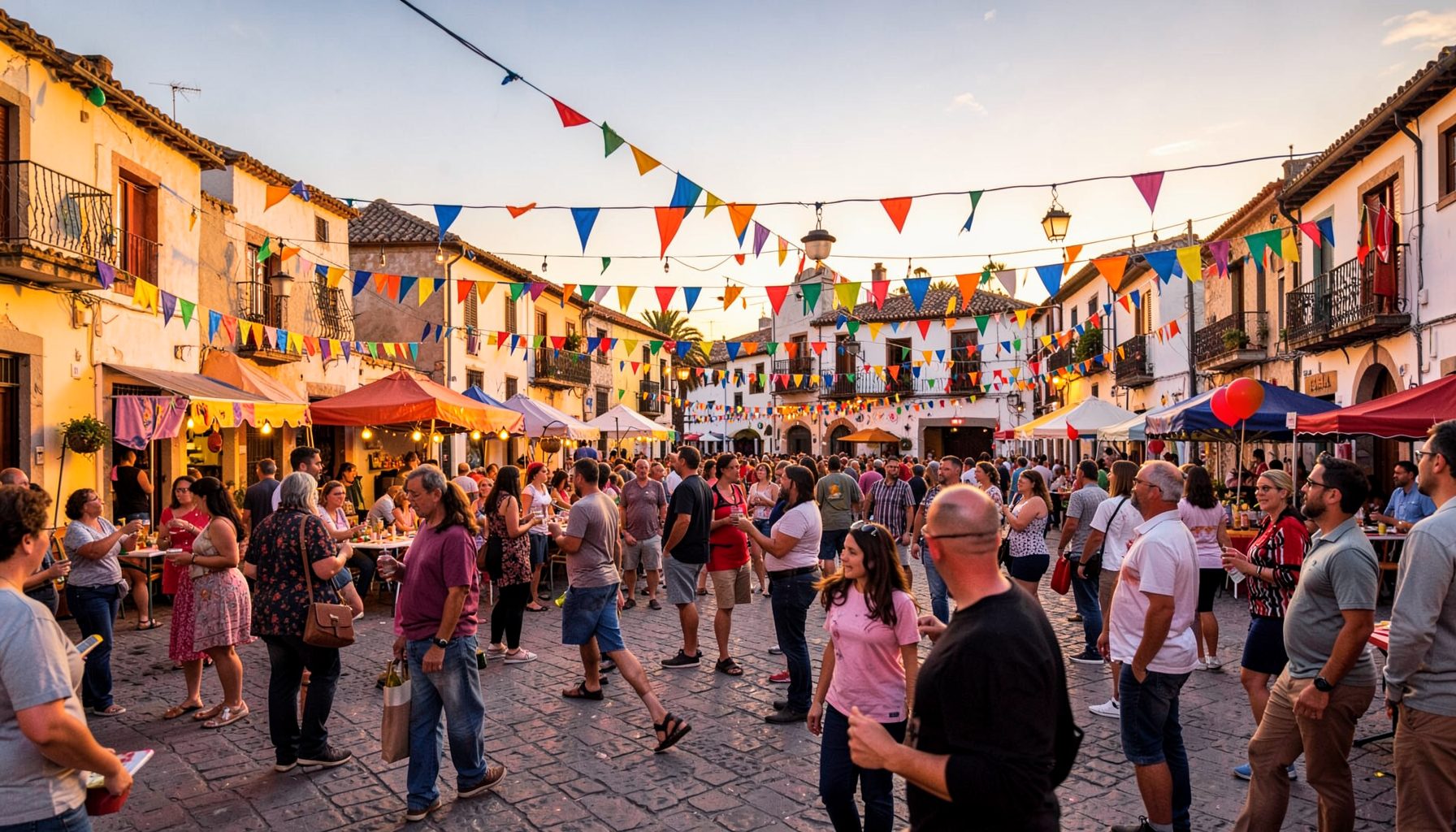
Join the conversation in the Agudo community forums. Access the Foro antiguo archive and participate in discussions with fellow residents and visitors.
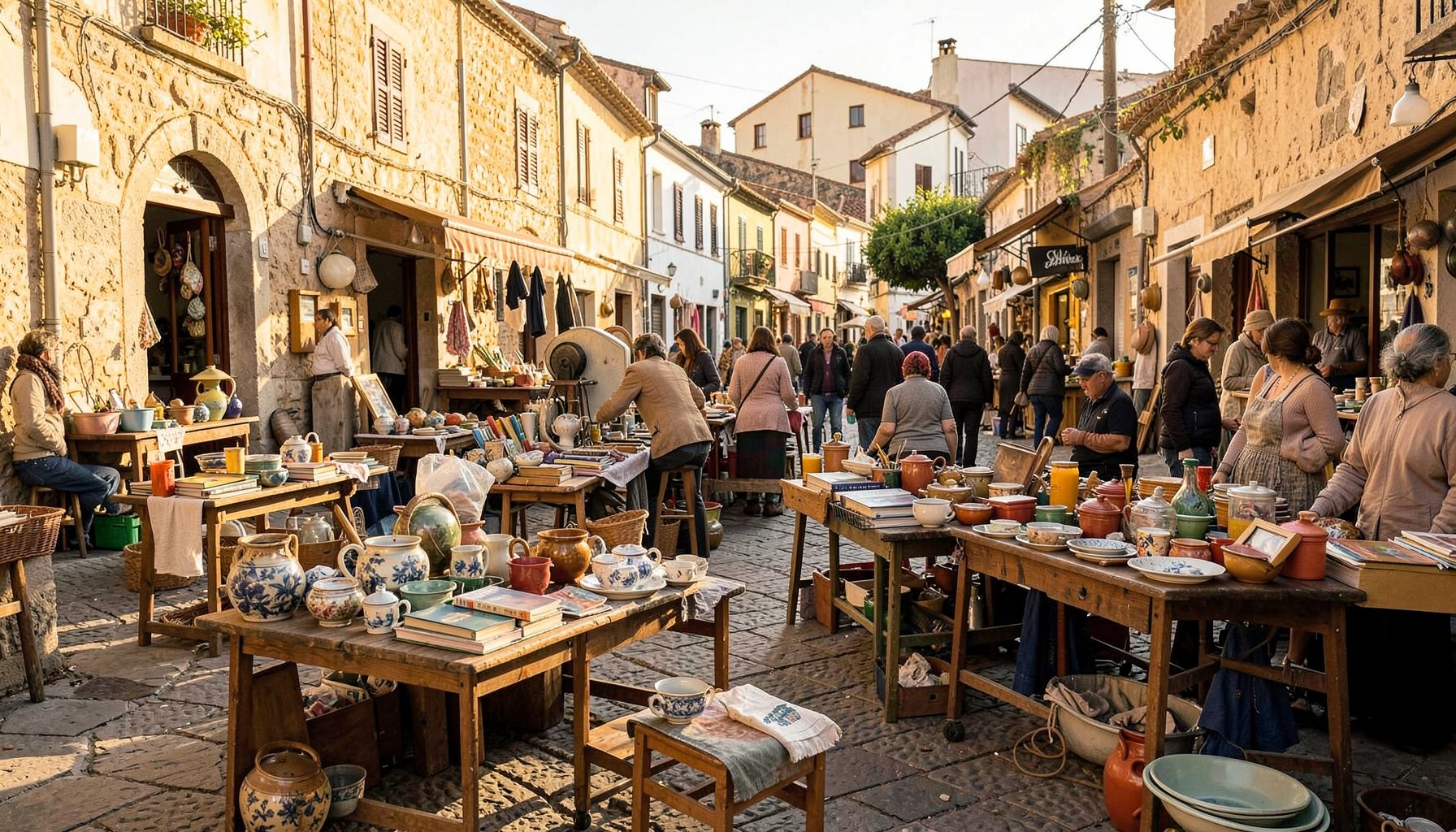
Browse local second-hand listings in the Agudo area. A convenient marketplace for buying and selling within the community.
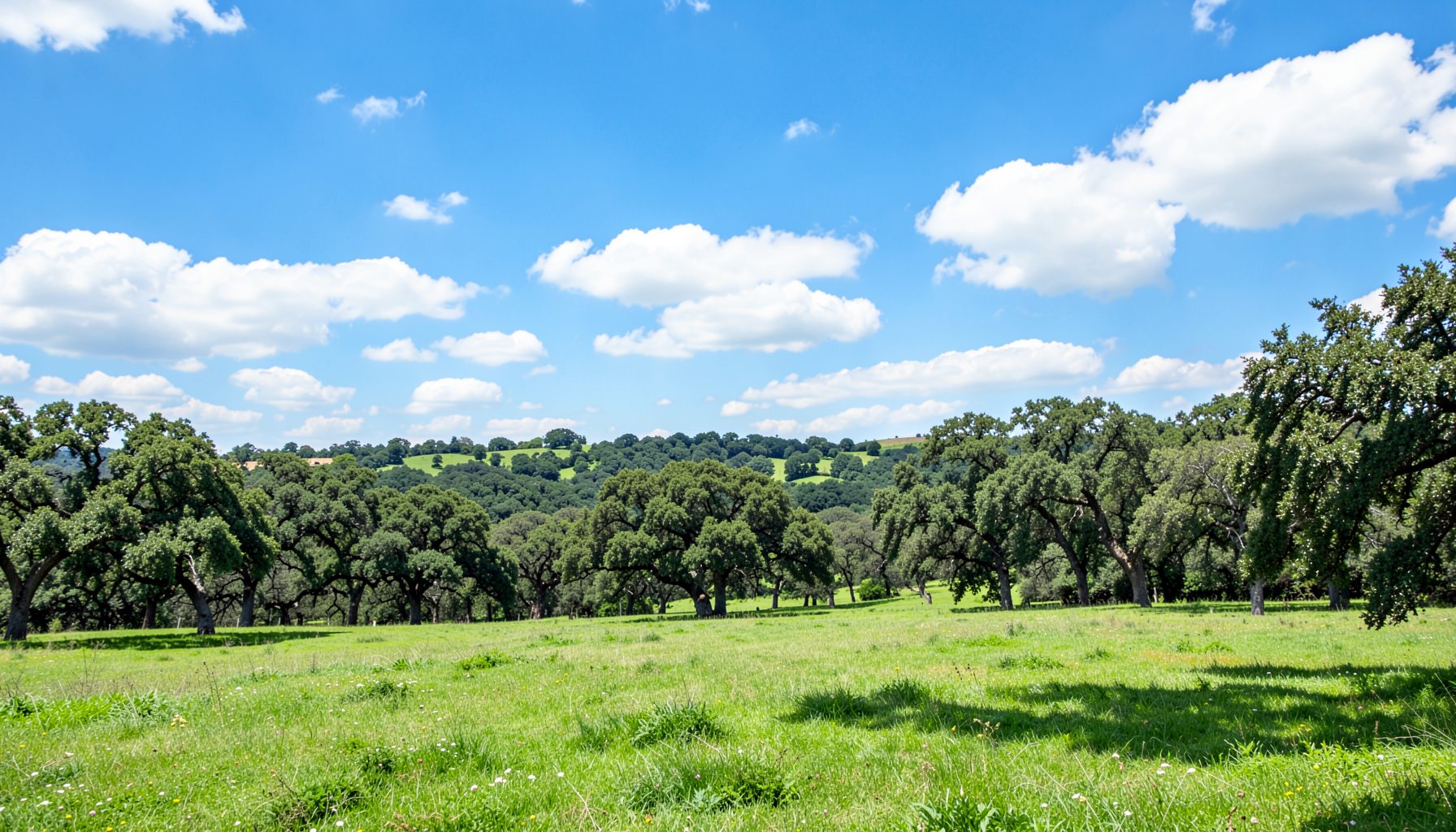
Explore our directory of recommended links, including the Ayuntamiento de Ciudad Real, Lagunas de Ruidera, Parque de Cabañeros, Agudo Joven, and Balneario Cervantes.
Access practical tools including Prensa links, radio, horóscopo, Loterías results, a leisure guide, recipes, a dictionary, and Street View integration.
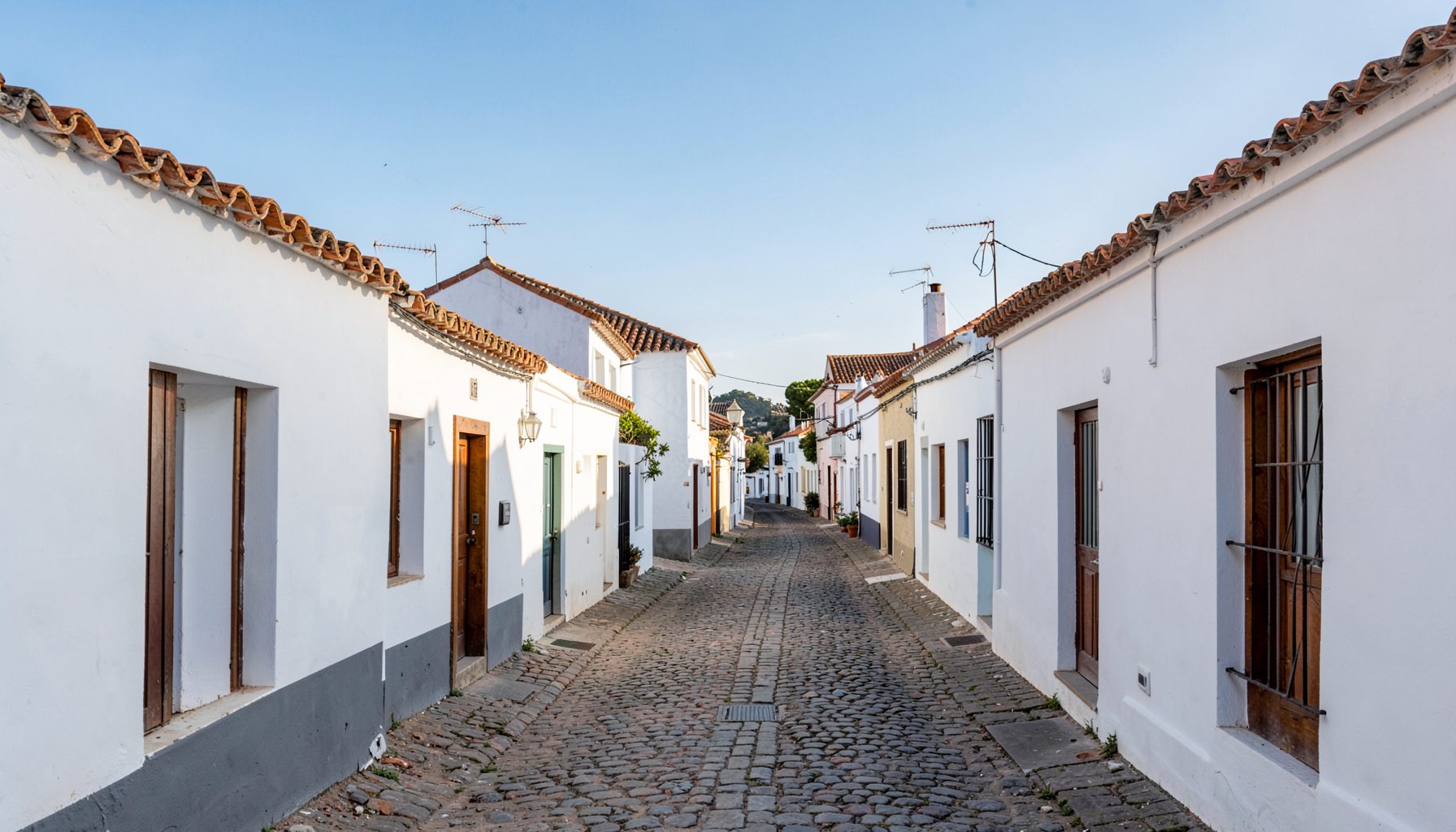
Watch videos showcasing Agudo and the surrounding region. A visual tour of local life, landscapes, and community events.