Stay informed with local news updates covering Agudo and the surrounding region. Browse the Hemeroteca for past articles and keep up with what matters in the community.
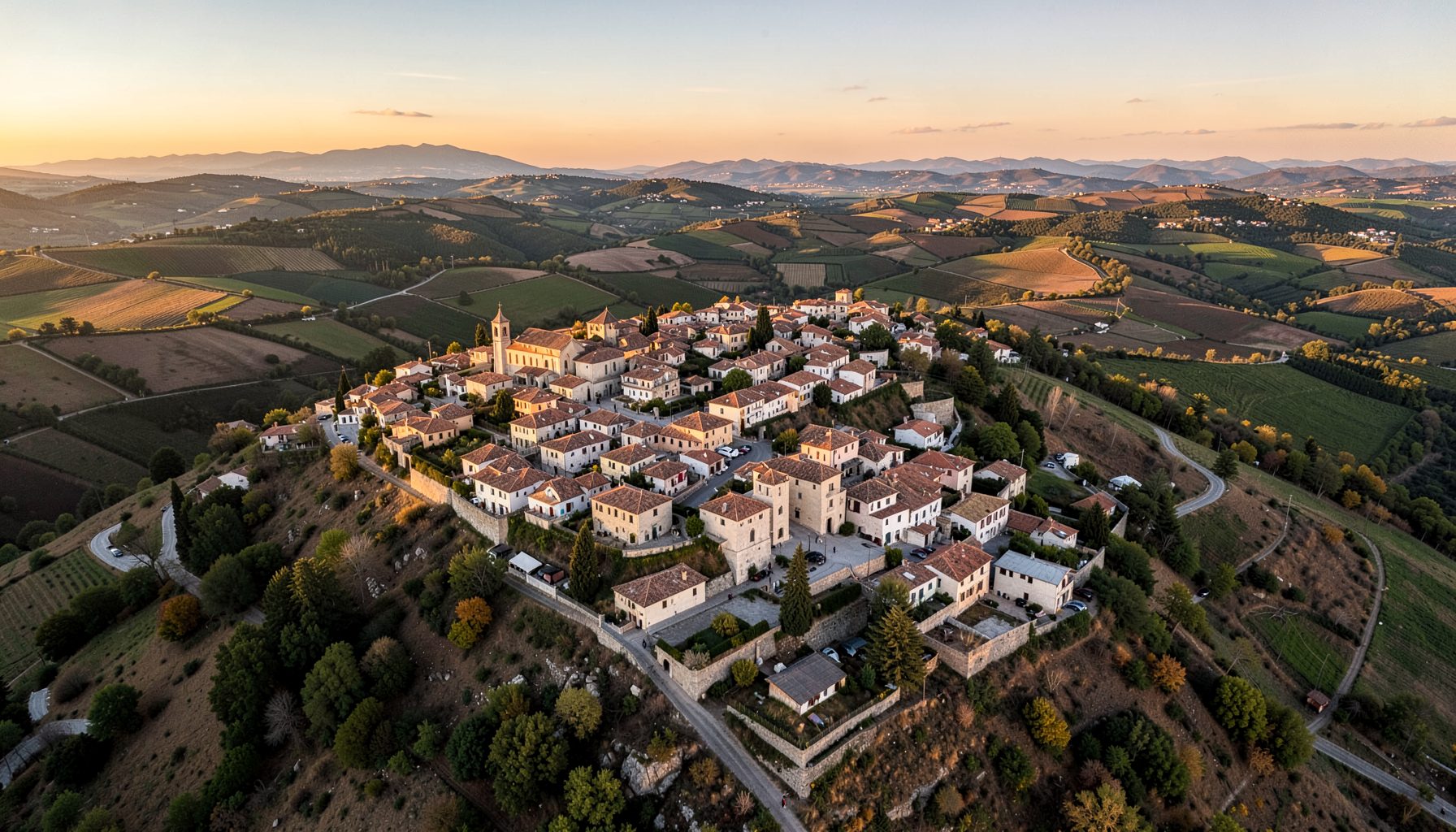
Tucked along the colonnade where pensioners play dominoes and children chase pigeons, a slim wooden shelf now leans against the cream-washed pillars of the Plaza de Agudo's main square. The municipal council has installed a free reading exchange as part of a quiet push to soften the town centre with cultural touches, and locals are already leaving dog-eared thrillers and worn children's books beside a hand-painted sign.
The little structure sits beneath the stone arcades that flank the square, the same shaded walkway where farmers once unloaded sacks of saffron and almonds at market. Councillor María José Ramos said the goal was modest: keep readers reading when the public library closes on Sundays, and give passers-by a reason to linger between the bakery on Calle Emperador and the old pharmacy on Calle Arcipreste.
The shelf has been bolted to one of the granite columns that hold up the arcade roof, about four metres from the bronze fountain. Its dimensions are deliberately small, roughly the size of a microwave, so it does not block foot traffic during the Saturday produce market or the Tuesday craft stalls. A small plaque reads, in Spanish and in English, "Take a book, leave a book," a phrase borrowed directly from the international bookcrossing movement that began in the United States in 2001 and has since spread to more than 130 countries.
Town hall staff have stocked it with around forty volumes to start the cycle, drawn from donations by the local women's association and the secondary school's reading club. Genres range from Castilian translations of Jules Verne to cookbooks from La Mancha, plus a handful of books in English aimed at the seasonal visitors who rent houses in the Sierra de Agudo each summer.
Unlike a lending library, a bookcrossing point does not keep a record. Readers take whatever catches their eye, read it at home, on the train, or under a tree, and either return it to the same shelf or pass it along to someone else. Some enthusiasts register their finds online, log where the book travels next, and chase the journey of a single paperback across regions or even continents.
The system runs on trust and habit rather than fines or membership cards. Once the rhythm takes hold in a town, a single novel can rotate through dozens of households in a year. In Agudo, the council hopes the shelf will also become a soft meeting point, somewhere a stranger can strike up a conversation about a detective novel without the awkwardness of a first chat.
The Spanish experiment mirrors a much older tradition across the southern half of the globe. In Melbourne, the inner-city laneways around Carlton and Fitzroy have hosted brightly painted little libraries for over a decade, and community bookcases have appeared in Surry Hills, Perth's Fremantle district and Brisbane's West End. Australians have a knack for turning kerbside scraps into cultural fixtures, and the country's independent booksellers, from Readings in Hawthorn to Better Read Than Dead in Newtown, often help stock nearby shelves.
Australian readers have even developed their own slang for the ritual. You will hear Melburnians mention dropping a paperback on the way to grab a flat white, or Brisbanites talk about leaving a book behind before heading up to the South Bank for an arvo stroll. The Australian Reading Hour, held each year in September, has nudged even hesitant readers toward similar projects, and several primary schools in New South Wales now run classroom mini-libraries modelled on the same idea.
A bookshelf under an arcade is a tiny piece of cultural infrastructure, and it earns its keep in ways that are hard to measure. In Agudo, where the population hovers around 1,800 and the public library keeps shorter hours than the bar, even a few dozen extra titles circulating each week can shift habits. Older readers who rarely venture to the library can swap a Manuel Vázquez Montalbán crime novel for a slim volume of local poetry without signing anything or remembering a return date.
In rural Australia, similar thinking has produced book buses that roll through wheat towns and pop-up libraries that open inside pubs and town halls. The motivations rhyme across hemispheres: keep reading alive when bricks-and-mortar services thin out, and let public space double as a quiet living room. Both countries share a sense that the cultural life of a small town is something residents curate together, with the council acting more as steward than gatekeeper.
The shelf is unsupervised and accessible whenever the arcades are open, which is essentially all day, every day. Visitors should avoid leaving food or drinks on top, and parents are asked to make sure young children do not treat the books as toys. Anyone who wants to donate more volumes than they take can drop extras at the town hall reception, where a small box marked "Para el Punto de Lectura" sits beside the tourist brochures.
Readers curious about the town's wider cultural calendar can also look ahead to the November craft fair, which the council is promoting alongside the new shelf. Many stallholders at that fair are likely to bring along a few printed works, so the reading point may end up with a fresh batch of regional titles by Christmas.
Town hall officials say the bookcrossing shelf is a pilot, not a one-off. If usage holds steady through the autumn and winter, the council will consider a second point near the school and a third beside the river walking path. Longer term, there is talk of small English-language signage to help international walkers and slow travellers who base themselves in the area, a quiet nod to the modest but growing interest in rural inland Spain from Australian retirees who winter in the region.
Locals have already begun suggesting refinements. Some want a bench. Others want a small awning to keep rain off the paperbacks. A few have asked whether the shelf can rotate to include seed catalogues in spring. For now, the council is content to watch, count, and let the books travel.
| Feature | Agudo's arcade shelf | Typical Australian community bookcase |
|---|---|---|
| Location | Granite column beneath the plaza arcades | Kerbside cabinet, pub verandah, or inside a school |
| Stock | Around 40 donated paperbacks, Spanish and English | Mix of fiction, kids' books, donated by locals and bookshops |
| Hours | Always accessible when the arcade is open | Usually 24/7, weather permitting |
| Tracking | None required, optional online register | Usually none, some cafés stamp inside covers |
| Cultural tie-in | Saturday produce market, autumn craft fair | Australian Reading Hour, local writers' festivals |
| Maintenance | Council staff and the women's association | Volunteer stewards and neighbouring bookshops |
If you live nearby, are passing through, or simply want to know more about how the shelf is being run, you can reach the municipal team through the contact page. Drop by, leave a paperback, and let the next reader down the colonnade discover their new favourite.
Stay informed with local news updates covering Agudo and the surrounding region. Browse the Hemeroteca for past articles and keep up with what matters in the community.
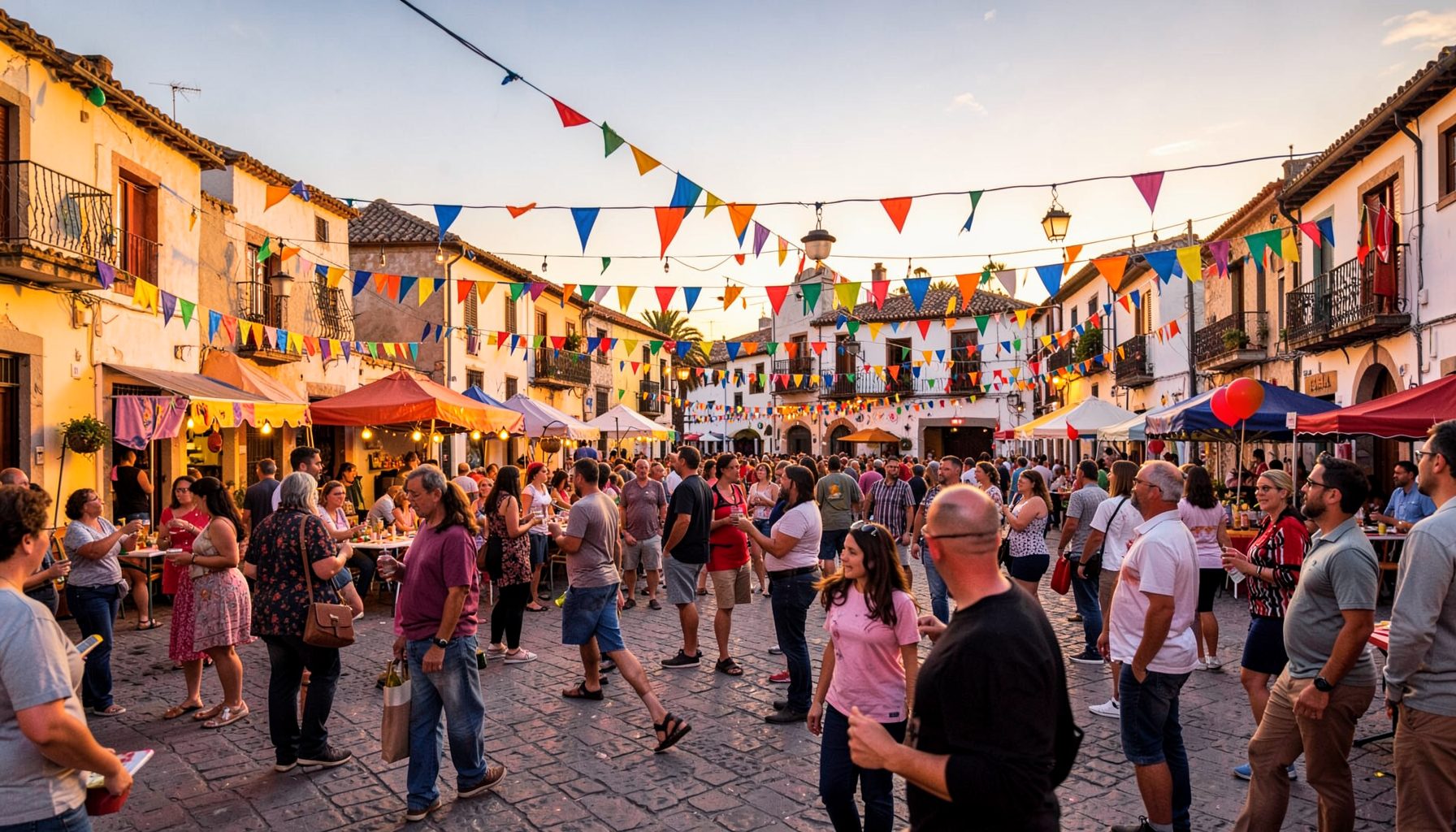
Join the conversation in the Agudo community forums. Access the Foro antiguo archive and participate in discussions with fellow residents and visitors.
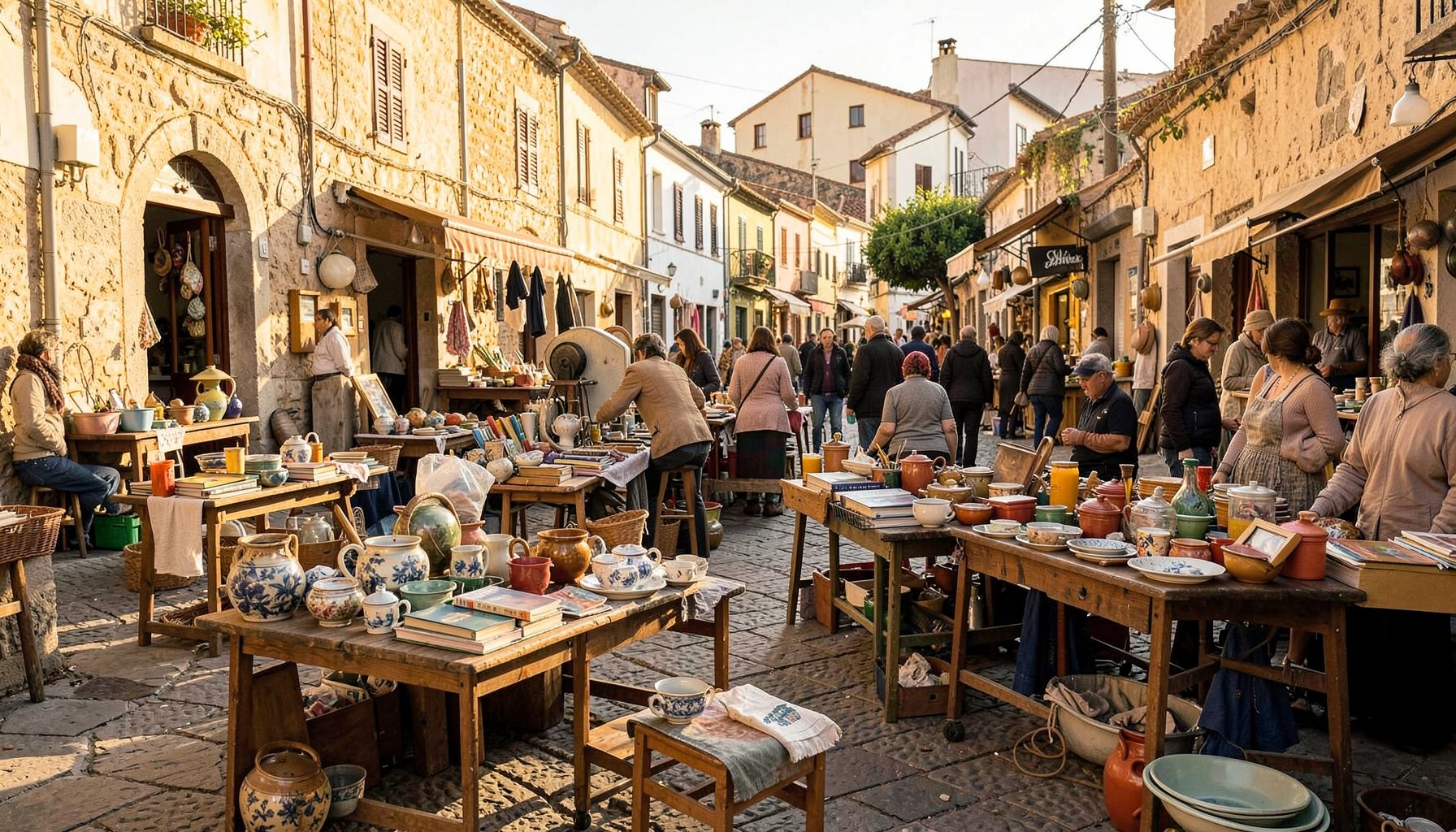
Browse local second-hand listings in the Agudo area. A convenient marketplace for buying and selling within the community.
Explore our directory of recommended links, including the Ayuntamiento de Ciudad Real, Lagunas de Ruidera, Parque de Cabañeros, Agudo Joven, and Balneario Cervantes.
Access practical tools including Prensa links, radio, horóscopo, Loterías results, a leisure guide, recipes, a dictionary, and Street View integration.
Watch videos showcasing Agudo and the surrounding region. A visual tour of local life, landscapes, and community events.