
Stay informed with local news updates covering Agudo and the surrounding region. Browse the Hemeroteca for past articles and keep up with what matters in the community.
Residents living along the busy Avenida de la Constitución in Agudo have launched a formal petition asking the local council to install a traffic light timed to school arrival and dismissal hours. The campaign, started by a group of parents and supported by several neighbourhood associations, focuses on the stretch between the CEIP Madre Isabel and the secondary school entrance, where cars, scooters and pedestrians compete for a narrow stretch of pavement during the morning rush.
The petition has gathered more than three hundred signatures in under a month, according to the organisers, who argue that the current zebra crossing is not enough to manage the volume of children crossing each day. A traffic light would replace the existing crossing with a controlled signal that stops traffic in predictable intervals, giving parents and pupils a safer window to cross.
For families in the area, the school run is short in distance but stressful in practice. Pupils arriving from nearby streets meet parents parking on the kerb, delivery vans servicing the small shops, and buses bringing in children from outlying hamlets. The petition calls for a structured response that matches the rhythm of the school day rather than relying on driver courtesy.
The conversation echoes debates playing out in Australian suburbs from Brisbane to Hobart, where parents have pushed councils for upgraded crossings, lower speed limits and clearer signage around primary schools. Comparing the two contexts reveals both shared frustrations and useful differences in how each country approaches school-zone safety.
The document, addressed to the Ayuntamiento de Agudo, lists several specific requests. It asks for a traffic light with a pedestrian phase synchronised to the school's official timetable, painted red school-zone markings on the asphalt, and improved lighting for the darker winter afternoons. It also requests clearer signage alerting drivers that they are entering an area with high child foot traffic.
Organisers say they modelled part of their proposal on community-led safety drives that have appeared in regional Australian towns. One local councillor noted that a recent project to install rooftop honey hives at the town hall had shown what focused local initiatives can achieve, and that similar ambition could be applied to pedestrian safety. The petitioners hope the same community spirit that lifted the beekeeping project can be channelled into infrastructure that protects children every weekday morning.
Core requests in the petition
The Avenida de la Constitución is the most direct route between the older centre of Agudo and the educational precinct to the east. During term time, between 8:40 and 9:10 in the morning, and again from 14:00 to 14:30 for the afternoon session, vehicle density rises sharply. Parents often queue in second gear waiting to turn into the small drop-off pocket near the staff entrance, while older pupils cycle or walk in from the side streets.
Teachers at the school have long asked for a clearer separation between moving traffic and the main pedestrian flow. They point out that the existing zebra crossing sits only metres from where children cluster before the bell, leaving very little buffer if a driver fails to notice the markings. The petition data, compiled by parent volunteers, records 47 near-miss incidents reported by families over the past academic year, a figure the organisers say is conservative.
Australian parents will recognise many of these complaints. In suburbs around Melbourne and Sydney, school-zone speed limits typically drop to 40 km/h during morning and afternoon peaks, with flashing lights and bright yellow signage announcing the change. Crossing supervisors, often retired locals in high-visibility vests, manage busy intersections, while councils run walking-school-bus programs that let groups of pupils walk together under adult supervision.
Spain takes a slightly different approach, with 30 km/h limits common near schools and a heavier reliance on zebra crossings and traffic-calming bollards. Traffic-light controlled crossings are reserved for busier roads. Comparing the two systems helps explain why Agudo residents are asking for a traffic light rather than just a repainted crossing.
| Feature | Agudo (current request) | Typical Australian school zone |
|---|---|---|
| Posted speed near school | 50 km/h, petition asks for 30 km/h | 40 km/h during school hours |
| Crossing type | Zebra crossing | Zebra crossing or signalised crossing |
| Supervised crossing | None | Crossing supervisor often present |
| Speed enforcement | Manual, occasional | Fixed and mobile cameras common |
| Walking-to-school programs | Limited | Walking School Bus in many suburbs |
The table shows that Australian school zones tend to combine lower speeds, supervised crossings and camera enforcement, while Spanish towns rely more on infrastructure changes and parent vigilance. A traffic light in Agudo would be a step closer to the Australian model, although without the camera enforcement that supports it.
Not everyone along the avenue is convinced. Several shop owners worry that a traffic light will reduce the limited parking available outside their premises and discourage quick stops. A grocer who has run a family business on the avenue for twenty years said customers often pull up briefly to buy bread or milk on the way to school, and that a stop-start signal would interrupt that flow.
Parents counter that the current situation already disrupts trade because kerbside parking and short-term stopping create bottlenecks that put shoppers off. Pupils themselves have weighed in, including through a children's wildlife mural recently completed on the sports pavilion wall, which shows how engaged the children are with their surroundings and how much they stand to lose if the avenue stays unsafe.
Australian councils have built up a library of school-zone practices over decades, and several of them could be adapted for Agudo without major expense. Walking School Bus schemes, where groups of pupils walk a set route with one or two adults, work well in low-traffic neighbourhoods like those around Adelaide's inner suburbs. Park-and-Stride locations let parents drop their children a few streets away from the gate, spreading the traffic load.
Practices seen in Australian school zones
Adopting one or two of these habits in Agudo would not replace the need for a traffic light, but it would reinforce the petition's message that safer school runs are built from many small changes, not a single piece of hardware.
The council has acknowledged receipt of the petition and said it will study the request alongside the annual road-safety review. A spokesperson confirmed that traffic data would be collected over the next term before any decision is taken. Petition organisers have asked for a public meeting so that residents can hear the findings directly and contribute their own observations.
For now, the petition continues to collect signatures online and at a table outside the school gate each morning. The organisers say they will keep pressing until the council gives a clear timetable for action, and they have already met with two neighbourhood associations to plan the next stage of the campaign. Residents who want to support the petition, share their own experiences of the school run, or read more about community initiatives shaping Agudo can follow the latest updates through the Agudo Ciudad Real news portal and add their voices to the public discussion.
Stay informed with local news updates covering Agudo and the surrounding region. Browse the Hemeroteca for past articles and keep up with what matters in the community.
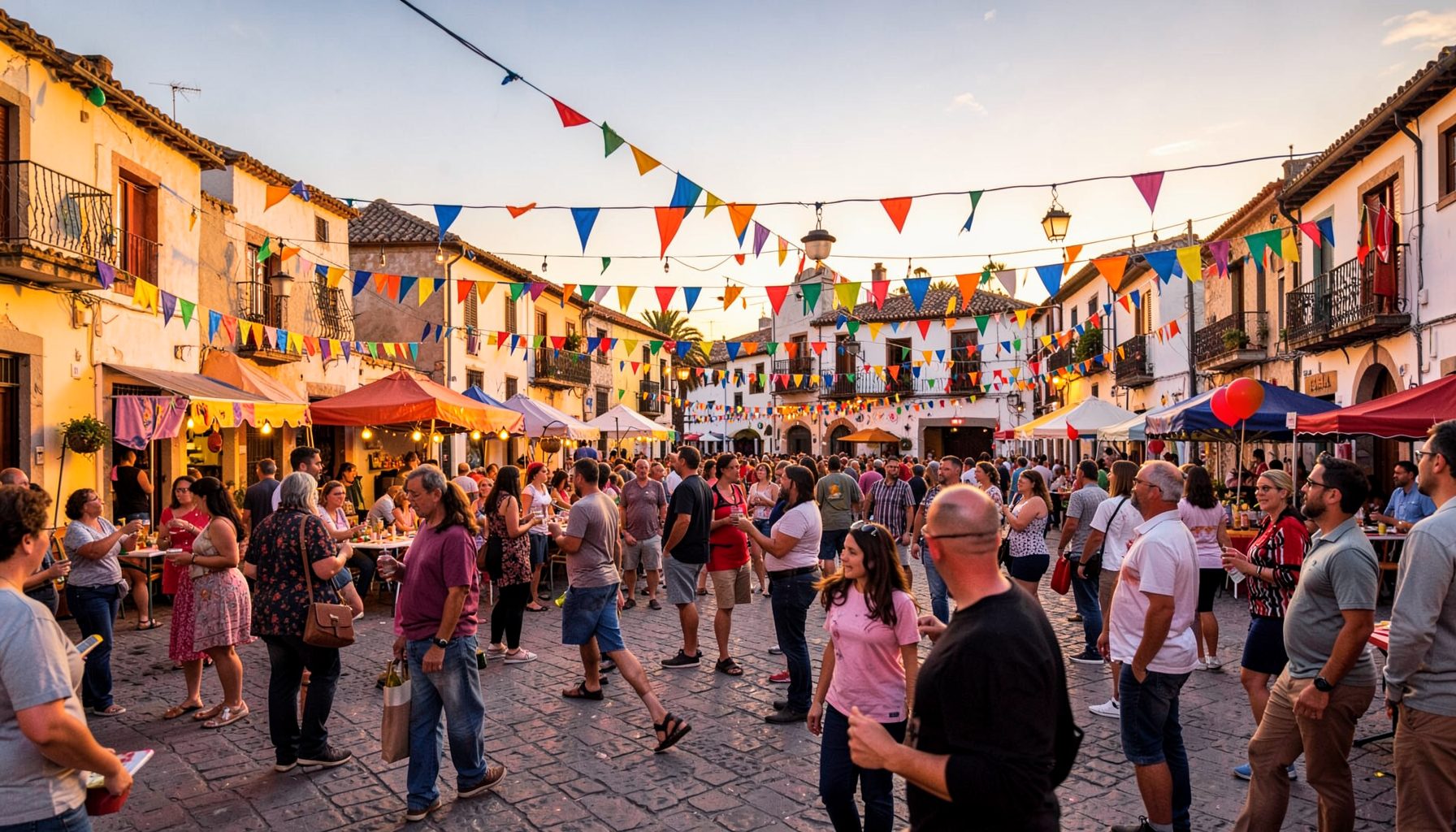
Join the conversation in the Agudo community forums. Access the Foro antiguo archive and participate in discussions with fellow residents and visitors.
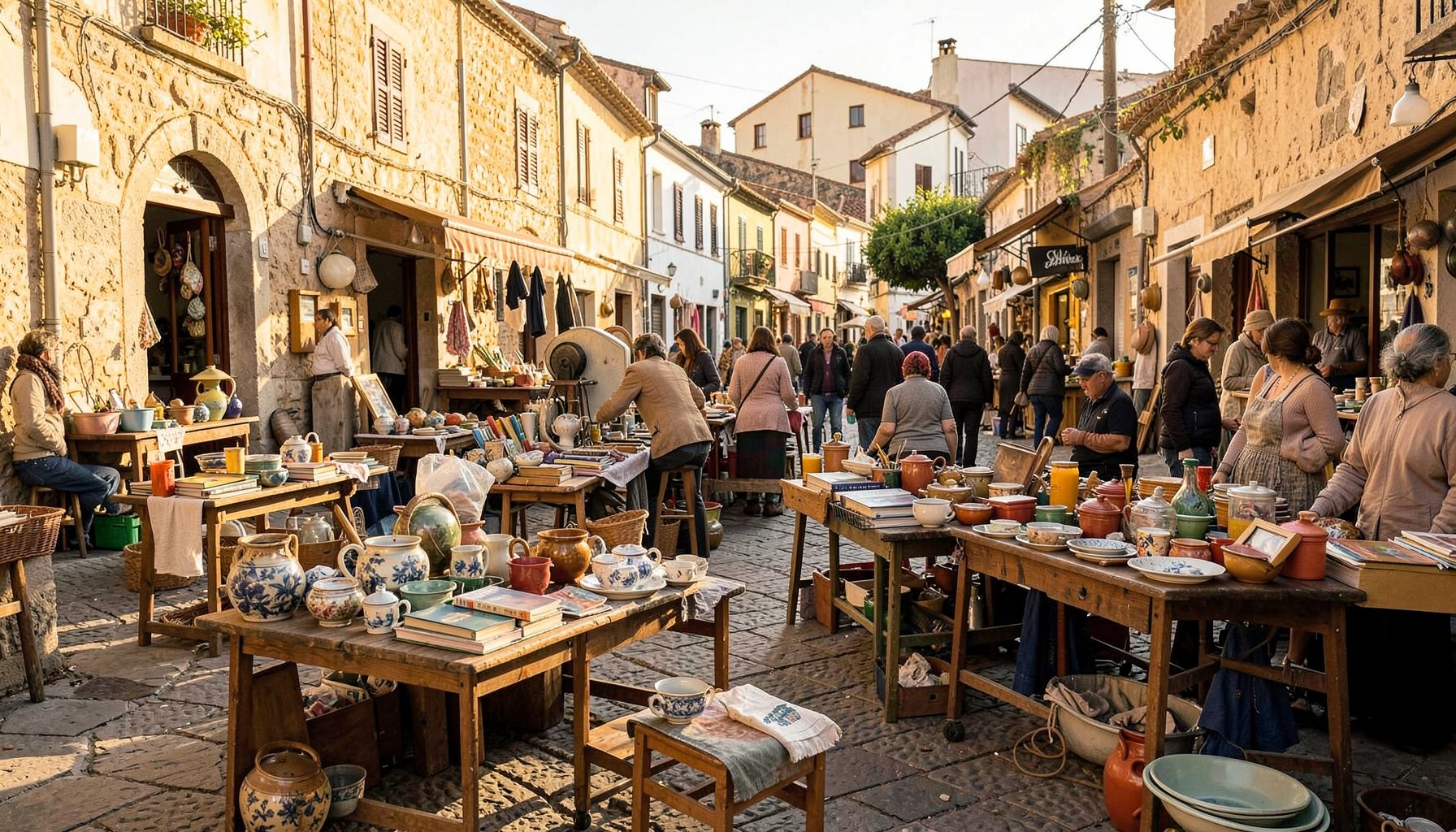
Browse local second-hand listings in the Agudo area. A convenient marketplace for buying and selling within the community.
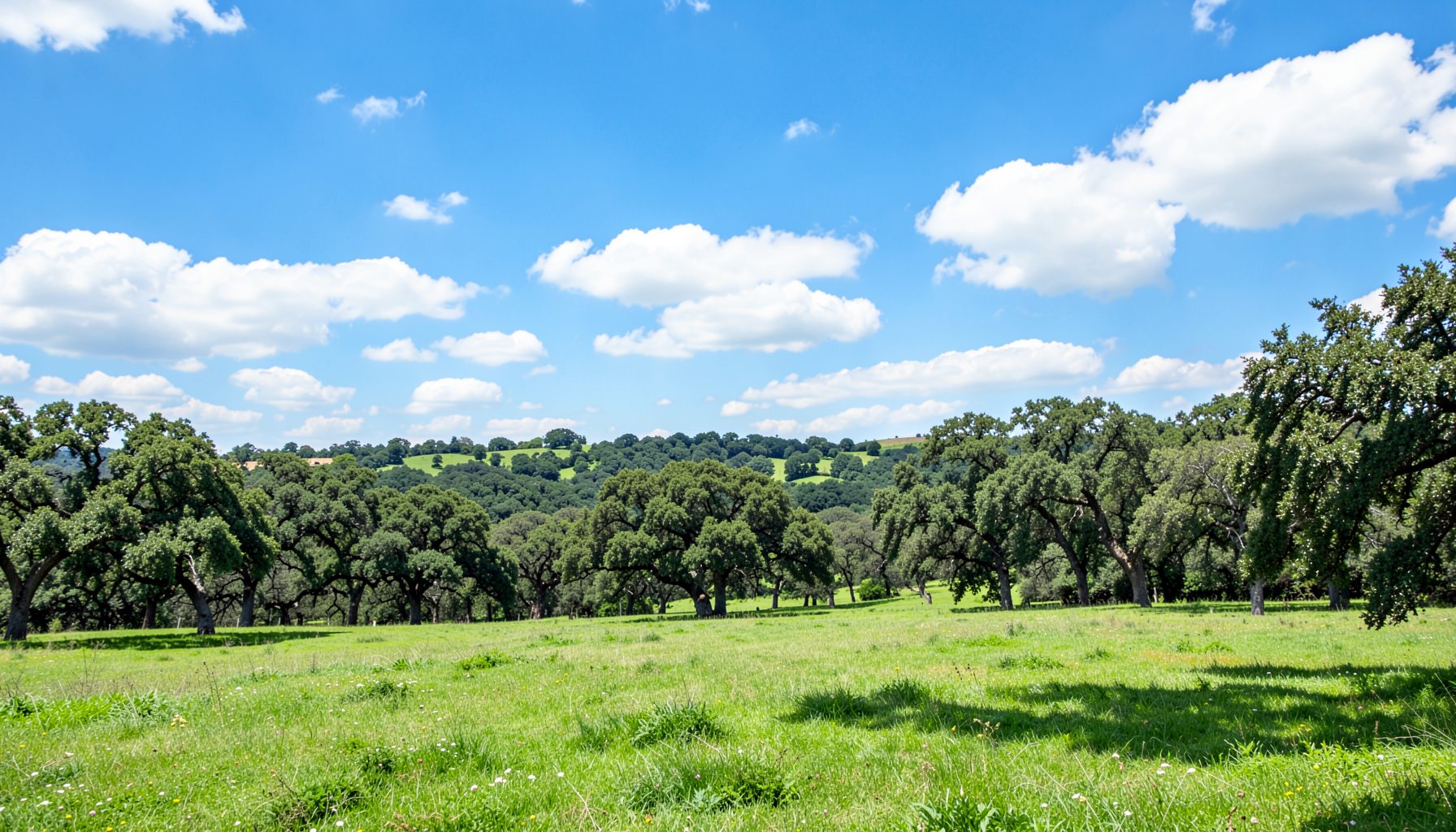
Explore our directory of recommended links, including the Ayuntamiento de Ciudad Real, Lagunas de Ruidera, Parque de Cabañeros, Agudo Joven, and Balneario Cervantes.
Access practical tools including Prensa links, radio, horóscopo, Loterías results, a leisure guide, recipes, a dictionary, and Street View integration.
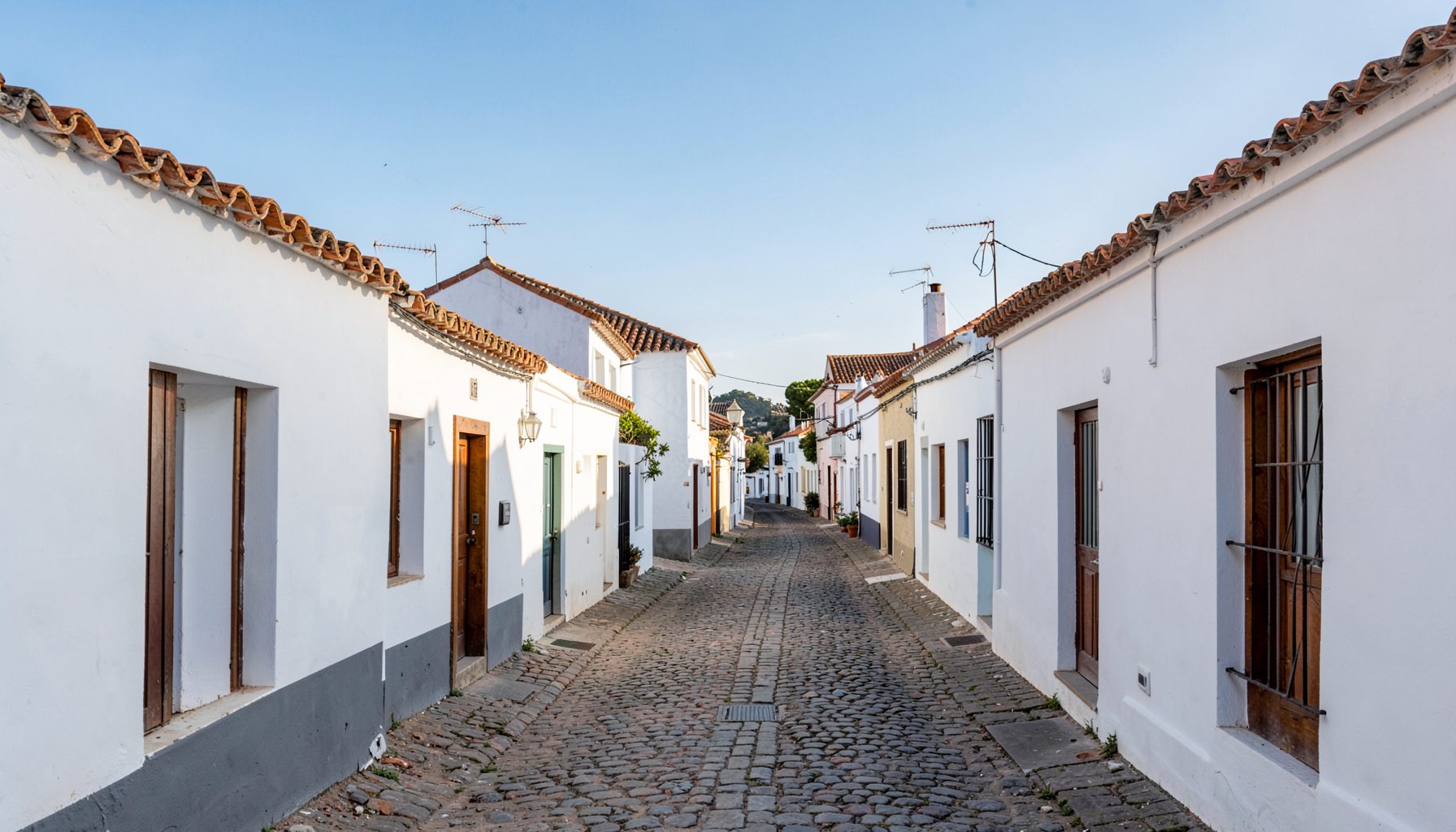
Watch videos showcasing Agudo and the surrounding region. A visual tour of local life, landscapes, and community events.