Stay informed with local news updates covering Agudo and the surrounding region. Browse the Hemeroteca for past articles and keep up with what matters in the community.
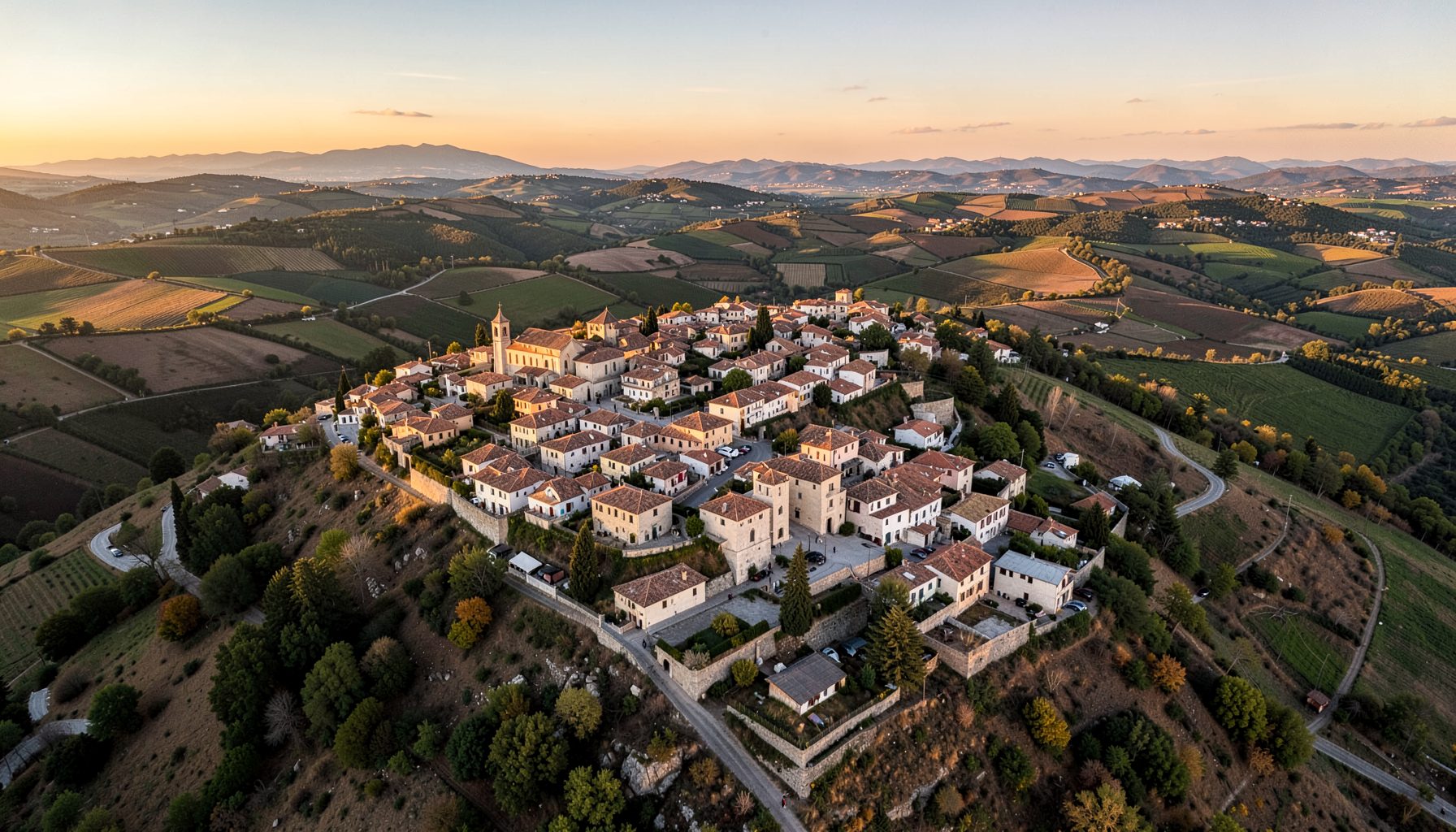
Residents of Barrio San Isidro are requesting a dedicated pedestrian path to the hermitage before the next pilgrimage. The proposal would give families, older people and visitors a safer way to walk between the neighbourhood and the religious site, particularly during the busiest part of the celebration.
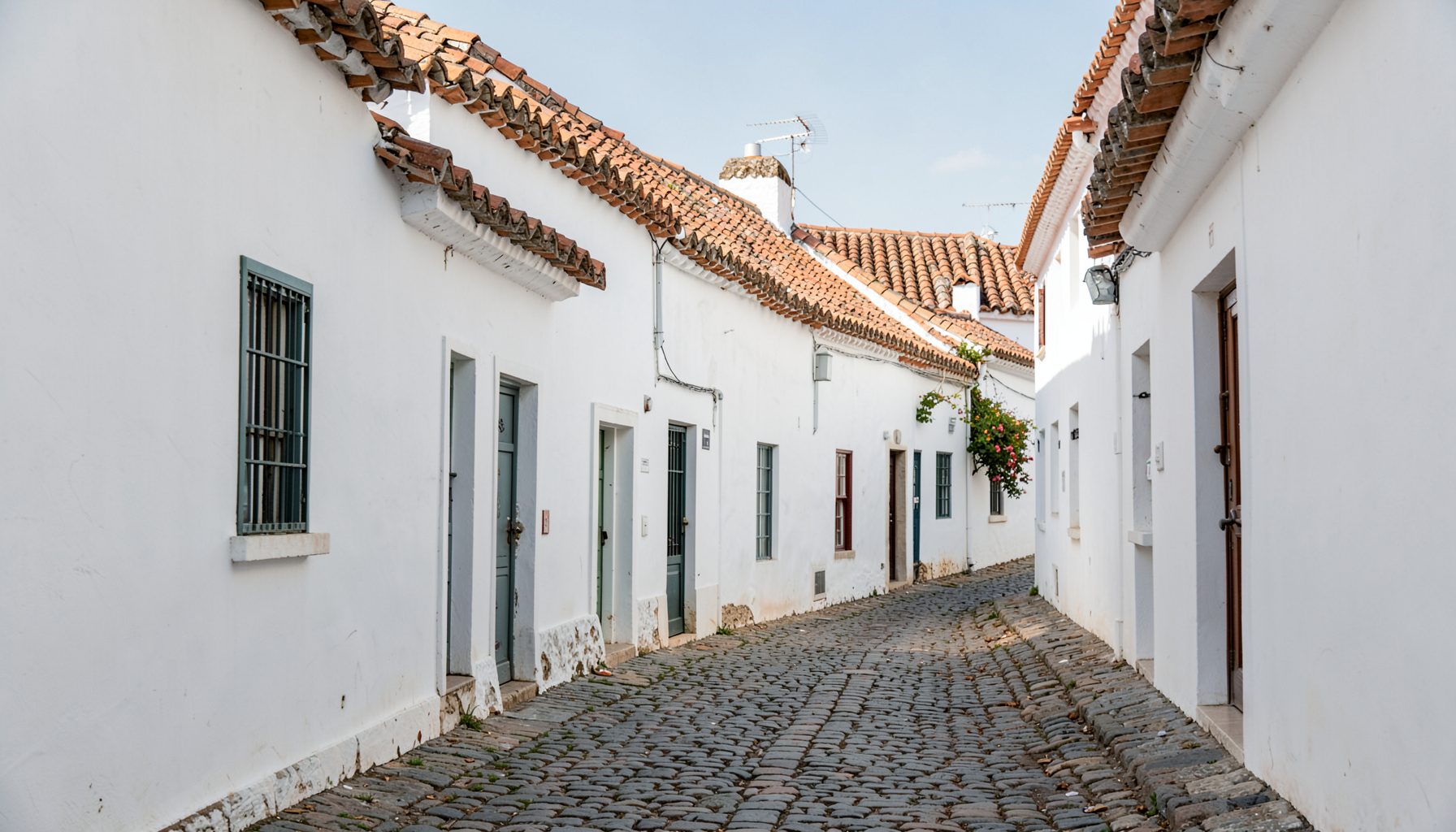
The current route is used by pedestrians and vehicles at the same time. During the pilgrimage, that mixture can become difficult to manage as people arrive on foot, cars pull over, and groups pause along the roadside. A clearly marked walkway could make the journey calmer while preserving access for farm vehicles and emergency services.
For Agudo, the request is about more than one annual event. The path could become a useful everyday connection for residents, a better welcome for visitors and a practical improvement for the hermitage surroundings. It also opens a wider discussion about how small communities can protect local traditions while making public spaces safer and easier to use.
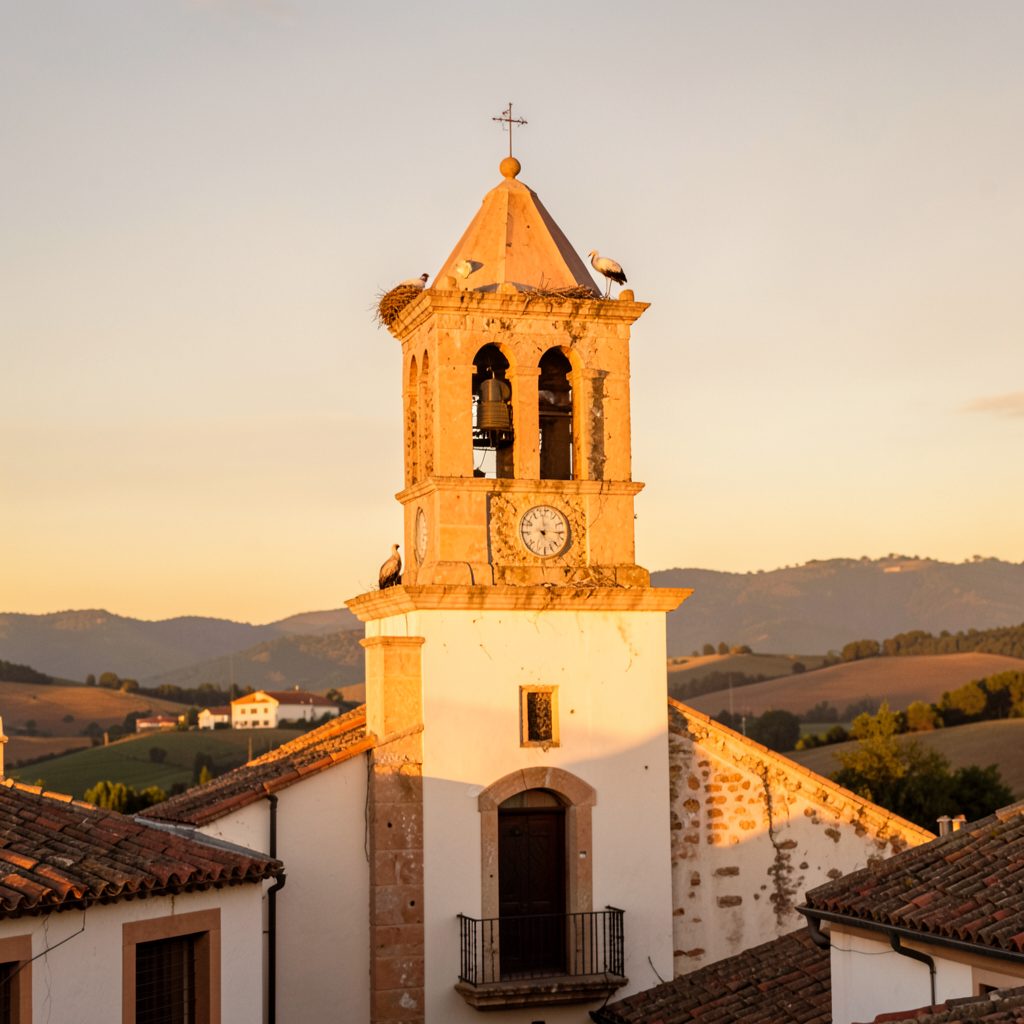
The walk to the hermitage is part of the identity of the area. For many residents, the pilgrimage is a shared family occasion, with children and grandparents travelling together and neighbours meeting along the route. A separated footpath would recognise that the journey itself is an important part of the celebration, rather than treating it as a temporary traffic problem.
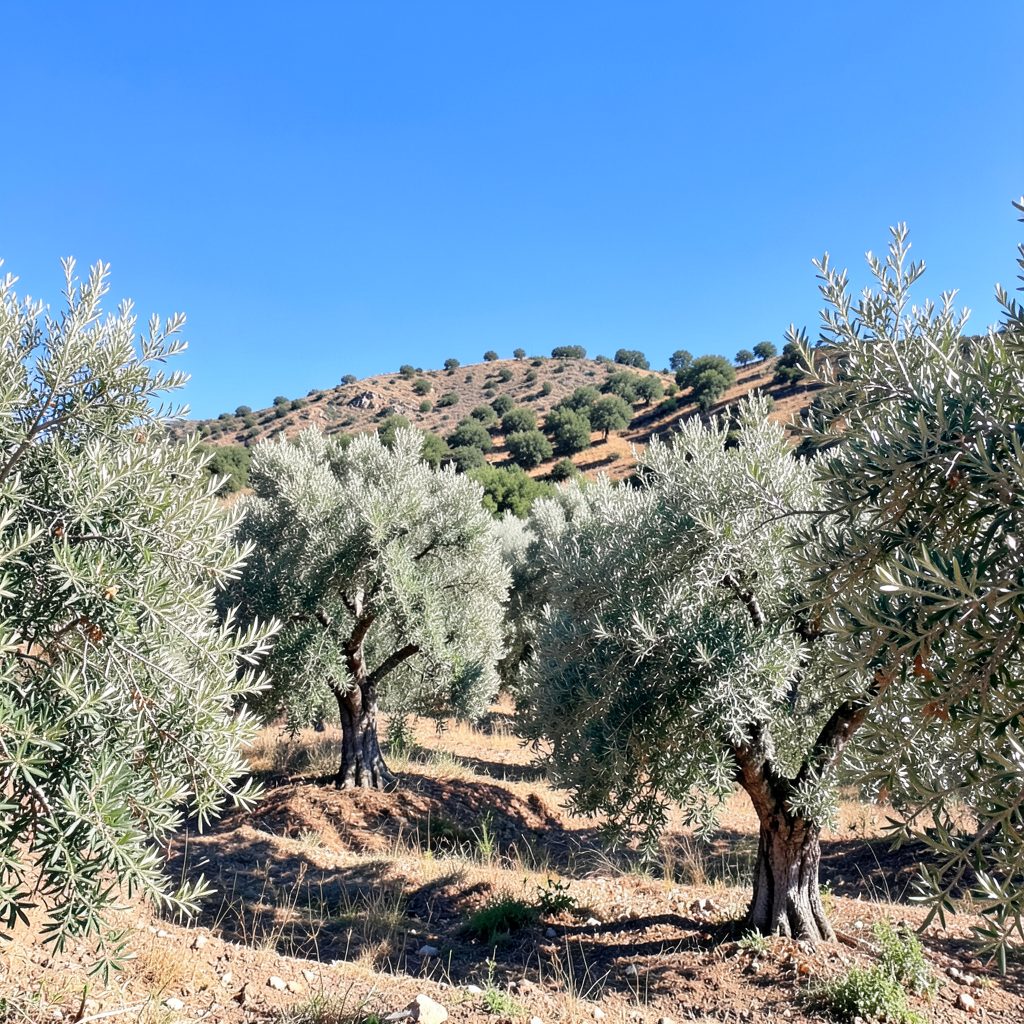
A permanent route would also serve people outside the pilgrimage period. Residents could use it for short walks, visits to the countryside or access to local heritage areas. Former residents returning to Agudo for the festivities would have a more visible and welcoming route, while nearby communities could attend without relying entirely on a car.
This kind of improvement is familiar to Australian audiences. Around cities such as Canberra and Adelaide, shared paths connect neighbourhoods with parks, recreation areas and community facilities. The scale is different, but the principle is similar: a modest walking link can become part of daily life when it is safe, legible and maintained.
The first priority should be separating pedestrians from moving traffic wherever the width of the land allows. A firm, even surface would reduce the risk of trips and help people using walking sticks, prams or mobility aids. Clear signs, reflective markers and suitable lighting near the busiest crossing points could improve visibility without changing the rural character of the area.
The council would also need to study drainage, dust, loose stones and seasonal weather. A path that works in dry conditions may become slippery or damaged after heavy rain. In parts of Australia, councils routinely consider intense summer storms in Brisbane or sudden heat on exposed paths in western Sydney. Agudo has its own climate pressures, so shade, water runoff and durable materials deserve attention from the beginning.
Accessibility should be treated as a basic requirement rather than an optional extra. Spanish public-space standards and local planning decisions need to be considered alongside the practical needs of users. Australian readers will recognise a similar expectation under the Disability Discrimination Act 1992 and accessible design standards: a route should be usable by people with different levels of mobility, not simply wide enough for a healthy adult.
Traffic management during the pilgrimage could include a temporary speed reduction, marshals at crossings and a clearly signed drop-off area away from the walking line. Those measures would be useful while construction is being assessed and could remain part of the event plan once a permanent path is completed.
The first formal step could be a site inspection involving council technicians, residents, event organisers and landowners. They could identify the safest alignment, measure the available verge, review property boundaries and note places where walkers currently leave the road. A short technical report would help distinguish urgent low-cost measures from work requiring a larger budget.
Funding may come from several sources rather than a single project allocation. The council could examine provincial or regional rural-access programmes, heritage and tourism funding, and grants linked to safer routes for pedestrians. Local businesses may also support signs, resting points or event-day infrastructure if the project brings more visitors to Agudo.
Maintenance should be included in the initial proposal. Residents need to know who will clear vegetation, repair erosion, replace signs and inspect the route before the pilgrimage. The council’s wider environmental work may provide a useful example: households can find practical information through the council’s free compost bins, showing how small local services can encourage shared responsibility.
Public consultation would help ensure that the path reflects how people actually move through the area. Residents may know which bend becomes dangerous, where children tend to cross or which section remains muddy after rain. Landholders can explain access requirements, while pilgrimage organisers can estimate the largest groups and the times when the route is busiest.
A consultation should be accessible to people who do not attend formal meetings. A notice at the community centre, a short survey, a map for written comments and an online discussion would allow more residents to participate. The community forums can provide a practical place for people to share route observations, photographs and suggestions without replacing official council procedures.
The conversation should remain focused on workable solutions. Some residents may favour a fully paved path, while others may prefer a compacted natural surface that blends into the landscape. Both views can be considered against cost, accessibility, drainage, construction impact and long-term upkeep.
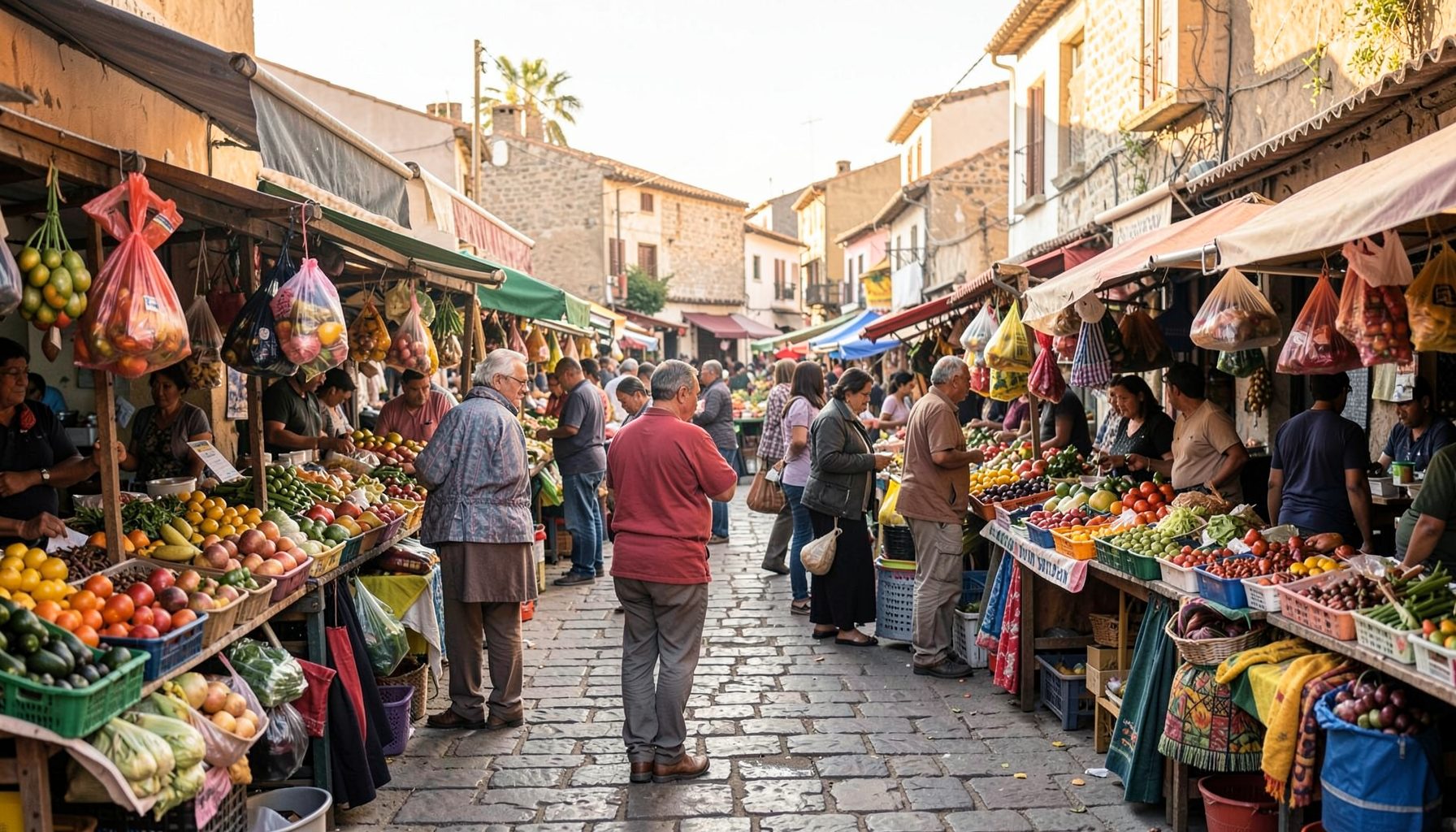
Australian communities often use this style of local decision-making for footpath upgrades, sporting facilities and farmers market precincts. At a weekend market in Melbourne or a community event in regional New South Wales, residents expect practical details about parking, access and safety. Applying the same clear communication to the pilgrimage route would build confidence before any work begins.
A staged approach could provide immediate protection while the longer-term project is designed. Temporary barriers, painted edge lines, warning signs and volunteer marshals could reduce risk during the next pilgrimage. These measures would not replace a permanent path, but they would show that the request has produced a practical response.
The final design should balance rural appearance with dependable performance. A smooth compacted surface may be appropriate for some sections, while a more robust paved treatment could be needed near vehicle crossings or steep ground. Seating at suitable intervals would help older walkers, and discreet bins could prevent litter during the event without creating unnecessary street furniture.
Key recommendations for the council and community include:
The main options can be assessed against the needs of the pilgrimage and ordinary local use:
| Route treatment | Main advantage | Main concern | Best use |
|---|---|---|---|
| Paved pedestrian path | Strong accessibility and easy cleaning | Higher construction cost | Busy sections and permanent access |
| Compacted gravel path | Lower cost and rural appearance | Requires drainage and regular grading | Quieter, wider sections |
| Marked roadside walkway | Quick to introduce | Limited protection from traffic | Short-term safety improvement |
| Shared low-speed lane | Uses existing space | Depends on driver compliance | Narrow areas with traffic controls |
A visible commitment before the celebration would give residents confidence that their concerns have been heard. Council officers can begin with a safety review, event-day controls and public consultation, then use that information to prepare a properly costed pedestrian connection to the hermitage.
The pilgrimage deserves a route that is safe, welcoming and practical throughout the year. Residents, organisers and council representatives can help move the proposal forward by documenting hazards, attending consultations and supporting a design that protects both people and the character of Agudo.
Stay informed with local news updates covering Agudo and the surrounding region. Browse the Hemeroteca for past articles and keep up with what matters in the community.
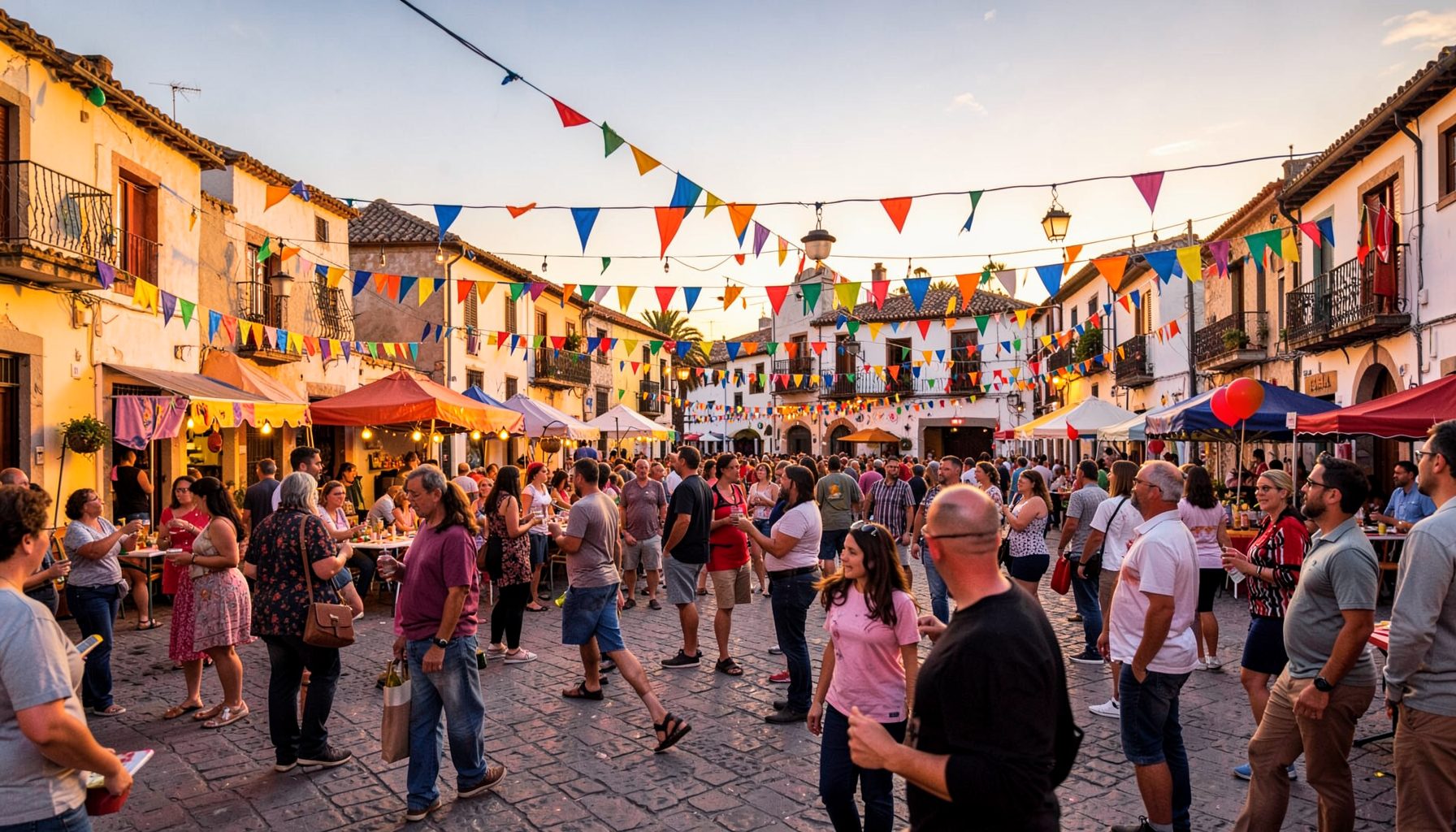
Join the conversation in the Agudo community forums. Access the Foro antiguo archive and participate in discussions with fellow residents and visitors.
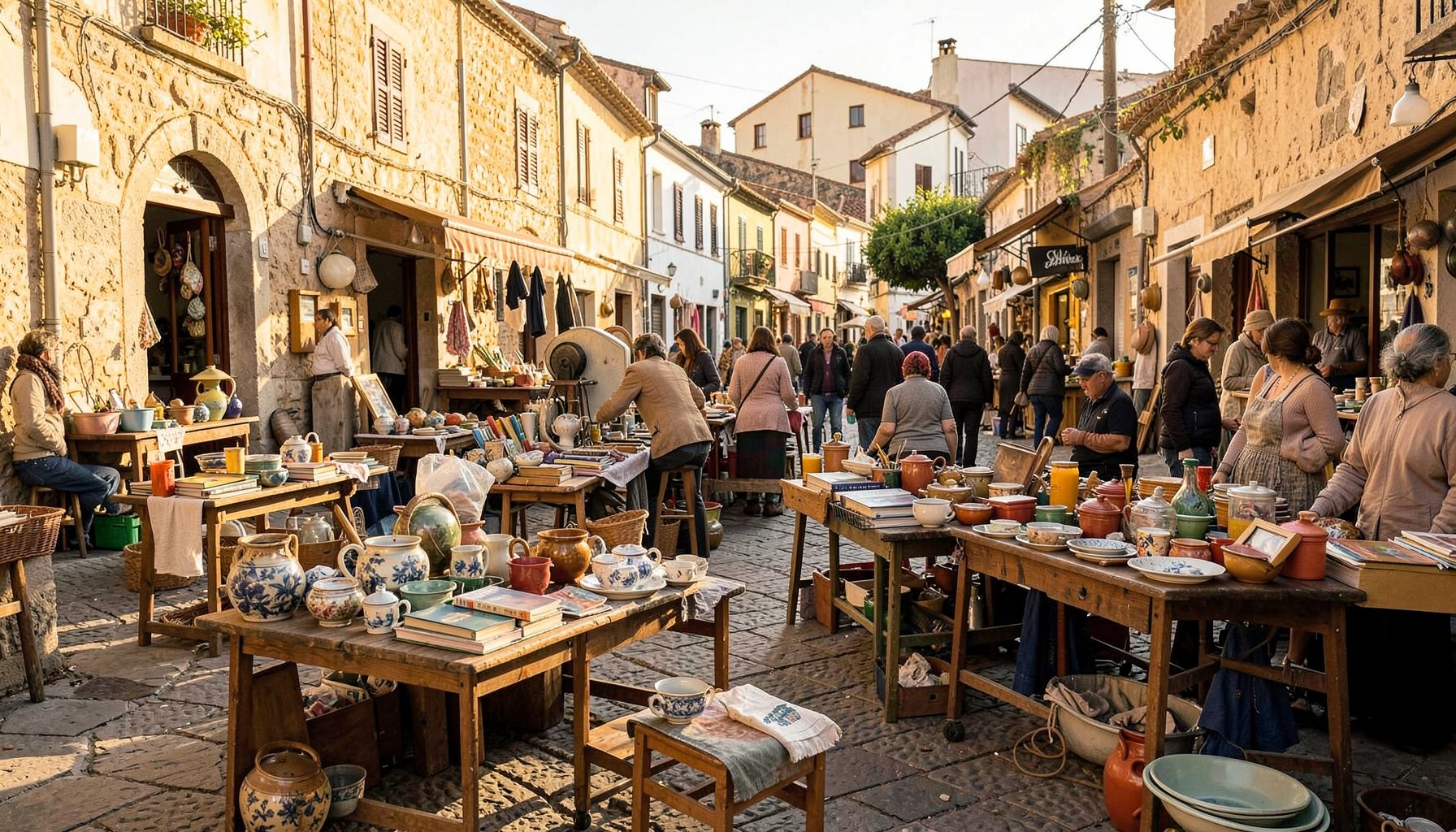
Browse local second-hand listings in the Agudo area. A convenient marketplace for buying and selling within the community.
Explore our directory of recommended links, including the Ayuntamiento de Ciudad Real, Lagunas de Ruidera, Parque de Cabañeros, Agudo Joven, and Balneario Cervantes.
Access practical tools including Prensa links, radio, horóscopo, Loterías results, a leisure guide, recipes, a dictionary, and Street View integration.
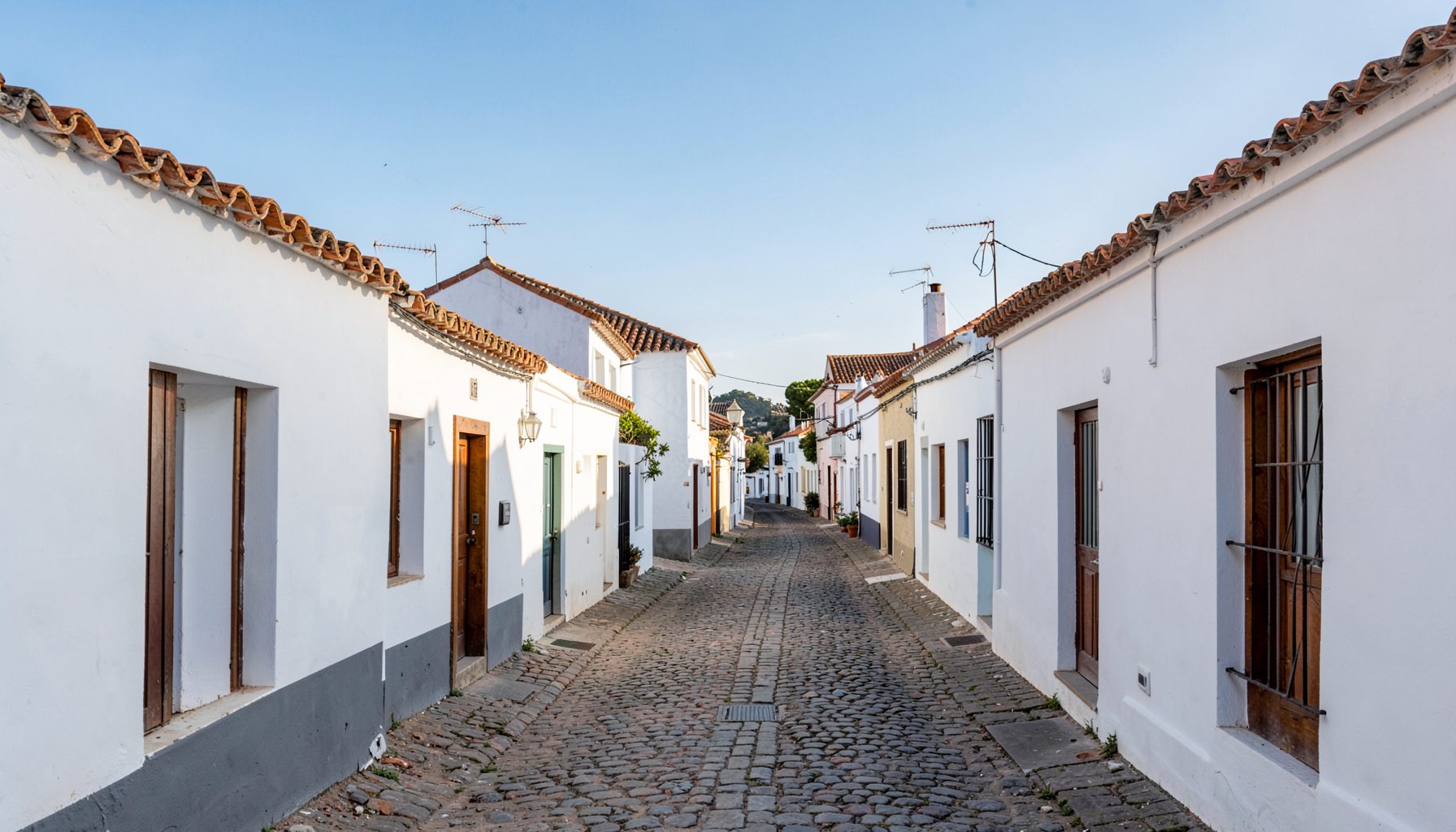
Watch videos showcasing Agudo and the surrounding region. A visual tour of local life, landscapes, and community events.