Stay informed with local news updates covering Agudo and the surrounding region. Browse the Hemeroteca for past articles and keep up with what matters in the community.
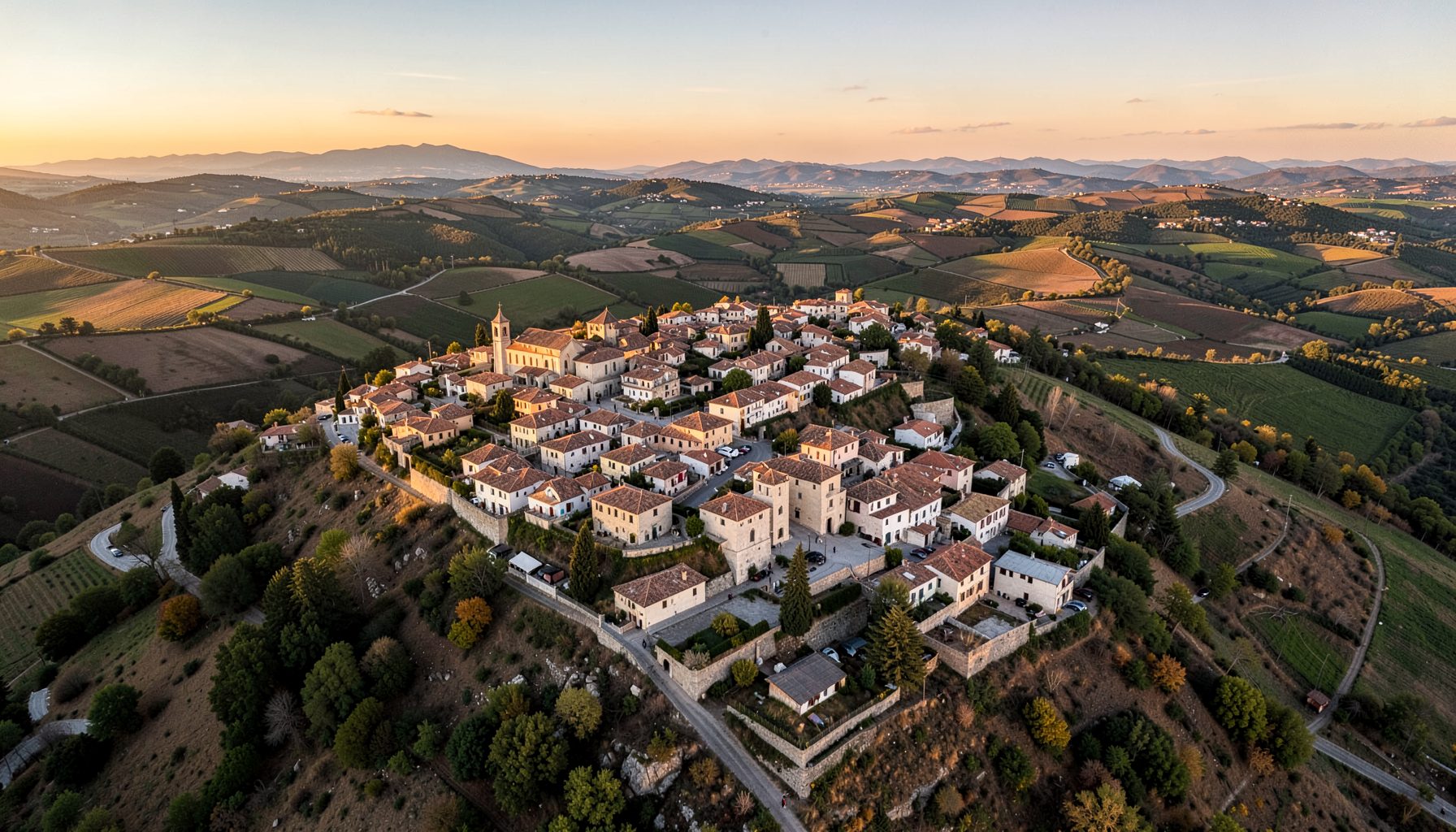
Residents are being invited to help design a new memorial garden for lost loved ones in Agudo, creating a shared place for remembrance, quiet reflection, and community care. The proposed space would give families an opportunity to honour relatives, friends, and neighbours while contributing ideas about how the garden should look and feel.
The initiative is intended to reflect the character of Agudo and the surrounding Ciudad Real landscape. Rather than presenting a finished plan, organisers want local voices involved from the beginning, including residents, former residents, young people, community groups, and families who have personal experience of bereavement.
A memorial garden can become a lasting part of civic life when its design is shaped by the people who will use it. Planting, paths, seating, plaques, shade, accessibility, and maintenance all matter. The consultation will help establish whether the final space should be intimate and secluded, open and welcoming, or a balance of both.
The garden would offer a dedicated setting for people to remember those who are no longer with them. Some visitors may want to sit in silence, while others may value a place where they can bring flowers, read a name, or share memories with younger generations.
Its purpose would extend beyond formal commemorations. Grief does not follow a calendar, and families may need a peaceful place months or years after a funeral. Trees, native shrubs, seasonal flowers, and carefully designed seating could create an environment that feels gentle without becoming overly formal.
A public memorial space also recognises that the history of a town is carried by its people. Honouring those who built families, worked local land, supported associations, taught children, or served their neighbours can strengthen the connection between personal memory and Agudo’s wider story.
The consultation should allow residents to express practical preferences as well as emotional responses. Some may suggest a central memorial stone, while others may prefer individual plaques, engraved leaves, a remembrance wall, or a communal feature that avoids separating one person’s memory from another’s.
The design process could include a public meeting, a paper feedback form, and an online channel for people who live elsewhere but retain strong ties to Agudo. Former residents are an important part of the conversation, especially those who return for holidays, family events, or local celebrations.
Children and teenagers should have a clear opportunity to participate. Their ideas may encourage a more living and evolving space, such as a tree-planting area, an illustrated pathway, or a carefully managed section where schools can learn about local history and the natural environment.
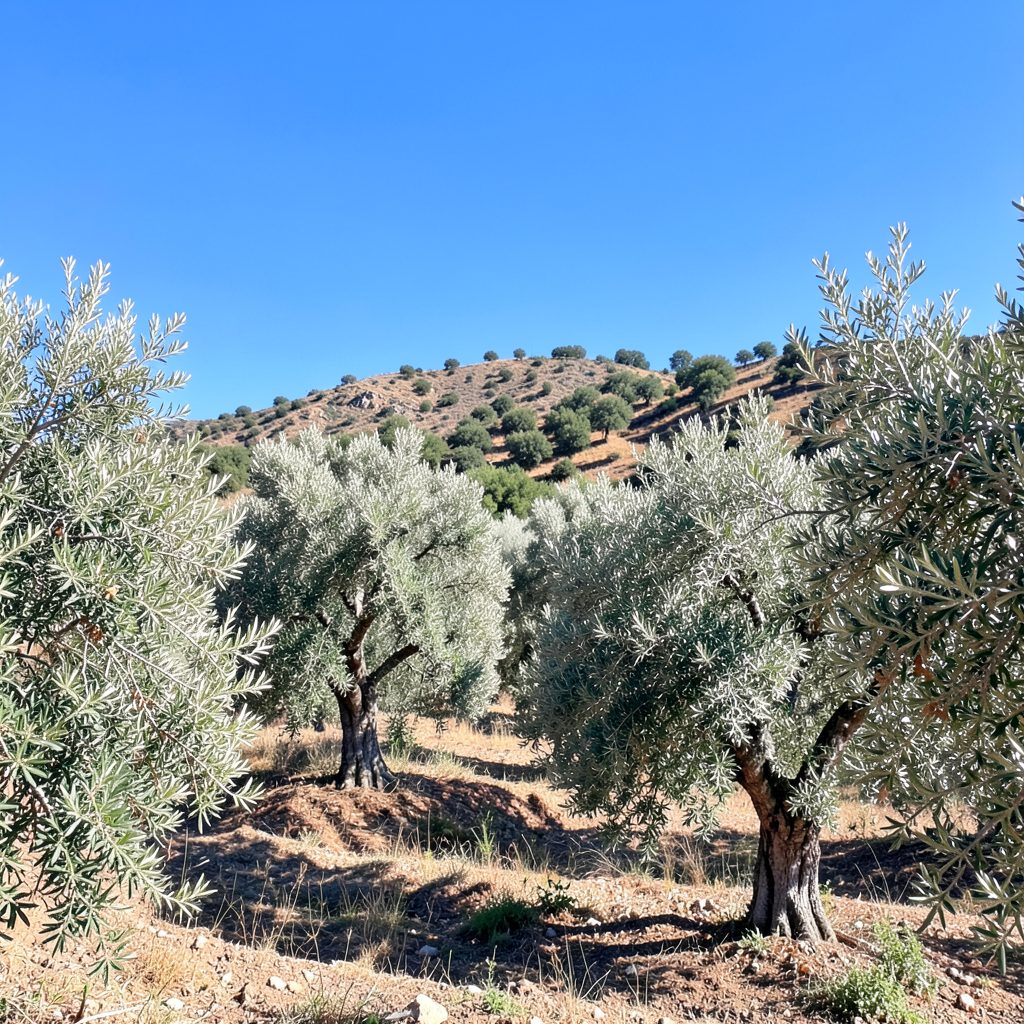
A successful memorial garden must suit the climate of Ciudad Real. Drought-tolerant native plants could reduce water consumption while creating a landscape that feels rooted in the region. Olive, almond, holm oak, rosemary, lavender, rockrose, and other hardy species may offer colour, fragrance, shade, and habitat across the seasons.
The choice of plants should also consider allergies, low maintenance, fire safety, and the needs of visitors with limited mobility. A garden that looks attractive in spring but becomes difficult to care for during hot, dry months would place unnecessary pressure on municipal services and volunteers.
Agudo’s rural setting provides useful inspiration for sustainable design. The community has already shown interest in local projects that connect land, family enterprise, and responsible tourism, including this eco-camping site established among olive trees near the river. Similar care for water, soil, shade, and local materials could guide the memorial garden.
Residents may wish to discuss a range of features before any final plan is approved. Each element should serve a clear purpose and contribute to a calm, accessible setting rather than making the space feel crowded.
| Possible feature | Community value | Points to consider |
|---|---|---|
| Native trees and shrubs | Shade, habitat, and a living symbol of continuity | Water needs, growth patterns, and long-term care |
| Benches and quiet corners | Space for reflection and private mourning | Comfort, shade, and wheelchair access |
| Memorial plaques or stones | A visible way to preserve names and memories | Cost, wording, durability, and future additions |
| Accessible paths | Welcomes older people and visitors with mobility needs | Surface quality, slopes, lighting, and drainage |
| Seasonal planting | Brings colour and renewal throughout the year | Maintenance, allergies, and drought resistance |
| Central gathering area | Supports remembrance ceremonies and community events | Capacity, privacy, and noise management |
The garden could also include a small water-conscious feature, such as a dry stream bed or stone arrangement inspired by local landscapes. Any symbolic element should be durable, easy to maintain, and respectful of the different ways families remember someone.
Lighting will need particular attention. Soft, low-energy lighting could make the space safer during winter afternoons without changing its quiet character. Clear rules about flowers, candles, objects, and ceremonies would help preserve dignity while allowing families to personalise the space within agreed limits.
A memorial garden should be available to everyone, including older residents, wheelchair users, people with visual impairments, and families with young children. Smooth paths, stable seating, clear signs, suitable gates, and accessible planting areas should be considered from the first design sketches rather than added later.
The location will also influence whether people can visit regularly. A site near established paths and public services may be easier for many residents, while a more secluded location could provide greater quiet. Public transport, parking, shade, drainage, and proximity to homes should all form part of the discussion.
Long-term care is just as important as the initial construction. The municipality might manage the garden directly, work with local associations, or create a mixed model involving residents and community groups. A written maintenance plan should identify responsibility for watering, pruning, repairs, cleaning, and the addition of future memorials.
The garden should feel specific to Agudo rather than resembling an anonymous civic project. Local stone, traditional agricultural references, and plant species familiar from the surrounding countryside could give the space a strong sense of place without turning it into a decorative display.
Families may also contribute ideas for inscriptions or shared wording. A short phrase in Spanish, a reference to roots and belonging, or a simple statement about memory could help define the garden’s character. Any wording should remain inclusive and allow people with different beliefs to feel welcome.
There may be value in creating a community archive linked to the garden. Photographs, recorded memories, or short biographies could be preserved through a local digital collection, provided families give permission. This would connect the physical site with Agudo’s broader record of images, stories, and neighbourhood life.
Residents can make the planning process more useful by focusing on both personal meaning and everyday operation. The following priorities would help turn individual ideas into a workable community brief:
A clear record of feedback would help residents see how their contributions influence the final proposal. Publishing a summary of the main themes, along with reasons for accepting or rejecting significant suggestions, would build trust and prevent the consultation from feeling symbolic rather than meaningful.
The project may also benefit from collaboration with local schools, cultural groups, gardeners, and environmental associations. Their involvement could support educational activities, seasonal planting days, oral-history work, and volunteer events, while ensuring that responsibility remains properly coordinated.
The proposed garden can become a gentle, enduring expression of Agudo’s collective memory. Residents, families living elsewhere, and community organisations now have an opportunity to help shape a place that respects grief, celebrates local lives, and grows with the town. Share your ideas through the consultation channels, attend the community discussion, and encourage relatives and neighbours to take part before the design is finalised.
Stay informed with local news updates covering Agudo and the surrounding region. Browse the Hemeroteca for past articles and keep up with what matters in the community.
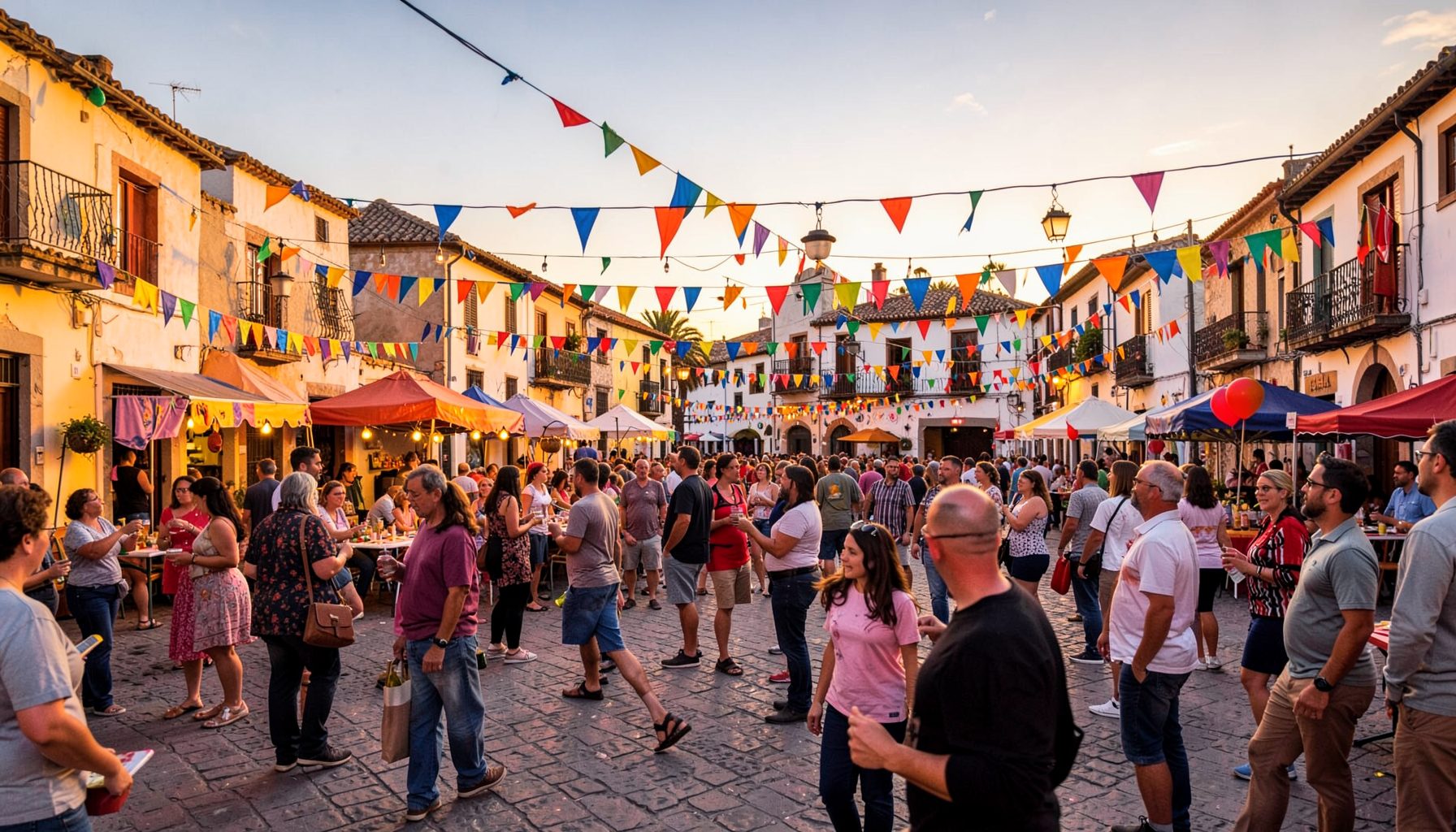
Join the conversation in the Agudo community forums. Access the Foro antiguo archive and participate in discussions with fellow residents and visitors.
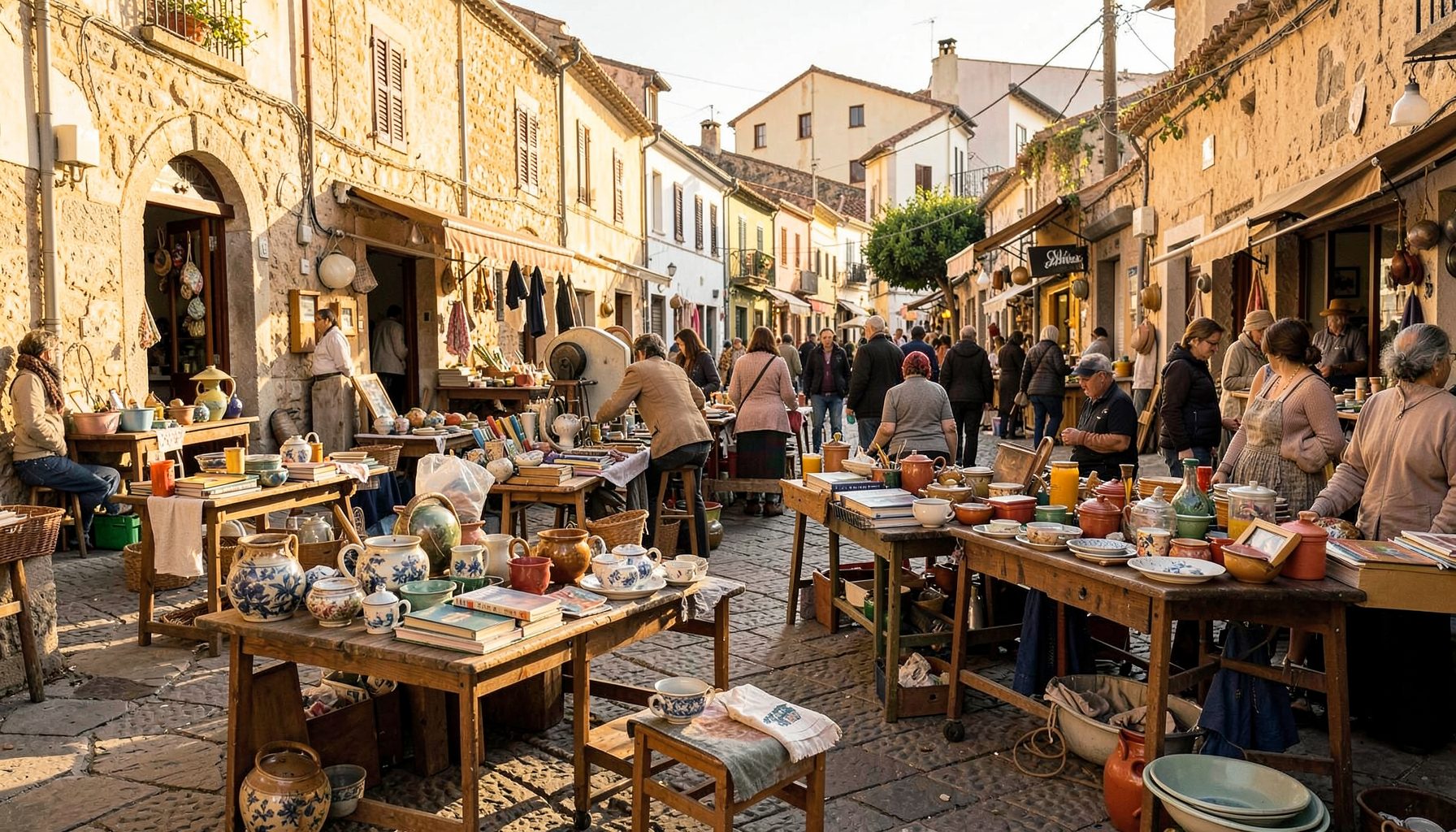
Browse local second-hand listings in the Agudo area. A convenient marketplace for buying and selling within the community.
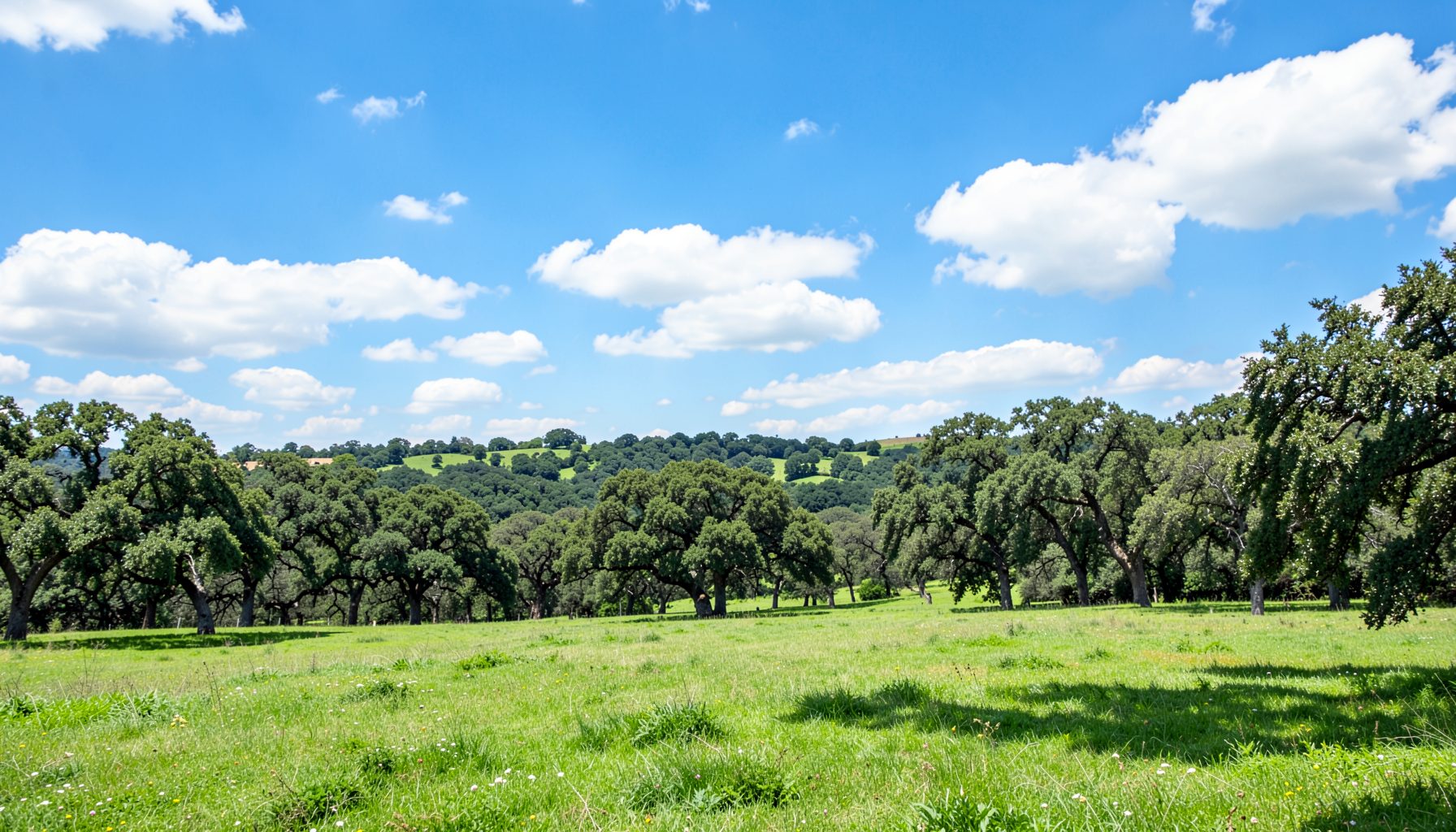
Explore our directory of recommended links, including the Ayuntamiento de Ciudad Real, Lagunas de Ruidera, Parque de Cabañeros, Agudo Joven, and Balneario Cervantes.
Access practical tools including Prensa links, radio, horóscopo, Loterías results, a leisure guide, recipes, a dictionary, and Street View integration.
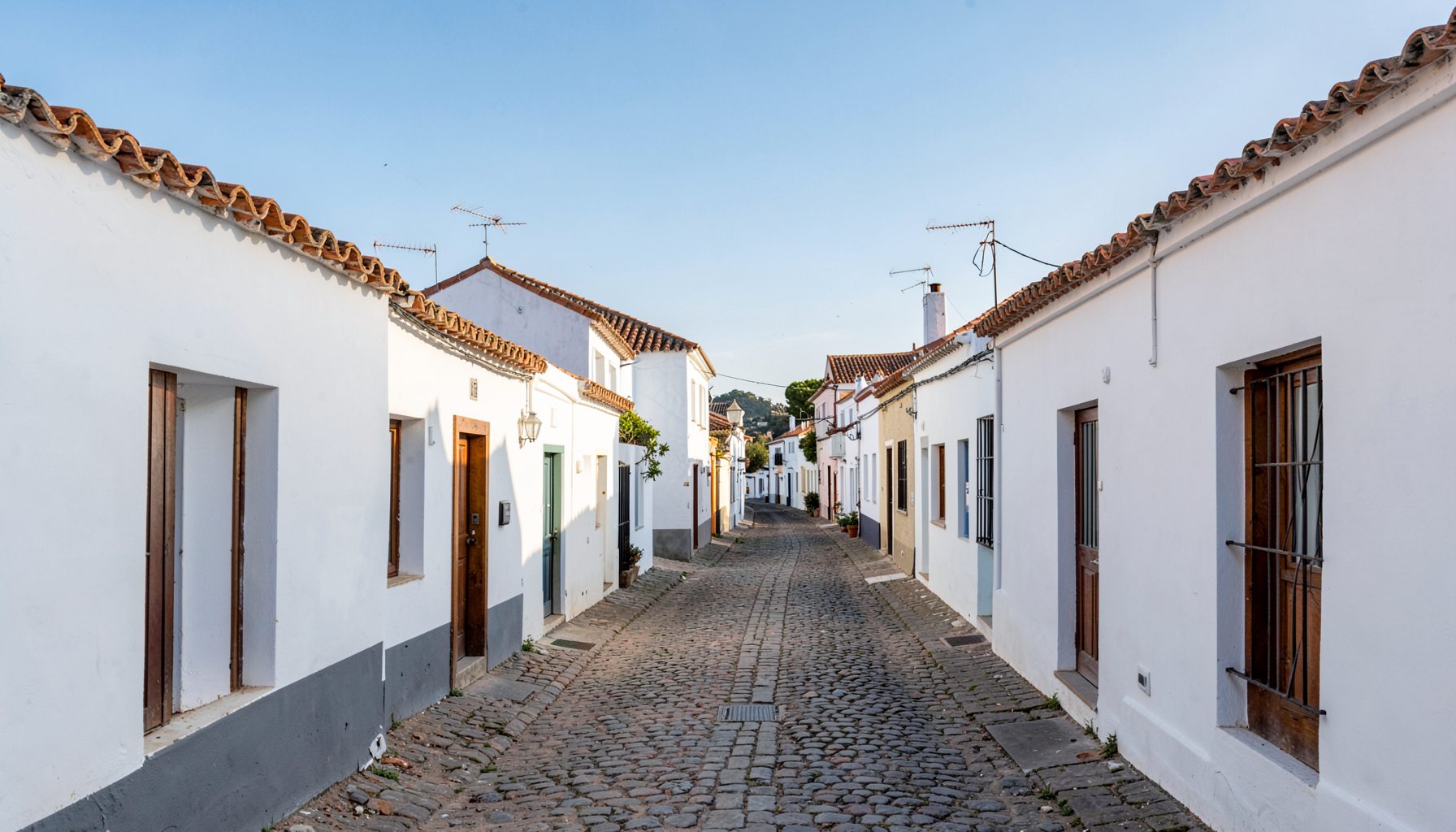
Watch videos showcasing Agudo and the surrounding region. A visual tour of local life, landscapes, and community events.