
Stay informed with local news updates covering Agudo and the surrounding region. Browse the Hemeroteca for past articles and keep up with what matters in the community.
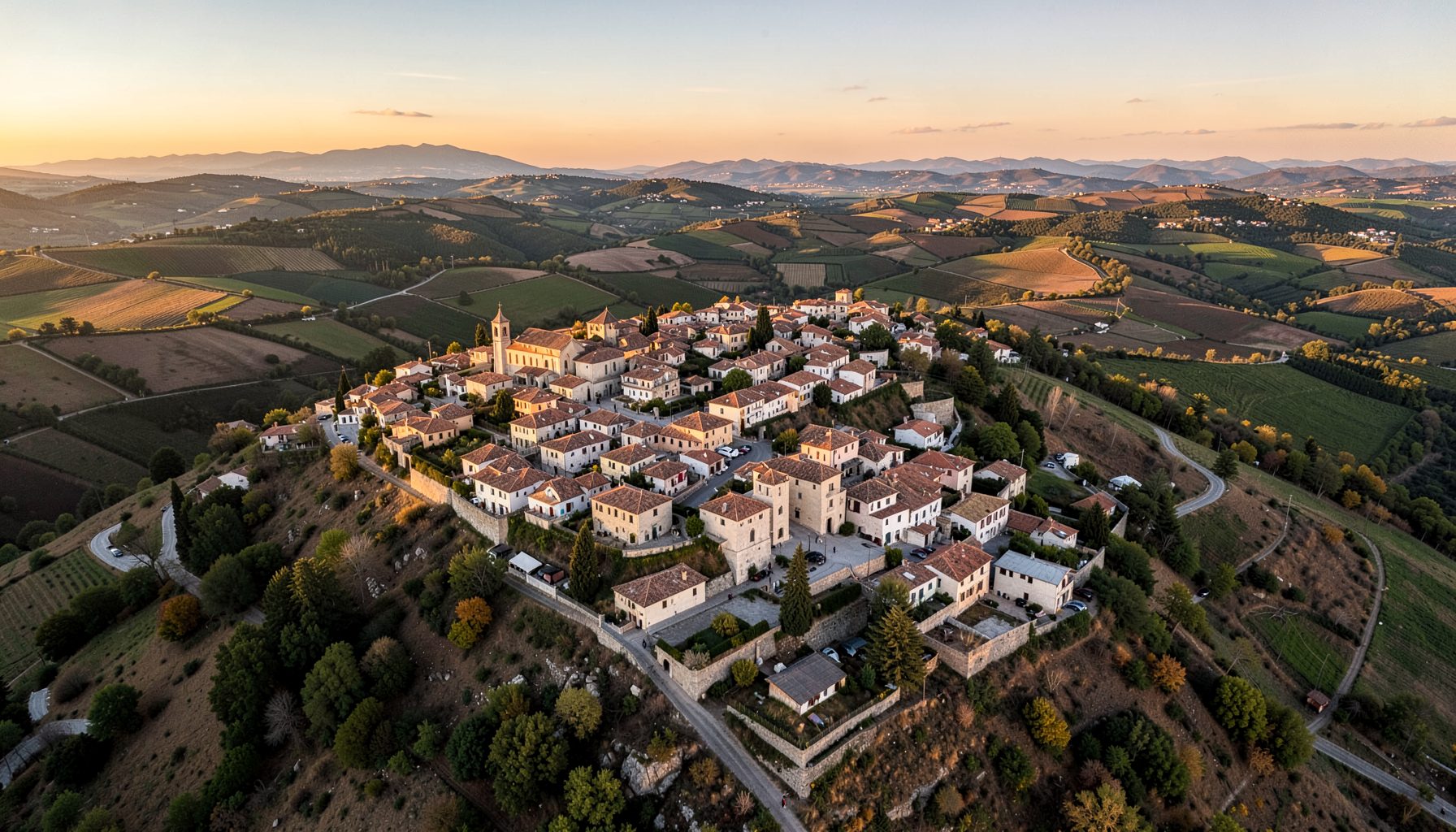
A resident’s sighting of a rare hoopoe in an oak grove near Agudo has given the village a gentle reason to slow down, look closely and walk together. The bird’s orange colouring, black-and-white wings and distinctive crest can make even a short outing feel memorable, especially when the surrounding landscape is already rich with seasonal sounds and movement.
For people who know Agudo, the moment connects local curiosity with the wider character of Ciudad Real: open countryside, holm oak woodland, dry tracks, changing light and villages where news still travels through personal stories. For Australians, it may feel familiar in a different setting, much like hearing that an unusual bird has appeared near a suburban creek, a country reserve or the edge of a regional town.
Hoopoes are unmistakable once seen clearly. Their long, narrow bill is suited to probing soil, while their broad wings show strong black-and-white bands in flight. When the bird raises its fan-shaped crest, the sight becomes even more distinctive. A rare or unexpected observation can therefore attract attention quickly, particularly in a small community where residents know the usual birds of nearby fields and woodland.
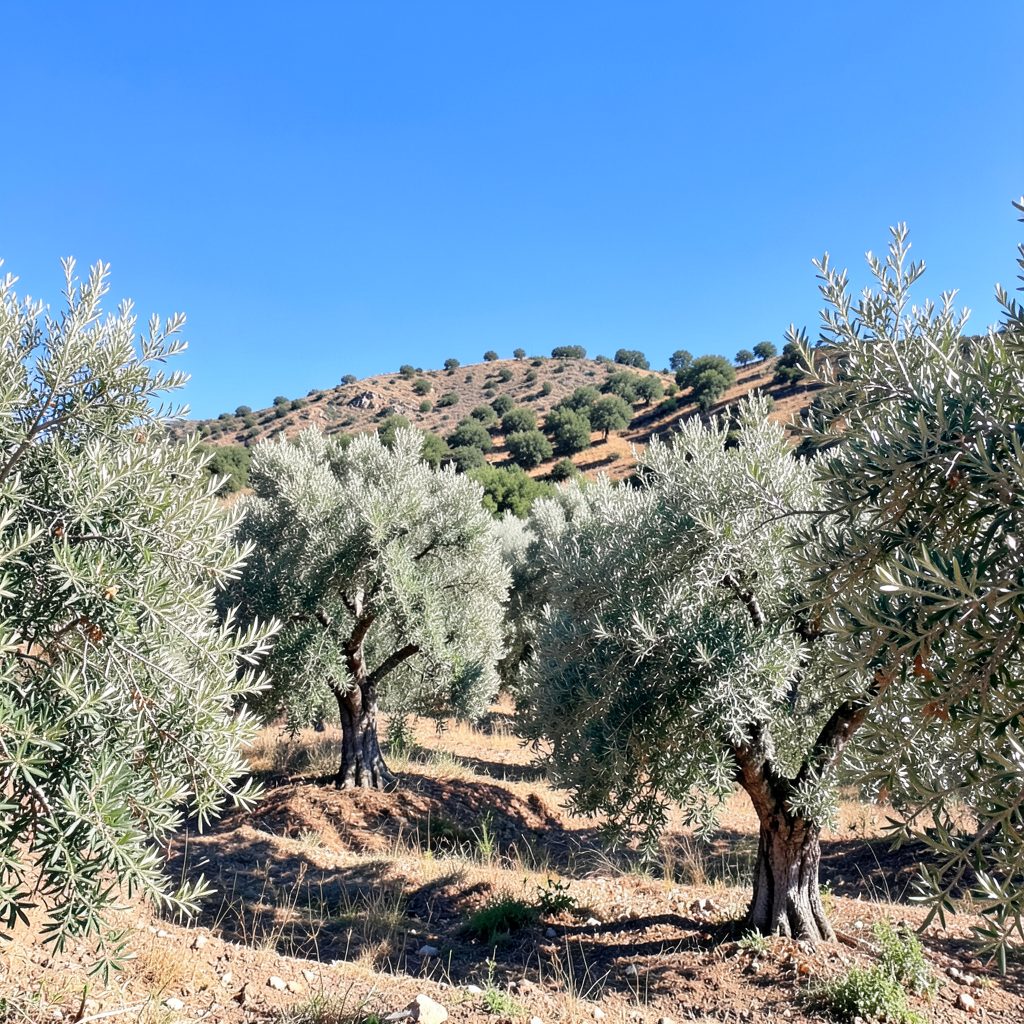
The oak grove offers a fitting setting for this kind of discovery. Holm oaks provide shade, insects, leaf litter and open ground beneath the canopy, creating a varied habitat for birds that feed at different heights. A hoopoe may pause on a low branch, cross a track or search around the roots and grasses, giving walkers brief but rewarding views.
The news also shows the value of ordinary local observation. The bird did not need to be found during a formal survey or a major wildlife event. It was noticed because someone was paying attention while moving through a familiar landscape. That simple act can encourage neighbours, families and visitors to look beyond the road and into the living countryside around Agudo.
A bird sighting can become a small window into the health and variety of a rural environment. Hoopoes feed largely on insects and other small creatures in the ground, so their presence reflects the importance of undisturbed soil, old trees, grass margins and low-intensity countryside. The oak grove is more than a scenic backdrop; it is a network of shelter, food and nesting opportunities.
Agudo’s landscape forms part of the broader natural character of Castilla-La Mancha, where farming areas, scrub, woodland and open plains meet. Seasonal conditions shape every observation. Spring can bring fresh growth and bird activity, while the intense heat of summer changes when people and wildlife are most visible. A walk at first light or near sunset may be more comfortable and more productive than a midday outing.
Australian readers may recognise a similar relationship between town life and nearby habitat. A resident in Canberra might keep an eye on a woodland edge, while someone in Adelaide could notice an unusual visitor in a reserve after rain. In Melbourne, local birdwatchers often share sightings through community groups, just as residents around Agudo can use familiar village networks to spread news without turning the moment into a disturbance.
The best response to an unusual bird is patience rather than pursuit. Walkers should keep a respectful distance, avoid surrounding the bird and leave it a clear route through the trees. Quiet voices and slow movements improve the chance of a good view, while binoculars allow people to observe details without moving closer.
A small group should stay on existing paths where possible. Oak woodland can contain fragile ground cover, insects and nesting sites that are easy to damage when people step off the track. Dogs should be controlled, especially if the bird is feeding on the ground, and children can be encouraged to watch from one agreed spot instead of spreading through the grove.
Conditions matter as well. Checking the forecast before setting out is sensible in any season. Australian walkers are used to consulting the Bureau of Meteorology before a bushwalk, particularly during heat, storms or fire weather; the same practical habit applies around Agudo. Water, sun protection and sturdy footwear are useful even for a short countryside walk, while a fully charged phone helps record the location and share safety information.
Photography should remain secondary to the welfare of the bird. Flash can be intrusive, and repeated approaches may cause the hoopoe to abandon a feeding area. A distant photograph, written note or simple sketch can preserve the memory without turning a quiet sighting into a crowd.
The local nature walk prompted by the sighting can become more than a single afternoon activity. Residents may compare observations, note the date and weather, and record whether the hoopoe returns to the same part of the grove. These details help build a community archive of local wildlife, adding a natural-history layer to the photographs, videos and stories already associated with Agudo.
Schools and families can use the outing as an informal lesson. Children might learn to identify the hoopoe’s call, distinguish a holm oak from other trees or count different forms of habitat along the path. Older residents may add knowledge of traditional routes, seasonal changes and places where birds have been noticed in earlier years. The result is a conversation between generations rather than a one-off sighting.
Community information works best when it stays connected to everyday village life. A notice about a guided walk, a shared pair of binoculars or a request for sightings can sit alongside local event announcements and practical information. Residents who have moved away can follow the story from elsewhere, including Australians with family links to Spain or an interest in rural European birdlife. Local listings and community notices can also be shared through the Agudo classifieds when equipment, transport or event details need to reach a wider audience.
The walk may even encourage visitors to explore responsibly. Someone travelling from Sydney, Perth or Brisbane might associate wildlife tourism with koalas, cockatoos or wallabies, yet the same principle applies in Agudo: observe carefully, respect private land and leave the habitat as it was found. Nature-based visits are strongest when they support the place rather than treating it as a backdrop.
A few practical habits can help residents enjoy future sightings while protecting the oak grove and making useful records for the community:
These steps are modest, but they turn curiosity into good stewardship. They also make a walk more inclusive. People who are new to birdwatching do not need specialist equipment or an extensive species list; noticing colour, movement, calls and habitat is enough to begin.
For local organisers, a short route with a clear meeting point can make participation easier. Early morning walks may suit warmer months, while cooler seasons offer a different atmosphere among the oaks. A reminder about access, dogs, water and weather helps visitors prepare, whether they live in Agudo or are accustomed to the very different conditions of an Australian national park.
A rare hoopoe has given Agudo a reason to gather around something small, beautiful and local. The most valuable outcome may be the attention it inspires: residents looking more carefully at familiar trees, children learning the names of nearby birds and neighbours sharing knowledge about the countryside they pass every day.
Follow the community updates, record respectful observations and take part in the next nature walk around Agudo. One unusual bird can open a lasting conversation about the oak grove, the seasons and the living landscape surrounding the village.
Stay informed with local news updates covering Agudo and the surrounding region. Browse the Hemeroteca for past articles and keep up with what matters in the community.
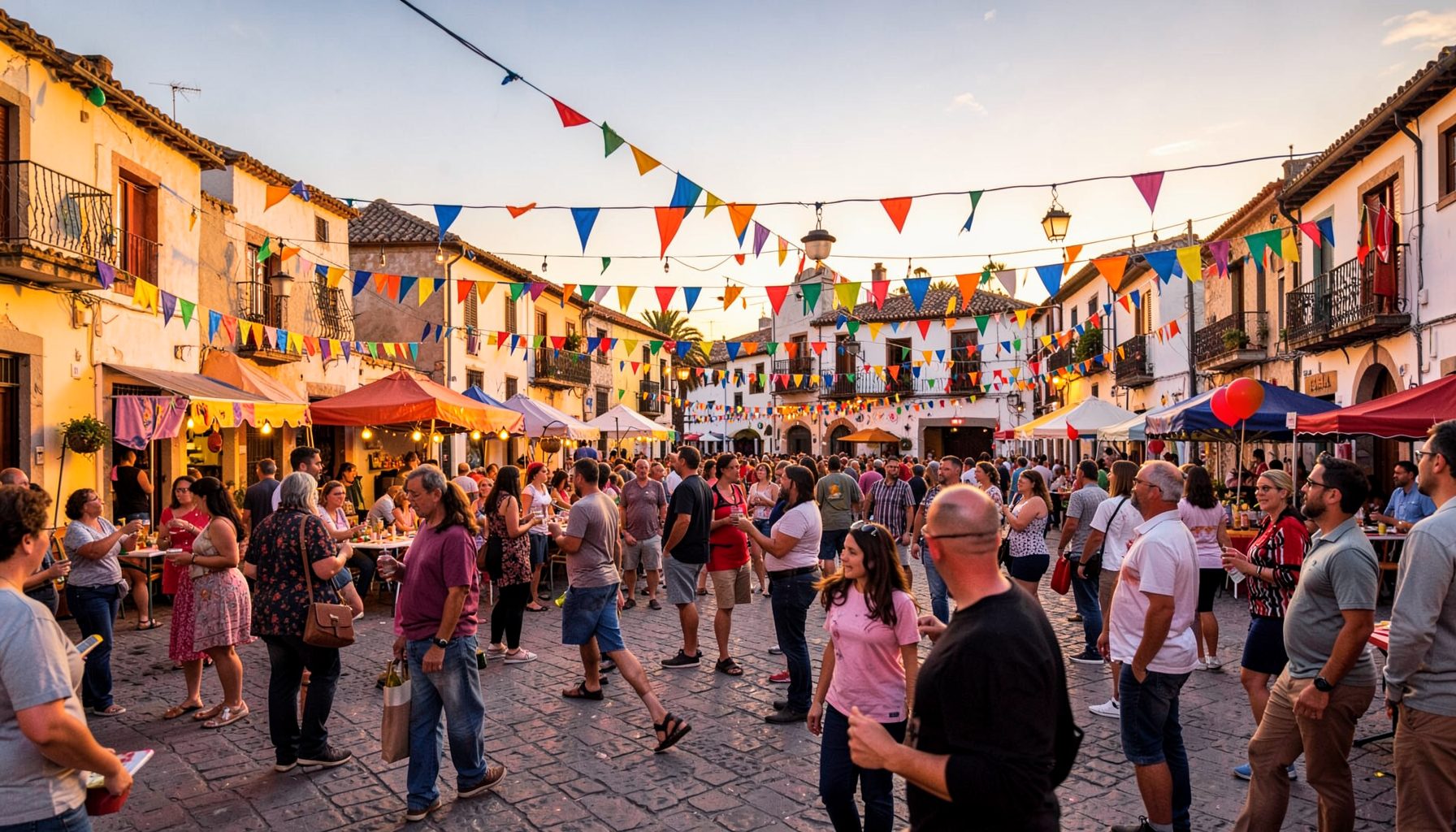
Join the conversation in the Agudo community forums. Access the Foro antiguo archive and participate in discussions with fellow residents and visitors.
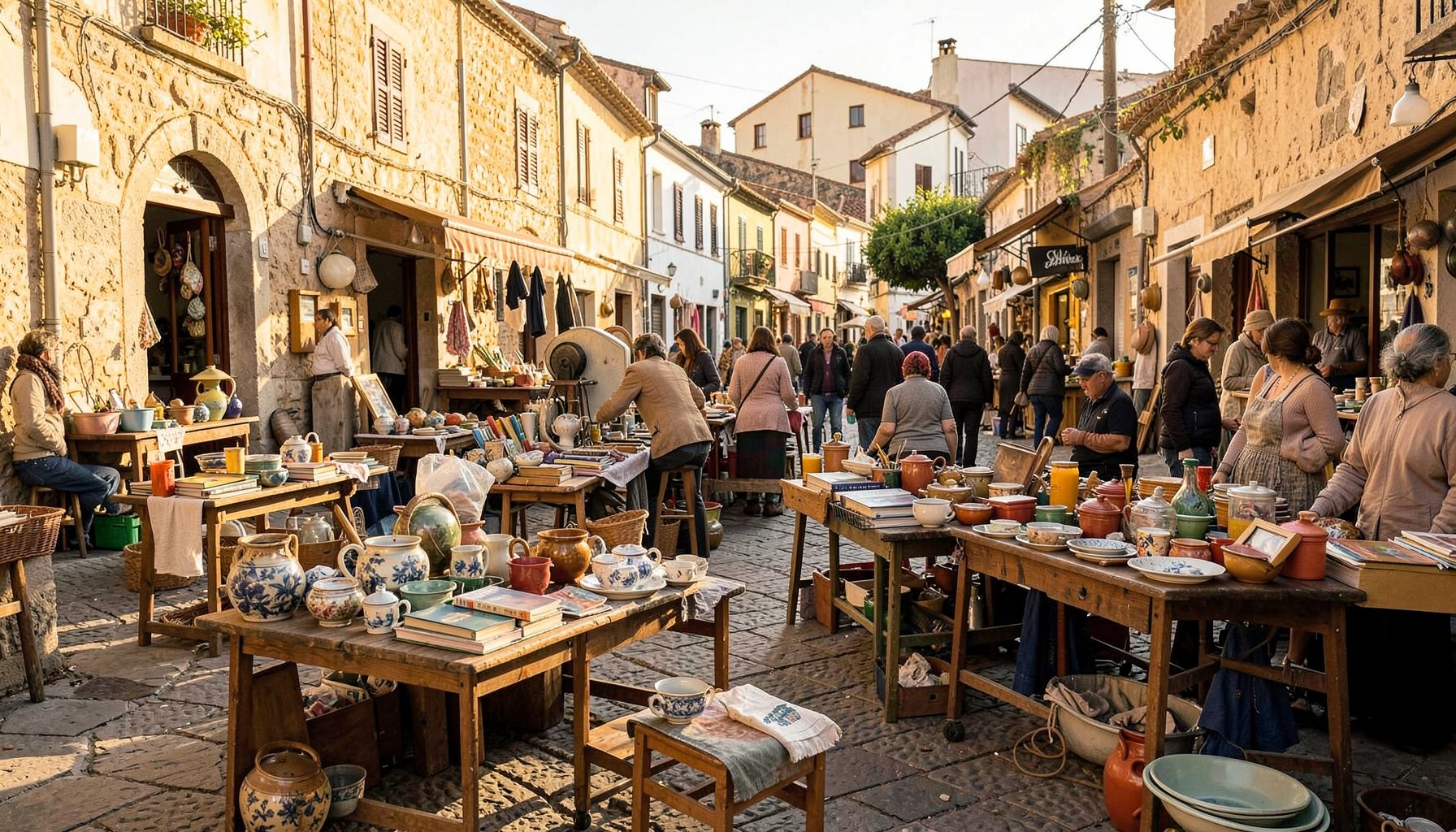
Browse local second-hand listings in the Agudo area. A convenient marketplace for buying and selling within the community.
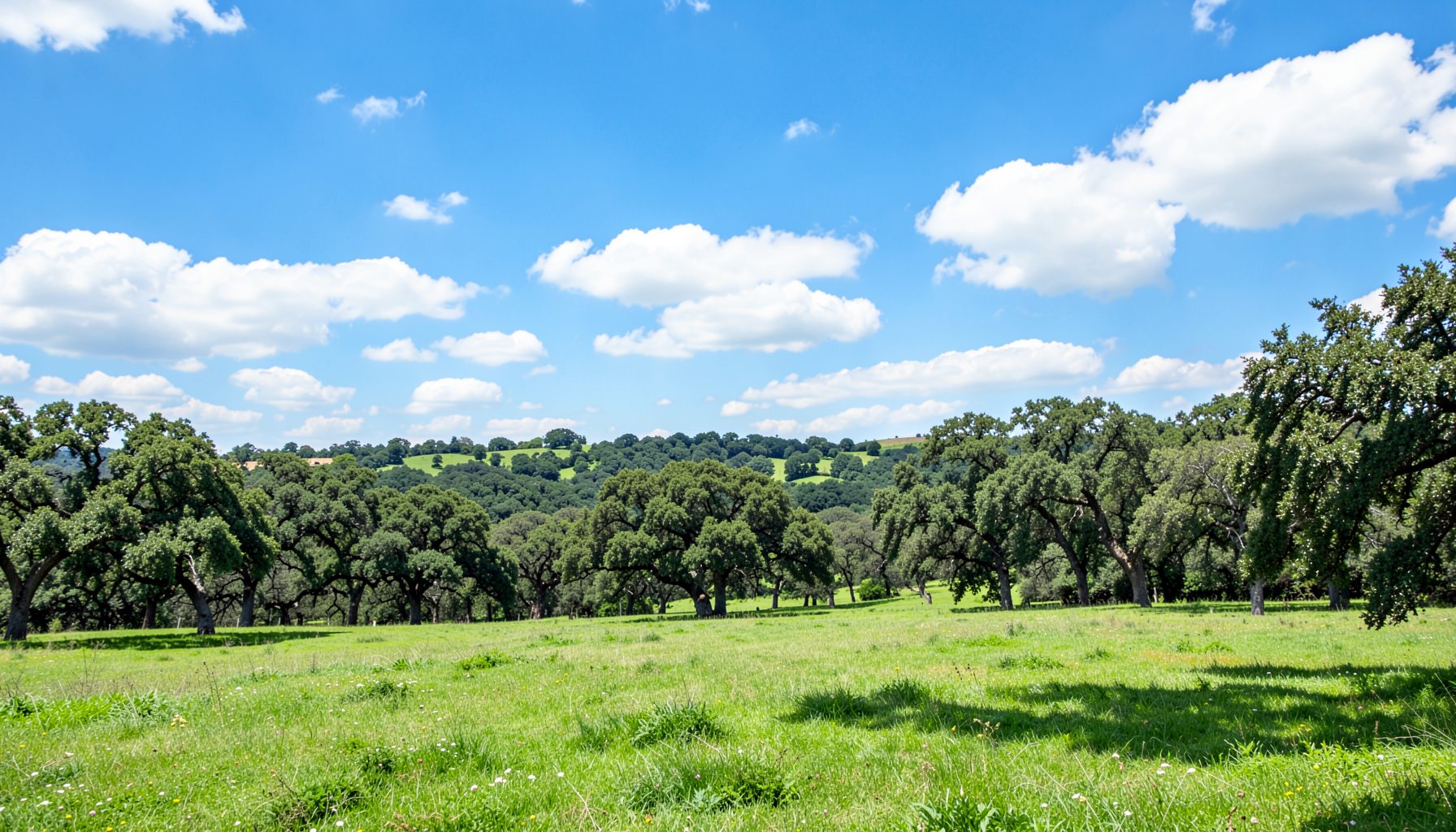
Explore our directory of recommended links, including the Ayuntamiento de Ciudad Real, Lagunas de Ruidera, Parque de Cabañeros, Agudo Joven, and Balneario Cervantes.
Access practical tools including Prensa links, radio, horóscopo, Loterías results, a leisure guide, recipes, a dictionary, and Street View integration.
Watch videos showcasing Agudo and the surrounding region. A visual tour of local life, landscapes, and community events.