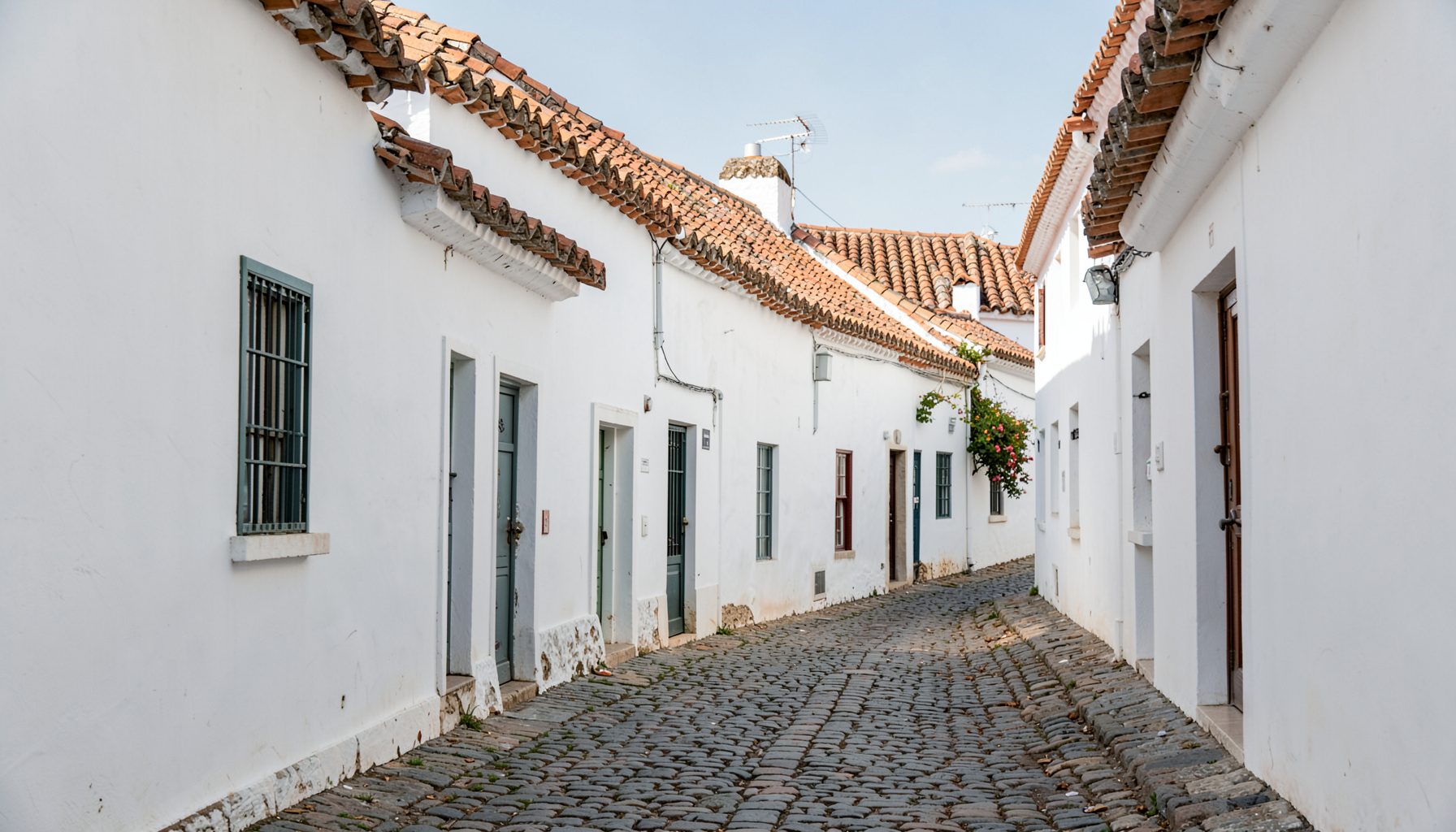


Stay informed with local news updates covering Agudo and the surrounding region. Browse the Hemeroteca for past articles and keep up with what matters in the community.
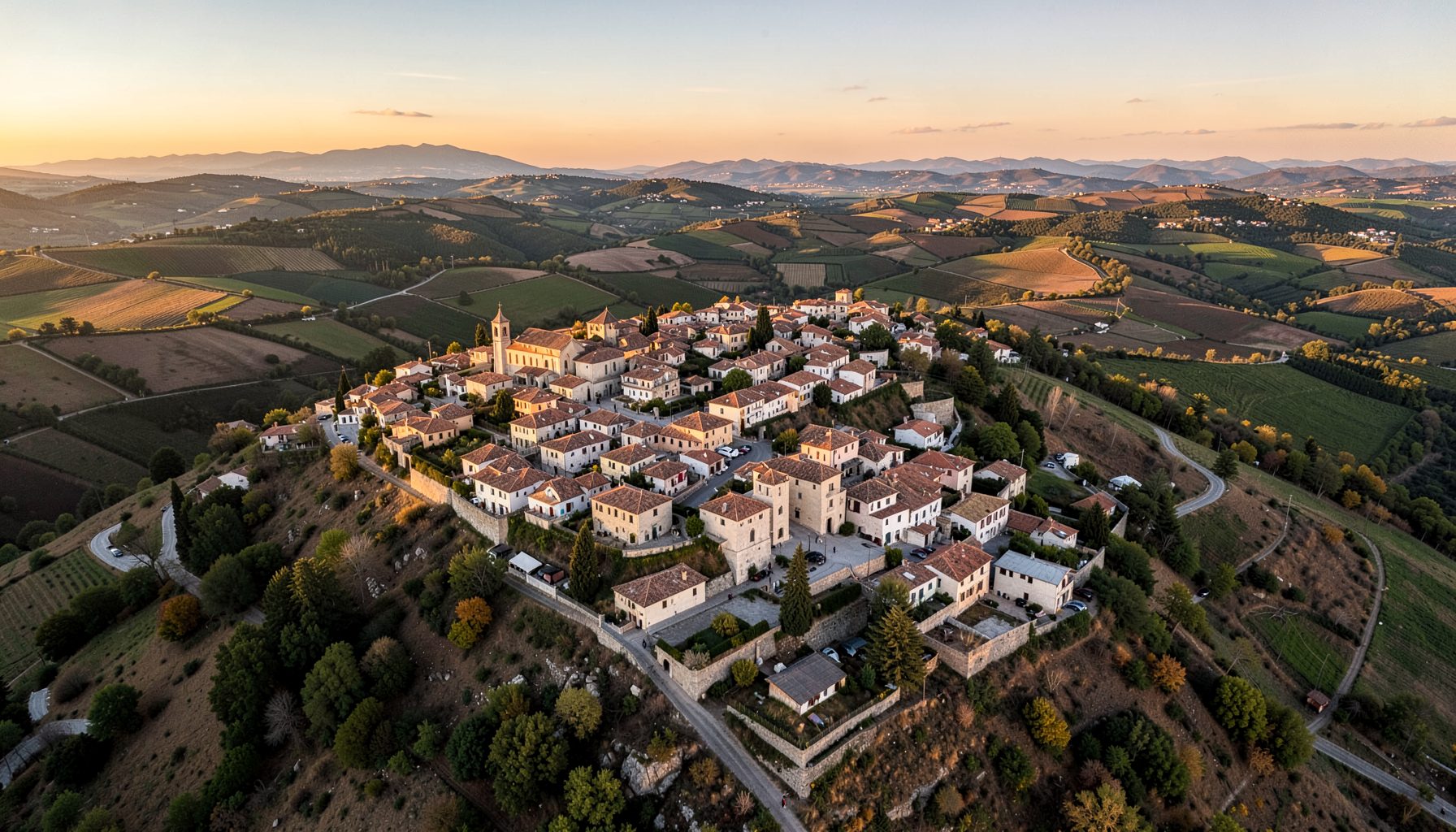
Agudo has just gained a new neighbourhood resource: a municipal composting point installed on the edge of the town cemetery, where residents can drop off garden trimmings and kitchen scraps. The site forms part of a wider push by the local council to recover organic waste before it ends up in landfill. Councillors say the project will complement existing recycling streams and give households a practical way to manage peelings, prunings, and other biodegradable material.
The facility sits on a small fenced plot with clearly marked bays for different kinds of organic matter, sheltered bins for cooked food waste, and an open area for branches and leaves. Volunteers from a local environmental group have agreed to monitor the site, turn the piles, and keep the area tidy. Visitors to the new plaza café, which has just opened with co-working space for remote workers, can stop by the compost point on their way home and drop off a bucket of grounds or peelings along the route.
For many households, the timing could not be better. Autumn pruning, late-summer vegetable harvest, and the steady accumulation of coffee grounds and eggshells all create organic waste that currently travels long distances for processing. The new site shortens that journey to a few hundred metres, which is better for the environment and easier on weekly bin collections.
The compost point operates on a simple drop-off model. Residents bring their organic waste in bags or buckets, weigh it at a small station if they wish, and empty it into the appropriate bay. Brown material such as dry leaves, straw, and shredded cardboard sits in one section, while green material like grass clippings, fruit peel, and vegetable trimmings goes in another. A third covered bin accepts cooked food waste, bones, and dairy in smaller quantities, with clear signage explaining what is allowed.
Site monitors rotate the piles every week using front-end loaders, ensuring air circulates and decomposition stays even. The finished compost, which matures over roughly four to six months, will be offered back to residents free of charge and donated to local school gardens and the community orchard. Visitors who drop off waste can also pick up a small bag of mature compost once it is ready, encouraging a closed loop that turns local scraps into local soil.
The location beside the cemetery is not accidental. The plot was already owned by the municipality, sits at a natural low point that catches runoff, and is screened from nearby homes by mature cypress trees. It is also within walking distance of most of Agudo's residential streets, which reduces car trips and makes the habit easier to maintain.
Organic waste in landfill produces methane, a greenhouse gas many times more potent than carbon dioxide. By diverting garden and kitchen scraps into composting, Agudo's new site will cut emissions while producing a valuable soil amendment that improves water retention and structure. Farmers around Ciudad Real already struggle with compacted soils in some seasons, and locally produced compost can help with moisture management and reduce the need for synthetic fertilisers.
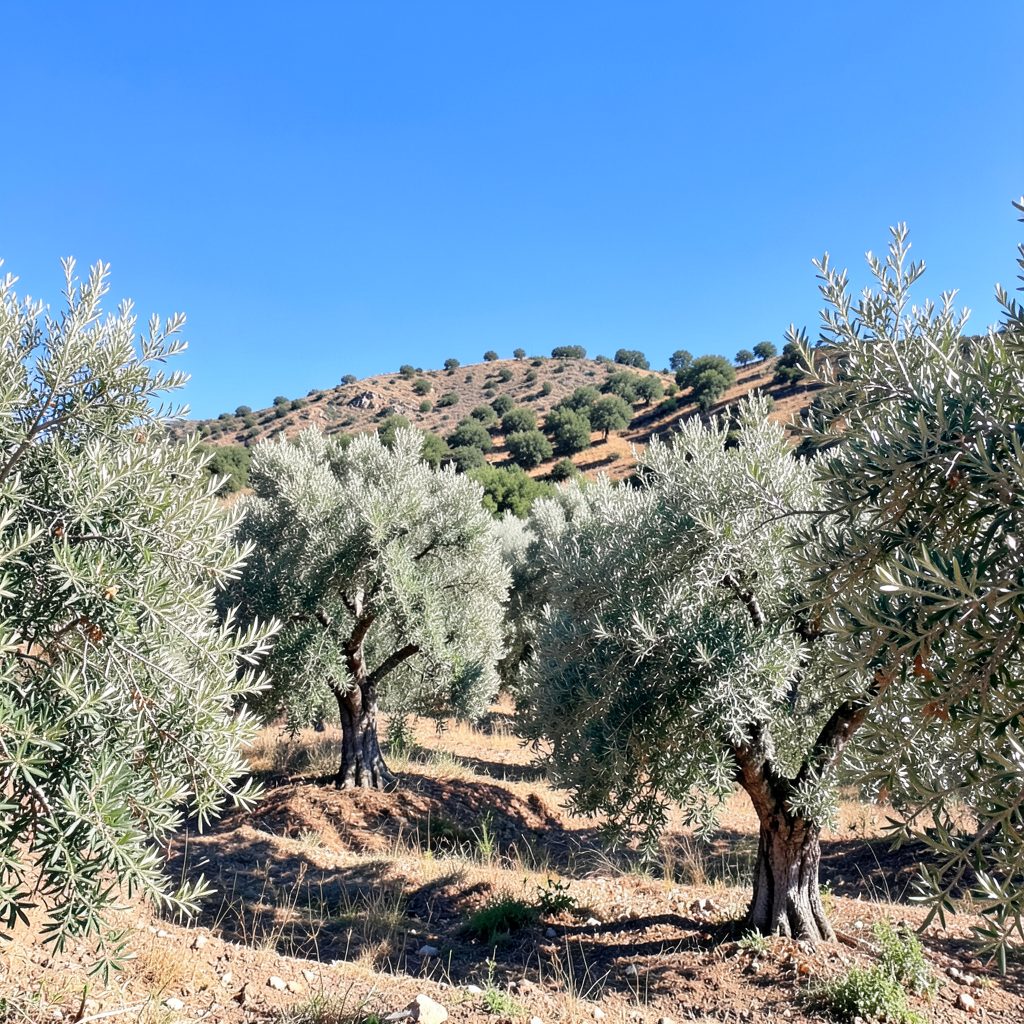
The biodiversity case is equally strong. Healthy compost feeds the soil microbiome, which in turn supports insects, birds, and pollinators across the surrounding fields. For Agudo, where olive groves and almond trees dominate the landscape, better soil biology translates into more resilient crops and richer harvests. Councils in similar Mediterranean climates have found that small, well-run composting hubs outperform large centralised facilities when it comes to community engagement and actual waste recovery.
There is also a subtle aesthetic benefit. When organic waste is processed locally rather than trucked away, streets smell fresher, bins overflow less often, and the closed-loop story gives residents a sense of shared purpose. Municipalities across southern Spain are watching Agudo's experiment closely, hoping to replicate it in nearby towns once the first results come in.
Australia offers plenty of inspiration for community composting, even though the climate and garden types differ. In Melbourne, the Love Compost program run by several inner-city councils provides subsidised bins, free workshops, and kerbside collection for households that sign up. Brisbane's community gardens network, supported by Brisbane City Council, often includes shared compost bays that members tend on rotating rosters. Adelaide has trialled neighbourhood-scale composting hubs similar in spirit to Agudo's new site, with monitoring by trained volunteers and finished compost returned to participants.
The Australian experience also highlights a few challenges worth keeping in mind. In suburban Sydney, possums and rats can be attracted to poorly managed food waste, so bins need to be robust and lidded. In Perth, the dry climate slows decomposition, so moisture management and shading become priorities. Hobart's cool, wet conditions, on the other hand, can make piles too wet, requiring more brown material and frequent turning. Agudo's hot, dry summers mean compost will need regular watering and shading, lessons directly informed by what has worked in similar climates abroad.
Australian coffee culture also offers a useful parallel. Cafés from Perth to Cairns generate large volumes of used grounds, and many have partnered with local gardeners to take the waste off their hands. The new plaza café in Agudo could become a steady source of nitrogen-rich material for the municipal compost point, while also gaining a green credential to share with customers who care about where their waste ends up.
Anyone new to composting quickly learns that the right balance of greens and browns makes the process faster and odour-free. Aim for roughly three parts brown material to one part green, keep the pile moist but not soggy, and turn it every couple of weeks if possible. Chop larger branches and stalks into smaller pieces so they break down faster, and avoid putting meat, large bones, or oily foods into open piles, as these attract animals and slow decomposition.
A few habits make life easier. Keep a small kitchen caddy on the bench for peelings and coffee grounds, line it with newspaper or compostable bags, and empty it every day or two. Store dry leaves and cardboard in a separate bin outdoors so they are ready when the pile needs balancing. If you generate more green waste than brown, ask neighbours for their autumn leaves or shred cardboard from deliveries to keep the mix workable.
Finally, treat composting as a learning curve rather than a chore. The first batch may take longer than expected, and the texture will vary, but a few seasons of practice usually produces rich, dark compost that transforms garden beds, potted plants, and even tired indoor greenery. Residents who visit the plaza café can grab a coffee, drop their grounds at the compost point, and pick up a leaflet on home composting on the way home.
| Feature | Agudo municipal compost point | Kerbside collection (Melbourne-style) | Community garden bays (Brisbane-style) |
|---|---|---|---|
| Location | Central plot beside cemetery | Curbside bins at each home | Shared plots in council gardens |
| Access | Open during daylight hours | Weekly scheduled pickup | Member-only, often keyed |
| Accepted waste | Garden, kitchen, cooked food | Mostly garden and raw kitchen | Mostly garden and raw kitchen |
| Cost to resident | Free | Free or small annual fee | Membership or volunteer hours |
| Finished compost | Returned free to participants | Sold or processed commercially | Shared among members |
| Volunteer involvement | High | Low | Moderate to high |
Drop by the compost point on your next walk past the cemetery, bring a bucket of kitchen scraps, and see how a few minutes of habit-building can change the way Agudo handles its waste. The more households that participate, the richer the compost, the smaller the landfill footprint, and the stronger the local food-growing scene becomes. The council will be posting updates and collection tips on Agudo Ciudad Real as the first piles mature, and residents are encouraged to share their own composting stories through the site's community forum.
Stay informed with local news updates covering Agudo and the surrounding region. Browse the Hemeroteca for past articles and keep up with what matters in the community.

Join the conversation in the Agudo community forums. Access the Foro antiguo archive and participate in discussions with fellow residents and visitors.
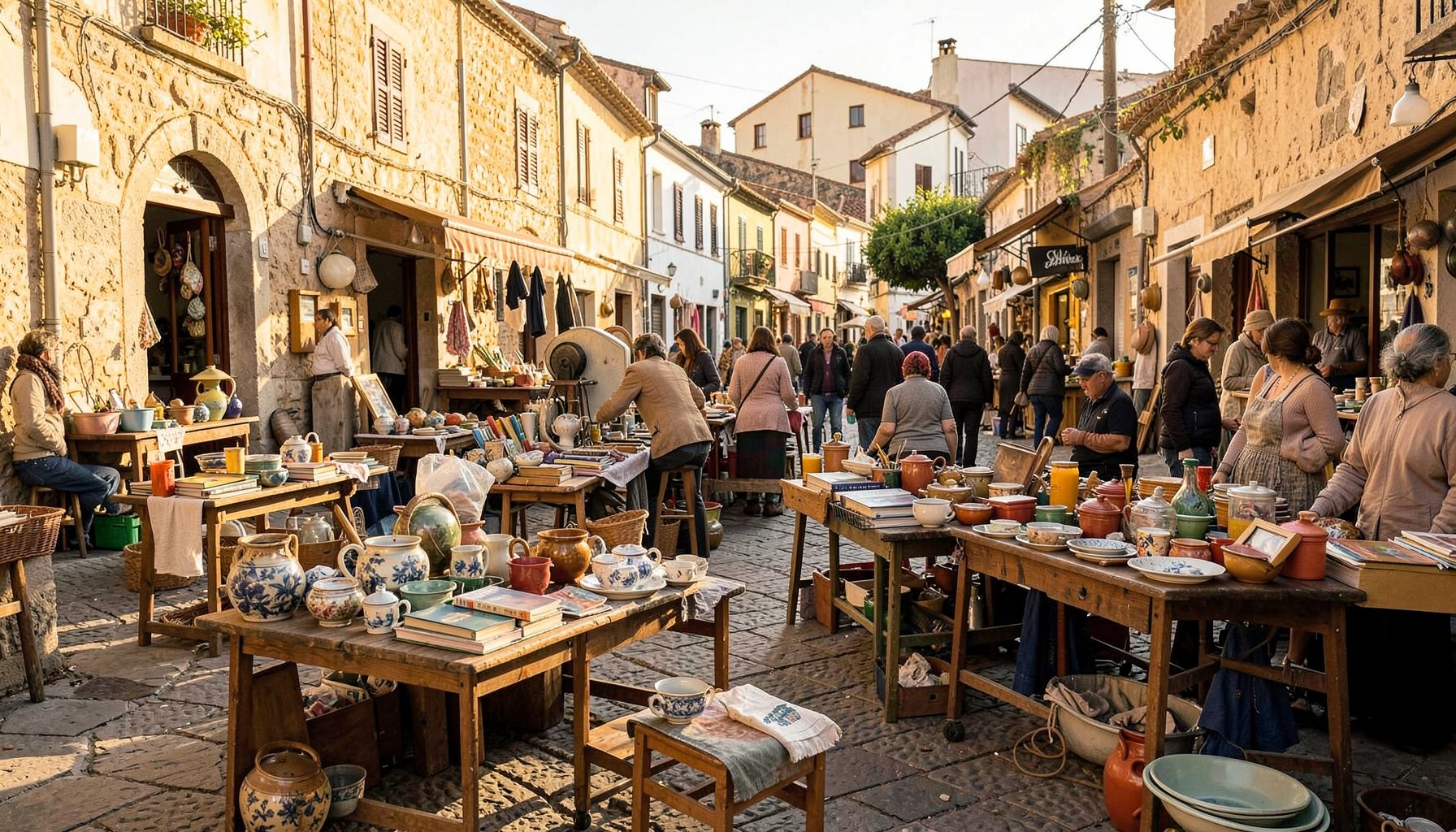
Browse local second-hand listings in the Agudo area. A convenient marketplace for buying and selling within the community.
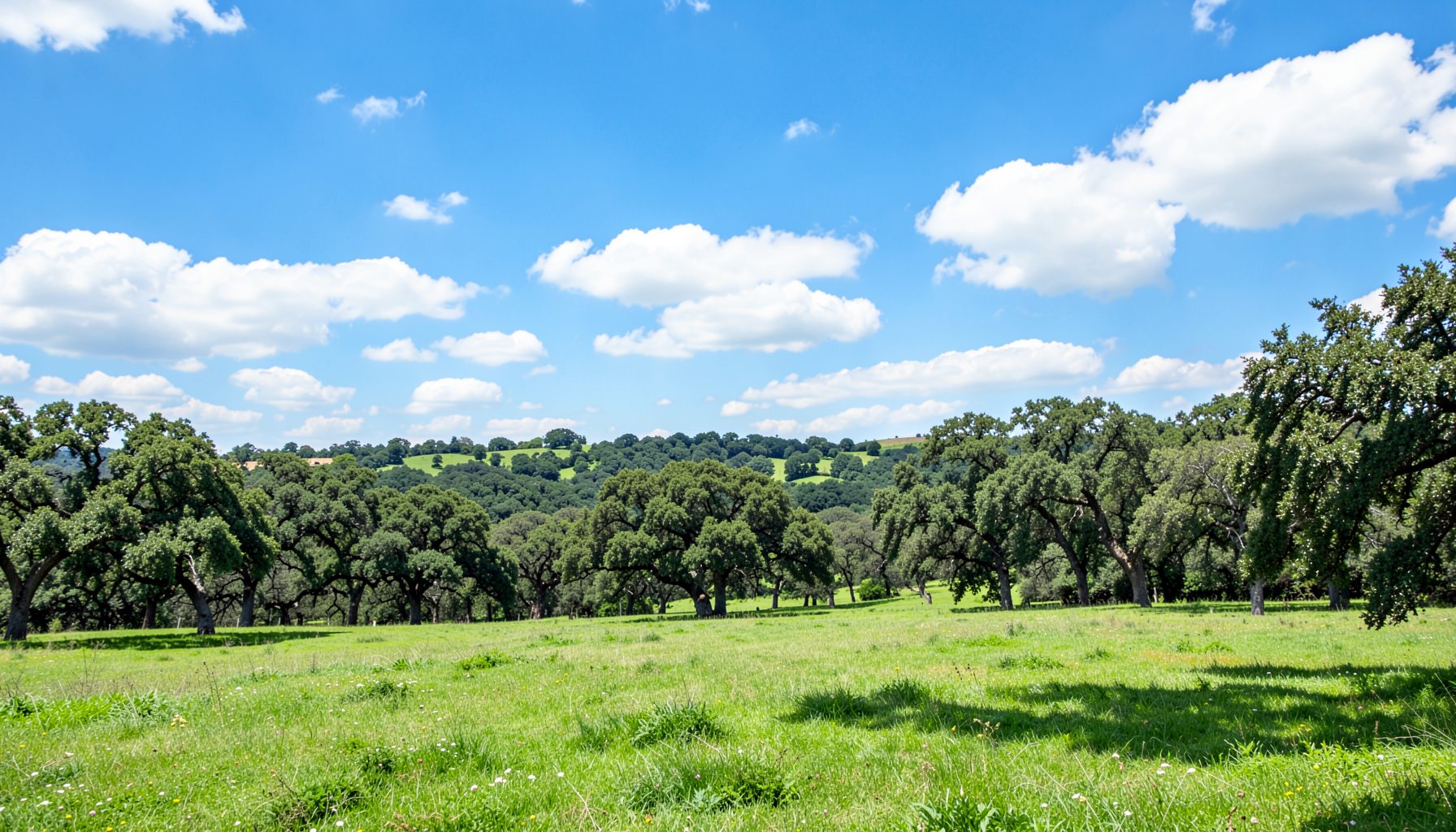
Explore our directory of recommended links, including the Ayuntamiento de Ciudad Real, Lagunas de Ruidera, Parque de Cabañeros, Agudo Joven, and Balneario Cervantes.
Access practical tools including Prensa links, radio, horóscopo, Loterías results, a leisure guide, recipes, a dictionary, and Street View integration.
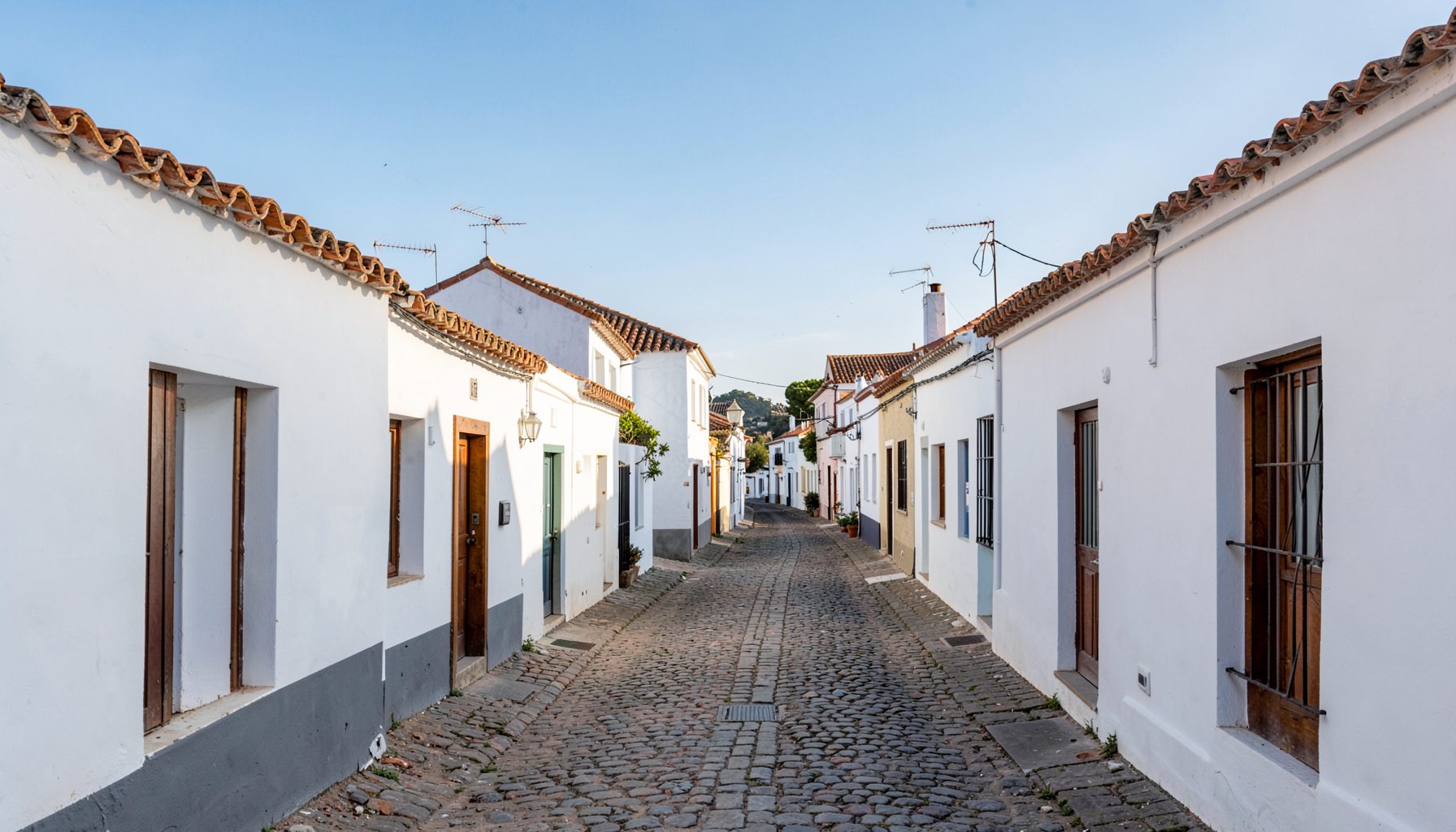
Watch videos showcasing Agudo and the surrounding region. A visual tour of local life, landscapes, and community events.