
Stay informed with local news updates covering Agudo and the surrounding region. Browse the Hemeroteca for past articles and keep up with what matters in the community.
A new automated external defibrillator (AED) has been installed at Agudo’s sports centre, giving local residents faster access to lifesaving equipment when every second matters. The initiative is paired with practical training so staff, families, athletes and visitors can respond confidently during a suspected cardiac arrest.
The device is designed to guide an untrained person through the emergency response. It checks the heart rhythm, gives clear spoken instructions and only delivers a shock when one is appropriate. Its presence does not replace emergency medical care, but it can help bridge the critical minutes before an ambulance arrives.
For a small community in Ciudad Real, placing an AED in a busy public building is especially valuable. The sports centre brings together school-age children, local teams, older residents, spectators and people attending activities from surrounding areas. A visible unit can support a quicker, more organised response at any hour of the day.
The project also sends a wider message about community readiness. In Australia, the same principle is familiar at footy ovals, swimming pools and surf clubs, where public-access defibrillators sit alongside first-aid kits. Whether the emergency happens during an afternoon training session or an early-morning walk, knowing where the equipment is can make a real difference.
| Feature | Before the installation | With the AED in place |
|---|---|---|
| Access to equipment | A defibrillator may be farther away | Immediate access inside the sports centre |
| Response confidence | Staff and bystanders may hesitate | Training provides a clear action sequence |
| Emergency coordination | Calls and first aid can become disorganised | One person can call emergency services while another starts care |
| Community benefit | Protection depends mainly on ambulance arrival | Early intervention supports the existing emergency system |
Sudden cardiac arrest is different from a heart attack, although the two are often confused. A heart attack is caused by a blockage affecting blood flow to the heart. Cardiac arrest occurs when the heart’s electrical activity stops pumping blood effectively. It can happen to someone who appears healthy, including a young person taking part in sport.
The first response is straightforward: check whether the person is responsive and breathing normally, call 112, begin chest compressions and ask someone to bring the AED. The machine then provides spoken prompts. Bystanders should follow those instructions and continue cardiopulmonary resuscitation (CPR) until professional help takes over.
The sports centre’s location makes the device useful beyond organised competitions. It may be needed during indoor exercise, community gatherings, school activities or casual use of the facilities. Clear signage and staff familiarity should make it easier for visitors to find the equipment without wasting time searching through offices or storage areas.
An AED is most effective when people nearby are prepared to use it. Training sessions can show participants how to recognise a cardiac emergency, contact emergency services, position a casualty safely and attach the electrode pads. Practice with a training unit also removes the fear that many people feel when first handling medical equipment.
The course should reinforce that a bystander does not need to make a diagnosis before acting. If an adult is unresponsive and not breathing normally, the priority is to call 112, start CPR and use the defibrillator as soon as it arrives. The device analyses the rhythm itself, so users do not have to decide whether a shock is required.
This approach will sound familiar to Australians who have completed a workplace first-aid course or volunteered at a local footy club. In Australia, people call Triple Zero (000), while Agudo residents use Spain’s 112 emergency number. The numbers differ, but the basic sequence is the same: raise the alarm, begin CPR and bring the AED quickly.
A short community session should be practical, calm and easy to remember. It can include demonstrations followed by supervised practice, allowing participants to become comfortable with the machine’s voice prompts and pad placement.
Training should also explain how people can work as a team. One person can contact emergency services, another can collect the AED and a third can guide responders from the entrance. If children or spectators are present, a volunteer can keep the area clear and direct others away from the casualty.
The same practical thinking applies in community settings across Australia. A volunteer at a cricket ground in Bendigo, a worker at a Brisbane recreation centre or a surf lifesaver on the New South Wales coast may need to act before paramedics arrive. Familiarity comes from repetition, not from assuming someone else will take charge.
Installation is the beginning of the programme rather than the final step. The defibrillator needs regular checks to confirm that its battery and electrode pads are within date. Staff should know how to report use, damage or warning signals, and the unit should remain accessible during opening hours.
A clear location map can help regular users and visitors identify the nearest AED before an emergency occurs. Reception staff, coaches, cleaners and event organisers should understand who holds responsibility for daily checks. A brief reminder at the start of a tournament or school session could reinforce the location without interrupting the activity.
The equipment should also be protected from extreme heat, moisture and accidental obstruction. Although AEDs are designed for public environments, storage conditions matter. A locked cabinet that delays access defeats the purpose, while an unmarked unit hidden behind sporting gear may be difficult to find when people are under pressure.
The sports centre is one part of a broader local safety network. Medical centres, schools, council buildings, village halls and busy outdoor meeting points can all contribute to a map of available defibrillators. Sharing accurate locations helps residents make sensible decisions during festivals, competitions and seasonal activities.
That wider network is increasingly relevant as people explore the countryside around Agudo. Local walking groups are planning fresh routes through the dehesa, with new trail plans expected to encourage more autumn outings. Outdoor organisers can support safety by carrying charged mobile phones, recording meeting points and knowing where the nearest accessible AED is located.
A sports centre defibrillator cannot cover every rural track, and it is not a substitute for emergency planning in remote areas. However, it creates a dependable point of protection for a major community venue. Clubs can build on that foundation by training coaches, promoting CPR awareness and keeping emergency access routes clear during busy events.
For Australian readers, the lesson is readily recognisable. A defibrillator at the local recreation centre works best when the community knows about it, checks it and feels capable of using it. The same culture supports safer netball courts, surf clubs, school gyms and council-run pools from Perth to Parramatta.
Residents, clubs and visitors can help make the new equipment part of everyday safety rather than an overlooked fixture. Learn where the AED is located, take part in a public CPR session when one is offered and share the emergency procedure with teammates and family members. A few minutes of preparation at the sports centre may give someone in Agudo a vital chance when professional help is still on its way.
Stay informed with local news updates covering Agudo and the surrounding region. Browse the Hemeroteca for past articles and keep up with what matters in the community.
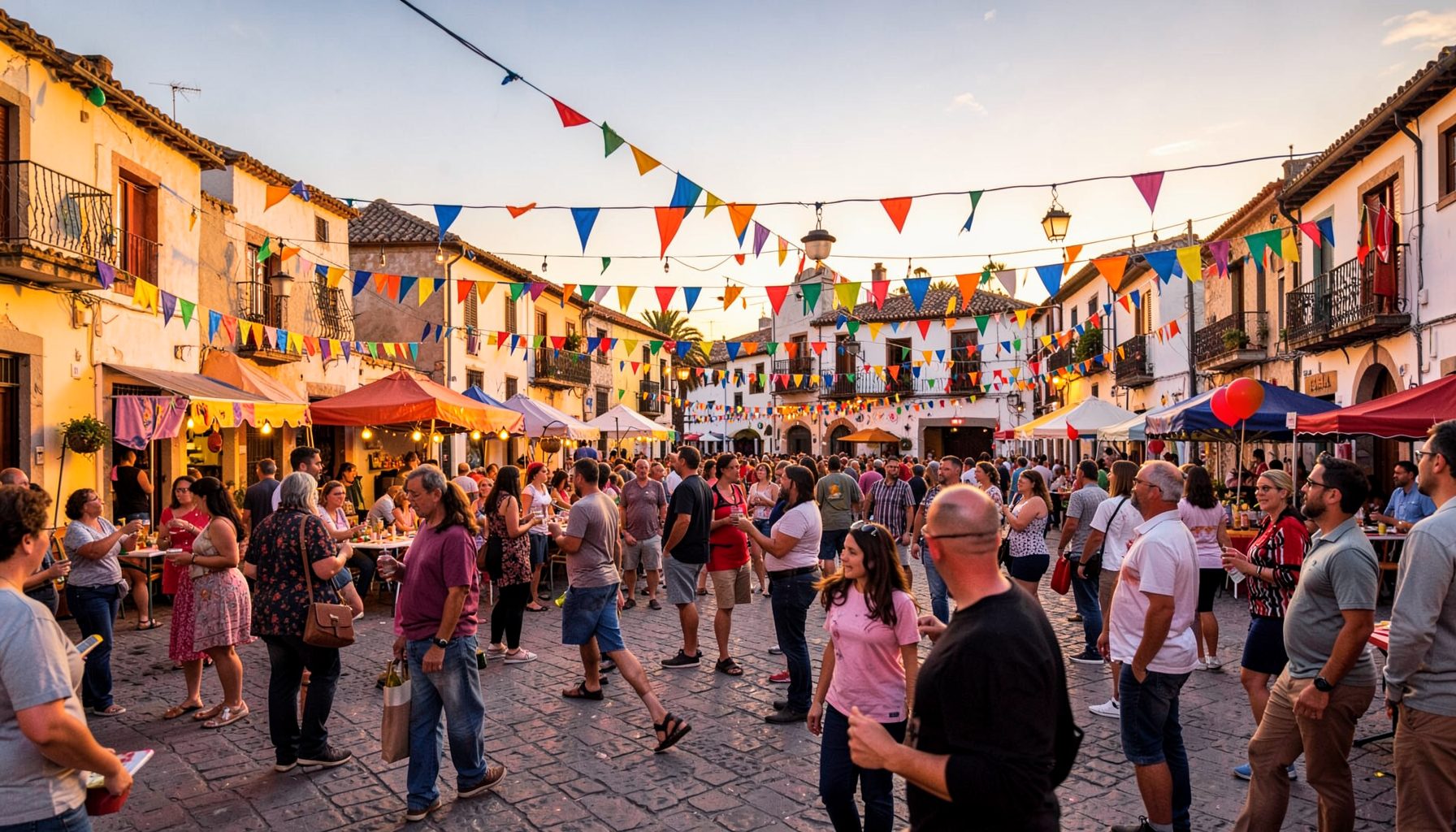
Join the conversation in the Agudo community forums. Access the Foro antiguo archive and participate in discussions with fellow residents and visitors.
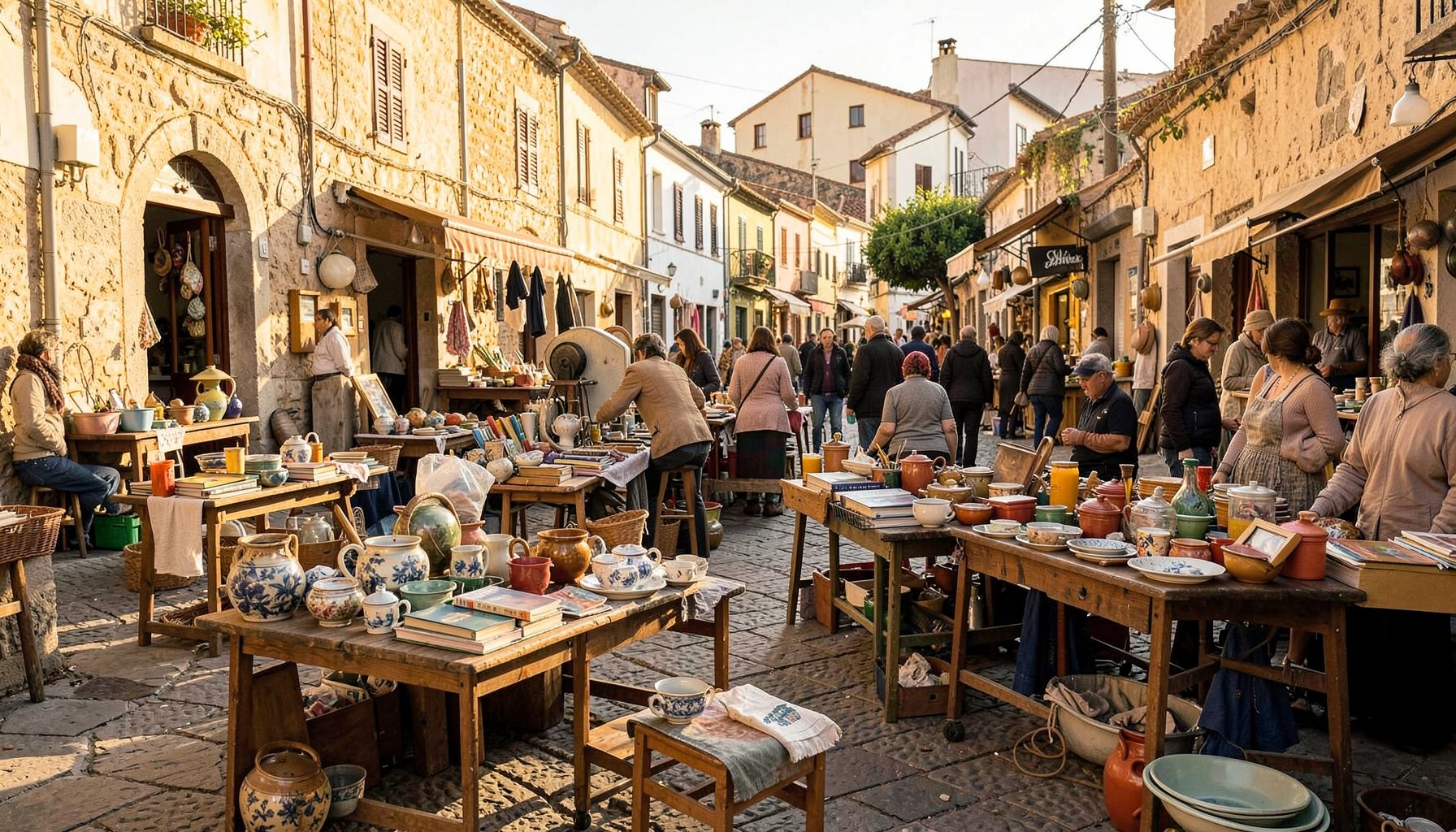
Browse local second-hand listings in the Agudo area. A convenient marketplace for buying and selling within the community.
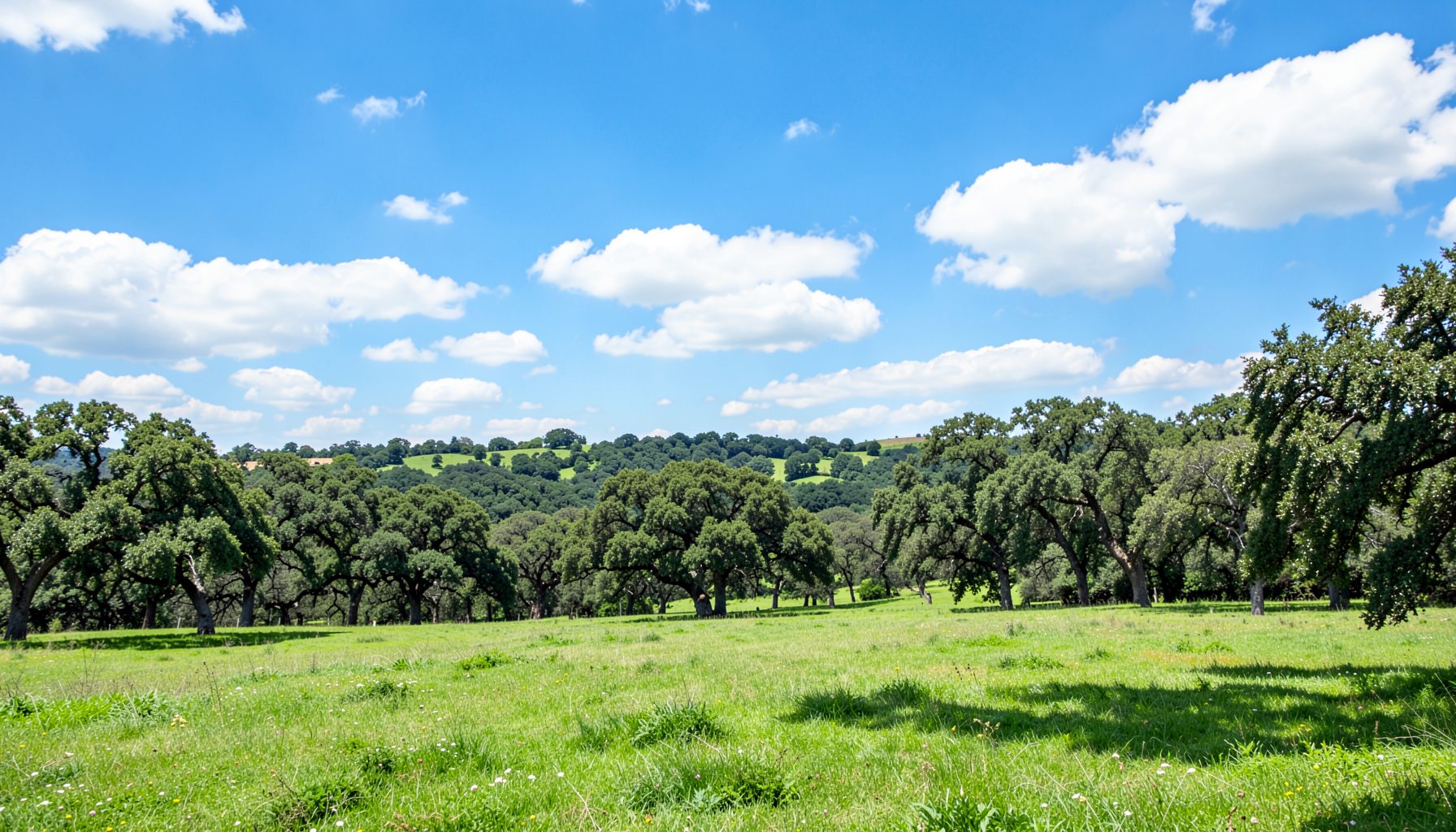
Explore our directory of recommended links, including the Ayuntamiento de Ciudad Real, Lagunas de Ruidera, Parque de Cabañeros, Agudo Joven, and Balneario Cervantes.

Access practical tools including Prensa links, radio, horóscopo, Loterías results, a leisure guide, recipes, a dictionary, and Street View integration.
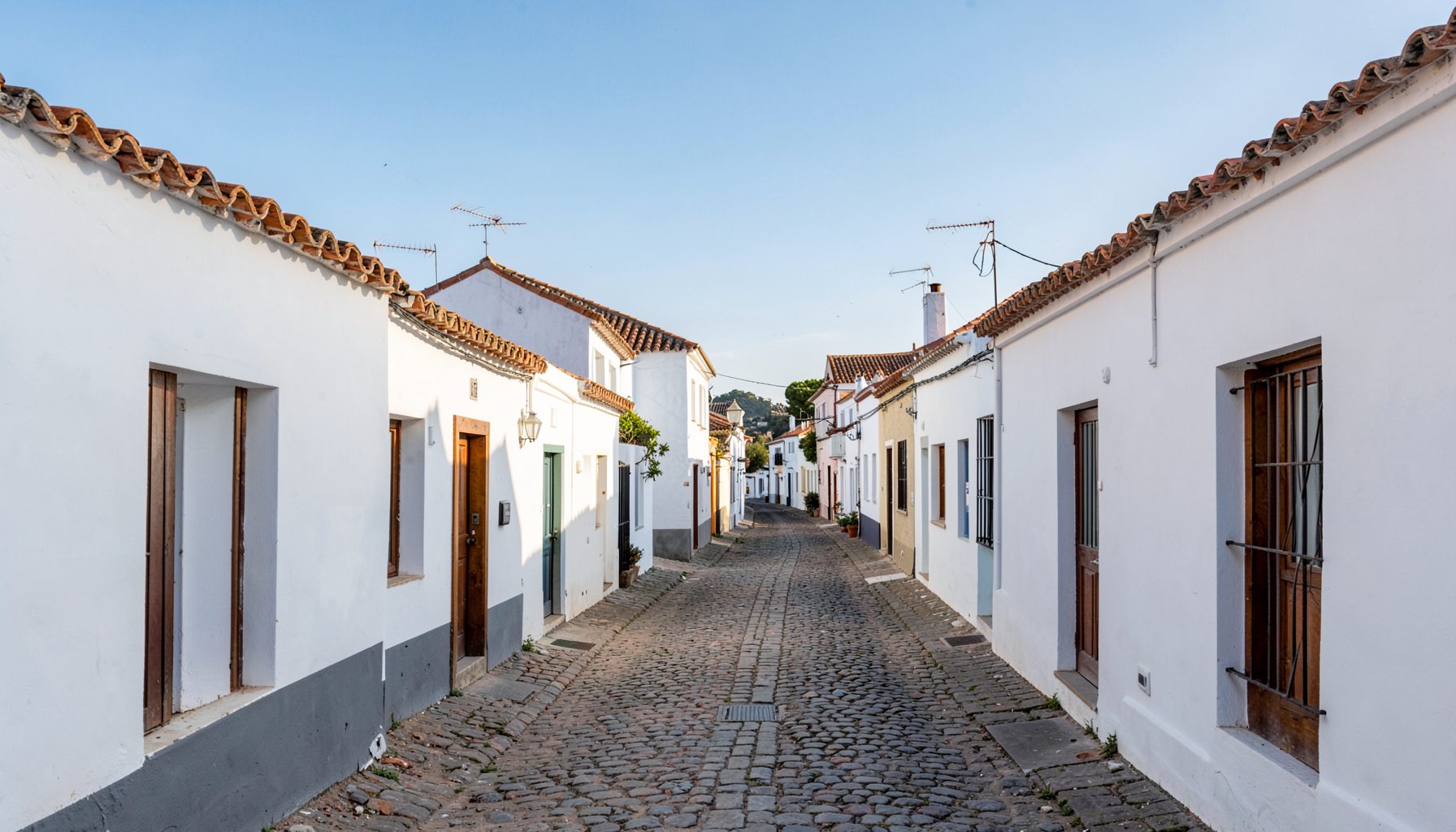
Watch videos showcasing Agudo and the surrounding region. A visual tour of local life, landscapes, and community events.