Stay informed with local news updates covering Agudo and the surrounding region. Browse the Hemeroteca for past articles and keep up with what matters in the community.
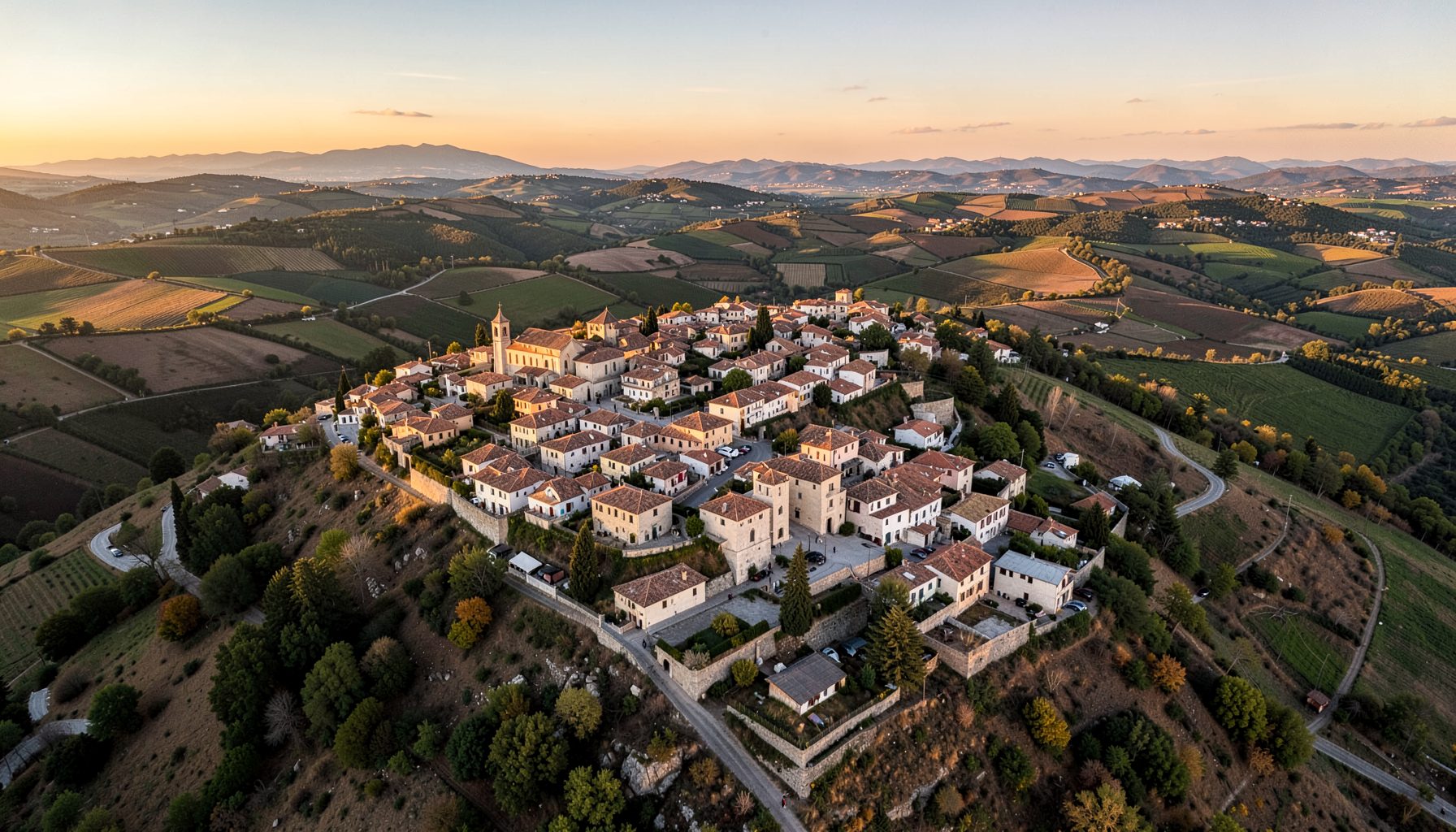
A sturdy new piece of infrastructure has appeared at the entrance to the sports ground in Agudo: a fully equipped bicycle repair station complete with a foot operated air pump and a set of hand tools. The unit, bolted to a small concrete pad beside the pedestrian gate, is designed to handle the kind of small breakdowns that can otherwise ruin a ride home. Tyre pressure, brake adjustments, loose bolts and chain tweaks can all be sorted in minutes without a trip to the workshop.
Local riders have already started stopping off for quick fixes on their way to and from the surrounding tracks. Parents pushing children on trailers and teenagers heading to football practice both seem to be using the station within hours of its installation. Town hall staff say the goal is simple, which is to keep bicycles rolling in a rural area where the nearest dedicated shop is a forty minute drive away.
The arrival comes at a moment when many small spanish towns are quietly rethinking how they support active travel. Cycling groups have pushed for years for more visible facilities, arguing that a missing pump or a missing spanner is often the only thing standing between someone commuting by bike and someone driving. The sports ground, which already hosts football matches, athletics training and the weekly parkrun, was a natural fit for the first installation.
The unit combines several practical features in a single weather resistant post. A foot operated pump sits at working height, with both presta and schrader valve adapters stored in a small magnetic tray beside it. Above the pump, a hinged metal flap lifts to reveal a basic tool kit, including a set of allen keys, a flat spanner, a torx driver, a chain breaker and a few screwdrivers. Everything is tethered to the post with coated steel cables so that nothing can be walked off.
A QR code etched into the frame links cyclists to a short video tutorial on basic maintenance, a thoughtful touch for riders who have never changed a tube or tightened a headset. Town hall technicians say the post is anchored in a way that resists casual vandalism and that replacement parts can be ordered quickly if any tool is damaged or worn out. Lighting from the existing sports ground floodlights means the station remains usable after dark during training sessions, when many riders finish coaching and head home.
The whole assembly sits just inside the pedestrian gate, close enough to the path that cyclists can pull in without dismounting fully if they only need air. A small concrete apron gives room to lean a bike against the post or to work on a wheel laid flat on the ground. The town hall has also placed a covered bin nearby so that punctured inner tubes and packaging can be disposed of neatly.
For people who rely on bicycles for the school run, shopping trips or the commute to nearby pueblos, a flat tyre is more than a small annoyance. It can mean a long walk home on rural roads, a missed appointment or a child left waiting at the school gate. The new station removes a recurring frustration by putting the means of repair right at the point where many journeys begin or end, which is the busy entrance to the sports complex.
The location also ties cycling more visibly to community life. Riders finishing a match or a training session can now check their bikes before riding home, rather than discovering a problem the next morning. Local clubs have begun talking about small group sessions where experienced riders can pass on basic skills to newcomers, using the station as a meeting point and a teaching tool. In a municipality of fewer than two thousand people, that kind of casual knowledge sharing matters more than any glossy campaign.
The wider effect is psychological as much as practical. A repair station says to anyone walking past that bicycles are expected here, that they belong, and that the council has invested in keeping them rolling. Small visual cues like that help shift habits over time, especially among teenagers who are deciding whether to ride or to ask for a lift.
Australia offers useful examples of how small towns and regional councils can build practical cycling networks. In regional victoria, councils have installed more than a hundred public repair stations over the past decade, often at trailheads, libraries and sporting reserves. Stations along the goulburn river high country rail trail and around ballarats lake wendouree have become familiar sights for touring riders and commuters alike. Australian road law also reinforces the case for self sufficiency. Helmets are compulsory in every state and territory, and riders are expected to keep their bikes in roadworthy condition, with working brakes and reflectors required at night.
The australian approach often pairs the physical infrastructure with digital resources. QR codes that link to instructional videos are standard, mirroring the choice made in agudo. Councils in perth and adelaide have published short guides on roadside repairs, and community groups in brisbane run regular pop up workshops at suburban stations. The pattern is familiar: provide the tools, share the knowledge, and trust people to look after their own bikes.
Australian cycling culture has also normalised riding in everyday clothing rather than specialist kit, an attitude that fits well with rural spanish towns where lycra is rarely seen on the way to the bakery. Both settings reward simple, robust infrastructure over flashy projects. The closest parallel for agudo is probably a small queensland or victorian town with a similar population, a sporting reserve at its heart and a cluster of dirt roads linking it to neighbouring shires.
How does the agudo installation stack up against similar projects elsewhere? The table below sets out the main features side by side, drawing on typical regional posts in australia and on larger city units in spain. It is not an exact match for any single installation, but it gives a sense of where the local council has pitched its first repair point.
| Feature | Agudo sports ground station | Typical australian regional post | Typical large spanish city unit |
|---|---|---|---|
| Air pump type | Foot operated, dual valve | Foot operated, dual valve | Electric, single or dual valve |
| Tools provided | Allen keys, torx, spanner, chain breaker, screwdrivers | Allen keys, torx, spanner, tyre levers | Allen keys, spanner, screwdriver |
| Digital guidance | QR code with short video | QR code with video library | QR code plus app based reporting |
| Location | Sports ground entrance, floodlit | Trailhead or sporting reserve | Park entrance or cycle lane junction |
| Materials | Powder coated steel, vandal resistant | Powder coated steel, vandal resistant | Stainless steel or powder coated steel |
| Maintenance reporting | Town hall app and phone number | Council app and hotline | City open data portal |
The agudo station sits firmly in the regional, robust and low maintenance category. It does not need a power supply, it can be installed in remote locations, and the reporting channel goes through the municipal app rather than a separate cycling platform. For a first installation, that is a sensible balance of ambition and practicality.
A few simple habits will keep the station working well for everyone and will help riders get home safely. The list below is a starting point rather than a complete guide, and it draws on the kind of advice shared by cycling groups in regional australia and in cycling friendly towns across castilla la mancha.
For more involved repairs, the town hall points riders towards the agudo community links page, which lists local mechanics, second hand parts shops and cycling groups. The page also has details of upcoming events, including the annual chess event that draws visitors from across the region each summer.
Reaction in agudo has been broadly positive since the post went in. Photographs shared on local social media show the post surrounded by curious neighbours within hours of installation, and the sports ground cafe reports a small uptick in passing trade. Several residents have already suggested additional locations, including the pilgrim path out towards toledo and the route to the village swimming pool. The town hall says it will monitor usage over the next six months before deciding where the second station should go.
If you ride through agudo, live nearby or pass the sports ground on a weekend morning, take a few minutes to look at the new station and try out the pump. Share what you like, suggest what could be improved, and encourage local clubs to schedule basic maintenance sessions beside the post. Small pieces of shared infrastructure only stay useful when the community treats them as a shared responsibility. The arrival of this first repair point is a quiet but meaningful step towards a more bike friendly pueblo, and the decisions made over the coming months will shape how the next one is designed and where it goes.
Stay informed with local news updates covering Agudo and the surrounding region. Browse the Hemeroteca for past articles and keep up with what matters in the community.
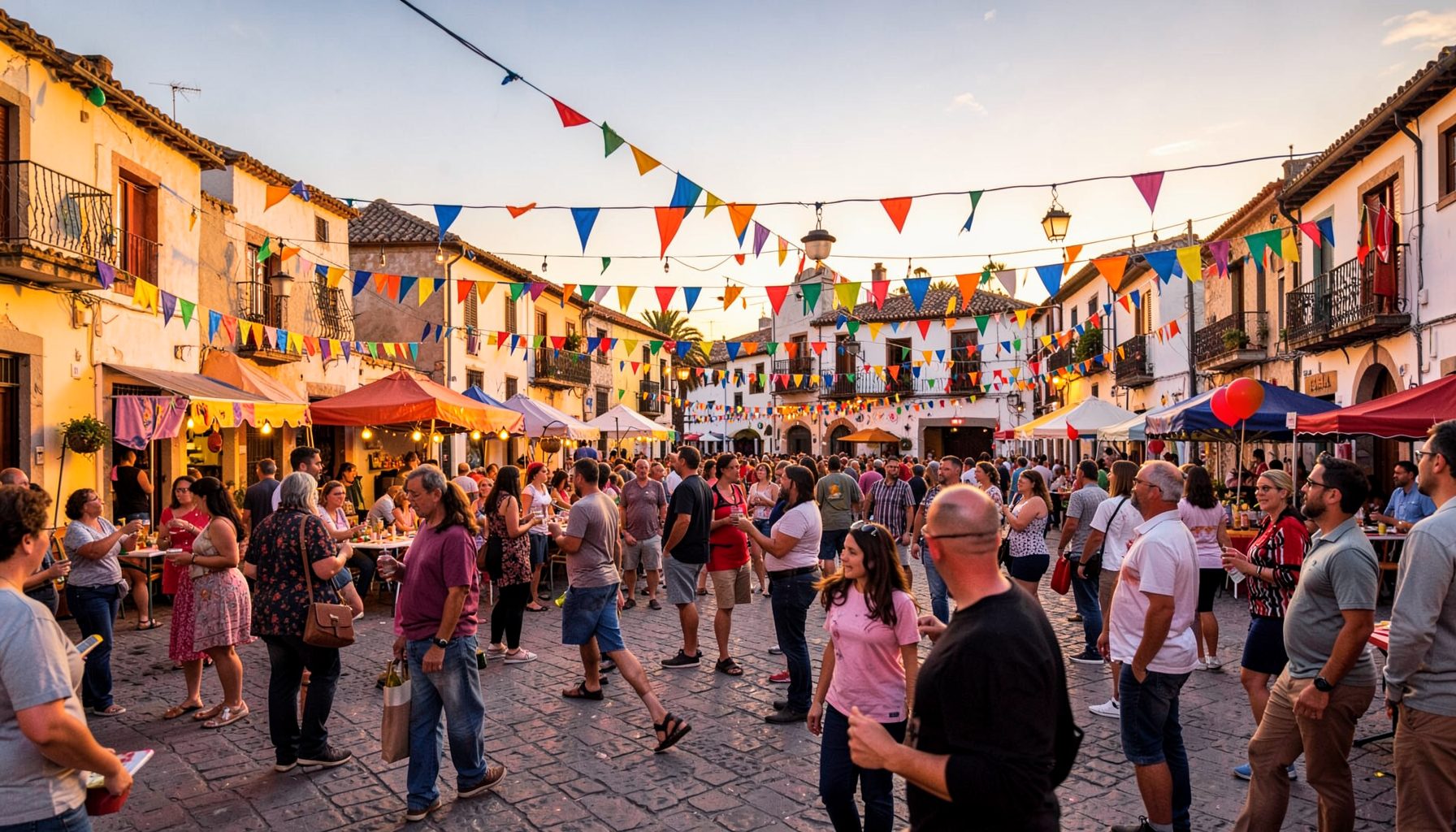
Join the conversation in the Agudo community forums. Access the Foro antiguo archive and participate in discussions with fellow residents and visitors.
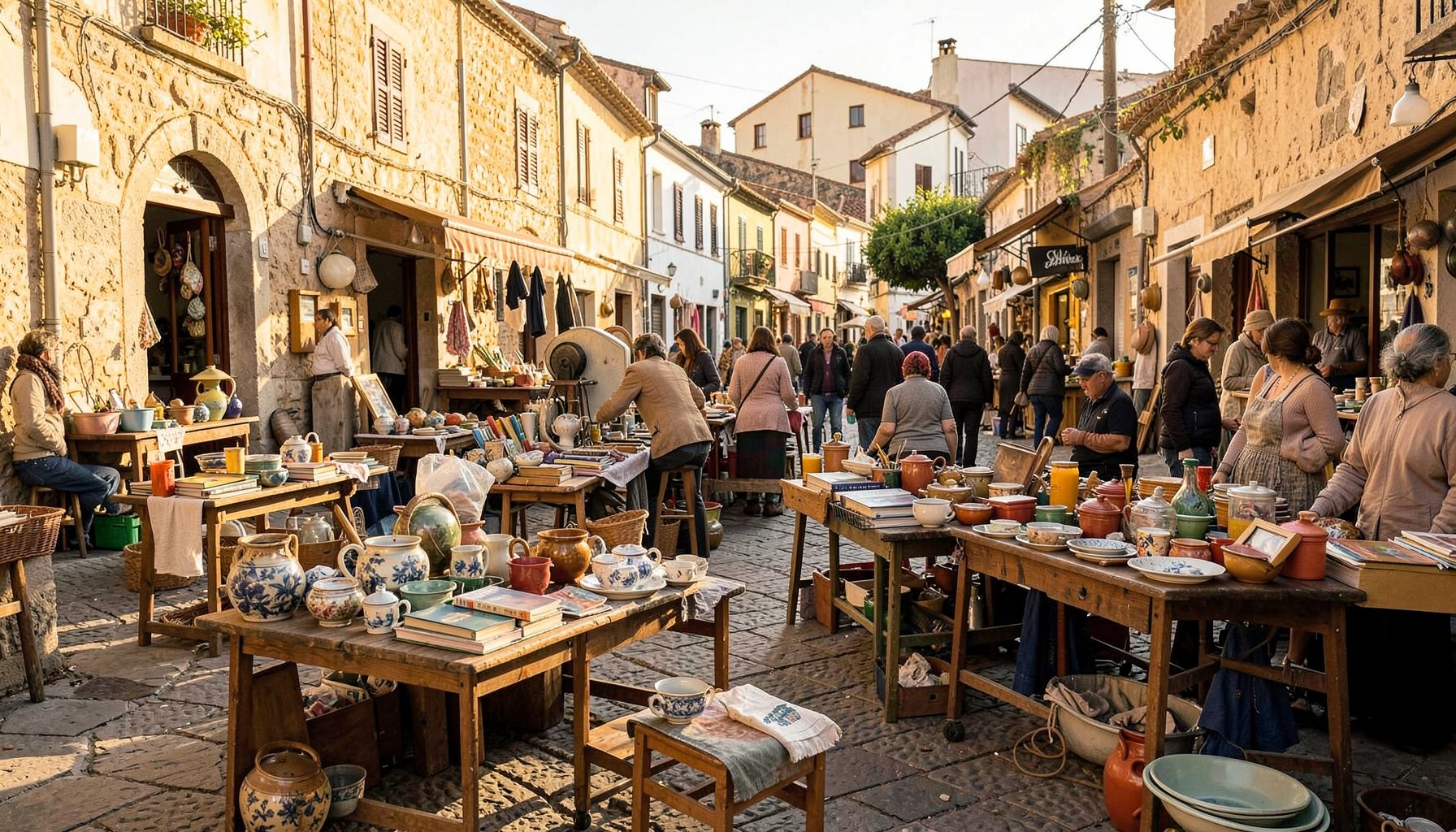
Browse local second-hand listings in the Agudo area. A convenient marketplace for buying and selling within the community.
Explore our directory of recommended links, including the Ayuntamiento de Ciudad Real, Lagunas de Ruidera, Parque de Cabañeros, Agudo Joven, and Balneario Cervantes.
Access practical tools including Prensa links, radio, horóscopo, Loterías results, a leisure guide, recipes, a dictionary, and Street View integration.
Watch videos showcasing Agudo and the surrounding region. A visual tour of local life, landscapes, and community events.