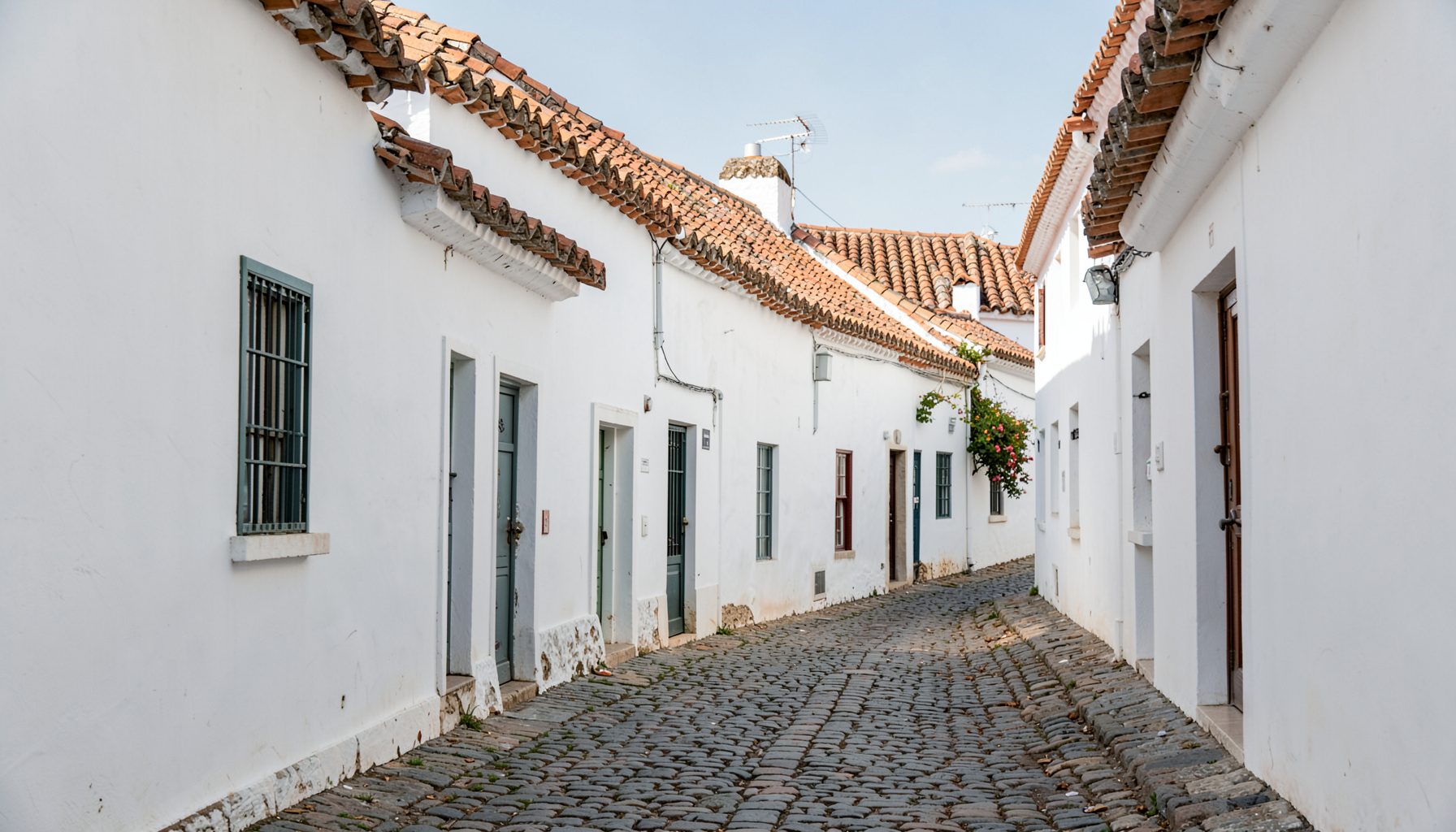

Stay informed with local news updates covering Agudo and the surrounding region. Browse the Hemeroteca for past articles and keep up with what matters in the community.
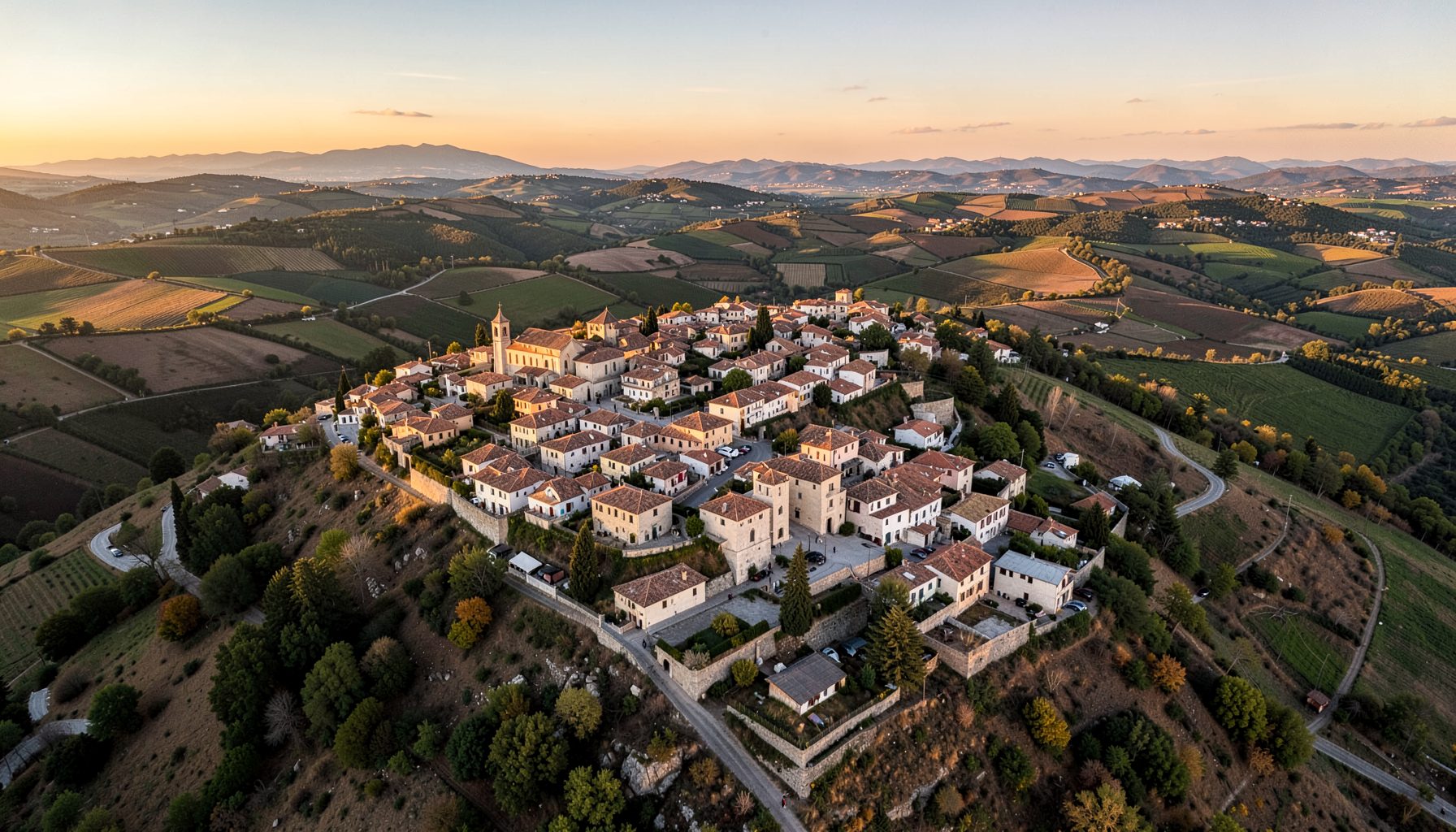
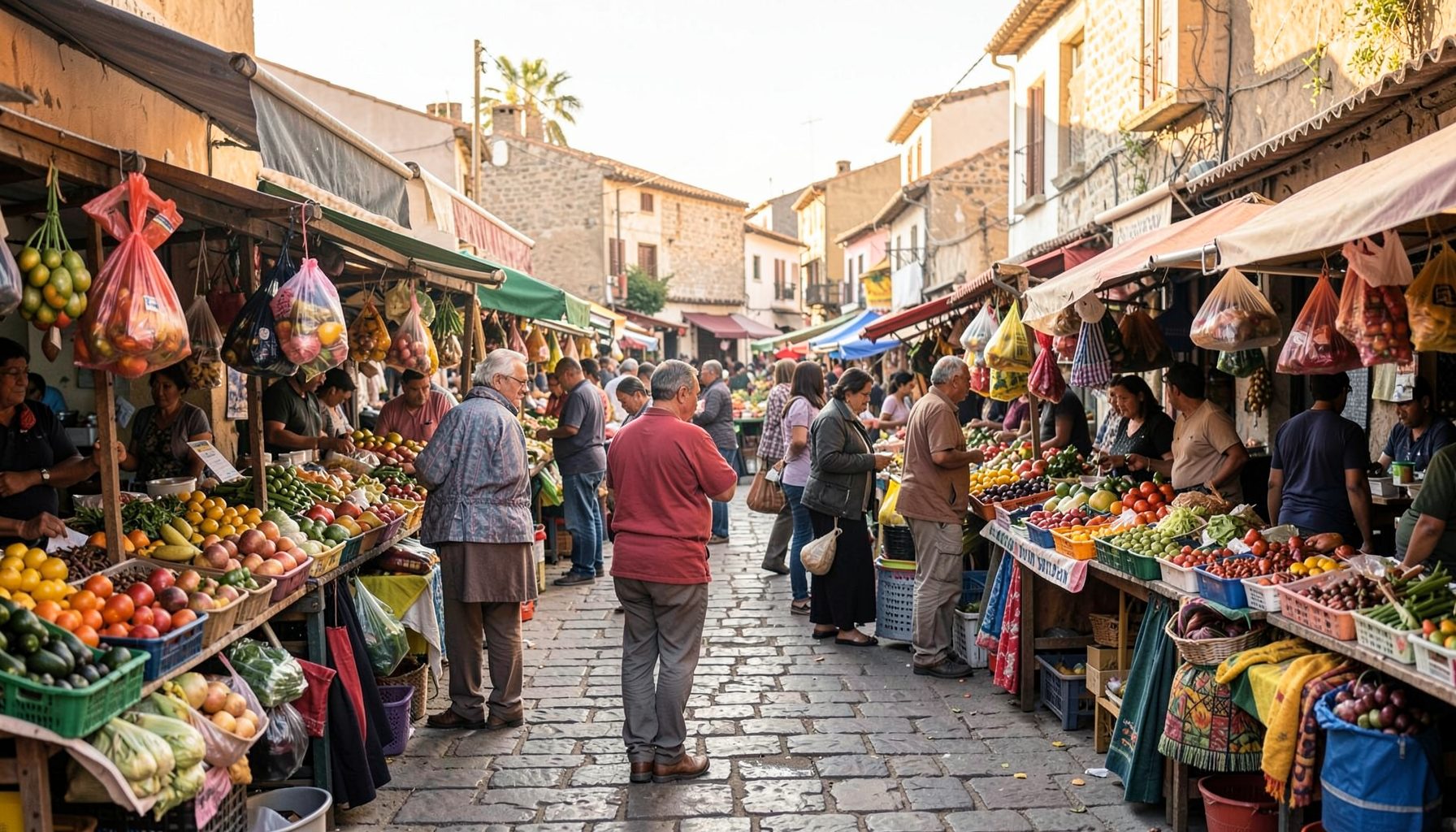
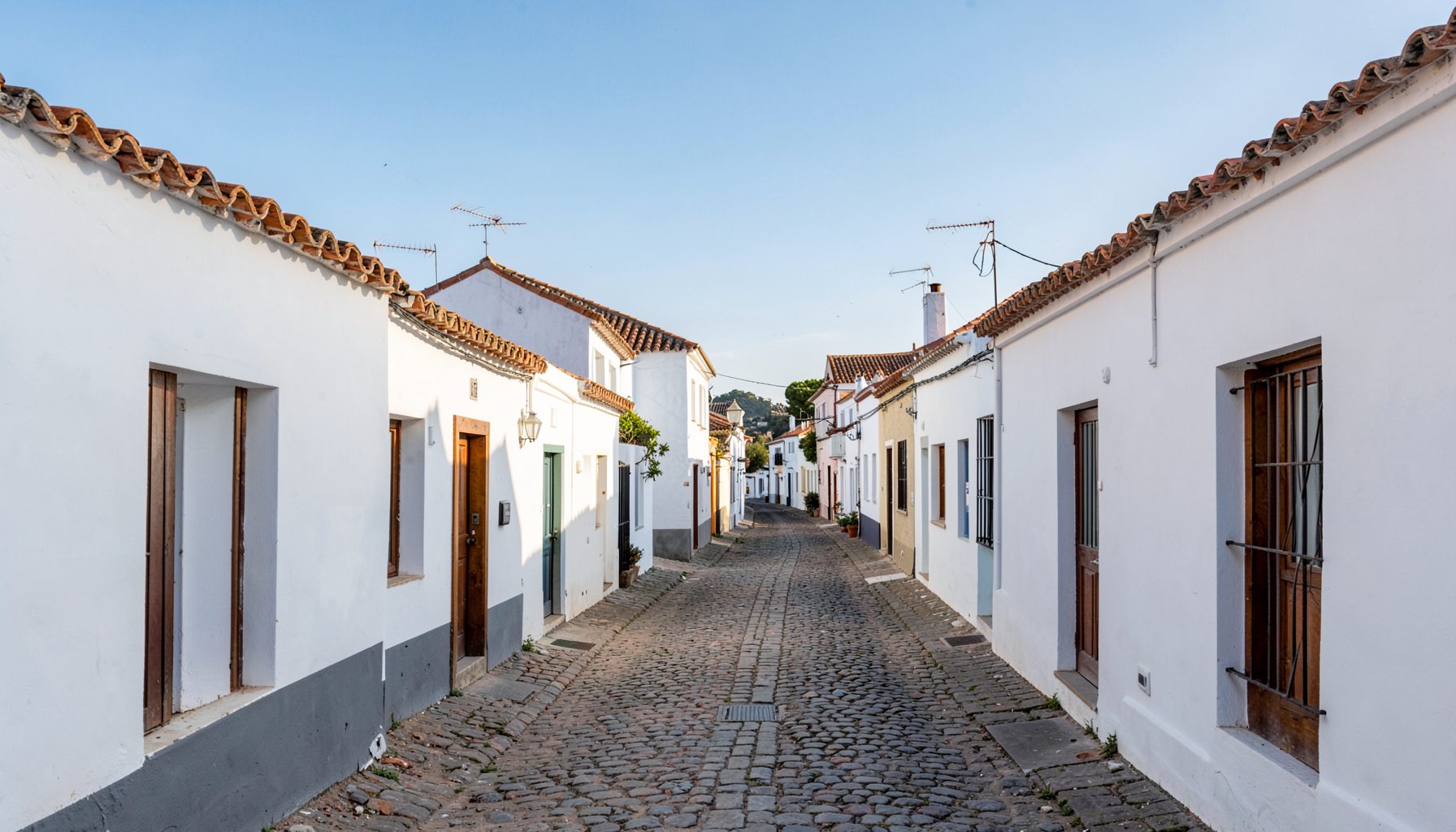
Residents of the Carril del Carmen area are turning an ordinary street into a place for friendship, conversation and shared food. Once a month, neighbours gather for a community meal, bringing homemade dishes, folding tables and the easygoing spirit of a long family lunch.
The event reflects a familiar part of life in Agudo and the wider Ciudad Real area: streets and public spaces become extensions of the home when people decide to celebrate together. For former residents, nearby communities and readers in Australia following local news, the gathering offers a warm example of how small neighbourhood traditions can strengthen everyday connections.
The idea is simple. On an agreed day each month, households along Carril del Carmen prepare food to share and help arrange the street for lunch or dinner. Some residents may bring a traditional recipe, while others contribute bread, drinks, fruit, dessert or practical items such as chairs and serving dishes.
The meal gives neighbours a regular opportunity to meet outside the rhythm of work, school and household duties. Older residents can catch up with familiar faces, families can introduce children to people living nearby, and newer households can become part of the local network without needing a formal invitation.
Street meals also create space for stories. Conversations may turn to harvests, local history, school activities, weather or the latest municipal news. A dish made from seasonal produce can lead to a discussion about gardens and markets, while a photograph from an earlier gathering can preserve memories for residents who have moved away.
For an Australian audience, the atmosphere may feel similar to a suburban street barbecue in Brisbane, a shared picnic in a Melbourne neighbourhood or a community sausage sizzle organised by a local club. The setting is distinctly Agudo, but the social purpose is widely recognisable: food makes it easier for people to pause, talk and feel included.
A successful neighbourhood meal depends on modest but thoughtful planning. Organisers need to agree on the date, serving time and location, then communicate the details clearly to households that may not use the same online channels. A short notice, a message in a residents’ group and a reminder close to the event can help everyone participate.
Practical arrangements matter as much as the menu. Tables should leave enough room for pedestrians, older people and anyone using mobility equipment. Children need a safe area away from hot cooking surfaces, traffic and electrical cables. Waste containers, water, shade and a plan for cleaning the street afterwards can prevent a pleasant gathering from creating extra work for a small number of volunteers.
Food safety deserves particular care when dishes are prepared at home and served outdoors. Cold foods should remain chilled, hot dishes should be protected from contamination, and attendees should identify common allergens when possible. Clear labels for ingredients such as nuts, eggs, dairy or gluten allow more people to enjoy the meal with confidence.
The organisers may also need to check local rules concerning public space, noise, cooking equipment and temporary furniture. These details do not need to make the occasion formal or complicated. A shared checklist and a few named volunteers can distribute responsibility fairly while preserving the relaxed character of the gathering.
Community meals are valuable news because they show how residents shape the identity of their own street. A report can record the date, the participating households, memorable dishes and the reasons neighbours decided to establish the monthly tradition. Short interviews can add personal voices without turning the event into a publicity exercise.
Images are especially useful for local archives. A wide photograph of the tables, a close-up of a shared dish or a picture of children helping with decorations can document the atmosphere for people who could not attend. Permission should be obtained before publishing recognisable images, particularly when children are involved.
The event can also connect current residents with former neighbours. Someone now living in Madrid, Valencia, Sydney or Perth may recognise a street corner, a family name or a recipe in the coverage. Local reporting therefore becomes more than a record of one meal; it preserves a thread between Agudo, its surrounding communities and the people who still feel connected to the town.
Residents who want to share an announcement, image or memory can use the community forum to add information and continue the conversation. A digital discussion can help gather names, recipes and historical details before they disappear from collective memory.
A monthly meal can become an informal lesson in local culture. Grandparents may explain how a recipe was prepared in earlier decades, while younger residents contribute new ideas influenced by travel, social media or contemporary dietary needs. This exchange allows tradition to remain active rather than treating it as something fixed in the past.
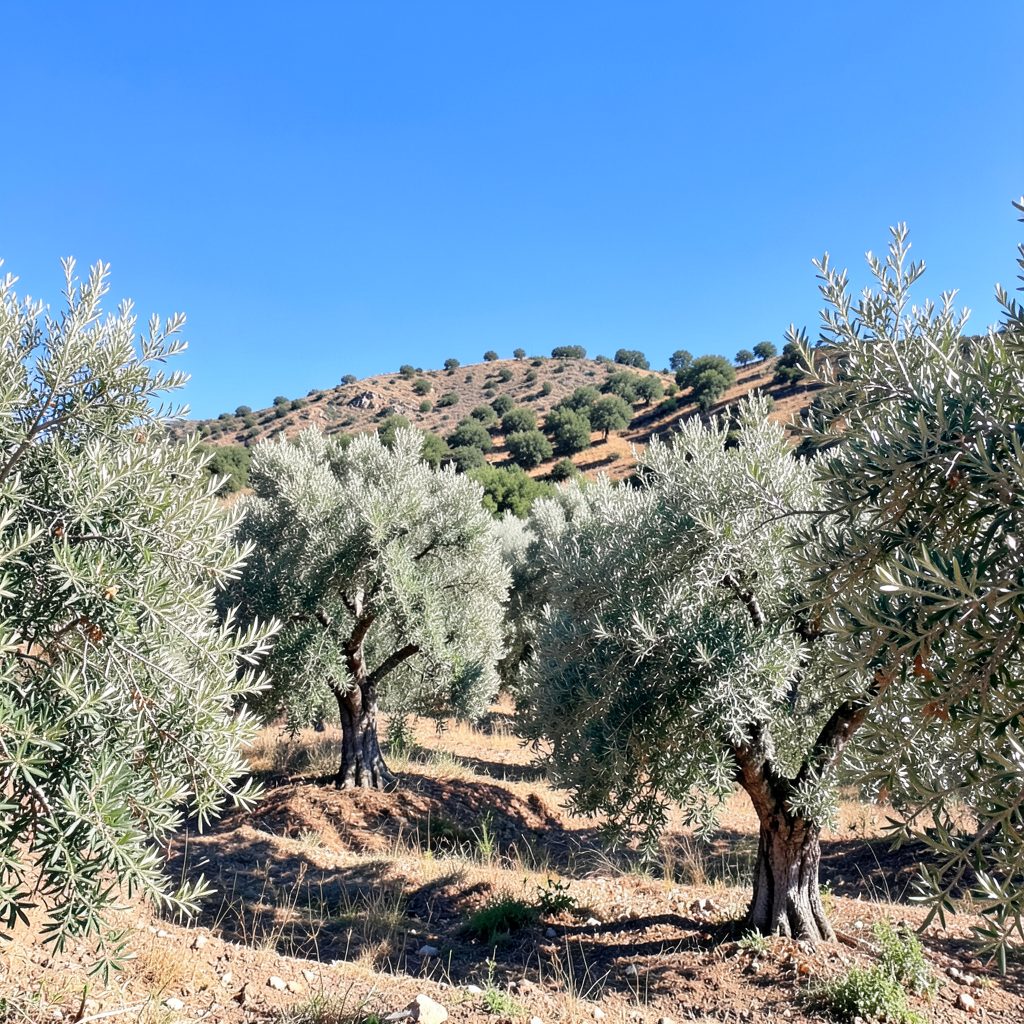
The menu may reflect the seasons and the agricultural character of the region. Fresh vegetables, pulses, bread, cured products and homemade sweets can tell a story about local resources and family habits. Linking the gathering with nearby growers, producers or small businesses may also encourage residents to buy locally when planning future meals.
This community spirit sits naturally alongside Agudo’s wider interest in education and rural opportunity. The town’s secondary school has recently expanded discussion of farming and visitor experiences through its sustainable agriculture course. Students could document recipes, interview older residents or explore how food, farming and hospitality support rural communities.
Australian readers will recognise similar connections at farmers’ markets in Adelaide, weekend produce stalls in regional New South Wales and school garden projects around Canberra. In each case, food is linked to knowledge, local enterprise and a sense of place. A street meal can provide a small but meaningful setting for that same exchange.
The strength of the Carril del Carmen gathering will depend on keeping it manageable. A monthly meal does not need to become a large festival, and no household should feel pressured to provide an elaborate dish every time. Rotating responsibilities and allowing people to contribute according to their time, skills and budget can make participation more sustainable.
A simple calendar can prevent clashes with town events, school commitments, religious celebrations and seasonal work. Organisers might alternate between lunch and an early evening meal, or choose a shared theme such as local produce, family recipes or dishes from different regions. Variety keeps the occasion engaging while retaining its familiar structure.
The following practices can help the gathering remain friendly, safe and inclusive:
A tradition becomes durable when people can join without feeling that they must already know everyone. Welcoming a new resident, reserving a place for an older person who lives alone and making room for different cultural backgrounds can gradually turn a meal into a dependable neighbourhood institution.
The monthly community meal in the Carril del Carmen area shows how local connection can begin with a practical gesture: prepare a little extra food and place it on a shared table. Over time, repeated gatherings can build trust, preserve memories and make the street feel more closely woven into the life of Agudo.
Residents can help keep the story growing by attending the next gathering, sharing reliable details with neighbours and sending photographs or memories to the local community portal. Each contribution adds another piece to the record of Agudo’s streets and the people who give them their character.
Stay informed with local news updates covering Agudo and the surrounding region. Browse the Hemeroteca for past articles and keep up with what matters in the community.
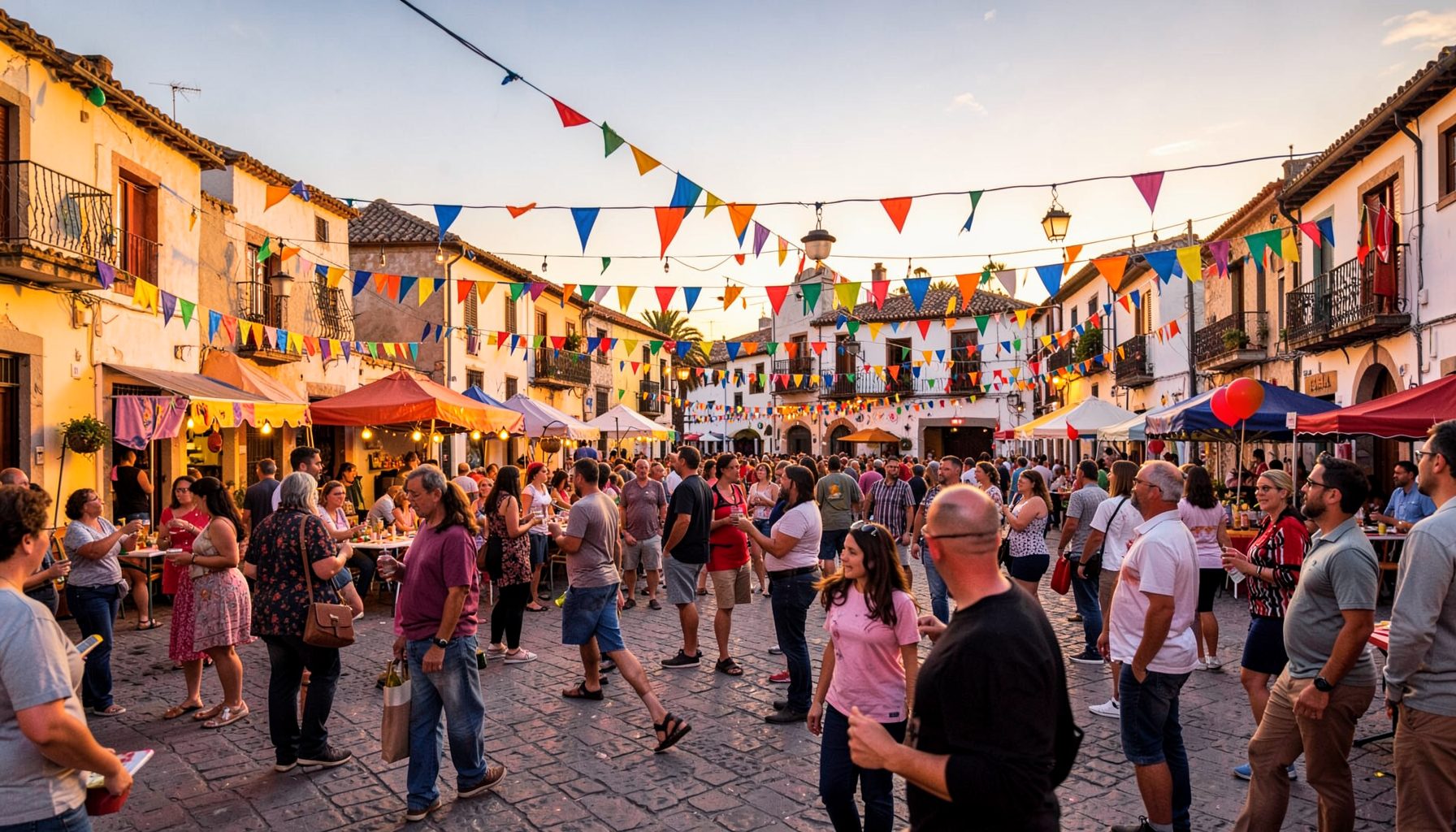
Join the conversation in the Agudo community forums. Access the Foro antiguo archive and participate in discussions with fellow residents and visitors.
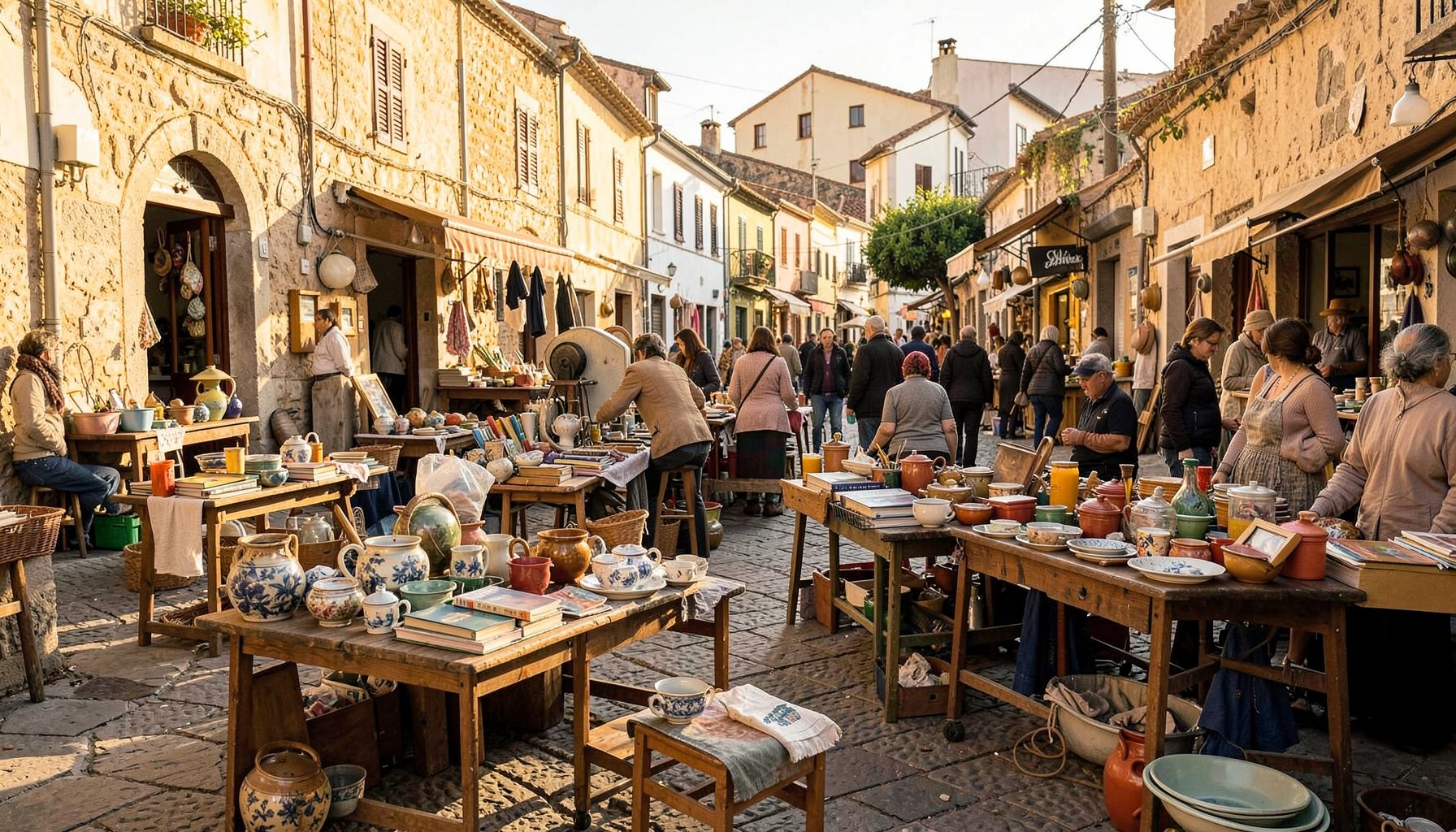
Browse local second-hand listings in the Agudo area. A convenient marketplace for buying and selling within the community.
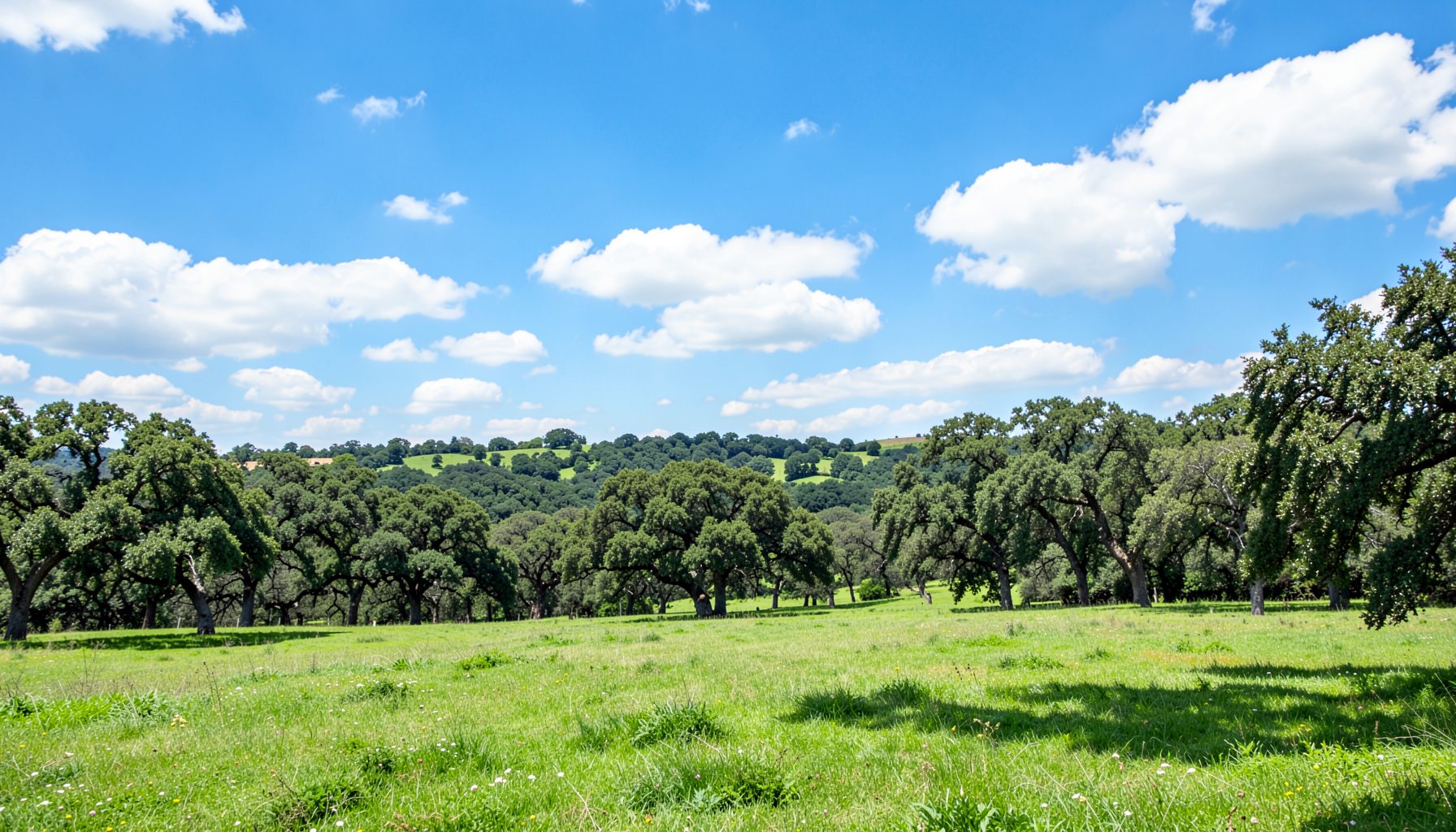
Explore our directory of recommended links, including the Ayuntamiento de Ciudad Real, Lagunas de Ruidera, Parque de Cabañeros, Agudo Joven, and Balneario Cervantes.
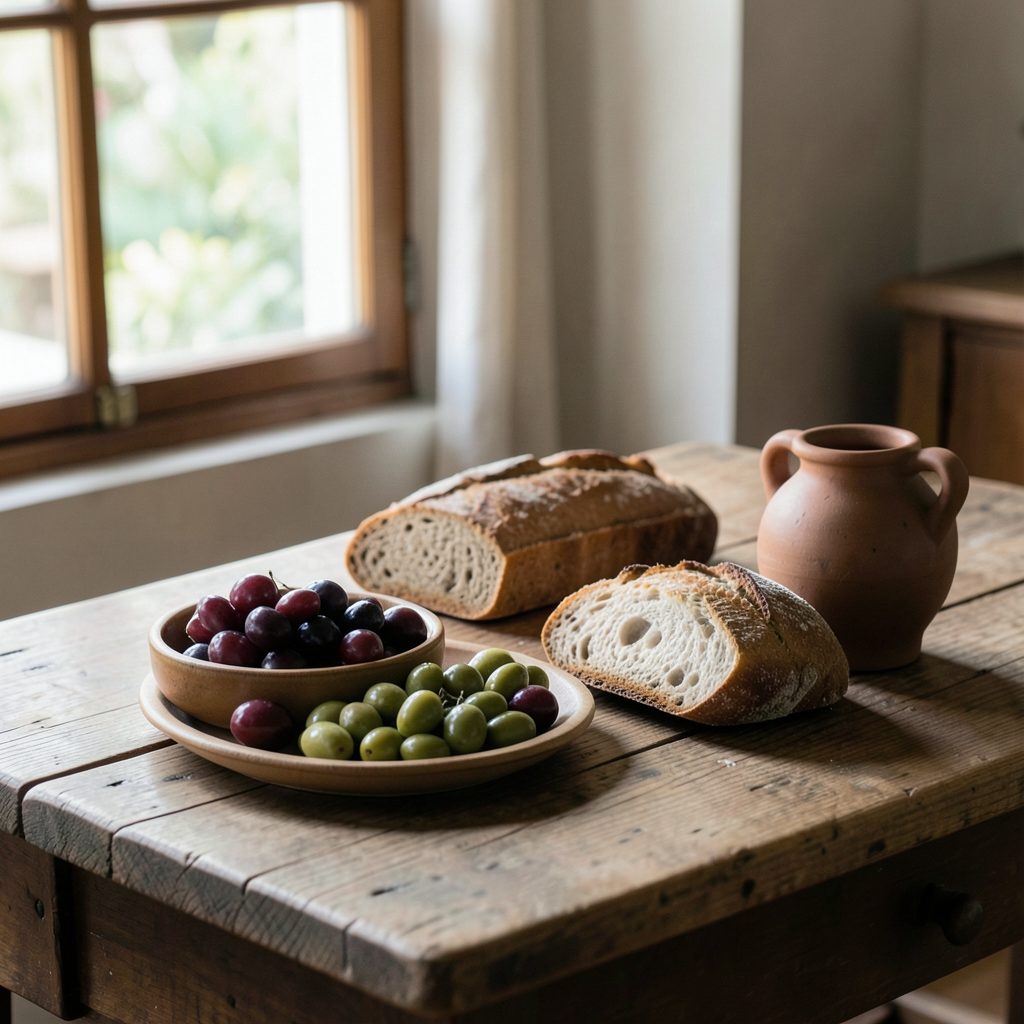
Access practical tools including Prensa links, radio, horóscopo, Loterías results, a leisure guide, recipes, a dictionary, and Street View integration.
Watch videos showcasing Agudo and the surrounding region. A visual tour of local life, landscapes, and community events.