Stay informed with local news updates covering Agudo and the surrounding region. Browse the Hemeroteca for past articles and keep up with what matters in the community.
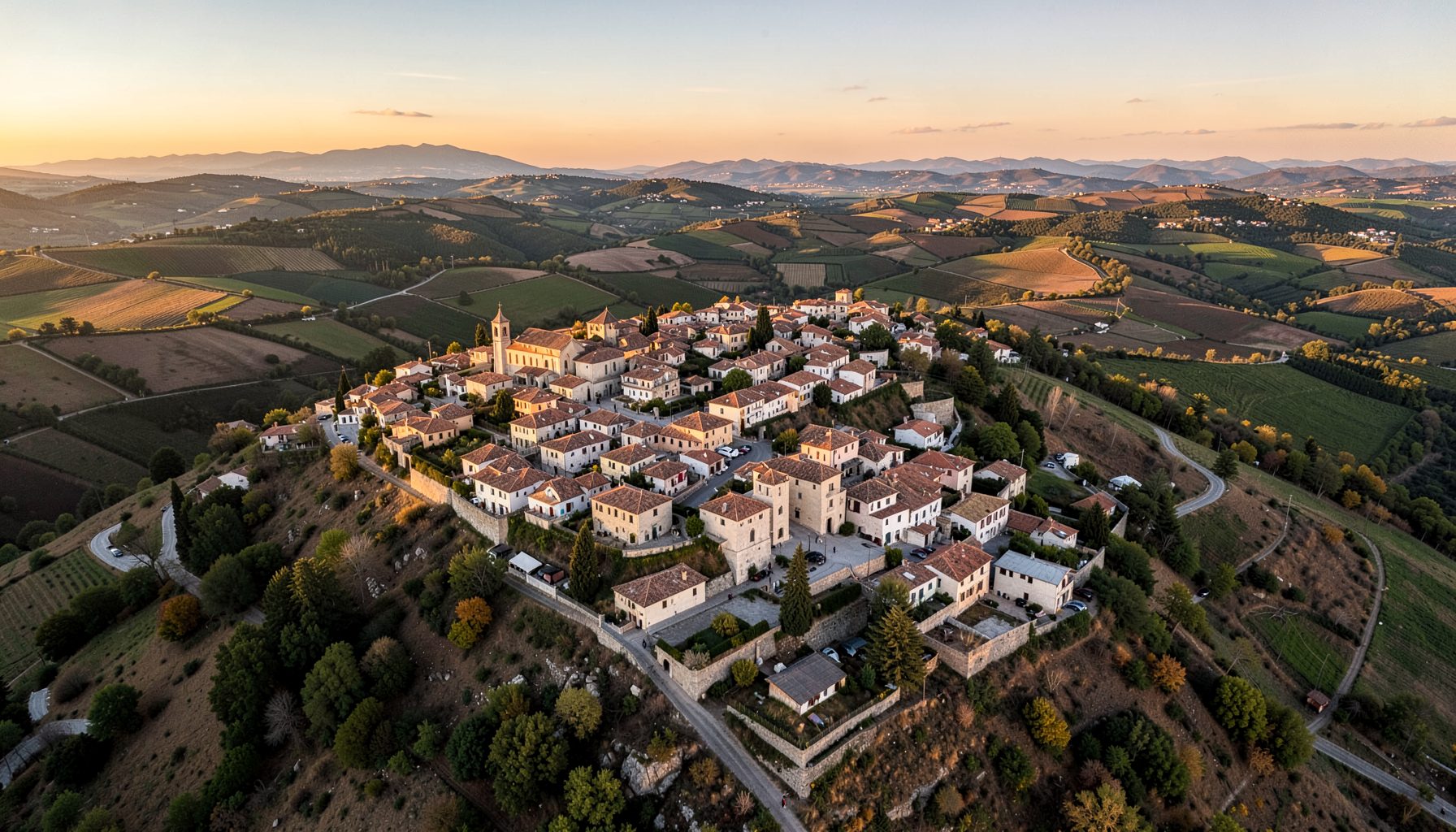
A local winemaker is bringing visitors closer to La Mancha’s food and farming traditions with a guided tasting paired with Manchego cheese at the bodega in Agudo, Ciudad Real. The experience is designed to be sociable rather than formal: guests can learn how the wines are made, taste several styles and discover why a regional cheese can change the character of each pour.
For Australians, it offers a familiar pleasure in a distinctly Spanish setting. Like a cellar-door visit in the Barossa Valley or the Yarra Valley, the event connects the drink in the glass with its landscape and maker. The difference lies in the local rhythm: Manchego, village hospitality and the dry inland climate of Castilla-La Mancha shape an experience that feels closely tied to Agudo.
| Tasting moment | What guests may notice | Suggested Manchego match |
|---|---|---|
| Young white or crisp rosé | Fresh fruit, acidity and a clean finish | Semi-cured cheese |
| Young red | Plum, spice and gentle tannin | Medium-aged Manchego |
| Oak-aged red | Deeper fruit, vanilla and savoury notes | Curado Manchego |
| Dessert or fortified-style pour | Sweetness and warmth | Very aged cheese with a firm, salty finish |
The guided session begins with an explanation of the bodega, the vineyard and the winemaker’s approach. Rather than simply placing bottles on a table, the host can show how grape variety, soil, harvest timing and ageing influence the final wine. This makes the tasting accessible to newcomers while giving experienced wine drinkers plenty to consider.
A bodega visit also provides a welcome sense of place. Guests may hear about the working year behind each bottle, from pruning during the colder months to monitoring vines through long, hot summers. In Agudo, the landscape is part of the story, and the winemaker’s commentary helps visitors understand why local wines can express both warmth and freshness.
The format suits a relaxed afternoon outing. Australians might compare it with a long lunch near McLaren Vale or a cellar-door stop outside Orange, where conversation matters as much as tasting notes. In Spain, the pace can be equally unhurried, with small pours, shared plates and time to appreciate the social side of food and wine.
Manchego is made from sheep’s milk and is known for its firm texture, nutty flavour and distinctive savoury edge. Its character develops with age. A younger cheese can be creamy and gently tangy, while a curado or more mature wedge may bring stronger salt, toasted flavours and a drier finish.
Pairing the cheese with several wines shows how balance works. A crisp white can cut through the richness of the cheese, while a young red echoes its earthy, nutty qualities. With a mature Manchego, a fuller-bodied red may provide enough fruit and structure to stand alongside the cheese without overwhelming it.
The guided tasting also gives guests permission to trust their own palate. There is no single correct pairing. One person may prefer a bold red with aged cheese; another may enjoy the contrast between a bright rosé and a salty, firm slice. That openness is part of the appeal for visitors who are still learning about Spanish wine.
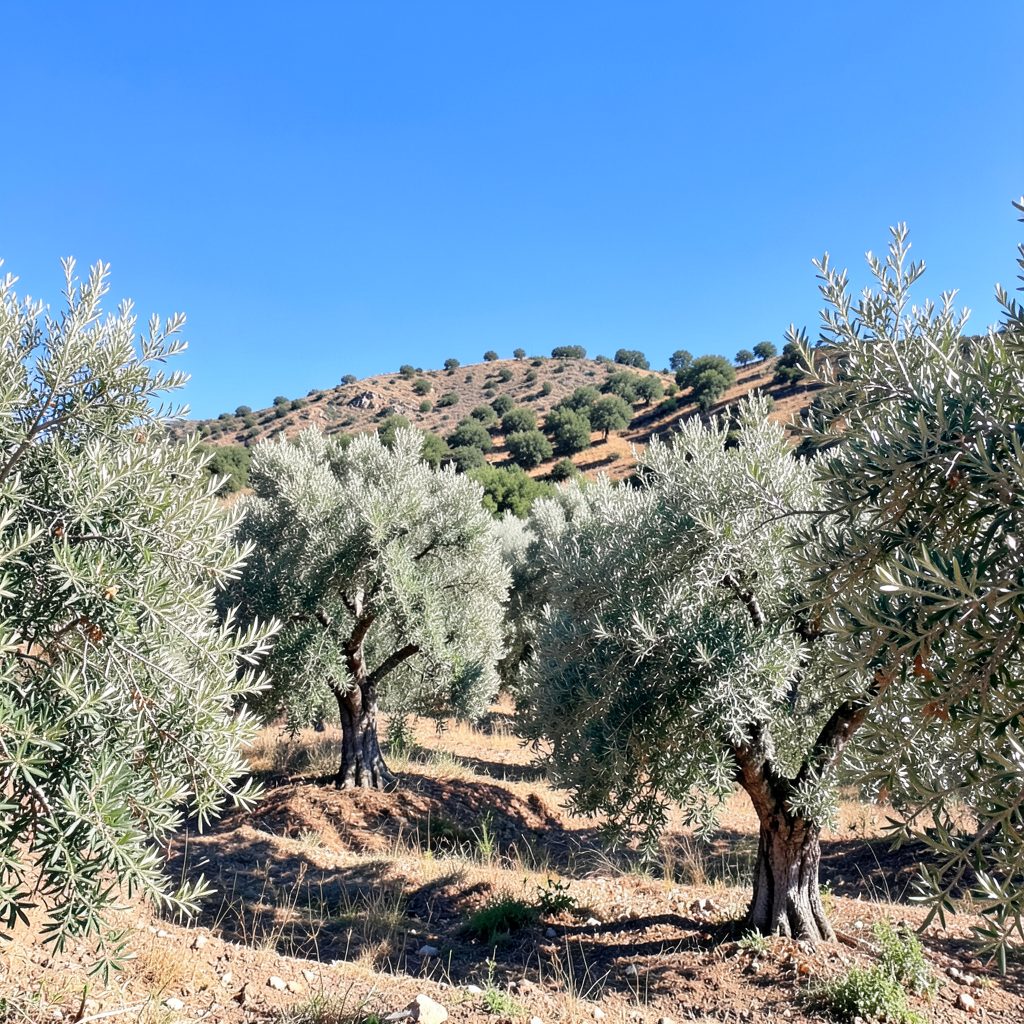
The tasting sits within a wider local conversation about farming, water and adaptation. Vineyard decisions are closely connected to the realities of a dry inland climate, where growers must manage heat, rainfall and long-term soil health. Nearby agricultural trials, including a drought-resistant barley, show how producers across the region are looking for practical ways to protect rural livelihoods.
That context can make the bodega visit more meaningful. Wine is often presented as a finished luxury product, yet every bottle depends on decisions made months and years earlier. Visitors can learn how canopy management, harvest dates and careful irrigation affect both quality and resilience.
Australian guests will recognise the concern. Growers in the Murray-Darling Basin, the Riverina and parts of South Australia face their own questions about water security, heat and changing seasons. The conditions are different, but the underlying issue is familiar: producers need to preserve a strong local identity while responding to a less predictable climate.
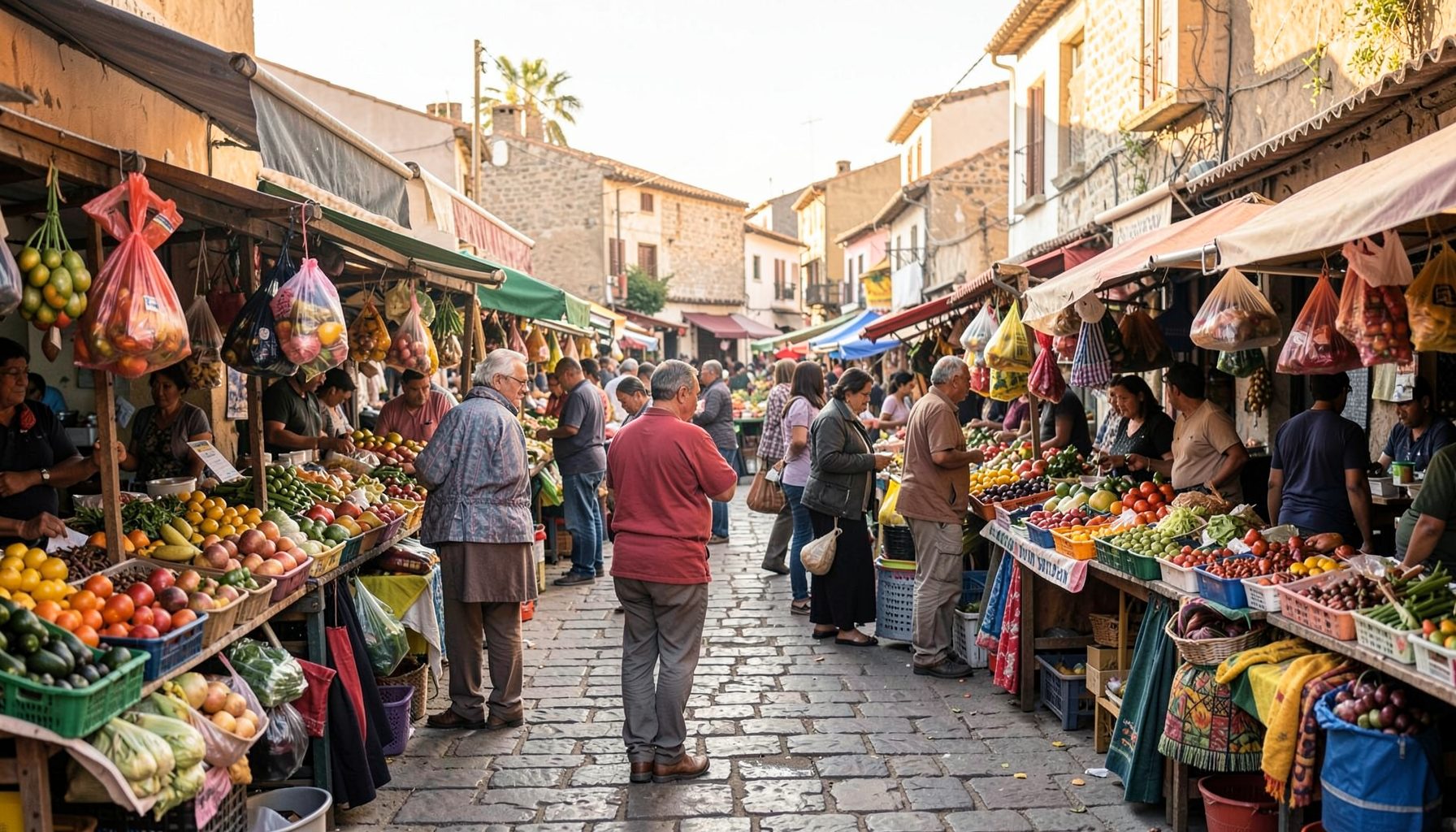
The experience also highlights the value of small-scale regional enterprise. A bodega tasting supports growers, cellar workers, hospitality providers and nearby food businesses. It gives visitors a reason to spend time in Agudo rather than passing through on the way to a larger destination.
For travellers arriving from Australia, practical expectations help. Spanish tasting rooms may feel less transactional than a busy Australian cellar door, with the winemaker or a member of the family leading the conversation. The focus is often on sharing knowledge and food, so guests should allow plenty of time instead of treating the visit as a quick stop between attractions.
The event may also appeal to Australians who enjoy buying directly from producers. In the Australian market, shoppers are used to comparing wines through independent bottle shops, Dan Murphy’s, winery clubs and online delivery services. A visit to the bodega adds something those channels cannot provide: a personal connection with the producer and a clearer understanding of the place behind the label.
Visitors should check booking arrangements, group sizes, payment options and transport before attending. Drink-driving rules apply in Spain, just as they do in Victoria, New South Wales and elsewhere in Australia. A designated driver, taxi or organised transfer allows everyone to enjoy the tasting responsibly.
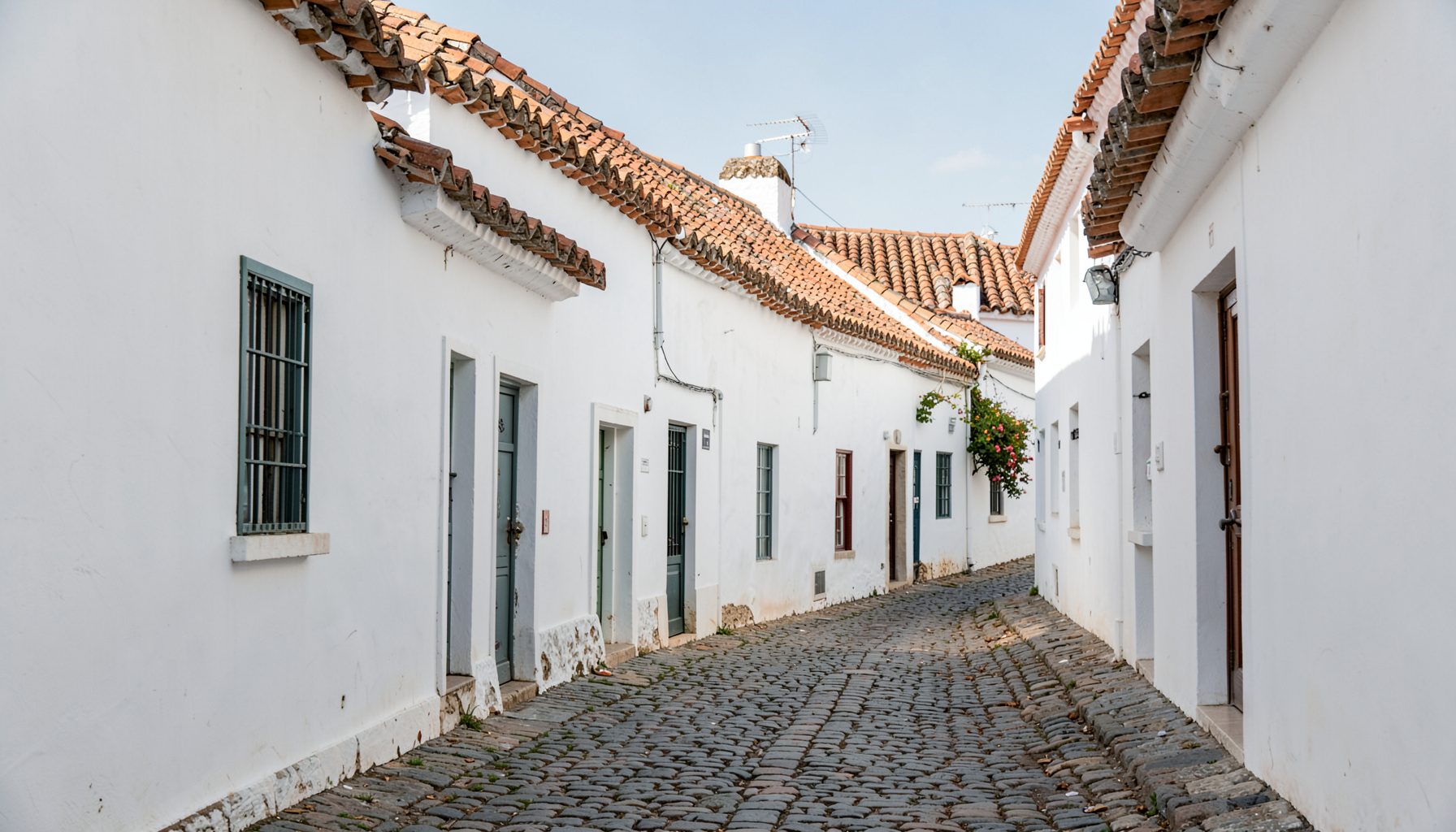
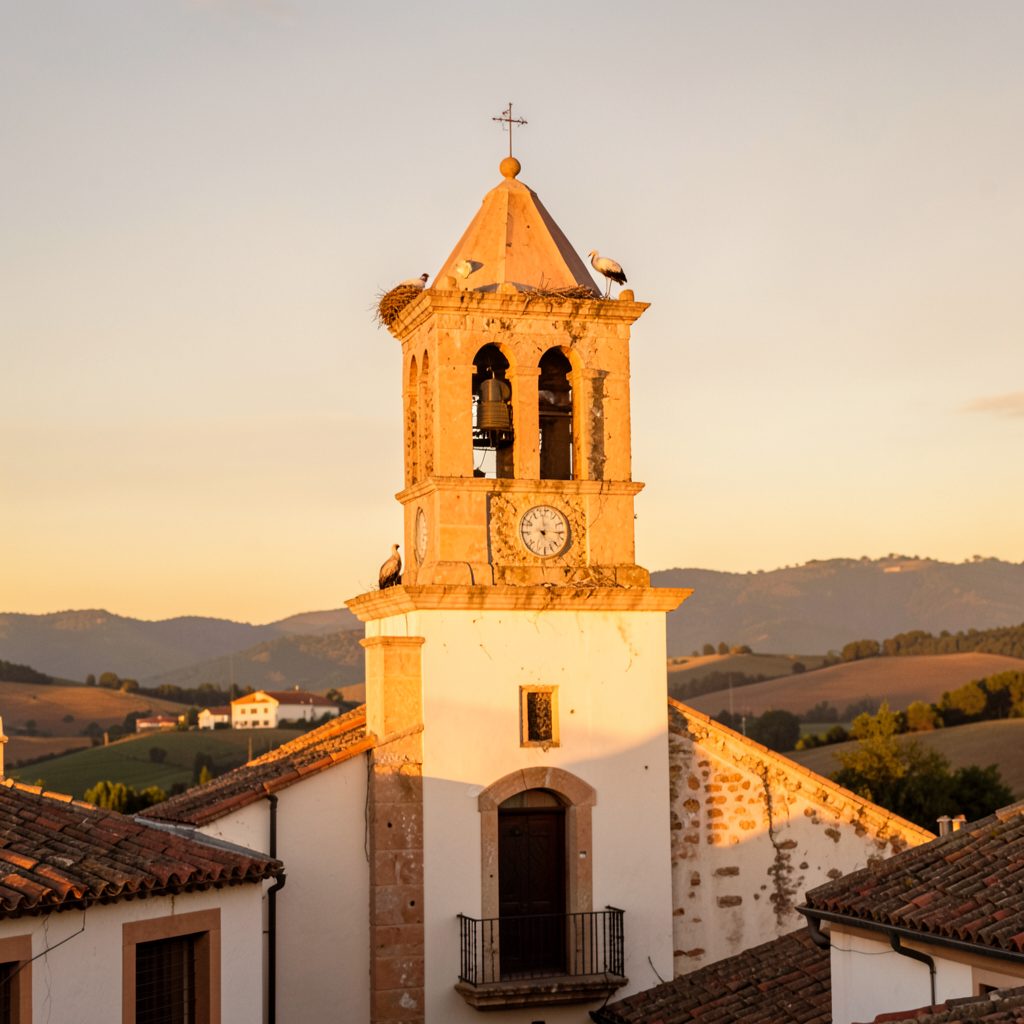
Agudo’s community setting is part of its appeal. Events are easier to appreciate when visitors take time to explore local streets, speak with residents and look for other cultural or food activities. A town-hall update about a recycled-water cleaner reflects the kind of practical municipal detail that matters to residents and gives outsiders a glimpse into everyday local life.
A successful tasting does not require specialist vocabulary. Guests can focus on simple observations: Is the wine fresh or rich? Does the cheese soften the tannin? Does a sip taste different after a bite? These questions create a useful framework without turning the occasion into an exam.
It is worth tasting the cheese in smaller pieces and allowing each wine a little time in the glass. The order usually moves from lighter styles to fuller reds, with stronger or older cheeses served later. Water and plain bread help refresh the palate between combinations.
Visitors may also want to ask about the grapes, the vineyard’s elevation, the use of oak and the best way to store an opened bottle. These details can reveal how a local producer works within regional traditions while making choices for modern drinkers.
For Australians considering a wine-focused holiday in Spain, the event offers a more intimate alternative to heavily promoted wine routes. It combines food, conversation and rural knowledge in a setting where the producer’s voice remains central.
A guided wine and Manchego tasting gives Agudo a strong invitation to visitors seeking an authentic regional experience. It connects the bodega to the fields, the changing climate and the daily work of the community, while offering the simple pleasure of sharing good food around a table.
Follow Agudo Ciudad Real for local event updates, cultural news and practical information about the town and surrounding area. When your next journey brings you to Ciudad Real, include time for the bodega, taste slowly and let the winemaker introduce you to Agudo through its wines and cheese.
Stay informed with local news updates covering Agudo and the surrounding region. Browse the Hemeroteca for past articles and keep up with what matters in the community.
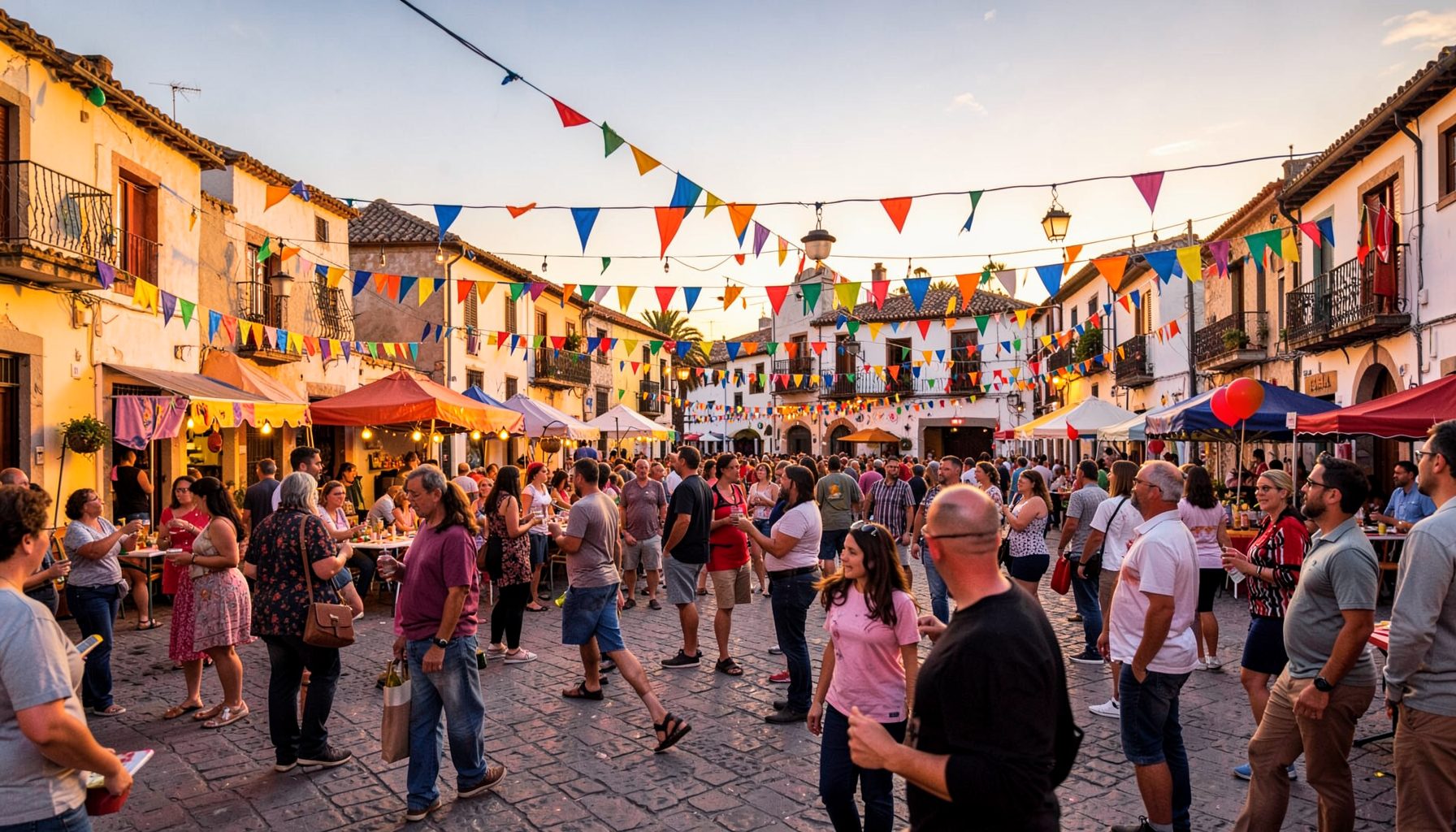
Join the conversation in the Agudo community forums. Access the Foro antiguo archive and participate in discussions with fellow residents and visitors.
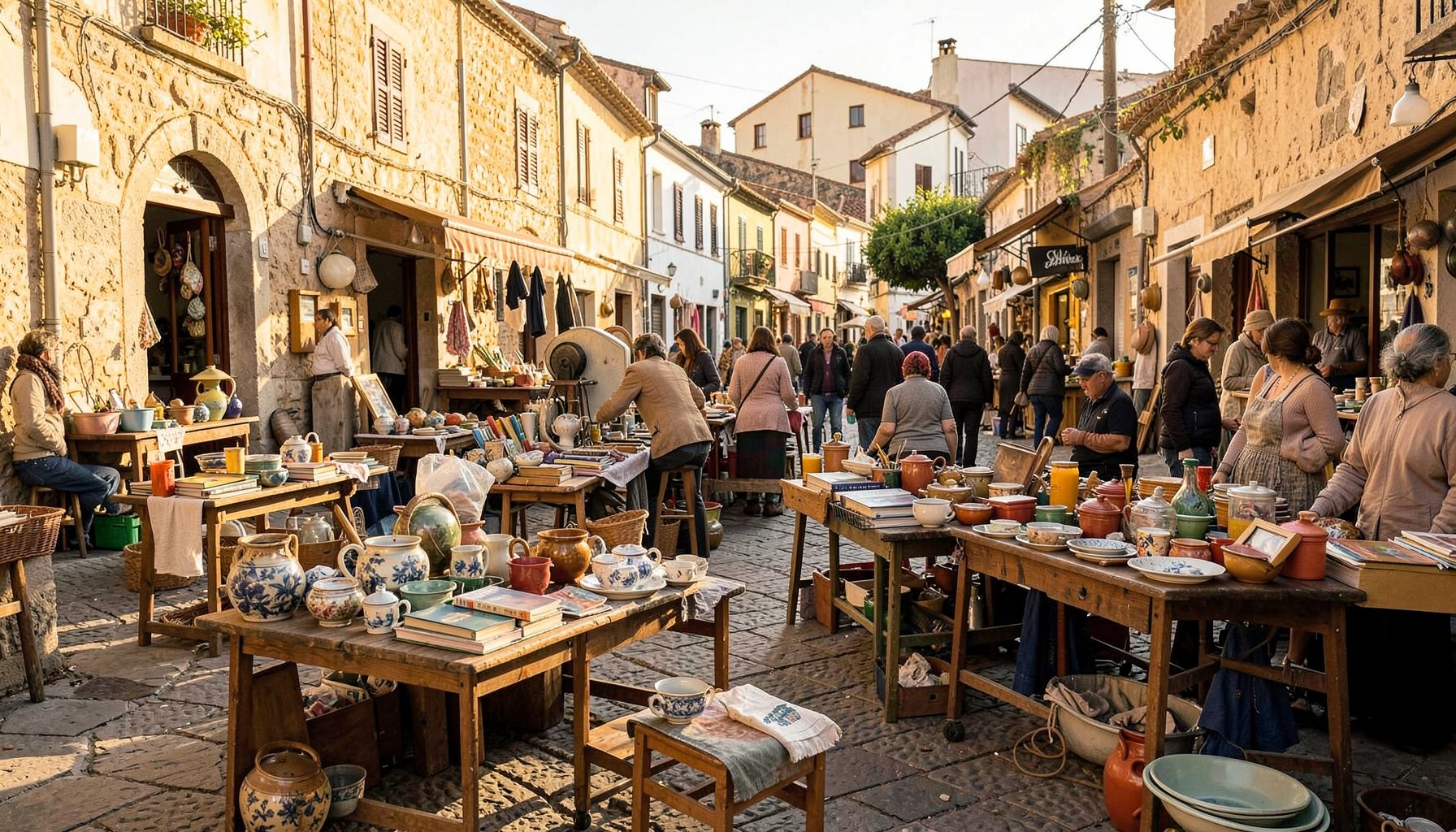
Browse local second-hand listings in the Agudo area. A convenient marketplace for buying and selling within the community.
Explore our directory of recommended links, including the Ayuntamiento de Ciudad Real, Lagunas de Ruidera, Parque de Cabañeros, Agudo Joven, and Balneario Cervantes.
Access practical tools including Prensa links, radio, horóscopo, Loterías results, a leisure guide, recipes, a dictionary, and Street View integration.
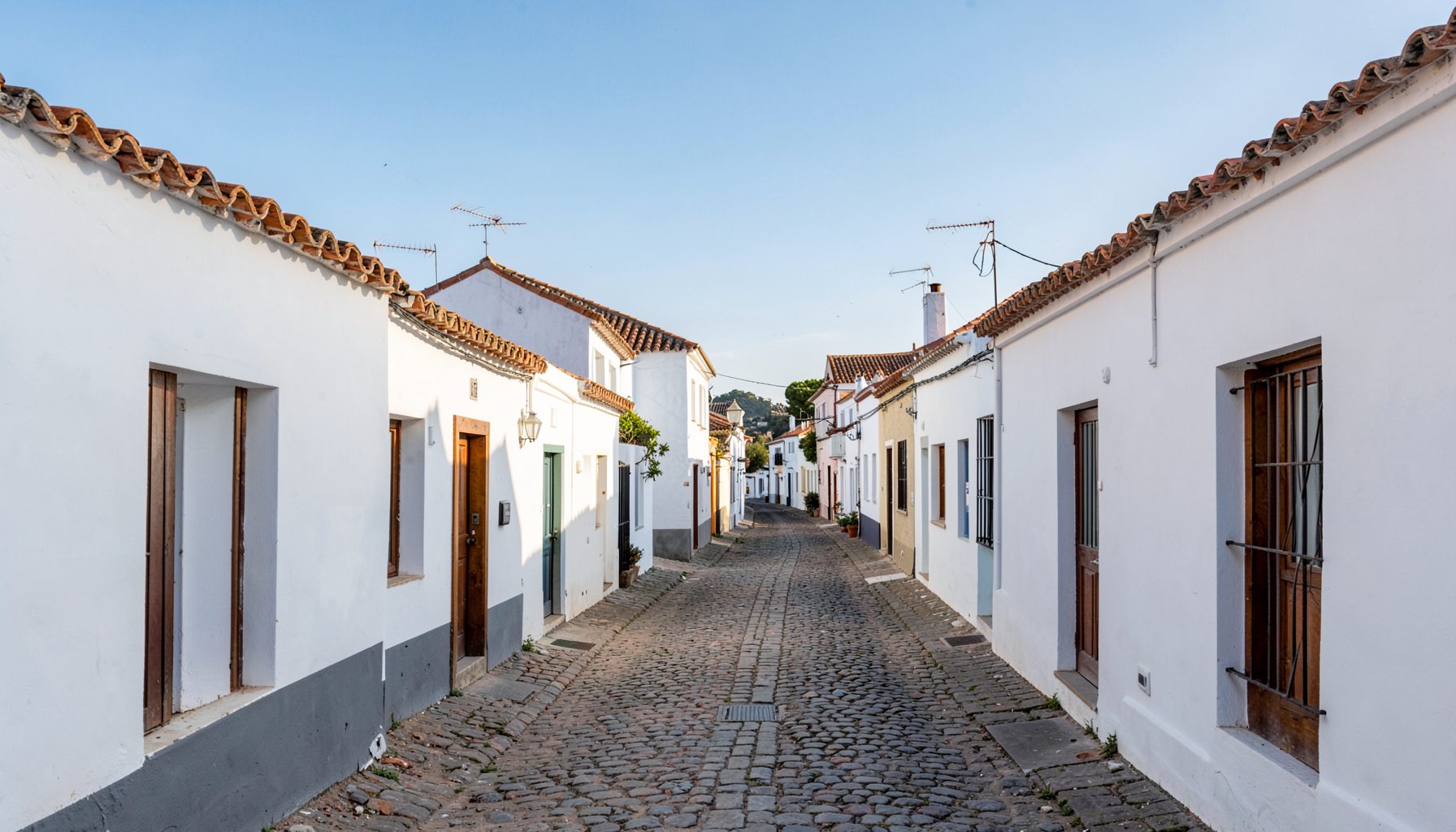
Watch videos showcasing Agudo and the surrounding region. A visual tour of local life, landscapes, and community events.