Stay informed with local news updates covering Agudo and the surrounding region. Browse the Hemeroteca for past articles and keep up with what matters in the community.
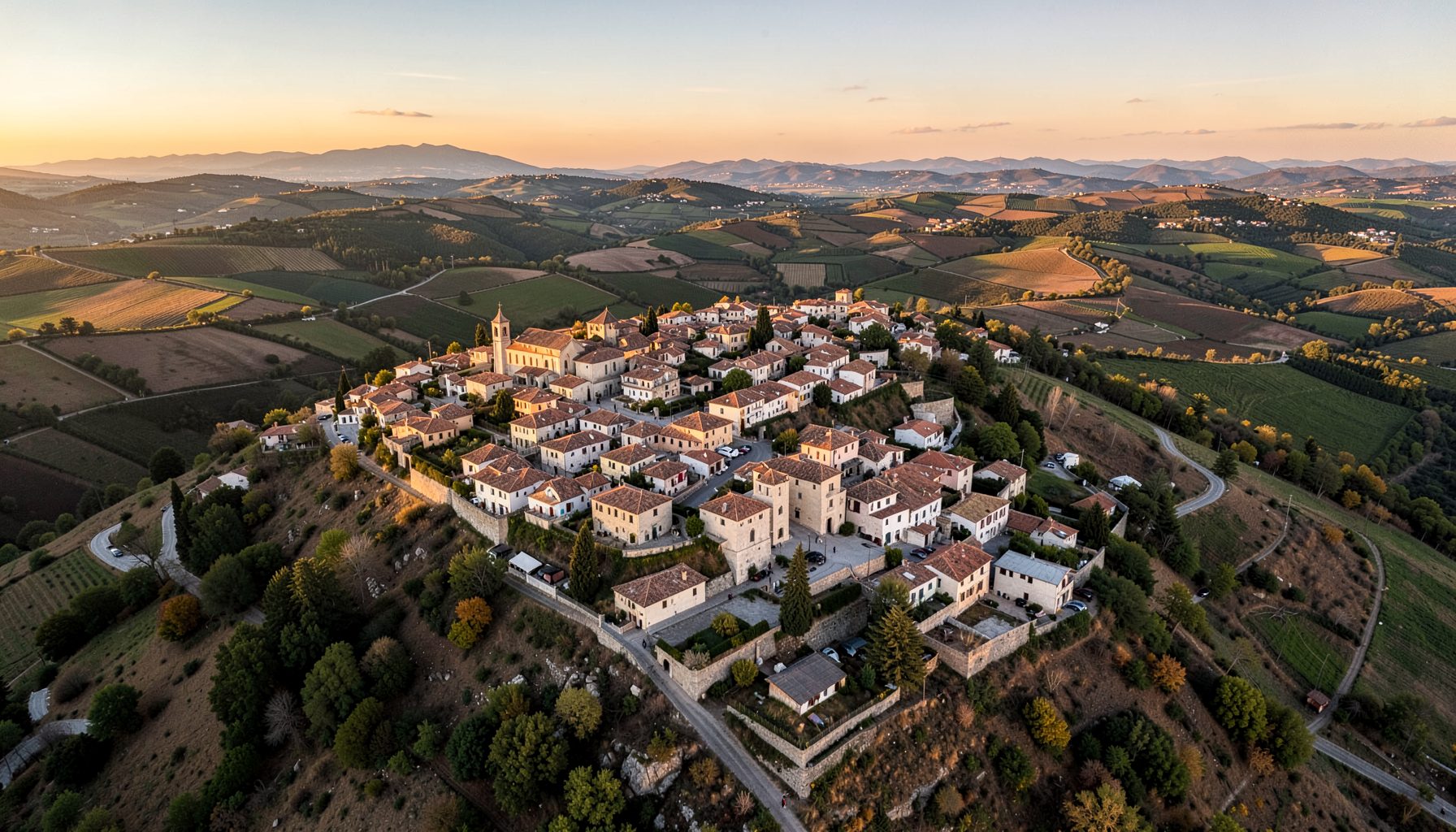
The old stone washing area beside the Guadiana river is becoming a shared project for Agudo. Local volunteers have begun clearing vegetation, removing accumulated debris and carefully recovering the structure’s original character. Their work is bringing attention to a modest piece of rural heritage that once formed part of everyday life in the town.
Known locally as a traditional lavadero, the site recalls a time when washing clothes was a communal task carried out beside a reliable water source. Its stone basins, worn surfaces and riverside setting connect the present community with the practical routines of earlier generations.
The restoration is also a story about participation. Residents, families and people with knowledge of local history are contributing time and ideas, showing how small projects can strengthen ties between Agudo and its natural surroundings. As the area becomes easier to reach and understand, it may gain a new role as a place for walking, learning and community activity.
Before domestic washing machines became common, public washhouses provided an essential service in many Spanish villages. People carried clothes, shared news and worked together around the stone basins. These places were practical, but they were also social spaces where local relationships developed through repeated visits.
The riverside washhouse near Agudo reflects that heritage. Its construction was shaped by the availability of water and by the needs of households in the surrounding area. Although the structure is simple, the arrangement of stone channels, washing surfaces and drainage points reveals considerable local knowledge.
Years of exposure have softened the edges of the masonry, while plants, silt and fallen branches have obscured parts of the site. The volunteers’ first task has therefore been one of care rather than reconstruction: identifying what remains, clearing it without damaging the stones and documenting features that could otherwise be overlooked.
The restoration work combines basic maintenance with a cautious approach to historical material. Volunteers have removed rubbish and invasive growth from around the washhouse, opened paths to the structure and checked the condition of the stonework. Work of this kind can make a dramatic difference without changing the appearance that gives the site its value.
The group is also paying attention to the riverbank. Removing loose waste and cutting back selected vegetation can improve visibility, yet the natural setting must remain protected. The Guadiana corridor supports plants, birds and small animals, so any intervention needs to avoid unnecessary disturbance, especially during sensitive seasons.
Rather than turning the site into a heavily remodelled attraction, the aim is to keep its rural character. Reusing local stone where possible, avoiding intrusive materials and leaving evidence of age visible can help visitors understand that they are seeing an authentic working landscape, not a newly built replica.
Older residents can explain how the washhouse was used, where people approached the water and which paths connected the site with the town. Their memories add detail that cannot be recovered from stone alone. Conversations about laundry, river conditions and seasonal routines are becoming an informal oral archive for Agudo.
Younger volunteers bring energy, digital skills and a different way of sharing the project. Photographs, short videos and online updates can help former residents discover the work and encourage visitors to explore the area respectfully. This kind of participation gives local heritage a place in contemporary community life.
The connection between civic initiative and younger residents is visible in other local activities too. Agudo’s young entrepreneurs have recently demonstrated how fresh ideas can support the town’s future, and the washhouse project offers another example of practical engagement rooted in local identity.
| Part of the project | Purpose | Community benefit |
|---|---|---|
| Vegetation and rubbish removal | Reveal the structure and improve access | Makes the site safer and easier to appreciate |
| Stonework observation | Identify damaged or vulnerable areas | Protects original features before repair |
| Oral history collection | Record memories linked to the washhouse | Preserves knowledge held by older residents |
| Riverside care | Reduce waste while respecting habitats | Connects heritage with environmental responsibility |
| Signage and images | Explain the site’s use and history | Helps residents and visitors learn from the place |
The location beside the Guadiana gives the washhouse significance beyond its architecture. Rivers have long influenced settlement, agriculture, travel and local customs. The restored area can help people see these connections more clearly, particularly when combined with walking routes and information about the surrounding landscape.
Improved access could make the washhouse a quiet stop for residents, school groups and visitors interested in the history of Ciudad Real’s rural communities. A short explanatory panel could describe the structure’s purpose, the work carried out by volunteers and the importance of treating the river environment with care.
Any future use should remain modest and compatible with the setting. Small guided visits, heritage walks or educational activities would be more suitable than large events that could place pressure on the riverbank. The strength of the site lies in its atmosphere, scale and relationship with the landscape.
The first phase of work can reveal problems that are difficult to see when vegetation and debris cover the ground. Cracks, unstable stones, blocked drainage and erosion near the bank may require specialist assessment. Recording these issues will help the community decide which repairs are urgent and which changes should be left untouched.
Regular maintenance will be as important as the initial clean-up. A simple schedule for checking paths, removing litter and monitoring new plant growth can prevent the site from returning to its former condition. Clear responsibilities will also make it easier for residents to report damage or environmental concerns.
Useful priorities for the next stages include:
These measures would give the project continuity while keeping decisions close to the people who know the area. They could also create opportunities for schools, local associations and cultural groups to contribute without placing all responsibility on a single volunteer team.
A restored washhouse may appear modest beside larger monuments, yet its value comes from its closeness to ordinary life. It represents work carried out by previous generations, the importance of shared resources and the ways in which a river shaped the rhythm of a community. Preserving such places creates a fuller picture of Agudo’s past.
The project can also support local pride without turning heritage into something distant or formal. Residents are able to see the results of their own efforts in a familiar landscape. Former residents may feel a renewed connection when they see photographs of the restored stonework, while visitors gain a more personal understanding of the town.
There is an environmental lesson as well. Caring for a historic riverside structure requires attention to water, soil, vegetation and access. The washhouse can therefore become a small example of integrated stewardship, where cultural memory and protection of the natural setting reinforce each other.
The work by Agudo’s volunteers deserves continued visibility through local news, community archives and shared images. Every cleared stone and recorded memory adds to a living record of the Guadiana landscape. Residents can support the effort by respecting the site, sharing reliable recollections and taking part in future conservation days.
Stay informed with local news updates covering Agudo and the surrounding region. Browse the Hemeroteca for past articles and keep up with what matters in the community.
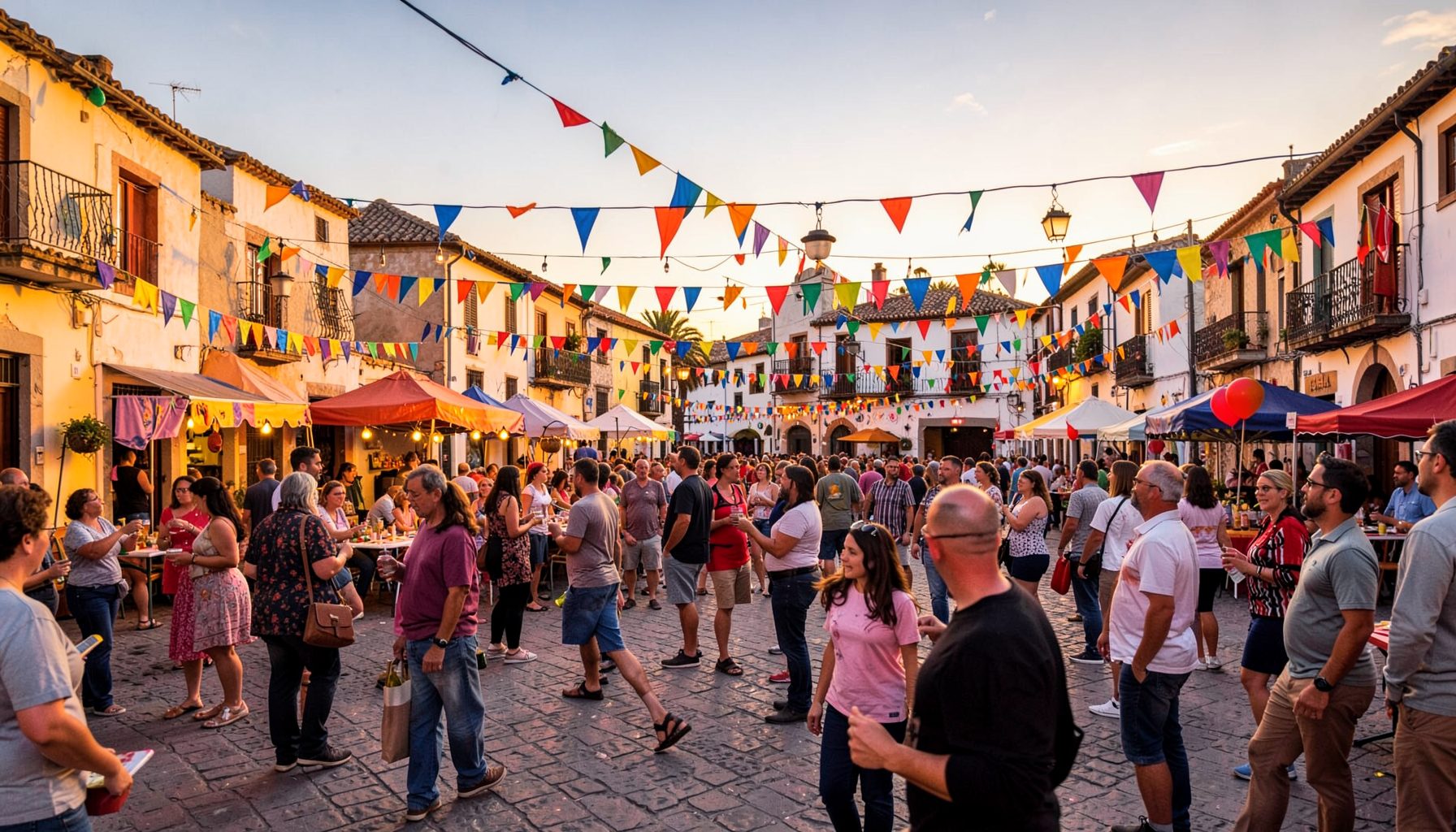
Join the conversation in the Agudo community forums. Access the Foro antiguo archive and participate in discussions with fellow residents and visitors.
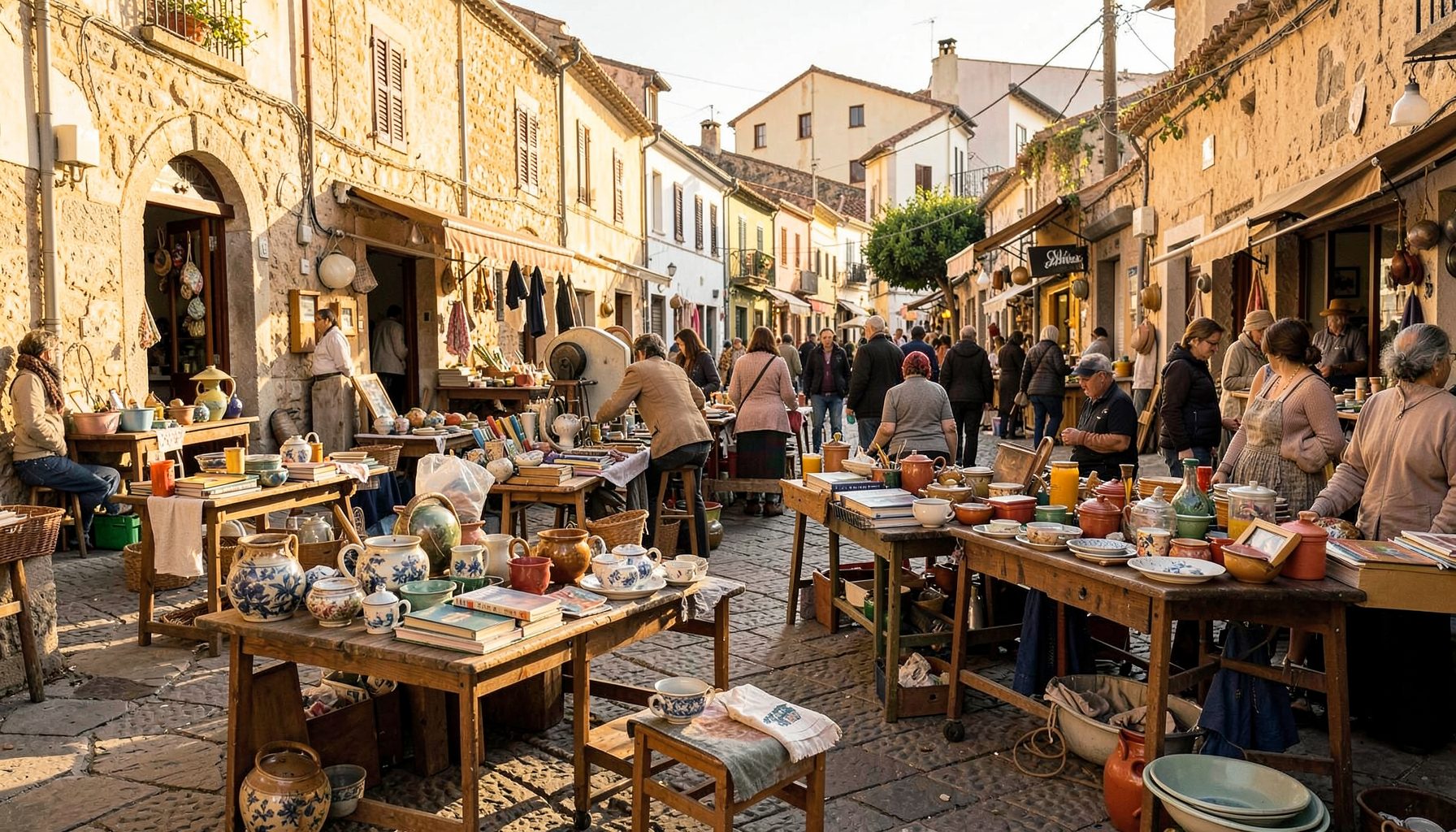
Browse local second-hand listings in the Agudo area. A convenient marketplace for buying and selling within the community.
Explore our directory of recommended links, including the Ayuntamiento de Ciudad Real, Lagunas de Ruidera, Parque de Cabañeros, Agudo Joven, and Balneario Cervantes.
Access practical tools including Prensa links, radio, horóscopo, Loterías results, a leisure guide, recipes, a dictionary, and Street View integration.
Watch videos showcasing Agudo and the surrounding region. A visual tour of local life, landscapes, and community events.