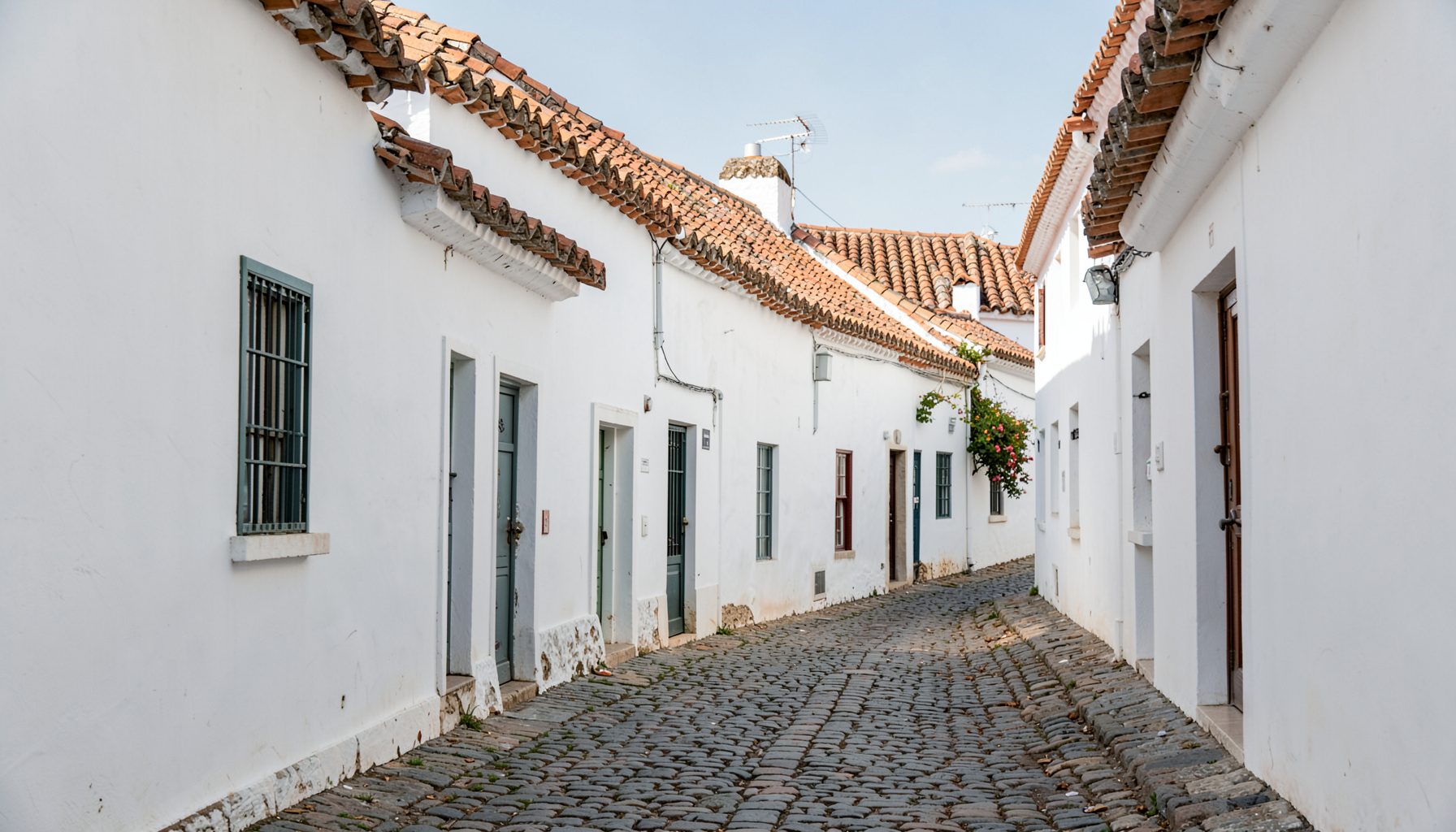
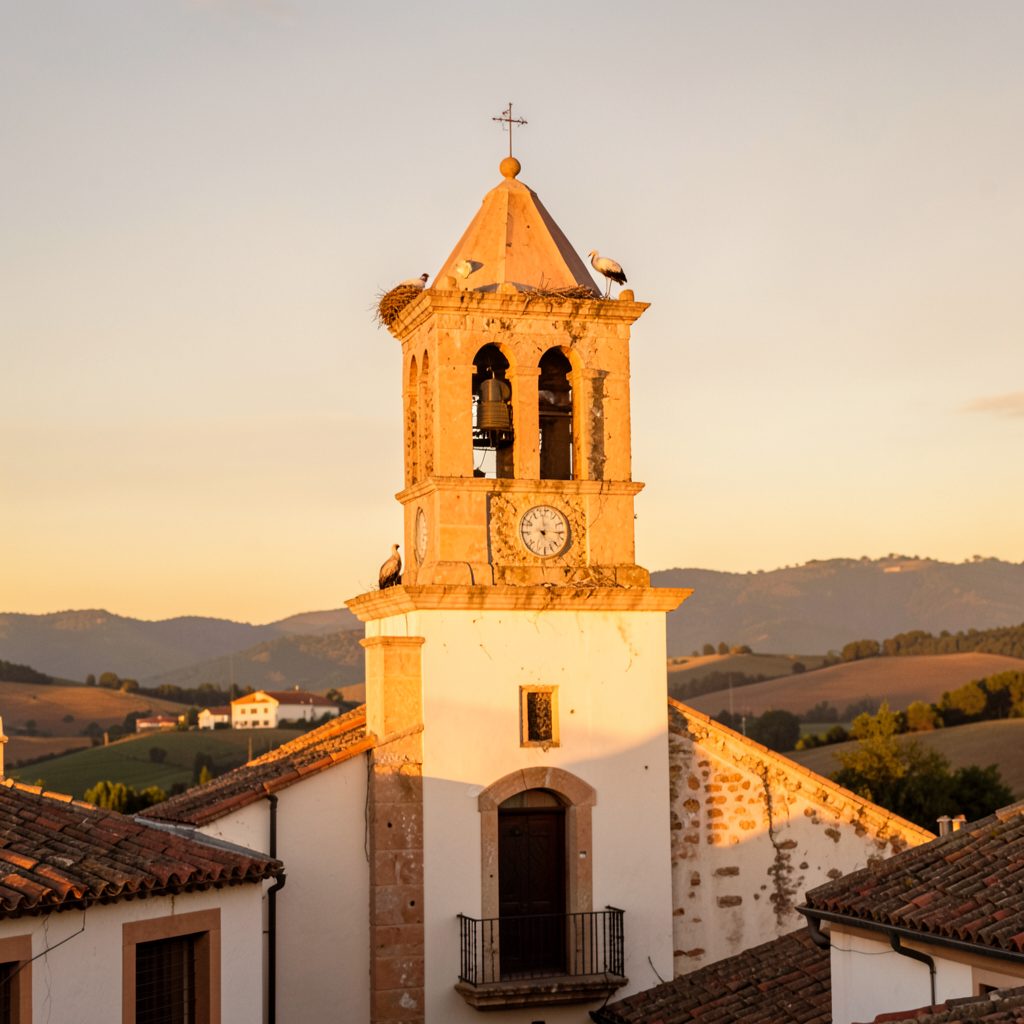
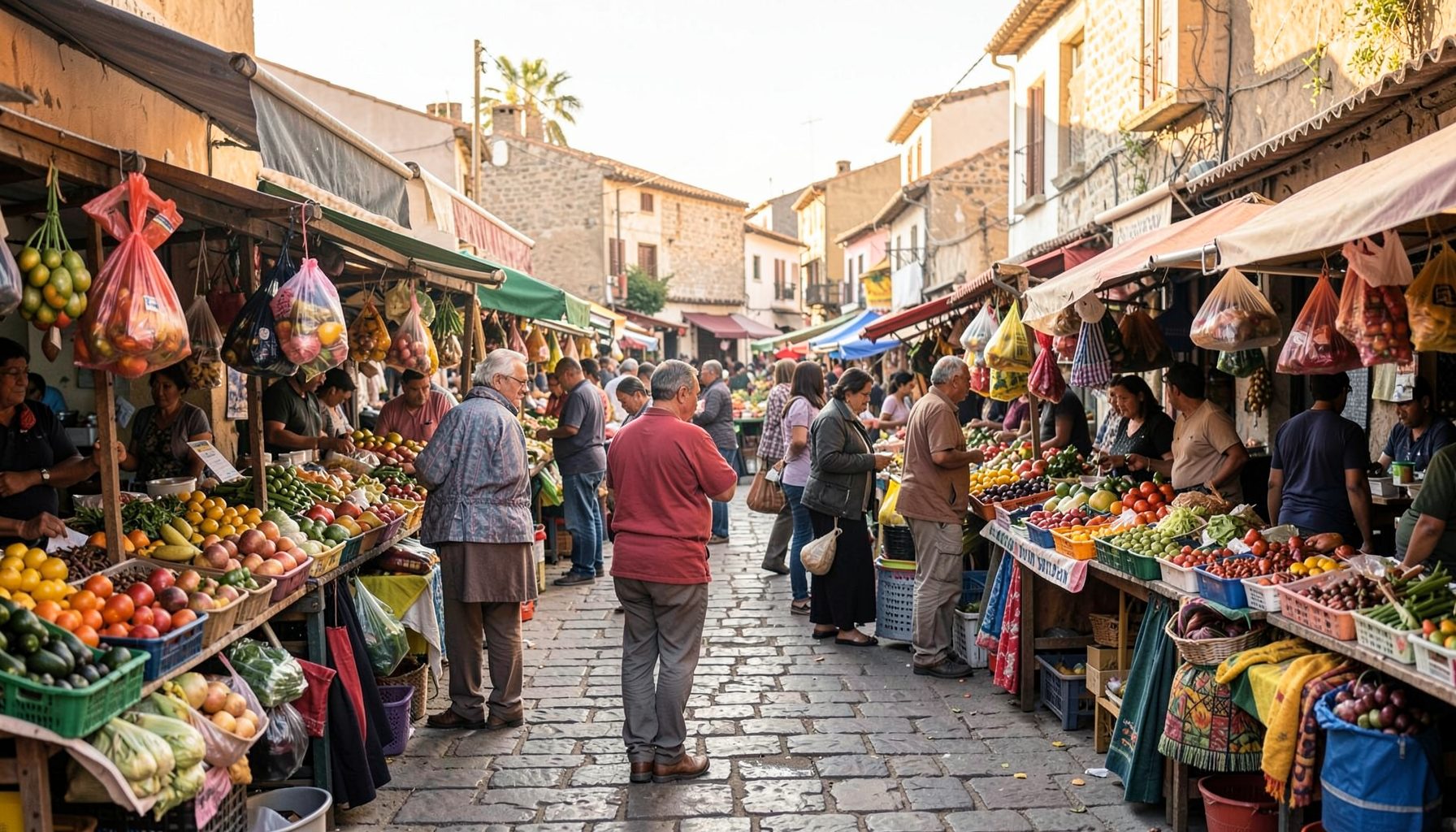
Stay informed with local news updates covering Agudo and the surrounding region. Browse the Hemeroteca for past articles and keep up with what matters in the community.
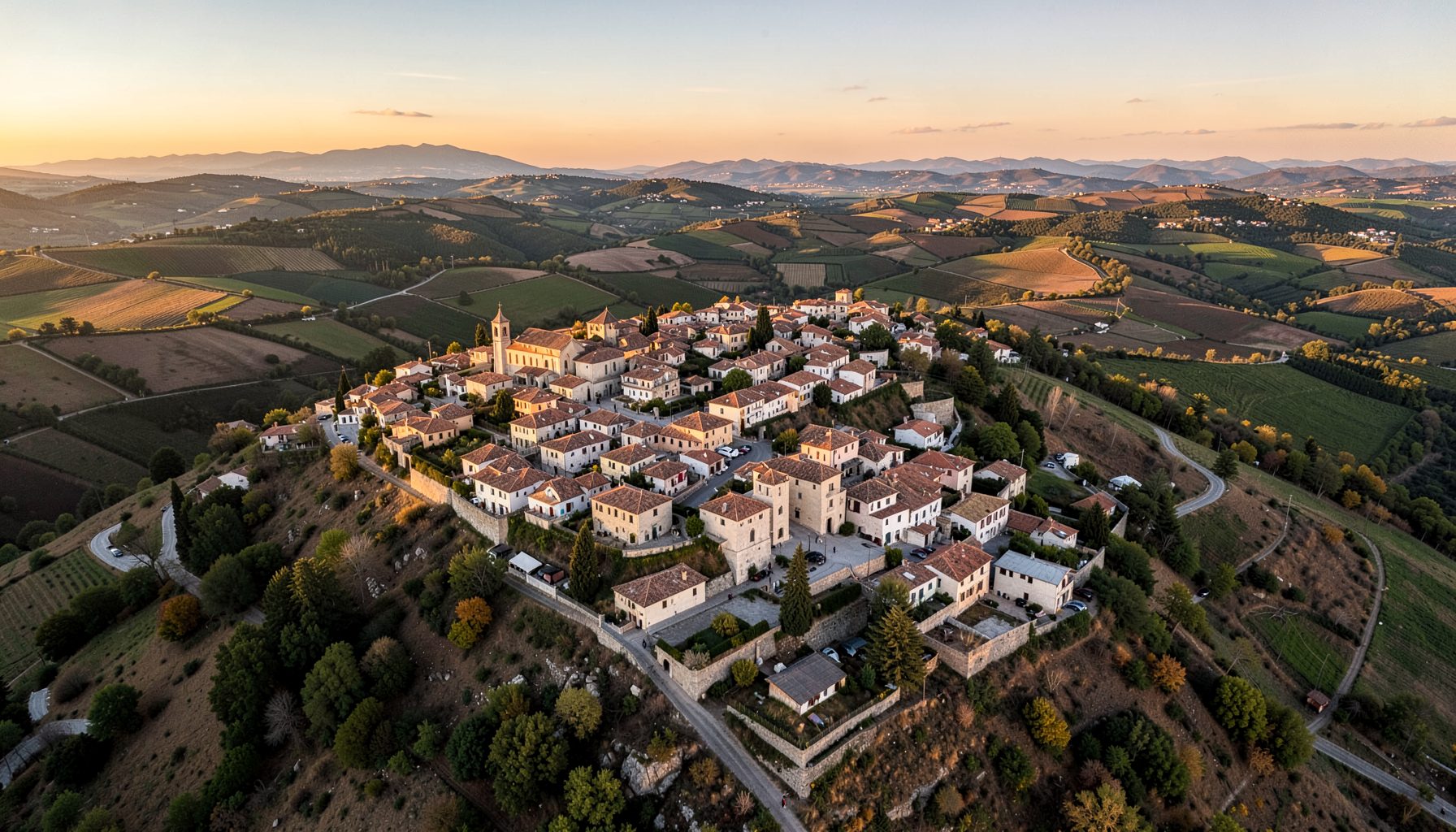
A local soapmaker in Agudo, Ciudad Real, has brought an old household craft back into public view with a live demonstration using olive oil and lye. The event showed how a few familiar materials, patience and careful technique can produce a firm, mild bar of traditional Castile-style soap.
For residents, the demonstration was more than a lesson in handmade cleaning products. It connected agricultural heritage with practical sustainability, while giving younger visitors a close look at a process once common in kitchens, courtyards and village workshops across central Spain.
| Feature | Traditional olive oil soap | Modern commercial soap |
|---|---|---|
| Main oils | Olive oil, often saved from household or farm use | Blended vegetable oils, animal fats or synthetic ingredients |
| Alkali | Lye, traditionally made or purchased as sodium hydroxide | Industrially measured and processed |
| Additives | Usually none, or herbs and fragrance | Fragrance, colour, moisturisers and preservatives may be added |
| Production | Small batches, hand-stirred and cured for weeks | Mechanised production with controlled curing and packaging |
| Character | Simple, hard-wearing and low-waste | Consistent appearance and wider product variety |
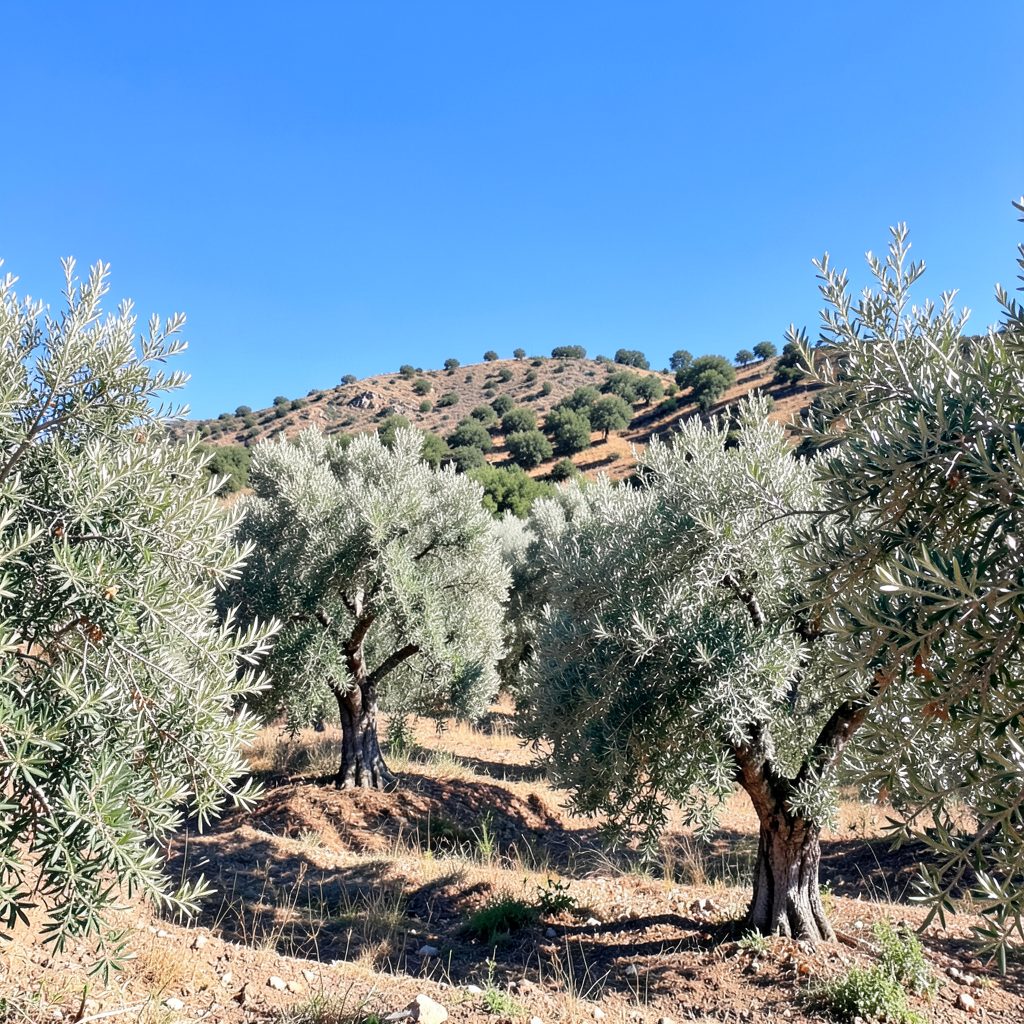
The soapmaker explained that the formula belongs to a time when households made careful use of what they had. Olive oil was readily available in the region, while leftover cooking oil could be filtered and combined with other household materials. Nothing was wasted if it could be turned into laundry soap, household cleaner or a useful bar for washing.
The process also reflects the seasonal rhythm of rural Ciudad Real. Olive harvests, home maintenance and community gatherings provided opportunities to exchange methods. A grandmother’s measurements might be described by the height of a cup or the feel of a mixture rather than by a precise digital scale, although modern demonstrations must use accurate weights for safety and consistency.
The local soapmaker revives an old recipe using olive oil and lye in a demonstration that carefully balances tradition with present-day knowledge. The familiar ingredients may be simple, but the chemistry behind them deserves respect.
Soap is created through saponification, a chemical reaction in which fats or oils combine with an alkali. In this case, sodium hydroxide breaks the olive oil into fatty acid salts, producing soap and glycerine. Once the reaction has finished and the bars have cured properly, no active lye should remain in the finished product.
Olive oil gives the soap a smooth texture and gentle lather, although a bar made with olive oil alone may take longer to harden and develop its best qualities. Traditional makers therefore allow an extended curing period, often several weeks or longer. Time removes excess moisture and improves the bar’s durability in daily use.
The demonstration showed why proportions cannot be guessed. A small error in the amount of sodium hydroxide can leave a bar too harsh, while too much oil can create a soft or greasy result. Accurate scales, a tested recipe and patience are essential parts of the craft.
Visitors gathered around the work area as the soapmaker measured the oil and prepared the lye solution. The most important moments were quiet ones: checking temperatures, stirring steadily and waiting for the mixture to reach the thickened stage known as trace. That point indicates the oils and alkali are beginning to combine.
The event also gave the community a chance to discuss local history. Older residents could compare the method with soap made by relatives, while younger people saw how domestic knowledge once supported household independence. A simple bar of soap became a starting point for conversations about farming, thrift and the changing role of handmade goods.
This kind of activity fits naturally alongside other local gatherings. Agudo’s community calendar includes civic, cultural and sporting events, and the town’s residents regularly show how practical projects can attract different generations. The installation of new playground equipment similarly demonstrates how shared participation can turn a local idea into a visible improvement.
Lye is highly caustic before it has reacted with the oils. During the demonstration, protective gloves, eye protection, long sleeves and good ventilation were necessary. The lye was added to water rather than water being poured onto lye, because the reaction releases heat and can cause a sudden, dangerous splash.
Children could observe the process, but they needed to remain at a safe distance from the preparation area. Containers and utensils used for soapmaking should be clearly marked and never reused for food. Stainless steel, heat-resistant plastic and other compatible equipment are preferred, while aluminium can react with sodium hydroxide and should be avoided.
The finished soap also requires careful labelling and storage while it cures. A maker should keep the batch away from food, pets and unsupervised children, record the ingredients and allow enough time for the reaction and drying process to complete.
The demonstration has clear relevance for Australian audiences, particularly people who visit weekend farmers markets in cities such as Melbourne, Adelaide and Perth. Handmade soap, refill products and low-packaging goods are already familiar sights at these markets, where shoppers often ask about ingredients, sourcing and production methods.
Australian households also tend to value practical products that reduce packaging and make use of local materials. Olive-growing areas in South Australia, Victoria and Western Australia provide a natural connection to an olive oil soap tradition, while home gardeners and craft groups may be interested in unscented bars for household cleaning.
There are legal responsibilities as well. Anyone selling soap in Australia should check the Australian Industrial Chemicals Introduction Scheme requirements administered by the AICIS, along with consumer labelling obligations and local market or council rules. A product promoted for therapeutic purposes may raise additional issues under the Therapeutic Goods framework, so claims should remain accurate and modest unless the maker has confirmed the relevant requirements.
A modern workshop can preserve the spirit of an old formula without copying every historical practice. Earlier soapmakers may have relied on wood-ash lye or rough volume measures, but contemporary producers can use commercially prepared sodium hydroxide, protective equipment and a verified recipe. These changes improve reliability while keeping the central method recognisable.
The best demonstrations explain both the handwork and the science. Participants learn why oil temperature matters, how trace develops and why curing cannot be rushed. They also gain a realistic understanding that handmade soap is not automatically safer or better simply because it is natural.
For anyone considering a small batch, the following principles provide a sensible starting point:
Traditional soapmaking also offers a useful way to discuss environmental choices without turning the activity into a sales pitch. Olive oil soap can involve fewer ingredients and less packaging than some commercial alternatives, but its environmental value depends on sourcing, transport, energy use and responsible disposal. A local bar is not automatically low-impact; the full process matters.
The demonstration also added another thread to Agudo’s living archive. Photographs, videos and personal recollections can preserve details that might otherwise disappear: the shape of old moulds, the names used for household tools and the differences between laundry soap and soap intended for personal washing. Such records help former residents and nearby communities stay connected to the town’s practical heritage.
Community pride is often built through many modest activities rather than a single major event. The same spirit can be seen in local achievements such as the youth football qualification, where teamwork and support carry a local story beyond the town itself. The soapmaking lesson belongs to that same tradition of participation, memory and shared effort.
The revived recipe leaves Agudo with more than a batch of curing bars. It gives residents a hands-on record of rural knowledge and a safe, thoughtful way to pass it forward. Readers can follow local cultural events, community projects and practical workshops through Agudo Ciudad Real, and take inspiration from the demonstration when preserving useful traditions in their own homes and neighbourhoods.
Stay informed with local news updates covering Agudo and the surrounding region. Browse the Hemeroteca for past articles and keep up with what matters in the community.
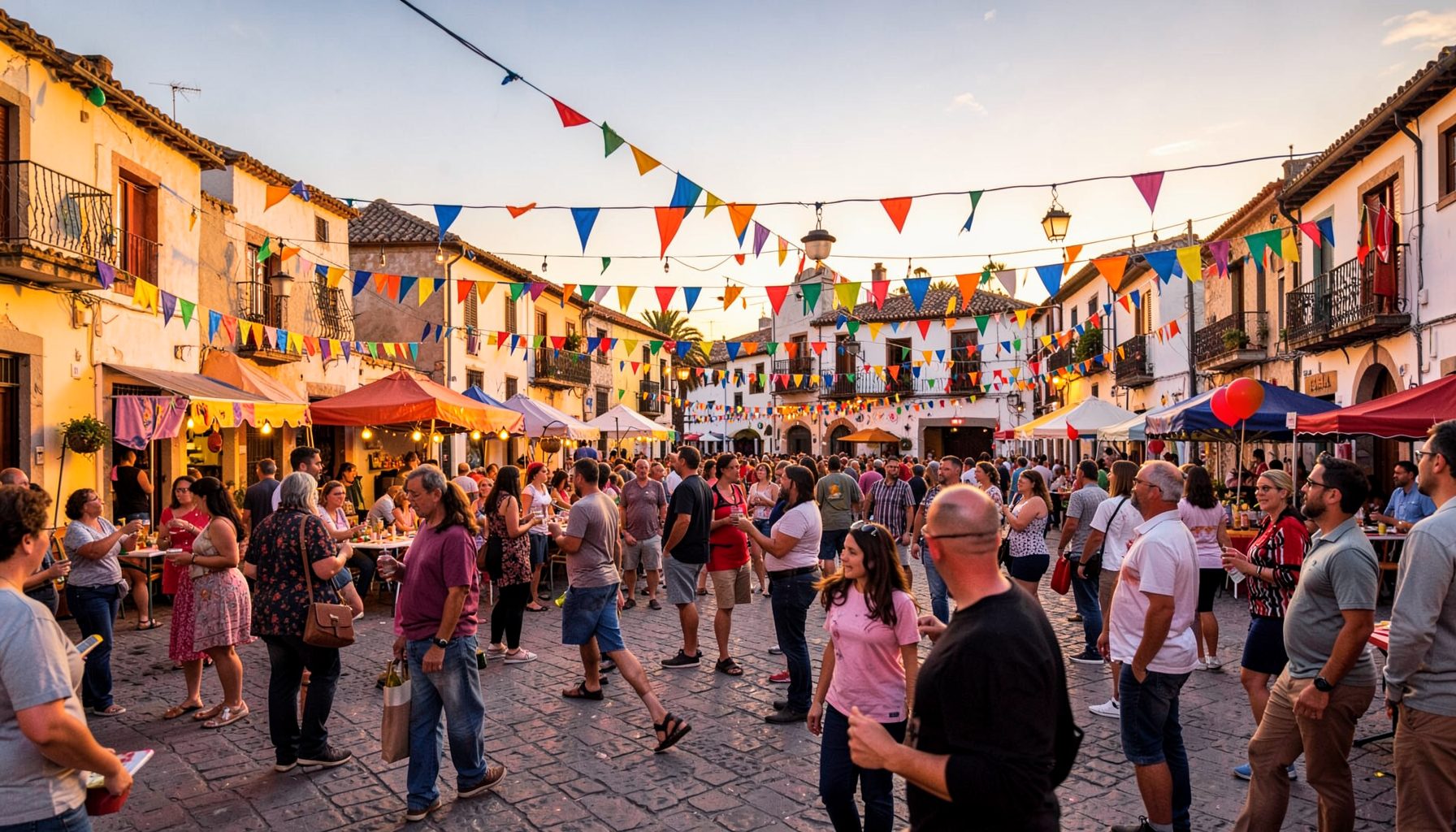
Join the conversation in the Agudo community forums. Access the Foro antiguo archive and participate in discussions with fellow residents and visitors.
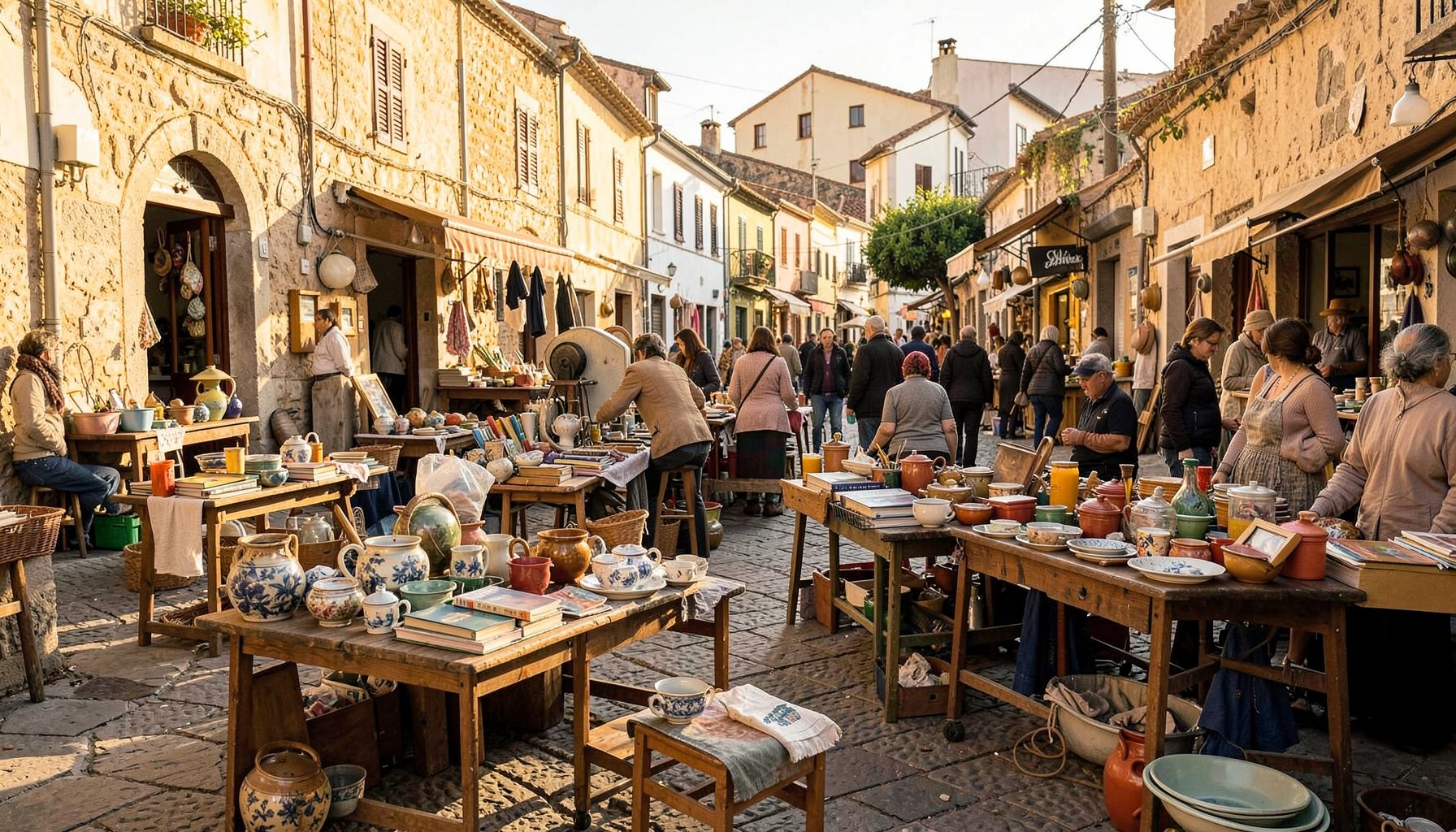
Browse local second-hand listings in the Agudo area. A convenient marketplace for buying and selling within the community.
Explore our directory of recommended links, including the Ayuntamiento de Ciudad Real, Lagunas de Ruidera, Parque de Cabañeros, Agudo Joven, and Balneario Cervantes.
Access practical tools including Prensa links, radio, horóscopo, Loterías results, a leisure guide, recipes, a dictionary, and Street View integration.
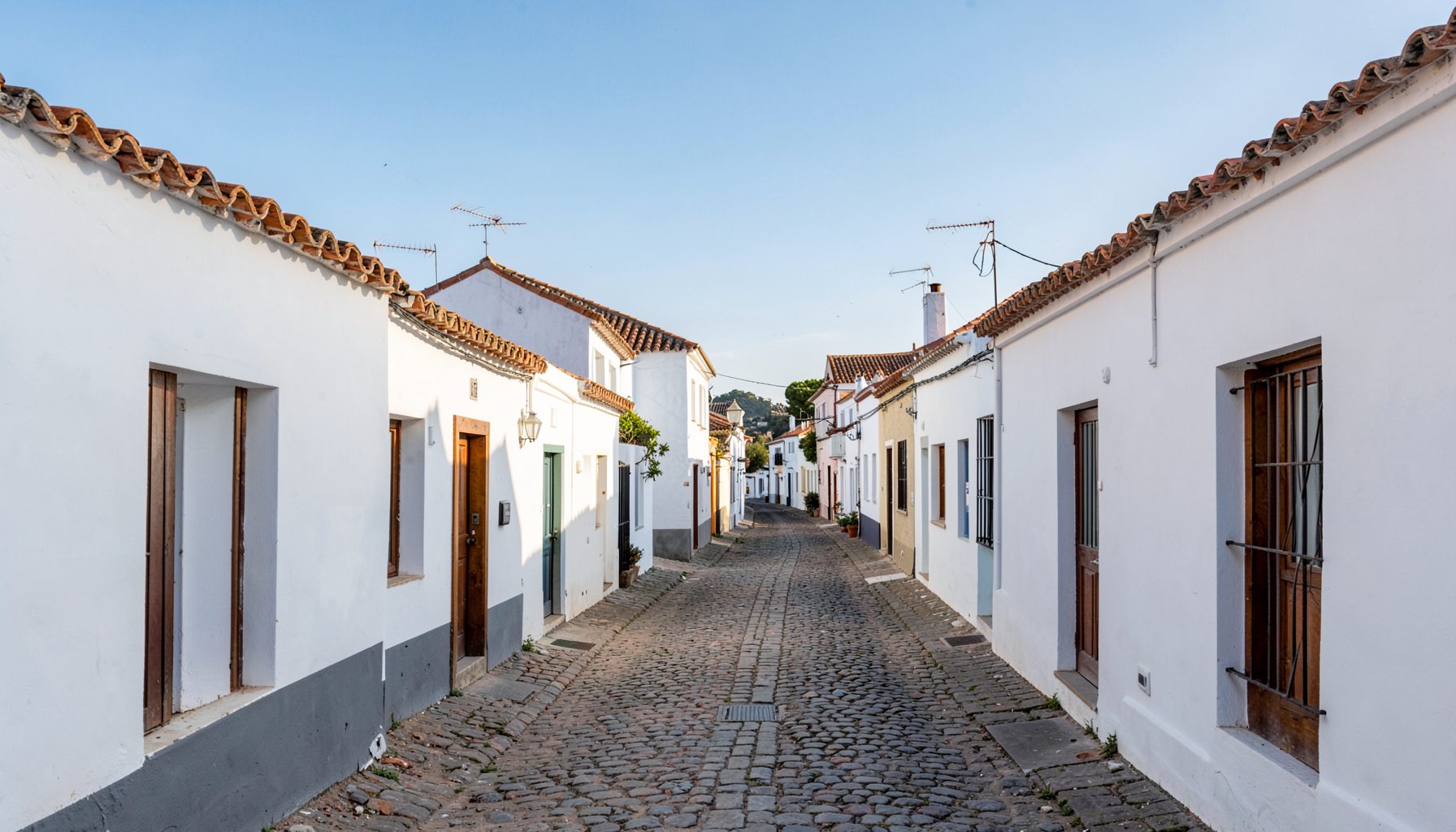
Watch videos showcasing Agudo and the surrounding region. A visual tour of local life, landscapes, and community events.