Stay informed with local news updates covering Agudo and the surrounding region. Browse the Hemeroteca for past articles and keep up with what matters in the community.
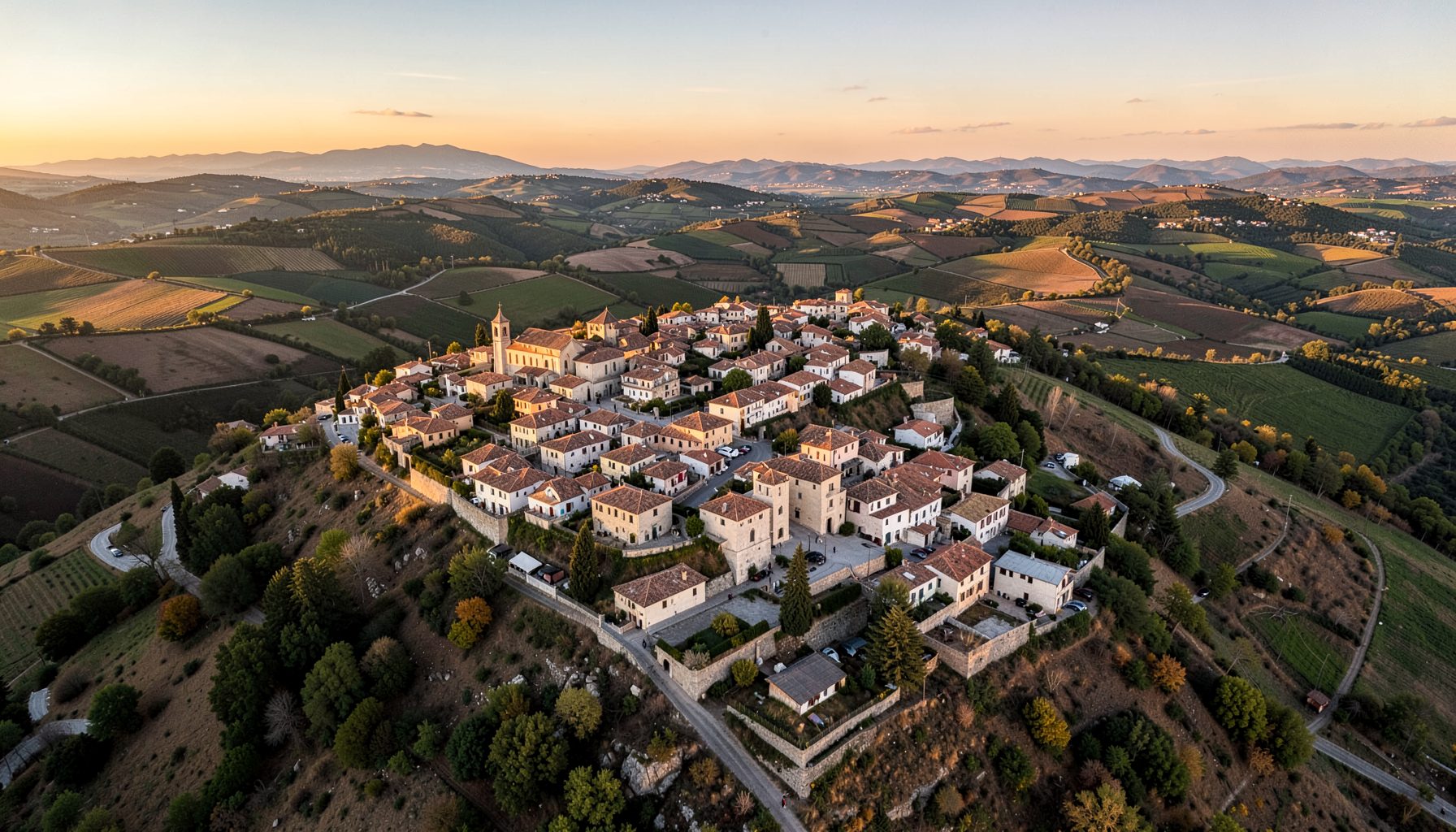
In Agudo, a conversation over coffee can carry the memory of an entire century. Local sixth-form students are turning those conversations into a podcast, inviting village elders to recall work, family life, celebrations and the changes that have shaped this corner of Ciudad Real.
The project connects young people with residents who remember Agudo before smartphones, motorways and instant communication. Their stories may include seasonal farm work, school days, migration, village fiestas, traditional recipes and the rhythms of life along the rural roads of the Montes region.
For listeners in Australia, the idea will feel familiar. Community radio in regional Victoria, oral-history projects in country New South Wales and conversations recorded at a weekend farmers’ market in Adelaide all serve a similar purpose: preserving details that rarely appear in official records.
The Agudo podcast also gives students practical experience in interviewing, audio editing and local journalism. More importantly, it creates a respectful bridge between generations, allowing personal memories to become part of a shared digital archive for current residents, former neighbours and families living far from home.
The interviews began as a learning activity, but quickly grew into a broader community project. Students have been researching possible guests, preparing open-ended questions and learning how to encourage detailed answers without interrupting the natural flow of a conversation.
An elder might begin by describing a childhood errand and end up remembering how the village changed after a new road was built. Another guest may explain how agricultural tasks were divided within a household, how people travelled to nearby towns or how news once spread through personal visits rather than online messages.
This approach gives the students a role that is part reporter, part archivist and part listener. Their work is grounded in Agudo’s own experience rather than in a generic school assignment. Each episode can preserve voices that might otherwise remain within a family or disappear when older residents are no longer able to recount them.
The project also reflects the value of intergenerational learning. Students learn about local history directly from people who experienced it, while the elders gain a chance to see their memories treated as meaningful knowledge rather than as stories from a distant past.
Oral history requires more than pressing the record button. Students need to explain the purpose of the podcast, ask permission before recording and make clear how the finished episode will be shared. Guests should be able to correct names, dates or sensitive details before publication.
A quiet room, a reliable microphone and a short test recording can make a major difference. Background noise from traffic, televisions or kitchen appliances can distract listeners, while a calm setting helps guests speak at their own pace. In a close-knit village, students also need to handle family connections and local reputations with discretion.
The best questions invite memories rather than demand exact answers. “What do you remember about market day?” may produce richer material than “Was the market held on Sunday?” Follow-up prompts such as “Who was there?” or “What happened next?” can help a guest describe sounds, smells, routines and emotions.
This careful method is relevant to Australian community media too. A volunteer producing a segment for a station in Wagga Wagga or a school podcast in Ballarat would face similar responsibilities when recording an older resident’s memories of drought, migration, sport or a disappearing trade.
The podcast can become a lasting record of Agudo’s social history. Alongside each episode, the digital archive could include photographs, approximate dates, place names and short biographies, provided that contributors agree to the material being published. This gives future listeners useful context without turning personal memories into museum labels.
Sound itself adds an important layer. A guest’s pause before recalling a difficult period, the background noise of a village street or the cadence of local speech can communicate something that a written transcript cannot. Transcripts still matter, however, because they make episodes easier to search and more accessible to people who are deaf or hard of hearing.
Local reporting can place these memories within the present-day life of the town. For example, recent coverage of the noise trial results offers a useful contrast with older recollections of traffic, street noise and movement through Agudo. A future episode could explore how residents experienced the main road decades ago and how those experiences compare with current concerns.
The archive may also interest former residents living in Madrid, Valencia or overseas. For an Agudo family now based in Perth, Melbourne or Sydney, a familiar voice describing a local fiesta or a journey to school can make the distance feel smaller. Digital access allows the village’s history to travel well beyond its physical boundaries.
Students gain skills that extend beyond media production. They practise listening closely, distinguishing memory from verified fact, structuring a narrative and checking details against photographs, municipal records or other witnesses. They also learn that a good interview is a conversation guided by preparation, not a speech delivered by the interviewer.
The work can strengthen confidence in public speaking and teamwork. One student may research the guest, another may operate the recorder and a third may edit the audio. Rotating these roles ensures that the project develops a broad range of abilities instead of relying on one technically confident participant.
A comparison with familiar Australian community projects helps show the podcast’s potential:
| Feature | Agudo oral-history podcast | Australian community equivalent |
|---|---|---|
| Main contributors | Sixth-form students and village elders | Students, volunteers and older residents |
| Typical subjects | Farming, fiestas, schooling, family life and local change | Drought, migration, sporting clubs, industries and town life |
| Distribution | Community website, podcast feed and digital archive | Local radio, school platforms and historical society websites |
| Core benefit | Preserves Agudo’s living memory | Strengthens regional identity and public access to local stories |
The format could even connect with Australian listeners through shared themes. A story about preparing for a village celebration may remind someone of a country show in Queensland. Memories of neighbours helping during a difficult harvest may echo traditions of volunteer support in rural Tasmania or Victoria.
A strong local archive should represent more than the most prominent families or the loudest voices. Students can seek a balance of ages, occupations, neighbourhoods and life experiences. Women’s work, young people’s perspectives, seasonal labour and the experiences of residents who moved away all deserve space.
The podcast should use clear episode titles and descriptions so listeners can find subjects that interest them. A simple release schedule—perhaps one episode each fortnight—would give the students time to edit carefully and allow the community to follow the series. Short excerpts could be shared through local news channels, while full interviews remain available in the archive.
Useful practices for the project include:
These steps protect contributors and improve the archive’s long-term value. They also show students that local journalism depends on trust, accuracy and responsible stewardship of community material.
The finished episodes can become part of Agudo’s cultural record alongside photographs, videos, event notices and other local information. In time, the collection may help researchers, teachers and families understand how ordinary life changed across generations.
When the first series is complete, a public listening session could bring the project back to the people who made it possible. An evening at a civic space, school or community venue would allow guests to hear their voices, meet the students and share additional memories. A modest gathering, with a pot of tea and familiar local conversation, could turn a school project into a genuine village occasion.
Agudo’s young interviewers are showing that history is often found in ordinary recollections: the route walked to school, the work done before sunrise, the songs heard at a fiesta or the way neighbours responded when circumstances changed. By recording these accounts with care, they are giving the village a durable voice.
Residents, former residents and listeners interested in rural Spain can follow the podcast, share relevant photographs and support the archive through respectful contributions. Each memory added today helps ensure that Agudo’s stories remain available to the next generation.
Stay informed with local news updates covering Agudo and the surrounding region. Browse the Hemeroteca for past articles and keep up with what matters in the community.
Join the conversation in the Agudo community forums. Access the Foro antiguo archive and participate in discussions with fellow residents and visitors.
Browse local second-hand listings in the Agudo area. A convenient marketplace for buying and selling within the community.
Explore our directory of recommended links, including the Ayuntamiento de Ciudad Real, Lagunas de Ruidera, Parque de Cabañeros, Agudo Joven, and Balneario Cervantes.
Access practical tools including Prensa links, radio, horóscopo, Loterías results, a leisure guide, recipes, a dictionary, and Street View integration.
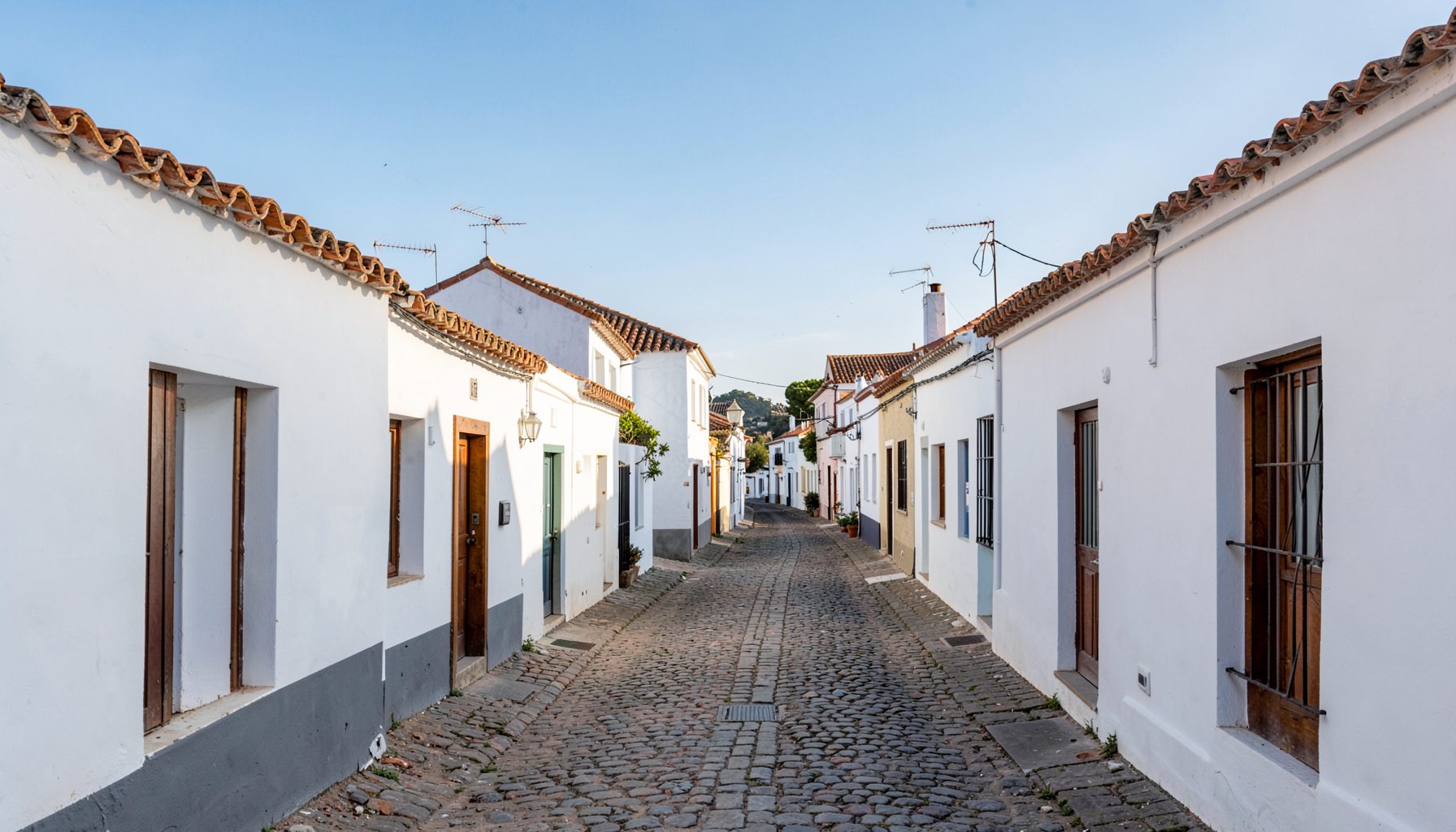
Watch videos showcasing Agudo and the surrounding region. A visual tour of local life, landscapes, and community events.