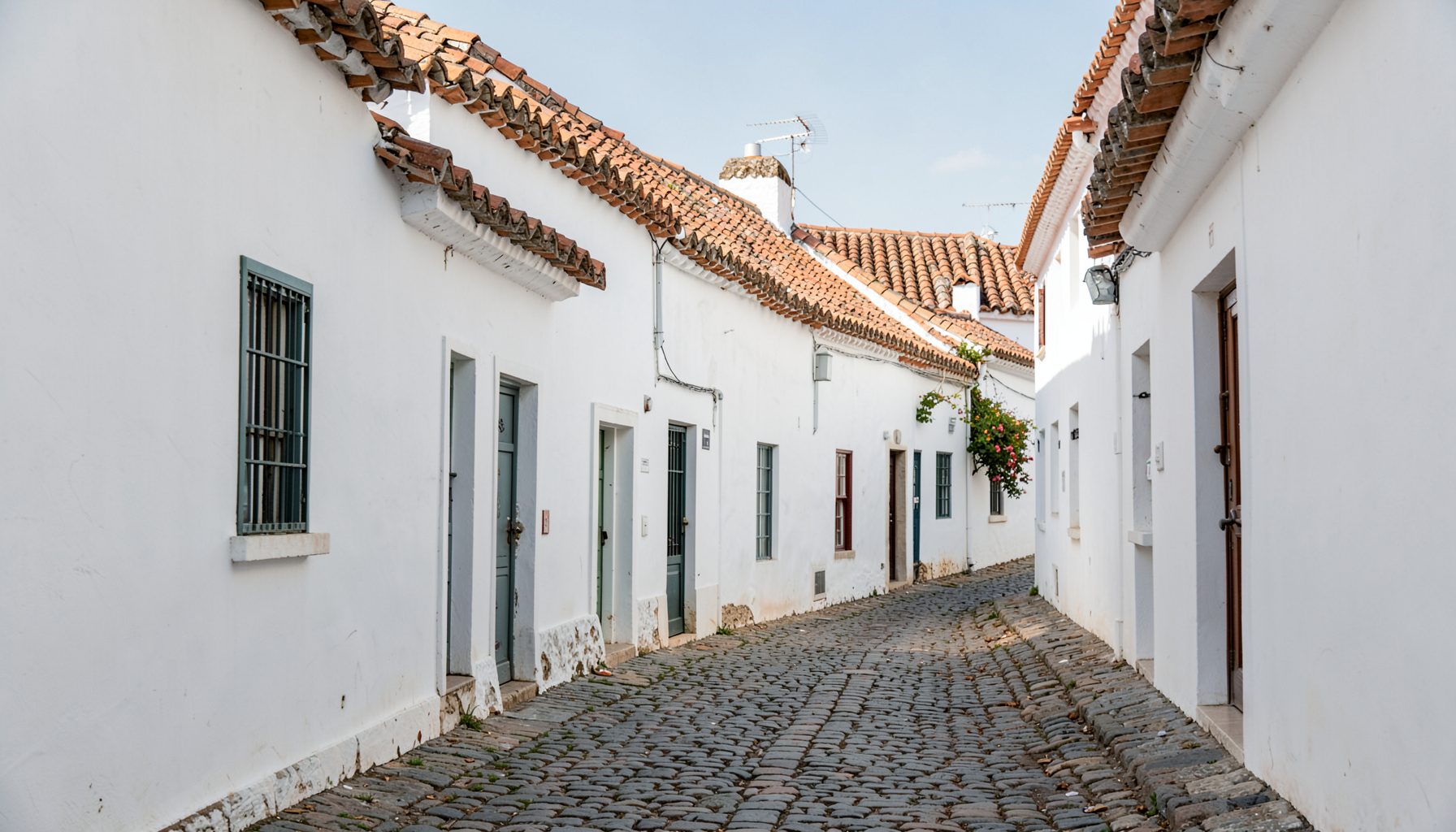

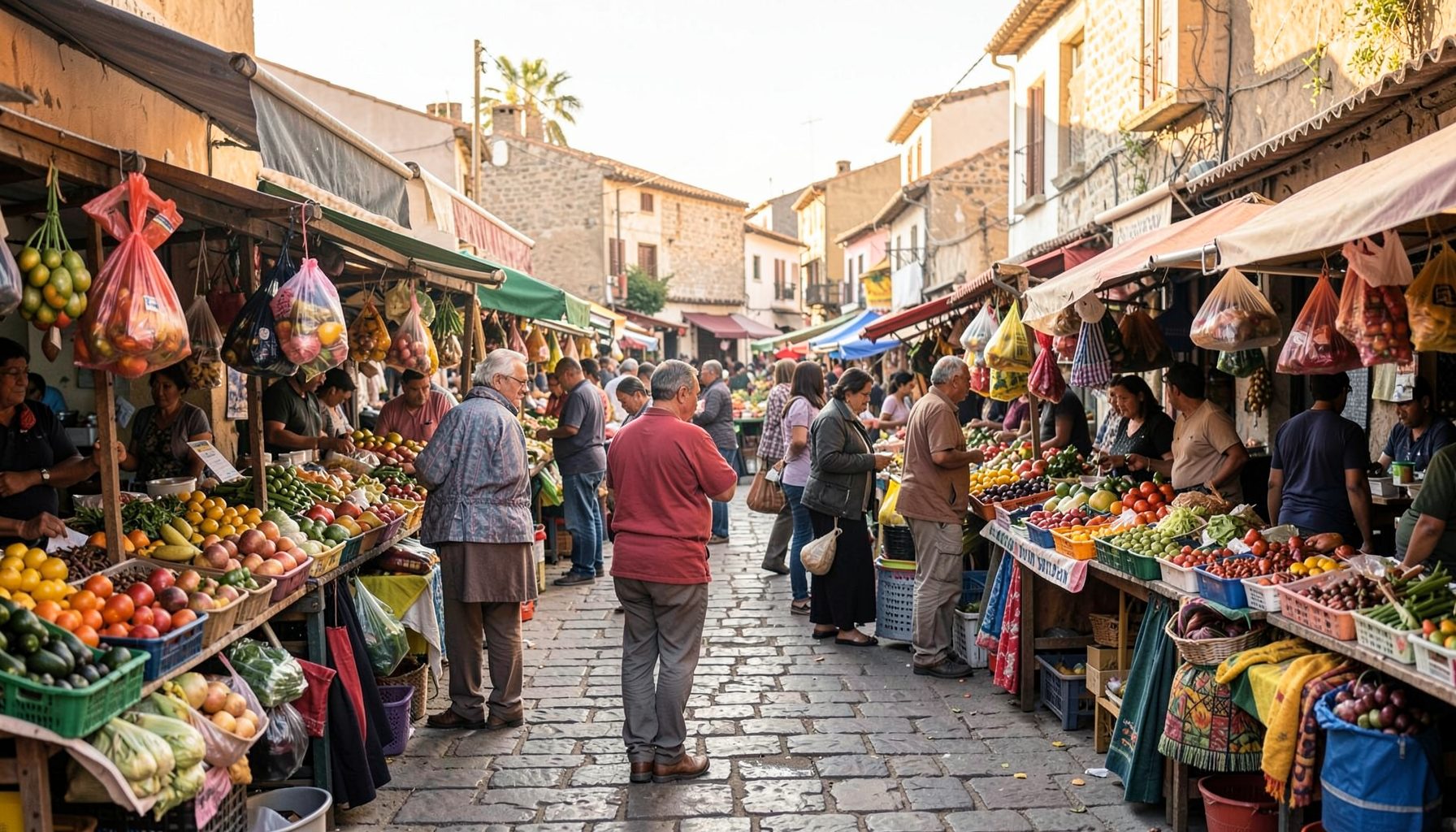
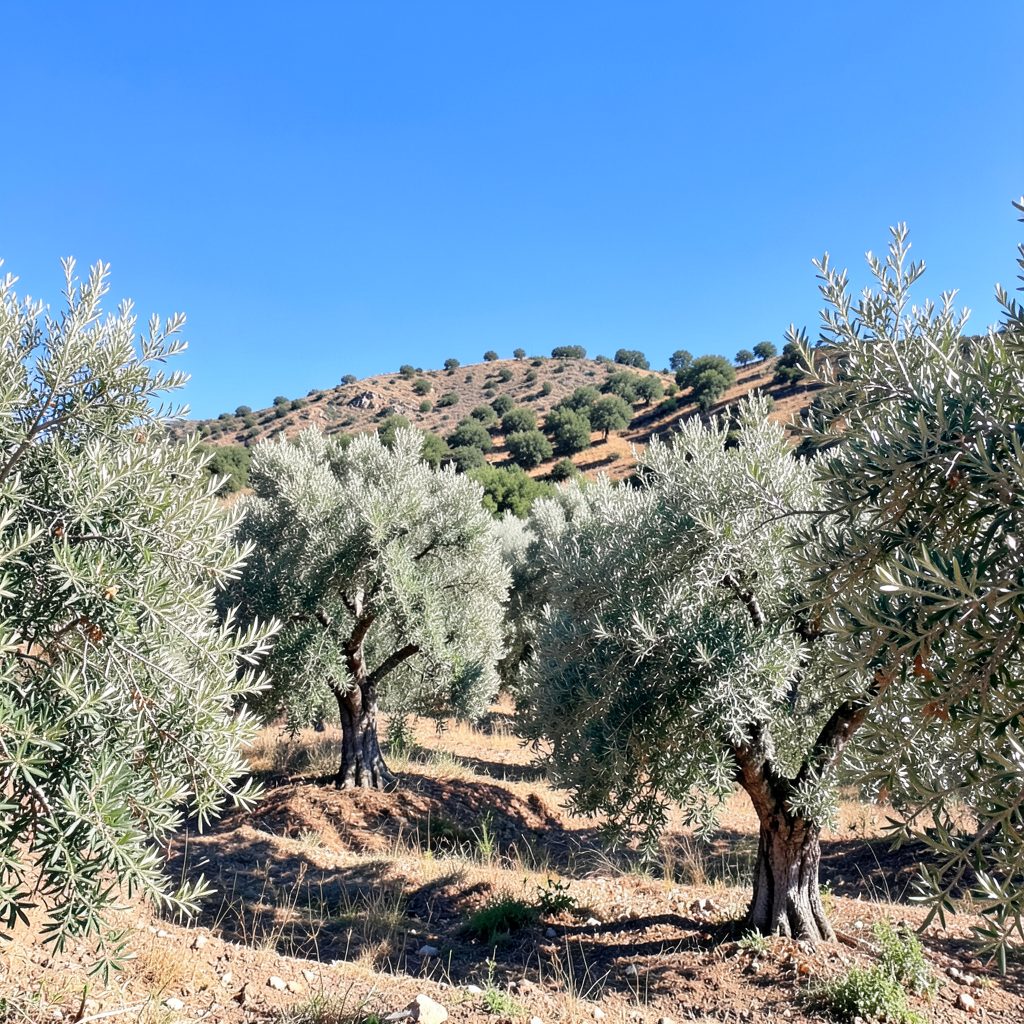
Stay informed with local news updates covering Agudo and the surrounding region. Browse the Hemeroteca for past articles and keep up with what matters in the community.
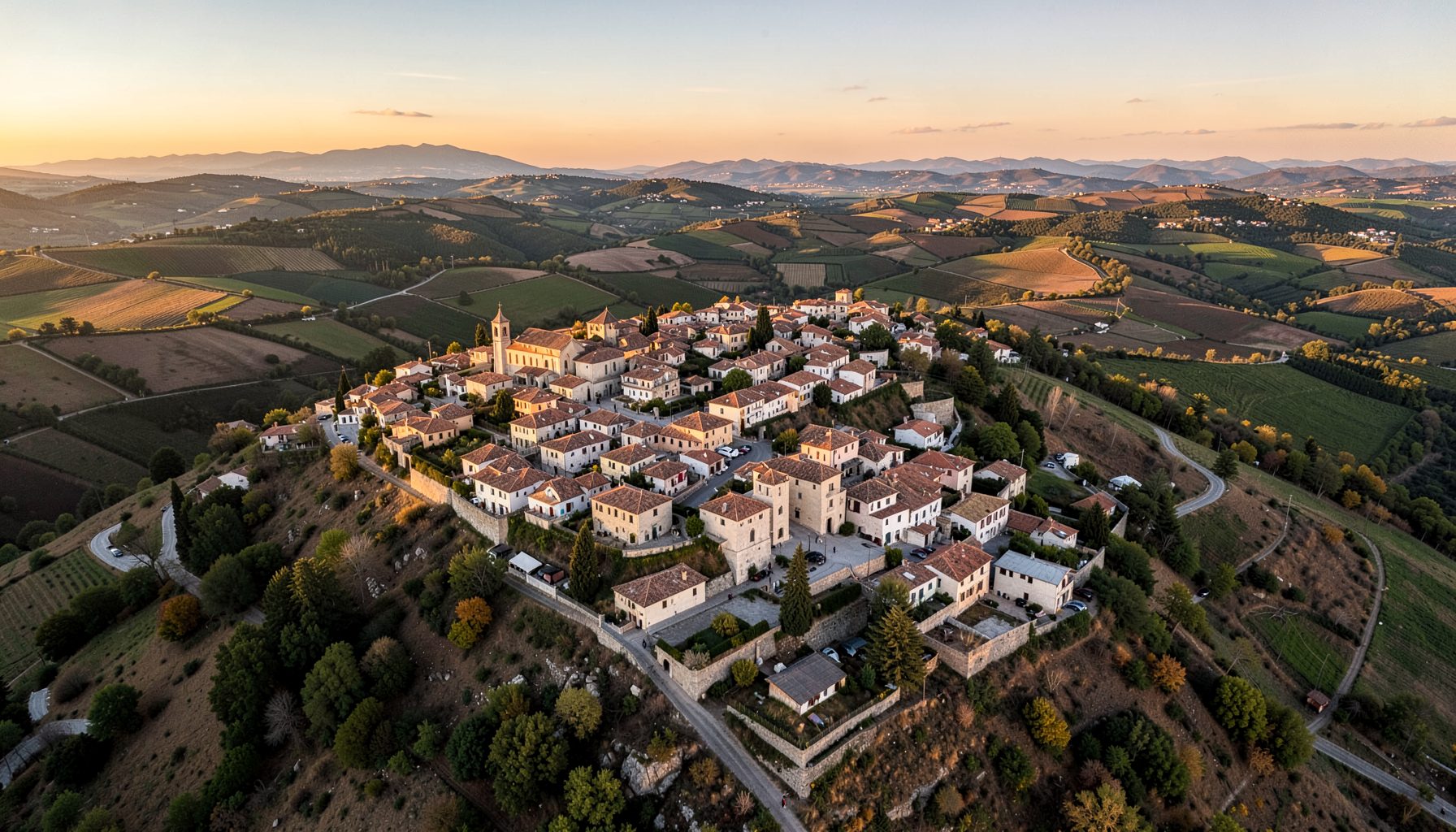
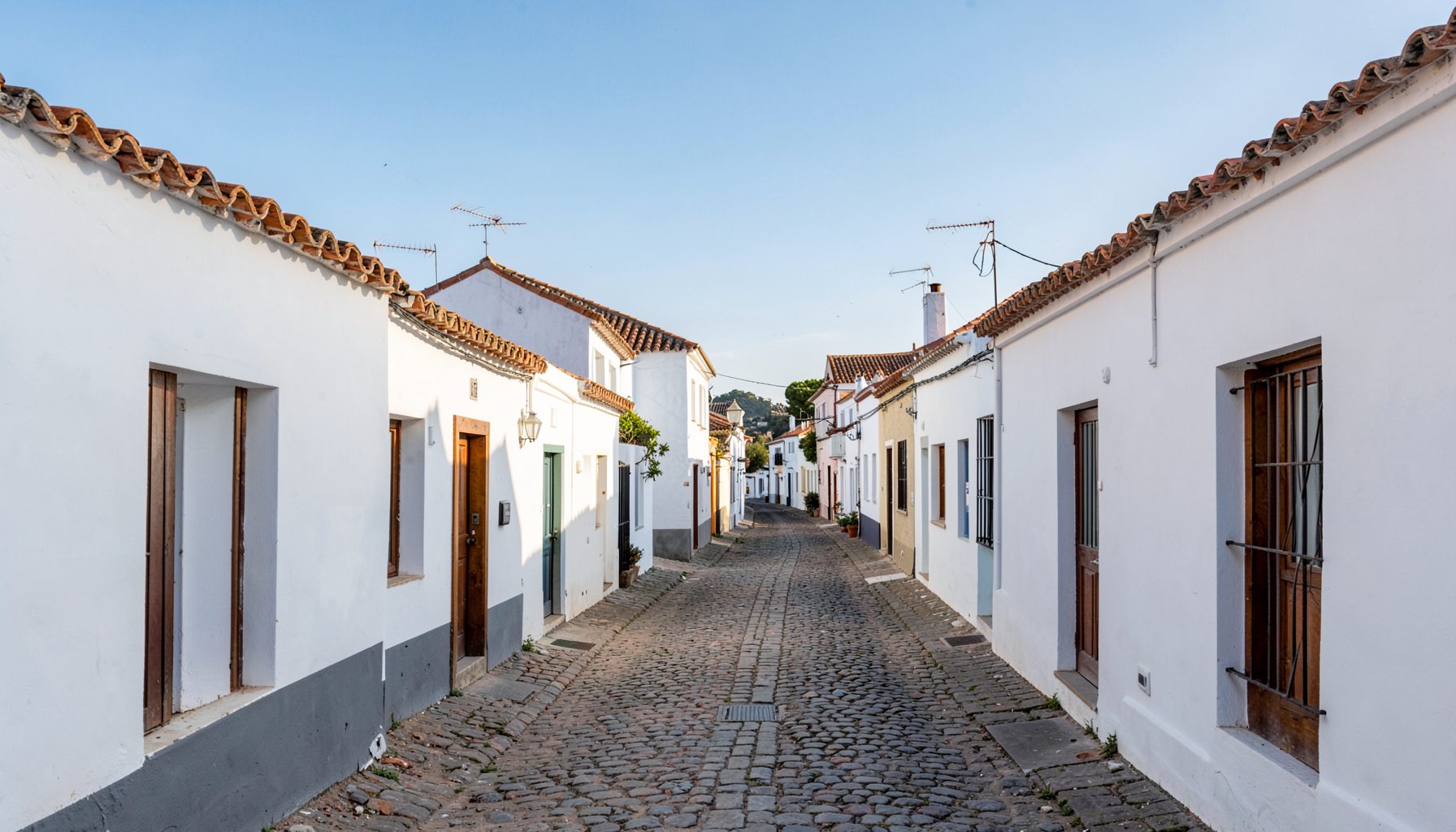
An old house in Agudo can hold generations of family history, yet its thick walls, tiled roofs and timber ceilings often make it difficult to keep comfortable throughout the year. In summer, the rooms may stay surprisingly cool; in winter, draughts and damp can quickly defeat a small heater. A local shepherd is showing residents how a material already produced in the surrounding countryside can help.
During a practical community workshop, participants learned how to clean, prepare and install sheep wool as natural insulation. The session connected traditional livestock work with affordable home improvement, giving residents a chance to explore a renewable alternative to synthetic products while discussing the particular needs of rural buildings in Ciudad Real.
The idea also has relevance well beyond Castilla-La Mancha. Australians living in older cottages in Melbourne, regional New South Wales or the outskirts of Perth regularly face high energy bills, uneven indoor temperatures and difficult renovation decisions. Sheep wool insulation offers a useful example of how local resources and building knowledge can support more efficient homes.
| Material or approach | Main advantage | Important consideration | Suitable use |
|---|---|---|---|
| Sheep wool batts or loose-fill wool | Renewable, breathable and good at regulating moisture | Must be kept dry and protected from pests | Roofs, ceilings and selected wall cavities |
| Fibreglass insulation | Widely available and relatively inexpensive | Can irritate skin and performs poorly if compressed | Standard wall and ceiling upgrades |
| Rock wool | Strong fire resistance and sound reduction | Heavier and less pleasant to handle | Walls, roofs and areas needing fire protection |
| Rigid foam boards | High thermal performance in limited space | Less breathable and more difficult to fit around irregular masonry | Floors, roofs and carefully detailed walls |
| Traditional lime-based repairs | Compatible with many historic walls | Provides limited insulation by itself | Damp control and heritage-friendly finishing |
The shepherd began with the basics: fleece cannot simply be taken from a sheep and packed into a wall. Raw wool contains lanolin, vegetable matter and dust, so it needs sorting, washing and drying before it can become a dependable building product. The demonstrations showed how fibres are opened and arranged to create a springy layer capable of trapping still air.
Participants also examined the difference between loose wool, felted panels and denser insulation batts. Each form has a different application. Loose material may suit awkward roof spaces, while shaped batts are easier to place between rafters or behind a breathable lining. The workshop stressed that compression reduces performance and that gaps around joins can create cold bridges.
The session appealed to homeowners, builders and younger residents interested in practical rural skills. For former residents who now follow community news from elsewhere, it also offered a reminder that Agudo’s agricultural economy can inspire modern solutions. Sheep are valuable for food and land management, but their fleece can serve another purpose before it is discarded or sold at low value.
Sheep wool works as a thermal insulator because its crimped fibres hold air. It can slow heat moving through a roof in July and reduce heat loss during cold nights. The fibres can also absorb and release a degree of water vapour, which is helpful in buildings with breathable walls. This does not mean wool should be allowed to become wet: persistent leaks or rising damp must be repaired first.
That point is especially important in Agudo’s older homes, where stone, adobe, brick and lime mortar may have been combined over decades. Sealing every surface with an impermeable coating can trap moisture inside the wall. Workshop participants were encouraged to inspect roof tiles, gutters, render and floor edges before adding insulation, then choose membranes and finishes that suit the existing construction.
The material can also make rooms quieter by softening airborne sound. A wool-filled ceiling will not transform a house into a recording studio, but it may reduce the sharpness of voices, traffic and rain. Its natural resistance to ignition is useful, although no wool product should be treated as a replacement for compliant fire barriers, electrical safety or professional design.
Australian households can recognise the same pattern in many older properties. A weatherboard cottage in regional Victoria, a brick terrace in inner Melbourne or a fibro house near Newcastle may have little ceiling insulation, draughty windows and rooms that overheat before the evening cool change. Wool batts can be considered for roofs and walls, but installation must follow the National Construction Code and relevant state requirements.
Bushfire exposure adds another layer of care. Homes in parts of New South Wales, Victoria, South Australia and Western Australia may need construction choices based on their Bushfire Attack Level. A homeowner should check whether a wool product, membrane, roof assembly and external lining have suitable test evidence for the proposed location. Natural does not automatically mean approved for every building situation.
The local market also matters. Australian hardware chains and specialist insulation suppliers offer recycled polyester, glass wool, rock wool and sheep wool products, while smaller rural businesses may sell locally sourced fleece or custom-made batts. Comparing R-values, moisture behaviour, pest treatment, installation instructions and warranty terms is wiser than choosing only by price. Wool can be especially attractive where low-toxicity materials and renewable sourcing are priorities.
Everyday habits affect results too. Closing blinds before a hot afternoon, ventilating bathrooms, using ceiling fans and sealing obvious draughts can complement insulation. In a house with a wood heater, safe flue clearances and ventilation remain essential. Insulation should improve energy performance without creating condensation, overheating or fire risks.
The project reflects a broader circular economy idea: materials should remain useful for as long as possible. Wool that is unsuitable for premium textiles may still be valuable for building, horticultural mulch or acoustic products. Turning it into insulation keeps more value within the region and gives farmers another route for handling lower-grade fleece.
That principle connects with other community services. Residents tracking changes in local waste management can read the update about new recycling bins, which shows how household practices are changing across Agudo’s neighbourhoods. Separating organic waste and finding uses for agricultural fibres are different actions, but both reduce the amount of useful material sent away.
The workshop also raised questions about standards and supply. A reliable wool insulation product needs consistent cleaning, grading, fire information and pest protection. A homemade filling may be suitable for an experiment or a non-habitable outbuilding, but occupied homes require clear specifications and careful installation. Local knowledge is the starting point, not a substitute for building advice.
Anyone considering this approach can use the workshop’s principles while keeping the project realistic and safe:
Residents who want practical information about weather conditions, local broadcasts and other useful community resources can also consult Agudo’s local services while planning work around the house. A dry forecast may be useful for roof repairs, but insulation should still be installed according to product instructions and building requirements.
The most valuable outcome of the workshop may be the conversation it started. A shepherd, a homeowner, a builder and a student can each contribute different knowledge: animal care, traditional construction, technical fitting and environmental responsibility. Together, those perspectives make it easier to preserve old houses without treating them as frozen museum pieces.
Agudo residents can keep the momentum going by sharing photographs, repair experiences and questions through local community channels, attending future demonstrations and documenting buildings that could benefit from careful energy upgrades. Follow local news and events through Agudo Ciudad Real to discover the next workshop and help turn a familiar farm material into a practical part of the town’s future.
Stay informed with local news updates covering Agudo and the surrounding region. Browse the Hemeroteca for past articles and keep up with what matters in the community.
Join the conversation in the Agudo community forums. Access the Foro antiguo archive and participate in discussions with fellow residents and visitors.
Browse local second-hand listings in the Agudo area. A convenient marketplace for buying and selling within the community.
Explore our directory of recommended links, including the Ayuntamiento de Ciudad Real, Lagunas de Ruidera, Parque de Cabañeros, Agudo Joven, and Balneario Cervantes.
Access practical tools including Prensa links, radio, horóscopo, Loterías results, a leisure guide, recipes, a dictionary, and Street View integration.
Watch videos showcasing Agudo and the surrounding region. A visual tour of local life, landscapes, and community events.