


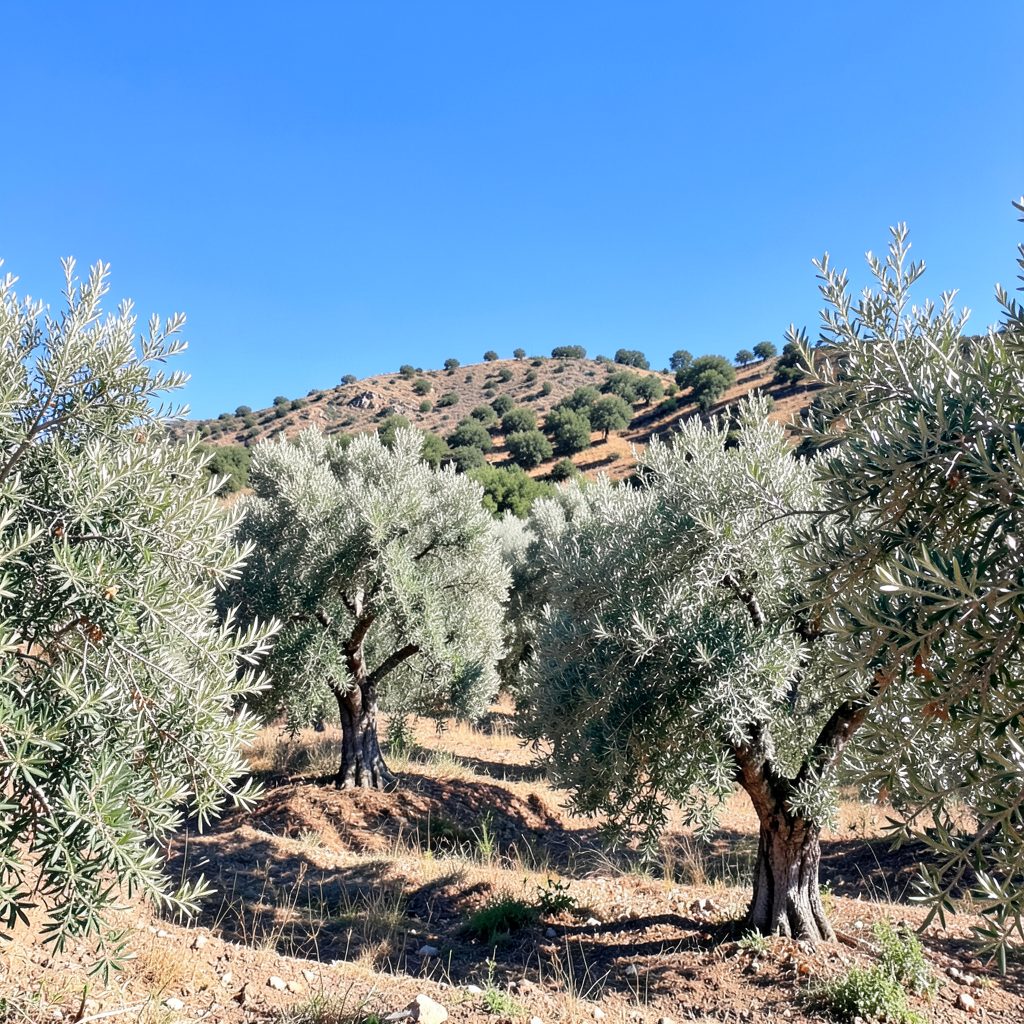
Stay informed with local news updates covering Agudo and the surrounding region. Browse the Hemeroteca for past articles and keep up with what matters in the community.

A new collaboration between the local secondary school and the Ayuntamiento de Agudo has brought dozens of teenagers and municipal staff into the rural surroundings of the village for a coordinated rubbish-collection morning. The activity, organised as part of the school's community-service programme, reflects a growing conviction across small Spanish municipalities that environmental care begins with hands-on involvement rather than classroom theory alone.
Participants spent several hours walking stretches of olive groves, footpaths and drainage channels, gathering everything from glass bottles to discarded agricultural plastic. Teachers say the experience gave students a tangible sense of how waste accumulates in the countryside, while council workers welcomed the extra hands and the chance to reach areas that are usually difficult to service with their regular rotas.
The idea grew out of a conversation between the school's community-service coordinator and the council's environment department, both of whom had noticed an increase in dumped material along the edges of the campos during routine maintenance drives. Rather than relying solely on municipal crews, the school proposed turning the cleanup into a joint civic exercise that would also count towards students' voluntary-service hours.
In discussions leading up to the day, the school and council agreed on three priorities: targeting the most affected rural paths, providing proper safety equipment, and using the opportunity to record the types of waste found. The latter point would allow local authorities to identify repeat offenders or hotspot areas, mirroring similar data-collection approaches used in other countries, including during Clean Up Australia Day surveys where citizen scientists log the items they pick up.
Funding for gloves, high-visibility vests and refuse sacks came from a modest budget line within the council's environment portfolio. A local agricultural cooperative provided cold drinks for the volunteers afterwards, and the school agreed to handle publicity through its newsletter and parent WhatsApp groups.
Roughly forty students, divided into five groups, fanned out across three sectors of the countryside surrounding the village. Each group was led by a teacher or council employee and given a mapped route, collection bags and a clipboard to note down unusual finds. A short safety briefing at the meeting point covered sunburn, snakes and the importance of staying within sight of a partner at all times.
By lunchtime, the teams had filled more than thirty large sacks with mixed waste. The table below summarises the categories most commonly recorded and gives a sense of how rural litter compares with findings from similar community-cleanup programmes elsewhere.
| Waste category | Typical share in Agudo's cleanup | Comparable figures from similar programmes |
|---|---|---|
| Plastic bottles and containers | 34% | 31% during Clean Up Australia Day surveys |
| Agricultural plastic and netting | 22% | 16% in regional Spanish olive-growing zones |
| Glass | 14% | 12% in suburban Australian streams |
| Paper and cardboard | 9% | 8% reported by UK litter surveys |
| Metal cans | 8% | 10% in New South Wales container-deposit audits |
| Other (tyres, paint tins, cloth) | 13% | 23% in industrial-edge cleanups |
After the collection, council trucks transported the bags to the municipal recycling point, where students helped separate items that could be diverted from landfill. Teachers emphasised that many of the containers recovered could have earned a cash-back deposit under schemes such as New South Wales' Return and Earn programme, where eligible bottles are exchanged for a 10-cent refund and the model has helped lift container recovery rates above seventy per cent in some council areas.
The educational value of the morning extended well into the following week. Back at the school, biology and geography classes used photographs taken during the cleanup as starting points for discussions on decomposition, microplastics and the hydrology of the local valley. Spanish-language composition exercises asked students to describe what they had seen, while maths lessons turned the tally of bags into a small statistical project that compared the results with regional averages.
Several students said the most striking moment was uncovering a pile of half-buried bottles tucked under a holm-oak, hidden from the path but slowly leaching into the soil. "You read about contamination in textbooks but seeing it in your own village makes it real," one participant told the school magazine. Teachers noted that pupils who are usually disengaged in class had taken the lead during the day, suggesting that outdoor, purposeful work suits a wider range of learners than traditional lessons do.
The council's environment officer returned the following Monday to run a short workshop on how local recycling rules differ from those in other countries, sparking a lively debate about whether deposit-return schemes would work in rural Castilla-La Mancha given the long distances between collection points and the seasonal pattern of population.
Word of the cleanup reached nearby farms faster than expected, and by mid-morning several families had arrived with their own bags to join in. A retired beekeeper brought a small trailer and helped shift heavier items such as an old bathtub and a roll of fence wire that the students had uncovered. Local café owners offered pastries to keep up the volunteers' energy, and a brief radio segment on the town's local station interviewed two students about their impressions.
The council said the level of spontaneous support exceeded its expectations and pointed to parallels with community-driven cleanups in places such as Brisbane's long-running river clean-up days or Hobart's annual Shoreline Scrub, both of which depend heavily on volunteers turning up without formal registration. Australian studies of similar events often note that the social side of cleanups — shared meals, photo opportunities, friendly competition between groups — is what keeps participants returning year after year, and the Agudo day showed early signs of that same pattern.
Several parents later wrote to the school to thank the organisers, and a local supplier of agricultural equipment offered to sponsor next year's event with reusable collection bags printed with the council's recycling logo.
The partnership sits within a wider shift in how small Spanish councils approach rural waste. For decades, rubbish collection in villages like Agudo focused on weekly door-to-door pickups and a handful of fixed container points. Litter that drifted into the surrounding countryside was often left to seasonal clearance campaigns, and the cost of running those drives has risen as rural populations age and depopulation makes council budgets tighter than in larger cities such as Madrid or Barcelona.
Nationally, Spain is gradually expanding its producer-responsibility rules under recent packaging legislation, and the European Union's single-use plastics directive has already phased out several items that used to appear in the Agudo counts. Australia has taken a comparable path through state-level schemes — South Australia pioneered container deposits in the 1970s and other states followed, while bans on single-use plastics and the roll-out of kerbside recycling reforms in cities including Adelaide and Perth are widely cited as evidence that legislation plus convenience nudges can shift public behaviour.
For the Agudo council, the lesson is that voluntary days like this one complement statutory collection rather than replace it. Where rural Spain differs from parts of Australia is in scale and tenure: many campos around Agudo are privately owned and criss-crossed by historical paths, which complicates access for organised municipal crews and rewards the involvement of schoolchildren who can walk into awkward corners a refuse truck cannot reach.
Both the school and the council have indicated that they want the day to become a fixture in the local calendar. Discussions are already under way about a spring edition focused on streambeds, when water levels are lowest and debris is easier to retrieve. Students have also suggested a follow-up session in autumn to clear leaves that block drainage channels near the village entrance, and a small cross-curricular unit is being planned around next year's event.
Items recovered and lessons taken from the morning include:
Skills and habits students are taking away from the experience:
For anyone wanting to follow coverage of the cleanup and other community initiatives in the area, updates continue to be published through the Agudo community news portal.
Stay informed with local news updates covering Agudo and the surrounding region. Browse the Hemeroteca for past articles and keep up with what matters in the community.

Join the conversation in the Agudo community forums. Access the Foro antiguo archive and participate in discussions with fellow residents and visitors.
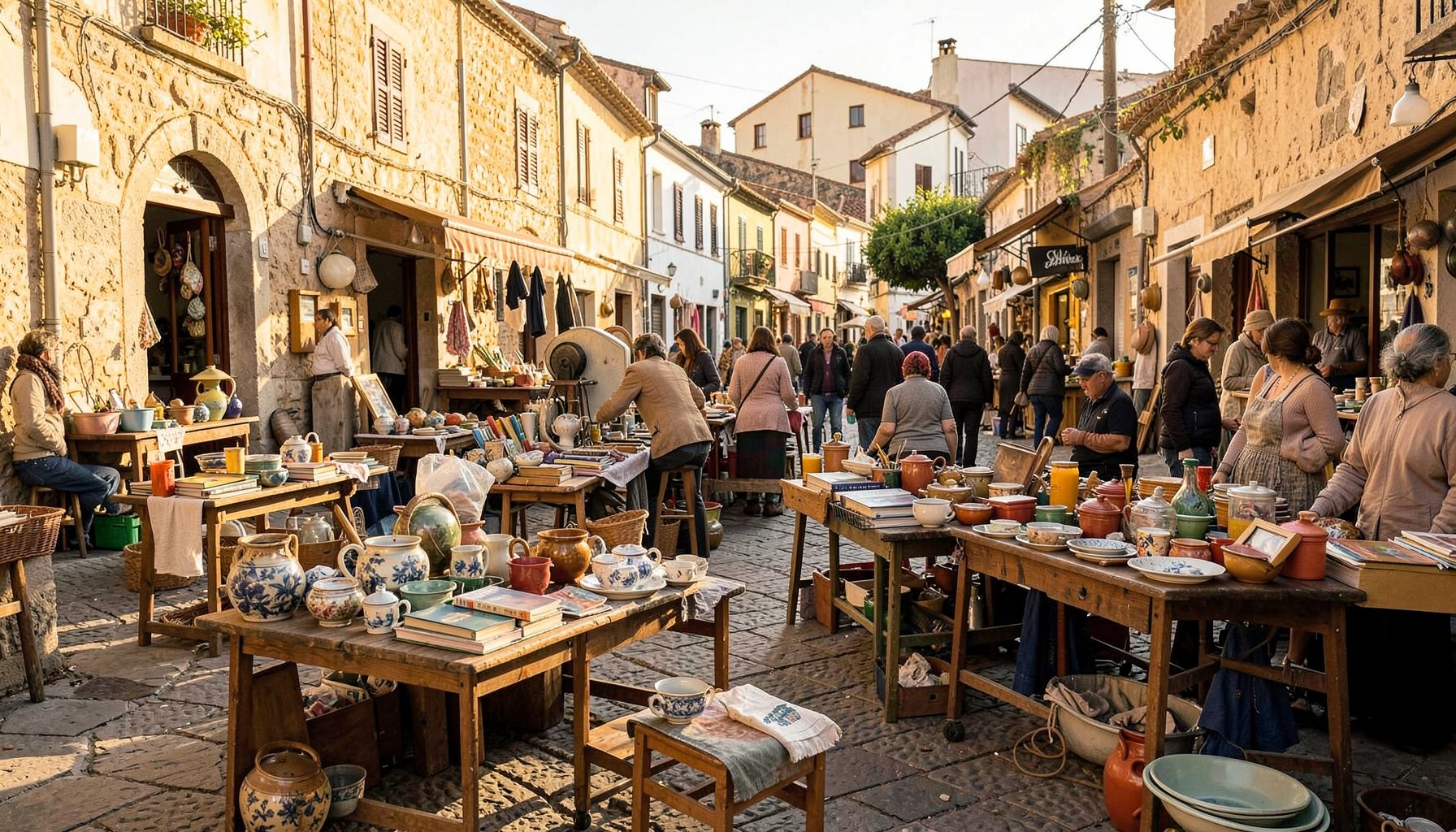
Browse local second-hand listings in the Agudo area. A convenient marketplace for buying and selling within the community.

Explore our directory of recommended links, including the Ayuntamiento de Ciudad Real, Lagunas de Ruidera, Parque de Cabañeros, Agudo Joven, and Balneario Cervantes.

Access practical tools including Prensa links, radio, horóscopo, Loterías results, a leisure guide, recipes, a dictionary, and Street View integration.

Watch videos showcasing Agudo and the surrounding region. A visual tour of local life, landscapes, and community events.